
2026年11月13日
Cylinder Free vs Hydraulic Wax Injection Machines Compare process control mold fit maintenance automation and utility needs for informed investment de
Differences Between the Two Machine Types
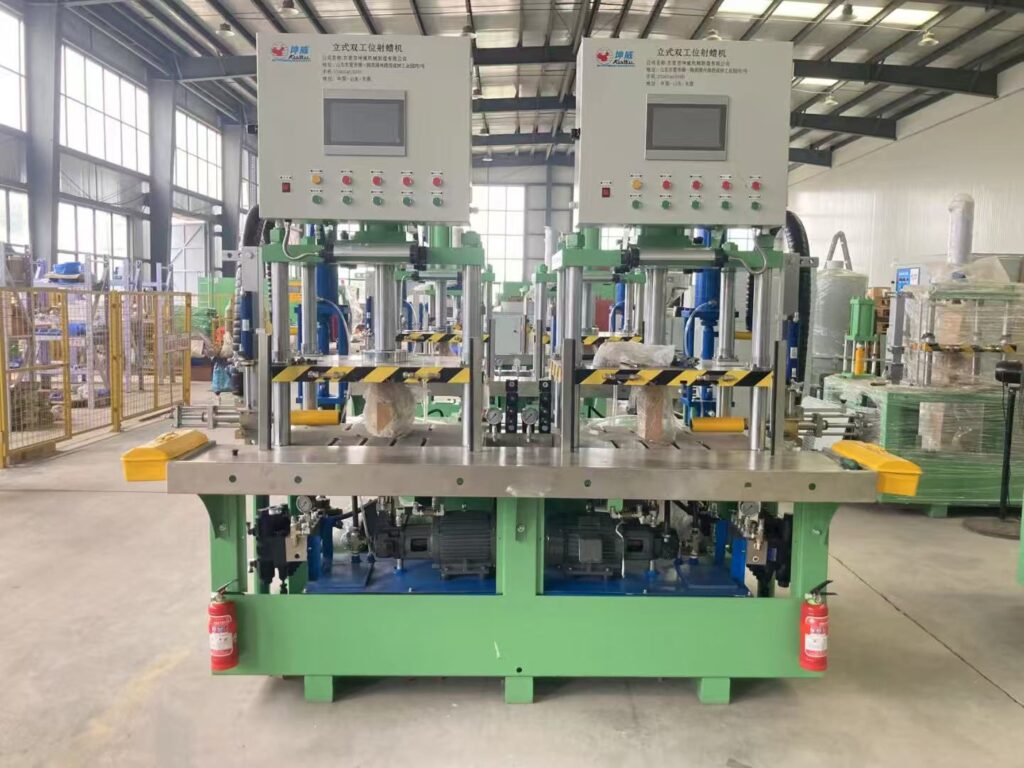
Selecting between Cylinder-Free vs Hydraulic Wax Injection Machines comes down to how clamping force and injection pressure are generated, transmitted, and controlled during wax pattern production. In precision investment casting, both architectures aim to deliver repeatable wax patterns and dimensional consistency, yet their mechanical layouts affect floor footprint, maintenance routines, and line integration.
Cylinder-Free Wax Injection Machines
A cylinder-free wax injection machine eliminates traditional hydraulic cylinders in the clamping or actuation structure. Instead of relying on long-stroke hydraulic pistons, the system uses alternative mechanical or direct actuation assemblies to open, close, and lock the mold platen while regulating wax injection parameters.
- Compact Structural Footprint: Removing external hydraulic cylinders reduces overall machine height and overhead clearance requirements, simplifying placement in foundries with strict ceiling limits or dense equipment layouts.
- Clean Operating Environment: With fewer or no external hydraulic cylinder seals in the clamping zone, the risk of oil mist or fluid leaks near wax molds is minimized.
- Controlled Process Repeatability: Engineered to maintain stable process parameters across production cycles, supporting consistent pattern geometry when paired with precision-machined assemblies (built to core component tolerances within 5μm).
Hydraulic Wax Injection Machines
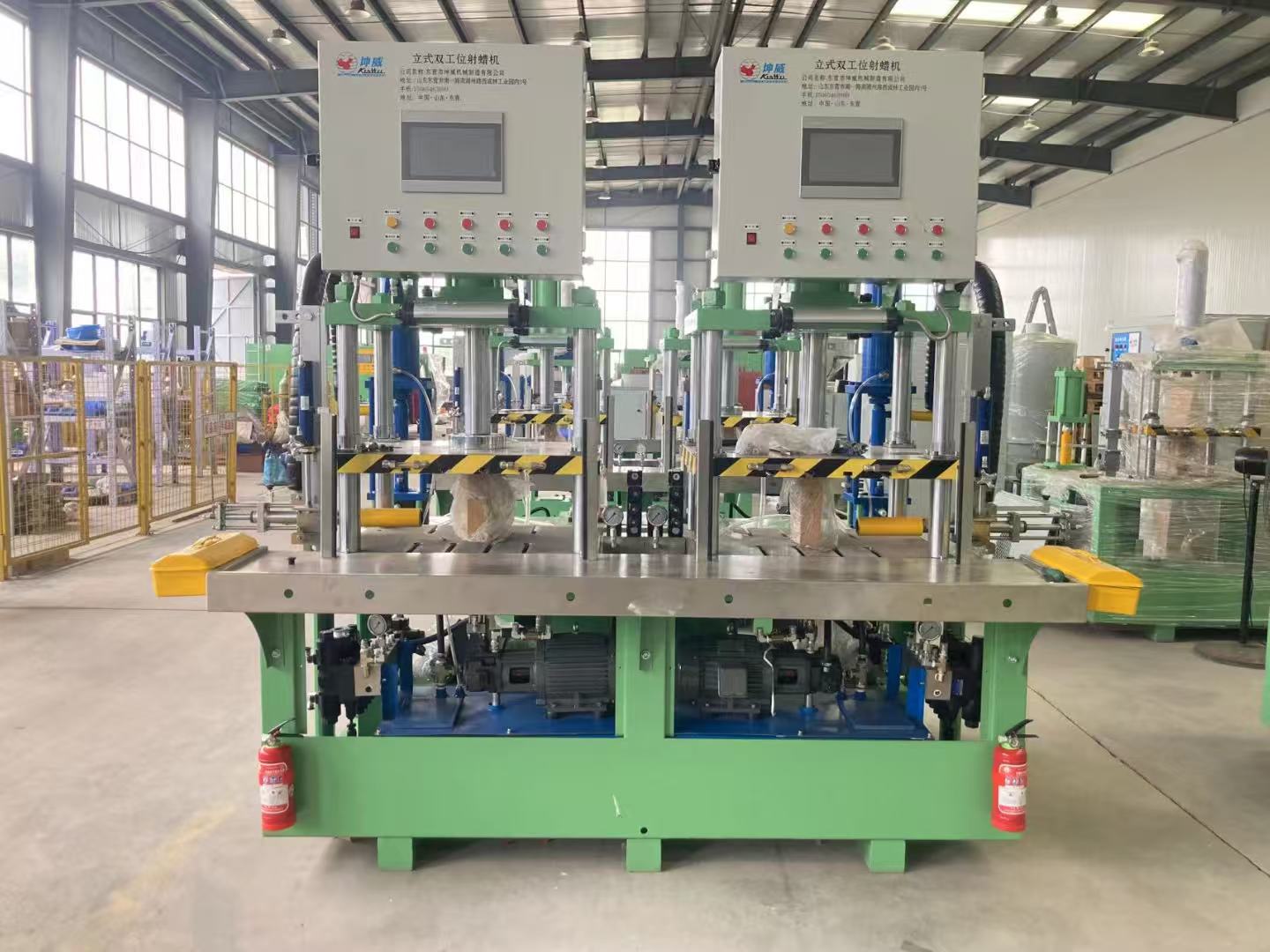
A hydraulic wax injection machine uses pressurized hydraulic fluid, valves, and cylinders to drive platen clamping and wax injection. This established architecture remains widely deployed across investment casting foundries handling diverse tooling sizes and demanding clamping loads.
- Proven Force Transmission: Hydraulic cylinders provide direct, high-tonnage clamping force suitable for multi-cavity dies and larger wax pattern geometries.
- Broad Tooling Adaptability: Well-suited for foundries running varied mold thicknesses and frequent die changes across general industrial, energy, and automotive casting applications.
- Familiar Maintenance Workflows: Relying on standard hydraulic pumps, manifolds, and seals, these systems align easily with existing foundry maintenance teams and spare-parts inventories, while still supporting integration with conveyors, fixtures, and automated production-line controls.
Core Engineering Review Comparison Points
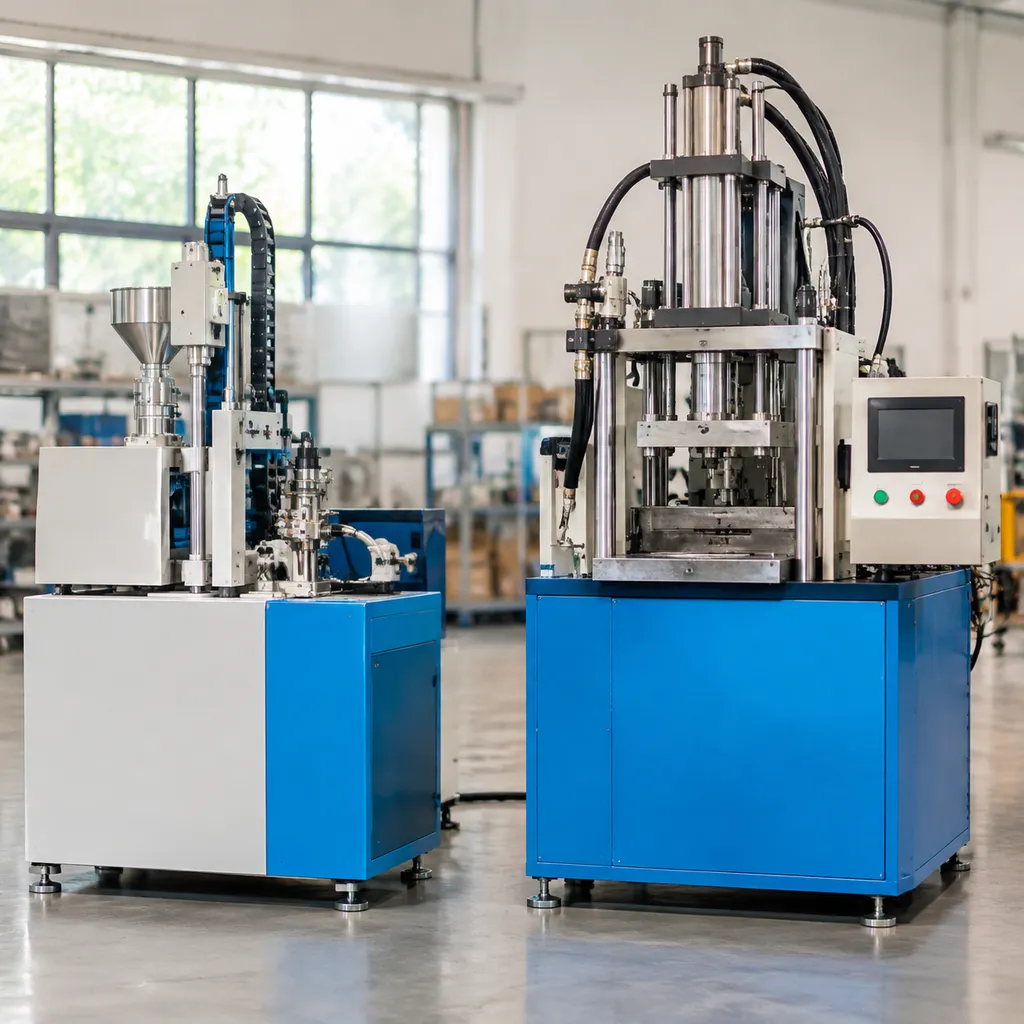
When our engineering team evaluates Cylinder-Free vs Hydraulic Wax Injection Machines for an investment casting line, we look past the spec sheet labels and focus on how each design impacts your daily production stability. Both architectures aim to produce repeatable wax patterns, yet they behave differently on the foundry floor.
1. Wax Injection and Process Control
Dimensional consistency starts with how injection parameters are held across thousands of cycles.
- Process Repeatability: Whether you run complex thin-wall aerospace parts or high-volume automotive components, your machine must lock in stable injection settings to prevent shrinkage, air traps, and flow lines.
- Mechanical Tolerance: Our core components are machined and assembled within a 5μm tolerance. While a cylinder-free architecture removes traditional hydraulic fluid dynamics from the drive path for direct response, a well-built hydraulic system delivers steady clamping force across varying mold sizes. The right choice depends on your specific part geometry and tooling design.
2. Maintenance and Service Access
Every hour spent troubleshooting a machine cuts directly into foundry throughput.
- Hydraulic Upkeep: Traditional hydraulic wax injection machines rely on fluid circuits, seals, and valves. Over time, routine preventive maintenance is required to manage fluid condition, inspect seals, and keep external clearances open for service technicians.
- Cylinder-Free Footprint: Removing hydraulic cylinders simplifies the mechanical layout around the clamping and injection zones. This reduces fluid-related maintenance tasks and often frees up floor space around the mold area for easier die changes and routine inspections.
3. Energy Consumption, Utilities, and Operating Environment
Your existing facility infrastructure often dictates which machine integrates with less friction.
- Utility Requirements: Hydraulic units require dedicated hydraulic fluid management and cooling setups, which add to your baseline shop utility load. Cylinder-free systems shift that demand toward clean electrical power, reducing oil handling on the shop floor.
- Shop Floor Conditions: Cleanliness matters, especially in medical or precision casting environments. Eliminating hydraulic oil circuits removes the risk of fluid leaks near your wax stations, keeping the surrounding workspace cleaner and more aligned with strict quality standards. Downstream thermal equipment—such as a https://vastpe.com/1200c-energy-saving-burnout-furnace-for-silica-https://vastpe.com/1200c-energy-saving-burnout-furnace-for-silica-sol-shells/">1200°C energy-saving burnout furnace for silica sol shells—also benefits when incoming wax patterns remain free of surface contaminants.
4. Automation and System Integration
Modern foundries rarely run wax presses in isolation. We configure our equipment to connect directly into broader production cells.
- Robotic Handling: Both cylinder-free and hydraulic machines can pair with our Robot Integrators, conveyors, and automated inspection fixtures to improve material handling and operator safety.
- Digital Monitoring: Regardless of the drive type you select, our automated lines integrate with an Industrial Internet platform. This gives your team real-time process monitoring, data analysis, and fault early warning across your entire wax room.
Quick Selection Checklist: Cylinder-Free vs Hydraulic Wax Injection Machines
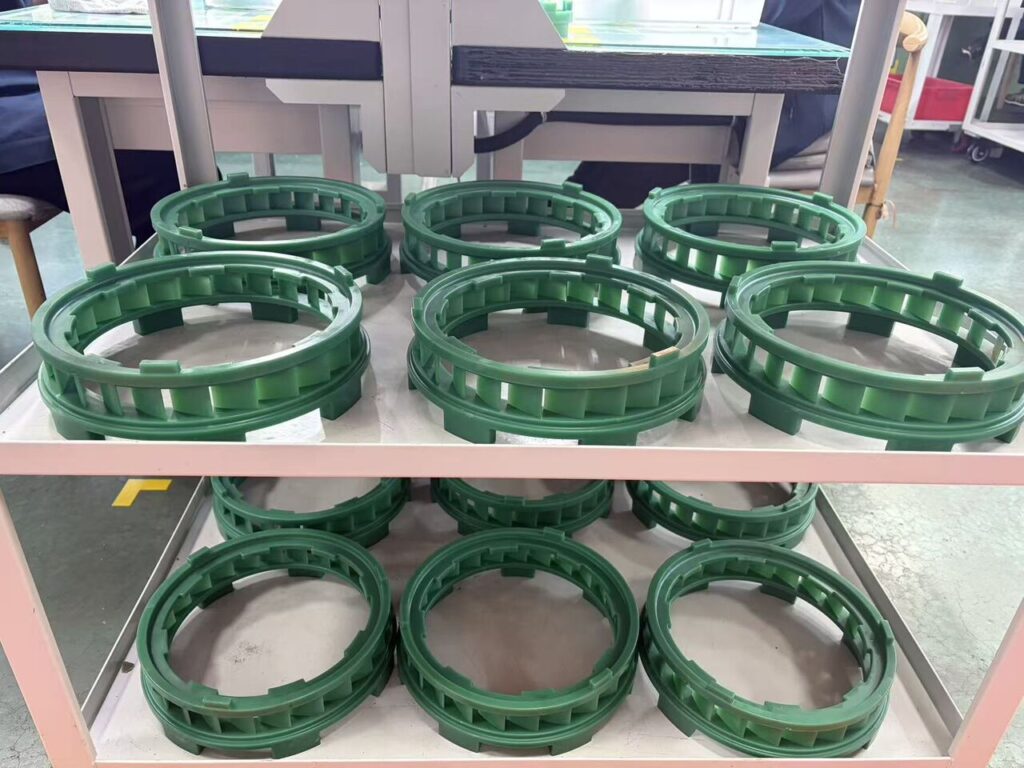
Before locking in a machine quote, run your project through this practical engineering checklist. At Vastpe, we evaluate these exact floor factors alongside our ≤5μm core component machining tolerance and ISO 9001 quality standards so your equipment matches real production conditions.
| Selection Factor | Cylinder-Free Wax Injection Machine | Hydraulic Wax Injection Machine |
|---|---|---|
| Dimensional Repeatability | Built for tight-tolerance patterns requiring consistent injection parameters across complex geometries | Proven stability for standard-to-complex patterns across established foundry workflows |
| Shop Floor Cleanliness | Minimizes hydraulic fluid handling and potential oil leak points near wax and shell zones | Requires routine hydraulic oil management, seal checks, and fluid containment |
| Preventive Maintenance | Focuses on mechanical drive upkeep, sensor calibration, and scheduled inspections | Demands regular hydraulic fluid monitoring, filter swaps, and valve/seal servicing |
| Automation & Digital Readiness | Integrates directly with Robot Integrators and Vastpe’s Industrial Internet platform for remote monitoring and fault early warning | Connects smoothly with existing conveyors, fixtures, inspection equipment, and line controls |
| Best-Fit Applications | Aerospace, defense, medical components, and automated cells prioritizing clean operation | Automotive, energy, pumps, valves, and general industrial casting lines |
- Match the part to the process: Review your wax pattern geometry, wall thickness, and downstream https://vastpe.com/17-4-ph-investment-https://vastpe.com/17-4-ph-investment-casting-precision-stainless-steel-service/">17-4 PH investment casting or alloy requirements before choosing a drive architecture.
- Verify line interfaces early: Confirm how the press will hand off patterns to your Automated Shell Coating Systems, Dewaxing Autoclaves, and existing factory controls.
- Plan for lifecycle support: Factor in operator training, spare parts access, and remote diagnostics—our engineering team backs every configuration with 24/7 technical support.
Selection Logic Across Different Production Scenarios
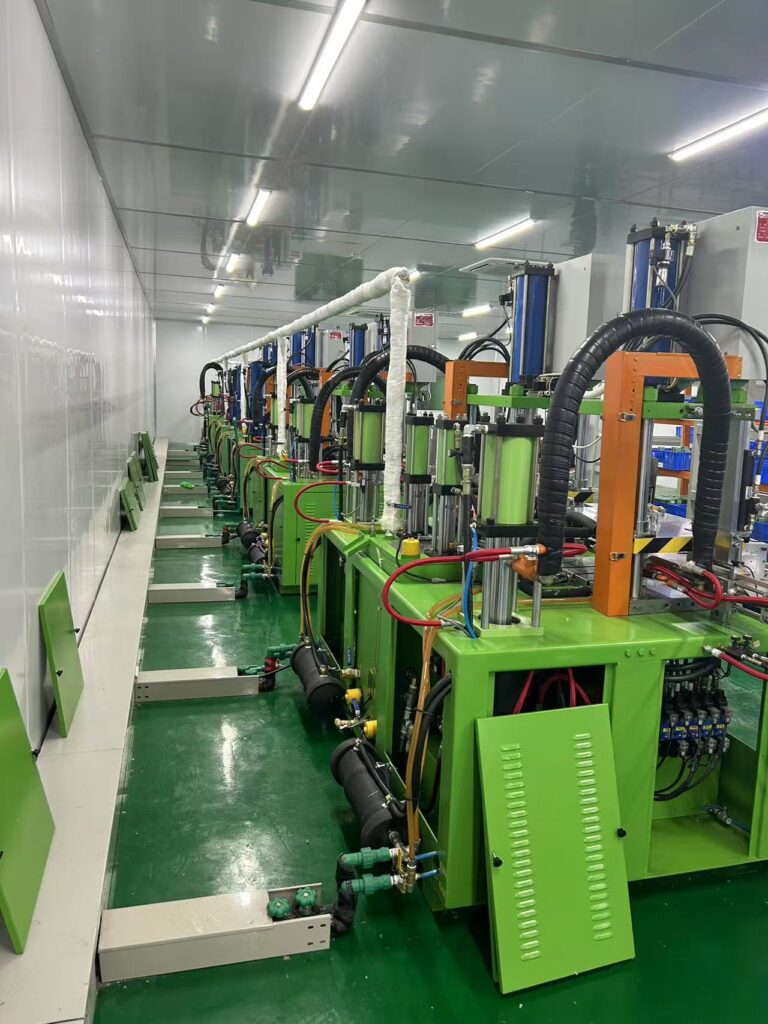
Choosing between cylinder-free and hydraulic wax injection machines comes down to your actual shop floor conditions, part complexity, and production targets. At Vastpe, we review how each machine fits into your overall investment casting workflow before making a recommendation.
New Production Lines or Automated Foundry Planning
When you are building a greenfield facility or planning foundry automation from scratch, system integration is a primary focus.
- Automation interfaces: Both machine types can connect with robot integrators, conveyors, fixtures, and inspection stations, though clean, compact layouts make robotic pattern unloading more straightforward.
- Digitalization: Look at how the machine links with factory controls and an Industrial Internet platform for remote monitoring, data analysis, and fault early warning.
- Downstream alignment: Ensure your wax pattern output matches the pace of your automated shell coating systems and high-pressure dewaxing autoclaves.
Replacing Equipment on Existing Lines
Swapping out a single machine on an active foundry floor requires working around fixed physical and utility constraints.
- Floor space and layout: Measure available footprint and overhead clearance carefully, especially when fitting into an established material flow.
- Legacy compatibility: Verify that the new unit works with your current dies, clamping setups, and existing production-line controls without forcing costly facility modifications.
- Maintenance habits: Consider what your floor technicians are already trained to service so you minimize downtime during installation and commissioning.
High-Mix, Low-Volume Production
Facilities serving aerospace, medical casting, or custom industrial orders frequently switch between complex part geometries and tighter tolerances.
- Quick changeovers: Prioritize fast mold setup and repeatable parameter recall so operators spend less time dialing in new runs.
- Dimensional consistency: Tightly controlled injection parameters help maintain pattern stability across intricate, thin-walled designs.
- Prototyping bridge: For ultra-low quantities or initial design validation before cutting metal tooling, comparing https://vastpe.com/3d-https://vastpe.com/3d-printed-wax-vs-injected-wax-for-casting/">3D printed wax vs injected wax for casting helps determine when to transition onto your injection press.
High-Volume, Stable Production
Automotive, pump, and valve manufacturers running continuous shifts need steady cycle repeatability and predictable uptime.
- Continuous thermal and pressure stability: The machine must hold consistent process parameters over long production runs without drift.
- Preventive maintenance schedules: Evaluate seal wear, fluid upkeep, and component durability—backed by micron-level core part machining—to prevent unplanned line stoppages.
- Robotic cell readiness: Pairing the press with automated part handling keeps cycle times uniform and improves operator safety on high-output lines.
What to Include in Your RFQ When Comparing Cylinder-Free vs Hydraulic Wax Injection Machines
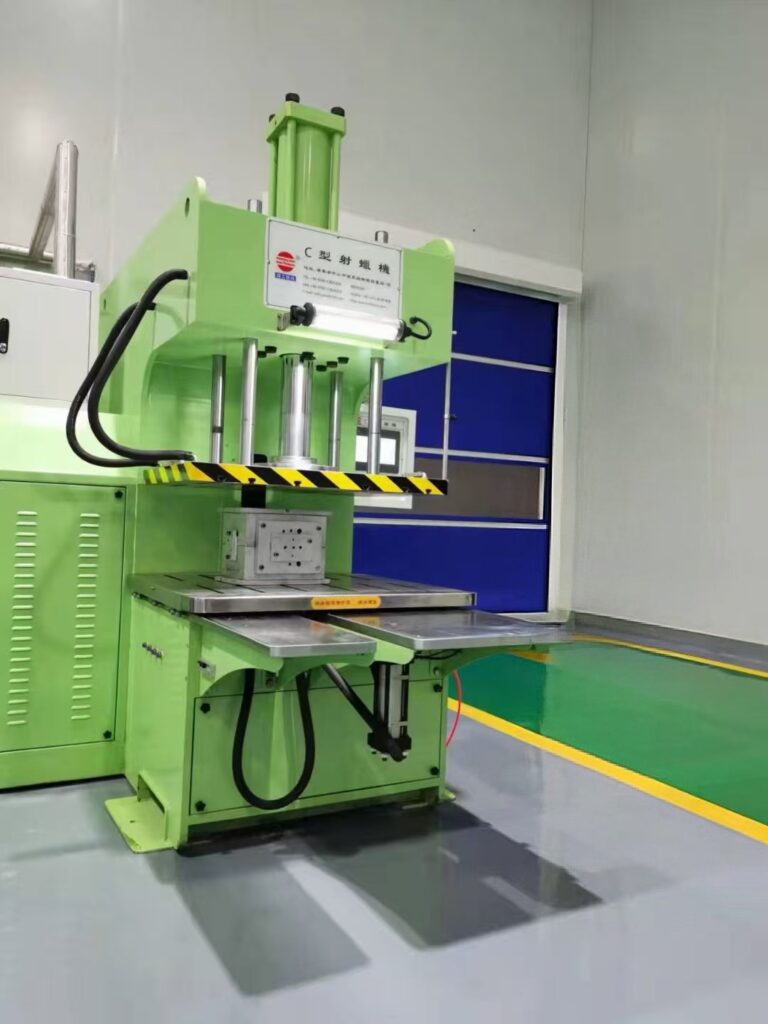
When we evaluate a project at Vastpe, we do not recommend equipment based on a brochure alone. Sending a clear, data-backed Request for Quote (RFQ) allows our engineering team to review your investment casting process and configure the right cylinder-free or hydraulic wax injection machine for your shop floor.
To get an accurate comparison and equipment quote, include these project details in your RFQ:
- Part Geometry and Dimensional Tolerances: Share 2D/3D drawings, wall thickness variations, and critical dimensional requirements so we can assess pattern stability and repeatability needs.
- Wax and Casting Materials: Specify the wax type, injection temperature range, and target metal alloys—whether you are casting components for aerospace, medical, automotive, or energy applications.
- Die and Tooling Specifications: List your existing or planned mold dimensions, platen clearance requirements, and whether you need tooling or wax pattern engineering support.
- Production Volume and Cycle Targets: Define your expected annual output, batch sizes, and shift schedules so we can match machine throughput to your production goals.
- Facility Layout and Automation Interfaces: Provide floor space constraints, utility availability, and details on existing equipment—such as conveyors, fixtures, inspection stations, or robot integrators—that must connect to the machine.
- Digital Monitoring and Quality Standards: Note if your facility requires ISO 9001 process documentation, remote monitoring, fault early warning, or Industrial Internet data integration.
Summary: Compare the Process, Not Just the Machine Label
Choosing between cylinder-free vs hydraulic wax injection machines comes down to your specific casting process rather than a generic hardware label. A machine only creates real value on the foundry floor when it matches your part geometry, production volume, and downstream automation setup.
At Vastpe, our 50+ senior engineers follow our "Precision Vast" standard—holding core component processing and assembly tolerances within 5μm—to match equipment with verified production needs. Whether you are producing complex aerospace parts, medical components, or https://vastpe.com/4340-steel-casting-high-strength-custom-componentshttps://vastpe.com/4340-steel-casting-high-strength-custom-components/">high-strength 4340 steel castings, the machine configuration must protect dimensional consistency from the very first wax pattern.
Before locking in an equipment specification, evaluate how the wax injection system fits into your complete workflow:
- Process Repeatability: Does the machine maintain stable injection parameters across your specific mold sizes and wall thicknesses?
- Line Integration: Can the unit connect smoothly with existing conveyors, fixtures, and robot integrators without bottlenecking upstream or downstream steps?
- Downstream Compatibility: Will the resulting wax patterns meet the exact quality requirements for your automated shell coating systems and dewaxing autoclaves?
- Digital Monitoring: Does the setup support Industrial Internet connectivity for remote monitoring, fault early warning, and live production data analysis?
Evaluating your full production line ensures you invest in reliable, repeatable output rather than paying for specifications your foundry does not need.
Frequently Asked Questions
Are cylinder-free wax injection machines always more accurate than hydraulic models?
Not automatically. Dimensional consistency depends on the entire machine build, tooling quality, and process parameter control, not just the drive label. Whether you use a cylinder-free or hydraulic wax injection machine, repeatable results come down to core component machining tolerances—which we hold within 5μm at Vastpe—paired with stable injection pressure, temperature regulation, and mold alignment.
Does "cylinder-free" mean the machine requires zero maintenance?
No. Every industrial wax injection machine requires scheduled preventive maintenance to keep production running smoothly. While a cylinder-free design eliminates traditional hydraulic cylinder seal wear and oil-related upkeep, operators still need to inspect mechanical drive assemblies, heating zones, sensors, and lubrication points regularly.
Are hydraulic wax injection machines unsuitable for automated foundries?
Not at all. Modern hydraulic wax injection machines integrate directly into automated investment casting cells. With proper control interfaces, they connect seamlessly with robot integrators, conveyors, fixtures, inspection equipment, and Industrial Internet monitoring platforms to support automated pattern handling and fault early warning.
What information should I provide when requesting a comparison quote?
To give you an accurate comparison between cylinder-free and hydraulic wax injection options, send us your core project details in your casting RFQ:
- Part geometry and dimensions: Overall size, wall thickness, and mold complexity.
- Production targets: Expected batch sizes, cycle time goals, and annual volume.
- Material and quality requirements: Wax type, target casting alloy (such as A356 aluminum investment casting), and required dimensional tolerances.
- Facility and integration specs: Available floor space, utility supply, and whether you plan to connect the machine to existing robotics or production-line controls.
Can Vastpe recommend a machine model without conducting a process review?
We strongly advise against selecting equipment without reviewing your actual production process first. Because every foundry has different part geometries, throughput goals, and floor layouts, our engineering team—backed by over 20 years of industry experience, as detailed on the Vastpe company overview—evaluates your technical requirements before configuring a machine. This ensures the equipment fits your workflow rather than forcing your process to adapt to an off-the-shelf unit.
 English
 Russian
 German