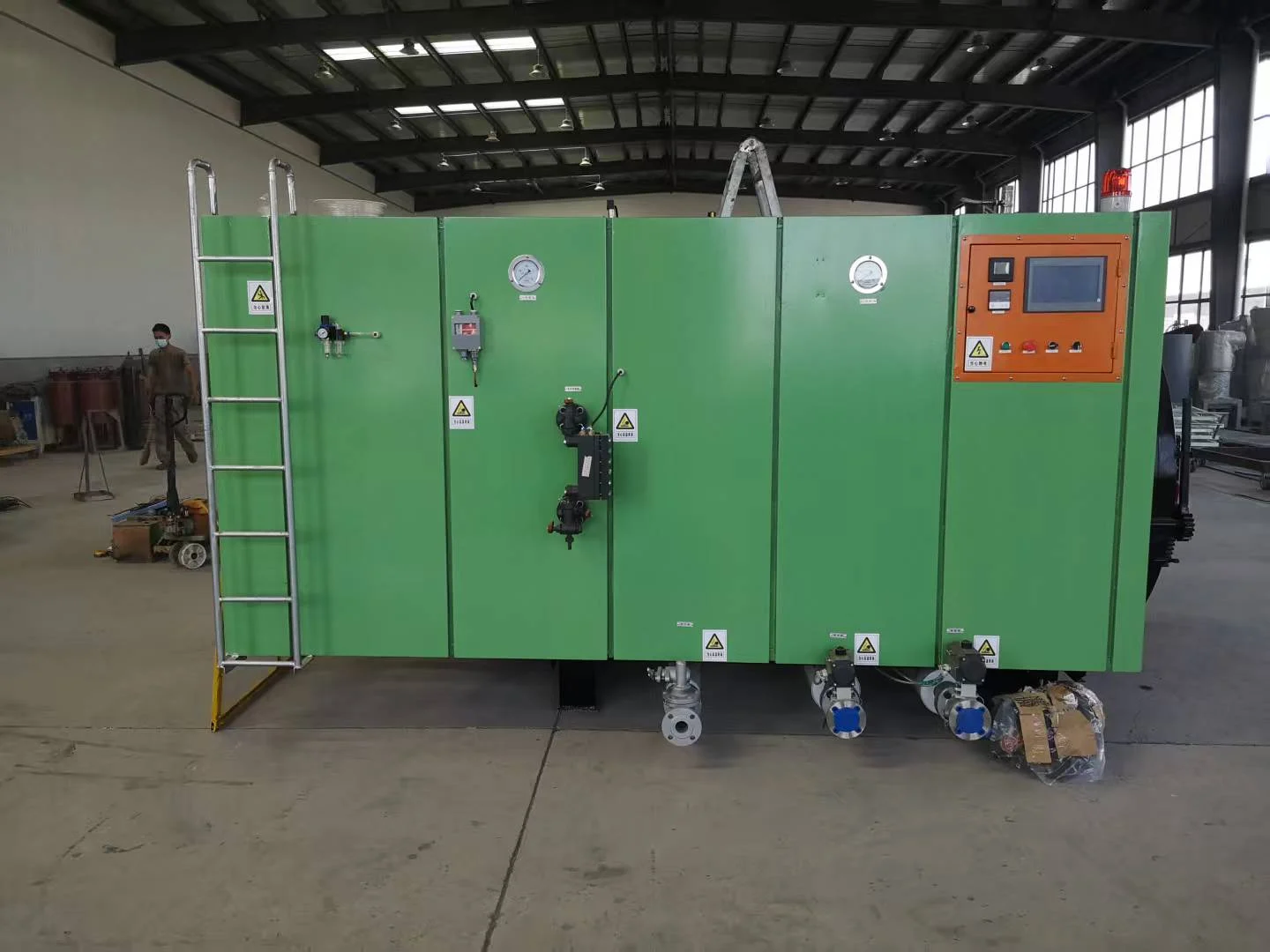
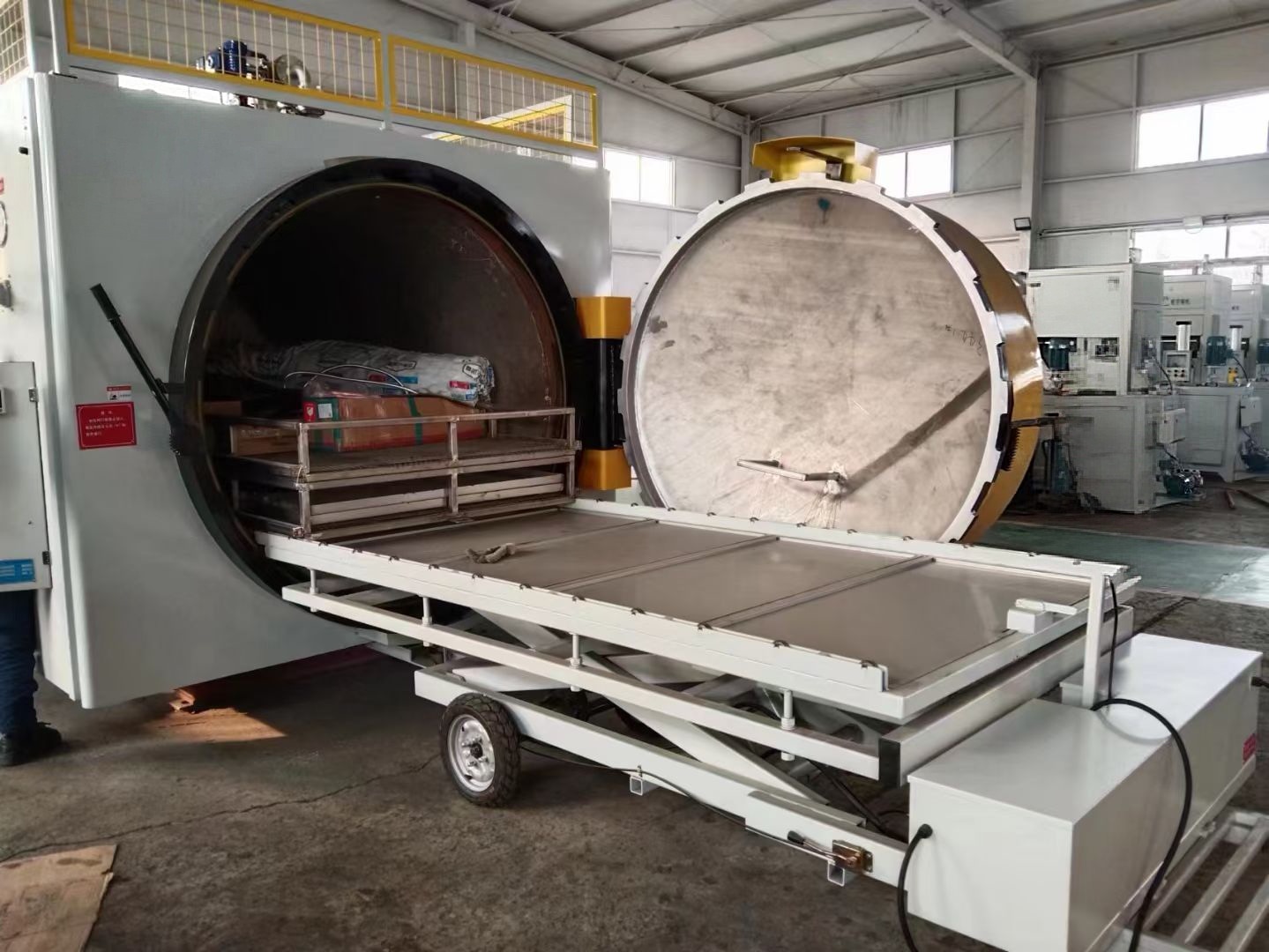
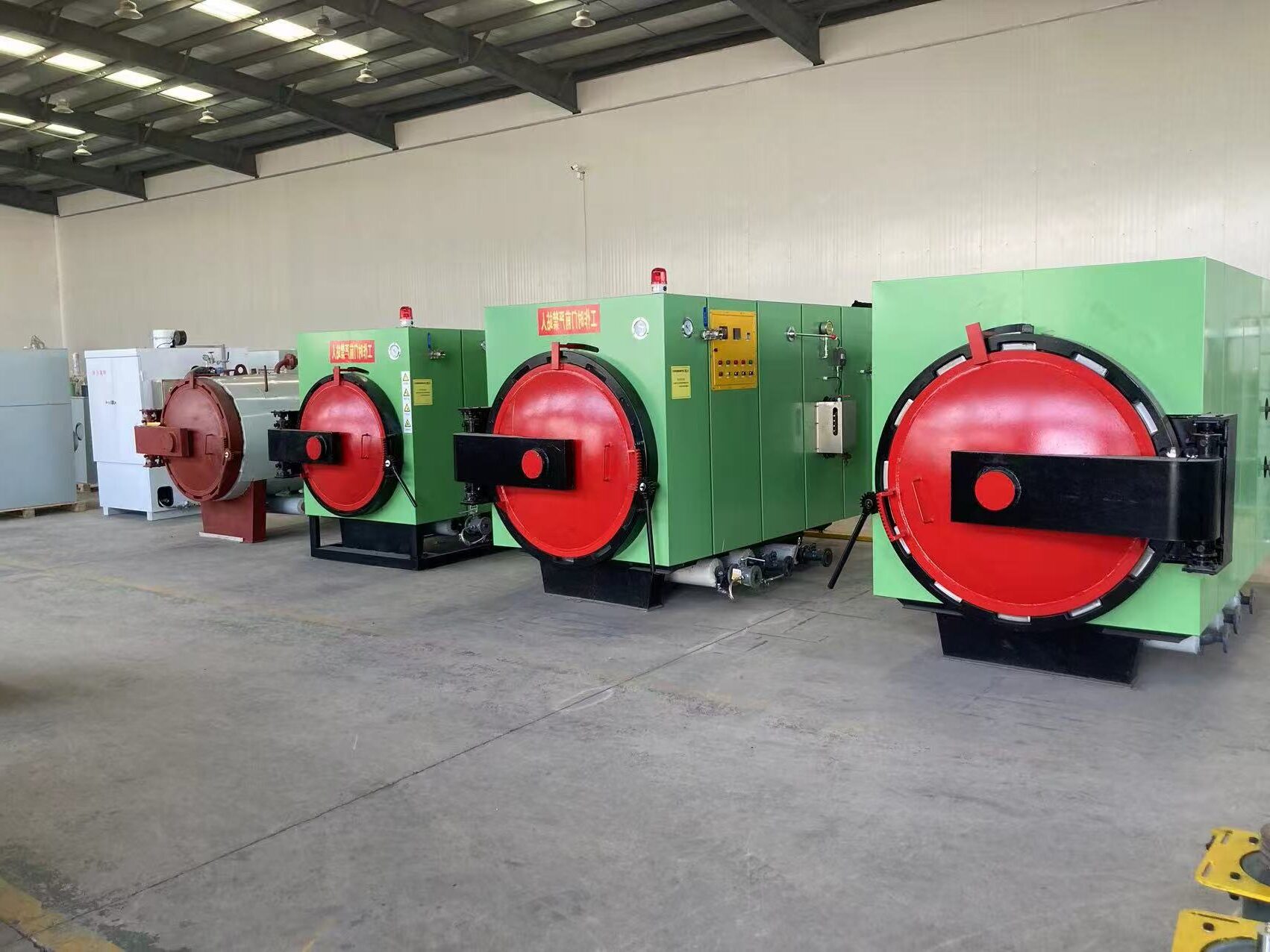
High-Efficiency Precision Dewaxing Autoclave

Vastpe dewaxing autoclaves provide reliable steam dewaxing for investment casting, supporting high-alloy production, process stability and efficient shell removal.

Dewaxing Autoclave for Investment Casting

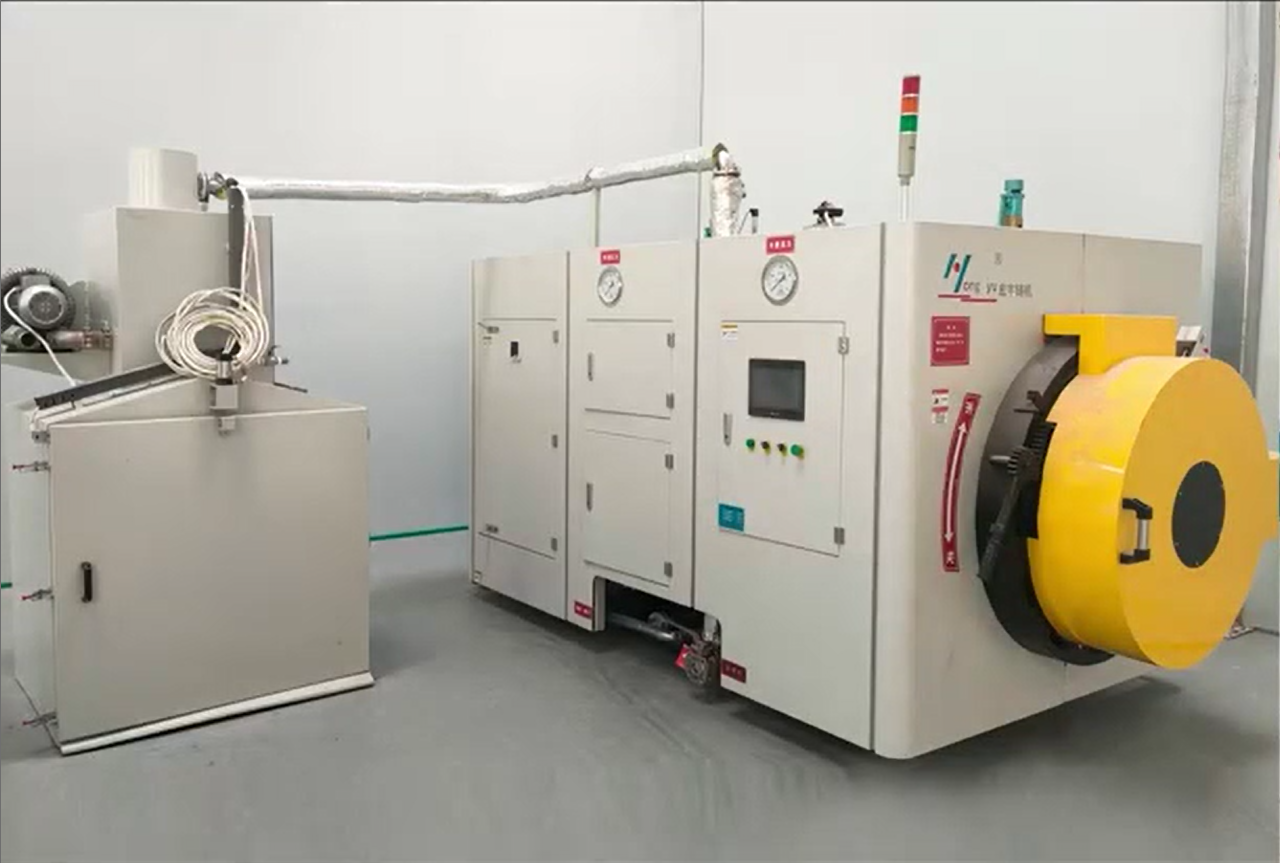
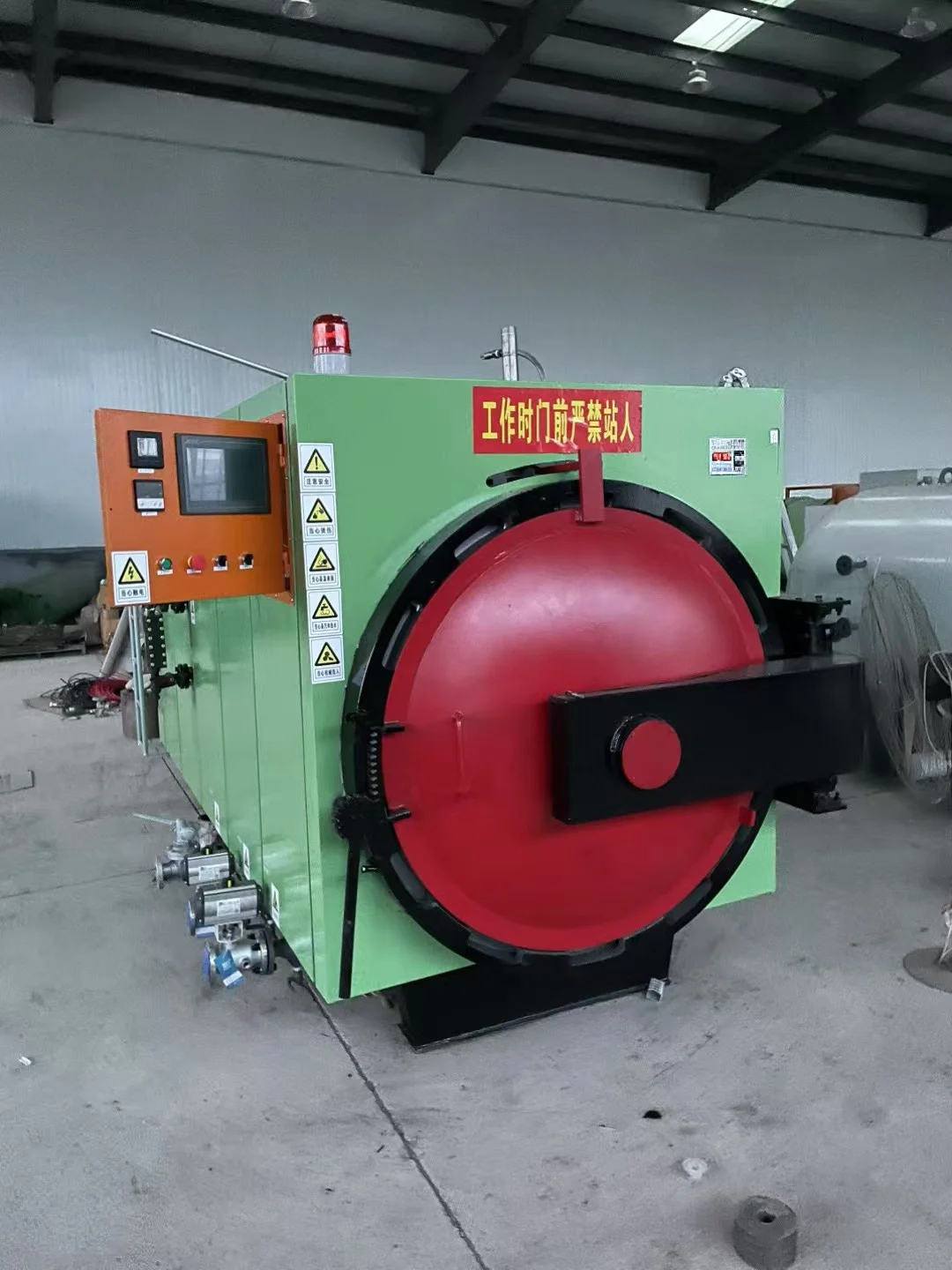
Vastpe supplies dewaxing autoclaves for precision casting foundries that use ceramic shell molds in the investment casting process. The system uses controlled steam, pressure, temperature and venting to remove wax patterns before shell firing and metal pouring.
A properly configured dewaxing autoclave can support repeatable wax removal, ceramic shell integrity and stable production cycles. The required chamber size, pressure range, heating method, steam capacity, loading system and control functions depend on the shell design, wax formulation, batch size, production volume and site utilities.
Dewaxing Autoclave Machine

Dewaxing Solutions for Precision Casting

Industrial Dewaxing Machine

Efficient Wax Removal

Optimize wax elimination with Vastpe’s precision-controlled dewaxing systems, enhancing mold quality and reducing defects.

Precision Casting Machine in Operation

Precision Casting Compatibility

Seamlessly integrates with high-precision casting lines, delivering consistent wax removal without compromising mold integrity.

High-Pressure Dewaxing Autoclave

High-Pressure Autoclave Technology

Advanced dewaxing autoclave solutions increase dewaxing speed while maintaining precise temperature and pressure control.

High-pressure die casting technology

Investment Casting Dewaxing Autoclave Overview

Dewaxing is a critical stage in investment casting. After ceramic shell building, wax must be removed from the mold before burnout, preheating and metal pouring. The dewaxing method influences wax removal, shell stress, cycle time, wax recovery and the operating conditions of the downstream process.
Vastpe’s steam dewaxing autoclaves are designed to provide controlled process conditions for investment casting foundries. The equipment can be configured around ceramic shell dimensions, wax type, loading method, required batch capacity and production schedule.
The autoclave may be supplied as a standalone unit or planned as part of a wider investment casting workflow that includes wax injection, automated shell coating, shell drying, burnout, casting, inspection and material traceability.

Control System and Data Recording

A PLC and HMI control system can manage the dewaxing recipe, steam delivery, pressure, temperature, venting, alarms and cycle status. The control scope should be matched to the customer’s process and documentation requirements.
Possible control functions include:
•Recipe selection and user permissions
•Pressure and temperature trend display
•Programmable pressure and venting ramps
•Cycle timer and step-status display
•Alarm, interlock and event history
•Wax-drain or discharge status
•Batch or work-order identification
•Cycle report and data export where supported
•Connection to plant monitoring systems where specified
The actual control functions, communication protocols and data-retention method must be confirmed for the selected configuration.

High-pressure die casting close-up

Durability in Demanding Environments

Rugged dewaxing equipment designed to perform reliably in demanding industrial production environments.

Shell Integrity and Dewaxing Risk Control

Ceramic shell damage can result from several interacting factors, including wax expansion, rapid pressure change, thermal gradients, shell thickness, shell composition, drying condition, pattern geometry, loading arrangement and handling.
A dewaxing autoclave can help control pressure, temperature and venting, but it cannot eliminate all shell-cracking risk. Good results require a validated shell system, suitable wax, correct pattern design, controlled shell drying and an appropriate dewax recipe.
Recommended process controls include:
•Confirming shell dryness before dewaxing
•Checking shell thickness and visible defects
•Using an approved wax and shell recipe
•Loading molds with suitable orientation and spacing
•Controlling pressure and venting ramps
•Monitoring temperature and cycle data
•Inspecting shells after dewaxing
•Recording defects and corrective actions
•Maintaining valves, seals, sensors and safety devices

Suitable Investment Casting Materials and Alloys

The autoclave removes wax from ceramic shell molds; it does not melt or process the final metal alloy. Suitability for a casting program depends on the shell system, wax, mold design, downstream burnout and metal-pouring requirements.

Stainless Steel Investment Casting

Steam dewaxing can support ceramic shell preparation for stainless steel investment casting when the shell recipe, wax system and dewax cycle are validated for the mold design.

High-Alloy and Heat-Resistant Castings

High-alloy and heat-resistant castings may require strict control of shell quality, surface condition, burnout and traceability. The dewaxing equipment should be selected as part of the complete process route.

Titanium Investment Casting

Titanium casting programs may have specific shell, contamination, atmosphere and process-control requirements. The autoclave configuration and downstream process must be reviewed by the customer’s technical team before approval.

Nickel-Based Superalloy Applications

Superalloy investment casting programs may require controlled shell preparation, high process traceability and carefully defined burnout and pouring conditions. The dewaxing cycle should be validated for the wax and shell system used by the foundry.

Steam Dewaxing vs. Flash Fire Dewaxing

Steam dewaxing and flash fire dewaxing remove wax in different ways and may serve different process objectives.

Steam Dewaxing

Steam dewaxing uses controlled steam and pressure in an autoclave to melt and remove most of the wax from the ceramic shell. It is commonly used as a dedicated wax-removal step. Recovered wax may be collected for handling or reuse subject to contamination and moisture controls. The steam process requires pressure-vessel protection, controlled venting, suitable shell preparation and safe operator procedures.

Flash Fire Dewaxing

Flash fire dewaxing uses a high-temperature furnace environment to melt and burn out the wax. It may combine wax removal with shell burnout or preheating, depending on the system and process route. It requires combustion, exhaust, fire protection, furnace controls and suitable environmental and safety measures.

Choosing Between the Methods

The appropriate method depends on shell design, wax system, production volume, furnace route, wax-recovery objectives, energy and utility availability, shell-cracking history, environmental controls and the foundry’s quality requirements. Steam dewaxing and flash fire are not interchangeable settings on the same machine; they are different equipment and process approaches.

Installation, Commissioning and Maintenance

Installation Planning

Review chamber location, floor loading, steam or utility supply, drainage, ventilation, wax collection, lifting access, operator clearance, maintenance access and local pressure-equipment requirements before installation.

Commissioning

Commissioning may include pressure and leak checks, control and interlock verification, steam-system checks, temperature and pressure sensor verification, empty-cycle testing, loaded-cycle trials and shell-quality review.

Operator Training

Training should cover loading, closure operation, recipe selection, alarm response, emergency shutdown, wax drainage, routine inspection and safe release of the equipment for maintenance.

Preventive Maintenance

Maintenance intervals depend on cycle frequency, steam quality, wax contamination, water treatment, seals, valves, sensors and local operating conditions. The maintenance plan may include:
•Door gasket and closure inspection
•Safety-valve and pressure-device checks
•Pressure and temperature sensor verification
•Steam valve and piping inspection
•Condensate and wax-drain cleaning
•Water-level and generator checks where applicable
•HMI, PLC and alarm review
•Chamber and rack inspection
•Calibration and statutory pressure-vessel inspection
Do not publish a fixed maintenance interval until it has been confirmed for the model, duty cycle and applicable regulations.
Precision casting mold and equipment

Steam Dewaxing Process

In steam dewaxing, ceramic shell molds are loaded into a pressure vessel and exposed to controlled steam. The steam transfers heat to the shell and wax pattern. As the wax melts, it is drained or collected through the designed wax-removal path. Controlled pressure delivery, holding and venting help manage the process conditions.
The correct cycle is not the same for every shell. It depends on wax formulation, shell material, shell thickness, mold size, pattern geometry, loading density and the required production result. Process parameters should be established through engineering review and validated trials.

Controlled Steam Delivery

A steam delivery system supplies the required process steam to the chamber. The steam source, piping, valves, accumulator or generator arrangement and control range should be specified according to chamber volume and cycle demand.

Pressure and Venting Ramps

Programmable pressure increase, holding and venting can help control the thermal and mechanical conditions applied to the ceramic shell. Ramp rates should be defined according to the shell system and wax pattern design.

Wax Drainage

Wax drainage depends on shell orientation, drain-path design, temperature, pressure, wax properties and collection equipment. The system should be designed to support reliable drainage without obstructing the shell or creating an unsafe wax-release condition.

Cycle Repeatability

Recipe-based control can help repeat the agreed steam, pressure, temperature, holding and venting sequence. Repeatability still depends on consistent shell loading, wax condition, equipment maintenance and process validation.

Pressure, Temperature and Process Control

Pressure and temperature are connected process variables in a steam dewaxing autoclave. They must be selected together with steam quality, shell design and wax formulation rather than treated as independent settings.

Pressure Control

The required pressure range and ramp profile depend on the steam dewaxing method, mold configuration and validated shell process. Vastpe should provide model-specific pressure limits, operating ranges and relief-device settings in the technical documentation.

Temperature Control

Temperature control supports predictable wax melting and heat transfer. The operating temperature depends on steam pressure, wax formulation, shell material, mold size and the required cycle. Do not publish a single universal temperature value for all investment casting molds.

Holding and Venting

A dewax cycle may include steam delivery, pressure holding, controlled venting and wax-drain assistance. The exact sequence should be configured around the customer’s shell and production requirements.

Recipe Management

An HMI or PLC-based control system may store approved recipes for different shell sizes, wax systems or production programs. Recipe permissions, alarm limits and change-control procedures should be defined with the customer.

Chamber Dimensions and Loading Capacity

The autoclave chamber must accommodate the largest shell mold, loading fixture and required clearance while allowing suitable steam circulation and safe operator access.

Chamber Configuration Factors

•Internal chamber diameter and usable length
•Door opening and loading direction
•Shell rack, tray or fixture arrangement
•Maximum mold height and width
•Batch quantity per cycle
•Maximum permitted loading weight
•Steam distribution and circulation path
•Wax drain location and collection method
•Manual, trolley or automated loading
•Factory floor space and maintenance access

Load Capacity

The rated load depends on the chamber structure, rack or fixture, door system, lifting method, shell weight and applicable pressure-vessel design. Vastpe should confirm the maximum permitted load for the selected model rather than applying a general capacity to all configurations.

Batch and Throughput Planning

Production capacity depends on load quantity, loading and unloading time, steam delivery, pressure ramp, holding time, venting, wax drainage, operator workflow and required shell condition. A capacity estimate should be based on the complete cycle, not only the nominal heating time.

Steam System and Utility Requirements

A steam dewaxing installation may include the autoclave vessel, steam generator or plant-steam connection, valves, piping, pressure regulation, condensate management, wax drainage and control equipment.

Steam Supply Options

The equipment may be designed around:
•Existing plant steam
•A dedicated electric steam generator
•A fuel-fired steam generator where permitted
•A packaged steam system with accumulator or buffer capacity
•Customer-specified steam pressure and utility conditions
The available option depends on local regulations, utility capacity, operating cost, site conditions and customer preference.

Steam and Condensate Management

The installation should account for steam quality, condensate collection, drainage, insulation, ventilation and safe discharge. Piping, valves and components must be selected for the design pressure, temperature and operating environment.

Wax Recovery and Drainage

Where wax recovery is required, the drain path and collection system should be configured to support safe collection and the customer’s wax-handling process. Recovered wax suitability depends on contamination, moisture, filtration and the customer’s reuse requirements.

Safety Interlocks and Pressure-Vessel Protection

A dewaxing autoclave is pressure equipment. Safe operation requires a properly designed vessel, approved relief devices, controlled access and trained operators. The final safety design must comply with the regulations and pressure-vessel requirements applicable at the installation site.

Safety Functions to Define

•Door or closure interlock
•Pressure-proving before door release
•Controlled pressure release
•Over-pressure protection
•High-temperature and low-water protection where applicable
•Steam supply isolation
•Emergency stop and safe shutdown
•Alarm and fault history
•Safe wax-drain operation
•Operator access and exclusion zones
•Inspection, testing and maintenance procedures
The machine must never be opened while the chamber is pressurized or when the closure status is not confirmed safe. Site-specific risk assessment, operator training and authorized maintenance procedures are required.

FAQ

What is steam dewaxing?

Steam dewaxing uses controlled steam and pressure in an autoclave to heat and remove wax from ceramic shell molds before burnout and metal pouring. The cycle includes steam delivery, pressure control, holding, venting and wax drainage.

How is steam dewaxing different from flash fire dewaxing?

Steam dewaxing is a pressurized wax-removal process. Flash fire dewaxing uses a high-temperature furnace to melt and burn out the wax and may combine dewaxing with burnout or preheating. The two methods require different equipment, utilities, controls and safety systems.

Can steam dewaxing prevent shell cracking?

No dewaxing method can guarantee that shell cracking will never occur. Shell damage can be affected by wax expansion, shell composition, shell dryness, pattern geometry, loading, pressure ramps, thermal gradients and handling. A controlled autoclave cycle can help manage process conditions, but the complete shell and wax process must be validated.

What causes shell damage during autoclave dewaxing?

Possible causes include insufficient shell drying, shell defects, unsuitable wax expansion behavior, rapid pressure or temperature change, incorrect mold orientation, excessive loading, handling damage and an unsuitable dewax recipe. Defects should be investigated using shell, wax, loading and cycle data.

Is steam dewaxing safe?

Steam dewaxing can be operated safely only with a correctly designed and maintained pressure vessel, relief protection, closure interlocks, controlled venting, operator training and compliance with applicable local regulations. Never open the autoclave under pressure or bypass a safety interlock.

What pressure and temperature does the autoclave use?

The operating range depends on the machine design, steam source, wax formulation, shell system and validated cycle. Vastpe should provide model-specific design limits and operating parameters during technical review. A universal pressure or temperature value should not be applied to every mold.

What chamber size and load capacity are available?

Chamber dimensions and load capacity are configured around shell size, rack or fixture design, batch quantity, loading method and site conditions. Provide the largest mold dimensions, total batch weight, desired batch quantity and target cycle time for an accurate recommendation.

How is production capacity estimated?

Capacity is estimated from the complete cycle: loading, closure, steam delivery, pressure ramp, holding, wax drainage, venting, opening, unloading and any inspection or rehandling. The number of molds per load and the number of available autoclaves also affect daily output.

Can the autoclave process high-alloy or superalloy investment castings?

The autoclave processes the wax and ceramic shell mold, not the final metal alloy. It may be used in high-alloy, heat-resistant, titanium or superalloy investment casting programs when the shell, wax, dewax and downstream burnout process are technically validated.

Can the system use plant steam or an independent steam generator?

The equipment may be configured around plant steam or a dedicated steam-generation system, subject to the required pressure, flow, water quality, utilities, local regulations and site conditions.

What information is needed for a dewaxing autoclave quotation?

Provide shell dimensions, maximum mold height and width, shell weight, batch quantity, wax type, target cycle time, annual production volume, loading method, steam source, utilities, wax-recovery requirements, local pressure-vessel standards and required control or traceability functions.
Request a Dewaxing Autoclave ConfigurationSend your ceramic shell dimensions, wax formulation, batch load, target cycle time, steam or utility conditions and required automation level. Vastpe can review the process and recommend a dewaxing autoclave configuration for your investment casting operation. 

Green Intelligent Dewaxing for Sustainable Production

Vastpce leads the industry with advanced dewaxing technology that enhances environmental and safety performance while reducing energy consumption.

Enhanced Environmental Impact

Our intelligent dewaxing systems minimize emissions and waste, ensuring cleaner production aligned with sustainability goals.

Commitment to Safety Standards

Designed with top-tier safety features, our machines protect operators and facilities, complying with strict industry regulations.

Energy Efficient Processes

Optimized control algorithms reduce energy use while maintaining high dewaxing precision, improving overall production efficiency.

Discover Our Solutions
Intelligent Dewaxing Machine for Sustainable Production

Comprehensive Support for Customer Success

High Pressure Die Casting Machine

Vastpe is committed to delivering exceptional customer support value through tailored service assurance and expert support. Our solutions empower your business to achieve operational excellence and maximize ROI.

  • 24/7 expert assistance ensures rapid problem resolution and continuous support.
  • Customizable service plans adapt seamlessly to your evolving business needs.
  • Dedicated account management drives proactive engagement and tailored recommendations.
Learn More
 
en_USEnglish
Scroll to Top