
Improve foundry productivity with Vastpe robotic casting automation, industrial robot integration and customized automated production lines for investment casting.

Foundry Robot Integrator & Casting Automation

Vastpe designs and integrates robotic automation systems for precision casting foundries and industrial manufacturers. Our projects can combine industrial robot arms, end-of-arm tooling, casting workcells, production-line controls, vision systems, traceability software and remote monitoring according to the process requirements.
We support automation for investment casting and other qualified foundry applications, including material handling, machine tending, transfer, finishing, inspection and production-line coordination. The final system is configured around the part, payload, cycle time, working environment, existing equipment, safety requirements and required data interfaces.

Robotic Automation for Foundry and Casting Processes

Foundry automation is not only the selection of a robot arm. A reliable system must coordinate the robot, tooling, fixtures, process equipment, safety functions, control logic and operator workflow.
Vastpe works with customers to define the automation scope before selecting the equipment. The project may involve a single robotic workcell, a machine-tending application or a connected production line. The appropriate configuration depends on the casting process, part geometry, payload, cycle time, environmental conditions and required level of automation.
Typical applications may include:
•Casting-machine tending
•Loading and unloading
•Material handling and transfer
•Part positioning and orientation
•Sprue, runner or component handling
•Deburring or finishing support
•Inspection and quality-control handling
•Palletizing and production transfer
•Connection with conveyors and factory equipment

Robot Arms and Industrial Robot Platforms

The robot arm is the motion platform within an automated cell. Its reach, payload, repeatability, axis configuration, speed and environmental protection must match the task and the foundry conditions.
Vastpe can help define the robot requirements around part weight, tooling weight, working envelope, access direction, cycle time and process temperature. The selected robot platform may be integrated with casting machines, conveyors, fixtures, inspection devices and factory-control systems.
Robot selection should be based on the actual application rather than a generic payload number. Important factors include the complete end-of-arm load, gripping method, thermal exposure, dust, moisture, washdown requirements, safety zone and maintenance access.

Robot Platform Selection Factors

•Payload including gripper and tooling
•Working reach and access envelope
•Required positioning repeatability
•Cycle time and motion sequence
•Heat, dust, moisture and other foundry conditions
•Safety fencing, scanners and interlocks
•Controller and communication interfaces
•Maintenance and spare-parts requirements

End-of-Arm Tooling and Grippers

The end effector is the part of the system that physically interacts with the casting, mold, fixture, machine or process equipment. A suitable end-of-arm tool must hold the part securely while meeting the required access, speed, temperature and safety conditions.
Vastpe can support the design or integration of grippers, clamps, vacuum tools, magnetic tools, forks, tool changers and process-specific fixtures where required by the application. The tooling concept depends on part geometry, weight, surface condition, temperature, allowable contact areas and loading orientation.

End-Effector Considerations

•Part geometry and gripping points
•Maximum part and tooling weight
•Surface protection and contact-force limits
•Heat resistance and contamination control
•Quick-change requirements
•Tool presence and part-presence sensing
•Fixture alignment and repeatability
•Manual recovery and maintenance access
The gripper and fixture should be tested with representative parts before final production approval.

Robotic Workcell Integration

A robotic workcell combines the robot arm with end-of-arm tooling, fixtures, sensors, process equipment, safety systems and control logic. Workcell design determines how the robot enters the machine, picks or places the part, handles process variation and recovers from a fault.
Vastpe can integrate a workcell for a defined operation such as machine tending, transfer, handling, finishing or inspection. The design may include:
•Robot arm and controller
•End-of-arm tooling
•Part and fixture locating
•Machine interface and handshake signals
•Safety enclosure or area protection
•Presence, position and status sensors
•Operator control panel and HMI
•Fault recovery and manual-jog procedures
•Cycle monitoring and production counting
A workcell proposal should specify what equipment is included, what is supplied by the customer and how the system will be tested and accepted.

Production-Line Integration

Line integration connects individual workcells and machines into a coordinated production flow. This may include conveyors, transfer tables, casting machines, shell-building equipment, inspection stations, packaging equipment and factory control systems.
Vastpe can review the material flow, equipment sequence, buffer requirements, cycle-time balance and control interfaces for an automated casting line. The final integration scope depends on the existing machines, communication protocols, layout, safety requirements and production objectives.

Line Integration Scope

•Equipment layout and material-flow planning
•Conveyor, transfer and buffer design
•Robot-to-machine communication
•PLC and HMI coordination
•Production recipe and status management
•Safety-zone and interlock logic
•Line stop, restart and fault-recovery sequences
•Production counting and batch identification
•Acceptance testing and operator training
A line-level project should define the boundaries between the robot integrator, equipment suppliers, factory controls and customer responsibilities.

Vision Inspection and Production Traceability

Vision and traceability systems can extend a robot cell beyond movement and handling. Cameras, sensors and identification tools may be used to confirm part presence, orientation, position, surface conditions, code readability or process status.
Depending on the application, Vastpe can integrate vision inspection, barcode or QR-code reading, laser marking, inkjet coding, part identification and production-data collection. The selected system must be matched to the part surface, lighting, temperature, contamination, inspection criteria and required data format.

Vision and Traceability Functions

•Part-presence and position confirmation
•Orientation and fixture verification
•Dimensional or visual inspection where specified
•Barcode, QR-code or serial-number reading
•Laser marking or inkjet identification where applicable
•Batch and work-order association
•Pass/fail signal to the robot or line controller
•Production records and inspection data
The page should not claim a specific accuracy, inspection rate or defect-reduction percentage unless supported by a defined test method and project evidence.

Remote Monitoring and Technical Support

Remote monitoring can help production teams review equipment status, alarms, cycle counts, selected process data and maintenance information. The available functions depend on the control architecture, network configuration, cybersecurity requirements and customer permissions.
Vastpe can plan remote diagnostics or monitoring around the selected robot, PLC, HMI and factory network. Typical functions may include:
•Equipment status and alarm review
•Cycle and production-count monitoring
•Fault-history access
•Parameter and recipe review
•Maintenance reminders
•Remote troubleshooting support
•Data export or connection to a plant system where supported
Remote monitoring should be implemented with the customer’s approval and according to the site’s network-security policies. It does not replace local safety controls or qualified maintenance personnel.

Heat-Resistant and Harsh-Environment Foundry Automation

Foundry applications may involve heat, dust, moisture, vibration, sharp edges, abrasive material and difficult access. Robot protection, cabling, grippers, fixtures and maintenance procedures must be selected for the actual operating conditions.
Where required, the system can be evaluated for heat-resistant components, protected robot wrists, sealed tooling, IP-rated equipment and special maintenance arrangements. The applicable protection level, temperature range and payload must be confirmed for the selected robot model and workcell.

Investment Casting Automation Applications

Material Handling and Transfer

Automate the movement of patterns, molds, castings, fixtures or containers between defined process stations. The gripper, fixture and transfer sequence should be designed around part geometry and handling constraints.

Casting-Machine Tending

Load and unload parts or process carriers around casting equipment when the machine interface, safety circuit and cycle sequence have been defined.

Finishing and Deburring Support

Use robots to position components for finishing, deburring or related operations where the tool, process force, dust control and inspection criteria are specified.

Inspection and Quality Handling

Transfer components to inspection stations, confirm part presence or orientation, and route parts according to the approved pass/fail logic.

Production Transfer and Palletizing

Coordinate conveyors, transfer devices and palletizing operations to improve material flow and reduce unnecessary manual handling.

Technical Planning and Integration Process

1. Application Review

Review the part, process, equipment, production target, environment and operator workflow.

2. Concept and Risk Assessment

Define the robot, gripper, fixture, workcell, safety and control concept. Identify open technical risks before detailed design.

3. Detailed Engineering

Develop layout drawings, tooling, interfaces, sequences, safety logic and data requirements.

4. Build and Integration

Assemble and test the robot cell, end effector, sensors, controls and connected equipment.

5. Factory Acceptance Testing

Test the agreed sequence, safety functions, cycle logic, data exchange and recovery procedures using representative parts or fixtures.

6. Installation and Commissioning

Install the system at the customer site, complete commissioning and validate the process under agreed production conditions.

7. Training and Lifecycle Support

Train operators and maintenance personnel and provide agreed troubleshooting, spare-parts and upgrade support.

FAQ

Does Vastpe supply the robot arm or integrate an existing robot?

The project scope can include a new industrial robot platform, integration of customer-supplied equipment or a combination of both. The appropriate approach depends on the robot model, condition, controller, payload, application and required interfaces.

What is the difference between a robot integrator and a robot manufacturer?

A robot manufacturer supplies the robot platform and controller. A robot integrator designs and connects the robot with grippers, fixtures, process equipment, safety systems, controls, inspection and production-line interfaces.

What is an end effector?

An end effector is the gripper, clamp, vacuum tool, magnetic tool, fork, tool changer or process tool attached to the robot wrist. It is selected according to the part, process and handling requirements.

Can the robot work in a hot or dusty foundry environment?

It may be possible with suitable robot protection, cabling, end-of-arm tooling, fixtures and maintenance procedures. Temperature, dust, moisture, payload and operating conditions must be reviewed for the specific application.

Can robot integration include vision inspection?

Vision inspection or part-position verification can be integrated when the inspection criteria, lighting, camera position, surface condition and data interface are defined. The achievable result must be validated with representative parts.

Can the system support production traceability?

The system may support code reading, laser marking, inkjet coding, batch association and production-data collection depending on the selected hardware and software. Traceability requirements should be defined before detailed engineering.

Can the system be monitored remotely?

Remote status, alarm, cycle and maintenance information may be available depending on the control architecture and customer network policy. Remote monitoring does not replace local safety controls or qualified maintenance support.

What information is needed for an integration assessment?

Provide part drawings or CAD files, part weight, process description, current equipment, target cycle time, annual volume, factory layout, environmental conditions, required inspection, automation interfaces and available safety standards.

RFQ CTA

Discuss Your Foundry Robot Integration Project

Send your part drawings, process description, current equipment information and production targets. Vastpe can help define the required robot platform, end effector, workcell, line integration, vision, traceability and monitoring scope.

Why Choose an Automated Shell Coating System?

An automated shell coating system can help investment casting manufacturers:
•Reduce operator-to-operator variation
•Improve repeatability between production batches
•Control dipping, draining and stucco application more consistently
•Support stable ceramic shell quality
•Create more structured process records
•Scale production without relying only on manual labor
•Connect shell building with a broader automated casting workflow
Automation does not replace process validation. The shell recipe, materials, handling method and quality criteria must be confirmed for each casting program.

Request an Investment Casting Shell Coating Solution

Tell us about your wax patterns, shell design, materials, production volume and current process. Vastpe can review your requirements and propose an automated shell coating system suited to your investment casting operation.

Frequently Asked Questions

What is an automated shell coating system?

An automated shell coating system is equipment used to automate key ceramic shell-building operations in investment casting, including slurry dipping, draining, stucco application and process monitoring.

Is this a ceramic shell coating machine for investment casting?

Yes. The system is designed for investment casting applications that use ceramic slurry and refractory stucco to build molds around wax patterns. The final configuration depends on the shell design and production requirements.

Can the system automate shell dipping?

The system can be configured to automate mold handling, immersion, withdrawal and draining. The supported motion range and process parameters should be confirmed for the required mold geometry and cycle.

Can shell marking be integrated?

Shell marking can be included when identification and traceability are required. Laser marking, inkjet coding or another method may be selected according to the shell material and production process.

Can it connect with other investment casting equipment?

The shell coating system can be planned alongside wax injection, drying or curing, dewaxing, casting and inspection operations. Integration requirements depend on the factory layout, control interfaces and production workflow.

What information is needed for a project review?

Useful information includes wax pattern dimensions, shell recipe, refractory materials, required shell layers, production volume, target cycle time, existing equipment, available floor space and quality-control requirements.

Final Contact Section

Automate your ceramic shell-building process with a system designed around your investment casting requirements.
Contact Vastpe to discuss shell dipping, slurry coating, stucco application, shell thickness control and production traceability.

Typical Industry Application Scenarios

Aerospace coating robot

Aerospace

Ensuring uniform coating on critical components to enhance safety and reliability.
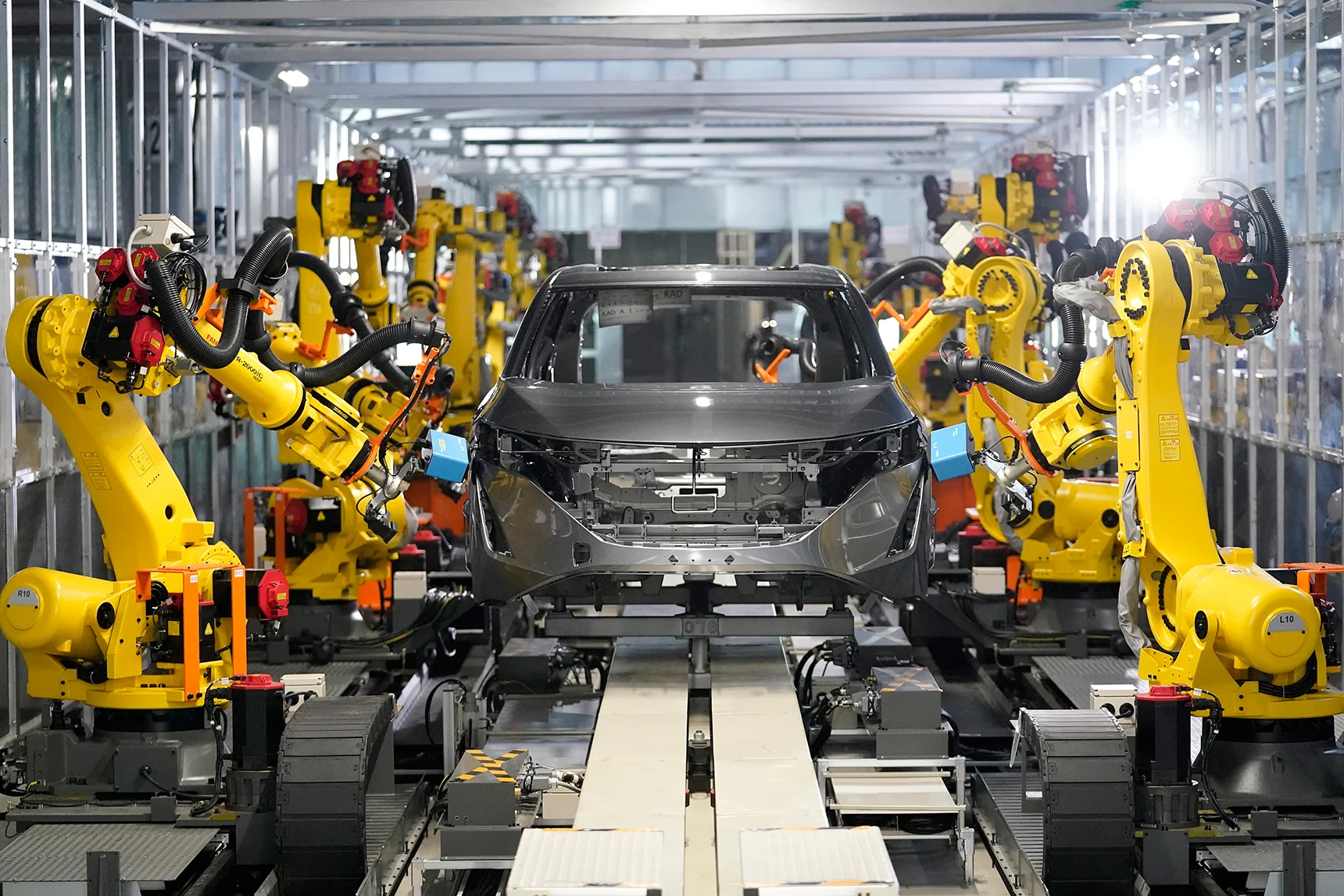
Automotive manufacturing process

Automotive Manufacturing

Enabling high-volume efficient coating to reduce costs and increase throughput.

Nuclear power equipment

Nuclear Power Equipment

Meeting stringent precision coating requirements for high-temperature alloy components.
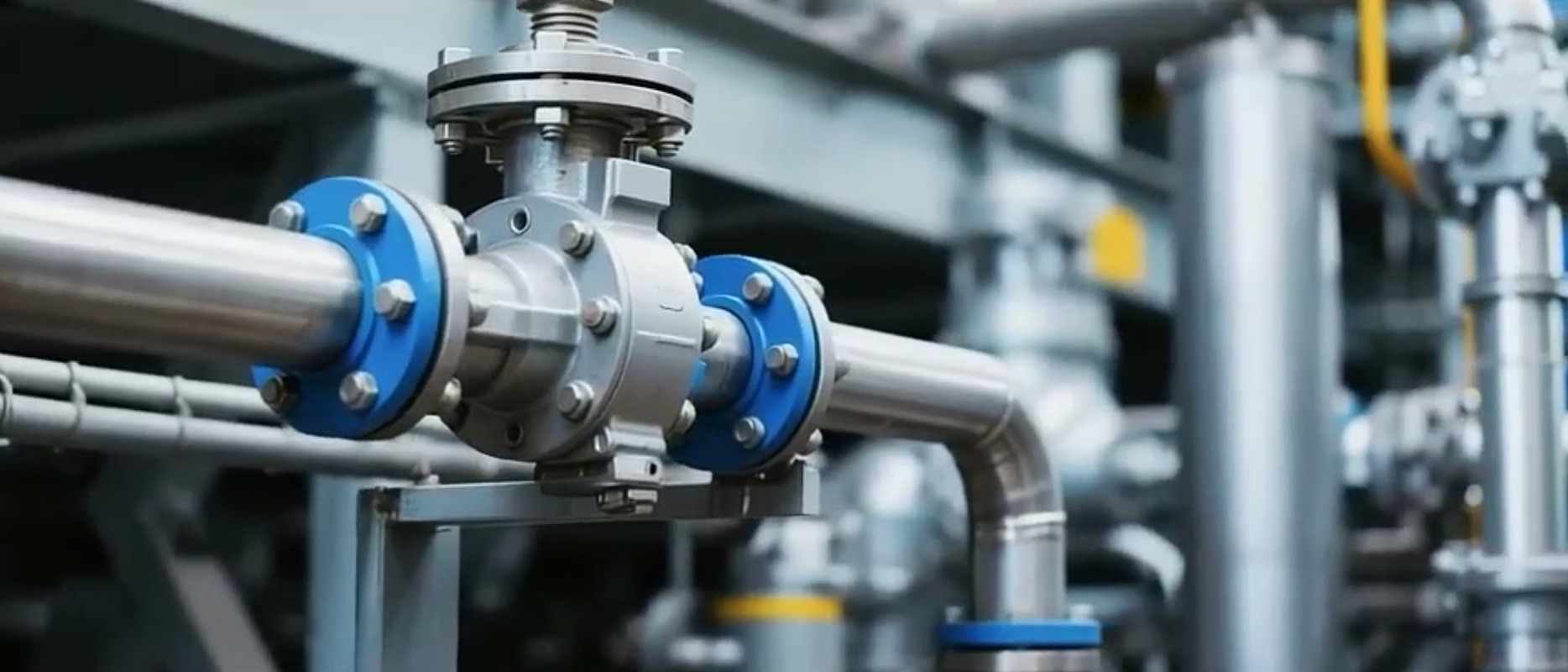
Industrial pumps and valves casting

Industrial Pumps and Valves

Improving casting surface quality to extend service life and reduce maintenance.

Technological Innovation & R&D Support

Collaborative Leadership in Technology

Vastpce partners with leading professors and research experts to drive continuous innovation in automated shell coating technologies.

Intelligent Sensing & Control

Advanced sensing systems improve coating precision and consistency, enabling superior quality and efficiency. For further assistance, our support team is always available.
Automated Shell Coating Robot

Customer Benefits & Success Stories

Tangible Client Benefits

  • Increased Capacity: Streamlined workflows enable scalable production without compromise, especially when integrated with our robot integrator products.
  • Cost Reduction: Efficient processes reduce operational expenses significantly, leveraging advanced dewaxing autoclave products.
  • Improved Product Yield: Precision and quality controls boost output consistency across our product range.

+35%

Capacity Increase

-20%

Operational Costs

+18%

Yield Improvement
Investment Casting Automation

Selected Customer Testimonials

“Since partnering with Vastpce, our production workflows have become noticeably smoother. Capacity has ramped up without extra staffing.”

- Maria Thompson, Operations Manager

“The precision controls introduced by Vastpce reduced our defect rates, improving yield by nearly 20%. A real game changer for our wax injection machine products line.”

- Derek Liu, Plant Supervisor

“Cost reductions exceeded expectations. The automation integrations delivered by Vastpce allowed us to reallocate resources towards innovation.”

- Helena Garcia, CFO

Key Performance Indicators

Capacity Growth

35% increase over 12 months

Cost Reduction

20% lower operational costs

Product Yield

18% improvement in yield

Vastpe Product Series and Customized Solutions

Explore our core equipment series, including automatic spray machines and intelligent coating control systems. Tailored customization options adapt seamlessly to varying scales and process needs. Discover more about our products to find the perfect fit.
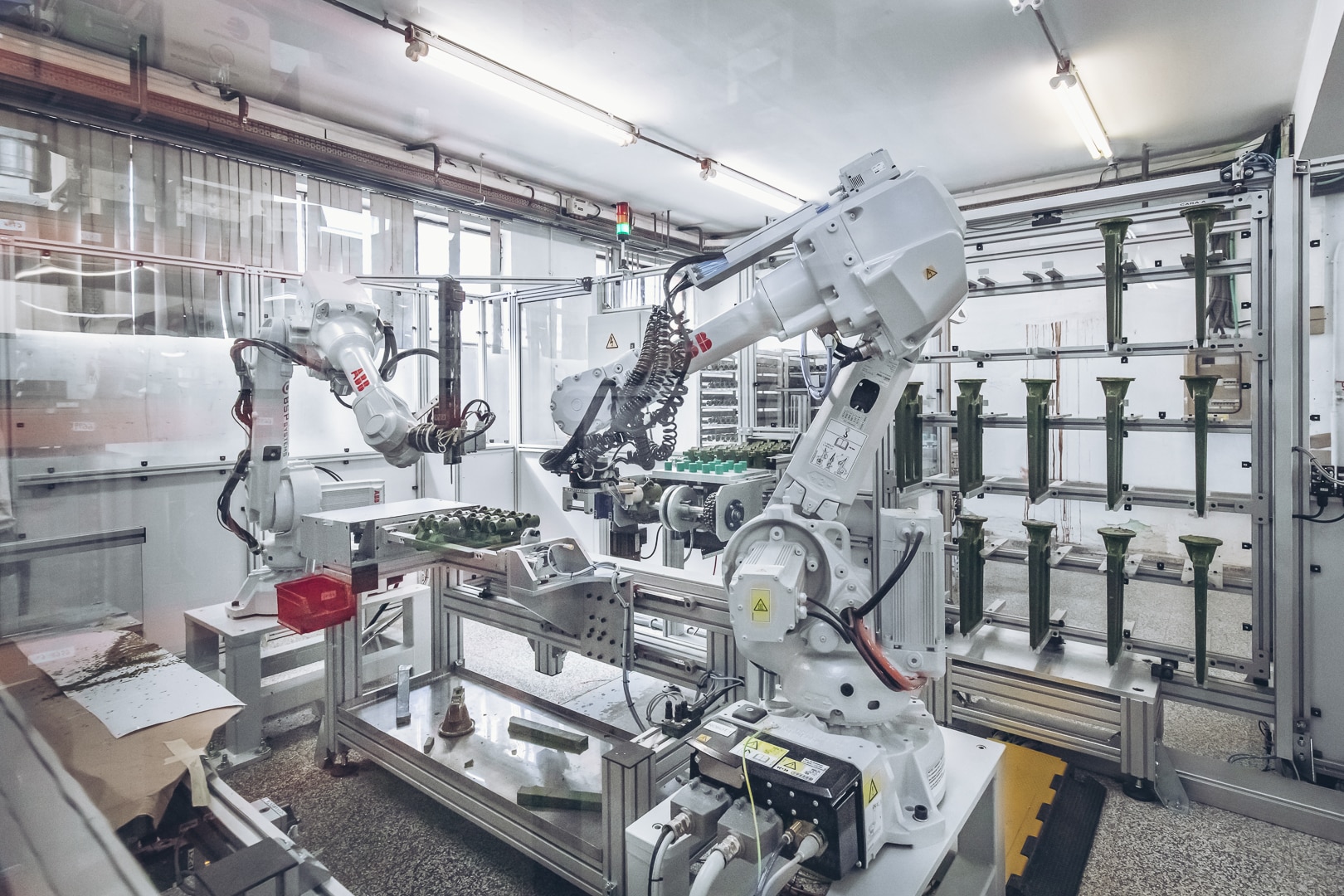
Automatic Spray Machine

Automatic Spray Machines

Precise, high-efficiency spray coating for consistent quality at scale. Reduces waste and increases throughput.
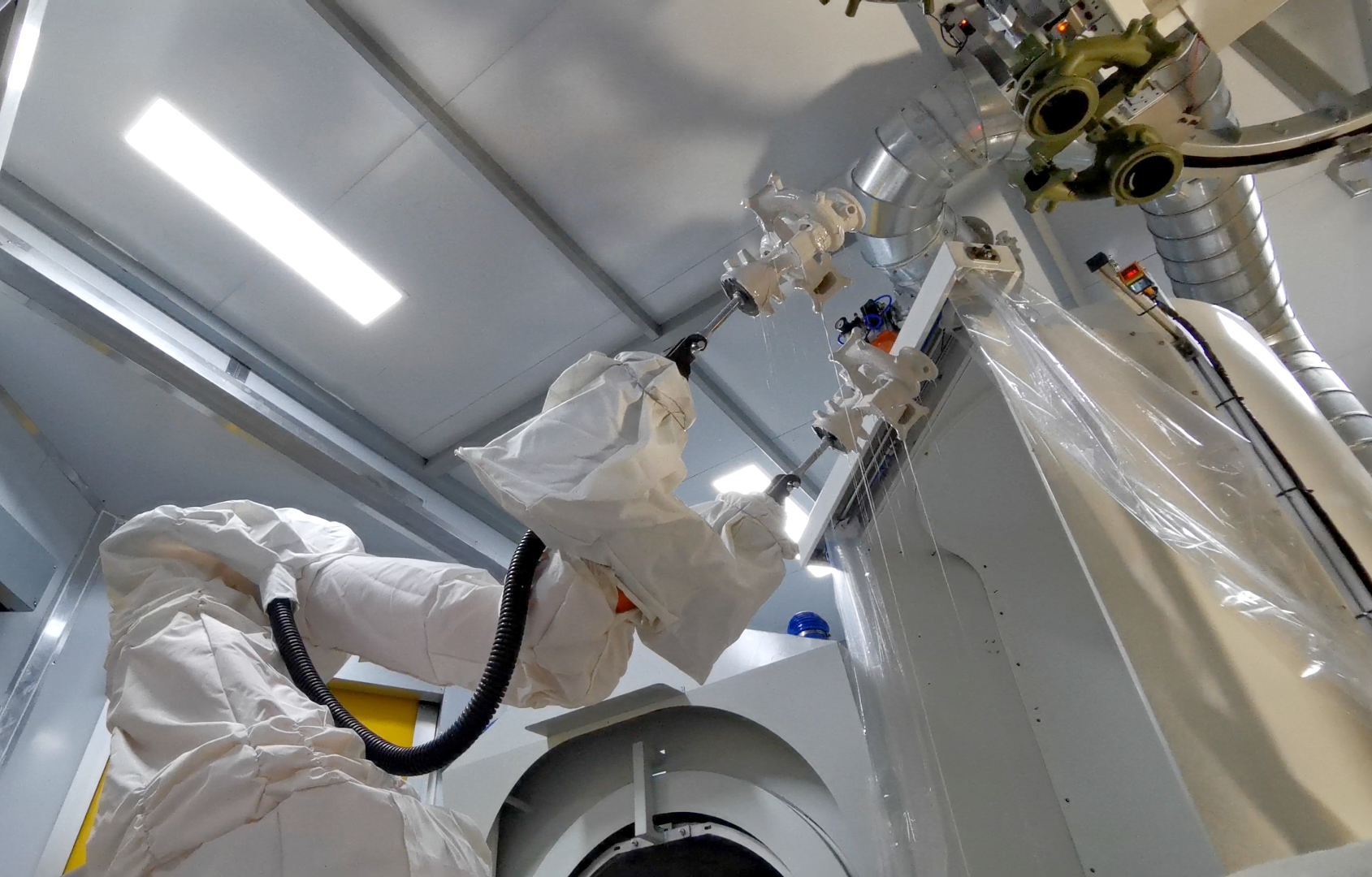
Intelligent Coating Control System

Intelligent Coating Control Systems

Advanced sensors and software optimize coating processes with real-time monitoring and adjustment.
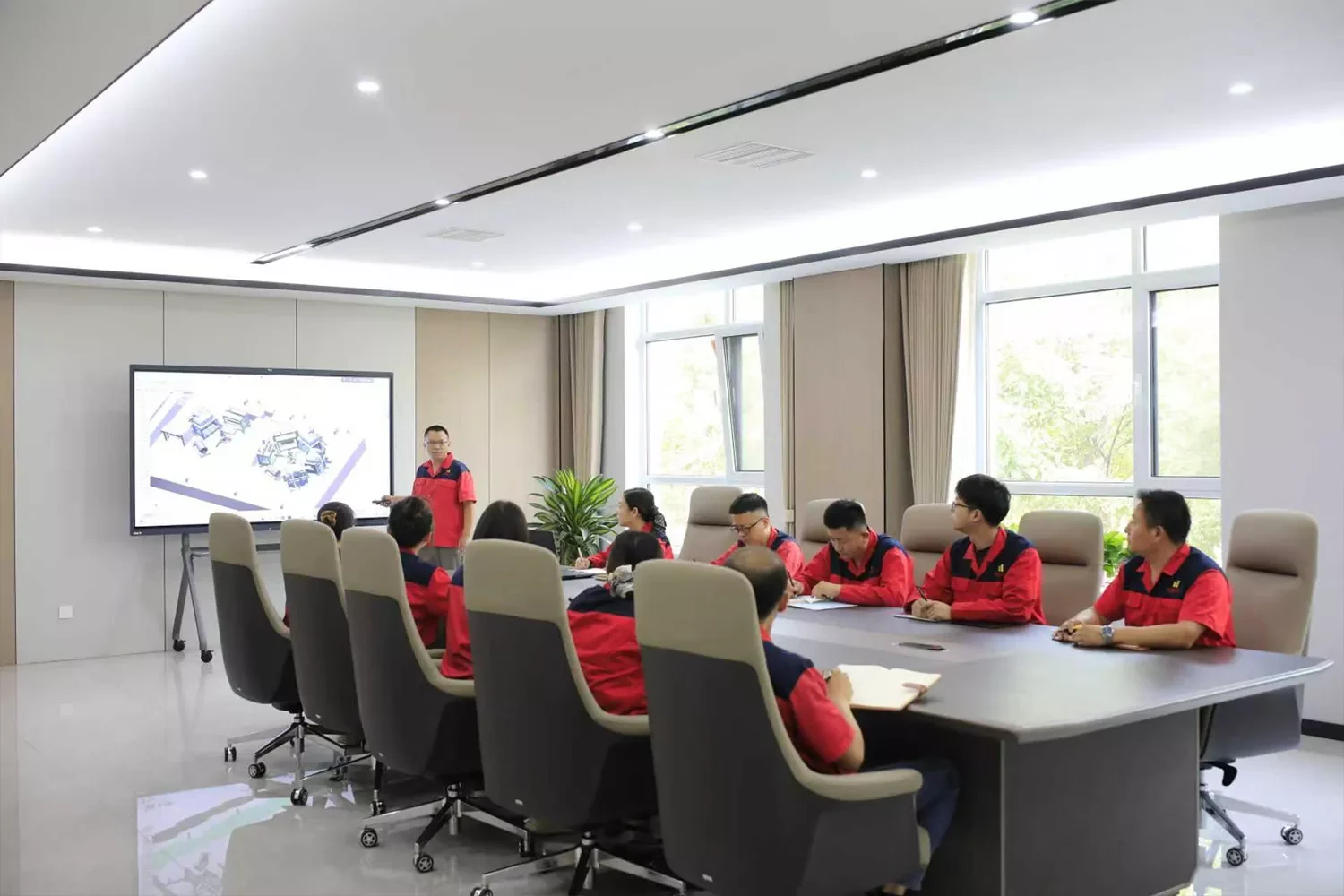
Custom Solutions for Various Scales

Customized Solutions

Flexible configurations designed to meet unique client needs for diverse production scales and requirements.

Contact & Technical Support

Reach out to Vastpce's dedicated technical support team for rapid assistance and expert after-sales service. We prioritize your success with quick and reliable communication.

Email Support

vastpce@vastpe.com

Company Address

No. 1118 Shengli Industrial Park, Dongying District, Dongying City, Shandong Province.
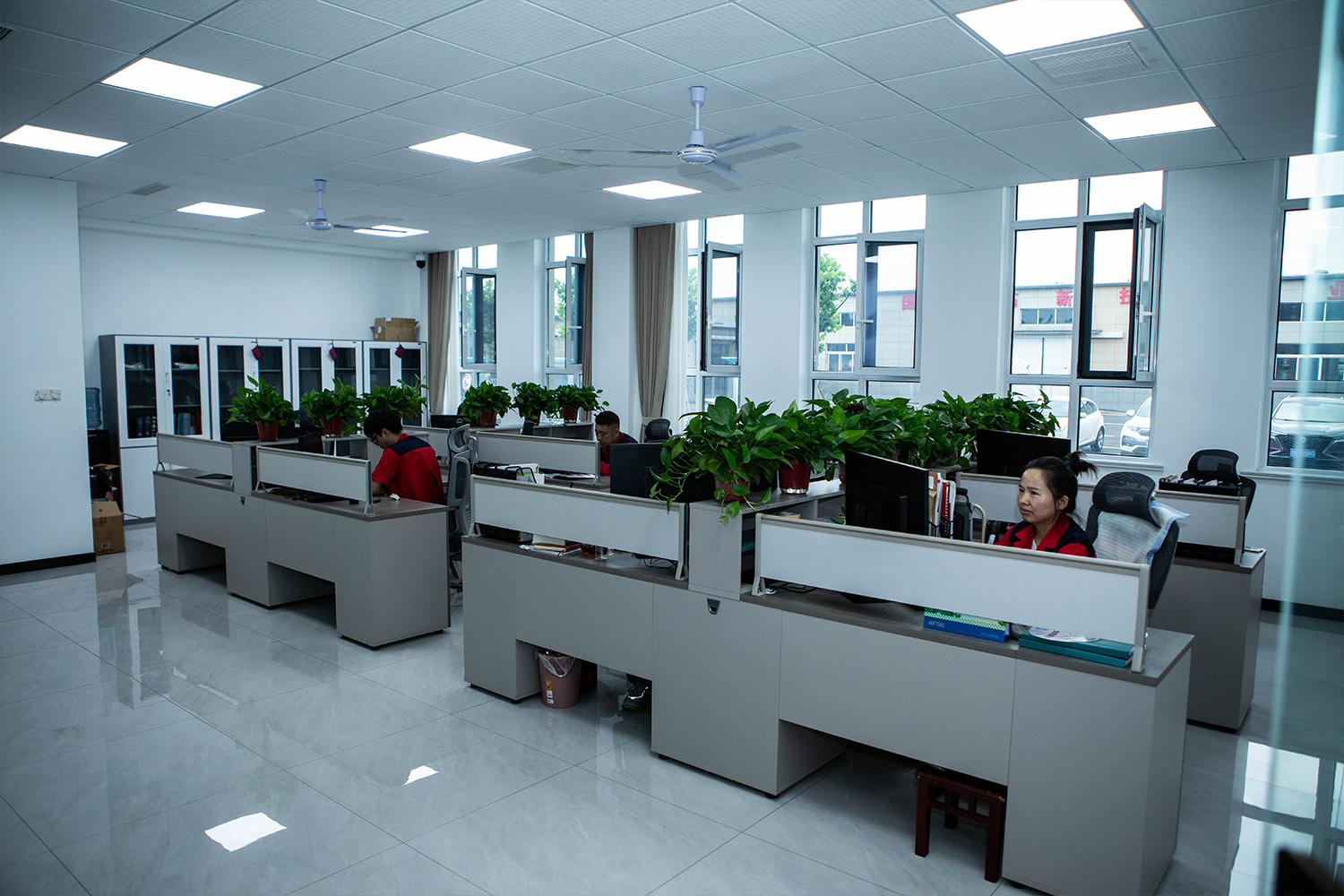
Contact Support
Vastpce professional technical support team
 
en_USEnglish
Scroll to Top