
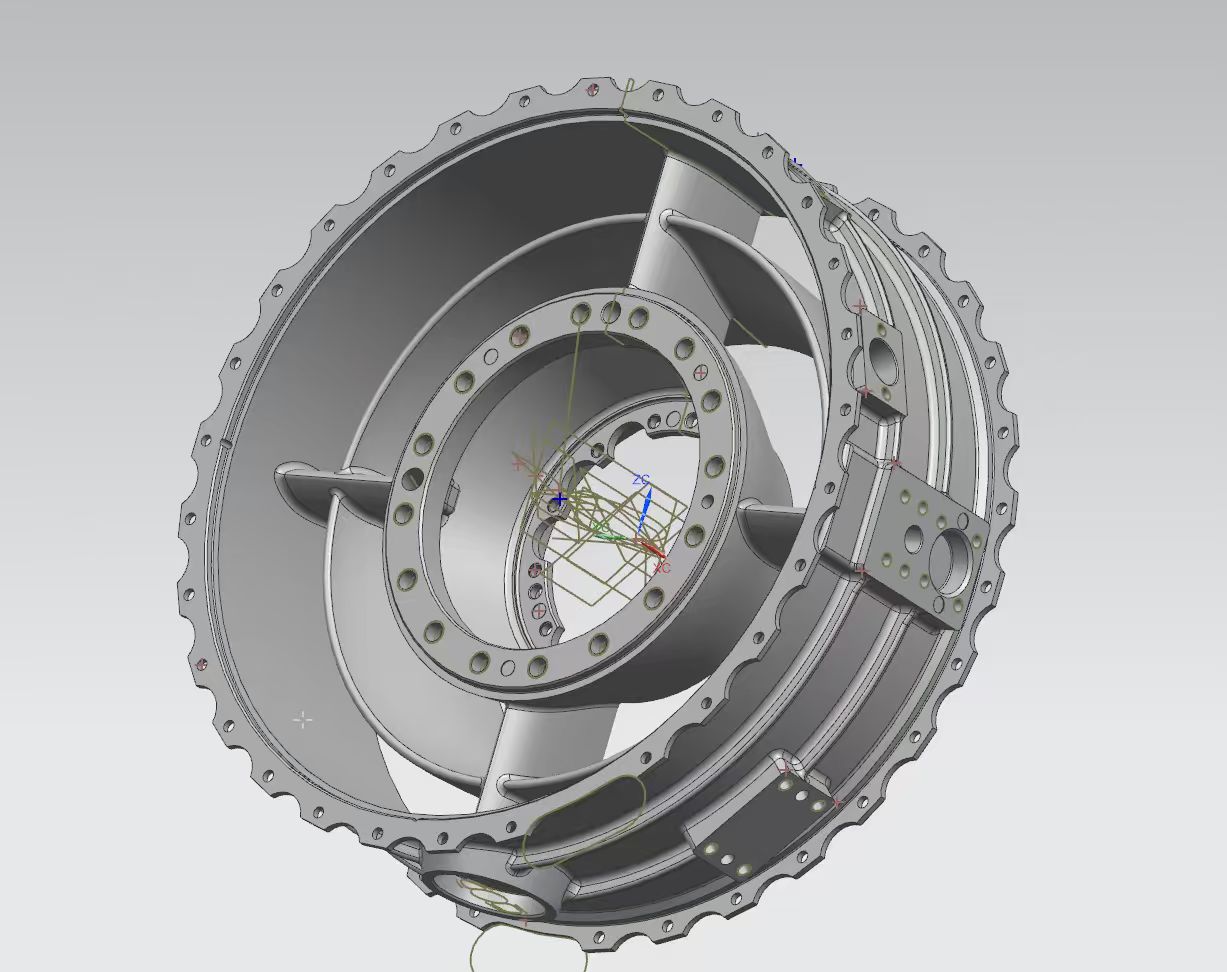
Technical guide to aluminum grade 357 alloy properties heat treatment and applications for high strength casting and machining.
What is Aluminum Grade 357?
When we look for an alloy that bridges the gap between excellent castability and superior mechanical strength, the conversation almost always lands on Grade 357. If your specified material is aluminum grade 357, you are working with a hypoeutectic Aluminum-Silicon-Magnesium alloy designed specifically for critical structural components. Unlike the more common general-purpose alloys, 357 is engineered for high-stress environments found in aerospace and defense applications.
Defining the Al-Si-Mg Alloy Composition
To understand why this material performs so well, we have to look at its chemistry. The alloy 357 chemical composition relies on a precise balance of Silicon and Magnesium to achieve its properties.
- Silicon (Si) [6.5% – 7.5%]: Silicon is responsible for the aluminum alloy fluidity. It allows the molten metal to fill intricate molds completely, which is vital for complex geometries in investment casting materials.
- Magnesium (Mg) [0.45% – 0.6%]: Magnesium is the strengthening agent. It allows the alloy to respond effectively to heat treatment, significantly boosting the tensile yield strength and hardness.
The Role of Beryllium in A357 Variations
You will often see the designation “A357” used interchangeably or alongside standard 357. The “A” prefix typically denotes higher purity. In these high-strength variations, trace amounts of Beryllium in aluminum alloys are often added.
We use Beryllium to modify the iron intermetallics within the microstructure. This addition neutralizes the negative effects of iron impurities, which prevents the alloy from becoming brittle and ensures better ductility and toughness in the final part.
Why 357 is Strictly a Casting Alloy
It is important to clarify that Grade 357 is not a wrought alloy; you will not find it in extrusions or rolled sheets. It is strictly a casting alloy.
- Sand Casting: The alloy’s freezing range makes it ideal for sand casting aluminum alloys, where large, structural parts are required.
- Investment Casting: Its high fluidity allows for the precision required in investment casting, capturing fine details without porosity issues.
The high silicon content that gives 357 its excellent casting properties also makes it too abrasive and brittle for forming processes like extrusion. We choose this grade specifically when we need to pour net-shape parts that require minimal machining but maximum strength.
Key Mechanical Properties of Aluminum 357
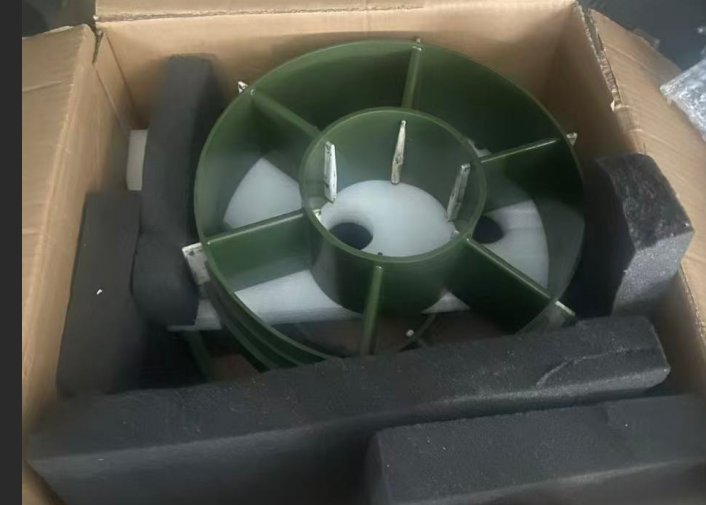
When the specified material is alumium grade 357, we are dealing with a premium alloy designed for high-stress applications where failure is not an option. This alloy consistently outperforms the more common A356 in strength metrics, making it the go-to choice for critical structural parts.
Breakdown of Tensile Strength, Yield Strength, and Elongation
The mechanical prowess of 357 is best realized in the T6 heat-treated condition. We focus heavily on the tensile yield strength, as this determines the load limit before permanent deformation occurs.
- Ultimate Tensile Strength: Typically reaches 50,000 psi (345 MPa).
- Yield Strength: Averages around 40,000 psi (275 MPa).
- Elongation: Generally provides 3% to 5% ductility.
The elongation properties of aluminum 357 are vital because they provide enough ductility to prevent brittle fracture under shock loading. To ensure these mechanical properties are consistent across every batch, we rely on precise patterns produced through wax injection machine applications, which guarantee the dimensional accuracy required for high-integrity casting.
Strength-to-Weight Ratio and Corrosion Resistance
For structural components in aerospace and defense, the strength-to-weight ratio is the defining factor. Aluminum 357 offers the lightweight benefits of aluminum with strength levels approaching some steels. Additionally, it exhibits excellent corrosion resistance in both standard atmospheric conditions and marine environments, resisting the pitting that often plagues copper-bearing alloys.
Weldability and Machinability: Handling Abrasive Silicon
While 357 is known for excellent weldability, machining presents specific challenges. The high silicon content that aids fluidity also makes the material abrasive. When CNC machining aluminum castings made from Grade 357, we must use carbide or diamond-tipped tools to maintain tolerances and reduce tool wear. Because handling these heavy, high-temperature molds requires precision and safety, we utilize foundry casting robotics integration to streamline the pouring and handling process, ensuring defect-free results.
Aluminum 357 vs. A356: The Critical Comparison
When we talk about high-performance casting, the A357 vs A356 comparison is the most common debate we encounter. While A356 is the industry workhorse for general applications, material is aluminum grade 357 when the specifications demand superior mechanical limits.
The primary difference lies in the chemistry. Grade 357 contains higher magnesium levels (typically 0.45–0.6%) compared to A356. This chemical tweak allows 357 to respond much more aggressively to heat treatment, resulting in significantly higher strength values. However, this performance comes with a trade-off in casting characteristics, as 357 is slightly less fluid and requires stricter process controls.
Comparing Yield Strength and Ductility Properties
For structural engineers, the choice often comes down to tensile yield strength. In the T6 temper (solution heat treated and artificially aged), Aluminum 357 outperforms A356 by a noticeable margin.
- Yield Strength: 357-T6 typically achieves 40–43 ksi, whereas A356-T6 usually sits around 30–34 ksi.
- Ductility: A356 generally offers slightly better elongation, making it more forgiving. 357 trades some of that ductility for raw strength.
Here is a quick breakdown of typical mechanical properties for permanent mold castings:
| Property | A356-T6 (Standard) | 357-T6 (Premium) |
|---|---|---|
| Ultimate Tensile Strength | 40 ksi | 50-52 ksi |
| Yield Strength | 30 ksi | 42 ksi |
| Elongation | 3-5% | 2-3% |
| Corrosion Resistance | Excellent | Excellent |
Cost and Availability: When to Choose Premium
Because material is aluminum grade 357, you are paying for a premium alloy. The higher cost isn’t just the raw material; it is the processing. 357 requires the addition of Beryllium (in the A357 variant) to control iron impurities and oxidation, which drives up the price.
We recommend sticking to A356 for general automotive parts like wheels or pump housings where cost efficiency is key. You should switch to high-strength aluminum casting with Grade 357 only when weight reduction is critical, and the part must withstand higher loads without failing.
Decision Matrix: Identifying the Right Alloy
Choosing between these two depends on your project’s specific failure points. If you are unsure which casting method suits these alloys best, check our process comparison to understand how different techniques impact final material properties.
Select Aluminum 357 if:
- You are designing aerospace grade aluminum casting components.
- The safety factor requires a yield strength above 40 ksi.
- The component is a thin-walled structural part where stiffness is non-negotiable.
Select A356 if:
- Cost is a primary driver.
- You need higher elongation to allow for slight deformation before failure.
- The part is complex and requires maximum fluidity during the pour.
Heat Treatment: The Role of T6 Temper
When we specify that the material is alumium grade 357, we are almost invariably referring to the alloy in its T6 temper condition. Using this alloy in its “as-cast” (F temper) state is rare because it leaves significant mechanical potential on the table. The T6 designation represents the industry standard for maximizing the performance of this premium alloy, turning a good casting into a structural powerhouse.
Understanding the 357-T6 Standard Condition
The T6 heat treatment process is not just a finishing step; it is essential for activating the alloy’s capabilities. Without it, the silicon and magnesium within the matrix do not fully bond to reinforce the aluminum structure. We rely on the T6 condition to achieve the high strength-to-weight ratio required for aerospace and defense components. This process ensures the material is stable, hard, and ready for machining.
Solution Heat Treatment and Artificial Aging
Achieving the T6 temper involves a precise, two-stage thermal cycle:
- Solution Heat Treatment: We heat the casting to a temperature just below its melting point (typically around 1000°F or 540°C) and hold it there. This dissolves the alloying elements into a solid solution. The part is then rapidly quenched, usually in water, to “freeze” this structure in place.
- Artificial Aging: The quenched parts are reheated to a lower temperature (around 310-340°F) for several hours. This controlled reheating allows magnesium silicide (Mg2Si) precipitates to form uniformly throughout the aluminum matrix.
Maximizing Mechanical Properties
This precipitation hardening is what gives high-strength aluminum casting its edge. The formation of precipitates acts as a barrier to dislocation movement within the metal, drastically increasing the tensile yield strength.
While the heat treatment increases hardness and strength, it is a balancing act. Proper execution ensures we get maximum strength without making the part too brittle. This thermal processing is critical for parts produced via our precision casting solution with silica sol process, ensuring they meet the rigorous demands of high-stress applications.
Key Benefits of T6 Temper in Grade 357:
- Increased Yield Strength: Often doubling the strength compared to as-cast conditions.
- Improved Machinability: Harder materials tend to machine cleaner with less gumminess.
- Dimensional Stability: Reduces the risk of the part warping over time under stress.
Common Applications of Grade 357
When the material is alumium grade 357, we are dealing with industries that demand absolute reliability. This alloy does not just sit on a shelf; it operates under extreme stress, vibration, and pressure. Because of its superior strength and pressure tightness compared to standard commercial alloys, it has become the gold standard for critical structural casting components.
Aerospace Engineering
In the aerospace sector, weight reduction without sacrificing strength is the primary goal. We frequently utilize aerospace grade aluminum casting techniques to produce parts that keep aircraft safe and efficient. The high fluidity of the molten alloy allows for thin-walled, complex geometries that other materials cannot achieve.
- Structural Brackets: These connect airframe sections and must withstand high G-forces without deformation.
- Impellers and Compressors: The material allows us to cast thin, complex blades that maintain integrity at high rotational speeds.
- Gearbox Housings: These require excellent dimensional stability and pressure tightness to prevent oil leaks at altitude.
To achieve the precise tolerances required for these complex aerospace parts, we often utilize an automated shell coating application during the investment casting process to ensure the mold is perfect before pouring.
Automotive Performance
While standard passenger vehicles often rely on the cheaper A356, high-performance and racing vehicles turn to Grade 357 for that extra edge in mechanical properties.
- Suspension Components: Control arms and knuckles that handle constant road vibration and impact load.
- Cylinder Heads and Engine Blocks: The alloy’s ability to handle heat and pressure makes it ideal for high-output engines where standard alloys might crack.
Defense and Military
The defense industry relies on Grade 357 for high-integrity parts where durability is non-negotiable.
- Missile Components: Guidance sections and fins require the specific stiffness and strength-to-weight ratio this alloy provides.
- Ordnance Hardware: Equipment that must remain functional in harsh, corrosive environments relies on the superior corrosion resistance of the 357 alloy.
Manufacturing with Aluminum 357 at Vastpce
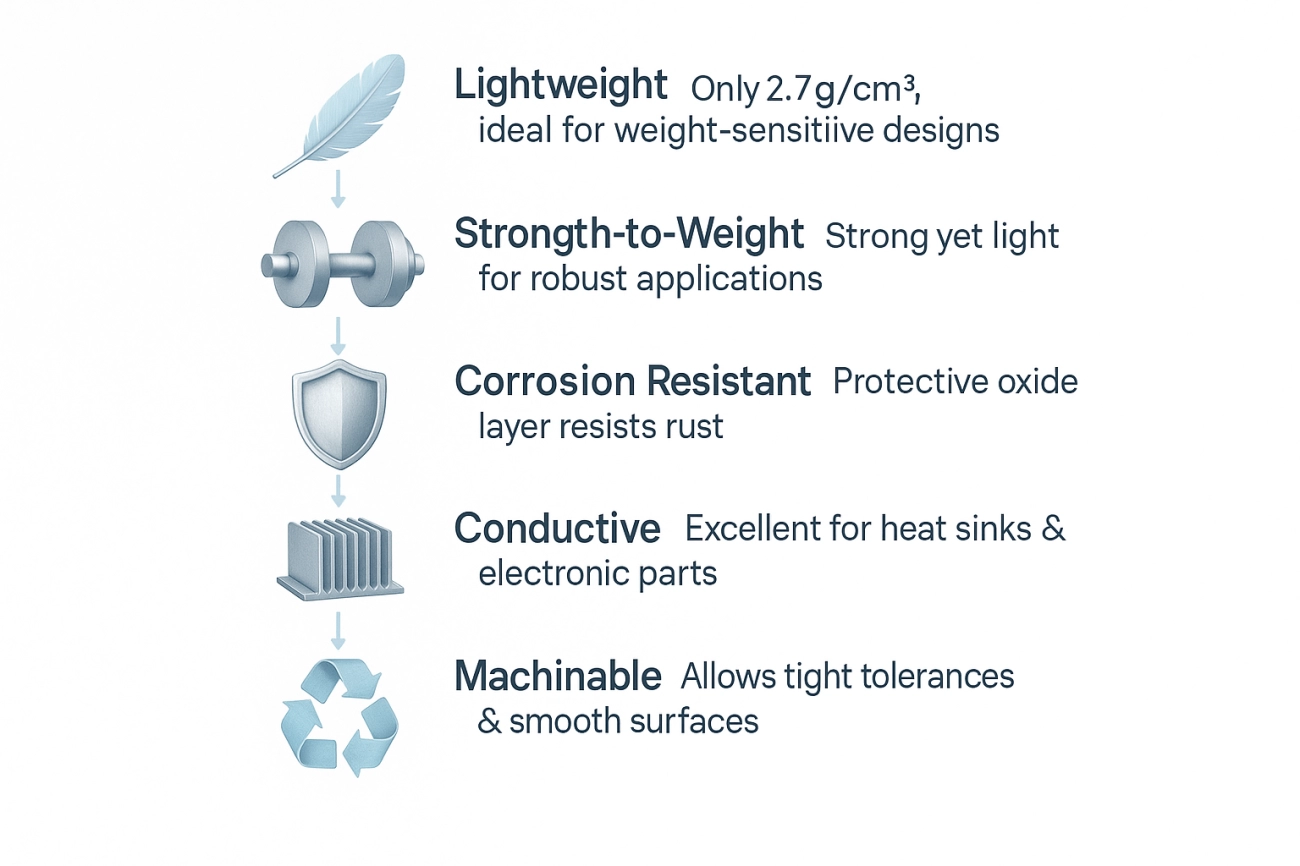
At Vastpce, we understand that working when the material is alumium grade 357, standard foundry practices aren’t enough. This premium alloy demands strict process control to unlock its high-strength potential and reliability. We treat every pour and cut with the precision required for aerospace and defense applications.
Strategies for Ensuring Porosity-Free Castings
Achieving high density is our top priority. While aluminum alloy fluidity in grade 357 is generally good, improper handling can lead to hydrogen porosity or oxide inclusions. We utilize advanced gating systems to reduce turbulence during the pour. For larger complex geometries, our expertise in sand mold casting techniques allows us to manage cooling rates effectively, ensuring a dense, defect-free microstructure.
Precision CNC Machining Techniques
CNC machining aluminum castings with high silicon content presents specific challenges. The silicon particles that give 357 its hardness are also abrasive to cutting tools. To maintain tight tolerances and superior surface finishes, we employ:
- Polycrystalline Diamond (PCD) Tooling: Resists wear better than standard carbide.
- Optimized Feed Rates: Prevents heat buildup that could distort the part.
- Rigid Fixturing: Minimizes vibration during heavy material removal.
Quality Assurance Protocols
We validate every critical component before it leaves our floor. Our rigorous testing ensures pressure tightness in casting and structural soundness:
- X-Ray Analysis: We scan for internal shrinkage or gas porosity that could compromise part failure.
- Dye Penetrant Inspection: This reveals surface-breaking defects invisible to the naked eye.
- Mechanical Testing: Verifying that the T6 heat treatment has achieved the required yield strength and elongation.
Frequently Asked Questions About Aluminum Grade 357
Is Aluminum 357 weldable?
Yes, Aluminum Grade 357 is considered highly weldable compared to many other high-strength aluminum alloys. It responds well to standard welding techniques, making it a solid choice for complex assemblies that require joining after casting. However, because this material relies heavily on the T6 heat treatment process for its strength, welding can locally reduce mechanical properties in the heat-affected zone. For critical structural components, we often recommend re-aging or re-heat treating the part after welding to restore its full tensile yield strength.
What is the difference between A357 and 357?
While they are chemically similar, the primary difference lies in impurity limits and the addition of Beryllium. A357 is essentially the higher-purity version of standard 357.
- A357: Contains small amounts of Beryllium in aluminum alloys to counter iron impurities and improve fluidity. It offers slightly higher mechanical properties and is the go-to for aerospace applications.
- 357: Lacks the Beryllium addition and has slightly looser impurity tolerances, making it a more cost-effective option when the absolute maximum strength of A357 isn’t mandatory.
Can Grade 357 be used for extrusion?
No, Grade 357 is strictly a casting alloy. Its high silicon content is designed to improve fluidity for sand casting aluminum alloys and investment casting materials, allowing it to fill complex molds with precision. This same characteristic makes it unsuitable for extrusion processes, which require materials with different plasticity traits (like the 6000 series). At our facility, we leverage our technical advantages in casting to maximize the potential of 357 for complex geometries rather than forcing it into profiles it wasn’t designed for.
How does heat treatment affect the hardness of 357?
Heat treatment is the deciding factor for the performance of this alloy. In its as-cast state, 357 is relatively soft. Applying the T6 heat treatment process (solution heat treatment followed by artificial aging) significantly alters the microstructure. This process precipitates magnesium silicide, which drastically increases both hardness and tensile yield strength. Without T6, you simply aren’t getting the structural durability that makes material is alumium grade 357 famous in the defense and automotive sectors.
 English
  Russian
  German