
2026年8月12日
Cobalt alloy casting for precision high temperature wear resistant parts with tight tolerances and custom B2B foundry solutions
Why Specify Cobalt Alloy Casting Over Nickel & Titanium?
Are your critical components failing prematurely due to severe galling, unlubricated friction, or aggressive fluid erosion? While nickel superalloys and titanium excel in basic corrosion resistance or weight reduction, they suffer from adhesive metal transfer and surface degradation under extreme tribological stress. At our cobalt-based superalloy foundry, we engineer high-performance cobalt alloy casting solutions built specifically to solve severe-service mechanical wear where other metals fail.
Superior Galling & Adhesive Wear Resistance
Unlubricated sliding contact causes immediate metal transfer and surface seizing in nickel and titanium alloys. Our cobalt alloy casting components form a tight, self-passivating oxide layer under friction. This surface film acts as a solid lubricant barrier, eliminating adhesive wear and preventing metal-to-metal galling under heavy load conditions.
Cavitation Erosion Protection
High-velocity fluid dynamics subject components to relentless shockwave impacts from collapsing vapor bubbles. We produce high-temperature wear-resistant alloy castings engineered to withstand these localized hydraulic forces:
- Pump Impellers: Maintains blade profile integrity under continuous turbulent flow.
- Control Valve Trims: Resists high-pressure drop micro-jetting and surface pitting.
Thermal Shock & Creep Rupture Strength
Rapid temperature swings degrade lower-grade superalloys through grain growth and thermal fatigue. Our specialized casting process creates a thermal fatigue resistant alloy with exceptional microstructural stability. This matrix preserves yield strength and structural creep-rupture limits during intense, repeated thermal cycling past 1,200°C (2,192°F).
VastPCC Cobalt Alloy Grade & Technical Property Matrix
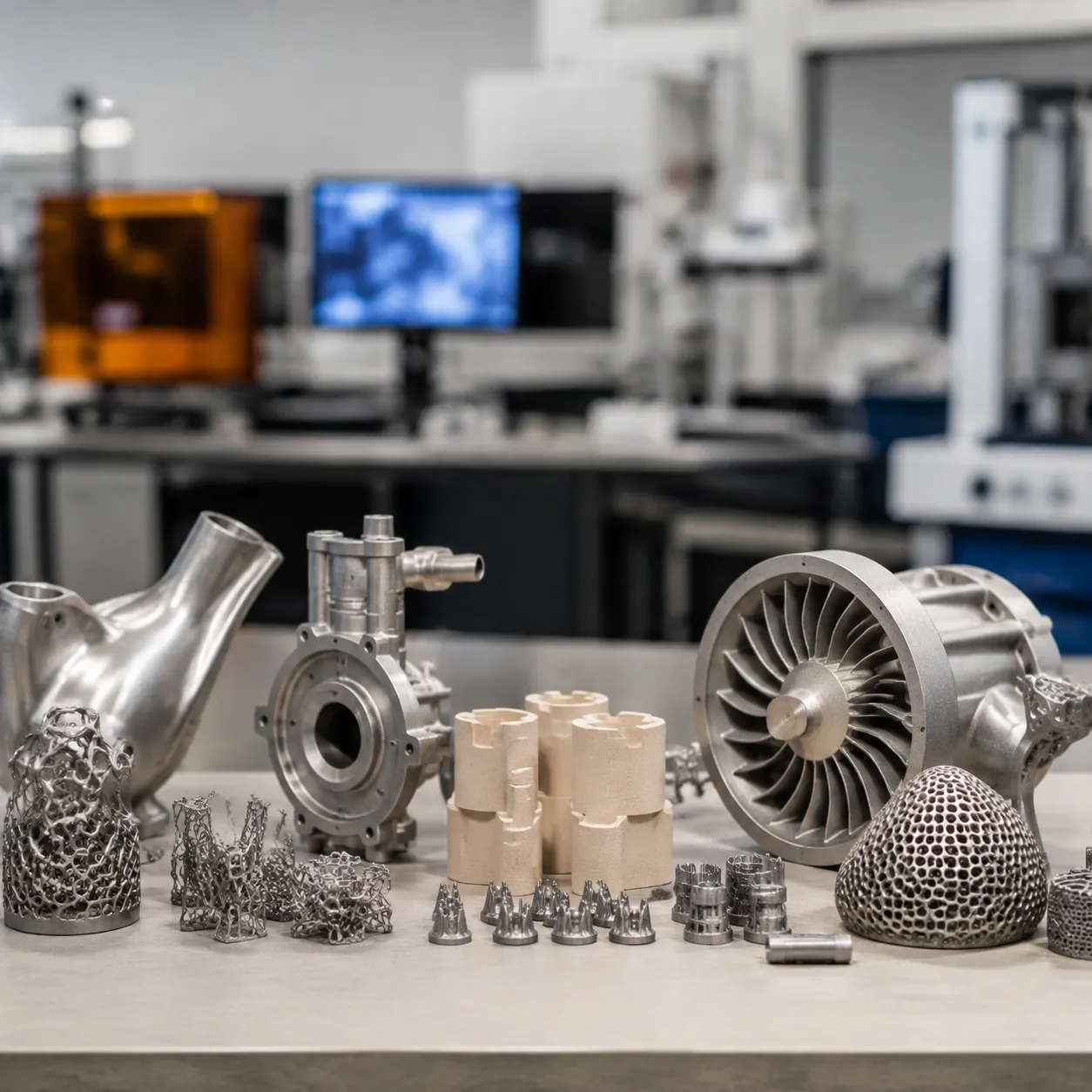
At VastPCC, we match specific material chemistries to your exact thermal, mechanical, and wear demands. Selecting the correct metallurgical grade prevents field failures in severe-service environments. We maintain strict heat-by-heat control across all standard grades through our custom cobalt alloy casting operations.
| Alloy Grade | Standard Specifications | Primary Technical Strengths | Target Applications |
|---|---|---|---|
| Cobalt Alloy 6 | AMS 5387 UNS R30006 | High-friction benchmark, extreme galling resistance, cavitation erosion protection. | Valve seats, pump shafts, wear rings |
| Cobalt Alloy 21 | AMS 5385 UNS R30021 | Thermal fatigue specialist, low grain growth under rapid thermal cycling. | Gas turbine guide vanes, combustion hardware |
| Cobalt Alloy 31 / X-40 | AMS 5382 UNS R30261 | High stress-rupture strength, elevated creep resistance at extreme temperatures. | Stator segments, aerospace structural components |
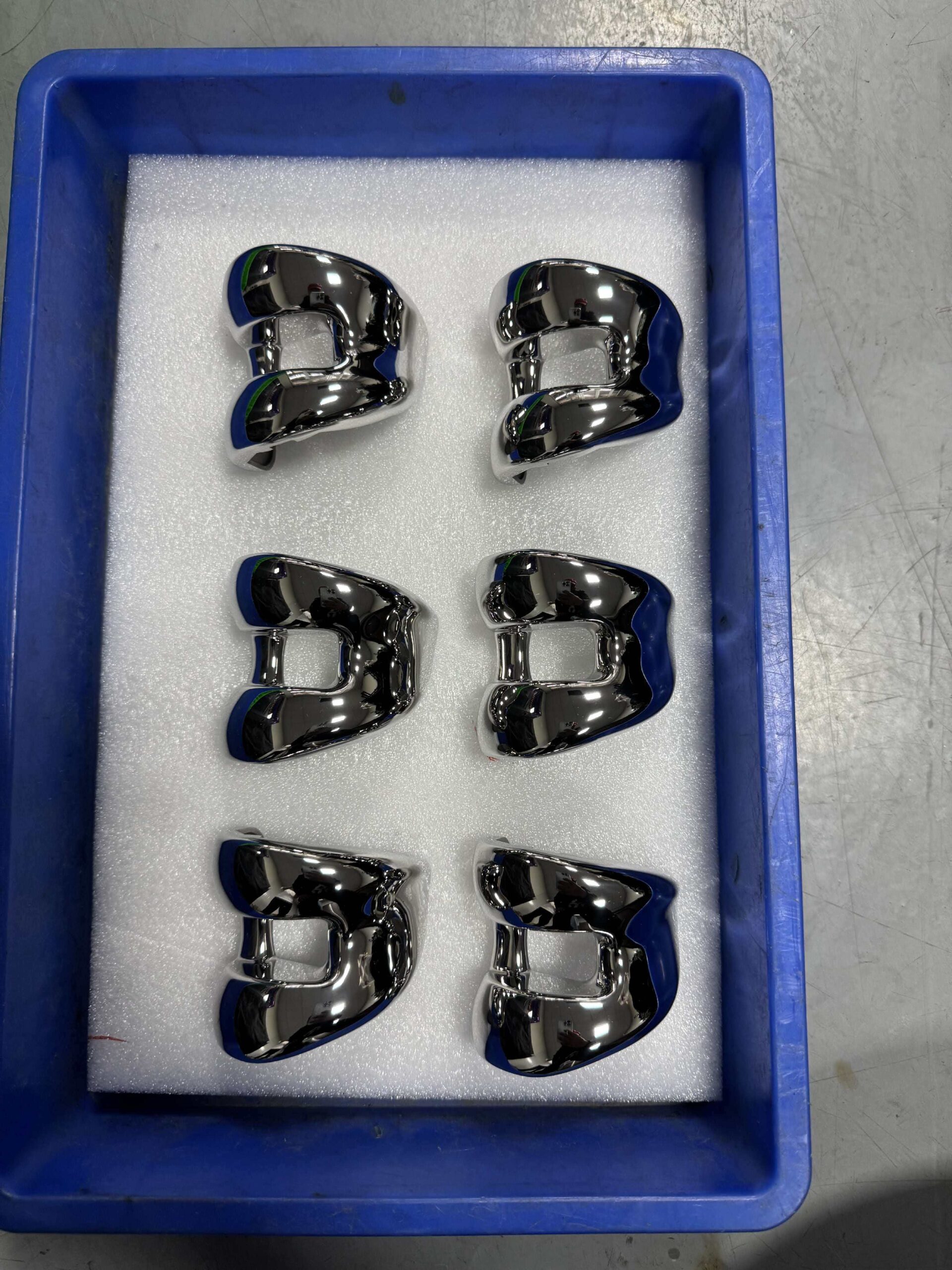
| CoCrMo Medical Grade | ASTM F75 UNS R30075 | Biocompatible, high fatigue strength, minimal friction against UHMWPE polymers. | Orthopedic knee joints, hip stems, surgical tools |
Cobalt Investment Casting Grade Specifications
- Cobalt Alloy 6 (AMS 5387): Serves as our heavy-friction benchmark. As a direct Stellite 6 equivalent casting, it forms a self-passivating oxide layer that eliminates metal transfer and adhesive wear during unlubricated contact.
- Cobalt Alloy 21 (AMS 5385): Engineered for high-temperature thermal shock. Its low grain growth under intense heat makes it ideal for rapid cycling applications.
- Cobalt Alloy 31 / X-40 (AMS 5382): Built for sustained loads under extreme heat, delivering peak stress-rupture limits and creep resistance for critical aerospace hardware.
- CoCrMo Medical Grade (ASTM F75): Formulated specifically for CoCrMo medical grade casting demands. It offers total biocompatibility and exceptionally smooth articulation against polymer surfaces.
Precision Investment Casting Foundry Capabilities
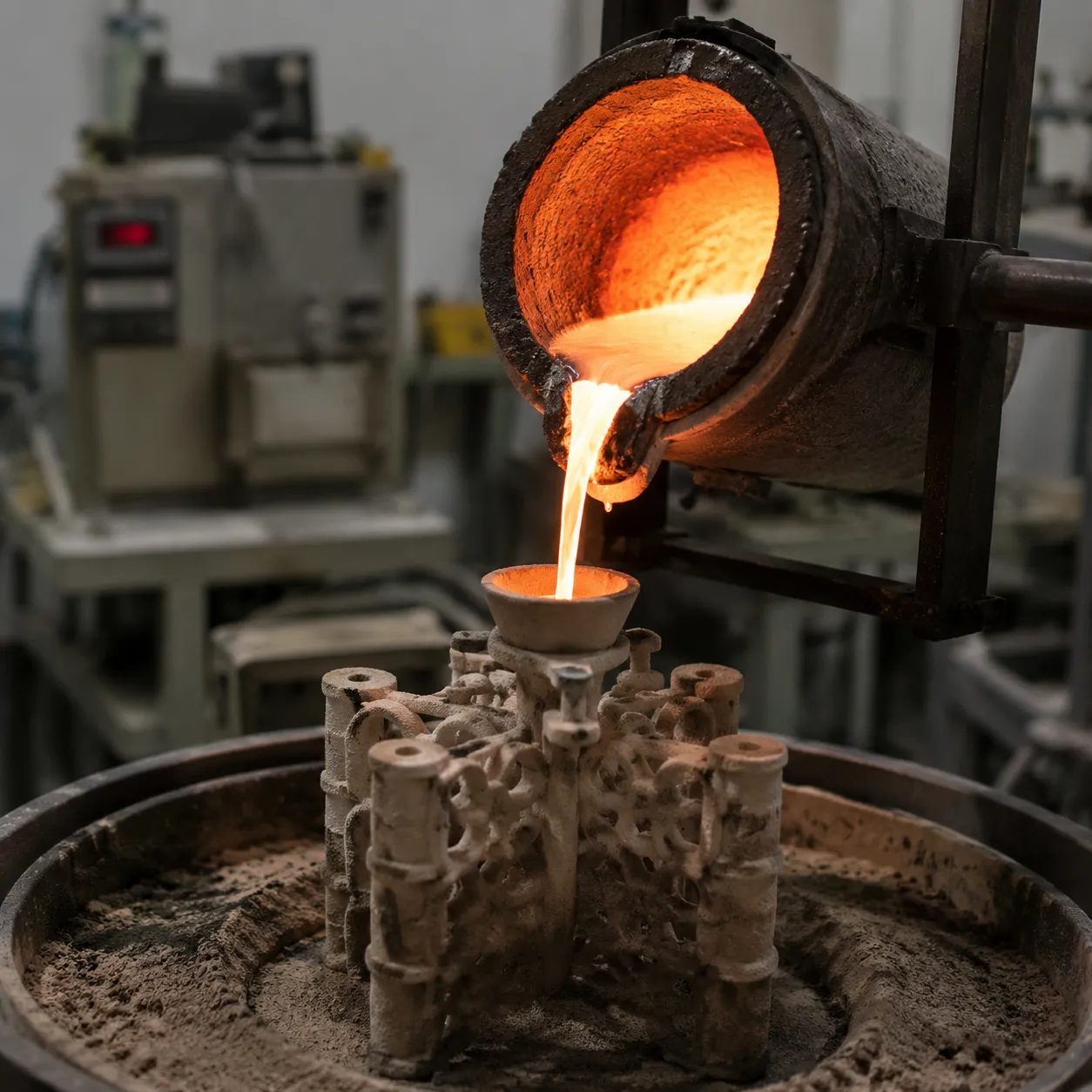
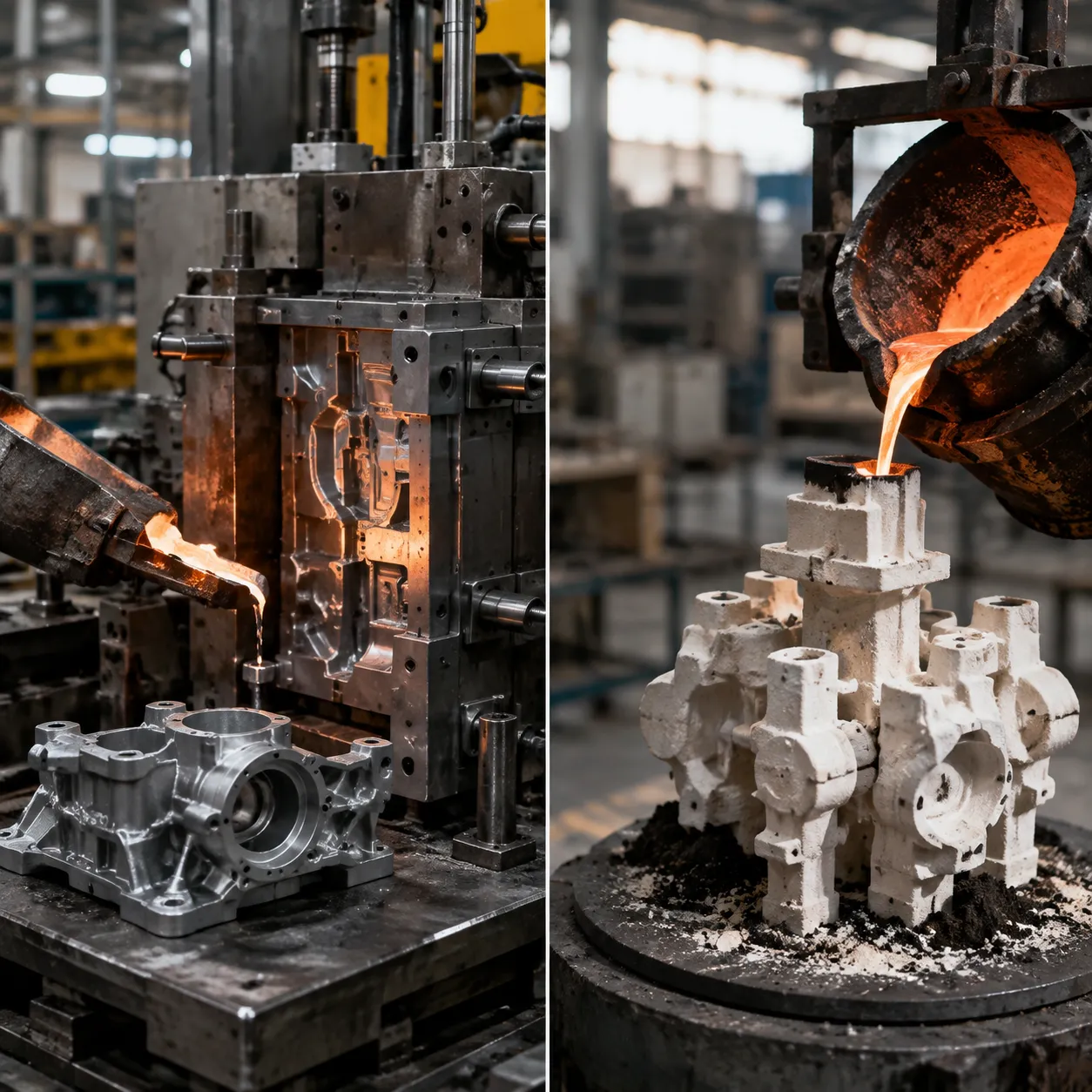
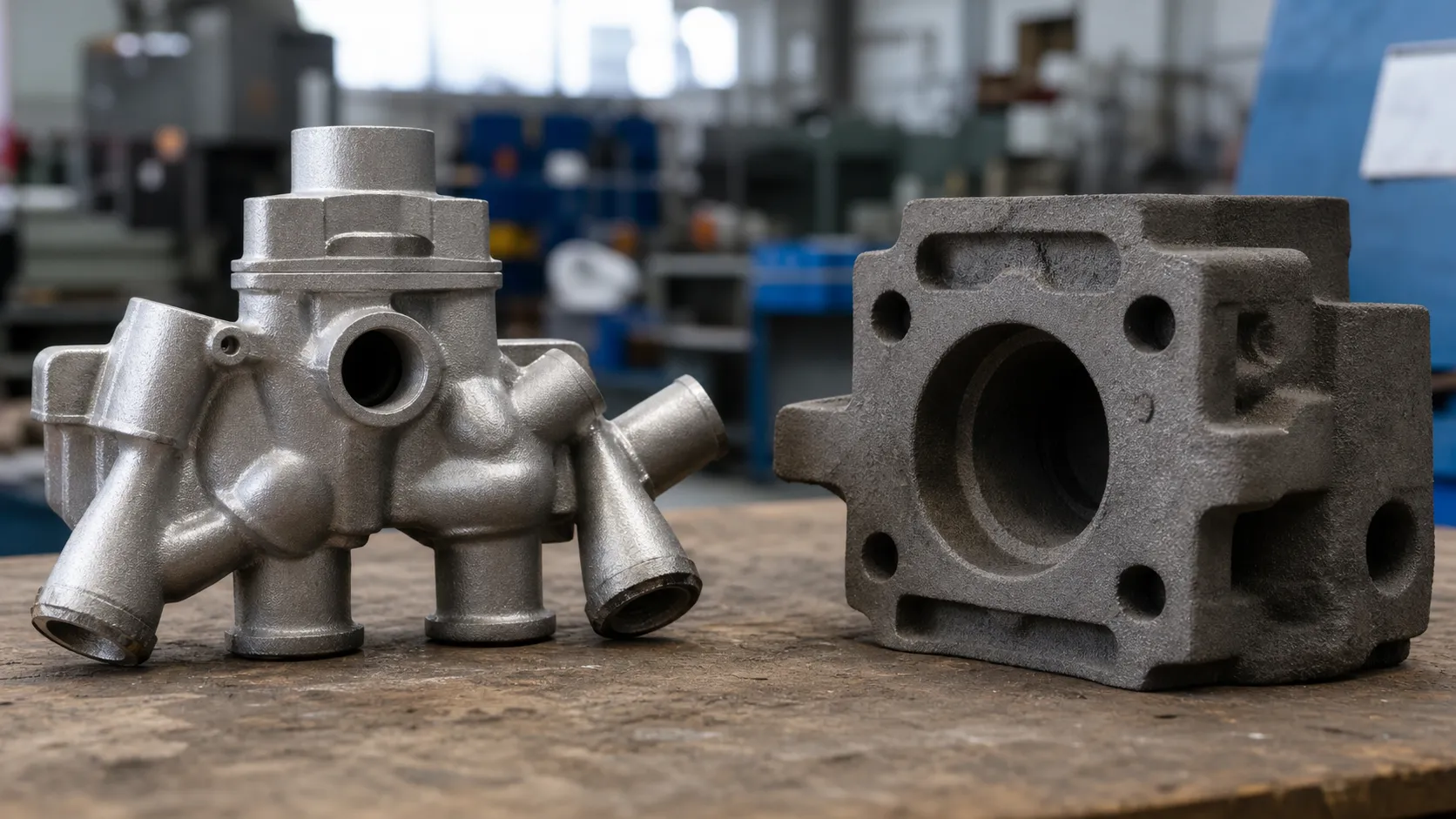
We manufacture each cobalt alloy casting to exacting near-net-shape specifications, drastically reducing post-processing and CNC machining costs on hard superalloys. Our closed-loop colloidal silica process delivers exceptional microstructural integrity and dimensional consistency across both small-batch and full-scale production runs.
Technical Specifications & Tolerances
| Performance Metric | Standard Capability |
|---|---|
| Dimensional Accuracy | Standard linear tolerance of ±0.005" per inch (±0.127 mm) |
| As-Cast Surface Finish | 120 RMS or better straight from ceramic shell knockout |
| Part Weight Capacity | Micro-precision parts (<1 oz) up to heavy castings exceeding 100 kg |
| Process Metallurgy | Closed-loop colloidal silica cobalt investment casting via Air & Vacuum Induction Melting |
Advanced Near-Net-Shape Metallurgy
Our precision investment casting foundry leverages air and vacuum induction melting to handle critical thermal and wear-resistant applications:
- Minimized Material Waste: Near-net-shape geometry eliminates expensive secondary grinding on hardfacing alloys.
- Defect-Free Microstructures: Vacuum induction melting prevents gas porosity, carbon inclusions, and oxidative contamination during pour.
- Scale Flexibility: We deliver identical dimensional accuracy for micro-scale surgical components and heavy-duty industrial valve housings.
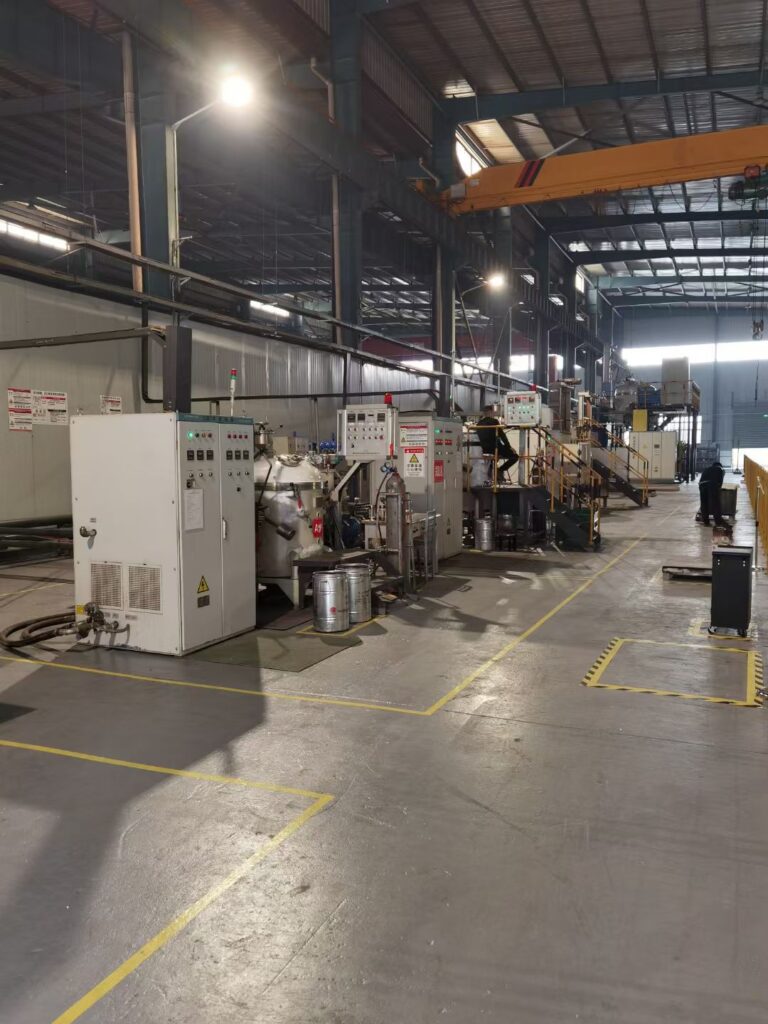
In-House Foundry Infrastructure for Cobalt Alloy Casting
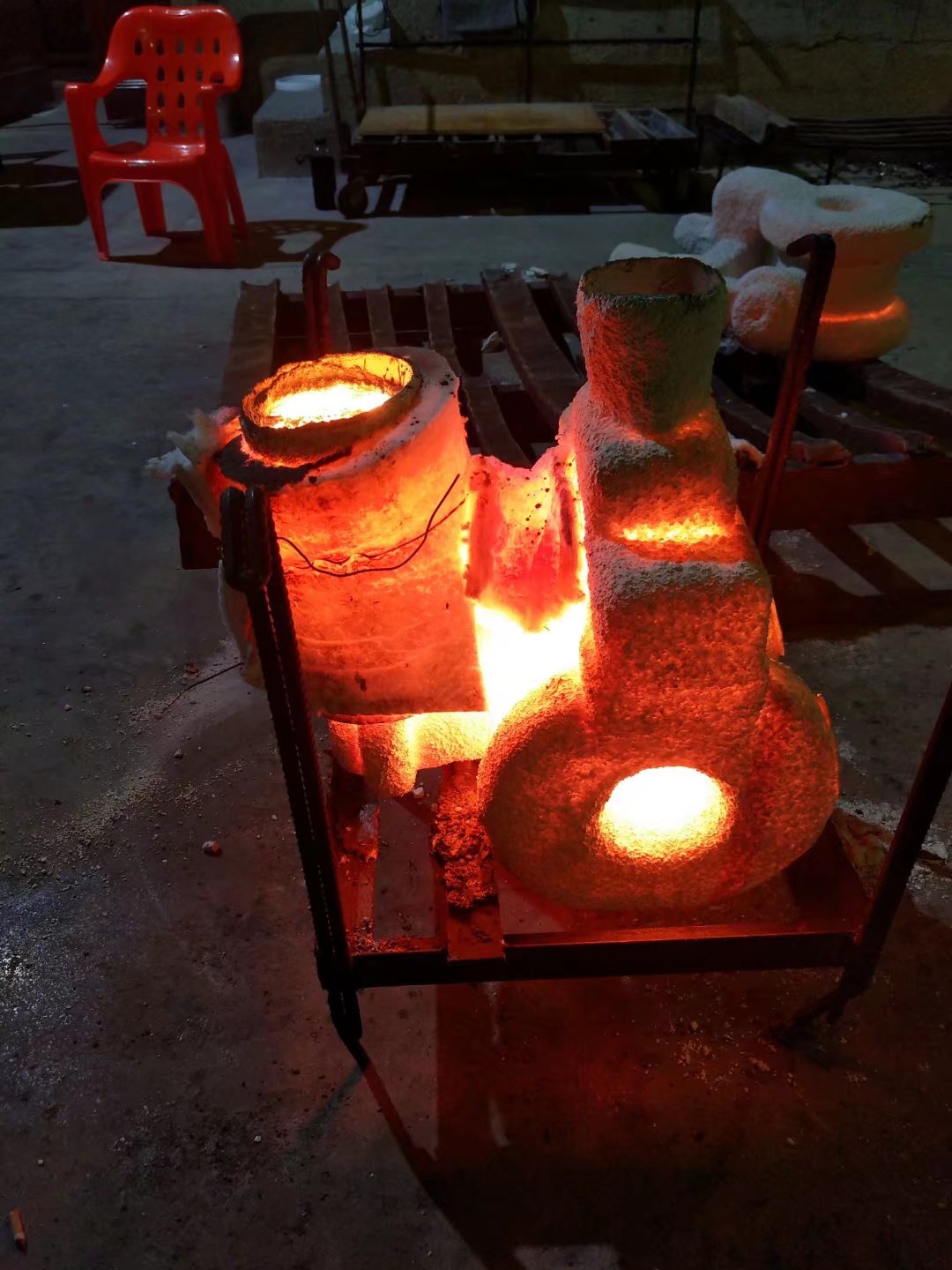
We control every phase of the cobalt alloy casting process inside our own facility to guarantee tight tolerances, structural integrity, and fast turnarounds.
Tooling & Wax Pattern Injection
- Closed-Loop Systems: We utilize temperature-controlled wax injection presses to lock in precise dimensional consistency across high-volume production runs.
- Pattern Stability: Controlled wax formulation and tooling design compensate for alloy shrinkage, laying the groundwork for accurate near-net-shape cobalt casting.
Robotic Ceramic Shell Molding
- Automated Slurry Dipping: Multi-axis robotic arms handle slurry dipping and uniform stuccoing to build high-strength ceramic shells.
- Shell Structural Integrity: Multi-layer shell builds provide the mechanical strength needed to withstand high liquid-metal densities without shell failure or wall movement.
High-Pressure Dewaxing & Pre-Heating
- Autoclave Steam Flash: Rapid high-pressure steam dewaxing melts out wax patterns instantly, preventing thermal expansion from cracking the ceramic shell.
- Carbon-Free Burnout: High-temperature pre-heating burns off residual carbon inclusions and optimizes mold temperature to ensure complete fill during the pour.
5-Axis CNC Machining & Secondary Finishing
- Complete In-House Finishing: We perform stress-relief heat treatment, precision surface grinding, and custom finishing under a single roof.
- Tight-Tolerance Machining: As a full-service precision investment casting foundry, our integrated 5-axis CNC machining capabilities process tough cobalt superalloys down to exact drawing prints.
Severe-Service Applications for Cobalt Alloy Casting
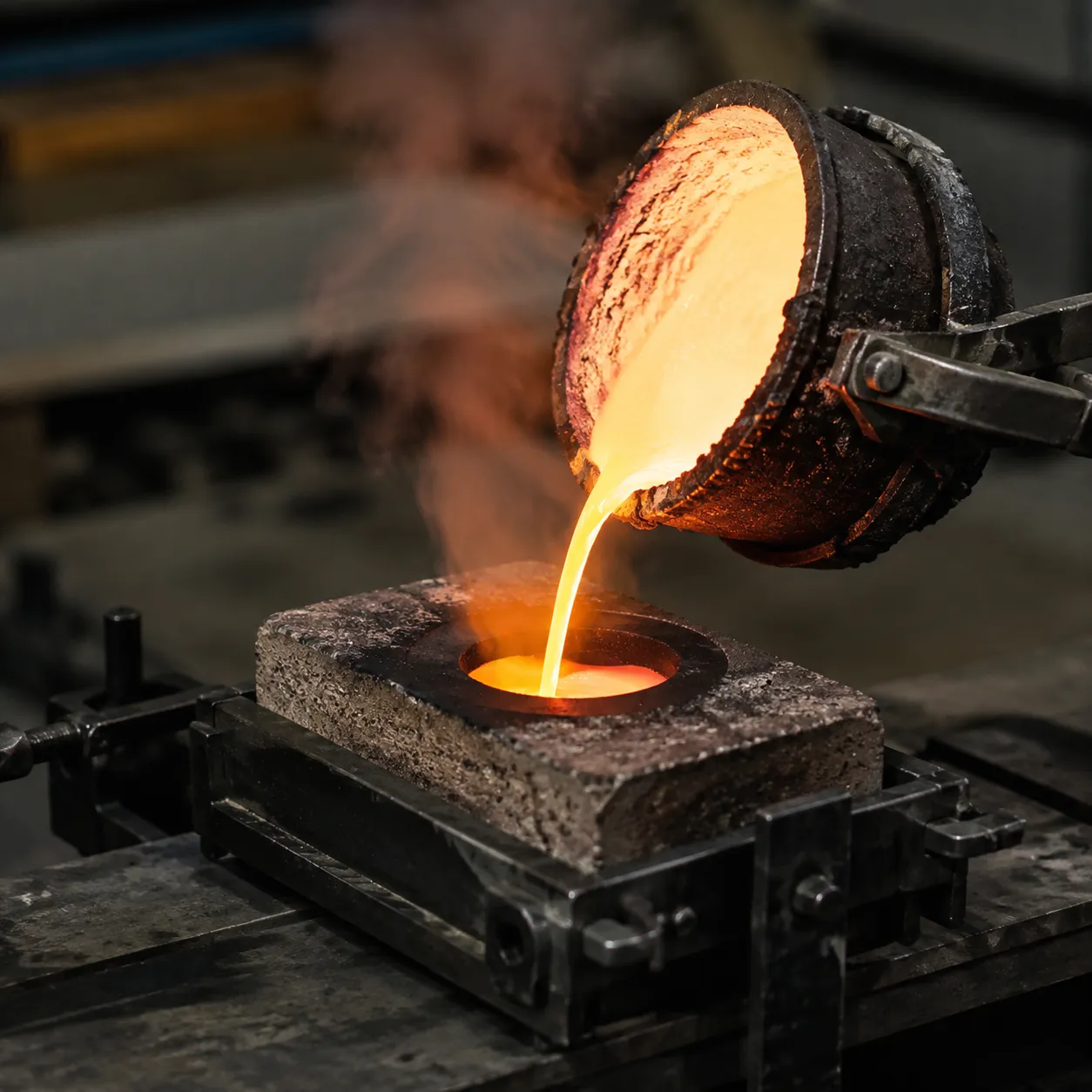
We engineer high-performance cobalt alloy casting components built to survive severe erosion, corrosive fluids, and extreme thermal stress. Across mission-critical sectors, our castings deliver long-term reliability where conventional nickel and titanium alloys fail.
Aerospace & Defense
Using high-temperature wear-resistant alloy formulations, we produce structural hardware engineered for extreme heat and velocity: Turbine & Stator Guide Vanes: High thermal fatigue resistance under extreme gas flow. Fuel Nozzles & Heat Shields: Excellent structural integrity inside jet engine combustion zones.
Medical Devices & Orthopedics
Our CoCrMo medical grade casting capabilities meet strict ASTM F75 standards for human implantation and surgical use: Joint Prosthetics: Knee joints and hip stems optimized for low wear against polymer bearings. Surgical Instrumentation: Durable wear plates and surgical tools built for repeated sterilization cycles.
Oil, Gas & Chemical Processing
We manufacture cobalt alloy valve components designed to defeat severe galling and cavitation erosion: Valve Trims & Seats: Reliable sealing surface performance in unlubricated sliding contact. Slurry Pump Impellers & Wear Rings: Extended service life in abrasive, high-velocity chemical flows. Drill Bit Inserts: Extreme abrasion protection for harsh downhole drilling operations.
Power Generation
Our cobalt investment casting process delivers heat-resistant parts for continuous duty in heavy industrial equipment: Industrial Gas Turbine Parts: Stable yield strength during rapid thermal cycling past 1,200°C. Steam Valve Seats & Combustion Liners: Outstanding resistance to high-pressure steam erosion and stress rupture.
Quality Assurance & Non-Destructive Testing for Cobalt Alloy Casting
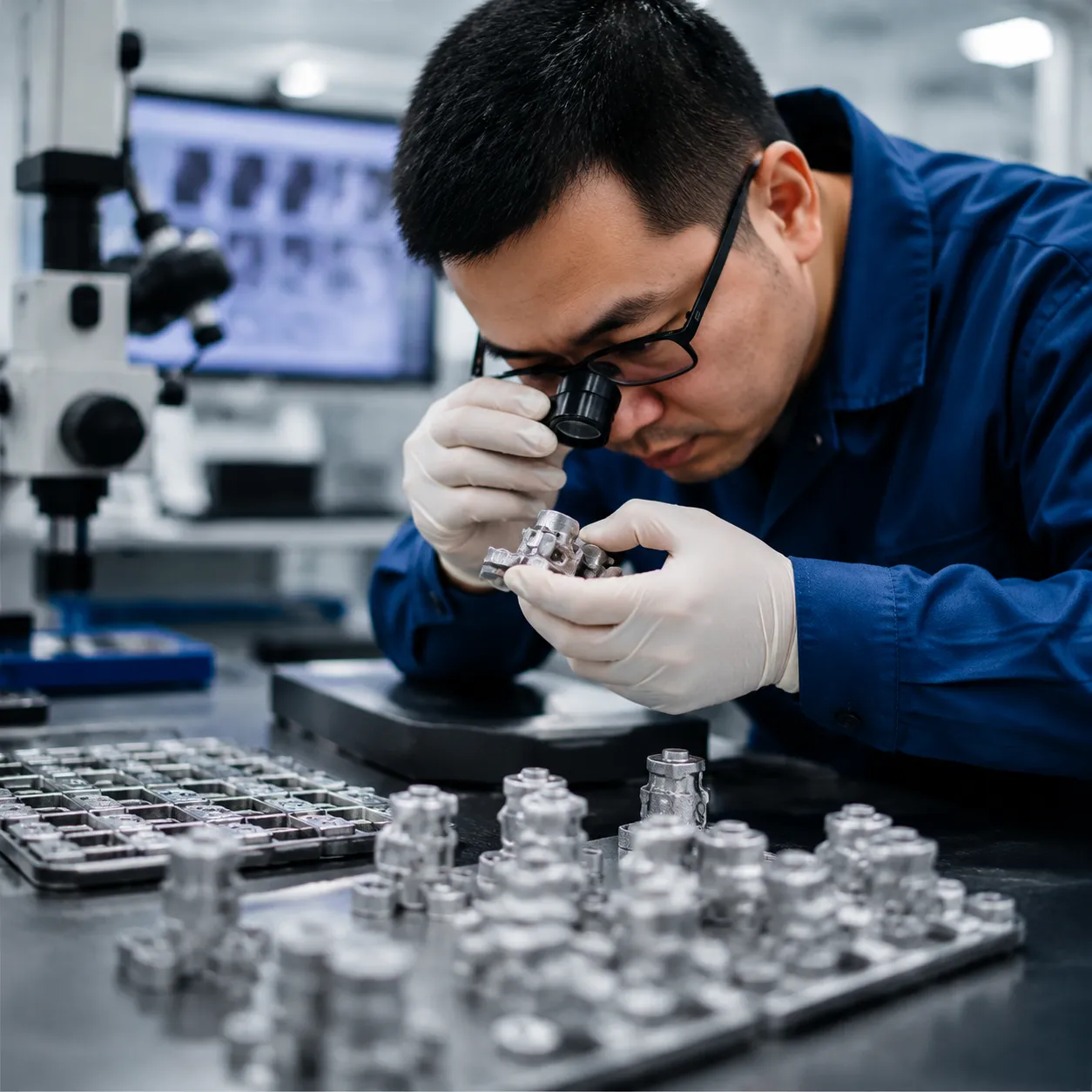
When your components face high friction, aggressive corrosion, and thermal shock, micro-porosity or off-spec chemistry is never an option. We enforce strict, end-to-end quality controls on every cobalt alloy casting to guarantee structural integrity, precise dimensional repeatability, and zero defects.
Melt-Batch Chemical Stoichiometry Inspection
- Heat-by-Heat OES Analysis: We test every individual melt batch with optical emission spectrometry (OES) before pouring to verify exact chemical stoichiometry.
- Composition Lock: Real-time metallurgical tracking prevents element drift across critical alloying elements—including Cobalt, Chromium, Tungsten, and Molybdenum—protecting critical hardness and corrosion resistance.
Non-Destructive Testing (NDT) Protocols
Our precision investment casting foundry deploys certified non-destructive testing investment casting inspections to validate both surface quality and internal soundness:
- Radiographic Testing (X-Ray): Scans the internal sub-surface matrix to detect micro-shrinkage, subsurface voids, and inclusions.
- Fluorescent Penetrant Inspection (FPI): High-sensitivity Level 2 and Level 3 liquid penetrant detects hairline surface cracks, seams, and cold shuts.
- Ultrasonic Testing (UT): Direct acoustic evaluation to identify deep subsurface discontinuities in thick-walled sections.
Metrology & Compliance Certifications
- CMM & 3D Laser Scanning: Automated Coordinate Measuring Machines and full point-cloud 3D laser scans verify tight linear tolerances directly against your native 3D CAD files.
- Specification Compliance: Every shipment ships complete with Mill Test Certificates (MTCs), chemical analysis tracings, and NDT reports compliant with ISO 9001, AMS, and ASTM requirements.
Cobalt Alloy Casting FAQs
How does cobalt alloy casting compare to nickel and titanium superalloys?
We engineer cobalt alloy casting components specifically for unlubricated, high-friction, and severe galling environments. While nickel and titanium superalloys suffer from metal transfer and adhesive wear under high contact stress, our cobalt-based alloys form a self-passivating oxide layer that maintains sliding integrity without lubrication.
What tolerances can VastPCC hold as-cast?
Using our precision lost-wax cobalt investment casting process, we maintain strict dimensional control and smooth surface quality straight out of the ceramic shell.
| Technical Metric | VastPCC As-Cast Specification |
|---|---|
| Linear Dimensional Tolerance | ±0.005" per inch (±0.127 mm) |
| Surface Roughness | 120 RMS or better |
| Machining Time Reduction | Up to 80% reduction in CNC cycle time |
How does near-net-shape cobalt casting reduce overall production costs?
Casting components close to final CAD dimensions minimizes expensive metal removal on tough superalloys. Our near-net-shape cobalt casting drastically lowers secondary CNC machining time by up to 80%, saving tool wear, labor, and scrap material costs.
Which cobalt grade is certified for biocompatible medical implants?
We cast cobalt-chromium-molybdenum (CoCrMo) alloy conforming strictly to ASTM F75 investment casting specifications. This medical-grade alloy provides excellent biocompatibility, high fatigue strength, and low friction against UHMWPE polymer liners in orthopedic joint implants and surgical instruments.
 English
  Russian
  German