
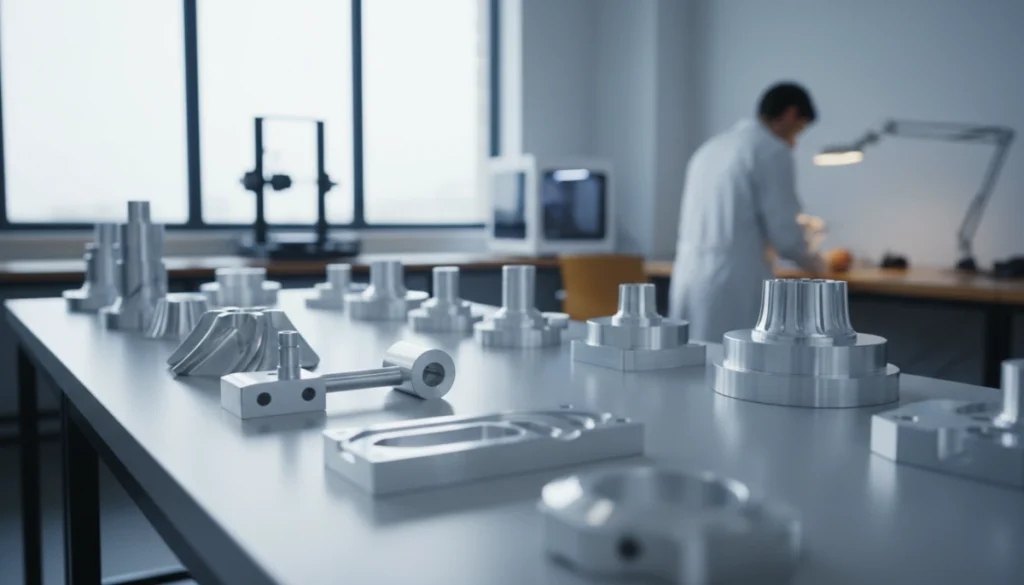
Having spent years in the manufacturing industry, I know that mastering this investment casting technique—from building the ceramic shell to pouring the perfect alloy—can make a massive difference in your production quality and bottom line.
In this post, you’re going to learn exactly how to master the lost wax casting aluminum process, step by step. I’ve put together a complete guide covering everything from the essential tools and materials to how it actually stacks up against alternative methods like sand and die casting.
Whether you’re manufacturing aerospace components, medical devices, or custom rapid prototypes, this guide is for you.
Let’s dive right in.
The Step-by-Step Aluminum Lost Wax Casting Process
Mastering lost wax casting aluminum requires strict adherence to a proven manufacturing sequence. As a leading provider of casting processing machinery, we know that exact precision at every stage dictates the structural integrity and surface quality of the final product.
Creating the Wax Pattern and Assembly Tree
The foundation of this advanced metal casting technique starts with a flawless, dimensional replica.
- Wax Injection: A highly calibrated wax injection machine pushes liquid wax into a master die to create an exact wax pattern.
- Tree Assembly: Multiple wax patterns are meticulously welded by hand to a central wax sprue, forming an assembly tree. This gating system acts as the blueprint, controlling exactly how molten metal will flow into each cavity.
Building the Ceramic Shell and Burnout (Dewaxing)
Transforming the fragile wax tree into a durable mold involves strategic layering and targeted heat.
- Shell Building: The entire wax assembly is repeatedly dipped into a refractory slurry and coated with fine stucco sand. This builds a robust ceramic mold capable of withstanding extreme thermal shock. While a plaster mold is sometimes utilized for certain non-ferrous applications, ceramic remains the industrial standard for superior strength.
- The Burnout Process: The hardened shell is placed inside a high-temperature autoclave or furnace. The wax melts and drains away completely, leaving a pristine, hollow cavity engineered to exact tolerances.
Melting and Pouring the Aluminum Alloy
Precision engineering meets extreme heat during the critical pouring phase.
- Mold Preheating: The ceramic shell is preheated right before pouring to prevent premature solidification and ensure the metal flows into the thinnest sections of the mold.
- Pouring: High-grade aluminum alloys are melted down to their optimal pouring temperature. The liquid aluminum is poured into the preheated shell, seamlessly filling the complex voids defined during the investment casting process.
Knock Out, Cleaning, and Surface Treatments
The final manufacturing phase reveals the raw aluminum component and refines it to precise specifications.
- Knock Out: Once the molten aluminum solidifies and cools to room temperature, the ceramic shell is mechanically shattered and vibrated away from the metal.
- Refinement: The individual aluminum parts are cut from the central sprue. They undergo rigorous grinding to remove gating marks, followed by sandblasting, heat treatments, or chemical coatings. This guarantees an exceptional surface finish ready for rigorous global market demands.
Advantages of Using Lost Wax Casting for Aluminum
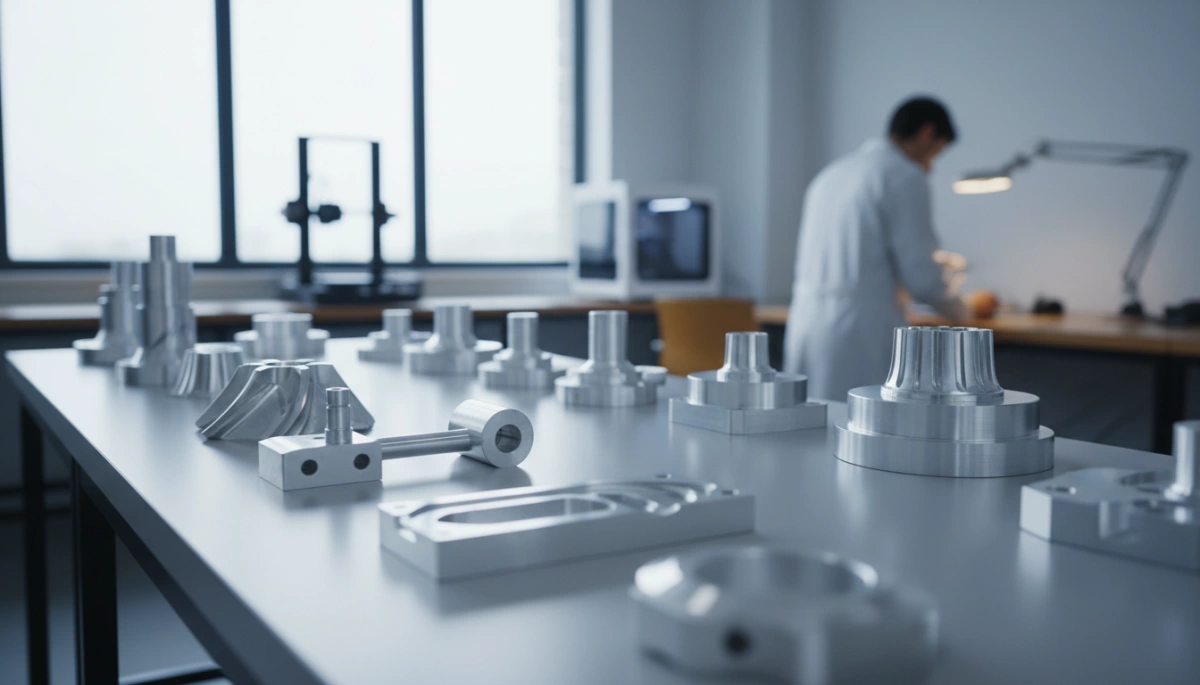
This specific metal casting technique offers a unique combination of benefits that improve part quality while keeping production efficient.
Achieving High Precision and Intricate Details
The investment casting process allows us to manufacture components with incredible dimensional accuracy.
- Exact replication: Every tiny detail from the initial wax pattern transfers perfectly to the final aluminum part.
- Complex geometries: We can easily cast ultra-thin walls, delicate undercuts, and blind internal cavities that are impossible with standard methods.
- Tight tolerances: Parts are consistently cast to exact specifications, meeting strict global industry standards on the first run.
Excellent Surface Finish and Reduced Machining
One of the biggest advantages is the surface quality right out of the gate. The fine materials used to build the ceramic mold leave a remarkably smooth finish on the cast aluminum once the burnout process is complete. By integrating automation in the casting process for high precision investment castings, we achieve consistent, near-net shapes every time. This drastic improvement in surface quality means you can skip heavy secondary machining, saving hours of labor and keeping project timelines tight.
Cost-Effectiveness for Complex Geometries
While it involves several precise steps, lost wax casting aluminum actually lowers overall costs when dealing with intricate designs.
- Less material waste: You only pour the exact amount of aluminum required for the final shape.
- High-speed scaling: Pumping out identical patterns rapidly with an automatic wax injection machine significantly reduces the per-part cost for larger production runs.
- Assembly consolidation: We can cast what would normally be five or six separate pieces into one single, solid component, completely wiping out downstream welding and assembly costs.
Common Industries and Applications for Cast Aluminum
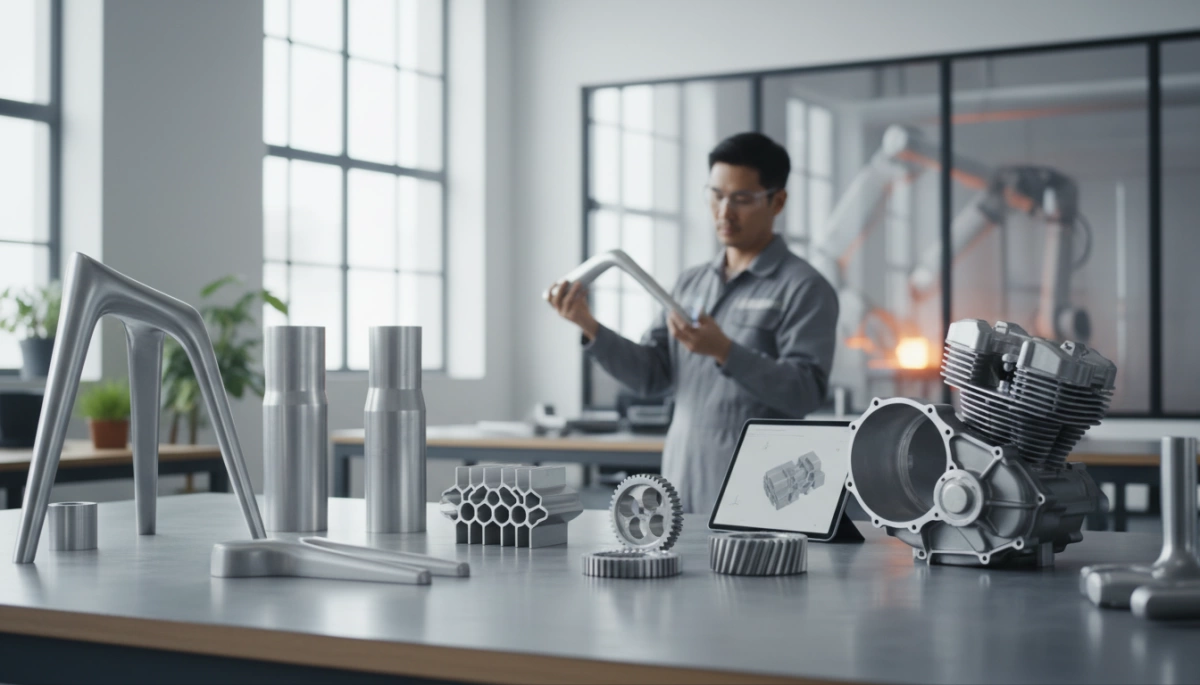
We see lost wax casting aluminum used across a massive range of global sectors. Because it delivers lightweight yet strong parts with incredible detail, manufacturers rely heavily on this metal casting technique for critical, everyday applications.
Aerospace and Automotive Components
Weight reduction is everything in planes and vehicles. By using the investment casting process, we can produce complex engine parts, brackets, and fluid handling systems that simply cannot fail. For these high-stress environments, utilizing strong alloys like aluminum grade 357 ensures the cast parts maintain top performance and safety standards under extreme pressure.
Medical Devices and Specialized Equipment
In the medical field, precision is non-negotiable. Lost wax casting creates smooth, accurate, and lightweight aluminum components that meet strict healthcare standards. We frequently see this applied to:
- Surgical instruments: Handles and grips that require complex ergonomics.
- Equipment housings: Lightweight, durable covers for specialized scanners and monitors.
- Prosthetic components: Custom-fit, structural parts that are both strong and light.
Custom Art, Jewelry, and Rapid Prototyping
Beyond heavy industry, lost wax casting aluminum shines in creative and developmental spaces. Jewelers and sculptors use a detailed wax pattern to capture fine textures before pouring the metal. In modern manufacturing, engineers use it for rapid prototyping to physically test complex designs before committing to mass production. Whether you are creating a one-off sculpture or testing a new mechanical drone part, the process delivers unmatched surface finishes and exact replication.
Essential Tools and Materials for Aluminum Casting
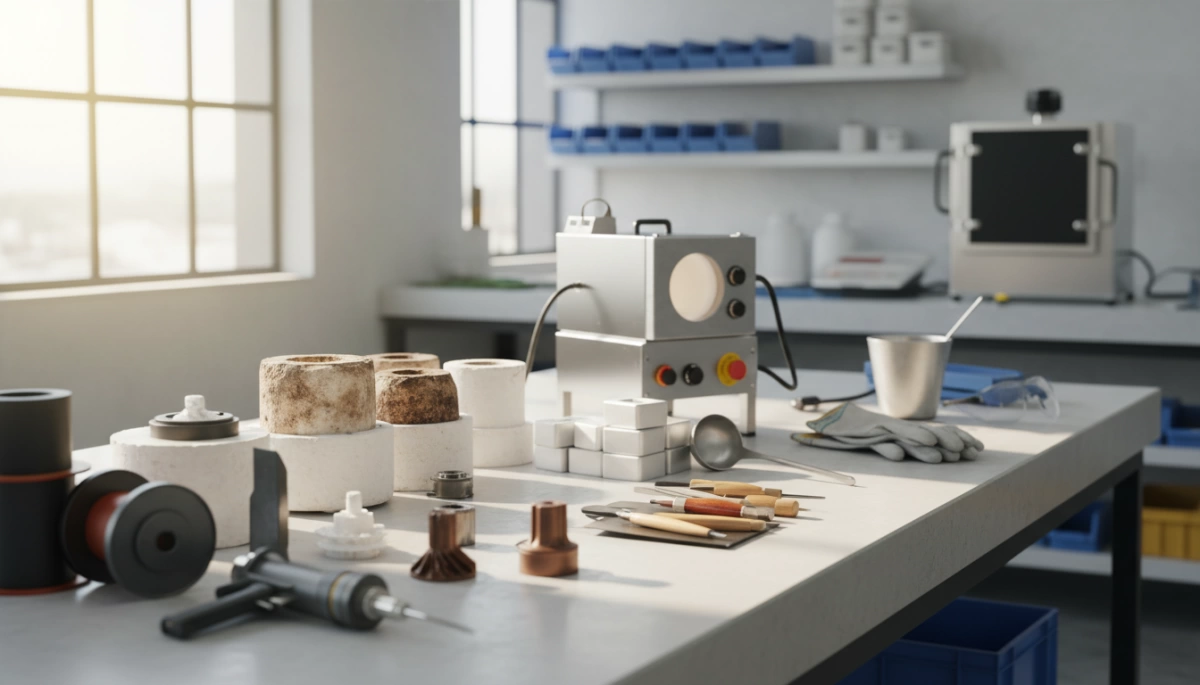
Having the right setup makes all the difference when tackling lost wax casting aluminum projects. To get clean, precise parts, we need reliable gear across the board.
Choosing the Right Wax and Mold Materials
Getting the perfect cast starts with a flawless wax pattern. The wax needs to hold sharp details and melt out cleanly without leaving ash behind. For efficient and consistent production runs, using a wax injection machine for investment casting guarantees precise, bubble-free patterns every time.
Once the wax is ready, we build the shell. A high-quality ceramic mold is the industry standard for this metal casting technique because it handles thermal shock beautifully. While a plaster mold is sometimes used for specific non-ferrous applications, ceramic remains the absolute best choice for durable, industrial-grade aluminum parts.
Best Aluminum Alloys for Investment Casting
Not all aluminum works for investment casting. We rely on specific alloys that flow smoothly into complex molds and cure with strong structural integrity.
- A356: Our top recommendation. It offers a great mix of strength, excellent castability, and high corrosion resistance. It is heavily used in automotive and aerospace parts.
- 356: Perfect for intricate shapes, tight tolerances, and highly detailed thin-walled designs.
- C355: The go-to option when the final cast part needs to maintain extra strength at elevated temperatures.
Crucibles, Furnaces, and Pouring Equipment
Handling molten metal requires tough, dependable equipment. Proper heat control is the secret to avoiding porosity. Sourcing the right lost wax casting materials and melting gear keeps your foundry running safely and smoothly.
- Furnaces and Kilns: We use a high-temperature kiln for the burnout process to completely eliminate the wax from the shell. A separate induction or gas melting furnace then brings the aluminum up to pouring temperature (usually around 1,300°F or 700°C).
- Crucibles: Silicon carbide or clay-graphite crucibles are essential. They withstand extreme heat cycles and will not chemically contaminate the aluminum alloy.
- Pouring Gear: Heavy-duty foundry tongs, heat-resistant safety gear, and pre-heated ladles ensure the molten aluminum is transferred into the ceramic shell quickly and safely.
Comparing Aluminum Lost Wax Casting to Alternative Methods
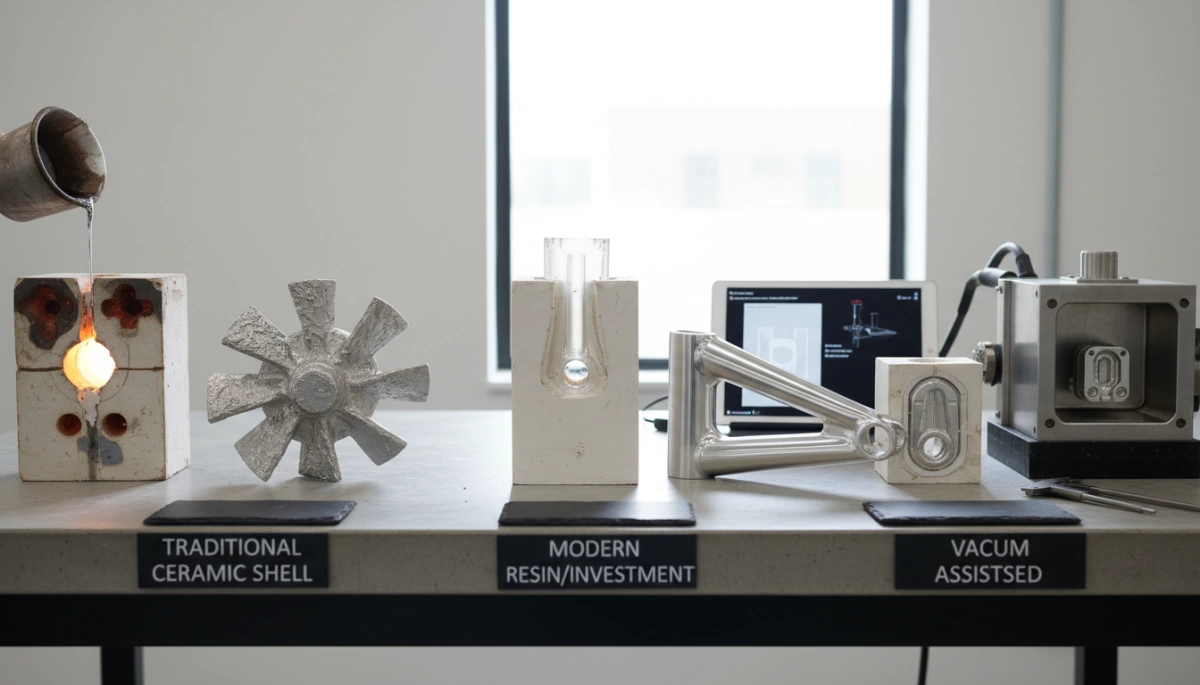
When choosing the right metal casting technique for your project, it is essential to understand how lost wax casting aluminum stacks up against other standard processes.
Lost Wax Casting vs. Aluminum Die Casting
Die casting is known for massive, high-speed production runs, but it comes with a major catch: extremely high tooling costs. In contrast, aluminum investment casting is much more flexible and cost-effective for complex geometries or medium-volume runs.
Here is a quick breakdown:
- Tooling Costs: Die casting requires expensive, custom-machined steel molds. Lost wax casting uses much cheaper tooling, relying on an accurate wax injection machine to pump out identical wax patterns quickly.
- Design Freedom: Lost wax casting easily handles undercuts, thin walls, and internal cavities that die casting simply cannot produce.
- Production Volume: Die casting is ideal for millions of identical parts. Lost wax casting is the clear winner for creating hundreds or thousands of highly intricate, high-value components.
Lost Wax Casting vs. Sand Casting
Sand casting is one of the oldest and cheapest ways to pour metal, but it lacks the precision that modern global industries demand.
- Surface Finish: Sand casting leaves a rough, grainy texture that requires heavy secondary machining. Lost wax casting aluminum delivers a highly accurate near-net shape with a remarkably smooth finish right out of the ceramic mold.
- Dimensional Accuracy: If your part requires tight tolerances, sand casting will struggle. The investment casting process captures the exact, intricate details of the original wax pattern flawlessly.
- Material Waste: Because lost wax creates parts much closer to their final dimensions, you waste far less aluminum during the machining and finishing stages.
Frequently Asked Questions
What equipment is needed for aluminum investment casting?
Setting up a reliable line for lost wax casting aluminum requires specific gear to handle every step from mold creation to the final metal pour.
- Wax injection machine: Essential for shooting pressurized liquid wax into metal dies to form the exact wax pattern.
- Slurry and stucco mixers: Required to coat the wax assemblies and build up a durable ceramic mold (or a plaster mold, depending on your specific metal casting technique).
- High-temperature kiln: Necessary for the burnout process to melt away the wax and cure the empty shell.
- Melting furnace and crucibles: Designed specifically for holding and pouring molten aluminum alloys safely.
Managing this equipment properly requires strict process control in investment casting for defect-free precision to keep your production runs consistent and your scrap rates low.
What kind of wax is best for aluminum investment casting?
The ideal wax for investment casting aluminum is a specialized industrial pattern wax formulated for low shrinkage and high dimensional stability. It must capture complex details accurately and melt out cleanly during the burnout process without leaving any ash or residue inside the ceramic mold.
We generally categorize the required waxes into two types:
- Pattern wax: Focuses on capturing intricate details, maintaining tight tolerances, and providing an exceptionally smooth surface finish.
- Sprue or Runner wax: Engineered with a lower melting point so it drains out of the mold first, creating a clear path for the pattern wax and preventing the shell from cracking under pressure.
Using a premium, low-ash wax blend is non-negotiable if you want your lost wax casting aluminum parts to require minimal machining after the pour.
 English
  Russian
  German