
Discover precise casting solutions with Silica Sol investment casting offering tight ISO 8062 tolerances, CNC machining, and turnkey manufacturing.
The Core of the Solution: Silica Sol Investment Casting
Superiority of the Silica Sol Process
At Vast PCE, we specialize in the silica sol process, a premium variation of the lost wax casting method. Unlike sand casting or water glass casting, which often result in rougher textures and looser tolerances, silica sol casting uses a high-grade colloidal silica binder. This allows us to produce precision investment casting components with intricate details and thin walls that other methods simply cannot achieve. By choosing this method, we eliminate significant secondary machining costs for our clients, delivering a true “near-net-shape” casting solution.
Engineering-Grade Surface Finish and Tolerances
Our manufacturing protocols are designed to meet strict industrial requirements directly from the mold.
- Surface Quality: We consistently achieve a surface roughness Ra of 3.2 to 6.3 μm. This smooth finish often negates the need for additional polishing or grinding.
- Dimensional Accuracy: We strictly adhere to ISO 8062 tolerance standards, maintaining high-precision grades of CT4 to CT6. This ensures that every casting part fits your assembly with minimal deviation.
Material Versatility: Stainless and Alloy Steels
As a dedicated stainless steel foundry, we handle a wide spectrum of ferrous alloys to meet specific mechanical properties. Our capabilities cover:
- Stainless Steel: Grades 304, 316, and 17-4PH for corrosion resistance and strength.
- Carbon & Alloy Steel: Tailored for structural components requiring high durability.
- Heat-Resistant Steel: For applications in high-temperature environments.
From Design to Part: The “One-Stop” Advantage
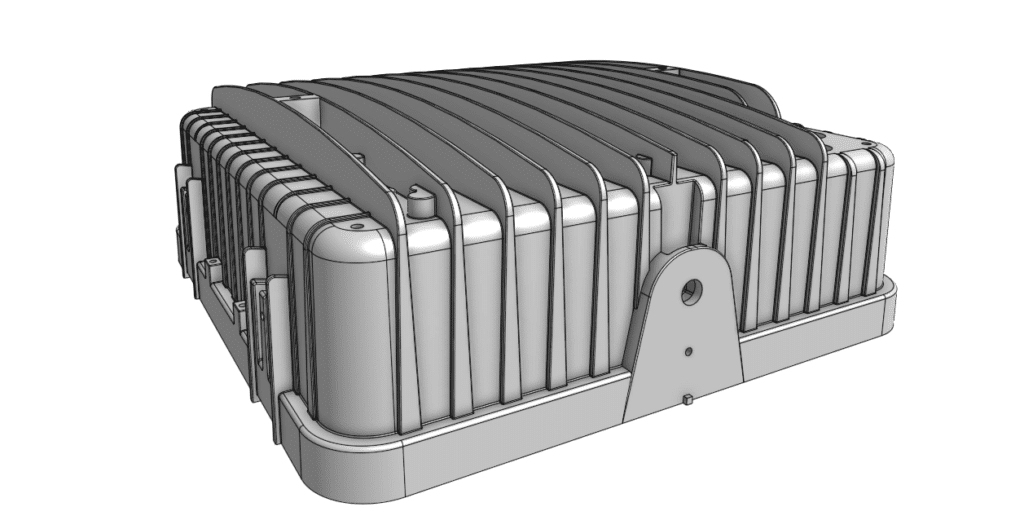
We provide a comprehensive casting solution that goes far beyond simple foundry work. By handling every step of the production process in-house, we offer a true turnkey manufacturing solution that streamlines your supply chain and reduces lead times. You deal with one team for the entire lifecycle of your component, ensuring consistent quality from the initial drawing to the final delivery.
Implementing Design for Manufacturing (DFM)
Before we pour any metal, we focus heavily on Design for Manufacturing (DFM). We review your CAD drawings to optimize the casting design for the investment casting process. This involves analyzing wall thickness, draft angles, and gating systems to prevent common defects. By catching potential issues early, we ensure that every casting part is produced efficiently, reducing material waste and lowering your overall tooling costs.
Integrated CNC Machining Services
While our silica sol process achieves high precision, certain mating surfaces and complex features require tighter tolerances. We integrate CNC machining services directly into our production line. This eliminates the risk and logistical headache of moving parts between a foundry and a separate machine shop. Since we handle both the casting and the machining, we take full responsibility for the dimensional accuracy of the final product.
Surface Finishing Capabilities
A complete casting solution includes the final surface treatment. We apply various finishes to meet both functional and aesthetic requirements, ensuring the casting surface performs as intended in its operating environment:
- Pickling and Passivation: Standard for stainless steel to remove impurities and enhance corrosion resistance.
- Mirror Polishing: Creates a smooth, hygienic finish ideal for food machinery and marine hardware.
- Zinc Plating: Provides a protective layer for carbon steel parts to prevent rust.
- Heat Treatment: Adjusts mechanical properties like hardness and tensile strength to meet specific industrial standards.
Mitigating Risk: Quality Control as a Solution
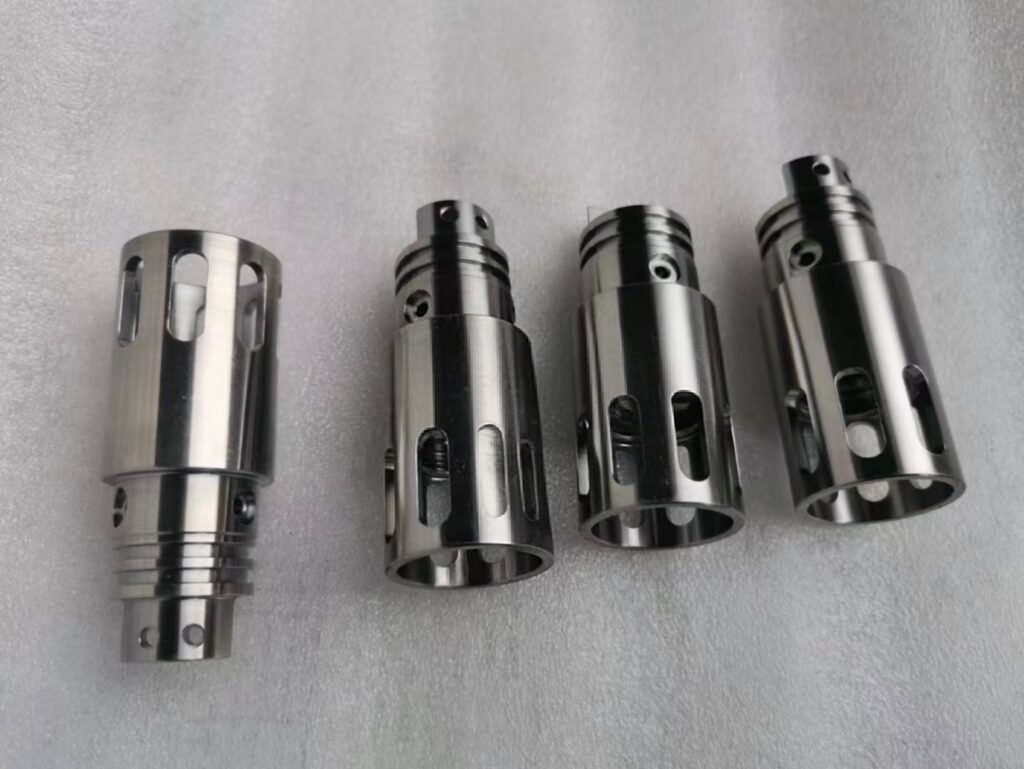
Reliability is the backbone of any industrial casting solution. We don’t just pour metal and hope for the best; we engineer certainty into every casting part. Our in-house laboratory is equipped to catch issues before they ever leave the foundry floor, ensuring that casting quality meets the rigorous demands of US and global markets.
Material Verification and Defect Prevention
To prevent a casting defect, you have to start with the chemistry. We utilize advanced Spectrometer analysis to verify the alloy composition of every batch, whether it’s stainless steel 316 or carbon steel. If the material doesn’t meet the spec, we don’t pour.
Once the part is cast, we validate physical integrity through a strict testing protocol:
- CMM (Coordinate Measuring Machine): We verify dimensional accuracy down to the micron, ensuring complex geometries fit perfectly without extensive rework.
- Tensile Strength Testing: We confirm the mechanical properties match the engineering requirements for high-stress applications.
- Salt Spray Testing: Essential for marine and outdoor hardware, this verifies corrosion resistance.
Certified for High-Pressure Applications
Our manufacturing process is governed by ISO 9001:2015 and IATF 16949 standards. This automotive-grade quality management system allows us to produce components for critical industries, including valve and fluid power sectors. By adhering to these strict protocols, we deliver a turnkey manufacturing solution that meets the safety and performance standards required for pressure-bearing components.
Industry Applications: Where These Solutions Apply
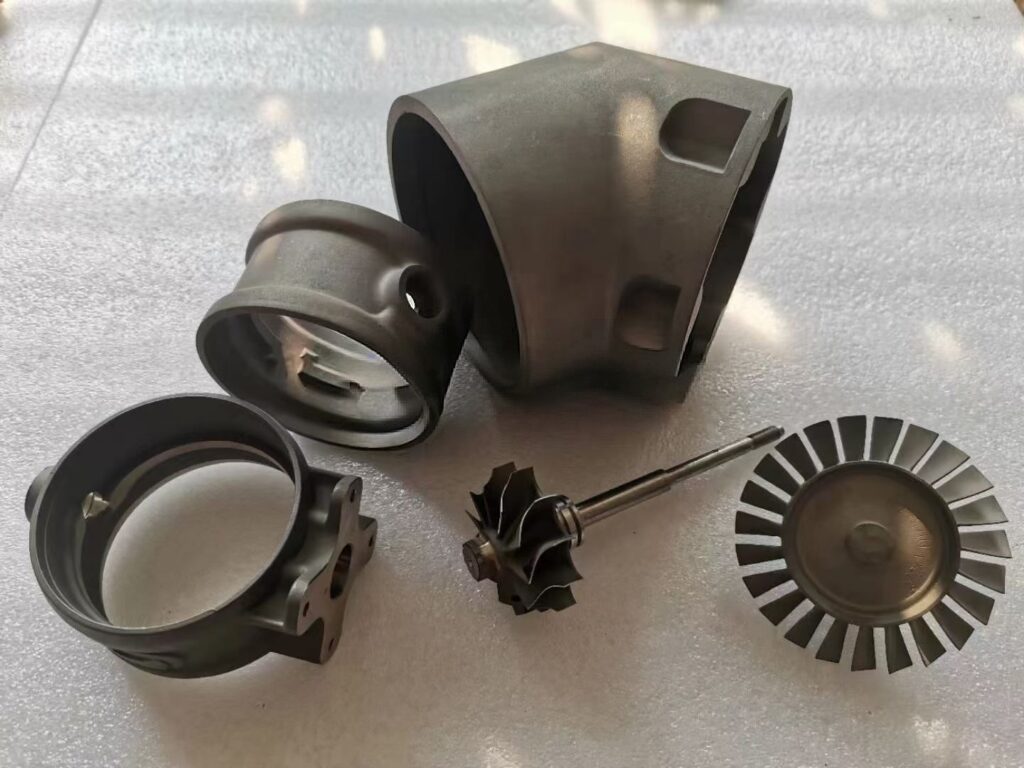
We tailor our casting solution to meet the exact demands of your industry. It is not a one-size-fits-all approach; a high-pressure valve body requires different engineering priorities than a hygienic food processing component. By leveraging precision investment casting, we deliver parts that perform reliably in their specific operating environments.
Here is how we apply our manufacturing capabilities across major sectors:
- Fluid Handling: We manufacture industrial valve components, pump housings, and impellers that must withstand high pressure without leaking. Our process ensures dense, porosity-free metal, critical for fluid power systems.
- Marine Hardware: Saltwater is unforgiving. We utilize high-grade 316 stainless steel to produce deck hardware, cleats, and fittings that resist corrosion. Our stainless steel foundry validates material composition to ensure long-term durability in harsh marine conditions.
- Food Machinery: Hygiene is non-negotiable. Our silica sol process delivers smooth surfaces (typically Ra 3.2 to 6.3) ideal for food processing equipment, eliminating rough spots where bacteria can hide.
- Automotive & Industrial: From heavy-duty brackets to intricate gears, we produce high-stress components. Compliant with automotive-grade quality standards (IATF 16949), our parts handle the rigorous mechanical loads required in vehicle and heavy machinery applications.
How to Evaluate a Casting Solution Provider
Finding a reliable manufacturing partner is about more than just comparing quotes. When sourcing a casting solution for critical components, you need a foundry that manages the entire lifecycle of the part. We believe the difference between a standard vendor and a strategic partner comes down to three specific capabilities: in-house tooling, production scalability, and proven export experience.
Buyer Checklist for Industrial Casting
To ensure your supply chain remains stable and your parts meet ISO 9001 standards, we recommend validating these core competencies before signing a contract:
- In-House Tooling Capabilities: Does the provider outsource mold making? We handle mold design and production internally. This drastically reduces lead times for rapid prototyping casting and ensures immediate adjustments if design changes occur.
- Scalability: Your partner should be able to grow with you. Our facility handles everything from intricate components weighing a few grams up to heavy-duty parts weighing 50kg.
- Export Experience & Compliance: For US buyers, the foundry must understand international material standards (like ASTM for stainless steel) and logistics. We operate under IATF 16949 quality systems, ensuring that parts destined for automotive or industrial sectors meet global regulatory requirements.
Understanding the Cost vs. Value Equation
It is common to see a higher initial piece price for silica sol investment casting compared to rougher methods like sand casting. However, the true value of a casting solution is calculated by looking at the total cost of the finished part.
Because our lost wax casting method achieves near-net-shape geometry with ISO 8062 Grade CT4-CT6 tolerances, you save significantly on secondary operations. You aren’t paying for raw material that just gets machined away, and you reduce the machine time required to reach final specs. When you factor in the superior surface finish (Ra 3.2–6.3) and reduced defect rates, the investment casting process often yields a lower total cost per unit than cheaper, less precise alternatives.
Frequently Asked Questions About Industrial Casting Solutions
What distinguishes a casting solution from a standard foundry service?
A standard foundry typically focuses solely on the pouring process, often leaving you to handle finishing and machining elsewhere. A true casting solution, like what we offer at Vast PCE, is a turnkey manufacturing solution. We manage the entire lifecycle—from Design for Manufacturing (DFM) and mold creation to CNC machining services, heat treatment, and final surface finishing. This integrated approach reduces lead times and centralizes accountability, ensuring the final part is ready for assembly the moment it arrives at your dock.
How does the Silica Sol process prevent common casting defects?
The Silica sol process utilizes a high-grade colloidal silica binder that creates a much more stable and thermally resistant shell compared to water glass or sand casting. This stability is crucial for preventing metal casting defects like surface inclusions, rough textures, and dimensional warping. Because the ceramic shell expands and contracts predictably, we can maintain tighter ISO 8062 tolerances and achieve a superior surface finish (Ra 3.2–6.3) directly out of the mold, minimizing the risk of rejection.
Can investment casting replace machining for complex geometries?
Absolutely. One of the primary benefits of precision investment casting is its ability to produce “near-net-shape” parts. We can cast intricate internal channels, thin walls, and complex contours that would be prohibitively expensive or impossible to machine from a solid block. By achieving high dimensional accuracy during the casting phase, we significantly reduce the need for secondary machining, lowering material waste and total production costs.
What certifications are required for pressure-bearing casting components?
For parts used in high-pressure environments, such as industrial valve components or fluid power systems, standard quality checks aren’t enough. Compliance with the Pressure Equipment Directive (PED) is often required for global markets, alongside ISO 9001 certification. At Vast PCE, we ensure our processes meet these rigorous standards, utilizing spectrometer analysis and pressure testing to guarantee that every casting solution we deliver can withstand the necessary operational stresses.
 English
  Russian
  German