
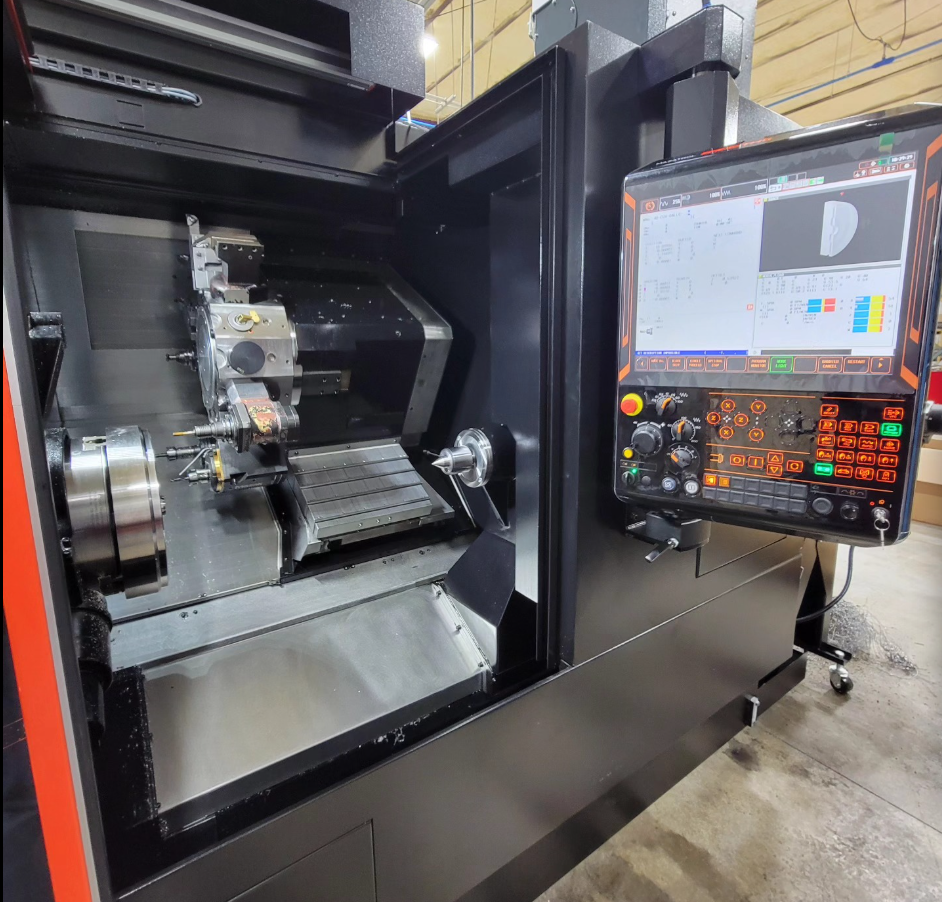
Learn how to source precision machining component solutions with tight tolerances materials DFM tips and ISO 9001 quality.
What Defines a ‘High-Precision’ Machined Component?
In the manufacturing world, “precision” is often thrown around loosely, but for us at VAST, it is a measurable, quantifiable standard. A true precision machining component isn’t just about looking good; it is about meeting rigorous engineering specifications that ensure fit, function, and longevity in critical applications. Whether for aerospace or medical devices, the distinction between a standard part and a high precision machined component lies in three core areas: tolerance, surface finish, and geometric complexity.
Defining Tolerance: Micron-Level Capabilities
When engineers specify precision, they aren’t looking for “close enough.” They need exactness. We move beyond standard machining limitations to offer Tight Tolerance Machining capabilities down to +/- 0.005mm.
Achieving this requires strict adherence to Geometric Dimensioning and Tolerancing (GD&T) standards. It is not just about the linear dimension; it is about controlling concentricity, parallelism, and flatness. This level of accuracy ensures that a shaft fits perfectly into a bearing or that a valve seals without leakage under high pressure.
Surface Roughness: Ra Values and Impact
Surface finish is rarely just aesthetic—it is functional. The roughness average (Ra) directly impacts friction, sealing capabilities, and wear resistance.
- Sealing Surfaces: We target low Ra values (e.g., Ra 0.4 µm or better) to prevent fluid or gas leaks in hydraulic components.
- Dynamic Assemblies: Smoother finishes reduce friction and heat generation in moving parts.
- Aesthetics: For consumer-facing products, a consistent finish ensures a premium look and feel.
Geometric Complexity: 5-Axis Solutions
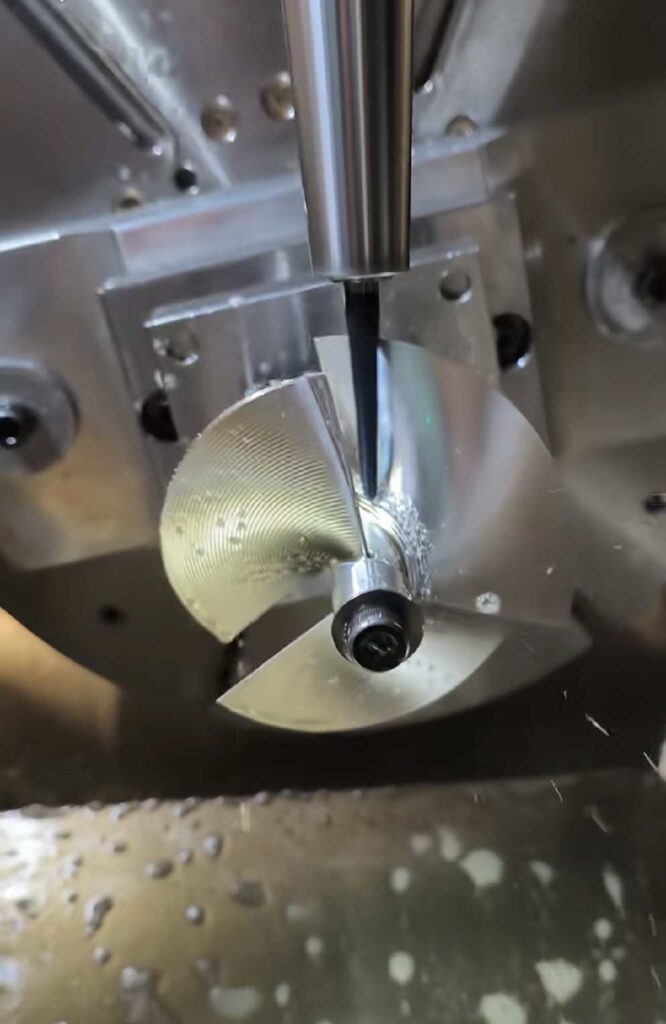
Modern engineering designs are pushing the boundaries of geometry. Standard 3-axis machines often struggle with undercuts or complex compound curves. We utilize Multi-axis CNC Machining (specifically 5-axis systems) to navigate these challenges. This technology allows us to machine complex geometries in a single setup, maintaining higher accuracy relative to datums and significantly reducing the cumulative error found in traditional multi-setup processes.
Core Technologies Behind Precision Components
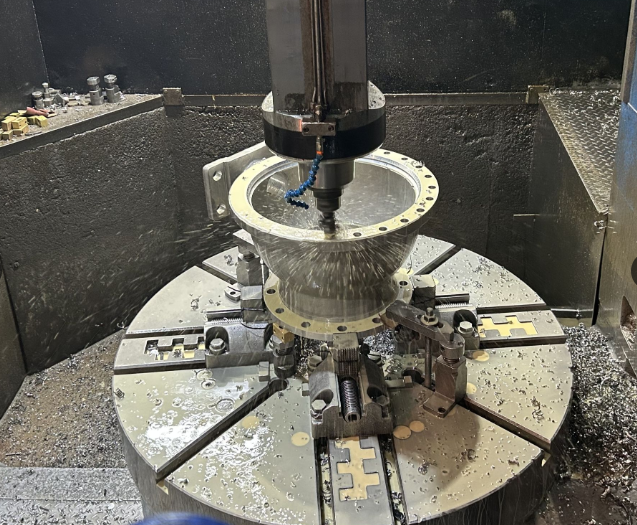
Manufacturing a top-tier precision machining component requires more than just a sharp cutter. We leverage a strategic combination of advanced manufacturing technologies to ensure every part meets strict US industry standards, from simple brackets to complex aerospace assemblies.
CNC Milling Services (3, 4, & 5-Axis)
This is the backbone of our operation for non-cylindrical parts. While 3-axis machines handle standard cuts, our multi-axis CNC machining capabilities (4 and 5-axis) allow us to approach the workpiece from virtually any angle.
- Efficiency: Reduces the need for multiple setups.
- Accuracy: Essential for complex geometries found in aerospace and medical devices.
CNC Turning Centers with Live Tooling
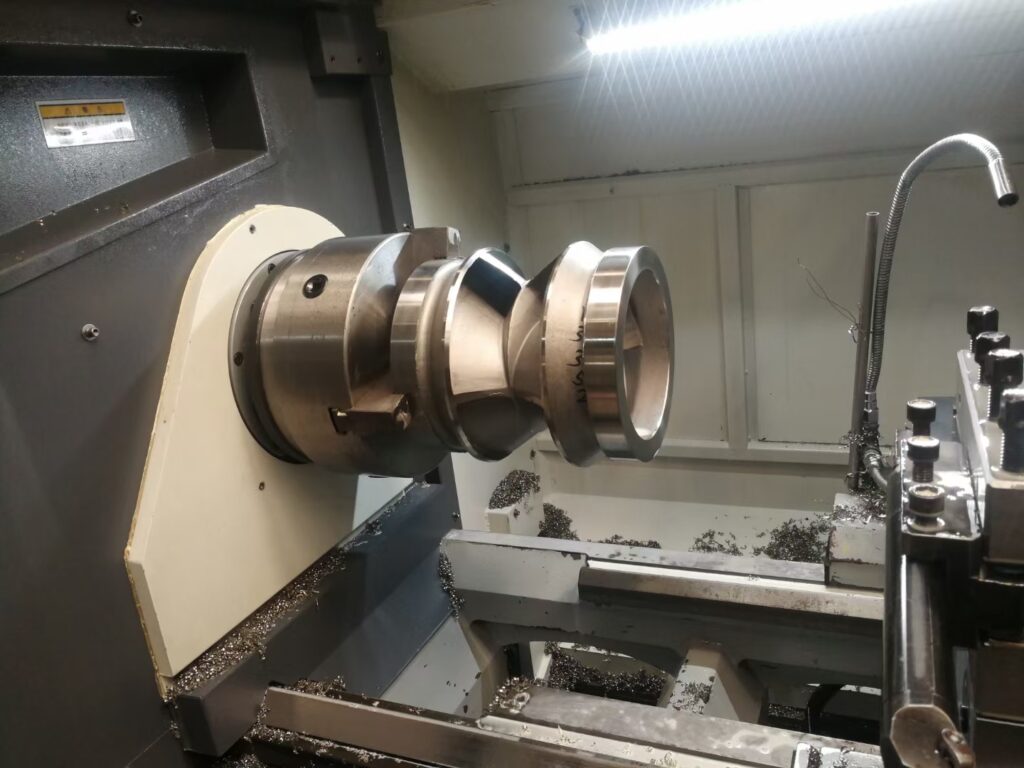
For cylindrical components like shafts, pins, and spacers, we utilize advanced CNC turning centers. Unlike traditional lathes, our machines feature live tooling. This means we can drill cross-holes or mill flats while the part is still in the chuck. It keeps the precision machined component concentric and significantly cuts down on production time.
Wire EDM & Grinding
Sometimes, standard cutting tools can’t deliver the micron-level accuracy required for hardened steel or exotic alloys.
- Wire EDM: Uses electrical discharges to cut through conductive materials with zero cutting force, ideal for delicate custom mechanical parts.
- Precision Grinding: The go-to method for achieving ultra-flat surfaces and tight tolerance machining that milling simply cannot match.
Material Selection for Precision Machining Components
Choosing the right material is just as critical as the toolpath itself. When we engineer a precision machining component, we have to balance physical performance with machinability to keep costs reasonable without sacrificing quality. We work with a diverse range of certified raw materials to ensure your custom mechanical parts perform exactly as intended in their end-use environment.
Aluminum: The Lightweight Standard
Aluminum is the backbone of many industries due to its excellent strength-to-weight ratio and machinability.
- Aluminum 6061: The versatile standard for structural frames and brackets. It accepts surface finishing processes like anodizing exceptionally well.
- Aluminum 7075: Often referred to as Aerospace Grade Aluminum, this offers superior strength comparable to some steels, making it ideal for high-stress aviation and automotive parts.
Stainless Steel: Corrosion Resistance and Durability
When a precision machining component faces moisture, chemicals, or sterilization requirements, we turn to stainless steel.
- 303 Stainless: Great for parts requiring heavy machining due to its sulfur addition, though slightly less corrosion-resistant.
- 304 Stainless: The general-purpose standard for industrial equipment and enclosures.
- Stainless Steel 316 Components: The premium choice for medical devices and marine applications where maximum corrosion resistance is non-negotiable.
Engineering Plastics: PEEK and POM
Not every high-performance part is metal. We machine advanced plastics for applications requiring electrical insulation or low friction.
- POM (Delrin): Excellent dimensional stability and easy to machine into complex geometries.
- PEEK: A high-performance plastic that retains stiffness at high temperatures, often used as a metal replacement in aerospace and medical sectors.
Exotic Alloys: Titanium
For applications where failure is not an option, we machine Titanium. It provides an incredible strength-to-weight ratio and heat resistance. While tougher to machine than aluminum, our specialized tooling strategies ensure we hold tight tolerances on every titanium precision machining component we produce.
Surface Finishing Processes for Precision Machining Components
A raw metal part is rarely ready for the real world immediately after coming off the CNC machine. To ensure a precision machining component performs as intended, the surface treatment is just as critical as the cutting path. We don’t just cut metal; we finish it to meet the rigorous demands of industries like aerospace, medical, and automation. The right finish extends the lifespan of the part, ensures proper fit, and improves resistance to environmental factors.
Protective Finishes for Durability
For parts facing harsh environments, protection is non-negotiable. We apply specific treatments to enhance the chemical and physical resistance of the material:
- Anodizing: Essential for aluminum components, creating a hard, corrosion-resistant layer. We handle various types to suit both cosmetic and heavy-duty wear requirements.
- Passivation: A critical process for stainless steel that removes free iron from the surface, significantly boosting rust resistance without altering tight dimensional tolerances.
- Zinc Plating: Offers a sacrificial barrier against oxidation, commonly used for industrial brackets and fasteners.
- Heat Treatment: alters the physical properties of the metal to increase hardness and strength.
Aesthetic and Functional Enhancements
Beyond protection, the surface finish dictates how a part looks and interacts with other components. Bead blasting is a go-to for creating a uniform matte texture, effectively hiding tool marks on custom mechanical parts for a clean, professional look. For applications requiring low friction or tight sealing, polishing reduces surface roughness to a mirror-like finish. We also offer powder coating, providing a durable, colored skin that withstands wear far better than standard paint.
Integrated One-Stop Solution
Managing multiple vendors for machining and finishing kills lead times and complicates quality control. We handle the entire lifecycle. By integrating these surface finishing processes directly into our manufacturing workflow, we cut out logistical delays and reduce the risk of damage during transport between vendors. You get a finished precision machining component that is inspected, treated, and ready for final assembly, shipped globally with consistent quality.
Quality Control: How We Verify Precision
When manufacturing a precision machining component, claiming accuracy is one thing; proving it is another. We operate on a strict “Trust but Verify” philosophy. Every part that comes off our CNC machines undergoes rigorous testing to ensure it matches your digital design file exactly. We don’t leave quality to chance, ensuring that the final product functions flawlessly in your assembly.
Advanced Inspection Equipment
To guarantee tolerances as tight as ±0.005mm, we utilize top-tier metrology equipment. Manual checks aren’t enough for high-complexity parts. Our inspection lab is equipped with:
- Coordinate Measuring Machine (CMM): This allows us to verify complex geometries and 3D contours with micron-level accuracy.
- Optical Projectors: Essential for checking small profiles and intricate details that contact probes might miss.
- Thread Gauges & Calipers: Standard tools for verifying internal and external threads, ensuring perfect fitment.
ISO 9001:2015 Certification & Traceability
Consistency is the backbone of our operation. Our ISO 9001:2015 Certification isn’t just a badge; it is the framework for our entire production process. This system ensures full material traceability and standardized workflows. Whether you order ten prototypes or ten thousand units, the quality remains uniform across every single precision machining component.
Comprehensive Inspection Reports
We believe in total transparency. You shouldn’t have to guess if your parts meet the spec. With every shipment, we can provide full dimensional inspection reports. These documents verify that critical dimensions have been measured and approved before the parts ever leave our facility. This documentation is vital for industries like aerospace and medical, where an audit trail is mandatory.
Design for Manufacturability (DFM): Optimizing Cost and Quality
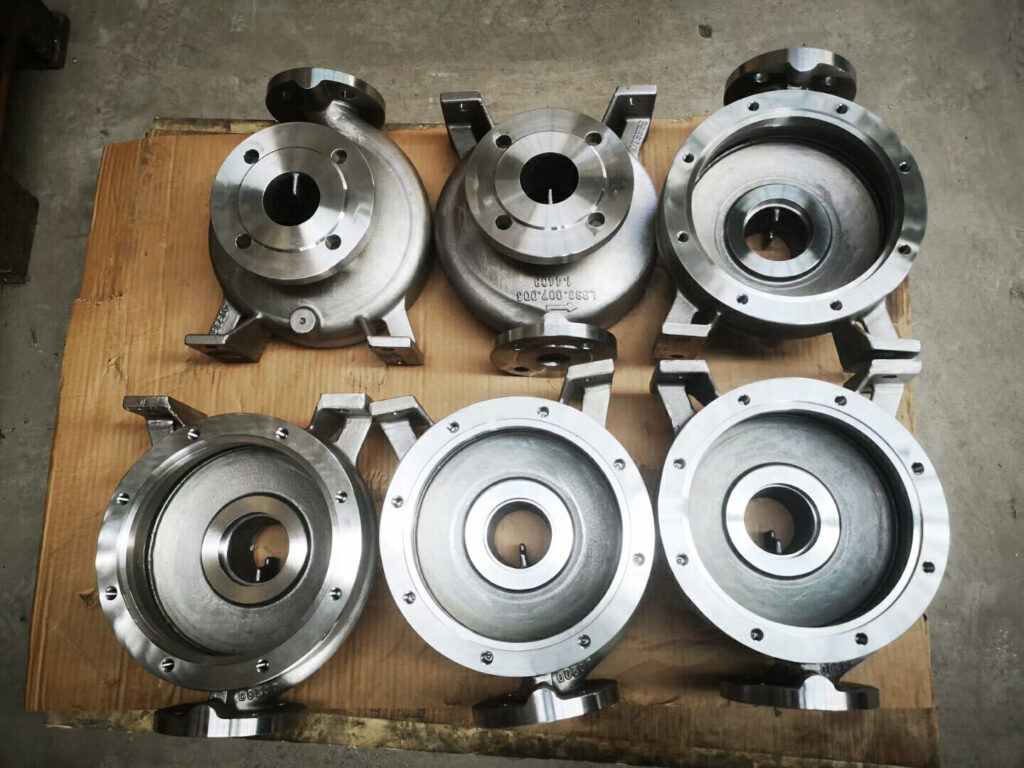
We don’t just run machines; we partner with you to make sure your design is actually buildable at a reasonable price. Design for Manufacturability (DFM) is the bridge between a digital CAD file and a physical precision machining component that functions perfectly. By tweaking the design early on, we can significantly reduce cycle times and material waste.
Cost Reduction: Avoiding Unnecessarily Tight Tolerances
One of the biggest cost drivers in Custom Mechanical Parts is over-tolerancing. While we excel at Tight Tolerance Machining, applying micron-level specs to non-critical surfaces is a waste of money.
- Be Specific: Only apply tight tolerances (e.g., +/- 0.005mm) to mating surfaces or bearing fits.
- Standardize: Open up tolerances on aesthetic-only features to reduce inspection time and scrap rates.
Standardization: Matching Corner Radii to Standard Tools
Machine tools are round and they rotate. Designing a pocket with perfectly sharp internal corners is physically impossible with a standard end mill and often requires expensive EDM work.
- Radius Sizing: Design internal corner radii slightly larger than the standard end mill radius. This allows the tool to turn without stopping, preventing chatter.
- Tool Availability: Stick to standard imperial or metric sizes so we don’t need custom tooling.
Efficiency: Minimizing Setups by Optimizing Angles
Every time we have to flip a part or move it to a different fixture, labor costs go up and cumulative error can creep in. We look for ways to machine the entire precision machining component in as few setups as possible.
- Design for Access: Ensure features are accessible from one or two main directions.
- 5-Axis Utilization: For complex geometries, we use multi-axis capabilities to reach difficult angles without manual repositioning.
Engineering Support: Free DFM Reviews
We want your production run to be smooth. That’s why we offer free DFM reviews before we cut a single chip. We analyze your 3D models to catch potential issues early, ensuring your precision machining component is optimized for both performance and your budget.
Frequently Asked Questions About Precision Machining
What is the standard tolerance for precision machining components?
We define a true precision machining component by its ability to meet extremely tight specifications. While standard machining might hold +/- 0.1mm, our high-precision capabilities allow us to achieve tolerances as tight as +/- 0.005mm. This level of accuracy is essential for complex assemblies in the medical and optical industries where every micron counts. We use advanced Coordinate Measuring Machines (CMM) to verify these dimensions before any part leaves the floor.
How does material selection impact the cost of precision parts?
Material choice is one of the biggest drivers of final part cost.
- Machinability: Softer metals like Aluminum 6061 machine faster, reducing machine time and cost. Harder materials like Stainless Steel 316 or Titanium wear down tools faster and require slower run times, increasing the price.
- Raw Material Cost: High-performance plastics like PEEK or specialized alloys are significantly more expensive per pound than standard brass or carbon steel.
We often assist with Design for Manufacturability (DFM) to suggest material alternatives that maintain performance while optimizing costs.
Can you handle both low-volume prototyping and high-volume production?
Yes, our facility is set up to support the entire product lifecycle. We don’t just chase massive orders; we partner with you from the start.
- Rapid Prototyping: We produce single units or small batches to help you validate designs quickly.
- Mass Production: Once the design is locked, we scale up using automated CNC turning centers and multi-axis milling for cost-effective high-volume runs.
Whether you need ten custom mechanical parts or ten thousand, our workflow adapts to your schedule.
What certifications should I look for in a precision machining supplier?
Certifications are your proof of consistency and reliability. You should always look for a supplier with ISO 9001:2015 certification, which ensures a standardized quality management system. For industries requiring even stricter controls, such as automotive, IATF 16949 is the benchmark. We maintain these standards to guarantee that every precision machined component we deliver is traceable, compliant, and defect-free.
 English
  Russian
  German