

Essential Sand Casting Equipment and Tools
Setting up a functional workspace requires specific sand casting equipment, but you may be surprised at how many everyday household items can be repurposed alongside specialist tools. Drawing from nearly 20 years of jewelry design and tutoring experience, building a practical, tested studio setup is highly accessible.
Melting Torches and Heating Equipment
For studio-scale sand casting, massive industrial furnaces are unnecessary. Instead, direct and efficient high-heat torches are utilized to melt metal quickly.
- MAPP Gas Torches: Highly effective for reaching casting temperatures rapidly.
- Sievert Torches: A reliable propane-based option for consistent, powerful heat.
- Smiths Little Torch: Exceptional for precision heating and detailed studio work.
Flasks and Mold Frames
The foundation of your mould-making process relies on secure, well-sized containment systems.
- Aluminium Casting Rings: Side-pour rings are strongly advocated over top-pour variations due to their superior dual versatility in the studio.
- Optimal Dimensions: The recommended sizes for these aluminium rings are 60mm and 82mm in diameter.
- Containment Trays: Standard baking trays serve as an excellent, repurposed tool to catch and contain fine casting sand during the packing phase.
Crucibles and Safety Gear
When dealing with molten metal, physical safety is absolutely essential. You only have one pair of eyes, so you must never risk them. A secure, spill-proof casting station is non-negotiable.
- The WHIP Crucible System: This setup is highly recommended. It utilizes a spring-tight wire handle that grips the smallest possible ceramic dish, which drastically minimizes heating time.
- Crucible Seasoning: Always use flux to properly season your ceramic dishes before melting.
- Eye Protection: Both clear and tinted safety glasses are strictly required.
- Thermal Protection: High-quality heat-proof gloves must be worn during the pour.
- Fire-Proof Station Setup: Build a shielded, fire-proof environment using soldering blocks and fire-proof soldering sheets to safely contain the high-heat process.
Core Consumables and Materials
Having the right consumables on hand is just as crucial as the hardware in your sand casting equipment setup. You may be surprised at how many of these essential materials you already have sitting in your workshop or kitchen cupboards.
Types of Casting Sand
I always use fine casting sand for my setups. The finer the grain, the better the final surface finish. Fine sand securely holds the tiny, intricate details of your models and withstands the heat of the molten metal pour. Choosing the right mixture is the foundation of the process, and understanding the nuances between different casting sand types makes a massive difference in the quality of your finished pieces.
Parting Dust and Flux
When packing sand molds, sticking is your worst enemy. A few simple, everyday materials keep your molds releasing smoothly and your metal melting cleanly.
- Parting Powder: You do not need expensive specialist chemicals. I prefer using basic corn flour or talc. A light dusting over your model and casting rings prevents the sand from clinging.
- Flux: This powder is absolutely essential for your melting gear. I use flux specifically to season the ceramic dishes in the crucible system before ever taking a torch to the metal.
- Petroleum Jelly: This is my personal secret ingredient. A small dab of Vaseline works perfectly to hold gemstones securely in the sand when executing a stone-in-place casting technique.
Pattern Making Supplies
You do not need an automated wax injection machine or complex lost wax casting gear to make beautiful pieces. Creating the pattern and packing the mold relies heavily on simple hand tools and repurposed items.
- Found Objects: Everyday items make the best models. I frequently use shells, acorns, twigs, buttons, Lego pieces, and textured beads to press into the sand.
- Sprue and Vent Tools: To get the metal into the mold, I use a ~3mm brass rod to stamp the main sprue channel. I then use a fine needle tool to poke essential air vents through the sand, which prevents pressure buildup and failed casts.
- Packing and Leveling: Preparing the mold requires a bit of force and precision. I use a standard hammer to pack the fine sand tightly into the aluminium rings. A metal ruler or dough scraper easily levels off the excess sand, and a standard craft knife is the perfect tool for carving out the funnel where the metal will be poured.
The Sand Casting Process: Equipment in Action
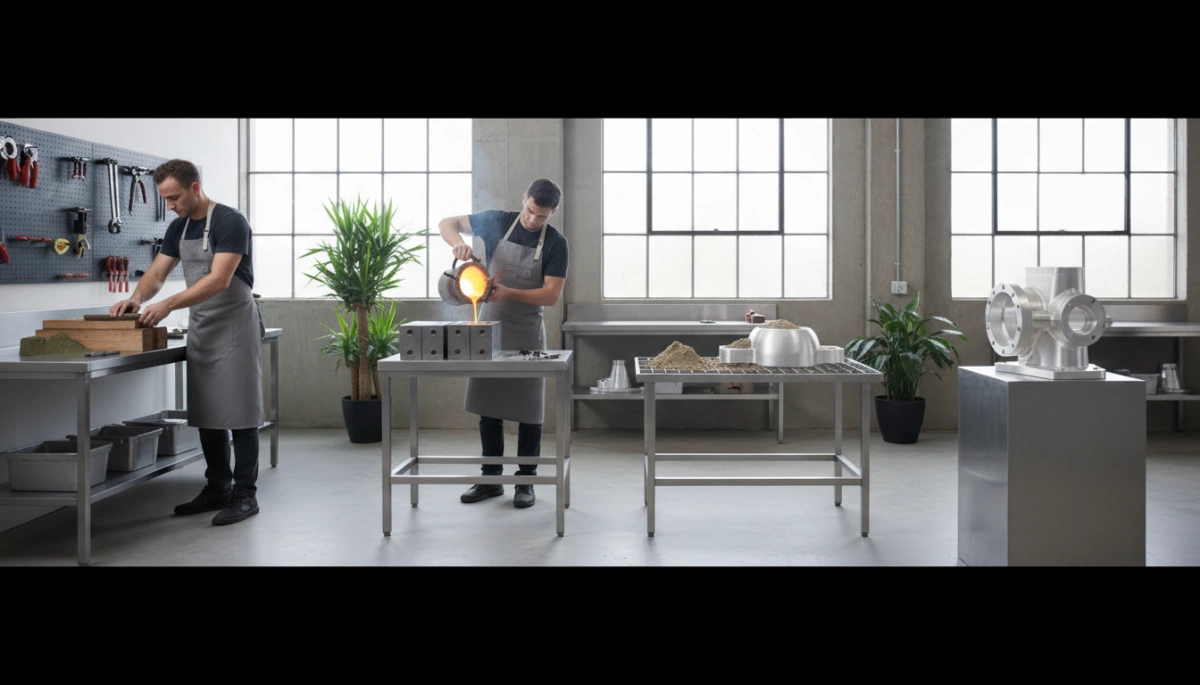
Seeing your sand casting equipment in action is where the real work happens in the studio. Here is how I set up my tools for a successful, safe cast.
Preparing the Sand Casting Mold
Creating the pattern requires precision and a mix of specialized and everyday bench tools.
- Containment and Packing: I start by placing my 60mm or 82mm aluminium side-pour casting rings inside a standard baking tray to catch any mess. I then pack the fine casting sand tightly into the rings using a hammer.
- Leveling and Parting: Once packed, I use metal rulers or dough scrapers to level the surface perfectly. Dusting the surface with corn flour or talc acts as a vital parting powder, ensuring the two halves of the sand molds separate cleanly.
- Vents and Sprues: To prepare for the pour, I use craft knives to carve the funnel, ~3mm brass rods to form the sprues, and needle tools to poke essential air vents.
Understanding what is green sand in casting helps you appreciate exactly why tightly packing your mold is so critical for a clean result.
Pouring the Molten Metal
Safety and heat control completely define this high-stakes stage.
- Mandatory Safety Gear: Clear or tinted safety glasses and heat-proof gloves are absolutely essential. You only have one pair of eyes, so do not risk them.
- Secure Environment: I always build a shielded, fire-proof area on my bench using soldering sheets and soldering blocks to contain the heat.
- Melting Tools: I rely on the WHIP crucible system, specifically using the smallest possible ceramic dish held by a spring-tight wire handle to minimize my heating time. After seasoning the crucible with flux, I use a MAPP gas, Sievert, or Smiths Little Torch to melt the metal quickly before pouring it into my side-pour mold.
Cooling, Shakeout, and Sand Recycling
Once the pour is complete and the metal solidifies, the shakeout process begins. I carefully break apart the mold to reveal the raw cast piece inside. The great thing about this process is that the unburnt sand can easily be broken down and recycled for your next project.
While high-volume manufacturing might rely on a wax injection machine for lost wax casting, traditional sand casting remains highly accessible and practical for small studio setups. If you are eventually looking to scale your production, reading about the advantage of investment casting over green sand casting can help guide your future equipment upgrades.
Advanced and Industrial Sand Molding Machines
While my daily studio setup relies on 60mm to 82mm side-pour aluminium rings and basic hand tools, scaling up production requires a different approach. Moving beyond benchtop sand casting equipment means investing in advanced machinery built to handle massive manufacturing volumes and complex part geometries.
Automated Green Sand Equipment
At the bench, I use a simple hammer to manually pack fine casting sand around everyday objects. Industrial environments, however, rely on automated green sand equipment to handle this workload.
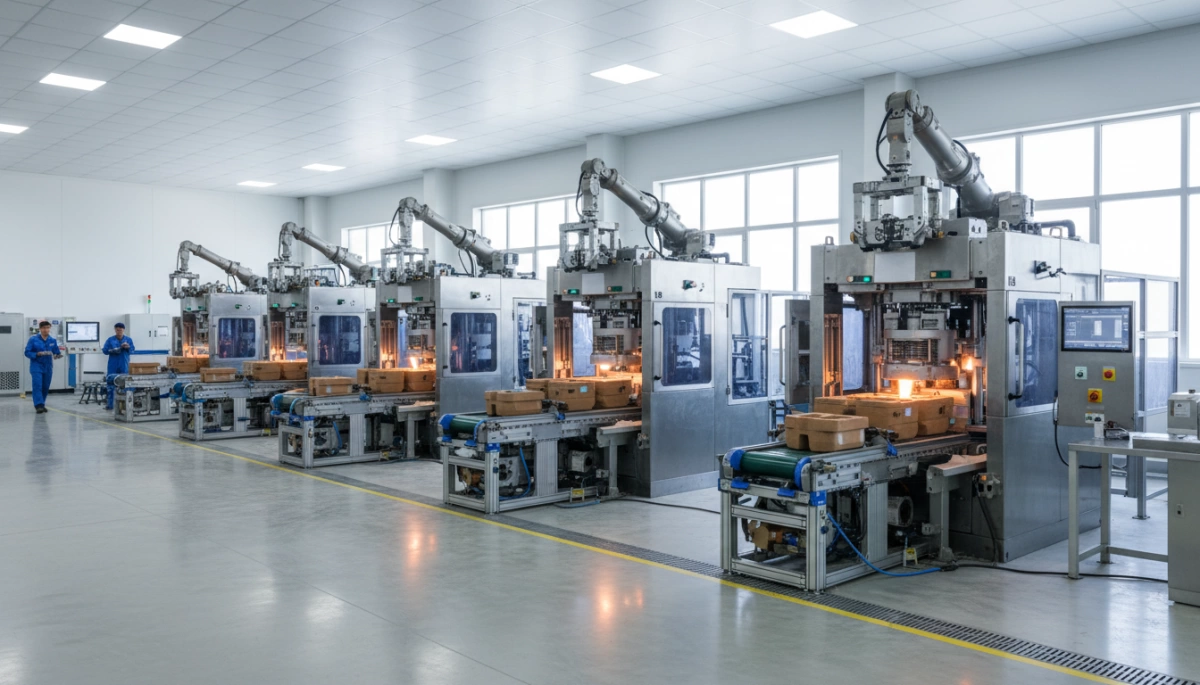
- High-Speed Packing: Mechanizes the sand compaction process, entirely replacing manual tools.
- Automated Leveling: Achieves perfect flats without relying on manual metal rulers or dough scrapers.
- High-Volume Output: Built to continuously push out uniform sand molds for mass production.
Cold Setting and No-Bake Systems
Instead of traditional fine sand that requires parting powders like corn flour or talc, cold setting and no-bake systems utilize chemical binders.
- Room Temperature Curing: The mold hardens naturally without needing containment in baking trays or high heat.
- Massive Scalability: Perfect for casting large-scale industrial components that far exceed the capacity of a standard casting ring.
- Superior Rigidity: Creates an incredibly stable mold structure before the metal pouring phase even begins.
Shell Molding and Core Making Machines
When creating the pattern requires intricate internal cavities, industry professionals turn to shell molding and core making machines. These systems use heated patterns to cure a sand-resin mixture into a precise, rigid shell. For facilities optimizing this specific technique, mastering the shell sand curing process is absolutely essential for structural integrity.
As manufacturing needs evolve, many production floors expand beyond traditional sand methods. We are a wax injection machine manufacturer and supplier, outfitting facilities with the gear needed for high-precision output. Adding an industrial wax injection machine allows shops to seamlessly integrate lost wax casting into their workflow, achieving surface finishes and detail levels that standard sand molding simply cannot reach.
Benefits of High-Quality Sand Casting Machines
Investing in premium sand casting equipment transforms a frustrating process into a highly predictable, repeatable workflow. Whether you are working with simple found objects or intricate designs, upgrading your gear directly impacts your final product.
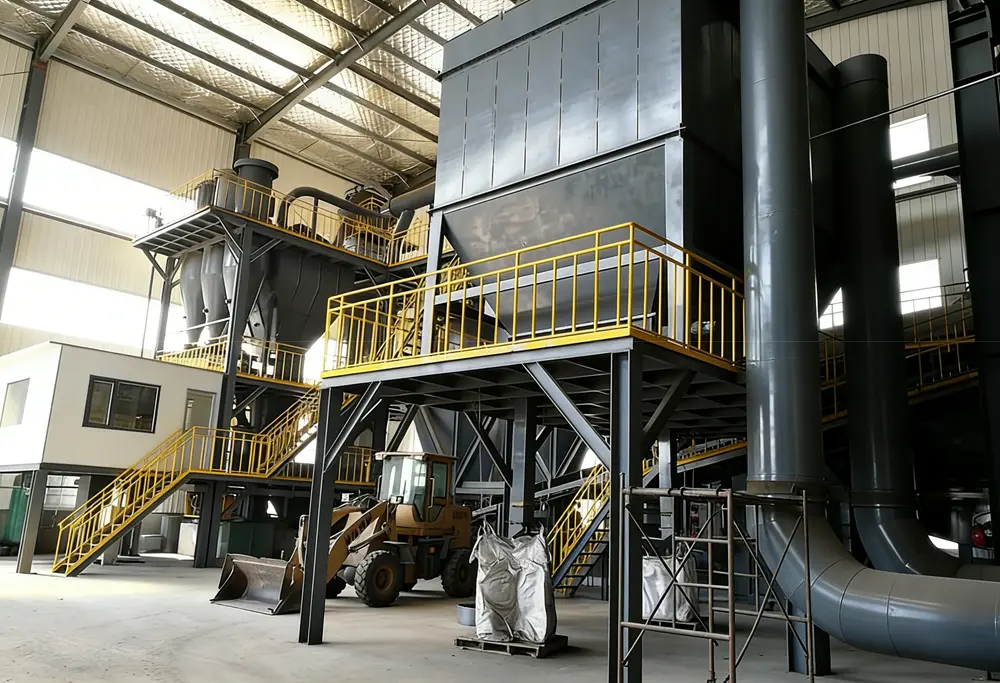
Improved Precision and Surface Finish
High-quality equipment guarantees superior detail capture. When I use precision-machined aluminium casting rings—specifically the 60mm and 82mm side-pour types—paired with extra-fine casting sand, the molds hold incredibly tight tolerances. Applying the right parting powder, like corn flour or talc, ensures the sand pulls away cleanly after creating the pattern. This precise approach allows your sand molds to capture textures so fine they easily rival the results seen in lost waxasting.
| Premium Tool | Impact on Precision & Finish |
|---|---|
| Side-Pour Aluminium Rings | Locks sand tightly to prevent shifting and flashing. |
| Fine Casting Sand | Captures microscopic details from twigs, shells, or beads. |
| Needle Tools | Creates exact air vents to prevent surface pitting from trapped gas. |
Increased Production Efficiency
Time is your most valuable asset in the studio. Reliable gear speeds up every step of the pour. I strongly advocate for side-pour rings over top-pour models because their dual versatility drastically cuts down on setup time. Additionally, using a WHIP crucible system with the smallest possible ceramic dish minimizes your heating time. Whether you are packing manual molds or scaling up to use an automatic wax injection machine for different lines, having an efficient torch setup—like MAPP gas, Sievert, or a Smiths Little Torch—keeps your metal melting fast and your production moving.
Enhanced Workplace Safety
I am absolutely uncompromising regarding physical safety in the workspace. Upgrading your sand casting equipment isn’t just about better metal flow; it is about protecting your health. You only have one pair of eyes, making clear and tinted safety glasses absolutely essential.
- Fire-Proof Soldering Sheets: Use these to build a secure, shielded, and spill-proof casting station.
- WHIP Wire Handles: A spring-tight wire handle securely grips the ceramic crucible, preventing dangerous drops.
- Heat-Proof Gloves: Heavy-duty gloves act as a mandatory barrier against severe burns.
Using dedicated, purpose-built safety gear removes the terrifying risks of handling molten metal, letting you focus entirely on the quality of your pour.
How to Choose a Sand Casting Starter Set
Building your first setup doesn’t have to be overwhelming. You might be surprised at how many everyday items can be repurposed for your sand casting equipment alongside a few specialized, purpose-built tools.
Assessing Your Project Size and Volume
Before buying gear, consider the scale of what you want to cast. I prefer using found objects like shells, acorns, twigs, or even buttons and Lego pieces for creating the pattern. For small to medium jewelry pieces, I strictly recommend using 60mm and 82mm diameter aluminium casting rings. Specifically, side-pour rings are far more versatile than top-pour alternatives. While exploring complex jewelry manufacturing might eventually lead you to weigh the benefits of lost wax casting vs investment casting, simple side-pour sand molds offer the most accessible starting point for a studio setup.
Selecting Bench Tools and Accessories
You will need a mix of specialized high-heat casting tools and repurposed household items to build your station securely and efficiently.
- Mould-Making Basics: Repurpose a metal baking tray to contain the mess, a metal dough scraper for leveling your rings, a standard hammer for packing the sand tight, and craft knives for carving funnels.
- Melting Equipment: I rely on the WHIP system. It utilizes the smallest possible ceramic dishes held securely by a spring-tight wire handle, which drastically minimizes your heating time.
- Torches: A MAPP gas torch, a Sievert, or a Smiths Little Torch provides the necessary localized heat for small batches.
- Safety Gear: This is absolutely essential. You must invest in clear and tinted safety glasses, fire-proof soldering sheets to build a shielded spill-proof area, and heat-proof gloves. You only have one pair of eyes—do not risk them.
Budgeting for Consumables and Upgrades
To keep your studio running smoothly, you need to stock up on a few reliable, low-cost consumables that directly impact the quality of your finish.
Starter Consumables Checklist:
| Item | Use Case in the Studio |
|---|---|
| Fine Casting Sand | The core reusable material for packing and taking the shape of your model. |
| Parting Powder | Basic corn flour or talc to prevent sand from sticking to your models. |
| Brass Rods (~3mm) | Pushed through the packed sand to create clean sprues. |
| Petroleum Jelly | My secret ingredient used specifically to hold stones in place during a pour. |
| Flux | Required for properly seasoning your ceramic crucibles before melting metal. |
Start with these core items to master your basic pours. Once you are comfortable with the foundational workflow, you can budget for educational upgrades, like a dedicated sand casting ebook, to master advanced finishing and texturing techniques.
Frequently Asked Questions
How much does a sand casting setup cost?
When gathering your sand casting equipment, you may be surprised at how much you’ve already got! Because exact costs fluctuate, I always recommend looking around your workspace first. You can easily repurpose everyday household items to keep your initial budget manageable:
- Baking trays: Excellent for sand containment and minimizing mess.
- Metal rulers or dough scrapers: Perfect for leveling your molds.
- Tweezers and craft knives: Ideal for carving air vents and funnels.
Your primary investments will be the specialist tools you cannot substitute, such as 60mm or 82mm aluminium side-pour casting rings and a reliable crucible system.
What metals can be used in sand casting?
You can successfully cast a variety of studio metals provided you have the appropriate high-heat tools. Using MAPP gas, Sievert, or Smiths Little Torches paired with the WHIP crucible system (which utilizes small ceramic dishes to minimize heating time) ensures you achieve an efficient, clean pour. Whether you are melting scrap metal for sand casting or researching different lost wax casting materials, physical safety is non-negotiable. Using clear and tinted safety glasses, fire-proof soldering sheets, and heat-proof gloves is absolutely essential! You only have one pair of eyes, don’t risk them.
Is sand casting suitable for jewelry making?
Absolutely. Drawing on my nearly 20 years of jewelry design and tutoring experience, I rely heavily on sand molds for creating highly textured, unique pieces. It is a fantastic method for replicating organic found objects like shells, acorns, twigs, and even small beads.
I also use a highly effective “secret ingredient” method—applying petroleum jelly—to securely cast stones directly in place within the mold. Whether you are setting up your first fire-proof casting station or comparing techniques like the lost wax casting process, sand casting remains one of the most practical and accessible workflows for independent jewelers.
 English
  Russian
  German