
In this post, you're going to learn exactly why this specific alloy is a game-changer for cost-effective precision manufacturing.
From breaking down its unique mechanical properties to exploring the step-by-step casting process and finding the right foundry, it's all here.
So if you're looking to produce high-quality components for fluid equipment, medical instruments, or food processing machinery, this guide is for you.
Introduction to 416 Stainless Steel Investment Castings
416 stainless steel investment castings are a premier choice for industries requiring a balance of high strength, moderate corrosion resistance, and exceptional machinability. As a martensitic alloy, 416 is often selected for precision components that must undergo rigorous secondary operations while maintaining structural integrity.
What is 416 Grade Stainless Steel?
416 Stainless Steel (UNS S41600) is a martensitic, free-machining grade within the 400 series family. It is specifically engineered by adding phosphorus and sulfur to enhance its "free-machining" characteristics, making it the most easily machinable of all stainless steels. Unlike austenitic grades, 416 is magnetic and can be hardened through heat treatment to achieve various mechanical properties.
| Feature | Specification |
|---|---|
| Material Type | Martensitic Stainless Steel |
| Standard | ASTM A582 / UNS S41600 |
| Magnetic Property | Strongly Magnetic |
| Hardening | Heat treatable for high hardness |
| Key Characteristic | Highest machinability rating (approx. 85%) |
Why Choose Investment Casting for 416 Alloys?
Utilizing the lost wax process (investment casting) for 416 alloys provides a significant competitive advantage in precision manufacturing. This method allows for the creation of complex geometries that are difficult or impossible to achieve through traditional machining alone.
- Near-Net Shape Production: Reduces the volume of raw material required and minimizes expensive secondary machining time.
- Intricate Detail: Perfect for components with complex internal passages or fine surface details that require high dimensional stability.
- Surface Finish: Delivers a superior surface finish compared to sand casting, often eliminating the need for aggressive grinding.
- Cost Efficiency: By combining the free-machining nature of 416 with the precision of investment casting, manufacturers achieve the lowest total cost per part for high-volume production runs.
Our facility utilizes advanced wax injection machines and rigorous shell-building techniques to ensure every 416 stainless steel casting meets strict aerospace and industrial tolerances. This synergy between material science and casting technology ensures a reliable, high-performance product for the global market.
Chemical Composition and Mechanical Properties
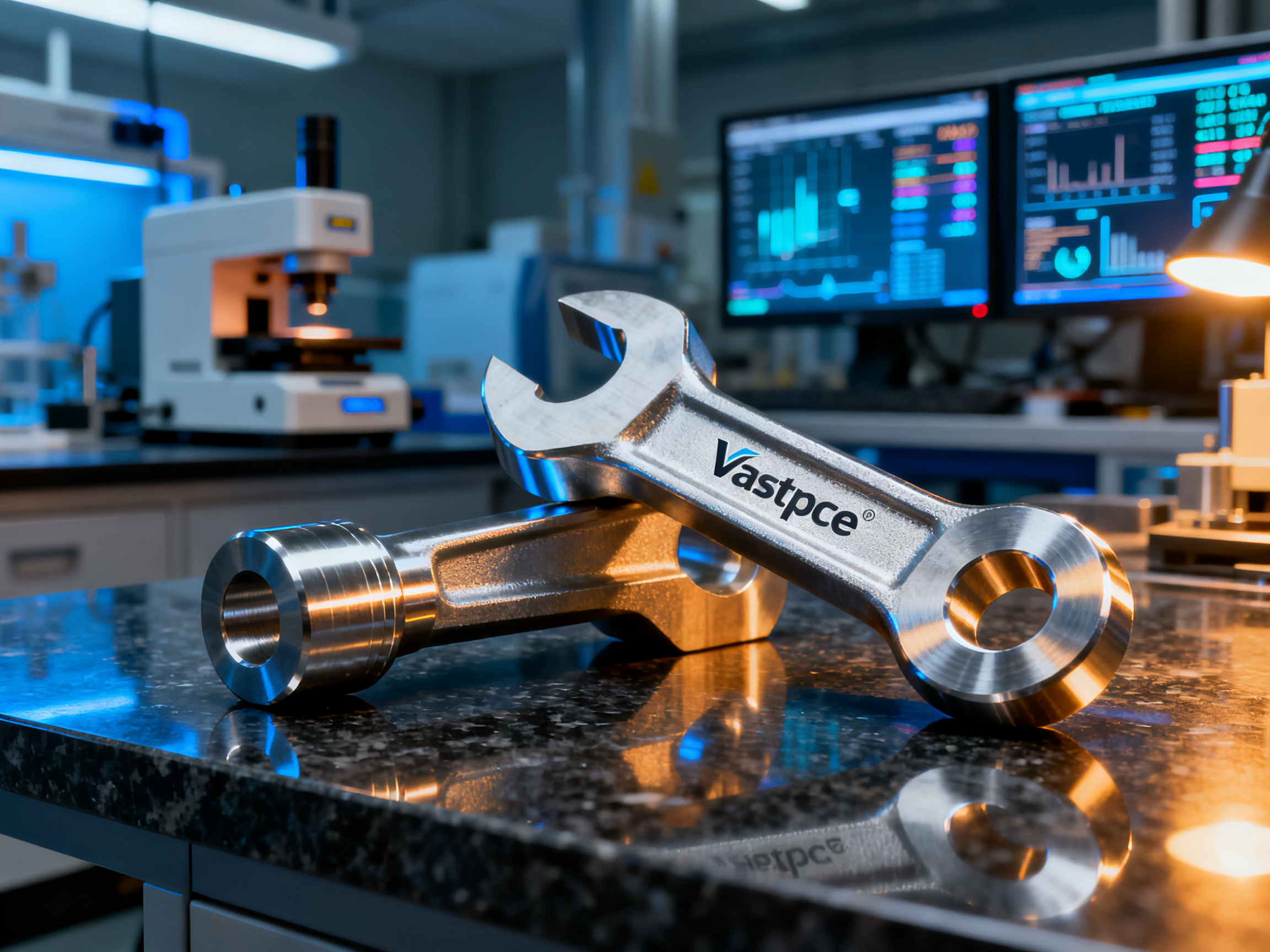
When we produce 416 stainless steel investment castings, understanding the exact metallurgical makeup is crucial. This specific 400 series alloy is highly regarded for its unique balance of strength and machinability. Below, we break down the core chemical and mechanical traits that define this material.
Standard Chemical Composition
Also known under the designation UNS S41600 and adhering to ASTM A582 standards, 416 is a martensitic steel alloy. What sets it apart from other stainless grades is its deliberate inclusion of sulfur or selenium, which creates its famous free-machining characteristics.
Here is the standard chemical breakdown:
- Carbon (C): 0.15% max
- Chromium (Cr): 12.00% - 14.00%
- Manganese (Mn): 1.25% max
- Phosphorus (P): 0.06% max
- Sulfur (S): 0.15% min
- Silicon (Si): 1.00% max
This specific chromium content provides base-level corrosion resistance, while the elevated sulfur content breaks up metal chips during machining, significantly speeding up post-casting operations.
Mechanical Properties and Hardness
The mechanical properties of 416 stainless steel investment castings can be heavily modified through heat treatment. In its annealed state, the metal is relatively soft, but it can be hardened and tempered to achieve impressive strength.
- Tensile Strength: Typically around 517 MPa (75,000 psi) in the annealed condition, but can exceed 700 MPa when hardened.
- Yield Strength: Roughly 275 MPa (40,000 psi) annealed.
- Hardness: Usually falls between 82 HRB (annealed) and can be hardened up to 40 HRC.
To ensure these mechanical properties remain consistent and dimensionally accurate across every batch, we maintain strict control right from the start of the lost wax process. By utilizing high-precision equipment like our wax injection machine, we guarantee that the initial patterns are flawless, setting the stage for structurally sound final castings.
Formability and Weldability Characteristics
We always speak plainly with our clients about material limitations: 416 stainless steel is not designed for heavy forming or welding.
- Formability: Due to the high sulfur content that makes it so easy to machine, this alloy has reduced ductility. It is not recommended for severe cold forming, bending, or upsetting operations.
- Weldability: Weldability is generally poor. The same sulfur that aids machinability makes the alloy highly susceptible to hot cracking during welding. If welding is absolutely unavoidable, it requires strict pre-heating (around 200°C to 300°C) and immediate post-weld annealing to restore mechanical properties and prevent fractures.
For most applications, we recommend designing the 416 stainless steel investment castings to their near-net shape to eliminate the need for any secondary welding or heavy forming entirely.
Advantages of 416 Stainless Steel Castings
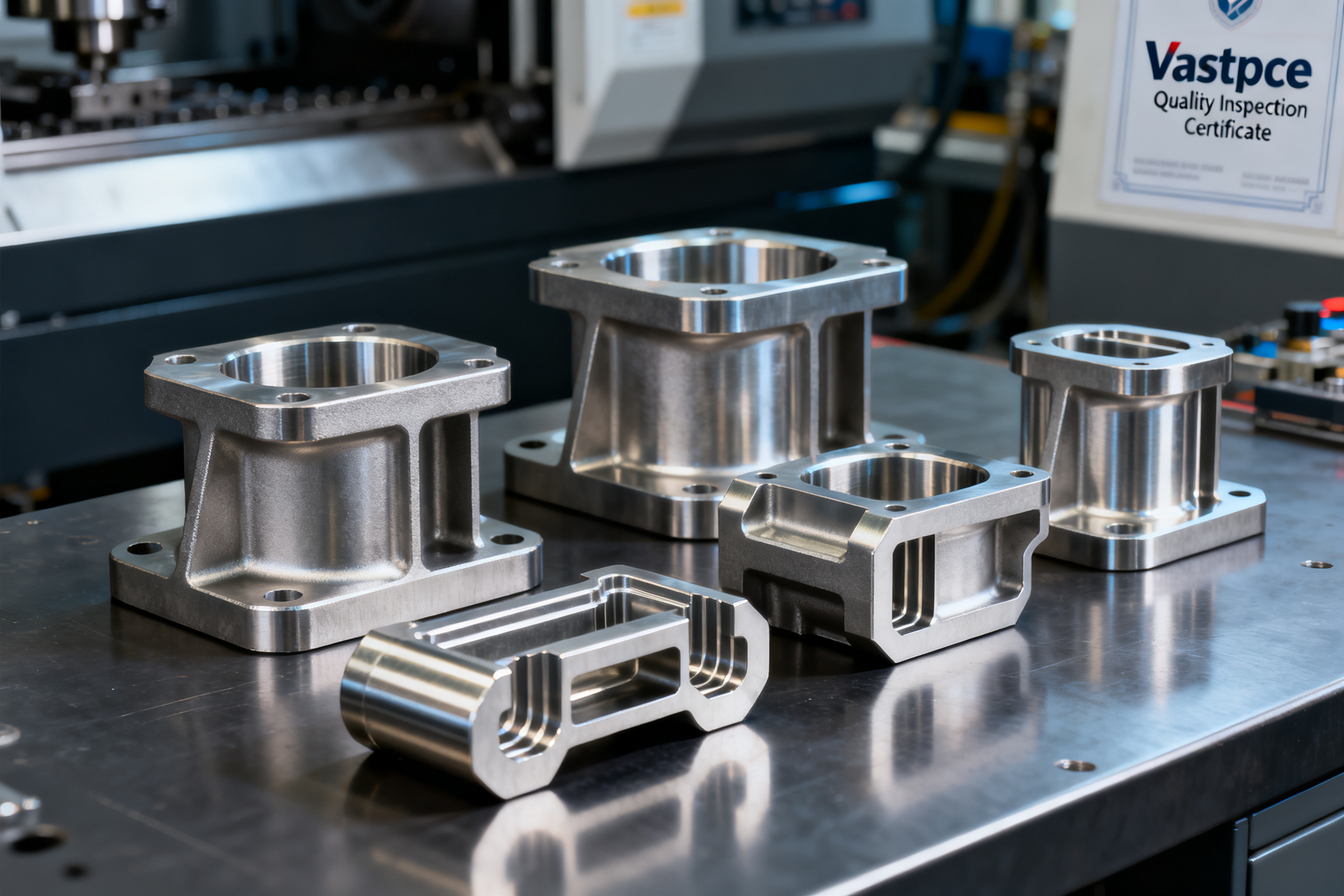
When producing complex parts, 416 stainless steel investment castings offer a unique blend of performance and production efficiency. As a martensitic steel alloy within the 400 series, it brings specific benefits to the table that make it a go-to choice for demanding industrial applications.
High Machinability Rating
The standout feature of grade 416 is its exceptional machinability. In fact, it has the highest machinability of any standard stainless steel, rated at about 85% of a free-machining carbon steel. This high machinability is achieved by adding sulfur to the alloy, which helps break up chips during cutting operations. Because it is so easy to machine, it significantly reduces tool wear and cuts down on production time. When combining our investment casting process with precision CNC machining, we can achieve incredibly tight tolerances and complex geometries without breaking the bank on tooling costs.
Corrosion and Wear Resistance
While it doesn't match the extreme corrosion resistance of austenitic grades, 416 stainless steel still holds its own in standard environments. It provides excellent protection against:
Fresh water and steam
Dry atmospheres
Mild chemicals and organic materials
Beyond basic corrosion resistance, this martensitic steel alloy can be hardened through heat treatment. Once hardened and tempered, its wear resistance spikes, making it perfect for moving parts, gears, and valves that face constant friction and mechanical stress.
Cost-Effective Precision Manufacturing
Using the lost wax process for 416 stainless steel investment castings is a highly cost-effective strategy. The process naturally yields near-net-shape parts, meaning you pay for less raw material and spend less time on secondary finishing.
- Reduced Material Waste: The precision of the lost wax process means we only cast exactly what you need.
- Lower Labor Costs: The high machinability rating translates directly to faster processing times.
- Consistent Quality: Our castings consistently meet strict UNS S41600 and ASTM A582 standards.
By minimizing post-casting work, we keep your overall manufacturing costs low while delivering reliable, high-performance components ready for global market demands.
Common Industries and Applications
Our 416 stainless steel investment castings are highly versatile. Because this martensitic steel alloy (UNS S41600) offers an excellent mix of high machinability and solid corrosion resistance, we supply these precision parts to several demanding global industries.
Fluid Equipment and Valve Components
The 400 series alloys are perfect for fluid handling systems. We regularly produce components that require exact dimensions and excellent wear resistance to handle constant fluid flow without degrading over time.
- Pump housings: Built to withstand pressure and prevent leaks.
- Valve bodies and stems: Machined easily for tight, secure seals.
- Impellers: Designed for optimal flow and long-term durability.
Food Processing Machinery
Food-grade equipment demands materials that will not rust or contaminate the product. 416 stainless steel is a practical, cost-effective choice for commercial manufacturing lines.
- Gears and drive shafts: Engineered to withstand daily washdowns and heavy use.
- Custom brackets and fittings: Highly durable, easy to clean, and resistant to mild processing chemicals.
Medical Equipment and Instruments
Precision is non-negotiable in the medical field. Using the lost wax process, we manufacture intricate surgical tools, dental instruments, and structural device components. To maintain the strict tolerances required for medical devices, we rely on advanced automated shell coating applications during the mold-building phase. This level of automation ensures every cast instrument meets ASTM A582 standards and performs flawlessly in critical healthcare environments.
The Investment Casting Process for 416 Stainless Steel
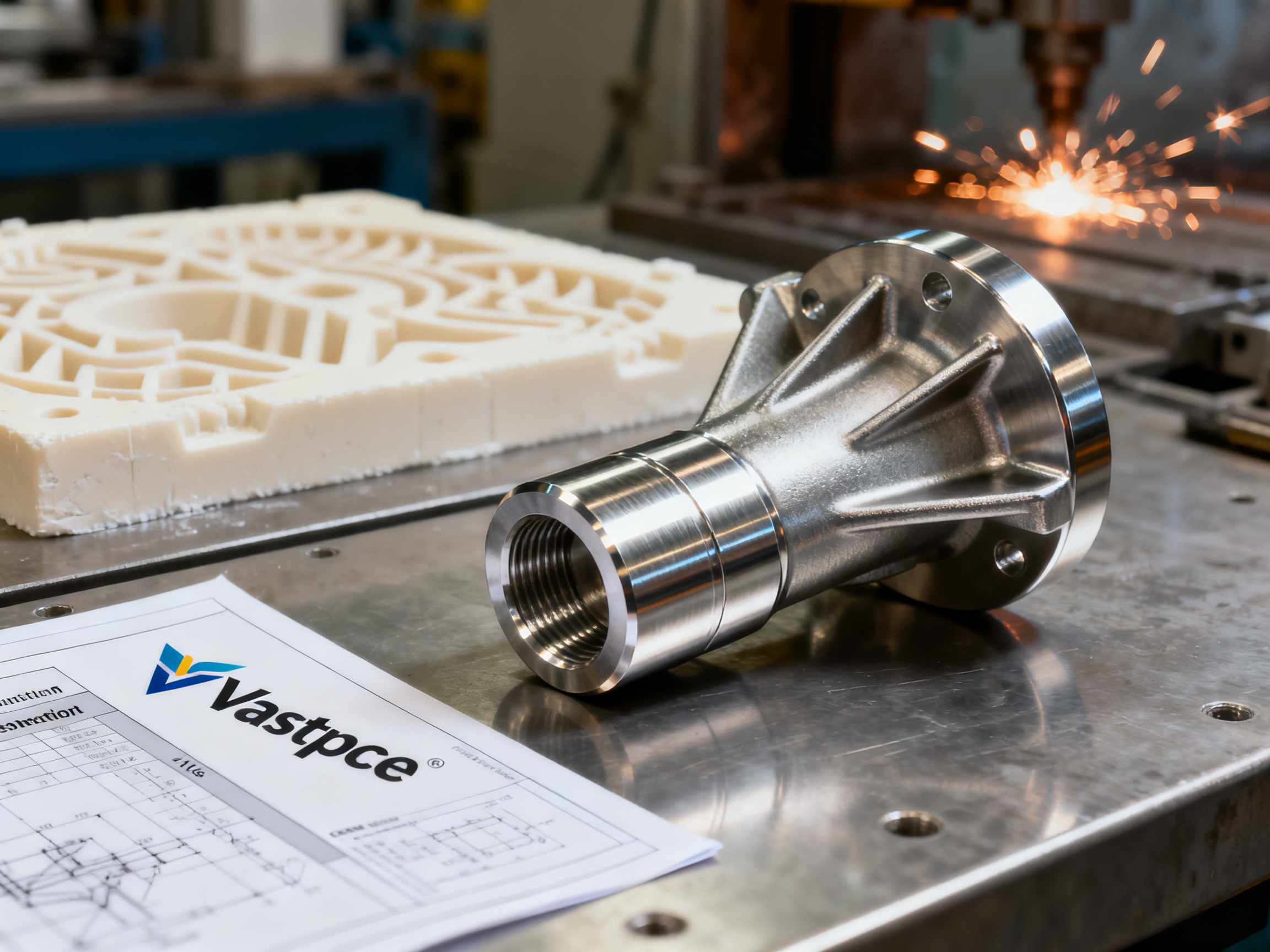
Producing 416 stainless steel investment castings relies on the highly accurate lost wax process. This method allows us to manufacture complex geometries from this 400 series martensitic steel alloy while maintaining tight tolerances and excellent surface quality.
Mold Design and Wax Pattern Creation
The manufacturing cycle starts with precision tooling. We machine an aluminum master die matching the exact dimensions of your final part. From there, we inject liquid wax into the die to create a perfect replica. Because we are a wax injection machine Manufacturer and supplier, we know firsthand that flawless wax patterns are critical for the dimensional accuracy of the final product. These individual wax patterns are then attached to a central wax sprue to form a casting tree.
Shell Building and Dewaxing
Next, we build the heavy-duty ceramic mold. The wax tree goes through a rigorous, repeatable series of steps:
Dipping: Submerging the wax tree into a liquid ceramic slurry.
Stuccoing: Coating the wet slurry with fine refractory sand.
Drying: Allowing the layers to harden into a robust shell.
Once the shell reaches the required thickness, we place it in a high-pressure autoclave. The intense heat melts the wax, which drains out to leave a precise hollow cavity. Mastering every step of the investment casting process is essential to ensure the ceramic mold can handle the extreme thermal shock of molten metal.
Pouring, Grinding, and Surface Finishing
With the mold prepped and pre-heated, we pour the molten ASTM A582 / UNS S41600 alloy directly into the ceramic shell. After the metal cools and solidifies, the final production stages begin:
Shell Removal: We break away the ceramic material using vibration and mechanical knockout techniques.
Parting: The individual 416 stainless steel investment castings are severed from the main casting tree.
Grinding and Blasting: We grind down the gate marks and sandblast the parts to achieve a smooth, uniform surface finish.
Thanks to the inherent high machinability of this specific alloy, any required secondary operations—like CNC milling, drilling, or threading—are fast, precise, and highly cost-effective.
Quality Control and Casting Tolerances
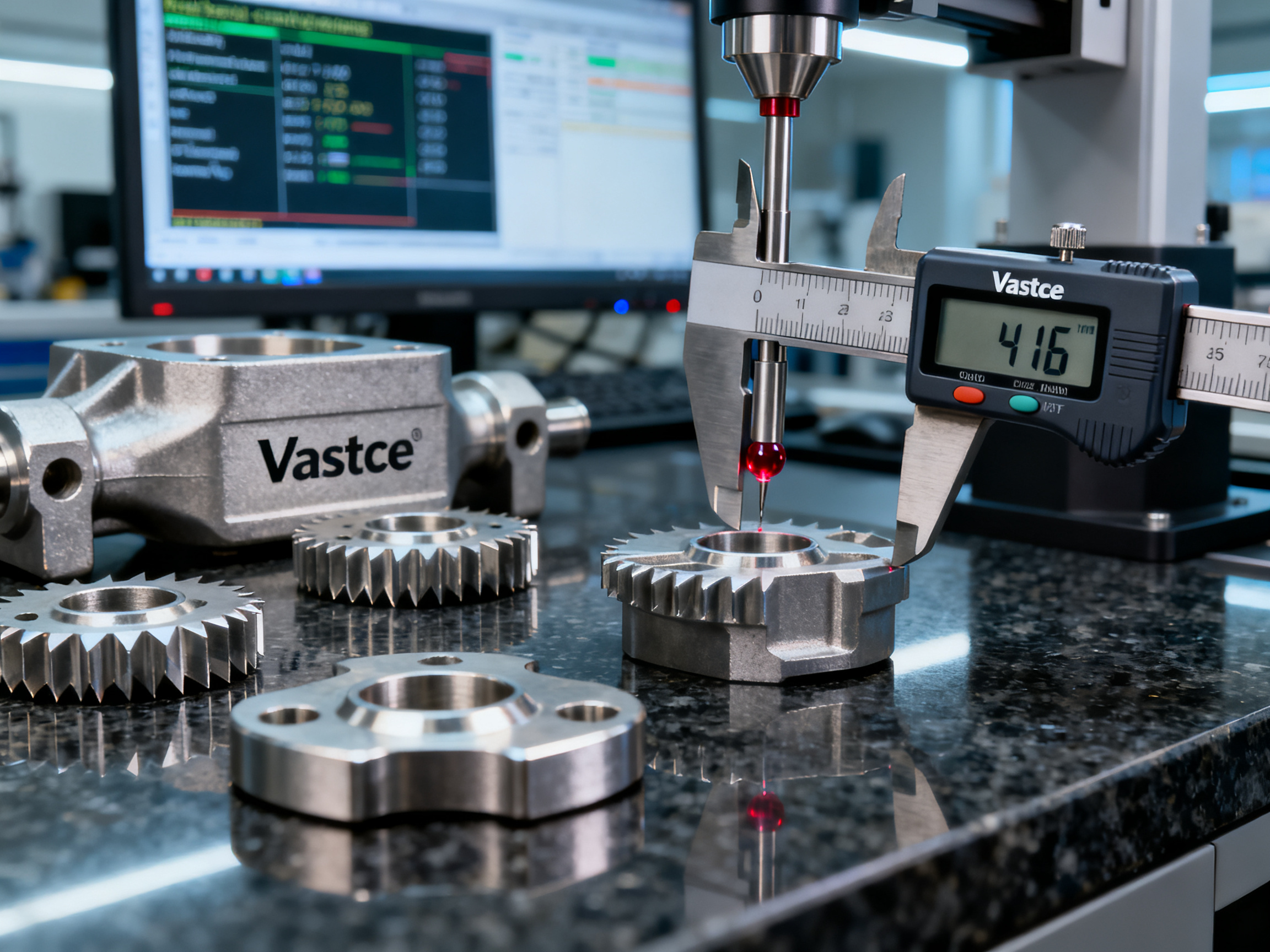
Standard Linear and Geometric Tolerances
We prioritize precision in every 416 stainless steel investment casting we produce. By utilizing the lost wax process, we achieve near-net-shape components that significantly reduce the need for precision machining later. Our facility adheres to strict industry standards to ensure consistency across high-volume production runs.
- Linear Tolerance: Generally maintained at ±0.125 mm per 25 mm.
- Flatness/Straightness: Controlled within 0.1 mm to 0.5 mm depending on part geometry.
- Surface Roughness: Standard finishes range from 3.2 to 6.3 Ra (μm), providing a smooth, professional appearance right out of the mold.
Testing and Inspection Methods
Reliability is built into our workflow through comprehensive process control in investment casting. We verify the integrity of every martensitic steel alloy part using advanced diagnostic tools to prevent defects before they reach your assembly line.
| Inspection Type | Method & Purpose |
|---|---|
| Chemical Analysis | Optical Emission Spectrometry (OES) to verify UNS S41600 levels. |
| Dimensional Check | CMM (Coordinate Measuring Machine) and 3D scanning for geometric accuracy. |
| Surface Integrity | Liquid Penetrant Inspection (LPI) to detect surface cracks or porosity. |
| Internal Soundness | X-ray or Radiographic testing to ensure no internal shrinkage or gas holes. |
| Hardness Testing | Rockwell C testing to confirm the heat treatment results of the 400 series alloy. |
Material Certifications and Compliance
We provide full traceability for all 416 stainless steel investment castings. Our materials are sourced and processed to meet global engineering standards, ensuring your components perform under pressure.
- ASTM A582 Compliance: Ensuring the chemical composition and mechanical properties meet standard specifications for free-machining stainless steel.
- Material Test Reports (MTRs): Every batch comes with a certified report detailing the heat number, chemical breakdown, and physical test results.
- International Standards: We align our manufacturing with ISO 9001 quality management systems to guarantee a consistent, high-quality output for every project.
Choosing a 416 Stainless Steel Foundry
Selecting the right partner for 416 stainless steel investment castings requires more than just finding a facility with a furnace. It demands a foundry that understands the specific thermal behavior and cooling requirements of martensitic alloys. We focus on providing a seamless transition from your initial design to a finished, high-performance component.
Engineering and Turnkey Capabilities
Our approach integrates advanced engineering with full-scale production to ensure every casting meets your exact specifications. We don't just pour metal; we optimize the entire manufacturing cycle. By utilizing our expertise in precision machining parts and custom CNC components, we provide a complete turnkey solution. This means your 416 stainless steel parts arrive fully machined, heat-treated, and ready for immediate assembly, significantly reducing your supply chain complexity and overhead costs.
- Design for Manufacturing (DFM): We review your CAD files to improve castability and reduce material waste.
- In-House Tooling: Rapid creation of precision wax injection molds for faster prototyping.
- Secondary Operations: Comprehensive grinding, polishing, and specialized heat treatment to reach desired HRC levels.
Requesting a Custom Project Quote
When you are ready to move forward with a custom project, providing detailed documentation is the first step toward an accurate cost analysis. We prioritize transparency and speed in our quoting process to keep your production timeline on schedule.
To get the most precise quote for your 416 stainless steel investment castings, please provide:
- Technical Drawings: 2D and 3D files (STEP, IGS, or PDF) with clearly defined tolerances.
- Material Specs: Confirmation of 416 grade requirements and any specific heat treatment standards.
- Order Volume: Annual estimated usage and initial batch quantities.
- Finishing Requirements: Details on surface roughness or any necessary protective coatings.
We analyze these factors to deliver a competitive proposal that balances high-precision quality with cost-effective manufacturing.
 English
  Russian
  German