
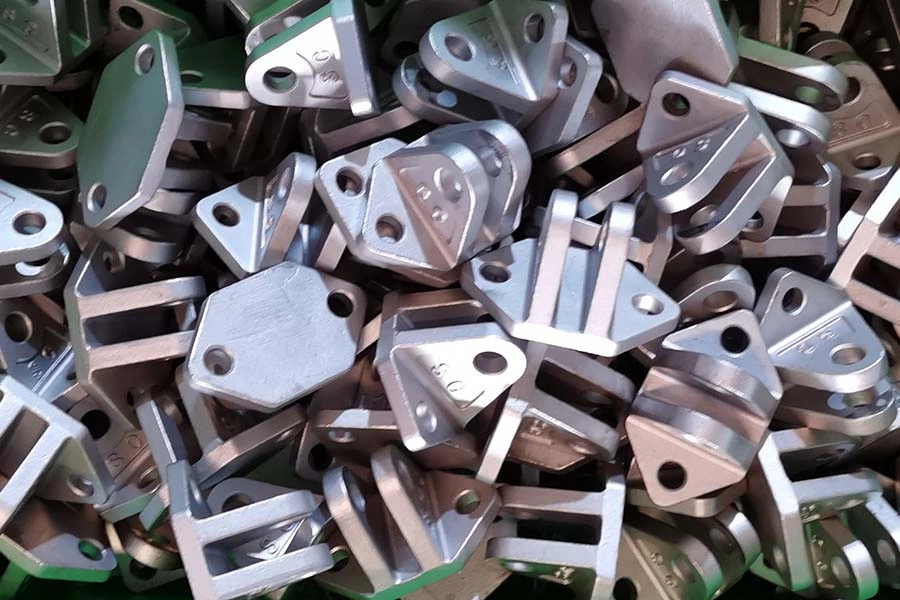
Introduction to Duplex Stainless Steel Investment Casting
What is Duplex Stainless Steel Casting?
Duplex stainless steel investment casting is a precision manufacturing process designed to create components with a dual-phase microstructure. This structure consists of approximately 50% austenite and 50% ferrite, providing a unique balance that ordinary stainless steels cannot match. By utilizing the "lost wax" method, we produce intricate parts that combine the high strength of ferritic steel with the superior corrosion resistance of austenitic steel.
The Importance of Duplex Steel in Precision Manufacturing
In modern engineering, duplex alloys are essential for high-performance environments. Their chemical composition, rich in chromium, molybdenum, and nitrogen, ensures durability in aggressive media.
- High Yield Strength: Nearly double that of standard 300-series stainless steels.
- Weight Efficiency: Higher strength allows for thinner walls and lighter components.
- Cost Stability: Lower nickel content compared to high-nickel alloys provides more stable pricing.
The Duplex Stainless Steel Investment Casting Process
Pattern Design and Shell Molding
The process begins with high-precision wax patterns created using a specialized wax injection machine. These patterns are assembled onto a tree and coated with a refractory ceramic slurry to create a robust ceramic shell. This shell molding technique ensures that the final casting mirrors the exact dimensions of the original design.
Advanced Melting and Pouring Techniques
We utilize induction melting to maintain strict control over the chromium and molybdenum content. During pouring, temperature management is critical to prevent the formation of brittle intermetallic phases.
- Atmosphere Control: Minimizes oxidation during the pour.
- Precision Gating: Ensures uniform metal flow into complex geometries.
Critical Heat Treatment and Surface Finishing
Post-casting, duplex parts undergo a solution annealing process. This treatment is vital to restore the 50/50 phase balance and dissolve any harmful precipitates. Finishing includes:
- Shot Blasting: For a clean, uniform surface.
- Pickling/Passivation: To enhance the protective oxide layer.
- CNC Machining: For parts requiring ultra-tight tolerances.
Key Advantages of Using Duplex Stainless Steel
Superior Resistance to Stress Corrosion Cracking
Unlike standard 316L, duplex alloys exhibit exceptional resistance to chloride-induced stress corrosion cracking (SCC). This makes them the primary choice for saltwater and high-temperature chemical environments.
High Mechanical Strength and Weight Reduction
The high yield strength of 2205 alloy and super duplex grades allows engineers to design smaller, lighter parts without sacrificing structural integrity, leading to significant material savings.
Exceptional Precision for Complex Geometries
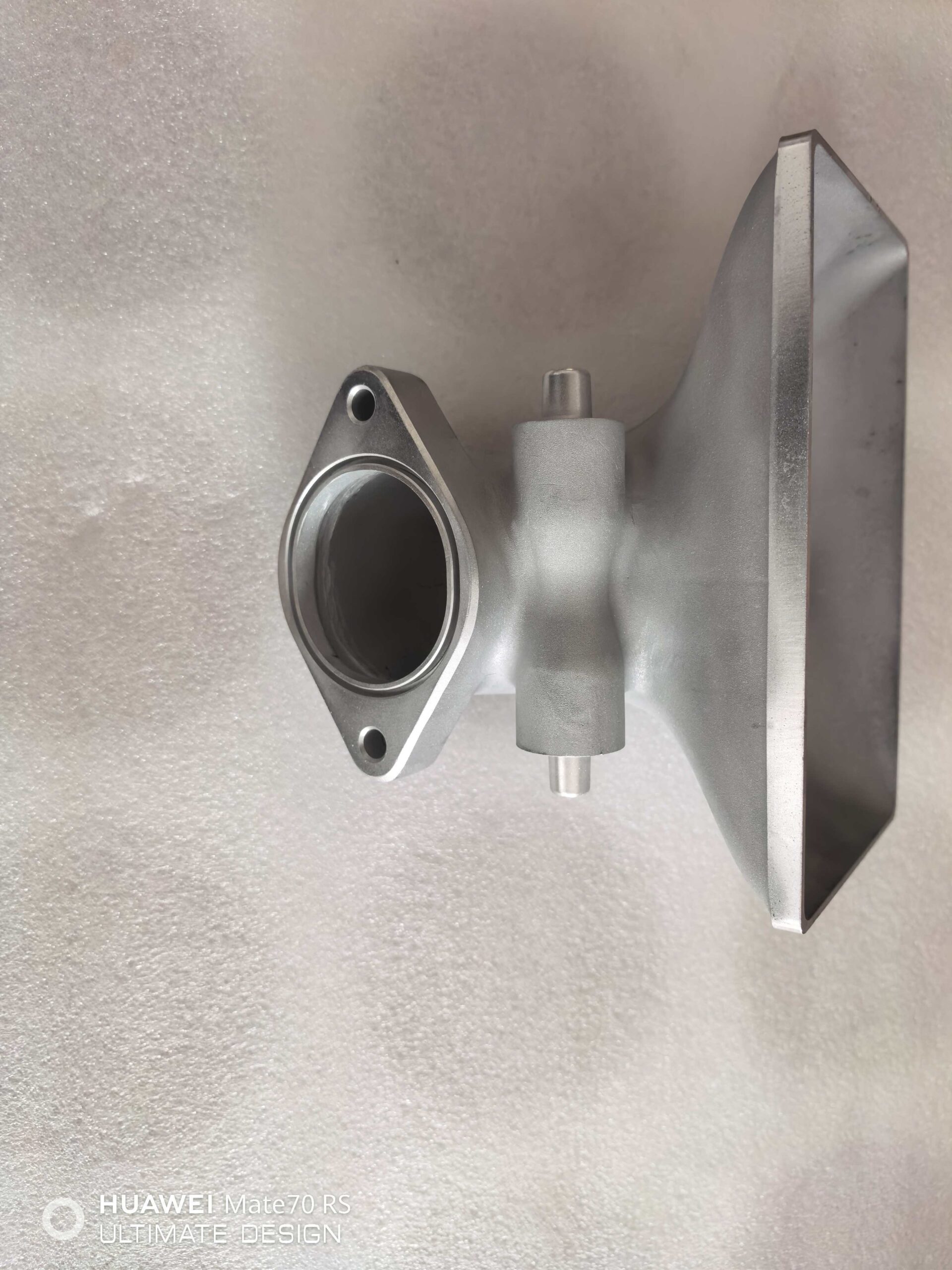
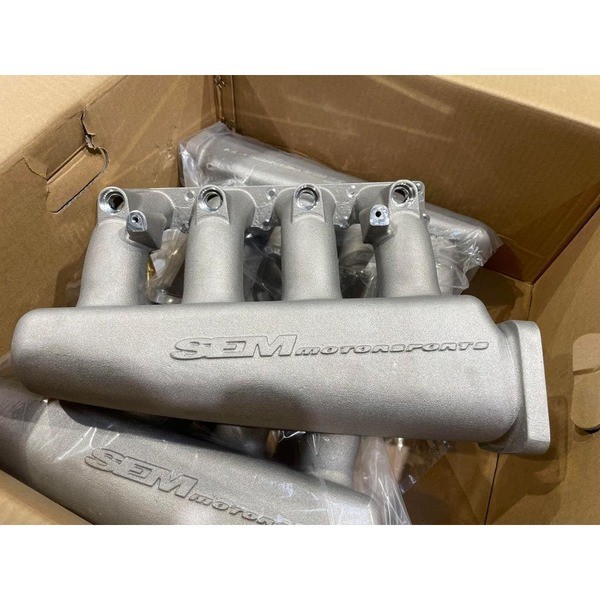
Investment casting eliminates the need for extensive welding or assembly. We deliver "near-net-shape" components with smooth surface finishes and intricate internal passages that are impossible to achieve through traditional forging or sand casting.
Common Duplex Steel Casting Grades and Properties
| Grade | Common Name | Key Characteristics | Primary Use |
|---|---|---|---|
| ASTM A890 4A | 2205 Duplex | Balanced corrosion & strength | General industrial valves |
| ASTM A890 5A | 2507 Super Duplex | Extreme pitting resistance | Offshore & Desalination |
| ASTM A890 1B | CD4MCu | Excellent erosion resistance | Slurry pumps & Mixers |
Chemical Composition and Microstructure Analysis
The performance of these alloys is driven by their chemistry. High chromium content (22-25%) provides oxidation resistance, while molybdenum enhances pitting resistance in acidic environments. We conduct rigorous microstructure analysis to ensure the ferrite-austenite ratio meets international standards.
Diverse Applications for Duplex Casting Parts
Marine, Offshore, and Desalination Systems
Duplex castings are the backbone of seawater handling systems. Their resistance to pitting and crevice corrosion makes them ideal for:
- Propeller components and shafts.
- Desalination high-pressure pump housings.
- Subsea connectors and manifolds.
Chemical Processing and Oil & Gas Equipment
In environments involving hydrogen sulfide (H2S) or organic acids, duplex steel provides the necessary longevity for:
- Heat exchanger headers.
- Pressure vessel internals.
- Downhole drilling tools.
High-Pressure Valve and Pump Components
The combination of erosion resistance and high fatigue strength ensures that valve bodies and pump impellers maintain their performance under high-velocity flow conditions.
Quality Control and Technical Standards
Non-Destructive Testing (NDT) and Inspection
To guarantee internal integrity, we employ comprehensive NDT methods:
- X-Ray Radiography: To detect internal porosity or inclusions.
- Dye Penetrant Inspection (DPI): To identify surface cracks.
- Magnetic Particle Testing: For subsurface flaw detection.
Mechanical Property and Hardness Verification
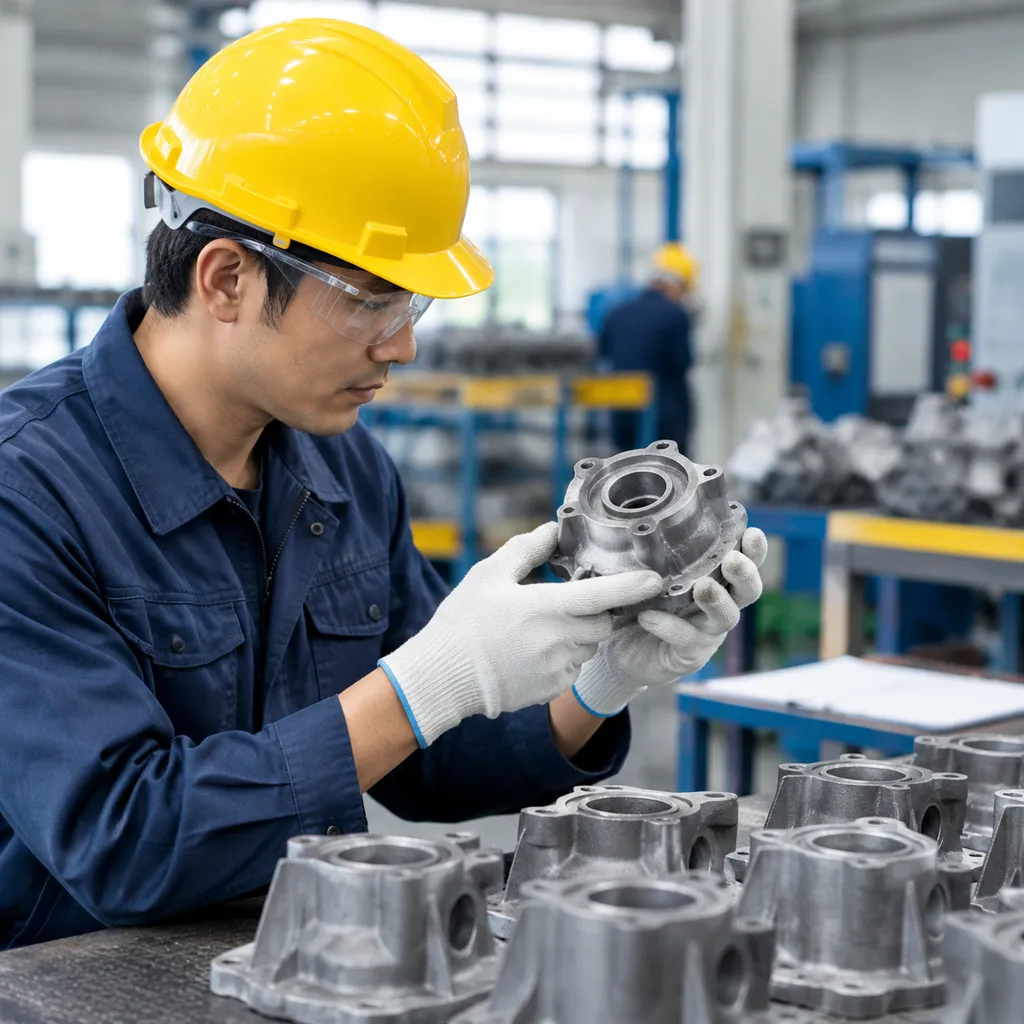
Every batch undergoes tensile testing, impact testing (often at sub-zero temperatures), and Rockwell/Brinell hardness verification to ensure compliance with project specifications.
Meeting Executive Standards and Dimensional Tolerances
We manufacture in strict accordance with ASTM, DIN, and ISO standards. Our investment casting process typically achieves ISO 8062-3 CT5 to CT7 dimensional tolerances.
Choosing a Duplex Stainless Steel Casting Partner
Custom Engineering and Prototyping Services
We provide end-to-end support, from initial CAD design optimization to rapid prototyping. Our engineering team ensures that your design is optimized for the investment casting process, reducing waste and improving performance.
Cost-Effective Manufacturing and Scalability
By combining advanced wax injection machine technology with efficient shell molding, we offer scalable solutions for both low-volume specialized parts and high-volume industrial production.
Frequently Asked Questions
Is Duplex Stainless Steel More Difficult to Cast Than 316?
Yes. Duplex alloys require tighter temperature control during melting and specific cooling rates to maintain the correct phase balance. However, our specialized heat treatment protocols ensure consistent quality.
How Does the Cost of Duplex Castings Compare to Other Alloys?
While the initial material cost is higher than 316 stainless steel, the superior strength and longevity of duplex steel often result in a lower total cost of ownership due to reduced maintenance and lighter part weights.
What Are the Best Environments for Duplex Steel Parts?
Duplex steel excels in high-chloride environments, marine settings, chemical processing plants involving acids, and any application where high pressure and corrosive media are present simultaneously.
 English
  Russian
  German