
2026年10月25日
Wachs-Burnout-Ofen mit präziser Temperaturkontrolle, effizienter Erwärmung und zuverlässiger Leistung für Schmuckguss und Vorbereitung von Investitionsformen
Was ist ein Wachs-Burnout-Ofen und wie funktioniert er?
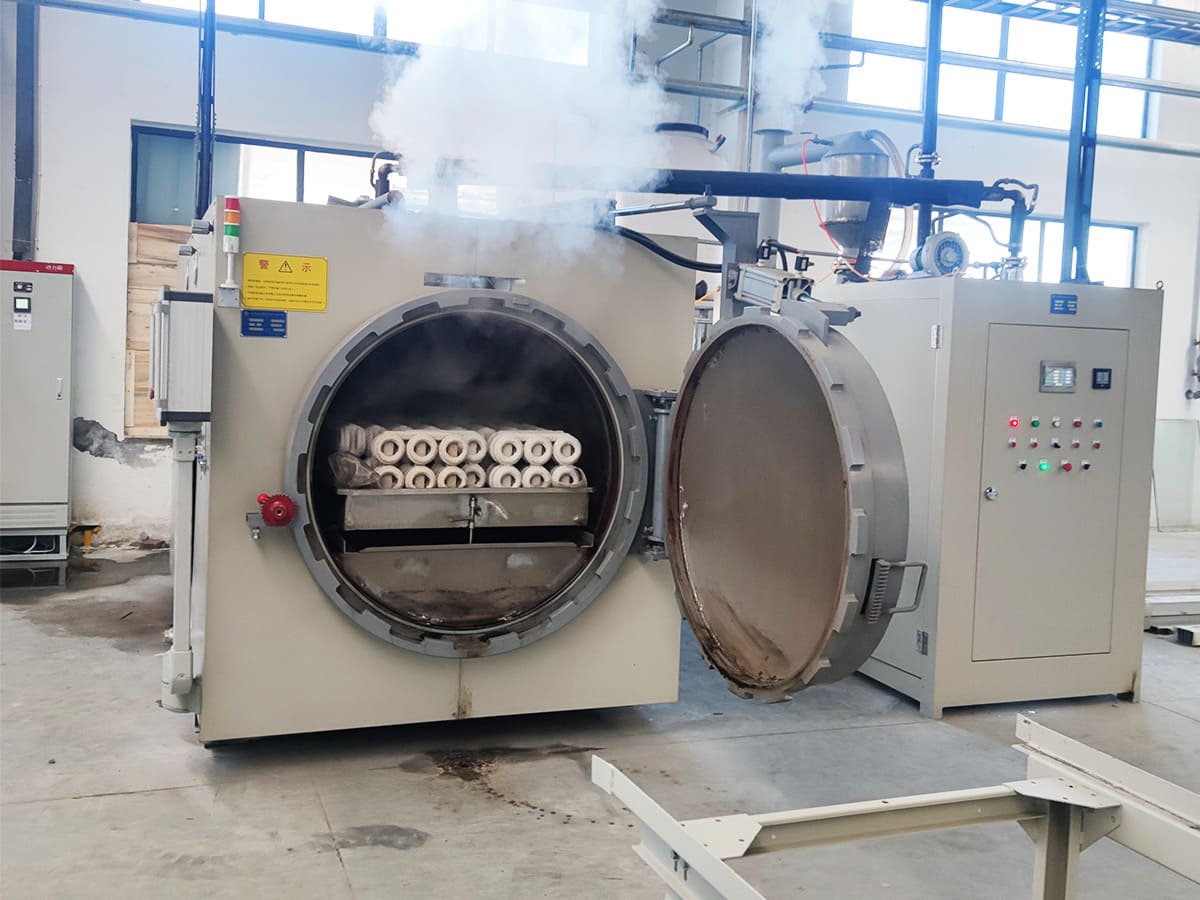
A Wachs-Burnout-Ofen ist ein spezialisierter Hochtemperatur-Ofen, der entwickelt wurde, um sacrificial Wachs-Modelle aus Investitionsgussformen zu entfernen. In unseren Gussprozessen verwenden wir ihn, um das Wachs vollständig zu eliminieren, Feuchtigkeit auszubrennen und Keramik- oder Gipsformen vor dem Einfüllen des geschmolzenen Metalls vorzuwärmen.
Ohne kontrollierte thermische Verarbeitung verursacht Restwachs Porosität des Gusses, Gaseinschlüsse und den katastrophalen Formenausfall.
Kernmechanismus des Investitionsguss-Burnouts
Der Prozess beruht auf präziser thermischer Zerlegung:
- Wärmeübertragung: Hocheffiziente Heizaggregate abstrahlen gleichmäßige thermische Energie im gesamten Ofenraum.
- Phasenübergang: Festes Wachs wird flüssig, abgeleitet und verdampft mit steigendem Temperatur.
- Thermische Ausdehnungsmanagement: Gezielte Rampen verhindern, dass das Wachs schneller expandiert als die Investitionsform, und vermeiden so innere Druckrisse.
- Atmosphärische Oxidation: Fresh oxygen circulates into the chamber to oxidize remaining carbon residues into carbon dioxide gas, leaving behind an ultra-clean negative cavity.
Difference Between Dewaxing and Full Burnout Phases
We divide the heating profile into two distinct, non-negotiable thermal stages:
| Parameter | Dewaxing Phase | Full Burnout Phase |
|---|---|---|
| Typical Temperature | 150°C – 350°C (302°F – 662°F) | 650°C – 950°C+ (1202°F – 1742°F+) |
| Primary Action | Melts physical wax; drains bulk liquid | Burns residual ash; sinters investment |
| Chamber Environment | Heavy wax vapor and steam generation | High-oxygen environment to oxidize carbon |
| Kernausfallrisiko | Funkenbrände und thermische Schock-Modellrisse | Unvollständige Kohlenstoffentfernung verursacht Metallfehler |
Hauptkomponenten eines Brennofens
Jeder zuverlässig Wachs-Burnout-Ofen hängt von ausgewogener mechanischer und thermischer Auslegung ab:
- Heizelemente: Schwerdrahtwicklungen aus Widerstandsdrähten (wie Kanthal-Legierungen) oder Siliziumkarbidstangen, die eine ausgewogene Wärmeverteilung über alle Regalebenen hinweg gewährleisten.
- Ofenkammer: Hochdichte keramische Faserplatten oder Feuerfestmaterialien, die darauf ausgelegt sind, kontinuierlichen thermischen Zyklen standzuhalten und geringe Wärmeverluste zu haben.
- Muffle-System: Eine innere Barriere, die empfindliche Heizdrähte vor korrosiven Wachsdämpfen und Flüssigkeitskontakt schützt.
- Auspuff & Belüftung: Dedizierte Abflussöffnungen und Schornsteine, die darauf ausgelegt sind, dichte Gas-, Rauch- und Feuchtigkeit effizient von der Heizzone abzuleiten.
Electric vs. Gas-Fired Wax Burnout Furnaces
Choosing between electric and gas systems comes down to precision control versus heating volume:
- Electric Burnout Furnaces:
- Digital Accuracy: Controlled by multi-stage digital PID programmers for exact ramp-and-soak schedules.
- Saubere Atmosphäre: Zero fuel combustion byproducts inside the chamber.
- Bestimmt für: Jewelry studios, dental laboratories, and precision prototyping shops.
- Gas-Fired Burnout Furnaces:
- Hohe Durchsatzleistung: Delivers fast heat-up rates and lower operational fuel costs for heavy industrial loads.
- Airflow Demands: Requires careful air-to-fuel tuning to maintain an oxidizing atmosphere for carbon cleanout.
- Bestimmt für: Large-scale foundries handling high-capacity industrial flask trees and large ceramic shells.
Key Applications of Wax Burnout Furnaces
Ein zuverlässiger Wachs-Burnout-Ofen sits at the heart of any operation relying on expendable pattern casting. Whether running single custom jobs or round-the-clock batch cycles, we use these units across several demanding industries:
- Lost Wax Jewelry Casting: Essential for turning delicate master waxes into gold, silver, brass, or high-temp platinum pieces. Clean elimination guarantees zero carbon inclusions or surface pitting on fine filigree and stone settings. Understanding the Vorteile und Nachteile des Wachswachskostenverfahrens helps shops dial in their investment ratios and thermal curves properly.
- Dental Laboratory Restorations: Dental techs run compact burnout units daily to process crowns, fixed bridges, and partial denture frameworks. These ovens ensure rapid, residue-free burnout of pattern resins and waxes before injecting chrome-cobalt, titanium, or pressable ceramics.
- Precision Industrial & Aerospace Components: Kritische industrielle Hardware verlangt eine frei von Einschnitten/voids Grantie der Metallintegrität. Beim Gießen von Turbinenschaufeln, Ventilen und strukturellen Armaturen verlassen sich unsere Teams auf kontrollierten Ausbrennen, um Formteile zu bearbeiten, die in Präzisions-Werkstoffguss-Komponenten und Lösungen aus der Luft- und Raumfahrt ohne thermische Schocklast.
- Glass Working and Ceramic Shell BurnoutcURL Too many subrequests by single Worker invocation. To configure this limit, refer to https://developers.cloudflare.com/workers/wrangler/configuration/#limits.
cURL Too many subrequests by single Worker invocation. To configure this limit, refer to https://developers.cloudflare.com/workers/wrangler/configuration/#limits
Die Wahl der richtigen Wachs-Burnout-Ofen cURL Too many subrequests by single Worker invocation. To configure this limit, refer to https://developers.cloudflare.com/workers/wrangler/configuration/#limits.
cURL Too many subrequests by single Worker invocation. To configure this limit, refer to https://developers.cloudflare.com/workers/wrangler/configuration/#limits
Investitionsformen verformen sich, wenn sie zu schnell erhitzt werden. Eine zuverlässige digitale PID-Temperatursteuerung ist unverhandelbar für den Betrieb eines reproduzierbaren programmierbaren Burnout-Ofens.
- Multi-Segment-Profile: Sie benötigen mindestens 4 bis 8 programmierbare Schritte, um Aufheizraten, Verweilzeiten und Abkühlraten zu steuern.
- Gesteuerte Rampenraten: Langsame Rampen (z. B. 2 °C bis 5 °C pro Minute) während der Niedertemperaturphase lassen Wasser als Dampf entweichen, statt als Dampfdruck, der die Form bricht.
- Thermische Konsistenz: Enge PID-Rückkopplungsschleifen halten die Temperaturen innerhalb von ±2 °C, was wesentlich ist, um strikte Gussqualitätsstandards für zuverlässige Metallteile durch.
Maximale Betriebs- und Wärmeisolationswerte
Ein leistungsstarkes Heizzelle mit hoher Temperatur erfordert sowohl rohe Leistung als auch hochwertige Isolierung:
- Ziel-Temperaturbereich: Standard- Schmuck- und Zahngussformen verbrennen sich zwischen 700°C und 750°C. Für industrielle Keramikhüllen und Platin-Gussformen benötigen wir kontinuierliche Betriebsgrenzen von 1100°C bis 1200°C.
- Isolationsaufbau: Mehrschichtige Keramikfaserplatten erhitzen sich schnell und minimieren die Außentemperaturen des Gehäuses. Hochdichte feuerbeständige Ziegel speichern Wärme länger für schwere Produktionsläufe, obwohl sie länger zyklieren müssen.
Belüftungssysteme, Absaugkanäle und Wachs-Sammelfächer
Flüssiges Wachs und dichte Kohlendioxid-Dämpfe verschlechtern Heizspulen schnell, wenn sie nicht aus der Kammer abgeleitet werden.
- Obere Absaugöffnungen: Lassen abbrennende Wachs-Dämpfe und Dampf schnell in Ihre Werkstattkanäle oder eines Abgasrohrs entweichen.
- Wachsableitung unten & Wachsfang Eine am Boden befindliche Öffnung leitet verflüssigtes Wachs direkt in eine externe Sammelwanne, bevor es verdampft, reduziert Kammergeist und toxische Dämpfe.
- Sauerstoffzufuhr: Fresh air intake ports support clean, total combustion during the carbon elimination phase.
Chamber Dimensions, Flask Capacity, and Heating Elements
Chamber size must match your daily batch sizes with ample clearance. Never pack flasks wall-to-wall; maintain at least 25 mm (1 inch) of spacing between flasks and elements to avoid localized hot spots.
| Heating Element Type | Max. Betriebstemperatur | Am besten geeignet für | Key Practical Advantage |
|---|---|---|---|
| Kanthal (FeCrAl Alloy) | Up to 1100°C – 1200°C | Jewelry, dental flasks, standard lost-wax | Cost-effective, forgiving of thermal cycling, easy to replace |
| Silicon Carbide (SiC) | Up to 1400°C | High-volume industrial, heavy ceramic shell runs | High power density, rigid, handles corrosive environments well |
| Molybdenum Disilicide (MoSi2) | Up to 1600°C – 1800°C | Specialty alloys, rapid sintering, technical ceramics | Ultra-high temperature tolerance, forms a protective quartz glaze |
Step-by-Step Wax Burnout Cycle and Temperature Profiles
Running a predictable Wachs-Burnout-Ofen cycle means managing heat transitions without shocking the mold. In our shop floor operations, we rely on a programmed ramp-and-soak schedule to vaporize pattern materials cleanly while keeping the investment structure solid. Understanding this sequence is essential when mastering the overall casting process guide methods and key steps.
Phase 1: Low-Temperature Wax Elimination and Steam Evacuation (150°C - 300°C)
The initial stage melts the bulk pattern and purges moisture from the investment slurry.
- Ramp Rate: 1.5°C to 2.5°C per minute to prevent rapid steam expansion.
- Hold Temperature: 150°C to 230°C for 60 to 120 minutes depending on flask size.
- Core Objective: Liquid wax drains out through the bottom sprue or exhaust tray before it boils.
- Steam Clearance: Gentle heating lets chemical water escape gradually without spalling the inner cavity walls.
Phase 2: Carbon Residue Burnout and Investment Transformation (500°C - 750°C)
Once liquid wax drains, residual hydrocarbons turn into carbon deposits inside the porous mold. This stage requires adequate airflow to oxidize those residues completely.
- Target Soak: cURL Too many subrequests by single Worker invocation. To configure this limit, refer to https://developers.cloudflare.com/workers/wrangler/configuration/#limits.
- cURL Too many subrequests by single Worker invocation. To configure this limit, refer to https://developers.cloudflare.com/workers/wrangler/configuration/#limits cURL Too many subrequests by single Worker invocation. To configure this limit, refer to https://developers.cloudflare.com/workers/wrangler/configuration/#limits cURL Too many subrequests by single Worker invocation. To configure this limit, refer to https://developers.cloudflare.com/workers/wrangler/configuration/#limits.
- cURL Too many subrequests by single Worker invocation. To configure this limit, refer to https://developers.cloudflare.com/workers/wrangler/configuration/#limits cURL Too many subrequests by single Worker invocation. To configure this limit, refer to https://developers.cloudflare.com/workers/wrangler/configuration/#limits cURL Too many subrequests by single Worker invocation. To configure this limit, refer to https://developers.cloudflare.com/workers/wrangler/configuration/#limits cURL Too many subrequests by single Worker invocation. To configure this limit, refer to https://developers.cloudflare.com/workers/wrangler/configuration/#limits.
- cURL Too many subrequests by single Worker invocation. To configure this limit, refer to https://developers.cloudflare.com/workers/wrangler/configuration/#limits cURL Too many subrequests by single Worker invocation. To configure this limit, refer to https://developers.cloudflare.com/workers/wrangler/configuration/#limits.
cURL Too many subrequests by single Worker invocation. To configure this limit, refer to https://developers.cloudflare.com/workers/wrangler/configuration/#limits
cURL Too many subrequests by single Worker invocation. To configure this limit, refer to https://developers.cloudflare.com/workers/wrangler/configuration/#limits.
- cURL Too many subrequests by single Worker invocation. To configure this limit, refer to https://developers.cloudflare.com/workers/wrangler/configuration/#limits cURL Too many subrequests by single Worker invocation. To configure this limit, refer to https://developers.cloudflare.com/workers/wrangler/configuration/#limits.
- Thermische Gleichgewicht: cURL Too many subrequests by single Worker invocation. To configure this limit, refer to https://developers.cloudflare.com/workers/wrangler/configuration/#limits.
- cURL Too many subrequests by single Worker invocation. To configure this limit, refer to https://developers.cloudflare.com/workers/wrangler/configuration/#limits cURL Too many subrequests by single Worker invocation. To configure this limit, refer to https://developers.cloudflare.com/workers/wrangler/configuration/#limits.
cURL Too many subrequests by single Worker invocation. To configure this limit, refer to https://developers.cloudflare.com/workers/wrangler/configuration/#limits
| cURL Too many subrequests by single Worker invocation. To configure this limit, refer to https://developers.cloudflare.com/workers/wrangler/configuration/#limits | cURL Too many subrequests by single Worker invocation. To configure this limit, refer to https://developers.cloudflare.com/workers/wrangler/configuration/#limits | cURL Too many subrequests by single Worker invocation. To configure this limit, refer to https://developers.cloudflare.com/workers/wrangler/configuration/#limits |
|---|---|---|
| cURL Too many subrequests by single Worker invocation. To configure this limit, refer to https://developers.cloudflare.com/workers/wrangler/configuration/#limits | cURL Too many subrequests by single Worker invocation. To configure this limit, refer to https://developers.cloudflare.com/workers/wrangler/configuration/#limits. | cURL Too many subrequests by single Worker invocation. To configure this limit, refer to https://developers.cloudflare.com/workers/wrangler/configuration/#limits. |
| cURL Too many subrequests by single Worker invocation. To configure this limit, refer to https://developers.cloudflare.com/workers/wrangler/configuration/#limits | cURL Too many subrequests by single Worker invocation. To configure this limit, refer to https://developers.cloudflare.com/workers/wrangler/configuration/#limits. | cURL Too many subrequests by single Worker invocation. To configure this limit, refer to https://developers.cloudflare.com/workers/wrangler/configuration/#limits. |
| cURL Too many subrequests by single Worker invocation. To configure this limit, refer to https://developers.cloudflare.com/workers/wrangler/configuration/#limits | cURL Too many subrequests by single Worker invocation. To configure this limit, refer to https://developers.cloudflare.com/workers/wrangler/configuration/#limits. | cURL Too many subrequests by single Worker invocation. To configure this limit, refer to https://developers.cloudflare.com/workers/wrangler/configuration/#limits. |
| cURL Too many subrequests by single Worker invocation. To configure this limit, refer to https://developers.cloudflare.com/workers/wrangler/configuration/#limits | cURL Too many subrequests by single Worker invocation. To configure this limit, refer to https://developers.cloudflare.com/workers/wrangler/configuration/#limits. | Sorgen Sie dafür, dass die passiven Belüftungsschlitze während Phase 2 geöffnet bleiben, um eine ordnungsgemäße Oxidation zu gewährleisten. |
Wachsverbrennungsofen vs. Standard-Tempergerichtungsöfen
Wir werden oft gefragt, ob ein regulärer Werkstattofen als Ersatz dienen kann Wachs-Burnout-Ofen. Während ein industrieller Wärmebehandlungsofen mit einer Gleichmäßigkeit von plus oder minus 5 °C für enges metallurgisches Einweichen ausgelegt ist, fehlt ihm die spezialisierte Konstruktion, die erforderlich ist, um geschmolzenes Wachs, ätzende Dämpfe und empfindliche Vergussformen zu bewältigen.
Die Verwendung des falschen Geräts führt zu verstopften Heizelementen, rissigen Investitionen und unvollständiger Brennung des Gusses.
| Eigenschaft | Spezial-Wachsverbrennungsofen | Standard-Wärmebehandlungsofen |
|---|---|---|
| Luftstrom & Sauerstoff | Ständige Frischluftzufuhr für vollständige Kohlenstoffverbrennung | Abgedichteter Arbeitsraum zur Minimierung von Oxidation und Verfärbungen |
| Dampf- & Abflussführung | Spezialwachsfallen und obere Abluftöffnungen | No drainage; vapor damages exposed coils |
| Thermal Shock Control | Multi-step, slow ramp rates tailored for investments | Fast ramp rates optimized for solid metals |
| Chamber Protection | Wax-resistant hearth plates and sealed muffles | Porous firebrick vulnerable to wax soaking |
Airflow and Oxygen Delivery Differences
A successful cURL Too many subrequests by single Worker invocation. To configure this limit, refer to https://developers.cloudflare.com/workers/wrangler/configuration/#limits requires continuous, fresh oxygen. Burnout Furnaces: Feature intake vents near the floor and top exhaust flues to create a natural convective draft. This constant air exchange feeds the smoldering wax residues, allowing trapped carbon inside the cURL Too many subrequests by single Worker invocation. To configure this limit, refer to https://developers.cloudflare.com/workers/wrangler/configuration/#limits to oxidize cleanly into gas. Standard Kilns: Entwickelt, um eine dichte Abdichtung zu gewährleisten, damit Wärme erhalten bleibt und Metalloxidation verhindert wird. Ohne frischen Sauerstoffaustausch verbrennt Wachs einfach zu hartem Kohleasche, die die Formhohlräume bedeckt und nachfolgende Gussteile ruiniert.
Wax Drainage and Vapor Handling Capabilities
Liquid wax is flammable, acidic, and aggressive toward heating elements. Wax Evacuation: Our burnout ovens incorporate grooved floor hearths, sloped drains, or dedicated wax collection trays that channel out up to 85% of liquid pattern material before it catches fire. Fume Exhaust: High-temperature exhaust ports route noxious acrolein vapors safely out of the workspace. In contrast, standard kilns trap boiling wax inside the chamber, where it condenses on exposed electrical coils, causes short circuits, and creates serious flash-fire risks.
Investment Mold Thermal Shock Prevention Mechanisms
Refractory investment materials undergo critical expansion changes at predictable temperature thresholds (particularly quartz and cristobalite inversions). Controlled Multi-Stage Ramping: Burnout systems use finely tuned digital controllers capable of holding ultra-slow ramps (often under 2°C to 4°C per minute) through moisture release zones. Even Radiant Heat Distribution: High-performance muffle furnace burnout designs heat all four sides simultaneously. This protects the investment flask from localized hot spots, preventing spalling, micro-fractures, and catastrophic mold blowout when metal hits the cavity.
Maintenance, Safety, and Best Operating Practices for a Wax Burnout Furnace
Running a Wachs-Burnout-Ofen safely requires routine care and strict workshop protocols. Daily operation involves high thermal loads, combustible vapors, and toxic off-gassing. Whether you manage an investment casting cell or maintain complementary foundry systems alongside heavy Sandguss-Equipment, keeping your thermal equipment clean and properly ventilated ensures consistent casting quality and extends furnace service life.
Safe Fume Extraction and Ventilation Setup
cURL Too many subrequests by single Worker invocation. To configure this limit, refer to https://developers.cloudflare.com/workers/wrangler/configuration/#limits.
- cURL Too many subrequests by single Worker invocation. To configure this limit, refer to https://developers.cloudflare.com/workers/wrangler/configuration/#limits cURL Too many subrequests by single Worker invocation. To configure this limit, refer to https://developers.cloudflare.com/workers/wrangler/configuration/#limits.
- cURL Too many subrequests by single Worker invocation. To configure this limit, refer to https://developers.cloudflare.com/workers/wrangler/configuration/#limits cURL Too many subrequests by single Worker invocation. To configure this limit, refer to https://developers.cloudflare.com/workers/wrangler/configuration/#limits.
- cURL Too many subrequests by single Worker invocation. To configure this limit, refer to https://developers.cloudflare.com/workers/wrangler/configuration/#limits cURL Too many subrequests by single Worker invocation. To configure this limit, refer to https://developers.cloudflare.com/workers/wrangler/configuration/#limits.
cURL Too many subrequests by single Worker invocation. To configure this limit, refer to https://developers.cloudflare.com/workers/wrangler/configuration/#limits
cURL Too many subrequests by single Worker invocation. To configure this limit, refer to https://developers.cloudflare.com/workers/wrangler/configuration/#limits.
| cURL Too many subrequests by single Worker invocation. To configure this limit, refer to https://developers.cloudflare.com/workers/wrangler/configuration/#limits | cURL Too many subrequests by single Worker invocation. To configure this limit, refer to https://developers.cloudflare.com/workers/wrangler/configuration/#limits | Vorbeugende Maßnahme |
|---|---|---|
| cURL Too many subrequests by single Worker invocation. To configure this limit, refer to https://developers.cloudflare.com/workers/wrangler/configuration/#limits | cURL Too many subrequests by single Worker invocation. To configure this limit, refer to https://developers.cloudflare.com/workers/wrangler/configuration/#limits | cURL Too many subrequests by single Worker invocation. To configure this limit, refer to https://developers.cloudflare.com/workers/wrangler/configuration/#limits. |
| cURL Too many subrequests by single Worker invocation. To configure this limit, refer to https://developers.cloudflare.com/workers/wrangler/configuration/#limits | cURL Too many subrequests by single Worker invocation. To configure this limit, refer to https://developers.cloudflare.com/workers/wrangler/configuration/#limits | cURL Too many subrequests by single Worker invocation. To configure this limit, refer to https://developers.cloudflare.com/workers/wrangler/configuration/#limits. |
| cURL Too many subrequests by single Worker invocation. To configure this limit, refer to https://developers.cloudflare.com/workers/wrangler/configuration/#limits | cURL Too many subrequests by single Worker invocation. To configure this limit, refer to https://developers.cloudflare.com/workers/wrangler/configuration/#limits | cURL Too many subrequests by single Worker invocation. To configure this limit, refer to https://developers.cloudflare.com/workers/wrangler/configuration/#limits. |
cURL Too many subrequests by single Worker invocation. To configure this limit, refer to https://developers.cloudflare.com/workers/wrangler/configuration/#limits
cURL Too many subrequests by single Worker invocation. To configure this limit, refer to https://developers.cloudflare.com/workers/wrangler/configuration/#limits.
- cURL Too many subrequests by single Worker invocation. To configure this limit, refer to https://developers.cloudflare.com/workers/wrangler/configuration/#limits cURL Too many subrequests by single Worker invocation. To configure this limit, refer to https://developers.cloudflare.com/workers/wrangler/configuration/#limits.
- cURL Too many subrequests by single Worker invocation. To configure this limit, refer to https://developers.cloudflare.com/workers/wrangler/configuration/#limits cURL Too many subrequests by single Worker invocation. To configure this limit, refer to https://developers.cloudflare.com/workers/wrangler/configuration/#limits.
- cURL Too many subrequests by single Worker invocation. To configure this limit, refer to https://developers.cloudflare.com/workers/wrangler/configuration/#limits cURL Too many subrequests by single Worker invocation. To configure this limit, refer to https://developers.cloudflare.com/workers/wrangler/configuration/#limits Wachs-Burnout-Ofen.
cURL Too many subrequests by single Worker invocation. To configure this limit, refer to https://developers.cloudflare.com/workers/wrangler/configuration/#limits
cURL Too many subrequests by single Worker invocation. To configure this limit, refer to https://developers.cloudflare.com/workers/wrangler/configuration/#limits.
- cURL Too many subrequests by single Worker invocation. To configure this limit, refer to https://developers.cloudflare.com/workers/wrangler/configuration/#limits cURL Too many subrequests by single Worker invocation. To configure this limit, refer to https://developers.cloudflare.com/workers/wrangler/configuration/#limits.
- Full Face Protection: Use an impact-rated, heat-reflective face shield to protect against radiant heat and potential mold spalling when cracking the furnace door.
- Heavy-Duty Flask Tongs: Match tong jaws directly to your flask diameters. Wobbly, ill-fitting tongs cause dropped flasks, broken investments, and serious burn hazards.
- Flame-Retardant Clothing: Wear natural fibers such as heavy cotton or leather aprons. Synthetic fabrics melt instantly upon contact with radiant heat or hot investment materials.
Frequently Asked Questions About Wax Burnout Furnaces
How long does a typical burnout cycle take?
A standard flask burnout cycle runs anywhere from 5 bis 12 Stunden, depending on flask size, wax volume, and the investment material used:
- Small jewelry flasks (2" x 2.5"): Roughly 5 to 6 hours.
- Medium flasks (3.5" x 5"): Typically 8 to 10 hours to ensure thorough heat penetration.
- Large commercial flasks or heavy trees: 11 to 14 hours, including adequate ramp-up and stabilization soaks.
- Ceramic shells: Fast-fired industrial cycles can take under 4 hours when using an optimized system like a 1200°C energy-saving burnout furnace for silica sol shells.
Rushing the cycle traps unburned carbon or leaves residual moisture inside the mold, which causes gas porosity in the finished cast.
Can I use a standard ceramic kiln as a wax burnout furnace?
We do not recommend running standard ceramic kilns for wax burnout without major modifications:
- Lack of ventilation: Ceramic kilns bake in closed environments. Wax burnout requires active airflow to push out heavy vapor and feed oxygen to burning wax.
- No bottom drain: Liquid wax settles on the bottom brick, ruins floor elements, and creates an ignition hazard.
- Exhaust failure: Wax vapors condense on the coils, drastically shortening element lifespan and producing hazardous smoke leaks around the lid or door.
Ein dedicierter Wachs-Burnout-Ofen enthüllt einen konstruierten Abgasanschluss, eine Wachssammlungsfalle und eine versiegelte Kammer, die darauf ausgelegt ist, scharfe Wachsdämpfe sicher zu handhaben.
Warum produziert mein Ofen großen schwarzen Rauch und wie behebe ich das?
Dicker schwarzer Rauch bedeutet unvollständige Verbrennung innerhalb der Heizkammer:
- Luftmangel: Der Ofen hat frischen Sauerstoff nicht im Überfluss. Öffnen Sie die Zuluftzufuhr oder überprüfen Sie, ob der Abgasdämpfer während des Bereichs von 150 °C bis 400 °C geöffnet ist.
- Zu schnelles Erhitzen: Die Temperaturerhöhung zu aggressiv steigert das Wachse sofort zum Kochen, anstatt es sanft in die Ablage schmelzen zu lassen. Reduzieren Sie die anfängliche Aufheizrate.
- Fehlender Nachbrenner: Für größere Produktionsläufe ist ein integrierter Nachbrenner oder externer Abgasextraktor erforderlich, um flüchtige organische Verbindungen (VOC) zu verbrennen, bevor sie in die Werkstatt entweichen.
Was verursacht Rüstformen, die während des Burnout-Prozesses reißen?
Formrisse hängen fast immer mit schnellen Expansionsproblemen zusammen:
- Eilige erste Dampferad Phase (100 °C - 200 °C): Im investierten Material eingeschlossenes Wasser wird schneller zu Dampf, als es durch die poröse Matrix entweichen kann, was hydraulischen Stoß und Abplatzungen verursacht.
- Wax expansion: Wax expands faster than the plaster investment. If the ramp speed between 120°C and 250°C is too fast, the swelling wax cracks the cavity walls before melting out. You can resolve mold fit and distortion issues early by Die Schrumpfung des Wachsmusters bei komplexen Formen und Gussformen beheben during setup.
- Inversion thermal shock: Sudden temperature spikes during the cristobalite/quartz inversion phase (around 300°C to 400°C) tear the structural bond of the plaster apart.
Keep your ramps slow and consistent to let the mold breathe.
What flask capacity do I need for small-batch jewelry production?
For an independent studio or small casting workshop, balance current volume against cycle flexibility:
- Chamber volume: cURL Too many subrequests by single Worker invocation. To configure this limit, refer to https://developers.cloudflare.com/workers/wrangler/configuration/#limits cURL Too many subrequests by single Worker invocation. To configure this limit, refer to https://developers.cloudflare.com/workers/wrangler/configuration/#limits cURL Too many subrequests by single Worker invocation. To configure this limit, refer to https://developers.cloudflare.com/workers/wrangler/configuration/#limits.
- cURL Too many subrequests by single Worker invocation. To configure this limit, refer to https://developers.cloudflare.com/workers/wrangler/configuration/#limits cURL Too many subrequests by single Worker invocation. To configure this limit, refer to https://developers.cloudflare.com/workers/wrangler/configuration/#limits.
- cURL Too many subrequests by single Worker invocation. To configure this limit, refer to https://developers.cloudflare.com/workers/wrangler/configuration/#limits cURL Too many subrequests by single Worker invocation. To configure this limit, refer to https://developers.cloudflare.com/workers/wrangler/configuration/#limits.
 German
 English
 Russian