
2026年10月25日
Wax burnout furnace with precise temperature control efficient heating and reliable performance for jewelry casting and investment mold preparation
What Is a Wax Burnout Furnace and How Does It Work?
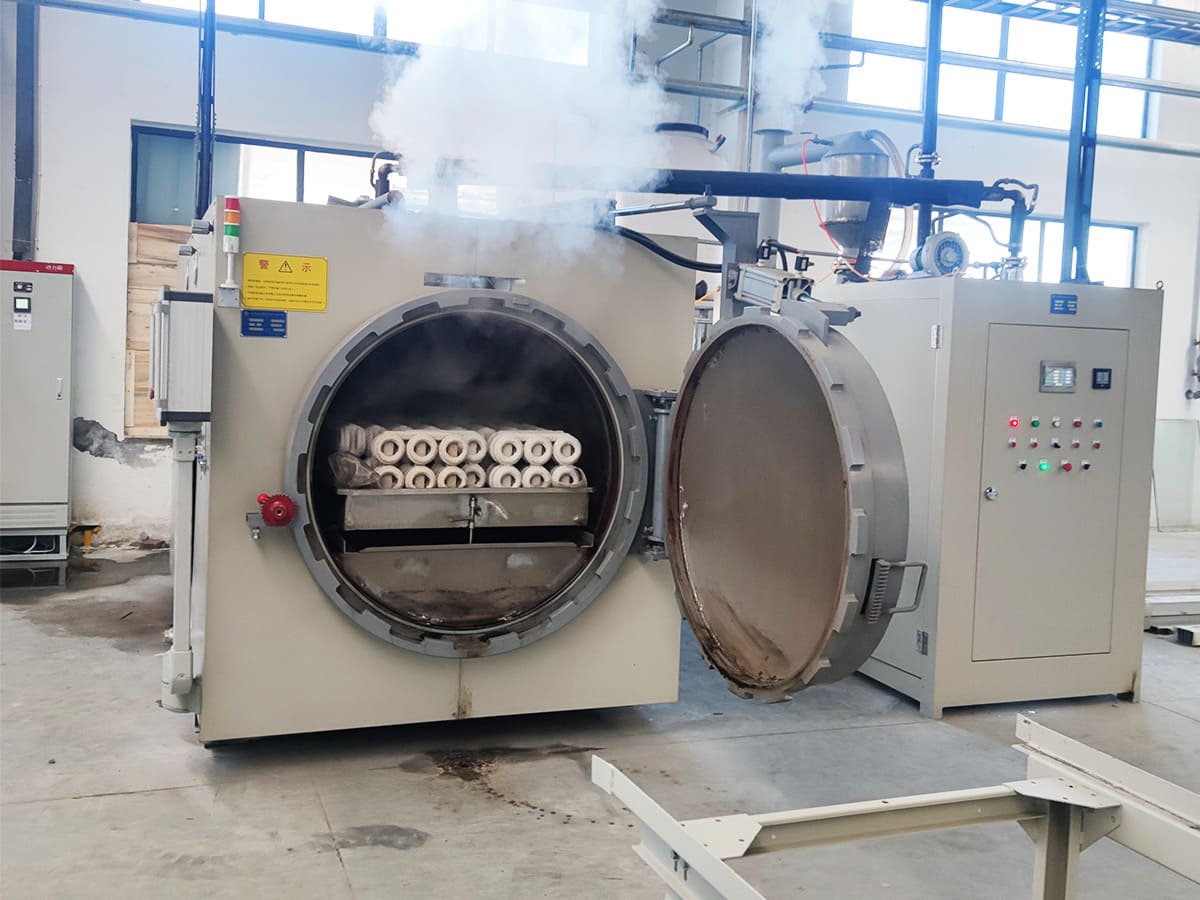
A wax burnout furnace is a specialized high-temperature oven engineered to remove sacrificial wax patterns from investment casting molds. In our casting operations, we use it to eliminate wax completely, bake out moisture, and preheat ceramic or plaster flasks before pouring molten metal.
Without controlled thermal processing, residual wax causes casting porosity, gas inclusions, and catastrophic mold failure.
Core Mechanism of Investment Casting Burnout
The process relies on precise thermal decomposition:
- Heat Transfer: High-efficiency heating assemblies radiate uniform thermal energy across the entire chamber.
- Phase Transition: Solid wax liquefies, drains, and vaporizes as the temperature climbs.
- Thermal Expansion Management: Controlled ramps prevent the wax from expanding faster than the investment mold, eliminating internal pressure cracks.
- Atmospheric Oxidation: Fresh oxygen circulates into the chamber to oxidize remaining carbon residues into carbon dioxide gas, leaving behind an ultra-clean negative cavity.
Difference Between Dewaxing and Full Burnout Phases
We divide the heating profile into two distinct, non-negotiable thermal stages:
| Parameter | Dewaxing Phase | Full Burnout Phase |
|---|---|---|
| Typical Temperature | 150°C – 350°C (302°F – 662°F) | 650°C – 950°C+ (1202°F – 1742°F+) |
| Primary Action | Melts physical wax; drains bulk liquid | Burns residual ash; sinters investment |
| Chamber Environment | Heavy wax vapor and steam generation | High-oxygen environment to oxidize carbon |
| Key Failure Risk | Flash fires and thermal shock mold cracking | Incomplete carbon elimination causing metal defects |
Key Components of a Burnout Oven
Every reliable wax burnout furnace depends on balanced mechanical and thermal engineering:
- Heating Elements: Heavy-gauge resistance wire coils (such as Kanthal alloys) or silicon carbide rods that distribute balanced heat across all shelf levels.
- Furnace Chamber: High-density ceramic fiber board or refractories built to endure continuous thermal cycling with low heat loss.
- Muffle System: An interior barrier that protects sensitive heating coils from corrosive wax vapors and liquid contact.
- Exhaust & Ventilation: Dedicated exhaust ports and chimney stacks designed to evacuate dense fumes, smoke, and moisture efficiently away from the heating chamber.
Electric vs. Gas-Fired Wax Burnout Furnaces
Choosing between electric and gas systems comes down to precision control versus heating volume:
- Electric Burnout Furnaces:
- Digital Accuracy: Controlled by multi-stage digital PID programmers for exact ramp-and-soak schedules.
- Clean Atmosphere: Zero fuel combustion byproducts inside the chamber.
- Best For: Jewelry studios, dental laboratories, and precision prototyping shops.
- Gas-Fired Burnout Furnaces:
- High Throughput: Delivers fast heat-up rates and lower operational fuel costs for heavy industrial loads.
- Airflow Demands: Requires careful air-to-fuel tuning to maintain an oxidizing atmosphere for carbon cleanout.
- Best For: Large-scale foundries handling high-capacity industrial flask trees and large ceramic shells.
Key Applications of Wax Burnout Furnaces
A reliable wax burnout furnace sits at the heart of any operation relying on expendable pattern casting. Whether running single custom jobs or round-the-clock batch cycles, we use these units across several demanding industries:
- Lost Wax Jewelry Casting: Essential for turning delicate master waxes into gold, silver, brass, or high-temp platinum pieces. Clean elimination guarantees zero carbon inclusions or surface pitting on fine filigree and stone settings. Understanding the advantages and disadvantages of lost wax casting helps shops dial in their investment ratios and thermal curves properly.
- Dental Laboratory Restorations: Dental techs run compact burnout units daily to process crowns, fixed bridges, and partial denture frameworks. These ovens ensure rapid, residue-free burnout of pattern resins and waxes before injecting chrome-cobalt, titanium, or pressable ceramics.
- Precision Industrial & Aerospace Components: Critical industrial hardware demands void-free metal integrity. When pouring turbine blades, valves, and structural fittings, our teams rely on controlled burnout to process molds used in precision aerospace casting components and solutions without thermal shock.
- Glass Working and Ceramic Shell Burnout: Beyond metalwork, these high-temperature chambers handle mold dewaxing for large-scale ceramic shell foundries, as well as controlled glass fusing, slumping, and annealing cycles.
Critical Features to Look for in a Burnout Oven
Choosing the right wax burnout furnace comes down to thermal control, clean venting, and element durability. If an oven heats unevenly or chokes on wax smoke, your molds crack and casting surface finish suffers. Here are the core specifications we focus on before putting any unit on the floor.
Multi-Stage Ramp and Soak Digital PID Controllers
Investment molds break when heated too fast. A reliable digital PID temperature controller is non-negotiable for running a repeatable programmable burnout oven.
- Multi-Segment Profiles: You need at least 4 to 8 programmable steps to control heating rates, dwell times, and cooling rates.
- Controlled Ramp Rates: Slow ramps (e.g., 2°C to 5°C per minute) during the low-temperature phase let water escape as vapor instead of steam pressure that fractures the mold.
- Thermal Consistency: Tight PID feedback loops keep temperatures within ±2°C, which is essential to meet strict casting quality standards for reliable metal parts.
Maximum Operating Temperatures and Thermal Insulation
A high-performing high temperature heating chamber requires both raw power and high-grade insulation:
- Target Temperature Range: Standard jewelry and dental investments burn out between 700°C and 750°C. For industrial ceramic shells and platinum investments, we require continuous operating thresholds of 1100°C to 1200°C.
- Insulation Build: Multi-layer ceramic fiber boards heat up quickly and minimize exterior cabinet temperatures. High-density refractory bricks hold heat longer for heavy production runs, though they take longer to cycle.
Ventilation Systems, Exhaust Ports, and Wax Collection Trays
Liquid wax and dense carbon vapors quickly degrade heating coils if not routed out of the chamber.
- Top Exhaust Ports: Allow combusted wax vapors and steam to vent quickly to your workshop ducting or afterburner.
- Bottom Wax Drain & Wax Trap: A floor-level outlet channels liquefied wax straight into an external collection tray before it vaporizes, cutting down chamber soot and toxic fumes.
- Oxygen Flow: Fresh air intake ports support clean, total combustion during the carbon elimination phase.
Chamber Dimensions, Flask Capacity, and Heating Elements
Chamber size must match your daily batch sizes with ample clearance. Never pack flasks wall-to-wall; maintain at least 25 mm (1 inch) of spacing between flasks and elements to avoid localized hot spots.
| Heating Element Type | Max Working Temp | Best Suited For | Key Practical Advantage |
|---|---|---|---|
| Kanthal (FeCrAl Alloy) | Up to 1100°C – 1200°C | Jewelry, dental flasks, standard lost-wax | Cost-effective, forgiving of thermal cycling, easy to replace |
| Silicon Carbide (SiC) | Up to 1400°C | High-volume industrial, heavy ceramic shell runs | High power density, rigid, handles corrosive environments well |
| Molybdenum Disilicide (MoSi2) | Up to 1600°C – 1800°C | Specialty alloys, rapid sintering, technical ceramics | Ultra-high temperature tolerance, forms a protective quartz glaze |
Step-by-Step Wax Burnout Cycle and Temperature Profiles
Running a predictable wax burnout furnace cycle means managing heat transitions without shocking the mold. In our shop floor operations, we rely on a programmed ramp-and-soak schedule to vaporize pattern materials cleanly while keeping the investment structure solid. Understanding this sequence is essential when mastering the overall casting process guide methods and key steps.
Phase 1: Low-Temperature Wax Elimination and Steam Evacuation (150°C - 300°C)
The initial stage melts the bulk pattern and purges moisture from the investment slurry.
- Ramp Rate: 1.5°C to 2.5°C per minute to prevent rapid steam expansion.
- Hold Temperature: 150°C to 230°C for 60 to 120 minutes depending on flask size.
- Core Objective: Liquid wax drains out through the bottom sprue or exhaust tray before it boils.
- Steam Clearance: Gentle heating lets chemical water escape gradually without spalling the inner cavity walls.
Phase 2: Carbon Residue Burnout and Investment Transformation (500°C - 750°C)
Once liquid wax drains, residual hydrocarbons turn into carbon deposits inside the porous mold. This stage requires adequate airflow to oxidize those residues completely.
- Target Soak: Ramp steadily up to 700°C - 750°C for standard gypsum investments (higher for phosphate-bonded or ceramic shells).
- Hold Time: 2 to 4 hours to complete the carbon elimination phase.
- Visual Marker: The interior of the casting investment mold turns from dark grey or black to a clean, chalky white.
- Mold Strength: High heat shifts the refractory binders into their final crystalline phase, giving the mold compressive strength against liquid metal pressure.
Phase 3: Casting Temperature Soak and Flask Stabilization (450°C - 650°C)
Pouring metal into an overheated flask causes porosity and rough surfaces, while a cold flask leads to misruns.
- Drop Rate: Reduce chamber heat gradually to the designated casting temperature (typically 450°C to 650°C for gold, silver, and brass).
- Thermal Equilibrium: Soak the flasks at casting temperature for at least 60 minutes.
- Flask Core Match: Soaking guarantees the center of the flask matches the exterior wall temperature before moving to the casting machine.
Common Mistakes During the Burnout Schedule and How to Avoid Them
| Mistake | Operational Cause | Practical Shop Fix |
|---|---|---|
| Mold Cracking / Flaking | Ramping too fast below 300°C, causing boiling steam pockets. | Slow down early ramps to under 2°C/min to let water escape cleanly. |
| Heavy Flashing on Castings | Overheating investment past 750°C, breaking down gypsum binders. | Calibrate your digital PID temperature controller and maintain strict upper limits. |
| Carbon Inclusions / Pitted Metal | Short soak times at top heat; unburned carbon trapped in cavity. | Extend the 700°C hold until the sprue holes show zero black residue. |
| Gas Porosity in Finished Parts | Incomplete burnout leaving residual wax ash inside the cavity. | Ensure passive intake vents remain open during Phase 2 for proper oxidation. |
Wax Burnout Furnace vs. Standard Heat Treat Kiln
We often get asked if a regular shop kiln can double as a wax burnout furnace. While an industrial heat treatment furnace with plus or minus 5C uniformity is built for tight metallurgical soaking, it lacks the specialized engineering required to handle melting wax, caustic fumes, and delicate refractory molds.
Using the wrong equipment leads to choked heating elements, cracked investments, and incomplete casting burnout.
| Feature | Dedicated Wax Burnout Furnace | Standard Heat Treat Kiln |
|---|---|---|
| Airflow & Oxygen | Constant fresh air intake for full carbon combustion | Sealed chamber to minimize oxidation and scale |
| Vapor & Drainage | Dedicated wax traps and top exhaust ports | No drainage; vapor damages exposed coils |
| Thermal Shock Control | Multi-step, slow ramp rates tailored for investments | Fast ramp rates optimized for solid metals |
| Chamber Protection | Wax-resistant hearth plates and sealed muffles | Porous firebrick vulnerable to wax soaking |
Airflow and Oxygen Delivery Differences
A successful carbon elimination phase requires continuous, fresh oxygen. Burnout Furnaces: Feature intake vents near the floor and top exhaust flues to create a natural convective draft. This constant air exchange feeds the smoldering wax residues, allowing trapped carbon inside the casting investment mold to oxidize cleanly into gas. Standard Kilns: Designed to seal tightly to preserve heat and prevent metal oxidation. Without fresh oxygen exchange, wax simply chars into stubborn carbon soot that coats the mold cavities and ruins downstream castings.
Wax Drainage and Vapor Handling Capabilities
Liquid wax is flammable, acidic, and aggressive toward heating elements. Wax Evacuation: Our burnout ovens incorporate grooved floor hearths, sloped drains, or dedicated wax collection trays that channel out up to 85% of liquid pattern material before it catches fire. Fume Exhaust: High-temperature exhaust ports route noxious acrolein vapors safely out of the workspace. In contrast, standard kilns trap boiling wax inside the chamber, where it condenses on exposed electrical coils, causes short circuits, and creates serious flash-fire risks.
Investment Mold Thermal Shock Prevention Mechanisms
Refractory investment materials undergo critical expansion changes at predictable temperature thresholds (particularly quartz and cristobalite inversions). Controlled Multi-Stage Ramping: Burnout systems use finely tuned digital controllers capable of holding ultra-slow ramps (often under 2°C to 4°C per minute) through moisture release zones. Even Radiant Heat Distribution: High-performance muffle furnace burnout designs heat all four sides simultaneously. This protects the investment flask from localized hot spots, preventing spalling, micro-fractures, and catastrophic mold blowout when metal hits the cavity.
Maintenance, Safety, and Best Operating Practices for a Wax Burnout Furnace
Running a wax burnout furnace safely requires routine care and strict workshop protocols. Daily operation involves high thermal loads, combustible vapors, and toxic off-gassing. Whether you manage an investment casting cell or maintain complementary foundry systems alongside heavy sand casting equipment, keeping your thermal equipment clean and properly ventilated ensures consistent casting quality and extends furnace service life.
Safe Fume Extraction and Ventilation Setup
The dewaxing phase generates heavy organic fumes, acrid smoke, and carbon monoxide. Operating without adequate exhaust creates health hazards and leaves stubborn soot across the workspace.
- Dedicated Exhaust Hoods: Position a stainless steel or galvanized hood directly above the furnace exhaust port to capture rising volatiles immediately.
- Forced Air Extraction: Use an inline, high-temperature blower rated for continuous exhaust to pull fumes outdoors rather than relying solely on passive drafting.
- Duct Maintenance: Regularly inspect exhaust piping for wax vapor condensation. Accumulated wax residues inside ductwork pose a severe fire hazard during extended high-heat cycles.
Protecting Heating Coils from Wax Splatter and Carbon Buildup
Direct contact between liquid wax and glowing heating elements ruins electric coils quickly. Vaporized carbon can also settle on exposed elements, creating localized hot spots and premature failure.
| Component / Area | Risk Factor | Preventive Action |
|---|---|---|
| Exposed Heating Coils | Liquid wax splatter causing short circuits | Use ceramic hearth plates or muffle guards between flasks and sidewall elements. |
| Chamber Floor | Molten wax pooling and soaking into soft brick | Position an inverted catch tray or grooved ceramic drip plate underneath all perforated flasks. |
| Atmospheric Elements | Heavy carbon soot accumulation | Run an empty, high-temperature cleanout burn at 700°C to oxidize and clear away residual carbon. |
Thermocouple Calibration and Routine Chamber Checks
Accurate temperature readings protect investment molds from severe thermal shock and improper burnout.
- Check Thermocouple Integrity: Visually inspect the ceramic protection tube for cracks. Recalibrate or replace Type K or Type S thermocouples every six to twelve months, as thermal cycling causes drift.
- Inspect Refractory Linings: Check the chamber walls, floor, and door seals for structural cracking. Seal minor hairline cracks immediately with high-temperature refractory cement to stop heat leaks.
- Test Door Seals and Gaskets: Damaged ceramic fiber rope seals allow heat to escape, distorting temperature uniformity inside the wax burnout furnace.
Personal Protective Equipment (PPE) and High-Heat Handling Gear
Handling flasks soaked at temperatures between 500°C and 750°C leaves no room for casual workshop habits.
- High-Heat Gloves: Always wear Kevlar-reinforced or aluminized foundry gloves rated for continuous contact at 1000°F (538°C) or higher.
- Full Face Protection: Use an impact-rated, heat-reflective face shield to protect against radiant heat and potential mold spalling when cracking the furnace door.
- Heavy-Duty Flask Tongs: Match tong jaws directly to your flask diameters. Wobbly, ill-fitting tongs cause dropped flasks, broken investments, and serious burn hazards.
- Flame-Retardant Clothing: Wear natural fibers such as heavy cotton or leather aprons. Synthetic fabrics melt instantly upon contact with radiant heat or hot investment materials.
Frequently Asked Questions About Wax Burnout Furnaces
How long does a typical burnout cycle take?
A standard flask burnout cycle runs anywhere from 5 to 12 hours, depending on flask size, wax volume, and the investment material used:
- Small jewelry flasks (2" x 2.5"): Roughly 5 to 6 hours.
- Medium flasks (3.5" x 5"): Typically 8 to 10 hours to ensure thorough heat penetration.
- Large commercial flasks or heavy trees: 11 to 14 hours, including adequate ramp-up and stabilization soaks.
- Ceramic shells: Fast-fired industrial cycles can take under 4 hours when using an optimized system like a 1200°C energy-saving burnout furnace for silica sol shells.
Rushing the cycle traps unburned carbon or leaves residual moisture inside the mold, which causes gas porosity in the finished cast.
Can I use a standard ceramic kiln as a wax burnout furnace?
We do not recommend running standard ceramic kilns for wax burnout without major modifications:
- Lack of ventilation: Ceramic kilns bake in closed environments. Wax burnout requires active airflow to push out heavy vapor and feed oxygen to burning wax.
- No bottom drain: Liquid wax settles on the bottom brick, ruins floor elements, and creates an ignition hazard.
- Exhaust failure: Wax vapors condense on the coils, drastically shortening element lifespan and producing hazardous smoke leaks around the lid or door.
A dedicated wax burnout furnace features an engineered exhaust port, a wax collection trap, and a sealed chamber designed to handle caustic wax fumes safely.
Why is my furnace producing heavy black smoke and how do I fix it?
Thick black smoke means incomplete combustion inside the heating chamber:
- Air starvation: The furnace lacks fresh oxygen. Open the intake draft or verify your exhaust damper is cracked open during the 150°C to 400°C range.
- Heating too fast: Ramping the temperature too aggressively boils the wax instantly rather than letting it melt out smoothly into the tray. Slow down your initial ramp rate.
- Missing afterburner: For larger production runs, an integrated afterburner or external fume extractor is required to incinerate volatile organic compounds (VOCs) before they exit into the shop.
What causes investment molds to crack during the burnout process?
Mold cracking almost always traces back to rapid expansion issues:
- Rushing the initial steam evacuation phase (100°C - 200°C): Trapped water in the investment turns to steam faster than it can escape through the porous matrix, causing hydraulic shock and spalling.
- Wax expansion: Wax expands faster than the plaster investment. If the ramp speed between 120°C and 250°C is too fast, the swelling wax cracks the cavity walls before melting out. You can resolve mold fit and distortion issues early by fixing wax pattern shrinkage in complex molds during setup.
- Inversion thermal shock: Sudden temperature spikes during the cristobalite/quartz inversion phase (around 300°C to 400°C) tear the structural bond of the plaster apart.
Keep your ramps slow and consistent to let the mold breathe.
What flask capacity do I need for small-batch jewelry production?
For an independent studio or small casting workshop, balance current volume against cycle flexibility:
- Chamber volume: A chamber measuring around 9" x 9" x 9" (approx. 11–15 liters) easily accommodates four to six standard 3.5" x 4" perforated or solid flasks.
- Production pacing: Running multiple small runs during the day using a compact, responsive unit saves far more power than firing a half-empty industrial chamber.
- Element clearance: Ensure at least 1 to 1.5 inches of clearance between the flasks and heating elements for uniform convective airflow and even heat distribution.
 English
 Russian
 German