
2026年11月14日
Dewaxing autoclave selection guide covering chamber sizing steam utilities safety controls wax recovery automation and RFQ planning for investment cas
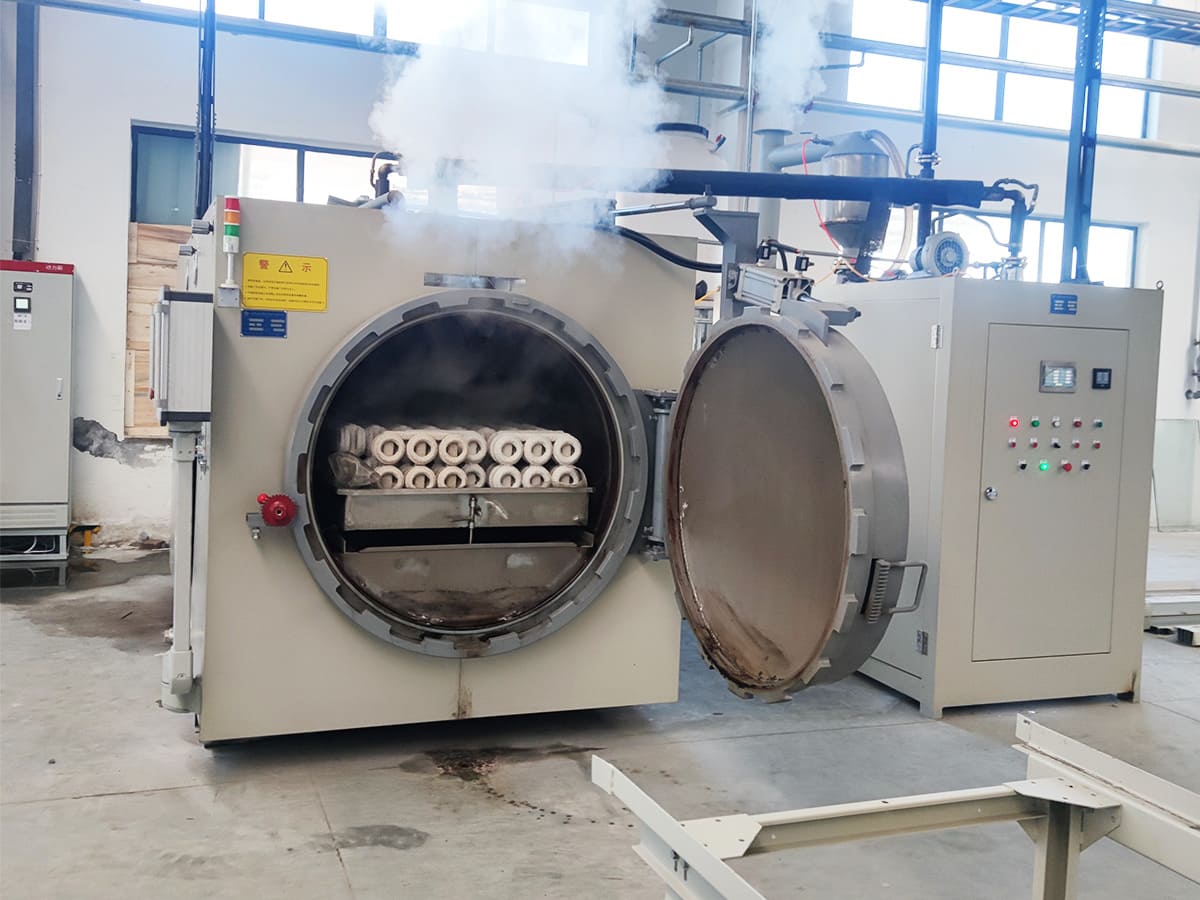
The Role of a Dewaxing Autoclave in Investment Casting
In a precision investment casting workflow, a high-pressure dewaxing autoclave removes wax patterns from dried ceramic shell molds before shell firing and metal pouring. Operating under controlled temperature and pressure conditions, the system rapidly melts the pattern wax so it drains cleanly without cracking the surrounding ceramic structure.
Choosing the right equipment directly impacts foundry yield and downstream quality—especially in high-alloy casting applications for aerospace, automotive, energy, and medical components. A properly configured autoclave bridges upstream shell coating and downstream casting-line operations through three core functions:
- Shell Integrity Protection: Controlled pressure and thermal balance prevent wax expansion from fracturing delicate ceramic shells.
- Repeatable Process Control: Stable operating parameters ensure consistent wax removal across batches, supporting strict dimensional tolerances.
- Workflow Continuity: Seamless integration with conveyors, fixtures, and foundry automation keeps production lines moving smoothly toward shell firing and metal pouring.
Define Your Ceramic Shell and Production Needs First
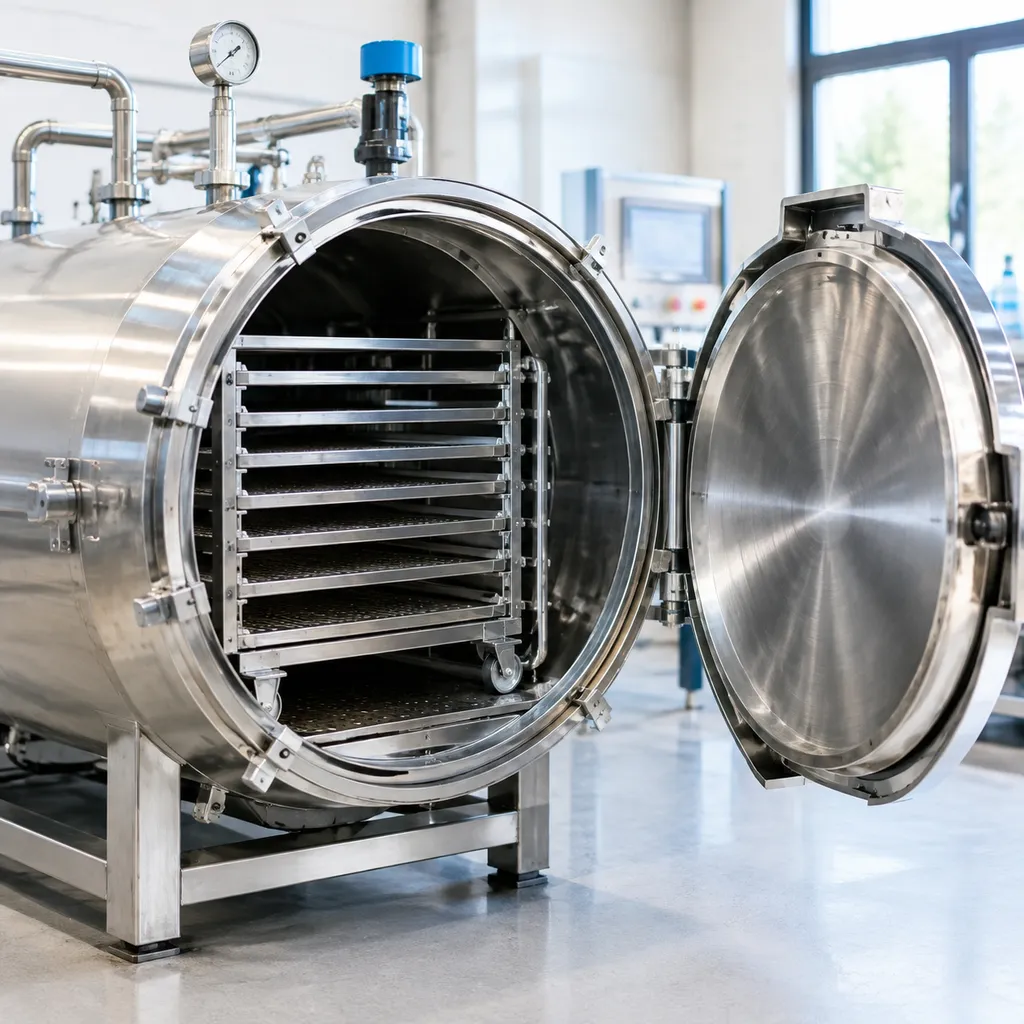
Before comparing equipment specs in any dewaxing autoclave selection guide, I always look at the actual parts and production flow on the shop floor. Equipment size and configuration depend directly on your specific part geometry, alloy requirements, and daily throughput rather than a one-size-fits-all template.
1. Define Shell Outer Profiles and Loading Patterns
Start by mapping the physical dimensions of your built ceramic shell molds after they leave the https://vastpe.com/1200c-energy-saving-burnout-furnace-https://vastpe.com/1200c-energy-saving-burnout-furnace-for-silica-sol-shells/">automated shell coating line.
- Part & Shell Geometry: Measure the maximum height, width, and cluster diameter of your largest wax tree assemblies, including pouring cups and gating.
- Alloy & Process Demands: High-alloy castings used in aerospace, energy, or medical components require strict repeatability and controlled pressure ramp-up so the shell does not crack during wax removal.
- Loading Method: Decide how shells move from fixtures or conveyors into the autoclave. If you plan to use robot integrators or automated material-handling racks, your loading pattern must leave enough clearance for grippers and trays.
2. Calculate Throughput Based on Actual Batch Loads
Do not size an autoclave based on theoretical chamber volume alone. Real foundry output comes down to how many usable ceramic shells fit safely per cycle without touching or blocking steam flow.
- Batch Capacity: Group your current and projected part mix into realistic loading trays to find your true shells-per-batch count.
- Line Balance: Match your dewaxing cycle rate to upstream wax injection machines and downstream shell firing furnaces. Keeping material flow balanced prevents bottlenecks before metal pouring.
- Factory Layout: Check available floor space and ceiling height early so the autoclave door swing, loading carts, and utility connections fit cleanly into your existing layout.
Core Dewaxing Autoclave Selection Criteria
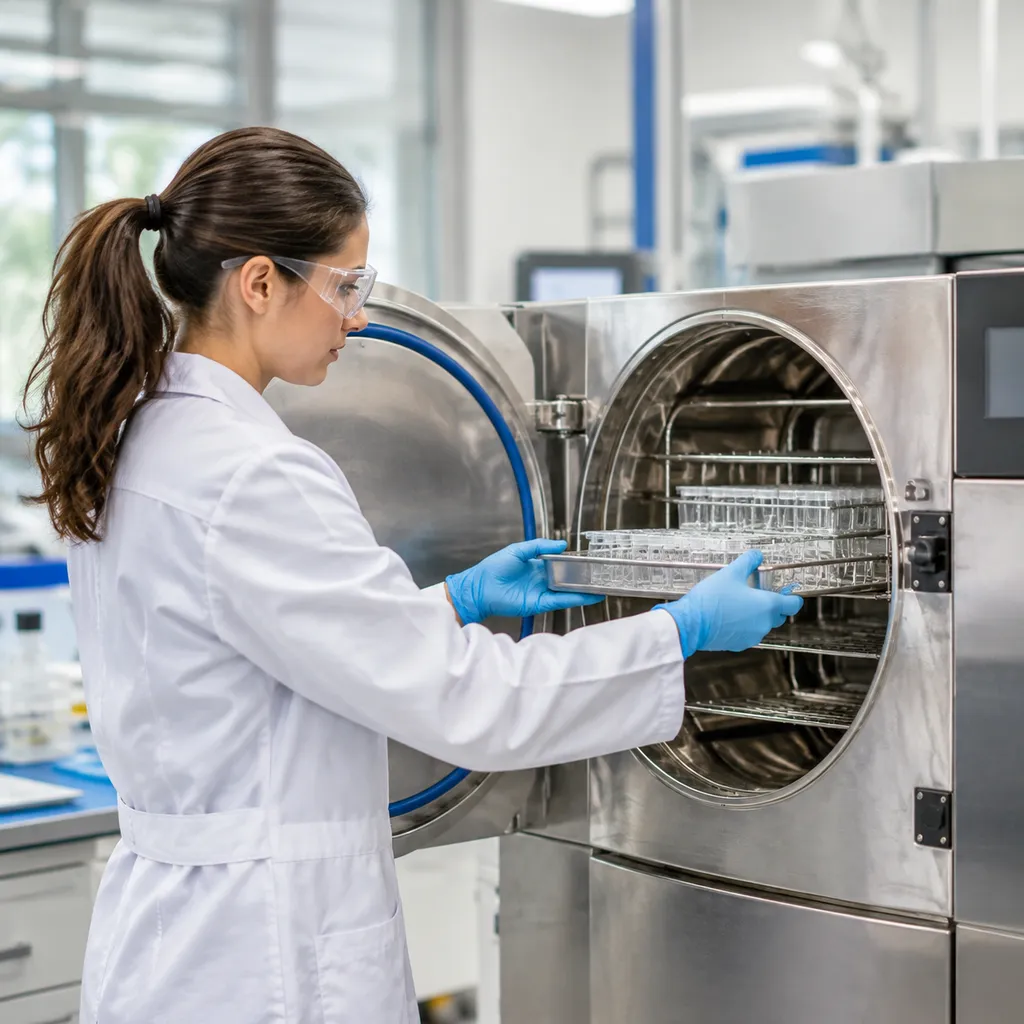
Choosing the right dewaxing autoclave comes down to matching machine capability with your daily production floor reality. In our experience designing investment casting lines, overlooking even one mechanical or utility detail can stall your throughput between shell coating and firing.
Chamber Dimensions and Usable Loading Space
Do not judge a machine by its outer shell size alone—focus on the usable interior space once racks, fixtures, and loading trays are inside. We configure chamber layouts based on your specific part geometry, shell cluster dimensions, and material-handling workflow so shells fit cleanly without crowding or mechanical interference.
- Fixture compatibility: Confirm that your existing trees or robotic loading baskets clear the door opening and interior rails smoothly.
- Custom sizing: When standard dimensions do not fit specialized aerospace or industrial components, look for custom-engineered chamber configurations tailored to your exact factory footprint.
Steam and Utility Compatibility
A high-pressure dewaxing autoclave is only as consistent as the utilities feeding it. Before locking in an equipment spec, verify that your facility's steam supply, power, and floor layout align with the machine's operational demands.
- Factory integration: Review how the unit connects to your existing plant infrastructure during initial layout and material-flow planning.
- Alloy requirements: High-alloy jobs, such as https://vastpe.com/17-4-ph-investment-casting-https://vastpe.com/17-4-ph-investment-casting-precision-stainless-steel-service/">17-4 PH precision stainless steel investment casting, demand steady utility delivery so ceramic shells withstand thermal stress without cracking.
Pressure, Temperature, and Process Control
Controlling temperature and pressure accurately is what separates clean wax removal from cracked ceramic shells. We build our core mechanical assemblies within a 5μm machining and assembly tolerance to keep seals tight and chamber conditions repeatable batch after batch.
- Stable process parameters: Look for automated control loops that maintain uniform high-pressure conditions throughout the cycle.
- Digital monitoring: Modern lines benefit from Industrial Internet connectivity, giving your operators real-time status tracking, cycle data analysis, and early fault warnings.
Wax Drainage and Recovery Systems
Once wax melts out of the ceramic mold, it needs a clear, controlled path out of the chamber. Effective drainage keeps the chamber clean and supports smooth downstream handling before your shells move toward firing and pouring.
- Clean separation: Ensure the collection design prevents blockages and makes routine wax removal straightforward for your floor crew.
- Line continuity: Pair your drainage and discharge setup with conveyors or robot integrators so unloading remains fast and predictable.
Safety Systems and Compliance Review
Operating high-pressure steam equipment leaves zero room for shortcuts on safety or build quality. Always verify that the manufacturer follows strict quality management standards, such as ISO 9001, across component fabrication and final assembly.
- Interlocks and controls: Confirm that door locking mechanisms, pressure relief systems, and automated line controls work together to protect operators.
- Verified engineering: Work with suppliers backed by documented R&D experience and proven safety integration across multi-machine casting lines.
Maintenance, Service Access, and After-Sales Support
Even the most durable equipment requires routine upkeep to protect uptime. Plan enough clearance around the autoclave for technicians to reach valves, seals, and control panels without tearing down adjacent workstations.
- Lifecycle service: Prioritize partners that provide on-site installation, commissioning, operator training, and scheduled preventive maintenance.
- Rapid troubleshooting: Make sure you have access to 24/7 technical support and remote diagnostics so minor faults never turn into multi-day shutdowns.
Supplier Quote Comparison Checklist
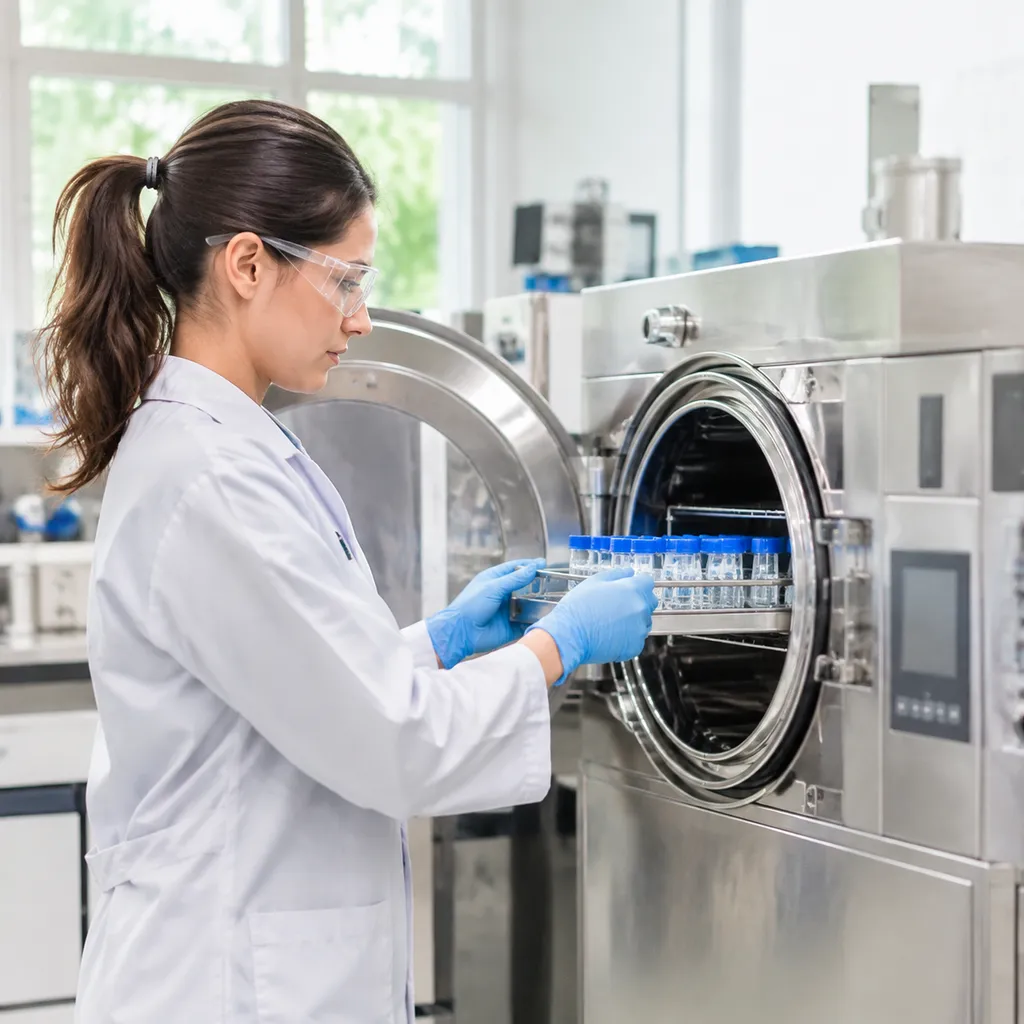
When I evaluate equipment quotes for a foundry line, looking only at the upfront machine price leads to costly surprises down the road. Following a structured dewaxing autoclave selection guide means comparing suppliers on verifiable engineering specs, line integration readiness, and long-term support rather than vague promises.
Use this checklist to compare vendor proposals side-by-side:
| Evaluation Criteria | What to Verify in the Supplier Quote | Why It Matters for Your Foundry |
|---|---|---|
| Manufacturing & Tolerance Standards | ISO 9001 certification and core component machining/assembly tolerances (we hold our core parts to ≤ 5μm) | Tighter machining tolerances protect seal integrity and ensure repeatable high-pressure operation over thousands of cycles. |
| Process Control & Digitalization | Stability of temperature and pressure controls, plus Industrial Internet readiness for remote monitoring and fault early warning | Prevents shell cracking during wax expansion and gives your team early diagnostics before minor issues cause downtime. |
| Customization & Fit | Tailored chamber and load configurations matched to your specific part geometry, production scale, and factory layout | Avoids forcing standard equipment into a space or workflow that bottlenecks your shell coating and firing stages. |
| Automation & Line Integration | Compatibility with robot integrators, conveyors, fixtures, and existing production-line controls | Ensures smooth material flow from upstream 3D printed wax patterns for rapid investment casting or injected trees through shell removal without manual handling gaps. |
| Commissioning & Lifecycle Support | Inclusion of installation, commissioning, operator training, preventive maintenance, and 24/7 technical troubleshooting | Protects your startup schedule and keeps your investment casting line running reliably after handover. |
Before signing off on a purchase order, confirm what is explicitly included in the base quote versus listed as an optional add-on:
- Engineering & Layout Review: Does the vendor review your factory material flow and existing equipment interfaces before finalizing the build?
- Tooling & Fixture Compatibility: Are loading racks or fixtures tailored to your ceramic shell dimensions included in the scope?
- Post-Installation Coverage: Does the supplier back the unit with certified technicians, spare parts access, and remote diagnostic support?
What to Include in Your Dewaxing Autoclave RFQ
When we configure a high-pressure dewaxing autoclave for an investment casting line, a clear request for quotation (RFQ) prevents back-and-forth delays and keeps the quote tied to your actual shop-floor constraints. Following a structured precision casting RFQ checklist for accurate quotes helps ensure our engineering team sizes the equipment accurately from day one.
Include these essential details in your RFQ package:
- Part Geometry & Shell Envelopes: Share representative part dimensions, cluster weights, and the maximum outer envelope of your ceramic shell molds. Note whether you run small precision parts or larger, complex geometries.
- Alloy Types & Industry Standards: Specify if your foundry pours standard steels or high-alloy components for aerospace, energy, automotive, or medical applications, as these dictate process repeatability and traceability needs.
- Target Production Volume: State your required daily or shift output so we can align autoclave batch capacity with your upstream wax injection and shell-building rates.
- Factory Layout & Automation Interfaces: Provide floor-space boundaries, available utilities, and details on existing conveyors, fixtures, or robot integrators that need to connect with the loading and unloading zones.
- Digitalization & Monitoring Needs: Indicate whether your plant requires Industrial Internet integration for remote monitoring, fault early warning, and cycle data analysis.
- Lifecycle & Commissioning Scope: Clarify if you need on-site installation, operator training, preventive maintenance schedules, or integration support with legacy foundry equipment.
Frequently Asked Questions
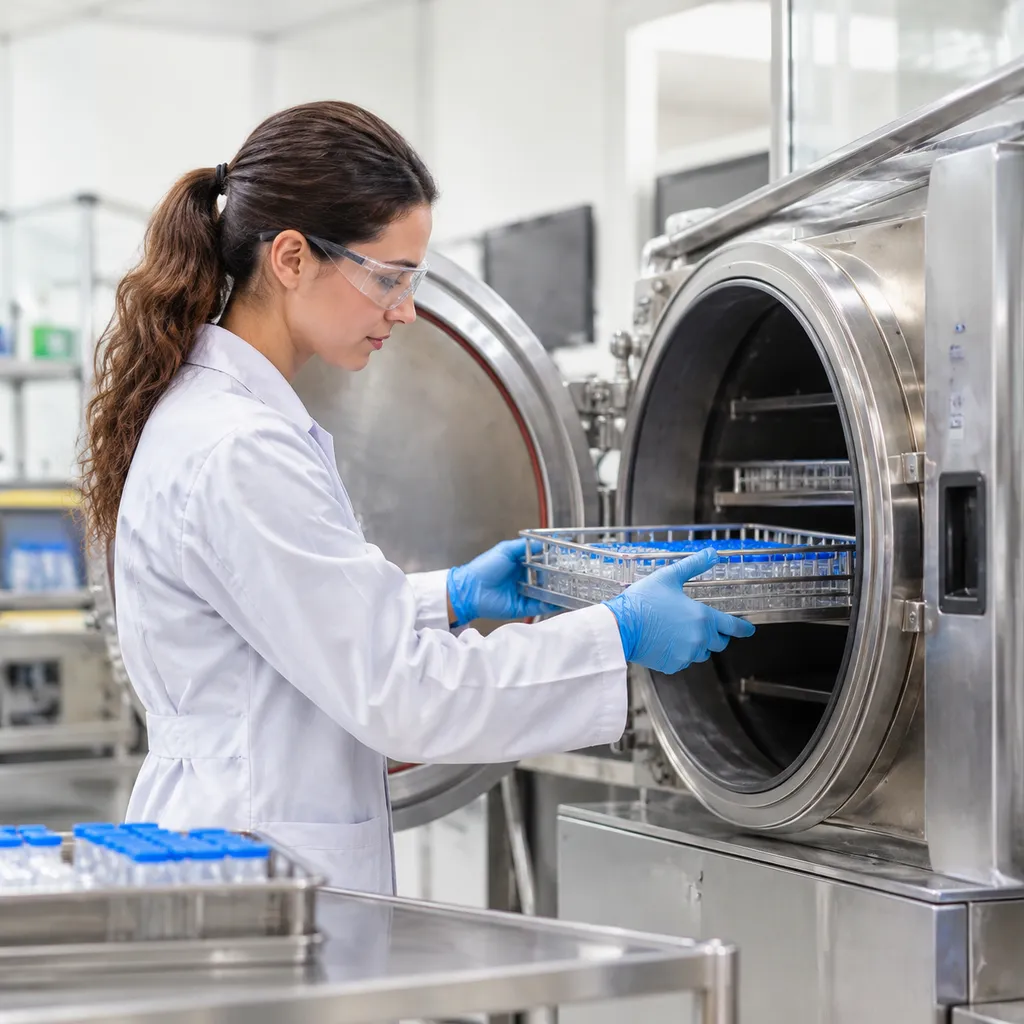
What Is a Dewaxing Autoclave Used For?
In investment casting, a high-pressure dewaxing autoclave removes the wax pattern from ceramic shell molds under controlled temperature and pressure conditions. This critical step prepares the empty ceramic shells for high-temperature firing and subsequent metal pouring, ensuring clean mold cavities for precision parts like https://vastpe.com/416-stainless-steel-https://vastpe.com/416-stainless-steel-investment-castings/">416 stainless steel investment castings and high-alloy components.
Is the Largest Dewaxing Autoclave Always the Best Choice?
No. Selecting an oversized chamber without matching it to your actual production flow creates unnecessary utility overhead and cycle delays. In our engineering practice, we configure autoclave capacity based on your specific part geometry, shell dimensions, and daily throughput so it stays balanced with your upstream shell coating and downstream firing stages.
What Pressure and Temperature Should a Foundry Specify?
Rather than relying on a single universal setting, you should specify controlled temperature and pressure parameters tailored to your ceramic shell thickness, wax formulation, and casting alloy requirements. High-pressure operation with stable, repeatable process controls is essential to melt and evacuate the wax rapidly before thermal expansion damages the ceramic shell—especially when producing demanding parts like https://vastpe.com/https://vastpe.com/4340-steel-casting-high-strength-custom-components/">4340 steel high-strength custom components.
What Information Do You Need to Provide for an RFQ?
To receive an accurate equipment configuration and quote, include the following details in your request: Component & Shell Specs: Part geometry, maximum ceramic shell dimensions, and target alloy types. Production Targets: Expected daily or monthly output volume and batch sizes. Facility Constraints: Available floor space, factory layout, and existing utility infrastructure. Automation Goals: Whether the unit will run standalone or connect to upstream and downstream line controls.
Can a Dewaxing Autoclave Connect to an Automated Production Line?
Yes. We engineer our dewaxing autoclaves to integrate directly with robot integrators, conveyors, fixtures, and centralized production-line controls. When paired with an Industrial Internet platform, the system also supports remote monitoring, fault early warning, and real-time process data analysis across your entire foundry workflow.
Related Foundry Solutions and Technical Resources
To finalize your dewaxing autoclave selection guide evaluation, review how dewaxing fits into your broader foundry setup and alloy requirements:
- Precision Casting Capabilities: If your facility handles specific light-alloy parts or custom components, explore our A356 aluminum investment casting services and DFM review support to align shell building with downstream metal pouring.
- End-to-End Line Integration: Learn more about our engineering team, ISO 9001 quality standards, and full-lifecycle foundry support on the Vastpe company overview page, where we detail custom configuration across wax injection, automated shell coating, and robotic handling.
Submit your shell dimensions, alloy requirements, and factory layout details to our engineering team for a technical process review and custom equipment quote.
 English
 Russian
 German