
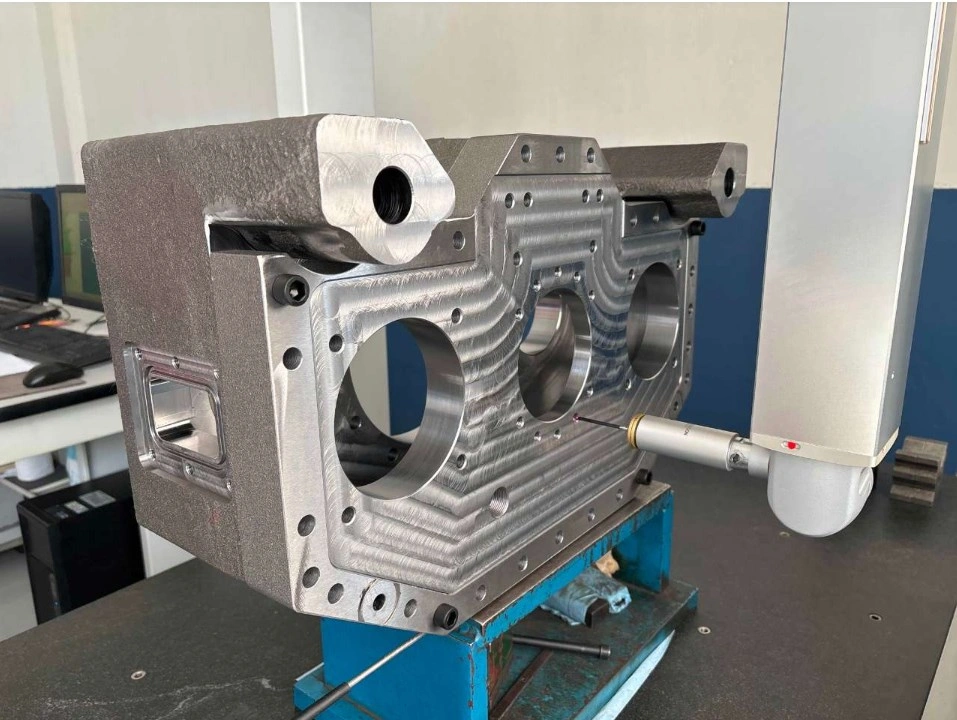
What is Shell Mold Casting?
Definition and Core Purpose
The shell mold casting process is an advanced, highly efficient metal casting technique designed to produce precise, intricate metal parts. At its core, it is an expendable mold process that utilizes a fine, resin-infused sand mixture to form the mold cavity.
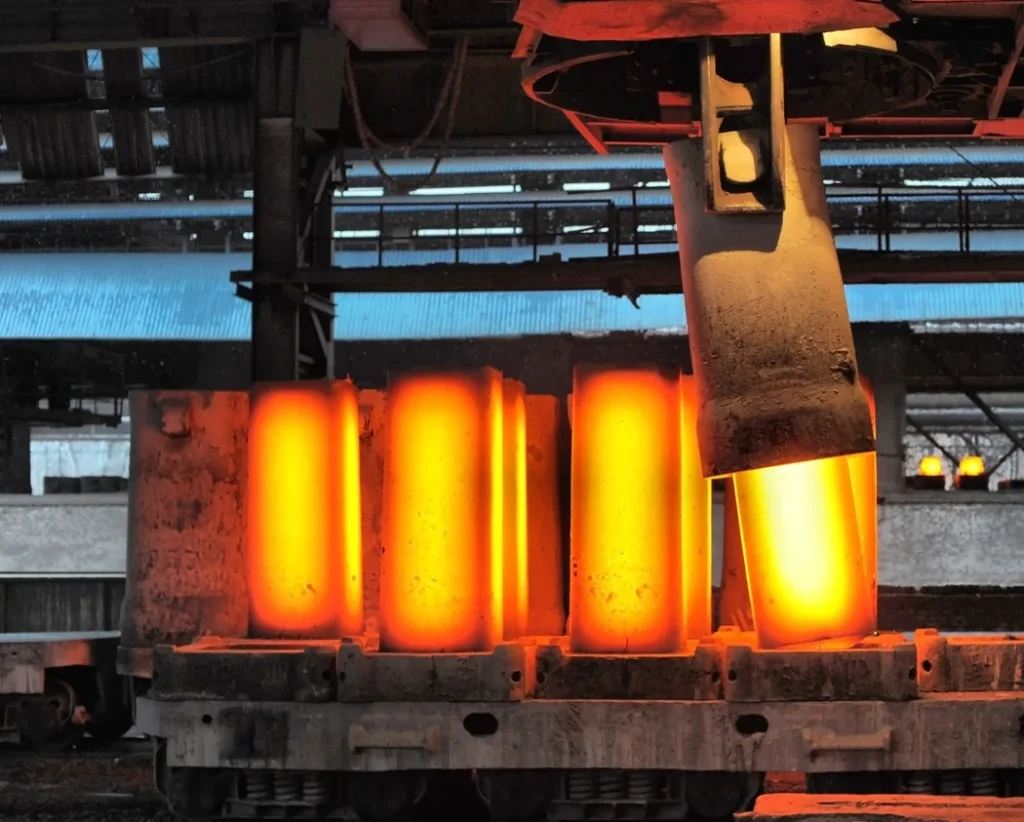
Instead of packing sand into a bulky flask, this method utilizes a heated metal pattern coated with a thermosetting resin binder. Upon contact with the heat, the mixture rapidly cures into a thin, hardened "shell." The core purpose of shell molding is to deliver superior dimensional accuracy and a smoother surface finish than traditional sand casting, making it the ideal solution for high-volume, precision manufacturing without the extreme costs associated with investment casting.
Key Characteristics of the Technique
The shell mold casting process stands out in the modern manufacturing landscape due to several defining traits that guarantee performance and consistency:
- Exceptional Surface Finish: The fine grain of the resin-coated sand ensures a flawlessly smooth mold construction, drastically reducing or even eliminating the need for expensive secondary machining.
- High Dimensional Accuracy: The rigid, baked shell prevents the mold walls from shifting or expanding when molten metal is poured, maintaining strict, reliable tolerances.
- Excellent Permeability: Because the shell is relatively thin, gases generated during the pouring process escape easily. This minimizes internal pressure and eliminates porosity defects in the final cast.
- Scalability and Automation: The streamlined nature of shell molding makes it highly adaptable to mechanized and automated production lines, ensuring rapid cycle times and low scrap rates.
The Step-by-Step Shell Mold Casting Process
To get the best results from shell molding, we follow a strict, repeatable workflow. Here is exactly how we turn raw materials into finished, high-quality metal parts.
Pattern Creation and Mold Construction
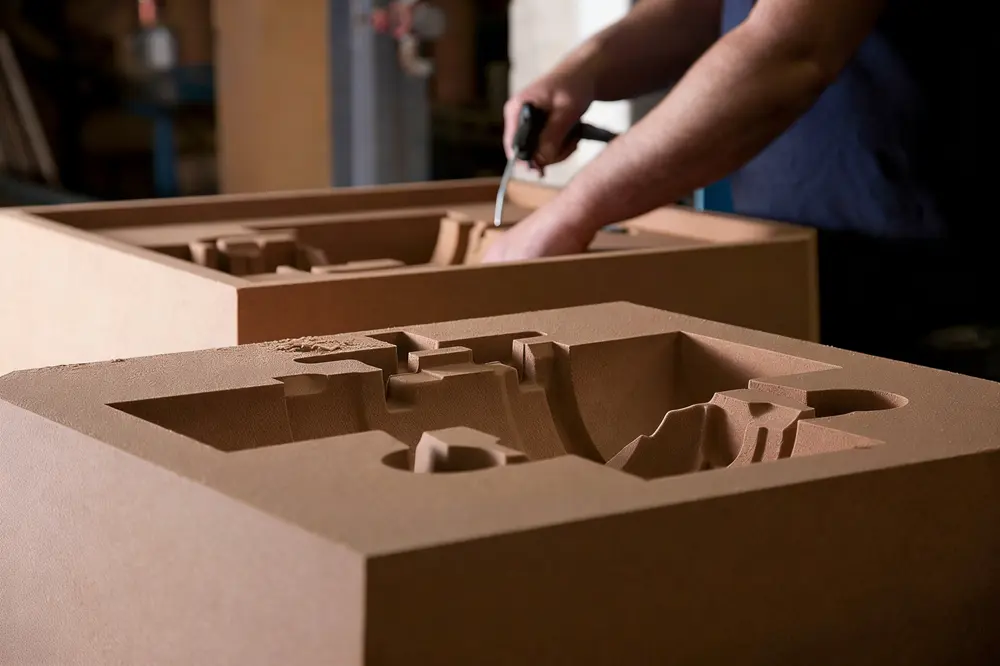
The foundation of the shell mold casting process starts with a highly accurate metal pattern.
- Heating the Pattern: We first heat a precision-machined metal pattern, typically made of iron or steel.
- Applying the Sand: Next, we cover the hot pattern with a specialized mixture of resin-infused sand.
- Curing the Shell: The heat immediately activates a thermosetting resin binder in the sand mix, curing it into a hard, thin shell that perfectly matches the pattern's shape.
Once fully cured, we strip the hardened shell off the pattern. This stage of mold construction creates an incredibly detailed surface finish. If you want to see how this modernized approach compares to older traditional techniques, you can explore our sand mold casting guide to understand the differences in precision and materials.
Mold Assembly and Pouring Molten Metal
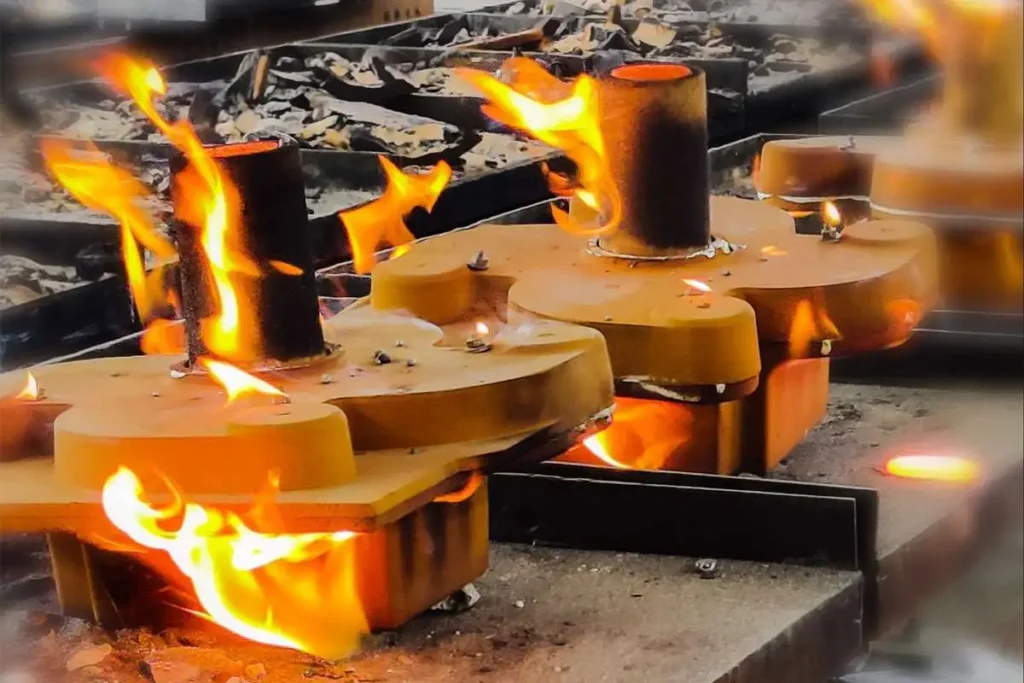
With the shell pieces completed, we move right into assembly and pouring.
- Forming the Cavity: We securely glue or clamp two matching shell halves together. This creates the internal mold cavity where the metal will flow.
- Securing the Mold: Because the shell acts as an expendable mold, it needs backing. We usually place the assembled shell into a flask and pack metal shot or backing sand around it to prevent it from cracking under pressure.
- The Pour: ly, we pour the liquid metal directly into the gating system to fill the cavity.
Cooling and Ejecting the Casting
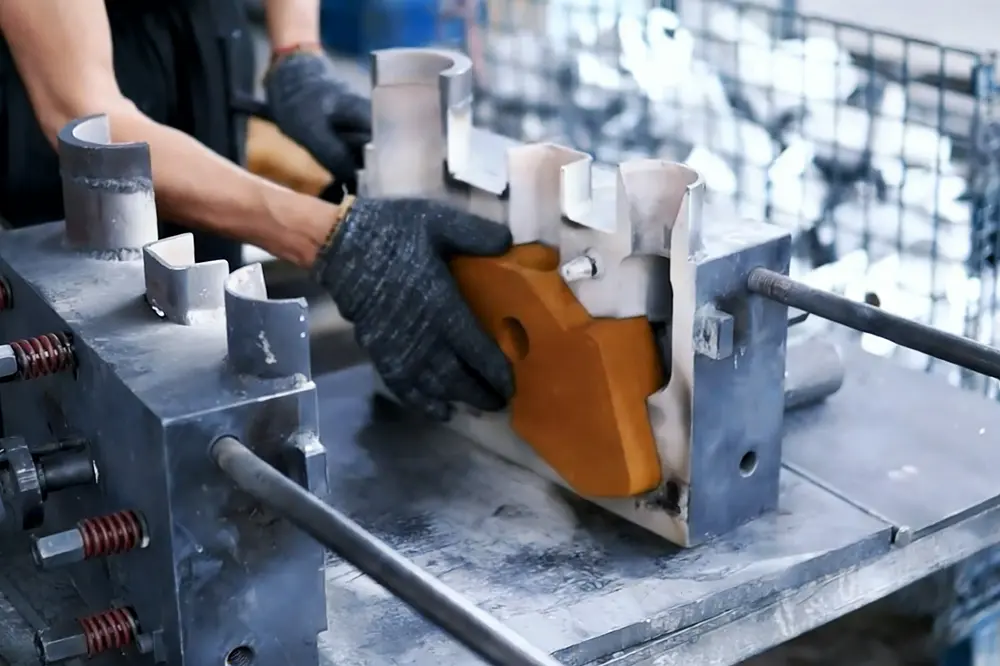
The final steps in this metal casting method require patience and a straightforward finishing process.
- Solidification: We let the molten metal sit and cool naturally. As it solidifies, the intense heat from the metal begins to burn off and break down the resin binder in the shell.
- Breaking the Shell: Because the binder degrades from the heat, the shell becomes brittle and very easy to break apart once everything is at room temperature.
- Ejection: We break away the remaining sand, eject the solid metal casting, and trim off the excess gating material. The part is then ready for final cleaning or machining.
Common Metals and Materials in the Shell Mold Casting Process
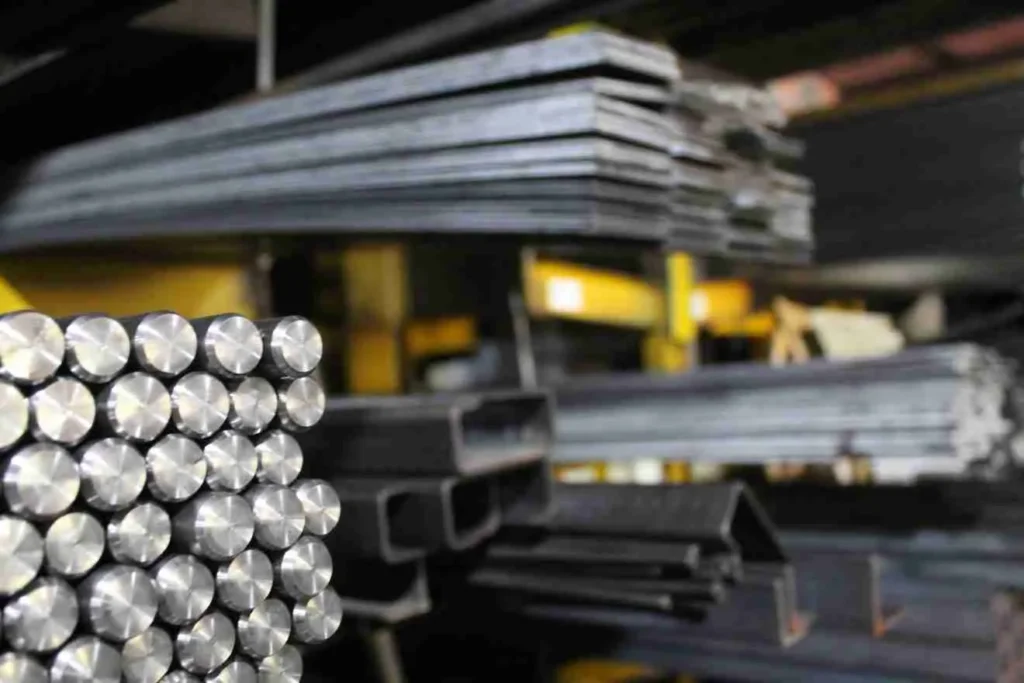
In our experience with industrial metal casting, the shell mold casting process offers incredible flexibility when it comes to material compatibility. Because the thermosetting resin binder creates a tough, heat-resistant shell, we can pour a wide variety of molten metals into the mold cavity without breaking down the structure prematurely.
Cast Iron and Various Steels
Ferrous metals are the absolute heavyweights in shell molding. The high heat tolerance of the resin-infused sand makes it perfect for handling these high-temperature pours.
- Gray and Ductile Cast Iron: These are the most commonly used materials in this process. They flow smoothly into the thin sections of the expendable mold, creating highly detailed and durable parts like gearboxes, camshafts, and engine blocks.
- Carbon Steel: Chosen for its excellent strength and structural integrity. While we often utilize carbon steel lost wax casting for extremely complex or miniature geometries, shell molding remains a highly efficient and cost-effective alternative for medium-to-large industrial runs.
- Stainless Steel: Used whenever high corrosion resistance is a strict requirement. The naturally smooth surface finish provided by the shell mold significantly reduces the need for expensive post-casting machining on tough steel parts.
Aluminum and Copper Alloys
While high-heat ferrous metals dominate the space, non-ferrous alloys also perform exceptionally well and provide specific mechanical advantages.
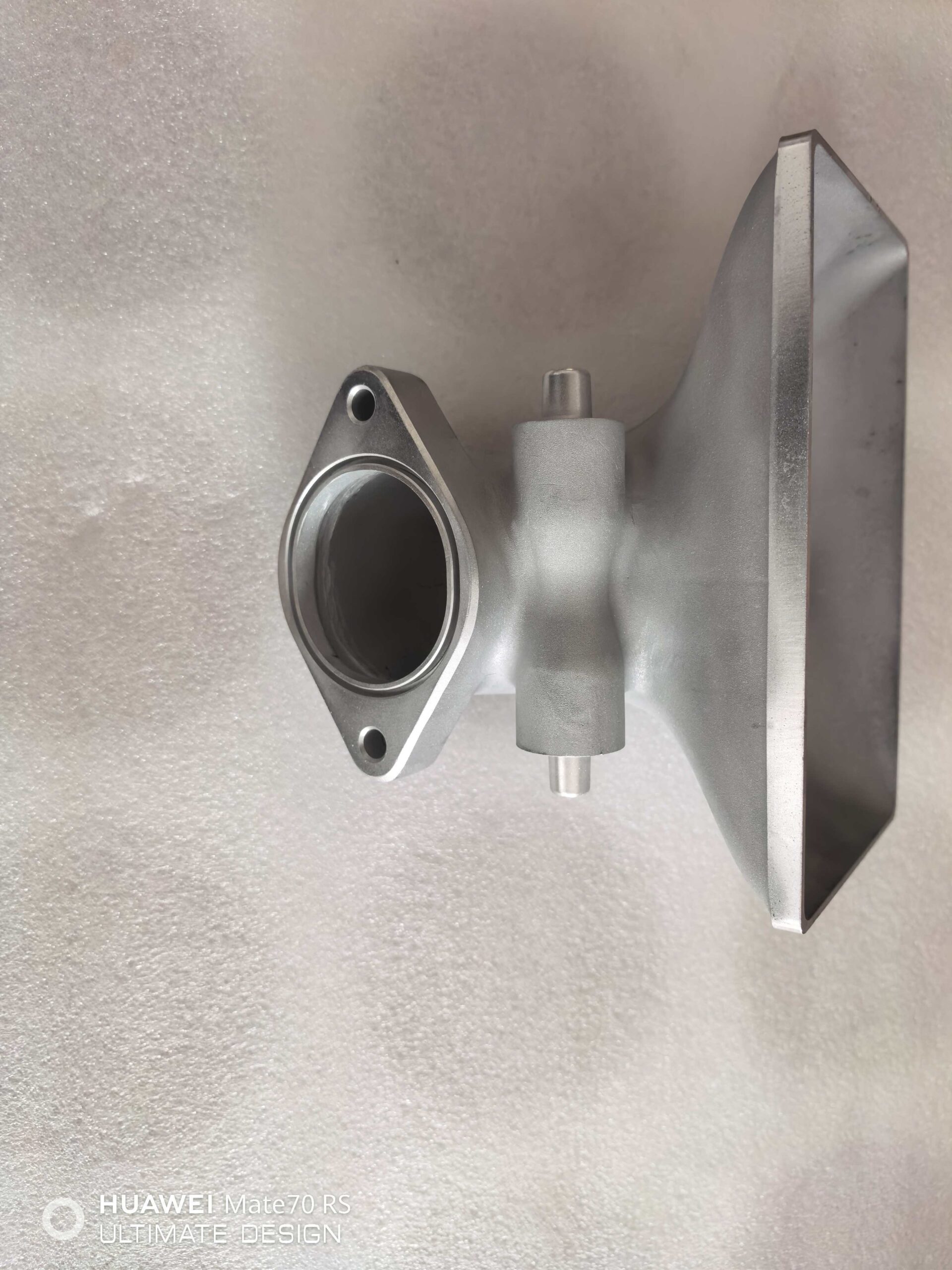
- Aluminum Alloys: Ideal for lightweight manufacturing. The smooth interior walls of the shell mold ensure a very clean surface finish, making aluminum shell casting a go-to choice for specific automotive and aerospace components where weight reduction is vital.
- Copper, Bronze, and Brass: These alloys are specifically chosen for their superior electrical conductivity, thermal properties, and high wear resistance.
Understanding how different metals behave during the cooling phase is crucial for preventing shrinkage or defects. If you are exploring how different metals compare across various manufacturing methods, our comprehensive mold and cast guide breaks down the exact material properties needed for specific industrial applications. As a manufacturer and supplier handling everything from shell molding systems to wax injection machines, I can confirm that matching the right alloy to the right casting environment is the ultimate foundation for production success.
Advantages and Disadvantages of Shell Molding
When evaluating the shell mold casting process for our production lines, it is crucial to weigh both the benefits and the drawbacks. This method has transformed modern metal casting, but it is not a one-size-fits-all solution.
Key Benefits for Manufacturing
The primary draw of shell molding lies in the exceptional quality of the finished parts. Because we cure a strong thermosetting resin binder against a heated pattern, the resulting mold cavity provides superior stability.
- Exceptional Precision: The rigid expendable mold holds tight tolerances, producing highly accurate components right out of the gate.
- Superior Surface Finish: Parts cast this way have remarkably smooth surfaces, which drastically cuts down on the time and cost of secondary machining.
- High Output Potential: The process is perfect for high-volume runs. By integrating reliable automated shell coating equipment, we easily streamline mold construction, reduce manual labor, and maintain consistent quality across large batches.
Current Limitations and Production Costs
Despite its efficiency, the shell mold casting process carries specific limitations, primarily centered around upfront costs and part dimensions.
- Expensive Tooling: The metal patterns required to withstand the heating process are costly to manufacture. This high initial investment makes the method impractical for short, low-volume production runs.
- Higher Material Costs: The specialized resin-infused sand used in this technique is more expensive than the standard green sand utilized in basic metal casting setups.
- Size Constraints: This process is optimized for small to medium-sized components. Casting massive, heavy parts is generally not feasible due to mold handling and strength limitations.
Shell Molding: Quick Comparison
| Key Benefits | Current Limitations |
|---|---|
| Excellent dimensional accuracy and tight tolerances | High upfront costs for heated metal patterns |
| Smooth surface finishes right out of the mold | More expensive resin and sand materials |
| Significantly reduces secondary machining needs | Size and weight constraints for larger parts |
| Highly automatable for large production volumes | Not cost-effective for small batch runs |
Industrial Applications and Examples
The shell mold casting process is a standard solution across major global industries. When manufacturers need excellent surface finishes and tight dimensional tolerances without heavy machining costs, this expendable mold technique is the answer. Because we are a wax injection machine manufacturer and supplier, we understand exactly what it takes to produce high-quality metal casting results at an industrial scale.
Automotive and Aerospace Components
These sectors demand parts that are both precise and incredibly durable.
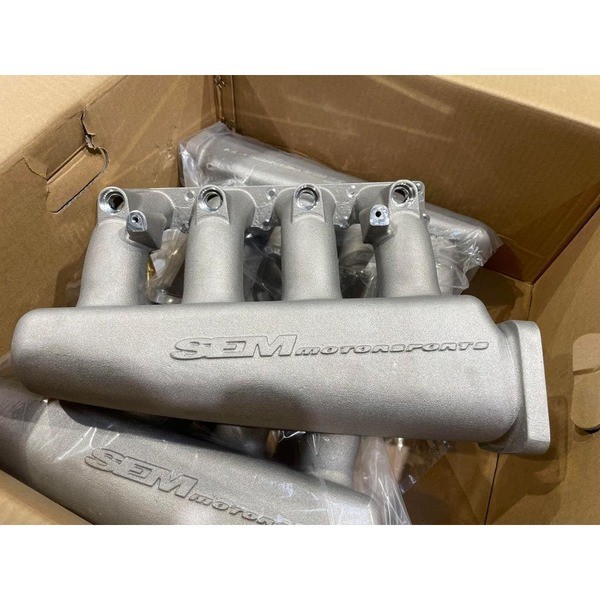
- Automotive: Foundries use shell molding to mass-produce engine blocks, cylinder heads, and transmission housings. The thermosetting resin binder ensures the mold cavity holds its exact shape, even under the stress of high-volume metal pouring.
- Aerospace: Flight-critical components require absolute consistency. To maintain strict quality control and speed up the mold construction phase, many modern facilities integrate an automated shell coating application into their production lines.
Medical Devices and Heavy Equipment
While vastly different in scale, both industries rely heavily on the predictable outcomes of this casting method.
- Medical Devices: Structural components and specialized tools benefit from the clean surface finish provided by resin-infused sand, which drastically cuts down on secondary polishing. Facilities that utilize our wax injection machine setups for pattern creation often run shell molding alongside other precision lines to meet medical-grade standards.
- Heavy Equipment: Industrial machinery requires tough, wear-resistant parts. Shell molding easily produces the heavy-duty gearboxes, valve bodies, and hydraulic cylinders that keep global infrastructure moving.
Shell Molding vs. Other Casting Processes
Choosing the right metal casting method depends on your volume, budget, and tolerance needs. Here is exactly how the shell mold casting process compares to other popular manufacturing techniques.
Shell Molding vs. Traditional Sand Casting
While both methods use an expendable mold, they deliver very different results. The introduction of a thermosetting resin binder in shell molding completely changes the structural integrity of the mold cavity.
- Surface Finish: Shell molding produces a significantly smoother surface, reducing the need for secondary machining.
- Precision: Traditional sand molds can shift, but the rigid crust of shell molding ensures tight dimensional accuracy.
- Mold Construction: Traditional casting requires massive, bulky sand molds. Shell molds use a thin, lightweight shell of resin-infused sand.
For a deeper look at traditional methods, you can compare these benefits against the standard green sand casting process.
Shell Molding vs. Investment Casting
Both are precision metal casting methods, but their approach to mold construction differs entirely.
| Feature | Shell Molding | Investment Casting |
|---|---|---|
| Pattern Type | Reusable metal pattern | Expendable wax pattern |
| Production Speed | Fast for medium-to-high volumes | Slower, multi-step process |
| Part Size | Ideal for medium to large components | Best for ultra-complex, smaller parts |
We are a wax injection machine Manufacturer and supplier, and we know that while a specialized wax injection machine is required for the intricate patterns of high-precision investment castings, shell molding remains the more cost-effective choice for larger, heavier components.
Shell Molding vs. Die Casting
Die casting forces liquid metal into a mold under high pressure, while shell molding typically relies on gravity to fill the mold cavity.
| Feature | Shell Molding | Die Casting |
|---|---|---|
| Tooling Cost | Moderate upfront investment | Extremely high upfront costs |
| Material Range | Casts ferrous and non-ferrous metals | Limited mostly to non-ferrous (aluminum, zinc) |
| Mold Type | Expendable resin-infused sand | Permanent steel molds |
Die casting makes sense for massive production runs of lightweight metals, but shell molding provides much more flexibility when working with tough alloys like steel and cast iron.
FAQs
What differs shell molding from investment casting?
While both provide excellent surface finishes, the shell mold casting process uses a heated metal pattern and resin-infused sand to create an expendable mold. Investment casting relies on wax patterns instead. To understand precision methods better, you can explore the nuances of lost wax casting vs investment casting to see which fits your production line.
Do I need a wax injection machine for this?
No. A wax injection machine is used to make wax patterns for investment casting. Shell molding creates the mold cavity directly over a permanent metal pattern. As a wax injection machine Manufacturer and supplier, we always help our global clients evaluate whether their specific metal casting needs require rigid sand shells or high-detail wax patterns.
How does the mold construction work?
During shell mold construction, we coat a hot metal pattern with fine sand mixed with a thermosetting resin binder. The heat cures the resin almost instantly, forming a rigid, thin shell.
Key benefits of this binder include:
- Fast curing times for higher production rates.
- Exceptional dimensional accuracy.
- Smooth interior walls for better metal flow.
 English
  Russian
  German