If you're trying to decide between die casting vs investment casting for your next project, you're in the right place. Understanding these two powerful casting methods can make or break your product's quality, cost, and turnaround time. This guide breaks down what each process entails, their pros and cons, and how to pick the perfect fit for your design, budget, and production needs. Ready to uncover which casting technique can give your parts that winning edge? Let’s get started!
What is Die Casting?
The Die Casting Process
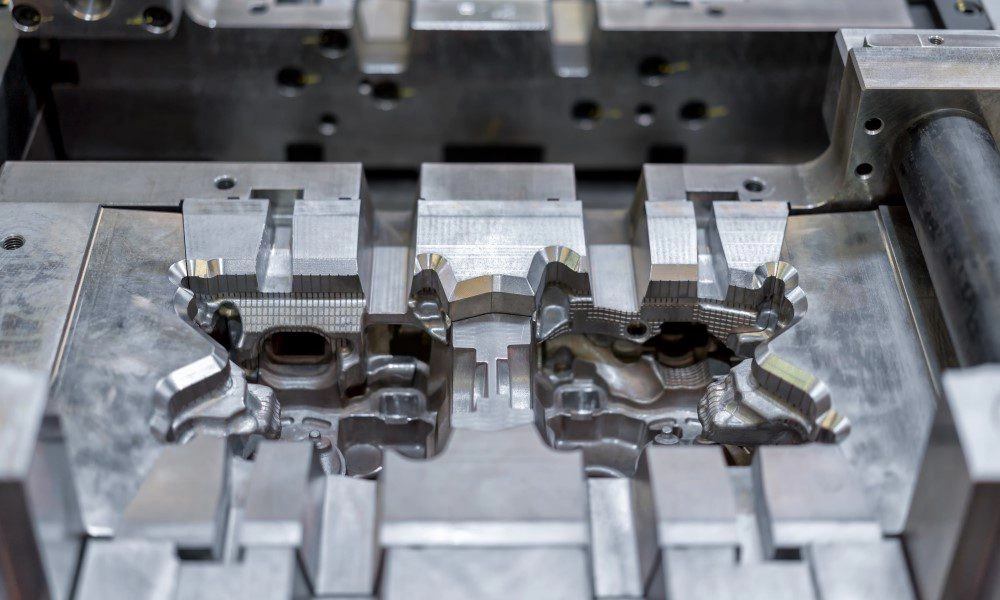
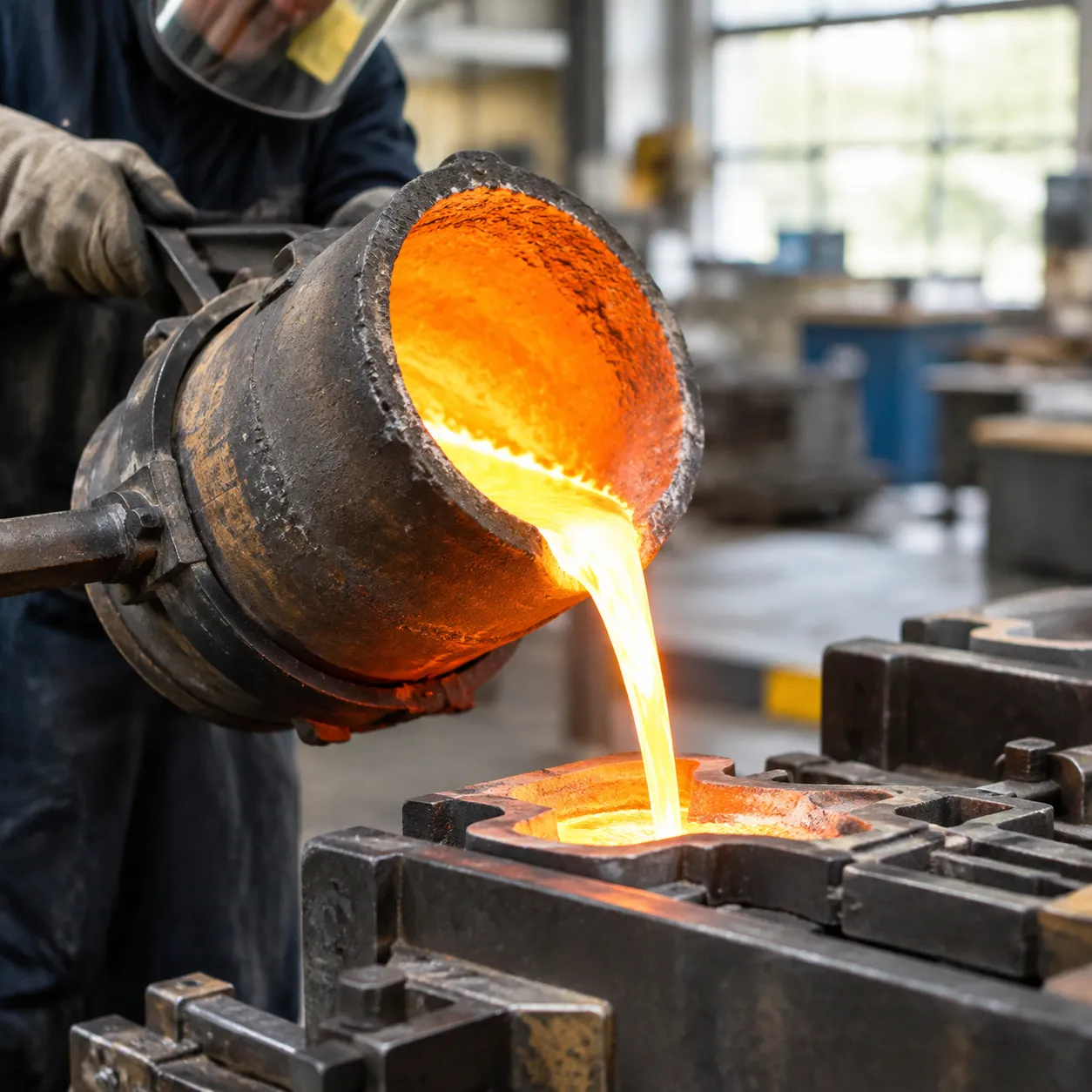
Die casting involves injecting molten metal under high pressure into a hardened steel die cavity. This process utilizes reusable molds that are exceptionally durable, capable of producing between 150,000 to over 1,000,000 shots before requiring maintenance or replacement. The two primary variations in the industry are hot chamber and cold chamber die casting.
Advantages and Disadvantages of Die Casting
- Advantages: Complete automation capabilities (often requiring zero human touch), exceptionally fast cycle times, superior dimensional tolerances, and peak efficiency for high volume production.
- Disadvantages: High initial tooling costs and a strict limitation to non-ferrous metals.
Common Die Casting Applications
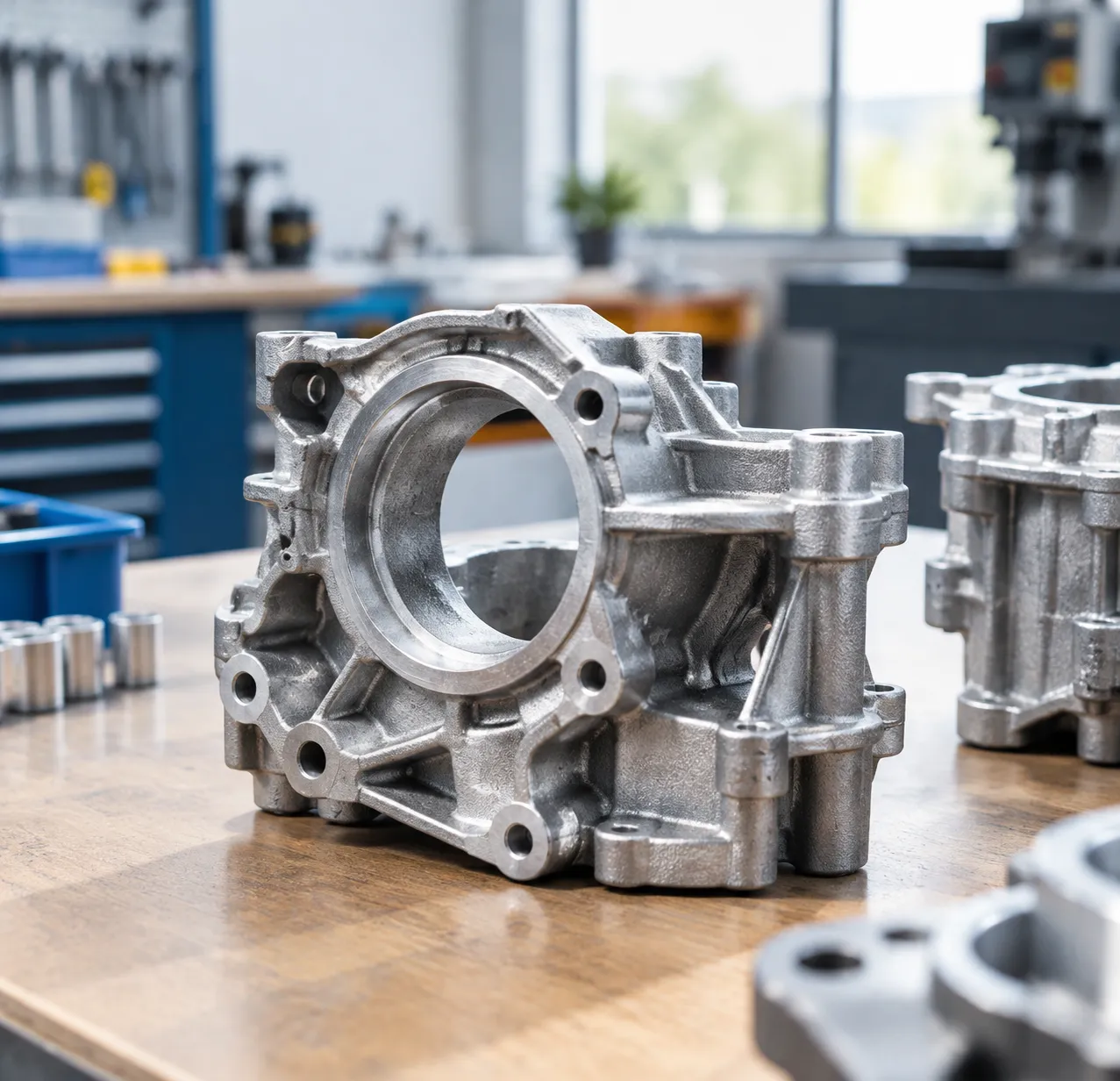
This process is the standard for manufacturing complex, tight-tolerance components requiring rapid, automated output where cost-efficiency scales with volume.
What is Investment Casting?
The Investment Casting Process
Commonly known as the "lost wax" method, investment casting begins with a wax prototype, typically formed by a precision wax injection machine. This prototype is repeatedly dipped in liquid ceramic to form a hardened shell. The wax is then melted out, molten metal is poured into the cavity, and the ceramic mold is broken away to retrieve the part, relying entirely on disposable molds.
Advantages and Disadvantages of Investment Casting
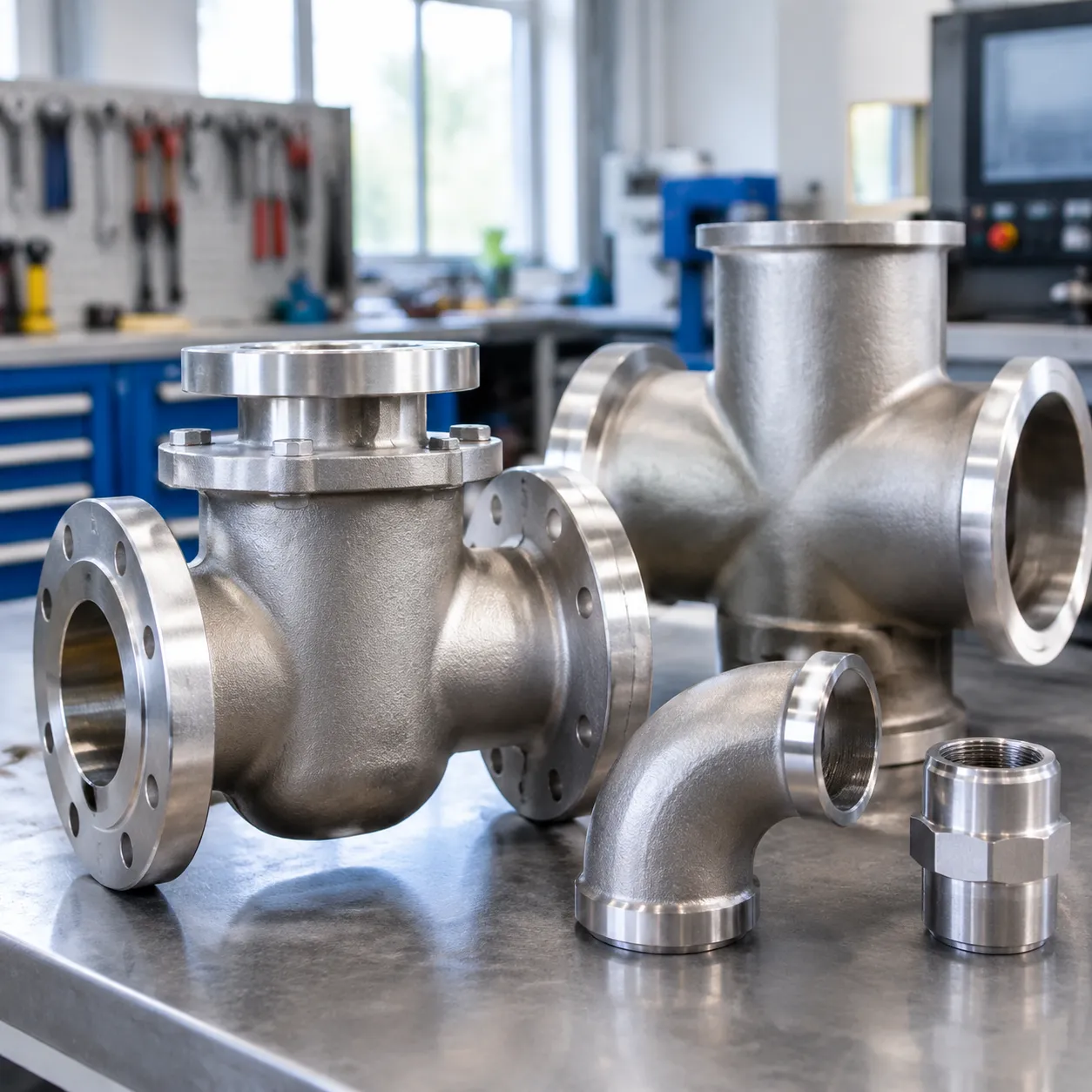
- Advantages: Lower upfront tooling costs, the critical ability to cast ferrous metals (like stainless steel), and suitability for larger sized parts.
- Disadvantages: Traditionally a highly manual, lengthy process resulting in slower cycle times and higher per-unit costs compared to automated methods.
Common Investment Casting Applications
Investment casting excels in low volume projects, structural components requiring heavy ferrous metals, or when casting parts too large for standard die casting parameters.
Key Differences Between Die Casting and Investment Casting
Material Selection and Alloys
- Die Casting: Restricted to non-ferrous metals exclusively (zinc, aluminum, magnesium).
- Investment Casting: Accommodates both non-ferrous metals and ferrous metals (stainless steels, copper alloys).
Design Complexity and Tolerances
When evaluating die casting vs investment casting, precision is a major differentiator. Die casting provides significantly tighter dimensional tolerances, with multi-slide die casting holding even stricter margins.
| Dimension | Die Casting Tolerance | Investment Casting Tolerance |
|---|---|---|
| Up to 25mm | +/- 0.050mm | +/- 0.250mm |
| Up to 50mm | +/- 0.075mm | +/- 0.350mm |
| Up to 75mm | +/- 0.100mm | +/- 0.400mm |
| Up to 100mm | +/- 0.125mm | +/- 0.500mm |
Part Size and Surface Finish
Investment casting is frequently the superior choice for large, heavy components. Die casting dominates the production of smaller, intricate parts requiring near-net-shape finishes immediately out of the mold. While both outpace traditional sand casting in surface quality, die casting generally requires less secondary machining.
Production Volume and Cycle Time
- Die Casting: Achieves 3-4 shots per minute (conventional) and up to 45 shots per minute (multi-slide).
- Investment Casting: A highly manual process with extended lead times, though specialized automation can reduce timelines to as little as one week.
Cost Comparison: Investment Casting vs. Die Casting
Tooling and Setup Costs
Investment casting requires much lower upfront capital for tooling, making it the practical choice for lower production volumes. Die casting demands a heavy initial investment to engineer the hardened steel dies.
Per-Part Manufacturing Economics
Cycle time dictates up to 60% of the final part cost. Because investment casting relies heavily on manual labor and longer cycles, it carries a higher per-part cost. Conversely, die casting achieves an unmatched "break-even" payback period during rapid production runs, driving the unit cost down significantly at scale.
How to Choose the Right Casting Process for Your Project
Assessing Production Volume and Budget
Select investment casting if you are managing low-volume orders, large components, or face strict budget constraints on tooling. Opt for die casting to maximize your ROI during continuous, large-scale manufacturing, where high-speed automation completely offsets the initial tooling investment.
Evaluating Precision and Structural Requirements
If your application demands stainless steel or other ferrous alloys, investment casting is mandatory. If you require exceptional dimensional precision (+/- 0.050mm) and high-speed automation, die casting is the definitive engineering solution.
Frequently Asked Questions (FAQs)
Why is wax used in investment casting?
Wax is easily shaped to create a highly accurate prototype. Once coated in ceramic, it can be seamlessly melted out of the shell to create the exact hollow cavity needed for the molten metal.
Is investment casting suitable for large parts?
Yes. Investment casting is highly suitable for large-sized parts that exceed the physical capacity, tonnage limits, or economic viability of standard die casting equipment.
How can I reduce die casting costs?
You reduce die casting costs by maximizing scale. Because cycle times dictate up to 60% of manufacturing costs, committing to larger production volumes ensures the rapid, automated output quickly amortizes your initial tooling investment.
 English
  Russian
  German