
2026年8月12日
4140 alloy steel high strength heat treatable chrome moly steel for shafts gears and precision parts
4140 Alloy Steel: Grade Overview & Engineering Capabilities
Are your critical mechanical components failing under high torque, impact, or cyclic fatigue? Standard carbon steels often buckle when drive shafts, gears, and hydraulic cylinders face elevated stress. 4140 alloy steel delivers the precise mechanical endurance, deep hardenability, and wear resistance required for severe operational environments.
Material Definition
4140 alloy steel is a versatile, low-alloy chromium-molybdenum steel (Chromoly) engineered for high-tensile strength, impact toughness, and torsional endurance. Chromium provides superior hardenability and wear resistance, while molybdenum ensures uniform hardness through thick cross-sections and prevents temper embrittlement.
- Material Class: Low-alloy high-tensile steel
- Core Traits: High strength-to-weight ratio, exceptional fatigue resistance, and predictable thermal response.
- Common Supply Conditions: Annealed, normalized, or pre-hardened (quenched and tempered).
- Base Density: 7.85 g/cm³
VastPCC Supply & Manufacturing Capabilities
At VastPCC, we engineer and supply high-performance 4140 alloy steel components customized to your exact production tolerances. We integrate raw material sourcing with advanced net-shape manufacturing to cut your lead times, scrap rates, and secondary processing costs.
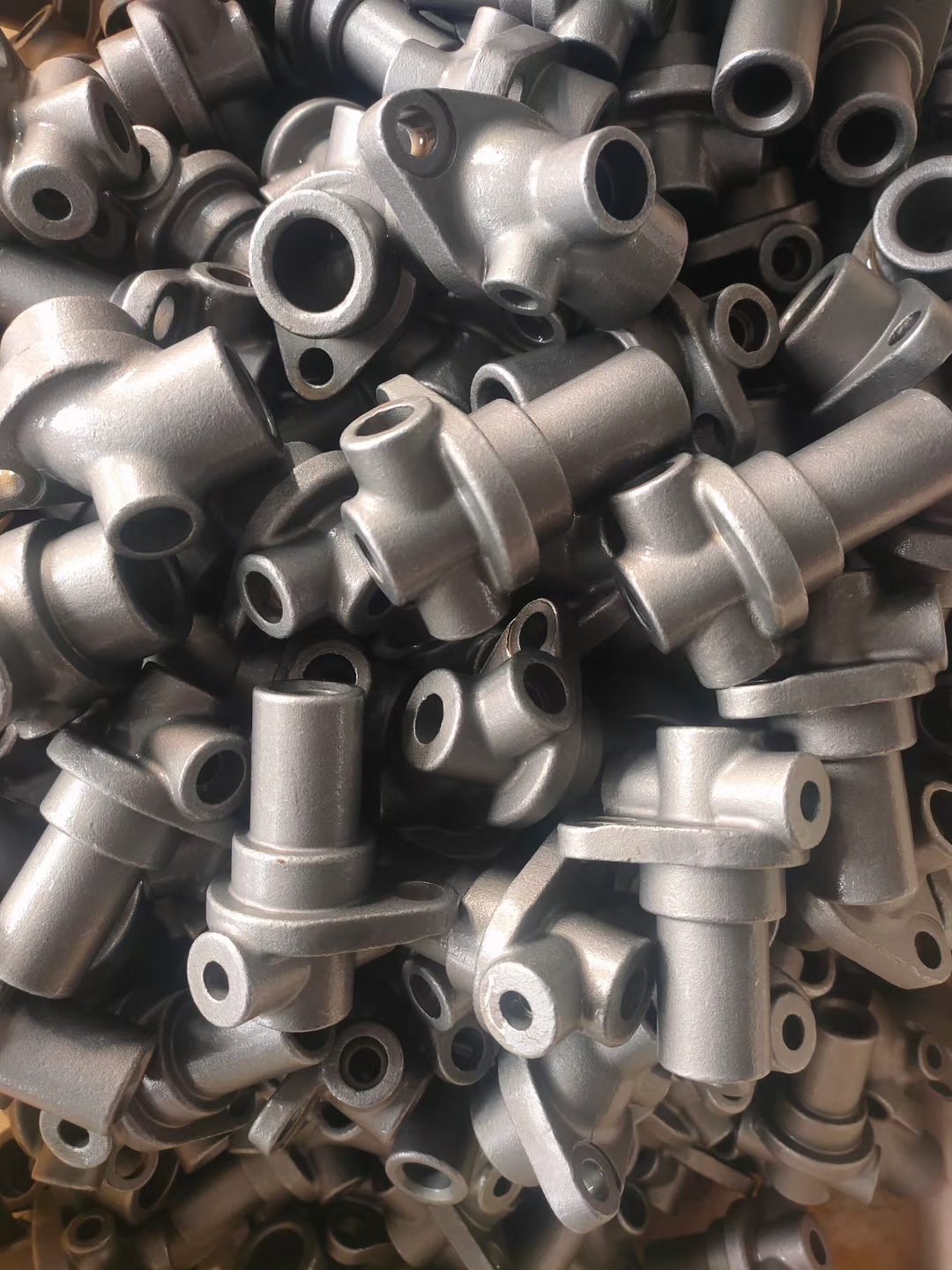
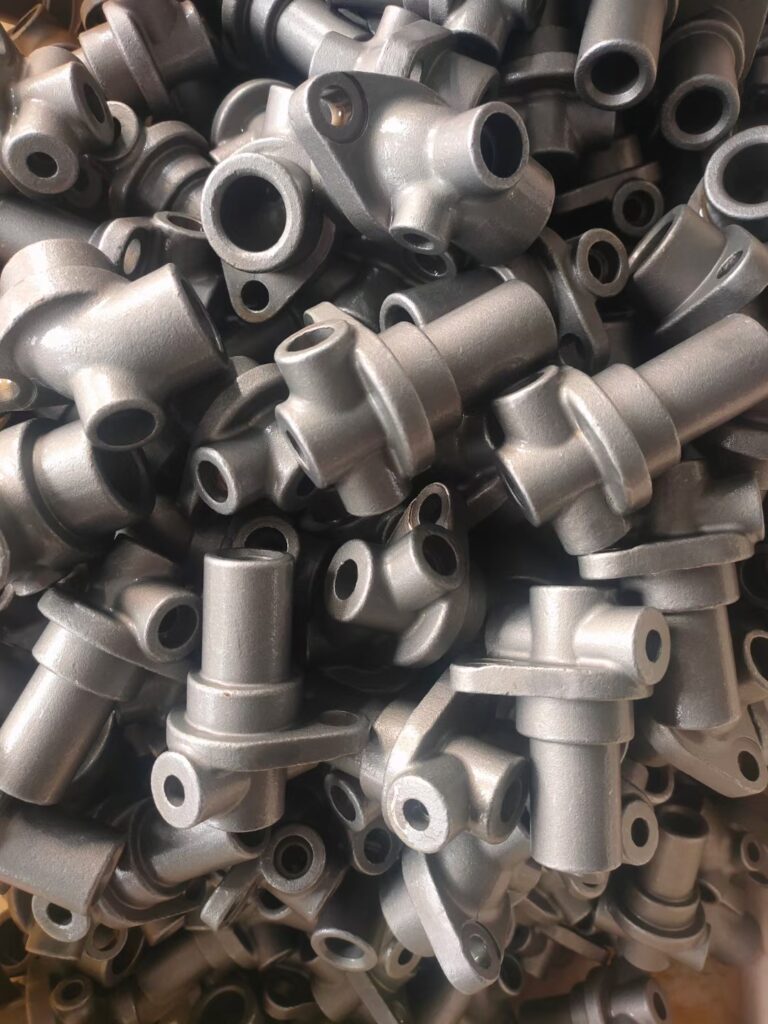
- Precision Investment Casting: We produce complex, near-net-shape 4140 investment castings, cutting secondary machining requirements by up to 40%.
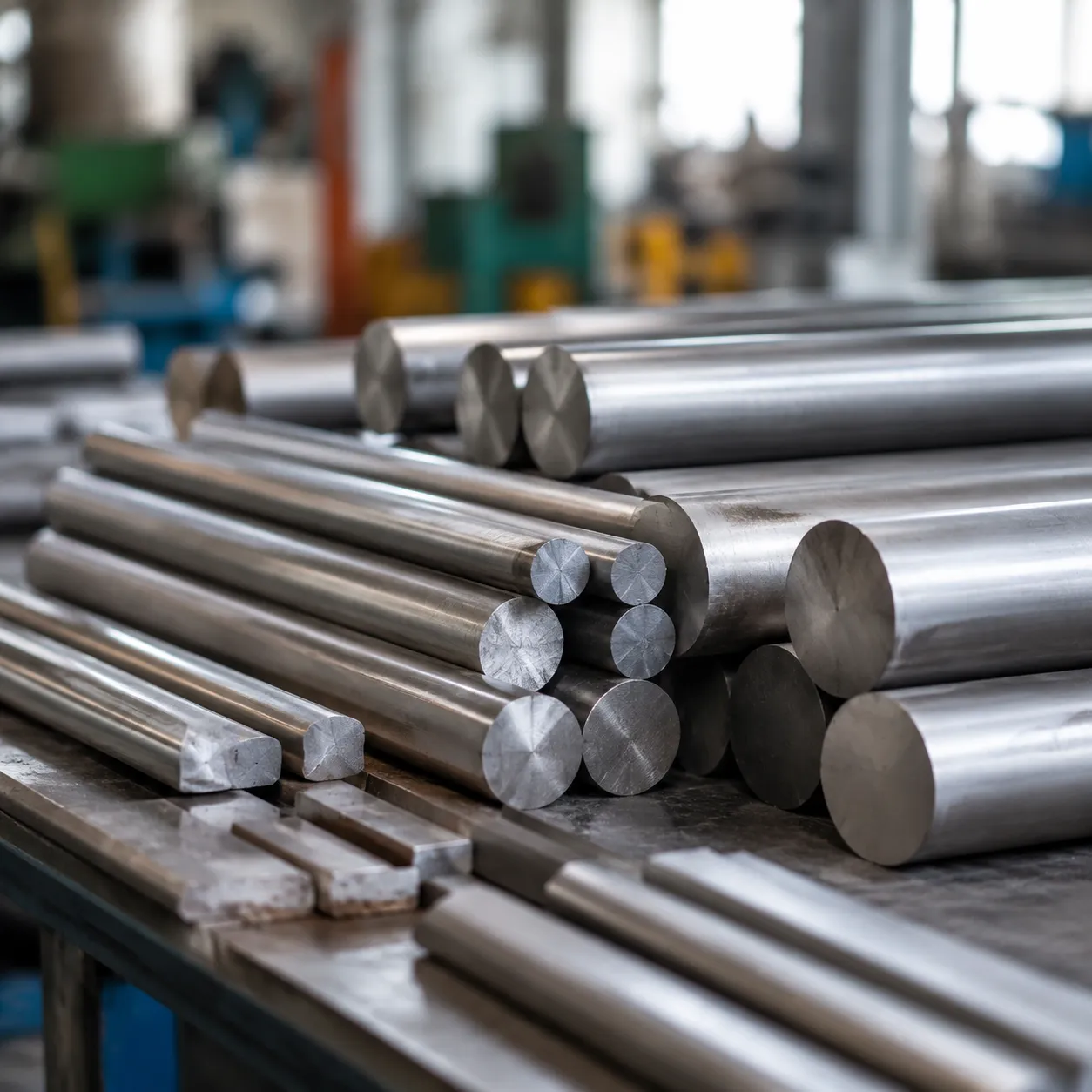
- Versatile Product Forms: We deliver customized castings, forged blocks, heavy plates, and precision-ground round bars.
- Controlled Thermal Processing: We execute tailored heat treatments—including quenching, tempering, stress relieving, and surface induction hardening—to achieve target hardness levels ranging from 28 HRC up to 60+ HRC.
- Quality Assurance & Verification: Every melt batch undergoes optical emission spectrometry, mechanical tensile testing, and non-destructive testing (NDT) to ensure strict compliance with ASTM, AISI, and ISO standards.
4140 Alloy Steel Technical Specifications & Datasheet
We maintain strict quality controls to ensure our 4140 alloy steel meets exact material standards. Below is the complete 4140 mechanical properties datasheet and technical reference for engineering and manufacturing assessments.
Chemical Composition (% by Weight)
The chromium-molybdenum balance gives UNS G41400 high fatigue strength, toughness, and deep hardenability.
| Element | Symbol | Min (%) | Max (%) |
|---|---|---|---|
| Carbon | C | 0.38 | 0.43 |
| Chromium | Cr | 0.80 | 1.10 |
| Manganese | Mn | 0.75 | 1.00 |
| Molybdenum | Mo | 0.15 | 0.25 |
| Silicon | Si | 0.15 | 0.35 |
| Phosphorus | P | — | 0.035 |
| Sulfur | S | — | 0.040 |
| Iron | Fe | Balance | Balance |
Mechanical Properties (Typical Values by Condition)
The 4140 yield strength vs tensile strength ratio changes significantly based on thermal processing. We verify these mechanical standards across various supply conditions using our precision manufacturing and metal casting supply services.
| Material Condition | Tensile Strength (MPa / ksi) | Yield Strength (MPa / ksi) | Hardness (HRC / HBW) | Elongation in 50mm (%) | Reduction of Area (%) |
|---|---|---|---|---|---|
| Annealed | 655 MPa (95 ksi) | 415 MPa (60 ksi) | 197 HBW (92 HRB) | 25.7% | 56.9% |
| Normalized | 1020 MPa (148 ksi) | 655 MPa (95 ksi) | 302 HBW (32 HRC) | 17.7% | 46.8% |
| Quenched & Tempered (Q&T) | 850 – 1150 MPa (123 – 167 ksi) | 680 – 1000 MPa (98 – 145 ksi) | 28 – 42 HRC | 12.0 – 20.0% | 40.0 – 58.0% |
- Impact Resistance (Charpy V-Notch at 20°C): 35 – 55 J (Q&T condition)
- Modulus of Elasticity: 205 GPa (29.7 x 10⁶ psi)
- Poisson's Ratio: 0.29
Thermal & Physical Properties
- Density: 7.85 g/cm³ (0.284 lb/in³)
- Thermal Conductivity: 42.6 W/m·K (at 100°C) / 33.0 W/m·K (at 500°C)
- Specific Heat Capacity: 473 J/kg·K (at 100°C)
- Mean Coefficient of Thermal Expansion (CTE):
- 20°C to 100°C: 12.3 x 10⁻⁶ /°C
- 20°C to 500°C: 13.7 x 10⁻⁶ /°C
- Electrical Resistivity: 223 nΩ·m (at 20°C)
4140 Alloy Steel Heat Treatment & Thermal Processing
We apply tailored thermal processing to 4140 alloy steel to target exact mechanical properties, optimizing the material for high stress, fatigue, and wear. Proper temperature management during each stage prevents cracking, minimizes distortion, and delivers a uniform martensitic microstructure.
Thermal Treatment Procedures
Our standard heat treating cycle for quenched and tempered alloy steel follows precise heating and cooling protocols:
- Annealing: We heat the steel to 830°C – 860°C (1525°F – 1580°F), hold until temperature is uniform throughout the section, and furnace-cool at a controlled rate down to 600°C (1110°F). This yields a soft, workable structure with a hardness of 197–217 HBW for maximum machinability.
- Normalizing: Heated to 870°C – 900°C (1600°F – 1650°F) and cooled in still air. This step refines the grain structure and relieves residual stresses from prior forging or casting.
- Hardening (Quenching): Austenitized at 845°C – 870°C (1550°F – 1600°F) and thoroughly soaked. We perform a rapid oil quench to transform the matrix into high-hardness martensite.
- Tempering: Soaked for a minimum of 1 hour per inch of thickness between 200°C and 650°C (400°F to 1200°F), depending on your final strength and impact requirements.
| Tempering Temperature | Target Hardness (HRC) | Primary Mechanical Characteristic |
|---|---|---|
| 200°C (400°F) | 54 – 58 HRC | Maximum strength and wear resistance; lower impact toughness |
| 400°C (750°F) | 44 – 48 HRC | Balanced high tensile strength with moderate ductility |
| 550°C (1020°F) | 32 – 38 HRC | Standard structural condition; high yield strength and toughness |
| 650°C (1200°F) | 28 – 32 HRC | Maximum ductility, impact energy, and fatigue resistance |
Surface Hardening Techniques
When your design demands high surface wear resistance alongside a tough, impact-resistant core, we apply targeted surface hardening techniques:
- Induction & Flame Hardening: We rapidly heat localized zones (such as gear teeth, pinions, or bearing journals) and quench immediately. This achieves a deep case depth (3 mm to 6 mm) with a surface hardness of 54–58 HRC, while leaving the core ductile in its pre-tempered state.
- Gas & Plasma Nitriding: Because chromium and molybdenum form stable nitrides, AISI 4140 responds exceptionally well to nitriding. We process components at 500°C – 550°C (930°F – 1020°F)—below the final tempering temperature—achieving a surface case hardness of 55–60 HRC equivalent (600–700 HV) with virtually zero dimensional distortion.
Manufacturing, Machinability & Fabrication Guidelines for 4140 Alloy Steel
4140 Machinability Rating
We process 4140 alloy steel in multiple heat-treated conditions. Practical machining performance depends directly on the hardness of the incoming stock:
- Annealed (197 HBW): Base rating of ~65% relative to 1212 steel. Offers ideal chip control, optimal tool life, and predictable feed rates.
- Normalized (285 HBW): Rating drops to ~45–50%. Requires coated carbide inserts, positive rake angles, and controlled cutting speeds.
- Pre-Hardened / HT (30–35 HRC): Rating sits at ~35–40%. Demands high-rigidity machine tools, high-pressure coolant delivery, and reduced depth-of-cut.
Weldability Protocols
Welding AISI 4140 steel carries a high risk of cold cracking and brittle martensite formation in the Heat-Affected Zone (HAZ) due to its high carbon and chromium content. We enforce strict thermal control:
- Preheating: Maintain a constant preheat temperature of 200°C to 300°C (400°F to 600°F) across the entire joint area.
- Filler Metal Selection: Use low-hydrogen consumables such as E11018-M or ER110S-G to match tensile requirements.
- Post-Weld Heat Treatment (PWHT): Perform immediate stress relieving at 600°C to 680°C (1100°F to 1250°F) before the part cools below 100°C, followed by slow furnace cooling.
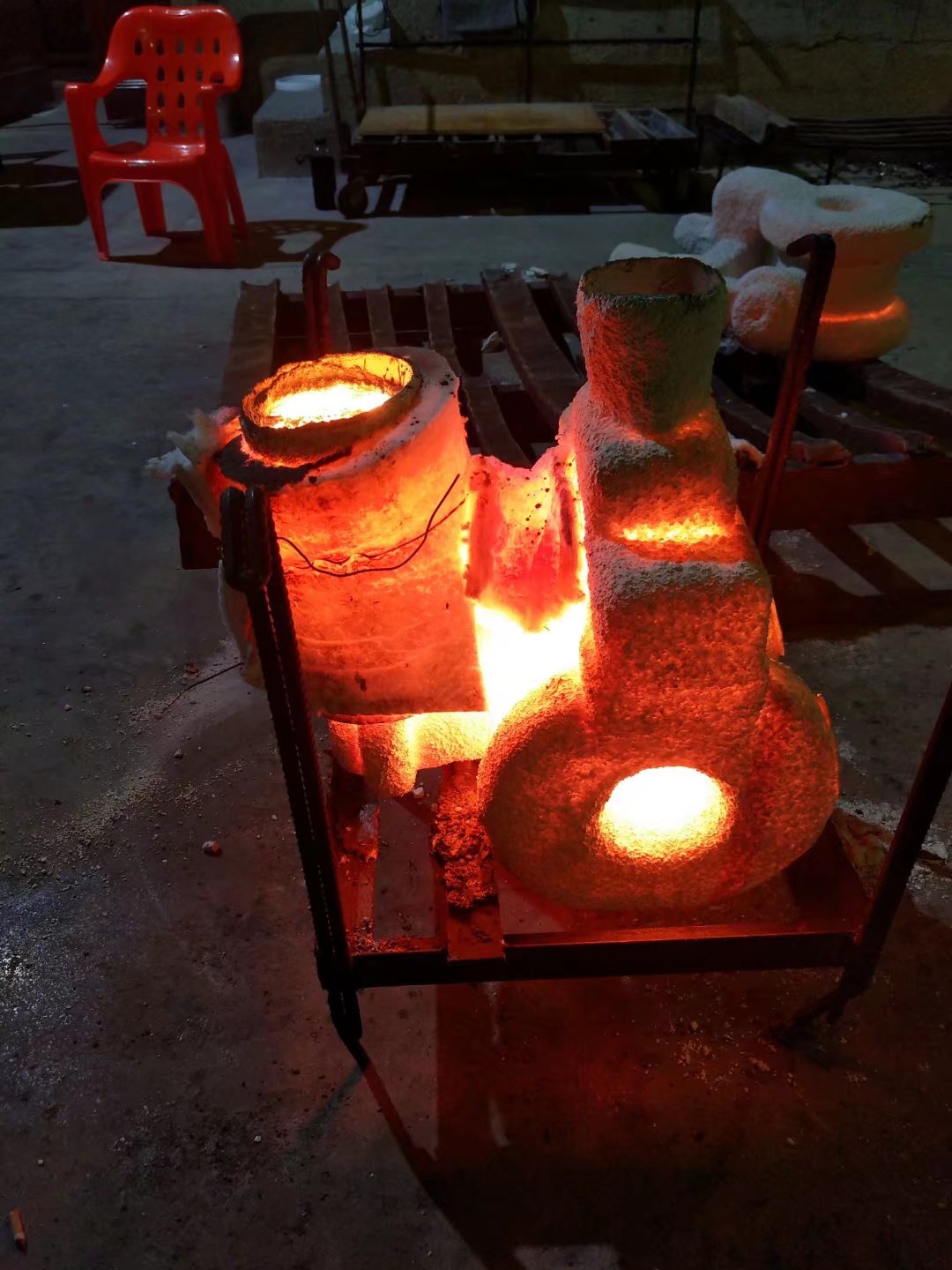
Precision 4140 Investment Casting with VastPCC
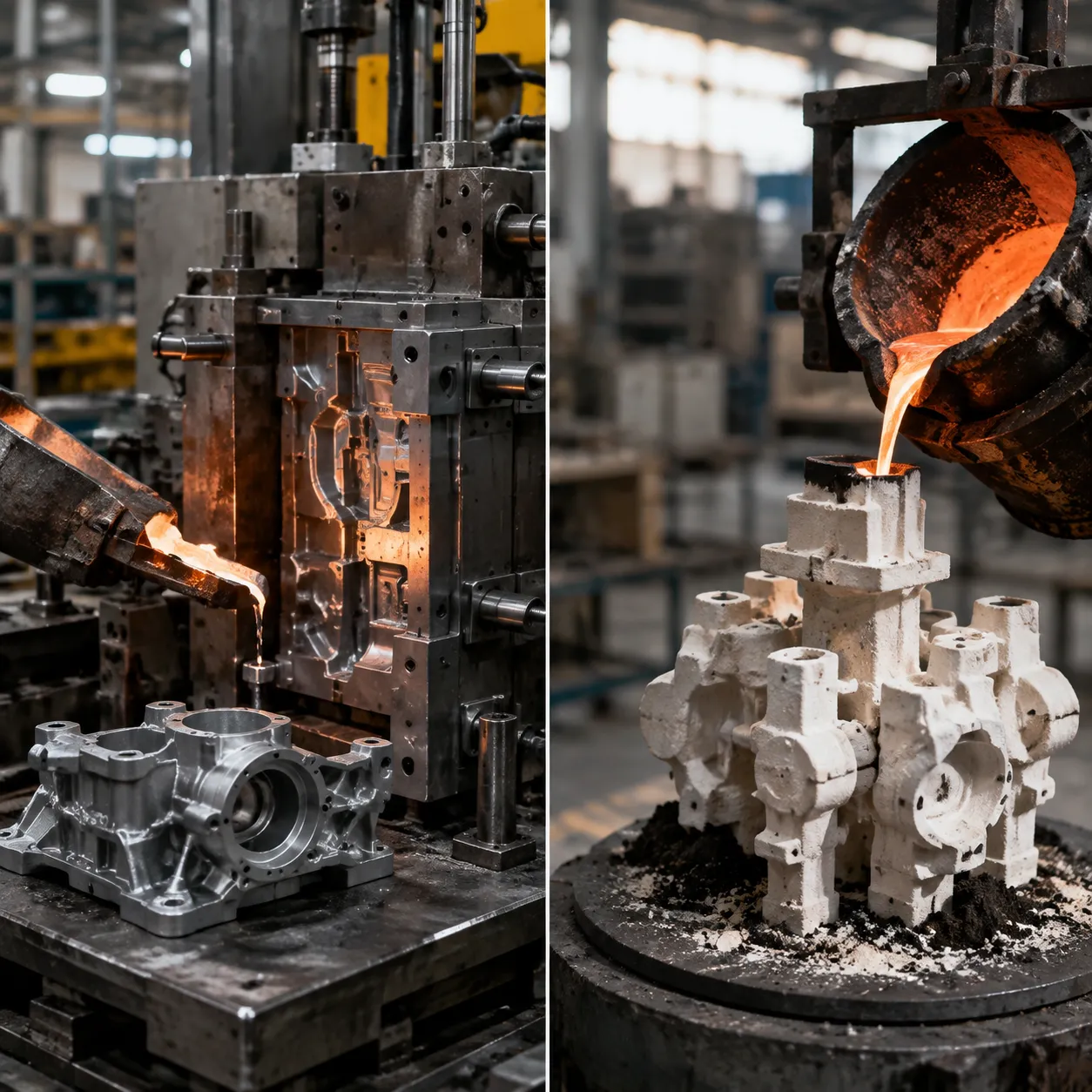
At VastPCC, we eliminate expensive multi-axis machining operations for complex structural geometries through high-precision 4140 alloy steel investment casting.
| Processing Capability | VastPCC Precision Standard |
|---|---|
| Dimensional Tolerance | ISO 8062 CT4 – CT6 |
| As-Cast Surface Finish | Ra 3.2 µm to Ra 6.3 µm |
| Material Utilization | Up to 90% yield (reduces scrap vs. solid bar stock) |
| Thermal Delivery State | Normalized, quenched and tempered (Q&T), or stress relieved |
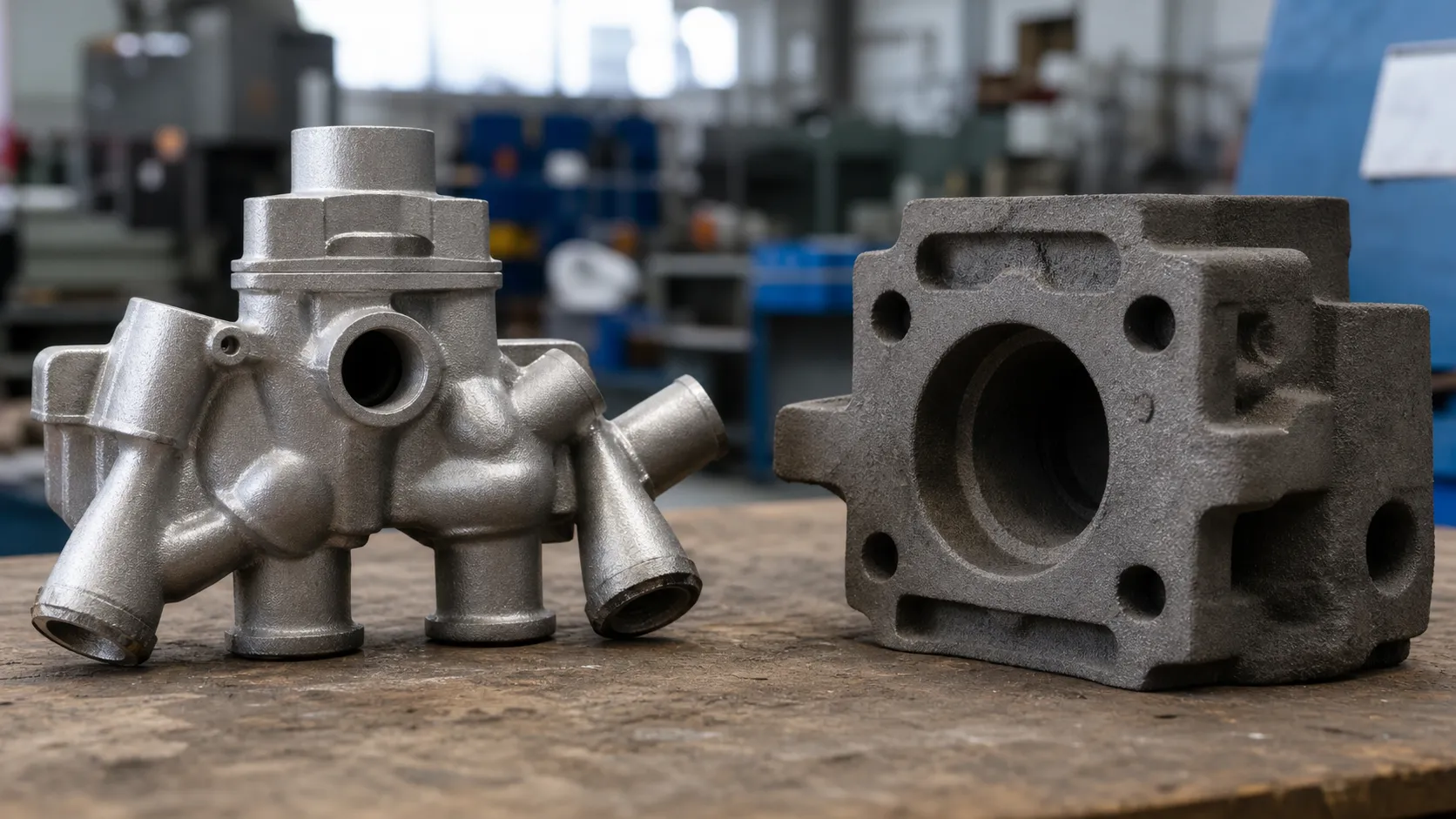
Our near-net-shape investment casting delivers dense, porosity-free component foundations with uniform grain structures ready for minimal finish-machining and final heat treatment.
International Equivalent Standards & Specifications
When sourcing 4140 alloy steel for global manufacturing, matching international grade equivalents is essential to ensure identical chemical, thermal, and mechanical performance. We manufacture and supply components compliant with all major international standards, giving you complete material traceability across worldwide supply chains.
Global Cross-Reference Specifications
The table below outlines the direct cross-reference designations for AISI 4140 steel across major international standards organizations:
| Standard Body | Designation / Grade | Material Number / Notation |
|---|---|---|
| Unified Numbering System (UNS) | UNS G41400 | G41400 |
| AISI / SAE | AISI 4140 / SAE 4140 | Medium-Carbon Cr-Mo Steel |
| European / German (DIN EN) | 42CrMo4 | 1.7225 / 1.7227 |
| Japanese Industrial Standards (JIS) | SCM440 | SCM440H |
| British Standards (BS) | 708M40 / EN19 | EN19 steel grade |
| ASTM Specifications | ASTM A29, ASTM A148, ASTM A322 | Bar, Casting, and Forging Specs |
Key Material Equivalency Notes
- UNS G41400 & AISI 4140 steel: The primary North American grade specification for general engineering, shafting, and structural components.
- European 42CrMo4 (1.7225): Direct EU equivalent matching North American 4140 alloy steel in hardenability, yield strength, and fatigue resistance.
- JIS SCM440: Japanese equivalent standard widely specified in automotive powertrain components, heavy-duty gears, and high-tensile fasteners.
- EN19 steel grade (BS 708M40): British structural alloy grade providing identical performance under quenched and tempered conditions.
Major Industry Applications of 4140 Alloy Steel & Component Design
Aerospace & Defense
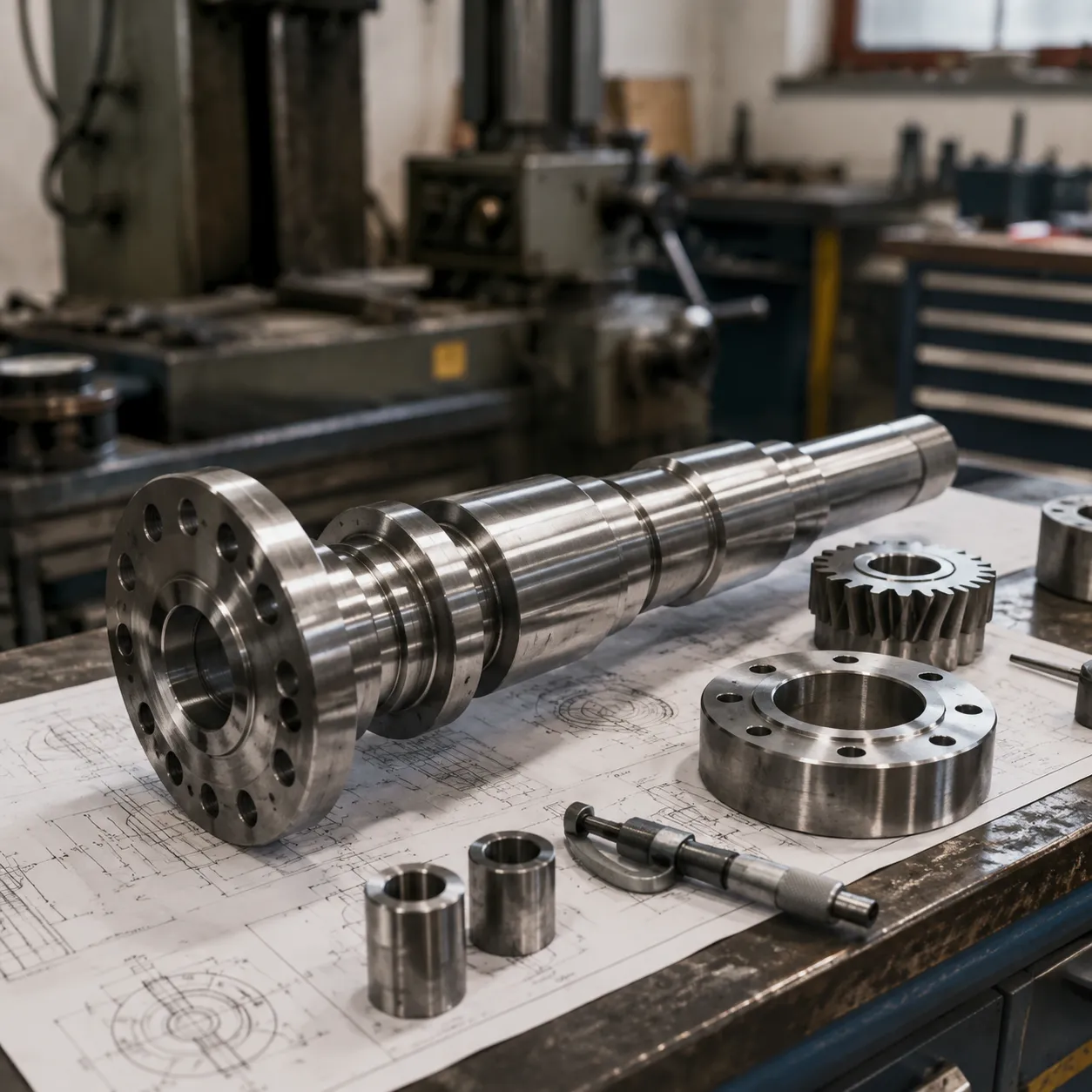
High strength-to-weight ratios and dynamic fatigue resistance make 4140 alloy steel essential for critical aerospace and defense structures. We manufacture parts designed to withstand intense cyclic stress without catastrophic failure. Landing Gear Struts & Actuator Pins: Engineed to withstand severe impact forces with tensile strength targets exceeding 1,000 MPa. Defense Mounts & Fasteners: Precision investment cast structural hardware built for high torsional resistance under operational shock loads.
Automotive & Commercial Vehicles
Heavy-duty drivetrains and commercial suspensions demand materials that prevent flexural fatigue and premature wear. We supply quenched and tempered 4140 alloy steel components engineered for severe-duty performance. Crankshafts & Axle Shafts: Heat treated to 28–32 HRC to provide high fatigue limits and torque transmission capabilities. Steering Knuckles & Drive Pinions: Superior core toughness prevents brittle fracture during sudden impact loads on commercial transport vehicles.
Oil & Gas / Energy Industry
Downhole drilling environments require materials capable of surviving high cyclic stress, severe abrasion, and elevated working pressures. We supply high-tensile 4140 alloy steel built for demanding energy applications. Drill Collars & Mud Pump Components: Machined for deep-well operations handling fluid pressures over 15,000 psi. Wellhead Components & BOP Valves: Meets stringent API performance standards for high-pressure containment and impact toughness.
Tooling & Industrial Machinery
Industrial equipment requires component materials that maintain precise surface tolerances under continuous sliding contact and impact. Hydraulic Cylinder Rods: Surface induction-hardened up to 55 HRC to resist pitting, scoring, and environmental wear. Heavy-Duty Gears & Machine Spindles: Outstanding core toughness prevents gear tooth shear during high-torque startup cycles.
Material Comparison: 4140 Alloy Steel vs. Alternative Steel Grades
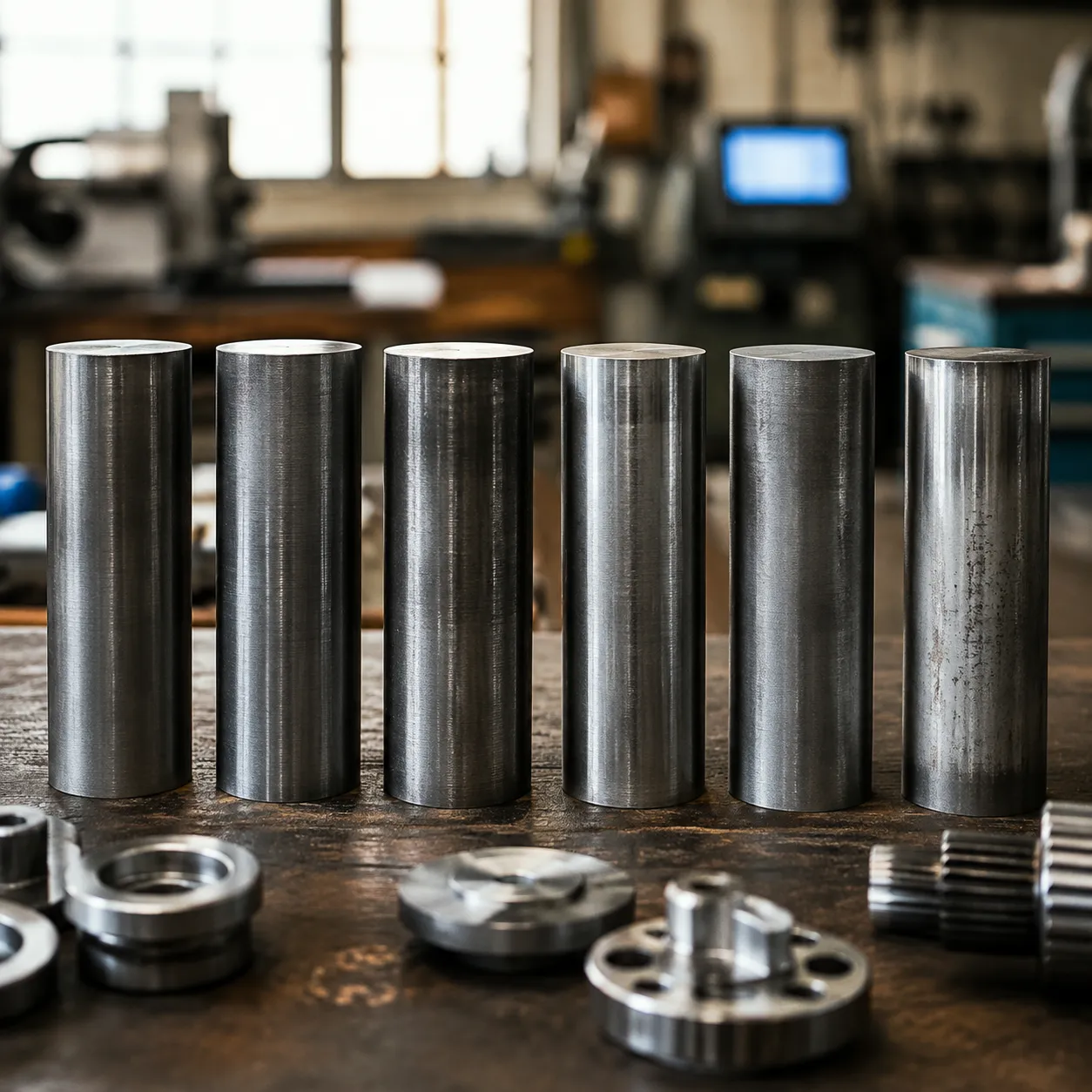
We evaluate 4140 alloy steel against alternative engineering grades to balance strength requirements, section thickness, and manufacturing costs for custom components.
| Property / Feature | 4140 Alloy Steel | 4130 Steel | 4340 Steel | 1045 Carbon Steel |
|---|---|---|---|---|
| Nominal Carbon Content | 0.38%–0.43% | 0.28%–0.33% | 0.38%–0.43% | 0.43%–0.50% |
| Alloying Elements | Cr, Mo | Cr, Mo | Ni, Cr, Mo | None (Plain Carbon) |
| Tensile Strength (Q&T) | 850–1080 MPa | 700–900 MPa | 1100–1280 MPa | 570–700 MPa |
| Yield Strength (Q&T) | 650–930 MPa | 550–750 MPa | 850–1050 MPa | 300–450 MPa |
| Hardness Range (Q&T) | 28–35 HRC | 20–28 HRC | 35–42 HRC | 15–20 HRC (As-Rolled) |
| Weldability | Moderate (Requires Pre/Post Heat) | Excellent | Poor (Requires Strict Thermal Control) | Good |
4140 vs. 4130
- Strength & Hardness: AISI 4140 steel contains higher carbon than 4130, delivering roughly 20% higher tensile strength, deeper hardenability, and elevated fatigue resistance.
- Fabrication: 4130 welds easier without mandatory preheating, making it ideal for thin-wall tubular structures. We specify 4140 alloy steel for thick cross-sections where high core toughness and surface wear resistance are non-negotiable.
4140 vs. 4340
- Section Thickness: 4340 contains 1.65%–2.00% nickel, enabling uniform through-hardening in heavy sections over 3.5 inches where 4140 experiences core strength drop-offs.
- Cost Efficiency: Chromium-molybdenum steel like 4140 provides maximum yield strength per dollar for medium-duty shafts, gears, and investment castings without the nickel price premium.
4140 vs. 1045
- Core Toughness: Plain carbon 1045 lacks chromium and molybdenum, limiting its hardenability and impact toughness under high dynamic loads.
- Thermal Response: Alloy 4140 steel maintains consistent mechanical properties after heat treatment, whereas 1045 suffers steep hardness gradients from surface to core in sections thicker than 1 inch.
VastPCC Quality Assurance, Sizing & Procurement
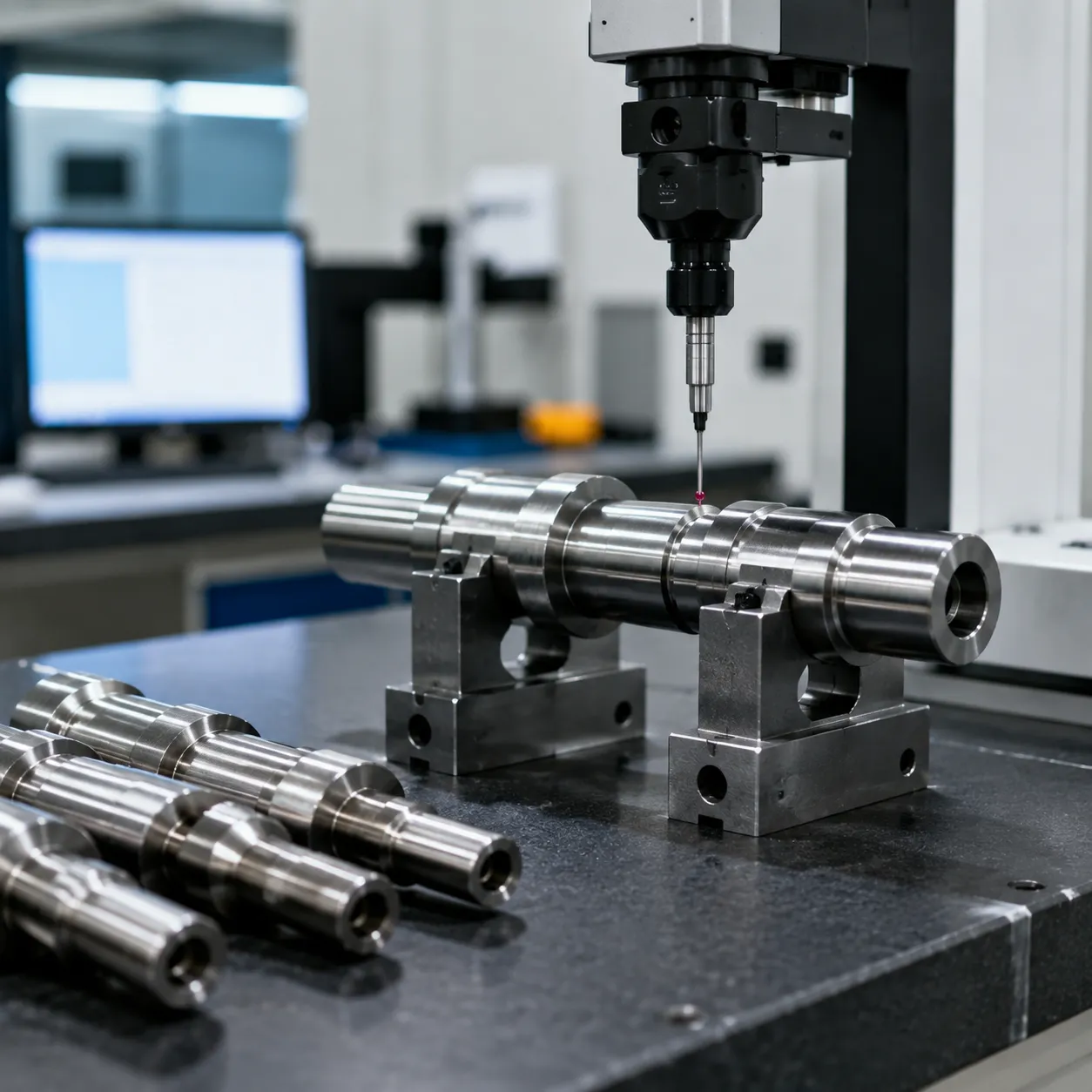
We enforce strict quality control protocols across every stage of 4140 alloy steel processing and casting. From raw material heat verification to final dimensional inspection, our testing infrastructure guarantees complete compliance with aerospace, energy, and heavy machinery specifications.
Quality Assurance & Testing Standards
Every production run of AISI 4140 steel undergoes complete mechanical, chemical, and non-destructive evaluation. We provide full material traceability with EN 10204 3.1 Material Test Reports (MTRs) for every shipment.
| Inspection / Test Type | Standard Protocol | Technical Evaluation |
|---|---|---|
| Chemical Composition | ASTM E415 / OES | Verifies Cr, Mo, C, and trace element tolerances |
| Mechanical Testing | ASTM A370 / ASTM E8 | Yield strength, tensile strength, elongation, and reduction of area |
| Hardness Testing | ASTM E10 / ASTM E18 | Brinell (HBW) and Rockwell (HRC) surface/core profile verification |
| Non-Destructive Testing (NDT) | ASTM E1444 / ASTM E165 | Magnetic particle (MT) and liquid penetrant (PT) crack detection |
| Microstructure Analysis | ASTM E45 | Grain size evaluation and non-metallic inclusion rating |
| Dimensional Verification | ISO 8062 / CMM | 3D laser scanning and coordinate measurement for tight tolerances |
Ordering & Customization Options
We supply 4140 alloy steel tailored to your exact engineering prints and production schedules, reducing raw stock scrap rates and machining cycles:
- Available Stock Forms: Precision 4140 investment castings, hot-rolled round bars, forged blocks, and pre-cut plates.
- Supply Conditions: Annealed, normalized, pre-hardened (28–32 HRC), or custom quenched and tempered (QT) conditions tailored to your targeted yield strength.
- Size Ranges: Investment cast components from 0.1 lbs to 150 lbs; round bars up to 24 inches in diameter.
- Finish Machining & Secondary Operations: In-house CNC finish machining to ±0.0005 in (±0.013 mm), induction surface hardening, gas nitriding, and custom surface plating.
9. Frequently Asked Questions (FAQ)
Can 4140 steel be welded without preheating?
We strongly advise against welding 4140 alloy steel without proper preheating. Because AISI 4140 is a high-carbon chromium-molybdenum steel with high hardenability, welding cold leads to rapid martensite formation in the heat-affected zone (HAZ) and severe hydrogen-induced cracking.
- Preheat Temperature: Maintain 400°F to 600°F (204°C to 315°C) based on wall thickness.
- Interpass Control: Keep interpass temperatures strictly within the preheat range during multi-pass welding.
- Post-Weld Heat Treatment (PWHT): Perform immediate stress relieving at 1100°F to 1200°F (593°C to 649°C) or slow cool in insulated blankets to preserve joint ductility.
What is the maximum hardness achievable for 4140 alloy steel?
Directly after oil quenching, 4140 alloy steel reaches a peak peak-through hardness of 54 to 59 HRC (approx. 550 to 600 HB). However, as-quenched 4140 is extremely brittle and unsuitable for structural loads.
We temper quenched 4140 to specific operational hardness windows based on your performance targets:
- High Toughness & Structural Core: 28 to 36 HRC (110 ksi to 140 ksi yield strength).
- High Wear & Fatigue Resistance: 40 to 48 HRC (increased yield strength, reduced impact energy).
- Surface Hardened (Nitrided or Induction): Up to 55 to 60 HRC at the case surface while maintaining a tough 28 to 32 HRC core.
What is the difference between pre-hardened 4140 (HT) and annealed 4140?
Selecting between pre-hardened (HT) and annealed 4140 steel depends on your machining capabilities and tolerance for post-machining heat distortion.
| Feature / Property | Annealed 4140 | Pre-Hardened 4140 (HT / QT) |
|---|---|---|
| Typical Hardness | 187 to 229 HB (~15 to 20 HRC) | 28 to 32 HRC (280 to 300 HB) |
| Machinability Rating | ~65% (AISI 1212 baseline) | ~45% to 55% |
| Post-Machining Heat Treatment | Mandatory (Quench & Temper) | None required |
| Dimensional Risk | Thermal distortion risk during heat treat | Zero post-machining thermal distortion |
| Primary Application | Deep pocketing, heavy machining, custom heat treat profiles | Finished precision components, structural pins, shafts, gears |
Why choose investment casting over forging for complex 4140 steel components?
While forging works well for simple symmetrical profiles, precision 4140 investment casting with VastPCC delivers superior net-shape design freedom and unit cost reductions for intricate engineering components.
- Near-Net Shape Precision: We cast internal fluid passages, thin-walled ribs, and undercuts that are impossible or cost-prohibitive to achieve via forging and heavy milling.
- Drastic Scrap Reduction: Investment casting cuts raw material usage and eliminates up to 70% of secondary machining operations, preserving cutting tools on hard 4140 stock.
- Fully Homogenized Properties: Through controlled normalizing, oil quenching, and tempering, our 4140 investment castings deliver tensile, yield, and fatigue performance fully equivalent to wrought or forged stock.
 English
  Russian
  German