
2026年10月30日
Leading investment casting equipment manufacturer and supplier offering precision machinery for efficient high quality casting production and reliable
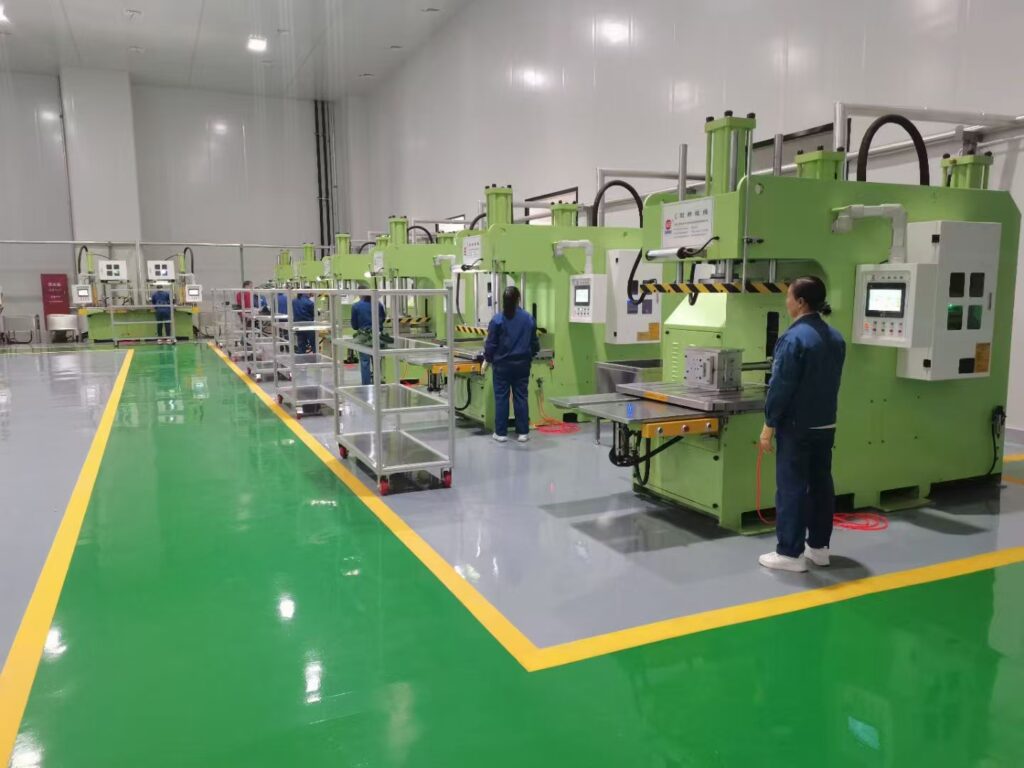
Investment Casting Wax Pattern Equipment
Dimensional accuracy in the final casting starts with the wax pattern. As an investment casting equipment manufacturer and supplier with over two decades of foundry machine-building experience, we build pattern-room equipment engineered to eliminate shrinkage, sink marks, and air entrapment. Our systems give foundry operators complete control over temperature, pressure, and cycle repeatability.
Hydraulic Wax Injection Machines (10T–50T Clamping Force)
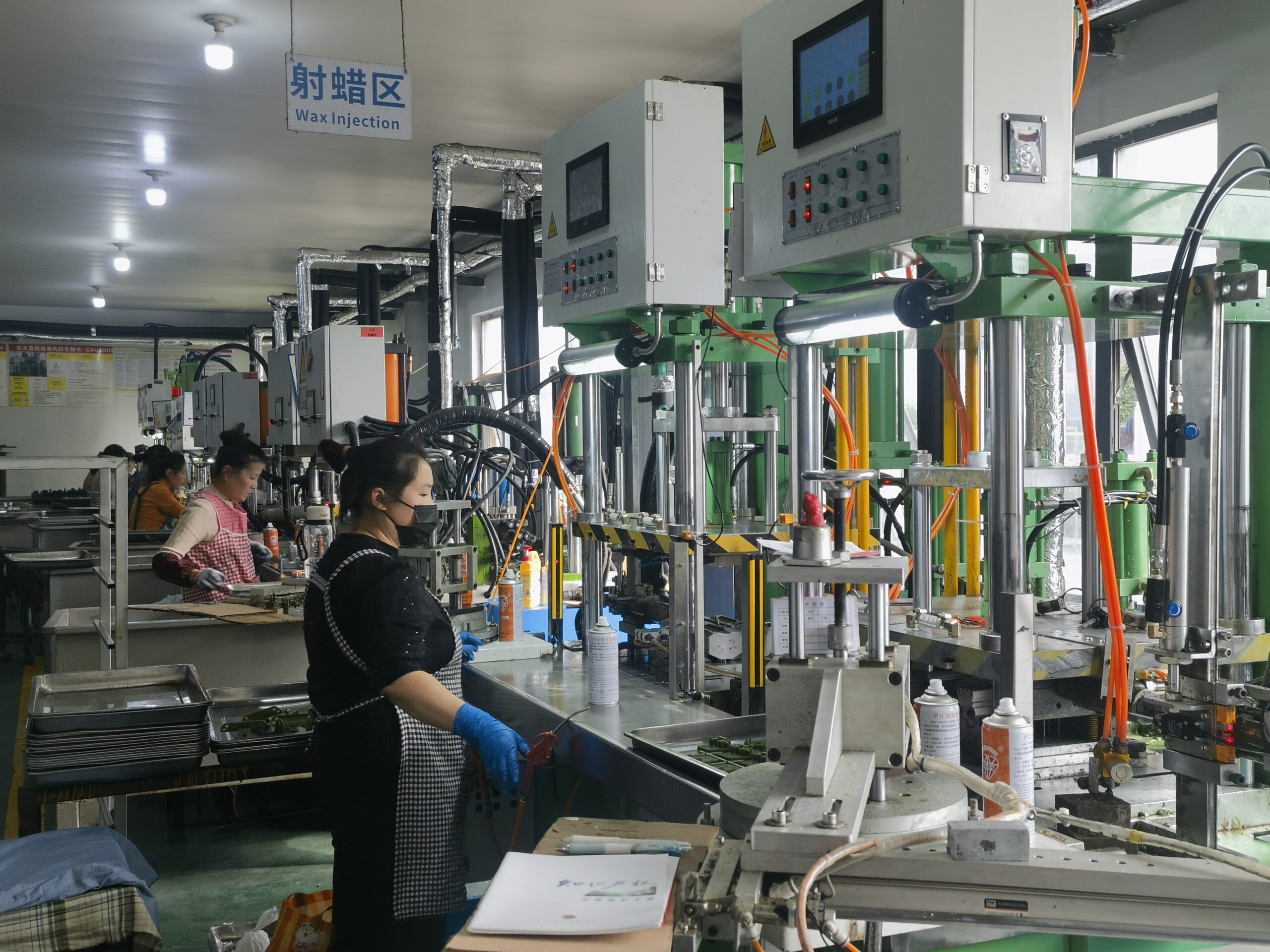
Our semi-automatic and fully automatic hydraulic wax injection machines handle everything from small, intricate medical parts to heavy industrial impellers.
- Clamping Capacity: Available from 10T to 50T rigid C-frame and four-column hydraulic clamp structures to prevent mold parting line flash.
- Injection Control: Closed-loop hydraulic control with multi-stage injection speed and secondary holding pressure settings.
- Automation Ready: PLC touchscreen interface (HMI) stores multiple mold recipes, monitoring wax temperature at the nozzle, reservoir, and delivery lines within ±0.5°C.
- Nozzle Positioning: Multi-axis adjustable injection nozzles ensure rapid alignment to center-pour or side-gated dies.
Wax Conditioning, Melting, and Purification Systems
Consistent wax viscosity is critical for stable pattern dimensions across shifts. Our melting and conditioning systems prepare wax to an exact paste or liquid state without overheating or thermal degradation.
- Indirect Heating: Multi-zone jacketed heating tanks prevent localized wax burning and carbon buildup.
- Continuous Agitation: Low-speed mechanical agitators blend virgin and reclaimed waxes into a homogeneous slurry or paste.
- Purification & Settling: Gravity separation chambers remove free water, particulates, and chemical residues before injection feeding.
Ergonomic Wax Pattern Assembly and Tree Welding Stations
Fast, safe assembly keeps your shell room fed without bottlenecking the pattern shop. We design assembly stations directly around the operator’s range of motion.
- Controlled Welding Tools: Low-voltage, temperature-regulated electric spatulas and hot knives prevent wax pattern scorching during runner joining.
- Adjustable Tree Fixtures: 360-degree rotating runner clamps secure heavy cluster assemblies at optimal working heights.
- Fume Evacuation: Integrated localized downdraft and backdraft exhaust hoods immediately pull wax fumes away from operator breathing zones.
Closed-Loop Wax Reclamation and Filtration Units
Raw wax represents a major operational cost. Our closed-loop reclamation machinery cleans autoclave-extracted wax so you can cycle it directly back into pattern or runner production.
- De-Watering Systems: Fast thermal de-watering cycles reduce moisture content to under 0.2%.
- Multi-Stage Filtration: Progressively sized stainless steel mesh and cartridge filters strip out ceramic shell dust, scale, and foreign matter.
- Cost Recovery: Allows foundries to reuse up to 90% of dewaxed material for pattern sprues and runner systems without compromising surface finish.
Automated Ceramic Shell Building Machinery
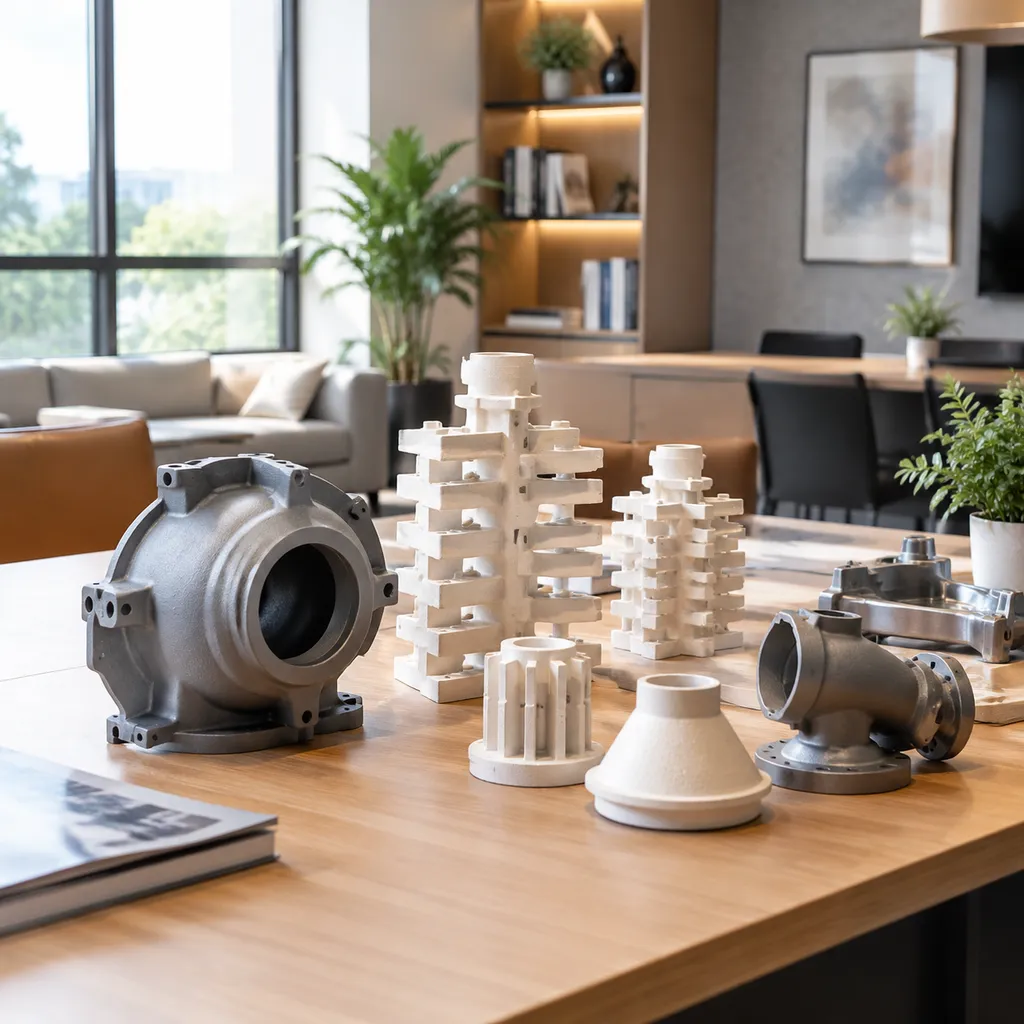
Manual dipping creates uneven coatings, weak shells, and unacceptable scrap rates. As an experienced investment casting equipment manufacturer / supplier, we engineer our automated shell-making lines to stabilize your dipping, sanding, and drying cycles from the prime coat to the final backup layer.
Robotic Shell Dipping and Slurry Coating Cells
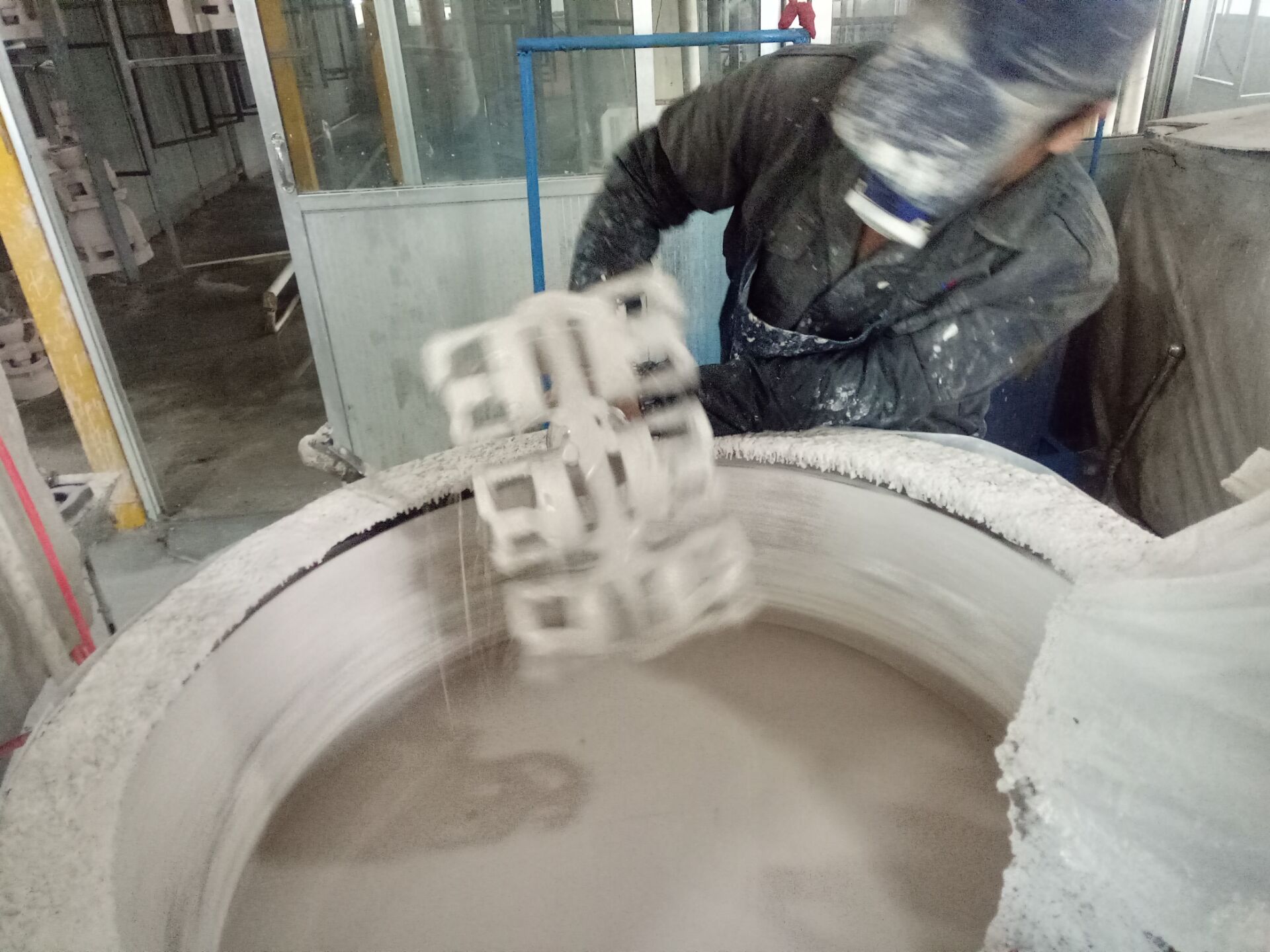
Our multi-axis robotic dipping units handle complex wax trees with absolute repeatability. By controlling the angle, immersion speed, and drain path, the robot ensures uniform slurry thickness across deep pockets and thin walls. Implementing an automated shell coating line with robotic precision cuts operator fatigue and protects delicate wax assemblies from mechanical damage.
- Payload capacities: Built to handle wax trees from 20 kg up to heavy clusters of 150 kg or more.
- Motion control: Fully programmable dipping depth, 360-degree articulation, and adjustable rotation speeds.
- Repeatability: Eliminates operator-dependent slurry runs, air traps, and thin corners.
Slurry Mixing Tanks and High-Speed Dispersers
Consistent slurry viscosity is vital for avoiding shell spalling and surface defects. Our constant-temperature slurry tanks keep binders and refractories uniformly blended 24/7. Pairing a heavy-duty continuous mixer with an energy-saving slurry mixer for silica sol shell coating prevents settling, keeps the binder temperature within a strict ±1°C window, and minimizes evaporative solvent loss.
- Jacketed cooling/heating: Water-jacketed stainless steel tanks prevent heat buildup during continuous blending.
- Dual-speed drives: High-speed dispersion for initial batching combined with gentle low-speed continuous rolling.
- Liquid level alerts: Built-in sensors alert operators to slurry evaporation or depletion before defects occur.
Rain-Type and Fluidized Bed Sand Coating Machines
We provide both sand rain machines and fluidized beds to cover every stage of the stucco sequence:
- Sand rain machines: Ideal for primary and secondary coats, delivering a gentle, evenly dispersed shower of fine zircon or fused silica that does not damage delicate wax edges.
- Fluidized beds: Air-suspended sand chambers designed for medium-to-coarse backup coats, delivering full coverage in undercut geometries and blind corners.
- Sand handling: Integrated screeners sift out agglomerates and return clean stucco to the application zone automatically.
Climate-Controlled Ceramic Shell Drying Rooms
Drying is the single biggest bottleneck in any silica sol shell room. Our turnkey drying rooms utilize overhead conveyor loops, controlled laminar airflow, and automated temperature-humidity regulating units.
- Precise climate control: Holds room conditions steady at 22°C–25°C and 45%–55% relative humidity for predictable gelation.
- Continuous overhead conveyors: Multi-tier chain conveyors move shells through programmed drying zones, freeing floor space and streamlining movement between dipping coats.
- Shorter cycle times: Controlled air movement cuts drying hours per coat without risking shell cracking or premature delamination.
Investment Casting Dewaxing and Shell Firing Equipment
Cracked shells and thermal shock ruin casting yields before metal ever meets the mold. As a dedicated investment casting equipment manufacturer, we engineer our dewaxing and sintering systems to deliver rapid heating, tight pressure regulation, and complete wax burnout without compromising mold integrity.
Steam Dewaxing Autoclaves with Rapid Pressure Accumulation
Fast steam pressurization is essential to prevent pattern expansion from bursting delicate ceramic shells. Our steam dewaxing autoclaves hit working pressure in seconds, melting the external wax boundary layer immediately so the remaining pattern can collapse inward safely.
- Fast Steam Influx: Instant pressure build-up minimizes dwell time and stops shell cracking at the source.
- Safety Interlocking: Multi-stage mechanical and pneumatic door interlocks prevent vessel opening under pressure.
- Automatic Wax Draining: Quick-acting drain valves clear liquid wax directly into collection tanks for fast recycling.
- PLC Automation: Touchscreen cycle setup allows precise tracking of hold times, steam pressures, and exhaust rates.
High-Temperature Ceramic Shell Roasting and Burnout Furnaces
Removing all residual carbon and achieving maximum mold preheat requires dependable high-temperature control. We manufacture robust roasting units, including our shell firing furnace for steel and alloy investment casting that easily handles continuous cycles up to 1150°C.
For foundries focused on thin-wall and structural precision parts, we also configure the 1200°C energy-saving burnout furnace to eliminate all organic ash, preheating molds directly for clean, oxide-free alloy filling.
Integrated Heat Recovery and Energy-Saving Exhaust Systems
Firing operations account for a major slice of foundry utility costs. We build our burnout furnaces with structural multi-layer insulation and ceramic fiber modules to keep casing temperatures low and thermal loss minimal.
- Waste Heat Capture: Recuperative burner systems channel hot exhaust to preheat incoming combustion air.
- Zoned Temperature Regulation: Multi-burner and multi-zone heating eliminate cold spots across dense shell batches.
- Clean Flue Exhaust: High-temperature afterburners cleanly combust volatile wax vapors to meet plant emission standards.
Foundry Metal Melting and Pouring Systems
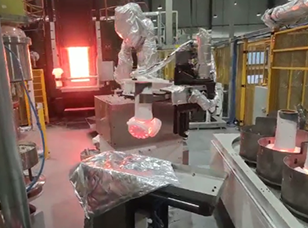
As a dedicated investment casting equipment manufacturer / supplier, we engineer our melting and pouring lines to eliminate thermal drop, reduce oxidation, and guarantee clean metal transfer into hot ceramic molds. From standard stainless steels to complex nickel and cobalt formulations, our systems maintain tight metallurgical control throughout the melt cycle.
Medium-Frequency Coreless Induction Melting Furnaces
Our medium frequency induction melting furnace units are designed for rapid, efficient melting with minimal metal loss. Fast Melt Cycles: High-efficiency solid-state power supplies deliver uniform electromagnetic stirring for homogeneous alloy composition. Durable Crucible Design: Heavy-duty hydraulic tilting mechanisms provide smooth, controlled pours directly into transfer ladles or molds. Thermal Efficiency: Advanced coil insulation and closed-loop water cooling circuits cut energy consumption per heat.
Rollover and Vacuum Casting Machines for Superalloys
For mission-critical components requiring zero inclusion defects and dense grain structures, our specialized casting stations provide airtight metallurgical integrity. Rollover Casting Units: Direct mold clamping to the melting crucible enables ultra-fast rollover pouring under controlled pressure, ideal for thin-walled precision parts. Vacuum-Assisted Systems: Designed specifically for reactive metals and cobalt-based casting for heat, wear, and corrosion resistance, preventing alloy oxidation and gas porosity during mold filling. Repeatable Inversion Control: Programmable PLC rollover speeds match the liquidus flow properties of distinct superalloys.
| Equipment Type | Target Alloys | Pouring Method | Key Production Benefit |
|---|---|---|---|
| Coreless Induction Furnace | Carbon steel, stainless, copper, aluminum | Hydraulic tilt / Ladle transfer | Fast batch melting, easy alloy changeovers |
| Rollover Casting Machine | Superalloys, nickel-base, thin-wall sections | Direct-clamp 180° rollover | Zero cold shuts, rapid cavity filling |
| Vacuum Melting System | High-temp cobalt/nickel alloys, aerospace grades | Enclosed chamber / inert gas fill | Elimination of oxide films and gas porosity |
Pre-Heat Pouring Tables and Crane-Suspended Ladles
Maintaining ceramic shell temperature during the pour prevents misruns and thermal shock defects. Multi-Position Pouring Tables: Integrated indexing tables securely seat pre-heated ceramic shells under localized gas burners until the moment of casting. Geared Crane Ladles: Teapot-spout and bottom-pour ladles equipped with heavy-duty worm-gear tilting ensure slag-free, uniform metal delivery. Operator Safety Layouts: Full heat-shielding and remote tilting controls protect pouring teams from radiant heat and molten splash.
Post-Cast Shell Knockout and Surface Finishing Machinery
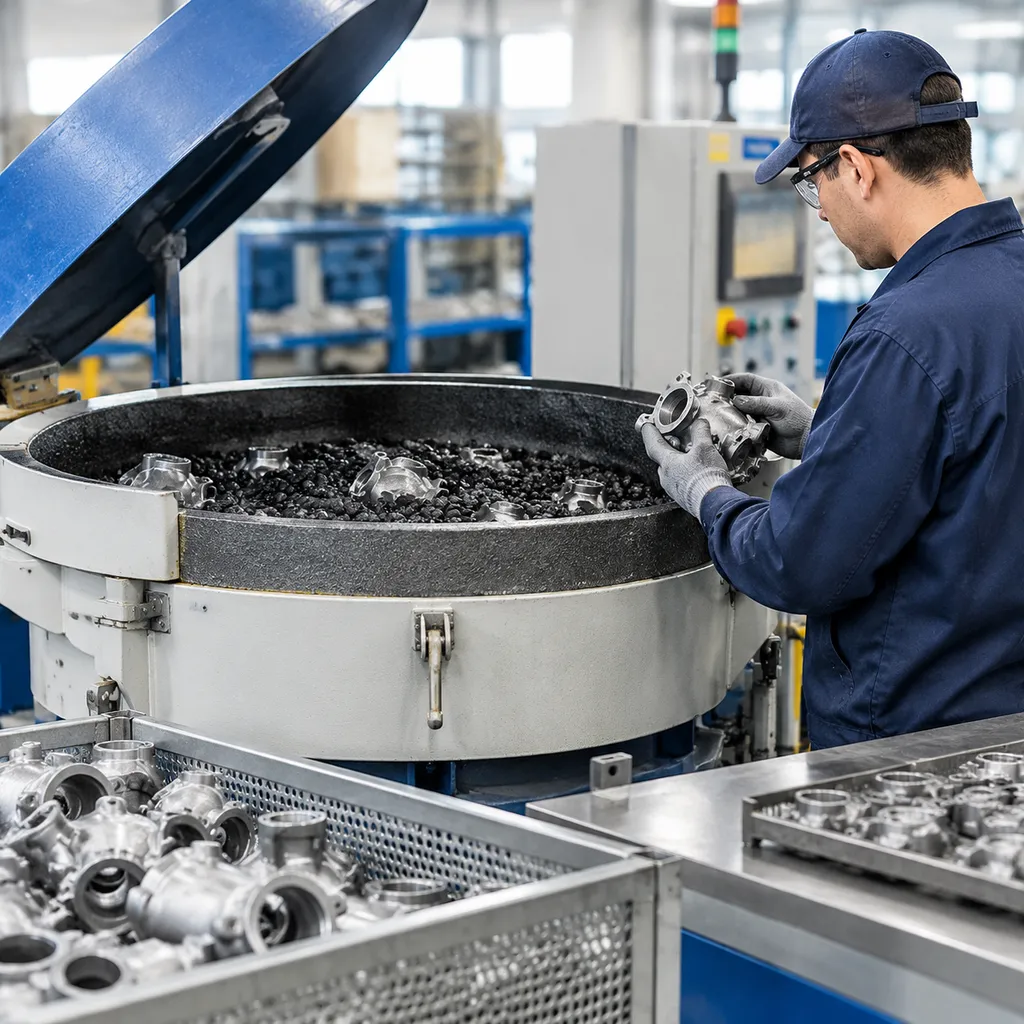
We provide robust finishing equipment designed to streamline the transition from raw cast parts to ready-to-ship products. Our machinery ensures your post-casting workflow is efficient, minimizing labor while maximizing throughput.
Key Finishing Solutions:
- Shell Knockout Systems: Our high-frequency mechanical and pneumatic knockout machines effectively remove ceramic shells from complex geometries without damaging the underlying castings.
- Cutting & Removal: We supply precision abrasive cut-off machines and runner removal saws tailored to handle various alloys, ensuring clean gates and risers removal.
- Surface Cleaning: Our integrated shot blasting systems provide deep surface cleaning and descaling, essential for achieving the strict surface finish requirements expected when casting stainless steel.
- Dimensional Correction: We utilize hydraulic straightening and dimensional dressing presses to ensure your components meet exact tolerance standards before final inspection.
By integrating these specialized units, you reduce bottleneck issues and ensure consistent quality across every batch. As a dedicated investment casting equipment manufacturer, we engineer these machines to withstand the rigors of high-volume foundry environments.
Process Capabilities: Silica Sol vs. Water Glass Systems
Foundries select binder systems based on part geometry, required surface roughness, alloy grade, and unit economics. As a dedicated investment casting equipment manufacturer / supplier, we engineer machinery lines optimized specifically for silica sol, water glass, or hybrid compound processes.
Silica Sol Equipment for Aerospace and Medical Precision
Silica sol setups are designed for tight dimensional control and smooth surface finishes (typically Ra 1.6–3.2 µm). This equipment line handles demanding components, including stainless steels, superalloys, and critical structural parts.
- Controlled Drying Enclosures: Multi-stage climate rooms maintain temperature within ±1°C and relative humidity within ±3% to ensure defect-free, crack-resistant ceramic shells.
- Precision Slurry & Sanding Cells: Constant-speed dipping tanks and multi-axis robots deliver uniform primary and backup slurry layers on intricate geometries.
- Application Fit: Tailored for plants delivering aerospace casting solutions for high-precision components and medical implants where shell stability during high-temperature pouring is critical.
Water Glass Casting Lines for High-Volume Industrial Steel
For commercial carbon steel, agricultural wear parts, and automotive brackets, water glass systems prioritize fast shell-building cycles and low operational overhead.
- Chemical Hardening Units: Automated transfer into chemical hardening baths (such as aluminum sulfate or ammonium chloride) or specialized hardening gas chambers accelerates shell setting.
- Heavy-Duty Sand Coating: High-throughput rain sanding and fluidized beds apply coarse refractory sands rapidly to support heavy metal pours.
- Cost Efficiency: Shorter drying cycles cut down work-in-progress inventory and lower initial equipment capital costs.
Compound Process Machinery Configurations
Compound lines combine the surface quality of silica sol with the low cost and speed of water glass:
- Hybrid Slurry Layout: Silica sol mixing and fine zircon sand coating stations handle the primary layers (face coats) for an exceptional surface finish.
- Water Glass Backup Shelling: Subsequent reinforcement layers utilize water glass slurry and coarse sand for rapid shell build-up and high mechanical strength.
- Balanced Production: This setup cuts total binder expenses by up to 40% compared to pure silica sol lines while meeting strict surface requirements. We configure our precision casting solution with silica sol process systems to easily adapt to these compound workflows.
Turnkey Investment Casting Plant Engineering and Customization
Building a profitable foundry requires more than placing stand-alone machines on a concrete slab. As an experienced investment casting equipment manufacturer / supplier, we deliver complete turnkey investment casting plant solutions engineered around your target production volume, available floor space, and alloy mix. Whether you are building a greenfield facility or modernizing a legacy shop, we engineer the workflow to minimize scrap rates, reduce labor dependency, and eliminate process bottlenecks between pattern making and final finishing.
Foundry Layout Design and 3D Material Flow Planning
A balanced shop floor prevents work-in-progress bottlenecks between shell drying and metal pouring. We map every square meter of your workspace using 3D CAD and plant simulation tools:
- Linear Material Flow: Unidirectional routing from wax injection, robotic dipping, and dewaxing straight to the melting and pouring bays to eliminate transport cross-traffic.
- Utility Infrastructure Planning: Accurate load calculations for power grids, centralized steam lines, compressed air distribution, and industrial exhaust ventilation.
- Process-Specific Zoning: Dedicated environmental isolation for ceramic shell drying rooms to maintain strict temperature and humidity parameters regardless of ambient plant conditions.
- Capacity Matching: Sizing equipment output directly to your required parts mix and target metal investment casting process tolerances and materials, ensuring melting furnaces, autoclaves, and injectors operate at peak thermal and mechanical efficiency.
Robotic Automation Retrofits for Conventional Lines
Upgrading an existing foundry does not require scrapping your functional infrastructure. We engineer custom automation retrofits that seamlessly interface with conventional lost wax casting machinery:
- Shell Room Automation: Replacing manual dipping with multi-axis industrial robots, integrated with variable-speed slurry mixers and fluidized sand beds.
- PLC and Central HMI Upgrades: Integrating modern PLC touch-screen controls onto legacy hydraulic wax presses and burnout furnaces for precise, repeatable recipe storage.
- Automated Shell Handling: Installing overhead enclosed conveyors to move drying trees consistently through controlled humidity tunnels, cutting operator floor travel.
On-Site Assembly, Commissioning, and Operator Training
We back every equipment package with hands-on, site-level engineering support to take your production line from arrival to full-capacity output:
- Mechanical & Electrical Assembly: Our engineers supervise leveling, piping, electrical hookup, and utility tie-ins on your plant floor.
- Tooling & Mold Commissioning: We test-run your customer-specific molds on our wax injectors to optimize injection pressures, dwell times, and cycle speeds.
- Field Staff Training: Practical, shop-floor instruction for your operators and maintenance crew covering daily parameter adjustments, preventative maintenance routines, and safety protocol enforcement.
Equipment Technical Specifications and Parameter Matrix
As an experienced investment casting equipment manufacturer and supplier, we engineer our machinery with transparent benchmarks to help you size floor loads, utility feeds, and shift throughput accurately. When planning floor space or evaluating an investment casting vs sand casting process comparison for high-precision components, reliable machinery specifications are essential for accurate operational planning.
Performance and Utility Benchmarks Across Core Models
| Equipment Type | Model Series | Capacity / Clamping Force | Cycle Time / Throughput | Utility Consumption (Power / Air / Steam) | PLC / HMI Controls | Machine Footprint (L × W × H mm) |
|---|---|---|---|---|---|---|
| Hydraulic Wax Injector | V-WI-12T | 12 Tons | 18–35 s/cycle | 5.5 kW / 0.6 MPa air / N/A | Touchscreen PLC | 1,650 × 1,100 × 2,200 |
| Heavy-Duty Wax Injector | V-WI-35T | 35 Tons | 25–45 s/cycle | 11 kW / 0.6 MPa air / N/A | Touchscreen PLC | 2,200 × 1,450 × 2,650 |
| Steam Dewaxing Autoclave | V-DA-1000 | Ø1,000 mm chamber | 10–15 min/batch | 7.5 kW / 0.6 MPa air / 0.8–1.0 MPa steam | Automatic cycle PLC | 2,800 × 1,600 × 2,100 |
| Robotic Shell Dipping Cell | V-RSC-60 | 60 kg payload | 45–90 s/dip | 15 kW / 0.6 MPa air / N/A | Multi-axis CNC/PLC | 4,200 × 3,800 × 2,800 |
| Sand Rain Machine | V-SR-800 | 800 mm working bed | Continuous | 3.0 kW / 0.5 MPa air / N/A | Integrated relay/PLC | 1,400 × 1,200 × 2,300 |
Capacity, Clamping Force, and Cycle Times
- Hydraulic Wax Injectors: Clamping tonnage ranges from 10T for compact commercial components up to 50T for heavy multi-cavity dies. Cycle times average between 18 and 45 seconds depending on wax volume and dwell requirements.
- Autoclaves & Furnaces: Rapid steam accumulation reaches operational pressure (0.8–1.0 MPa) within seconds to eliminate shell cracking caused by thermal wax expansion.
- Shell Building Units: Multi-axis robotic systems maintain repeat positional accuracy under heavy tree loads, delivering uniform coat thickness across every dip.
Power, Steam, and Pneumatic Consumption
- Electrical Supply: Standardized for 3-phase industrial grids, with total connected loads optimized through variable-frequency drives on hydraulic pumps and mixer motors.
- Pneumatic Requirements: Consistent 0.6 to 0.8 MPa dry, filtered compressed air across all injection valves, pneumatic cylinder gates, and clamp locks.
- Steam Feeds: Dewaxing systems require clean saturated steam at 8 to 10 bar, backed by automated blowdown and condensate drain assemblies.
PLC Interfaces and Footprint Optimization
- Touchscreen Operation: Centralized color touchscreens store multi-recipe programs for wax temperatures, nozzle pressures, dipping angles, and drying times.
- Diagnostics & Interlocks: Real-time pressure sensors, temperature alarms, and door interlocks protect operators and flag maintenance needs instantly.
- Compact Layouts: Every chassis is built with integrated fluid reservoirs and enclosed wiring runs, minimizing required floor area and speeding up cell placement on existing shop floors.
Quality Compliance and Safety Engineering Standards
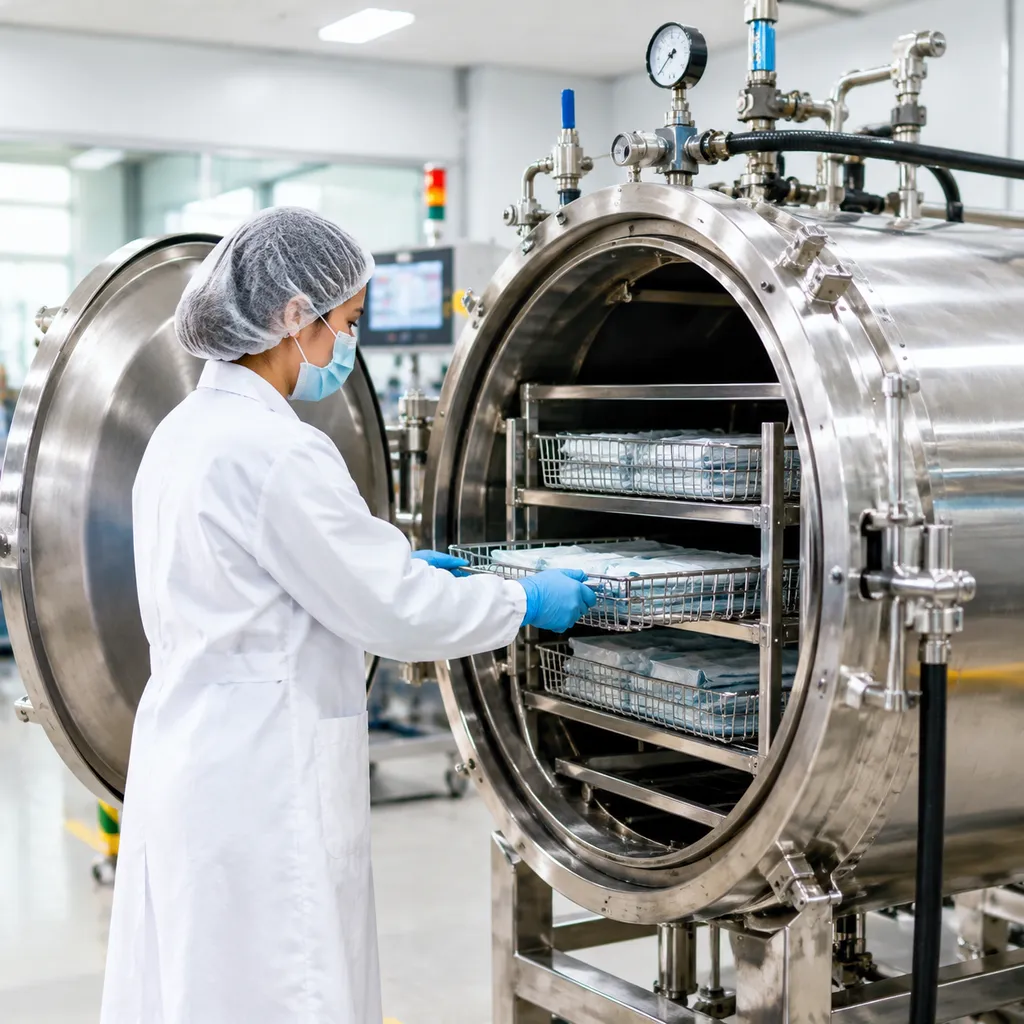
As an established investment casting equipment manufacturer / supplier, we engineer our machinery to eliminate shop-floor risks, protect operators, and prevent unplanned downtime. We build every system in strict adherence to international industrial safety codes and pressurized system directives.
Certified Pressure Vessels and Shell Safety
Operating a steam dewaxing autoclave requires robust pressure containment and failsafe protection. Our pressurized vessels undergo rigorous non-destructive testing (NDT) to ensure seamless operational safety:
- ASME Section VIII & CE PED Compliance: Every autoclave chamber is built, inspected, and certified to meet global pressure vessel codes.
- Dual Mechanical and Pneumatic Safety Interlocks: The door cannot unlock while the vessel holds residual pressure, and steam will not inject until the locking ring is fully engaged.
- Rapid Overpressure Relief: Redundant mechanical burst discs and calibrated safety valves prevent overpressure during rapid steam accumulation cycles.
Industrial Electrical Controls and Grid Compatibility
Electrical panels on our wax injection, shell making, and melting machinery are constructed to withstand harsh foundry environments while simplifying local utility hookups:
- IEC & UL Standards: Control cabinets are built with certified components matching either IEC (global) or UL 508A (North American) regulations.
- PLC Automation Enclosures: Sealed, dust-tight cabinets feature IP54 or IP65 protection, isolating sensitive touchscreen HMIs and PLC modules from ambient foundry dust and wax vapors.
- Standardized Wiring: Fully labeled terminal blocks and clean conduit routing enable rapid diagnostic checks and local field servicing.
Unlike simpler foundry setups outlined in evaluations like green sand vs dry sand casting, modern lost wax casting machinery relies on sophisticated pressure systems and automated motion controls that require total process validation.
Factory Acceptance Testing (FAT) and Dry-Run Protocols
Before any machine leaves our manufacturing facility, it passes a multi-point Factory Acceptance Testing (FAT) routine:
| Validation Stage | Inspection Scope | Acceptance Criteria |
|---|---|---|
| Hydrostatic & Pneumatic Testing | Autoclave vessel and steam piping lines | 1.5x working pressure hold with zero bar loss over sustained dwell |
| Hydraulic Clamp & Motion Dry-Run | Wax injector clamping units and robotic shell arms | Continuous 8-hour cycling testing positional repeatability and stroke limits |
| Thermal Stability Verification | Wax conditioners and slurry conditioning tanks | Target temperature holding within ±0.5°C across continuous heating cycles |
| Emergency Safety System Check | E-stop circuits, light curtains, and safety interlocks | Instant mechanical trip and power cutoff with simulated line faults |
We provide complete FAT documentation packages with every shipment, including material test certificates, electrical schematics, and pressure inspection reports.
Investment Casting Equipment FAQs
As an established investment casting equipment manufacturer and supplier, we address common technical, electrical, and operational questions to help foundries plan equipment procurement and plant upgrades with confidence.
What is the typical lead time for a complete turnkey casting line?
Lead times depend on the automation level and layout scope of the project: Standalone machines: Standard units, such as our industrial wax equipment for investment casting or dewaxing autoclaves, typically take 60 to 90 days from engineering sign-off to factory acceptance testing. Full turnkey investment casting plants: Complete automated setups—including robotic shell dipping rooms, melting systems, and knockout units—generally take 4 to 6 months for engineering, fabrication, and integration.
How do we adapt equipment voltages for international power grids?
We design and wire all machine control cabinets to match your facility's local electrical standards: Custom power configurations: Transformers and motors are specified for 208V, 220V, 380V, 415V, or 480V at either 50Hz or 60Hz. Standardized components: Electrical panels incorporate globally recognized PLC platforms and safety switchgear, ensuring local electricians can maintain systems without specialized proprietary tools.
Can an existing manual shell line be upgraded with dipping robots?
Yes. Upgrading conventional manual casting operations with robotic dipping systems is a core part of our engineering services: Modular integration: We map your existing floor space and integrate 6-axis industrial robots directly with your slurry mixing tanks and sand rain machines. Minimal disruption: Retrofits utilize existing drying rooms or add automated overhead conveyors, immediately improving shell thickness consistency while cutting manual labor.
What warranty terms and spare parts services are provided?
We back our machinery with full lifecycle operational support: Warranty coverage: Every machine includes a standard 12-month warranty covering structural components, hydraulic systems, and core electronics. Wear parts packages: We supply critical spare parts kits—such as heating elements, hydraulic seals, valves, and nozzle assemblies—with the initial shipment to eliminate downtime. Technical support: Our engineering team provides on-site installation, commissioning, and direct operator training worldwide.
 English
 Russian
 German