
2026年11月19日
Investment Casting Cost Factors guide covers tooling wax patterns ceramic shells alloys machining inspection batch size automation and lead times
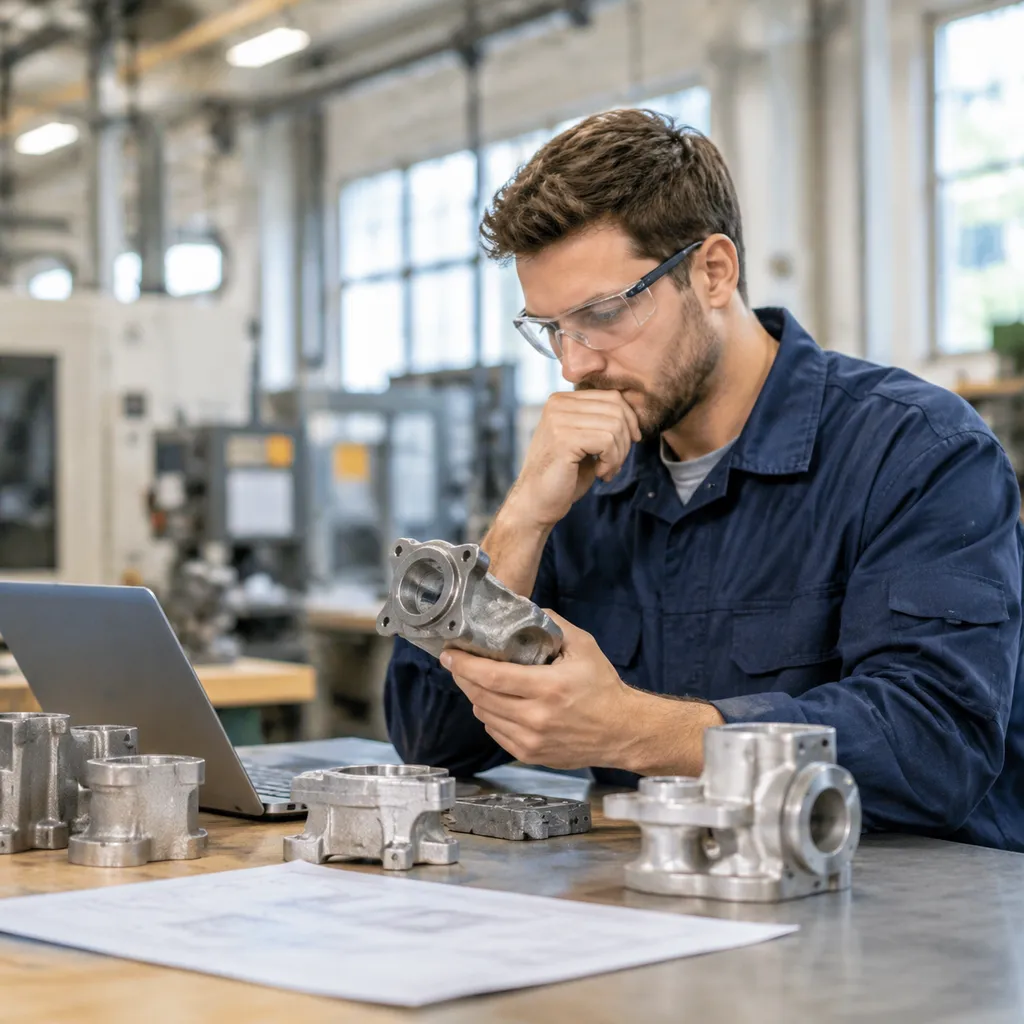
1. Tooling and Wax Pattern Development Costs
Initial engineering and tooling represent the foundational upfront expense when evaluating investment casting cost factors. Before any metal is poured, the component geometry must be translated into precision tooling capable of producing consistent wax patterns.
- Component Geometry & Tooling Complexity: Intricate shapes, internal passages, and tight dimensional features require specialized multi-part tooling and precise wax pattern engineering. More complex geometries increase upfront mold machining time and maintenance requirements.
- Design for Manufacturability (DFM) Review: Conducting a thorough DFM review before cutting metal tooling prevents costly downstream revisions. Optimizing draft angles, wall thicknesses, and parting lines simplifies tooling structure and reduces pattern defects.
- Tooling Build Precision: The dimensional accuracy of the final casting starts with the mold. High-precision tooling manufacturing—maintaining tight tolerances where core component errors do not exceed 5μm—ensures repeatable wax pattern dimensions and lowers long-term scrap rates across production runs.
- Production Volume Amortization: Upfront tooling and wax pattern engineering costs are fixed per part design. Higher production volumes allow these initial engineering investments to amortize across thousands of units, significantly lowering the per-piece cost compared to low-volume prototype batches.
2. Wax Pattern Production and the Wax Injection Process
Among all investment casting cost factors, the wax pattern stage sets the baseline for your final scrap rate. Because every ceramic mold is built around an individual wax replica, any dimensional drift or surface defect at this stage carries straight through to the finished metal part.
In our precision casting operations, we focus on three main cost drivers during wax pattern production:
- Cycle Stability and Repeatability: Using controlled wax injection machines keeps temperature, pressure, and hold times consistent from shot to shot. When parameters fluctuate, wax patterns shrink unevenly or develop flow lines, forcing operators to scrap patterns or perform extra manual wax dressing.
- Pattern Assembly and Gating Complexity: Small components are often assembled onto a central wax tree to maximize pouring efficiency, while larger or tighter-tolerance parts require dedicated gating setups. More complex assemblies take more handling time and directly affect downstream shell building.
- Equipment Precision and Uptime: Unstable clamping or worn injection components lead to flashing and part distortion. Keeping core machine components built to tight tolerances (within 5μm) helps maintain repeatable pattern geometry across long production runs, reducing rework before parts ever reach the https://vastpe.com/1200c-https://vastpe.com/1200c-energy-saving-burnout-furnace-for-silica-sol-shells/">1200°C energy-saving burnout furnace for silica sol shells or metal pouring stages.
When planning your budget, look closely at part wall thickness and dimensional tolerances—tighter specs demand slower, more tightly controlled injection cycles, which increases machine time per piece.
3. Ceramic Shell Building and Drying
Ceramic shell building is one of the most time-sensitive and labor-intensive stages affecting overall investment casting cost factors. Building a strong, defect-free mold requires applying multiple layers of ceramic slurry and refractory stucco onto the wax assembly, with controlled drying between each coat.
Several operational variables directly influence your per-part cost at this stage:
- Number of Shell Layers: Larger castings or demanding geometries—such as complex aerospace or https://vastpe.com/https://vastpe.com/17-4-ph-investment-casting-precision-stainless-steel-service/">17-4 PH precision stainless steel components—require thicker, multi-layered shells to withstand high metal pouring temperatures without cracking. More coats directly increase material usage and total cycle time.
- Manual vs. Automated Shell Coating: Dipping, draining, and stuccoing shells manually often introduces inconsistencies in coat thickness and drying uniformity, driving up scrap rates. Switching to automated shell coating systems standardizes slurry dipping, stucco application, shell marking, and process monitoring, which stabilizes quality and reduces manual labor bottlenecks.
- Drying Environment and WIP Inventory: Every ceramic layer must dry thoroughly under controlled conditions before the next dip. Inconsistent drying leads to shell delamination or metal penetration defects, while extended drying cycles tie up floor space and increase work-in-progress inventory costs.
When planning your production budget, aligning your shell-building method with your part complexity and target volume prevents costly downstream rework. Automated shell lines paired with real-time process monitoring keep shell thickness uniform and cycle times predictable across high-volume runs.
4. Dewaxing and Shell Handling
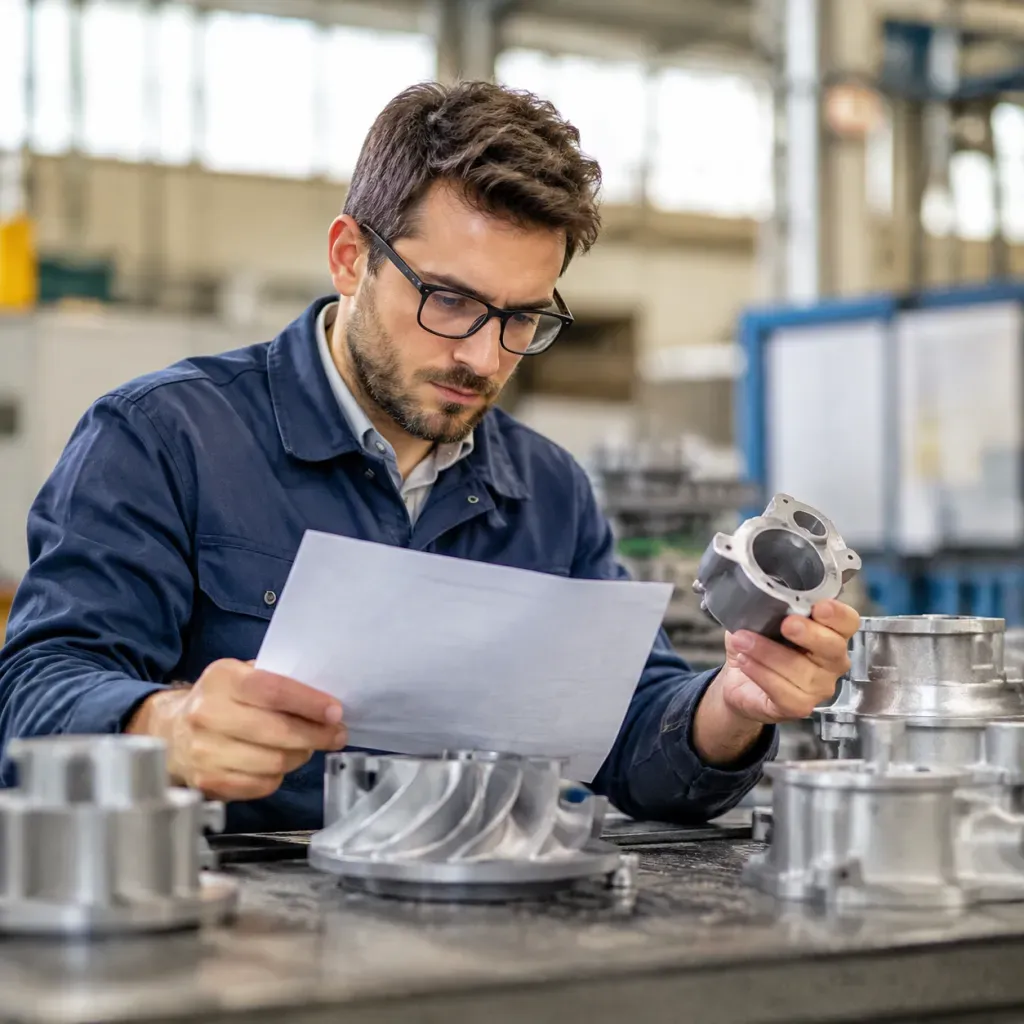
Once the ceramic shell dries, we have to melt out the wax pattern before firing and pouring metal. In my experience, this stage is one of the biggest hidden investment casting cost factors because a single cracked mold ruins all the upstream tooling, wax, and shell-coating work you already paid for.
To prevent mold damage, we rely on high-pressure dewaxing autoclaves that remove the wax under tightly controlled temperature and pressure. If the heat or pressure ramps unevenly, the expanding wax stresses the ceramic walls and causes micro-cracks.
Here is where your operating and equipment costs add up during this phase:
- Autoclave Cycle Stability: Controlled temperature and pressure cycles keep shells intact and reduce scrap before metal pouring even begins.
- Energy and Cycle Time: Larger, thicker ceramic shells require longer autoclave cycles and more energy per batch.
- Fragile Mold Handling: Green (unfired) shells are heavy and brittle. Moving them manually between shell-building stations, autoclaves, and firing furnaces increases the risk of drops and breakage.
- Robotic Transfer: Integrating robots with conveyors and fixtures stabilizes shell handling, reduces labor bottlenecks, and protects delicate molds from impact damage.
If you are planning high-volume runs or complex geometries like 3D printed wax patterns for rapid investment casting, stable autoclave control and automated shell transfer directly protect your yield. Keeping shells intact here saves far more money than trying to fix defective castings downstream.
5. Alloy Materials, Melting, and Casting Yield
Once the ceramic shells are fired, the focus shifts to metal selection, melting, and pouring—a major driver among investment casting cost factors. Raw material expenses depend heavily on the alloy family required by your operating environment, whether you are sourcing general industrial hardware or high-specification components for aerospace, energy, and medical sectors.
From our engineering perspective at Vastpe, material and melting economics come down to three practical realities:
- Alloy Grade and Certification: Standard carbon or low-alloy grades cost significantly less than specialty stainless steels or superalloys. For example, selecting between https://vastpe.com/4140-alloy-steelhttps://vastpe.com/4140-alloy-steel-properties-uses-and-specs-guide/">4140 alloy steel properties and specifications versus https://vastpe.com/41https://vastpe.com/416-stainless-steel-investment-castings/">416 stainless steel investment castings alters raw stock pricing, melting energy, and heat-treatment requirements. Demanding industries like aerospace and defense also require strict batch traceability and tighter chemical controls, which add to material management overhead.
- Gating Design and Casting Yield: You do not just pay for the weight of the finished part; you pay to melt the entire tree, including sprues, runners, and risers. A poorly designed gating system lowers casting yield, meaning more metal must be melted and reprocessed per usable component. Early Design for Manufacturability (DFM) reviews help optimize runner layouts to maximize yield while preventing shrinkage defects.
- Scrap Prevention Through Upstream Stability: Every scrapped casting wastes all the energy, alloy, and labor invested up to the pouring stage. Consistent upstream parameters—such as repeatable wax injection and uniform automated shell coating—keep shell strength and wall thickness predictable, directly protecting final pouring yield and stabilizing unit costs.
6. CNC Machining, Surface Finishing, and Assembly
Even though precision investment casting delivers near-net-shape parts, raw castings rarely go straight into final equipment without secondary work. In our manufacturing workflows, post-casting operations are a major driver of total component cost—especially when tight tolerances or specific surface textures are required.
When we plan secondary processing budgets, we break down costs across three core stages:
- Multi-Axis CNC Machining: Castings naturally have minor dimensional variations from thermal contraction. For mating surfaces, threaded holes, or high-precision bearing seats, we rely on https://vastpe.com/precision-machining-partshttps://vastpe.com/precision-machining-parts-custom-cnc-components-for-engineers/">custom precision CNC machining to hit final specs. Tighter print tolerances require more machine setups, specialized fixtures, and longer spindle times.
- Surface Finishing: Depending on the application—whether for aerospace, medical components, or fluid-control valves—parts need finishing like grinding, polishing, heat treatment, or protective coatings to meet roughness and durability standards.
- Sub-Assembly & Integration: If your project requires pressing in bushings, welding components together, or delivering ready-to-install sub-assemblies, labor and fixture verification add directly to unit pricing.
To keep secondary costs under control, we always look at https://vastpe.com/investment-casting-vshttps://vastpe.com/investment-casting-vs-cnc-machining-cost-and-accuracy/">balancing investment casting and CNC machining costs during our early Design for Manufacturability (DFM) reviews. By adding minimal machining stock only where critical tolerances demand it, we avoid unnecessary metal removal and keep cycle times lean.
7. Inspection, Documentation, and Quality Requirements
Quality standards directly shape investment casting cost factors across every production stage. In our operations, we follow ISO 9001 certified quality processes, and each project's final cost depends heavily on the level of verification and traceability your industry requires.
- Industry-Specific Compliance: Components for aerospace, defense, and medical applications demand far stricter process controls, full material traceability, and thorough documentation compared to standard commercial or general industrial parts.
- Inspection & Process Monitoring: Ensuring tight dimensional tolerances—where core equipment assembly precision is held within 5μm—requires dedicated inspection protocols, automated process monitoring, and integrated quality checks along the production line.
- Technical Documentation: Delivering complete quality records, material certifications, and technical documentation adds engineering and administrative hours to your quote.
Before finalizing your budget, clearly define your required inspection levels and certification paperwork. You can learn more about our quality standards and engineering background on the Vastpe company overview page.
8. Order Volume, Product Mix, Automation, and Lead Time

When evaluating investment casting cost factors, how your production is organized plays a major role in final unit pricing and equipment returns. High-volume runs of small precision parts spread setup, tooling, and changeover time across more units, while high-mix, low-volume batches require frequent fixture adjustments and process tuning.
- Order Volume and Product Mix: Dedicated high-volume lines maximize throughput, whereas variable product mixes depend on flexible tooling and fast changeover routines to keep operating costs predictable.
- Foundry Automation: Integrating robotic systems with wax injection machines, automated shell coating systems, conveyors, and inspection controls removes manual bottlenecks, improves workplace safety, and delivers consistent repeatability.
- Factory Layout and Integration: Actual equipment requirements and lead times depend heavily on your existing site conditions, material-flow planning, and how new machinery connects with current production-line controls.
- Lead Time and Uptime: Tight delivery schedules require stable cycle times and reliable equipment uptime, supported by remote monitoring, fault early warning, and one-stop foundry engineering and lifecycle support from installation and operator training to preventive maintenance.
Investment Casting Cost Planning Comparison Checklist

Before we finalize a quote or map out an equipment configuration, we look at how every stage of your project affects your budget. Whether you are sourcing finished parts or planning an in-house line, balancing upfront tooling against ongoing production efficiency is key.
Use this checklist to evaluate your primary investment casting cost factors across both contract manufacturing and internal facility setups:
| Cost Factor Category | Outsourced Contract Casting Focus | In-House Foundry Line Focus |
|---|---|---|
| Engineering & Tooling | Early DFM (Design for Manufacturability) reviews to simplify molds and prevent downstream scrap. | Tooling design compatibility with existing wax injection parameters and fixtures. |
| Wax & Shell Stages | Part geometry complexity and number of ceramic slurry/stucco layers required. | Cycle stability of wax injection machines and automated shell coating vs. manual labor. |
| Dewaxing & Firing | Energy and cycle overhead factored into per-part pricing for thick-walled or intricate shapes. | High-pressure dewaxing autoclave capacity, temperature control, and shell integrity rates. |
| Secondary Operations | Multi-axis CNC machining, surface finishing, and tight tolerance requirements. | Integrating post-casting inspection and machining equipment into your floor layout. |
| Scale & Automation | Order volume tiers and repeatability across aerospace, medical, or industrial batches. | Robotic integration for conveyors and handling to cut bottlenecks and boost safety. |
| Quality & Uptime | ISO 9001 process traceability, material certifications, and inspection documentation. | Equipment build precision (such as core component error within 5μm) and remote fault monitoring. |
Reviewing how these variables interact helps prevent unexpected bottlenecks later in production. If you are weighing the broader trade-offs of this process against other molding methods, exploring the https://vastpe.comhttps://vastpe.com/advantages-and-disadvantages-of-lost-wax-casting/">advantages and disadvantages of lost wax casting provides helpful context for your early-stage budgeting.
- Check your part tolerances: Only specify tight CNC machining tolerances on critical mating surfaces rather than the entire cast geometry.
- Align volume with automation: Higher production runs justify robotic shell handling and automated dipping lines to keep unit costs steady.
- Factor in lifecycle support: For in-house lines, account for operator training, preventive maintenance, and 24/7 technical troubleshooting alongside initial hardware costs.
Practical RFQ Process for Investment Casting
Getting an accurate quote starts with sharing clear technical inputs so our engineering team can evaluate all investment casting cost factors upfront. Whether you are sourcing finished components or planning an automated foundry line, follow these steps to streamline your request:
- Submit Part Drawings and Specifications: Share your 2D prints and 3D CAD files along with alloy requirements, surface finish standards, and critical tolerance zones. For demanding sectors, our https://vastpe.com/aerospace-investment-casting-https://vastpe.com/aerospace-investment-casting-for-precision-components/">aerospace investment casting for precision components team uses these details to confirm compliance and traceability needs.
- Define Production Volume and Delivery Targets: Specify your expected annual production units, prototype quantities, and batch sizes. Volume directly shapes tooling design and whether manual handling or robotic integration makes the most sense for your budget.
- Outline Site and Line Constraints (For Equipment Buyers): If you are investing in in-house casting machinery, share your available floor space, utility limits, and existing production controls. We review your factory layout and material flow to configure wax injection, automated shell coating, and dewaxing systems that fit your facility.
- Complete a DFM and Process Review: Before locking in pricing, we conduct a Design for Manufacturability (DFM) review to catch geometry bottlenecks, recommend tooling adjustments, and confirm multi-axis CNC machining or inspection steps.
- Receive a Tailored Technical Proposal: Once your parameters are verified, we provide a transparent quote covering tooling, unit part pricing, or turnkey foundry equipment configuration alongside installation and commissioning support.
Frequently Asked Questions

What is the biggest cost factor in investment casting?
There is no single fixed cost driver across every project. In our experience, final pricing comes down to a combination of part geometry, alloy selection, production volume, and post-casting requirements.
For small batches, tooling and wax pattern development carry the highest upfront weight. For high-volume runs, unit costs shift toward shell building, multi-axis CNC machining, and inspection protocols—especially in regulated sectors like aerospace, defense, and medical components.
Is investment casting cheaper than pure CNC machining?
It depends on your component geometry and order quantity:
- Complex shapes & medium-to-high volumes: Investment casting is typically more cost-effective. It produces near-net-shape parts, cutting down raw material waste and heavy machining hours.
- Simple geometries & low quantities: Pure CNC machining usually wins because you skip upfront mold and tooling expenses.
If you are weighing different manufacturing routes, reviewing our https://vastpe.comhttps://vastpe.com/aluminum-alloy-casting-guide-for-die-sand-and-investment/">aluminum alloy casting guide for die, sand, and investment methods can help you match your part design to the right process.
Does automation always lower casting costs?
Not automatically. Adding robotic integrators and automated shell coating systems improves repeatability, reduces manual bottlenecks, and stabilizes cycle times—but only pays off when matched to your actual production volume and part mix.
For low-volume, high-mix job shops, flexible manual or semi-automated setups often make better financial sense than full-line automation. Before investing in hardware, we evaluate your factory layout, material flow, and target throughput to ensure the configuration fits your budget.
What information do I need to provide for an investment casting quote?
To give you an accurate quote and DFM (Design for Manufacturability) review, send us:
- 2D drawings and 3D CAD models showing critical tolerances and surface finish specs
- Target alloy or material standards (such as specific grades for https://vastpe.com/aluminum-foundry-services-for-precisionhttps://vastpe.com/aluminum-foundry-services-for-precision-castings/">precision aluminum foundry services)
- Estimated annual usage and batch sizes
- Secondary processing needs, including CNC machining, surface finishing, or strict inspection documentation
Vastpe Technical Resources and Precision Casting Guides
When evaluating investment casting cost factors for your next production run or foundry upgrade, pairing equipment planning with material and process guides helps align engineering specs with realistic budgets. At Vastpe, we combine foundry automation, precision equipment, and ISO 9001 certified manufacturing support to help engineering teams navigate complex part geometries and production volumes.
To explore how material selection and part design influence downstream tooling, shell building, and machining budgets, review our technical resources:
- Process Fundamentals: Our https://vastpe.com/aluminum-investment-casting-guide-for-precision-partshttps://vastpe.com/aluminum-investment-casting-guide-for-precision-parts/">aluminum investment casting guide for precision parts breaks down tolerance capabilities, DFM considerations, and workflow steps from wax pattern creation to final finishing.
- Alloy Performance: Material choice directly impacts melting parameters and scrap rates; explore Aluminum Grade 357 properties, applications, and performance when planning high-strength aerospace, automotive, or energy components.
- Turnkey Production: For teams outsourcing component manufacturing rather than building in-house lines, our aluminum investment casting services for precision parts cover tooling engineering, multi-axis CNC machining, and inspection under one roof.
 English
 Russian
 German