
Engineering grade process control investment casting with silica sol ISO 9001 IATF 16949 NDT CMM and metallurgical testing.
Wax Pattern Protocols: The Foundation of Precision
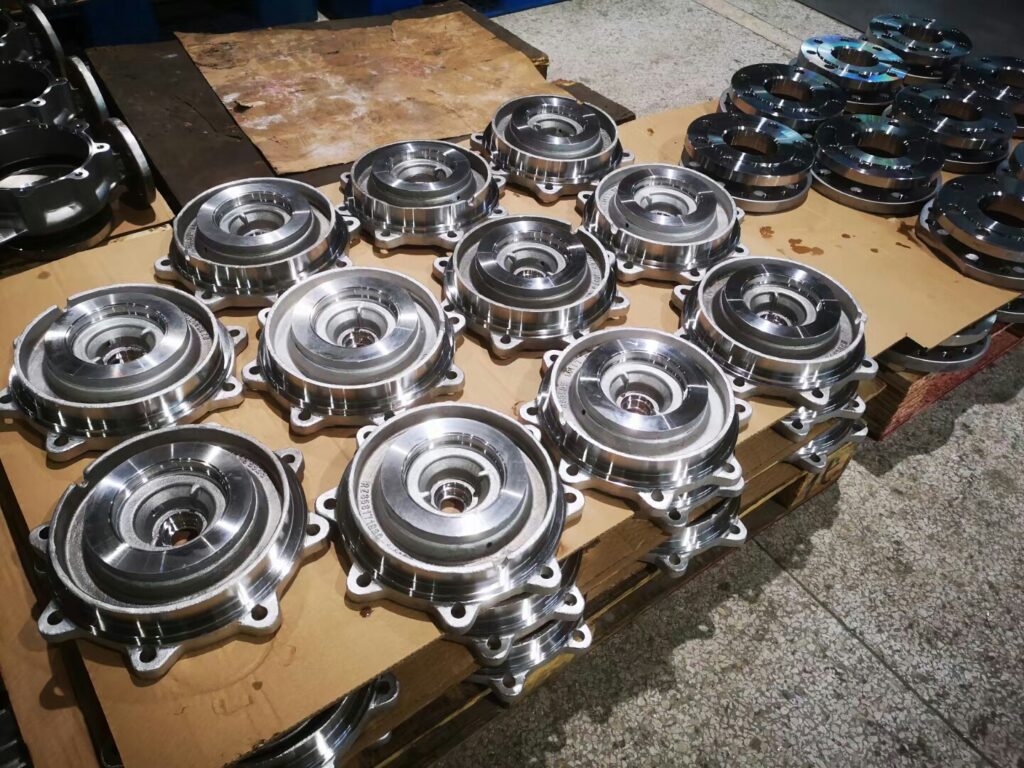
Ever wonder why a final metal component fails to meet specs? More often than not, the root cause isn’t in the melting pot—it’s in the wax room. In process control investment casting, the wax pattern is the absolute blueprint. If the blueprint is flawed, the casting is doomed before we even pour a drop of metal. We treat this stage with the same rigor as the final inspection because precision starts here.
Mastering Die Temperature & Injection Pressure
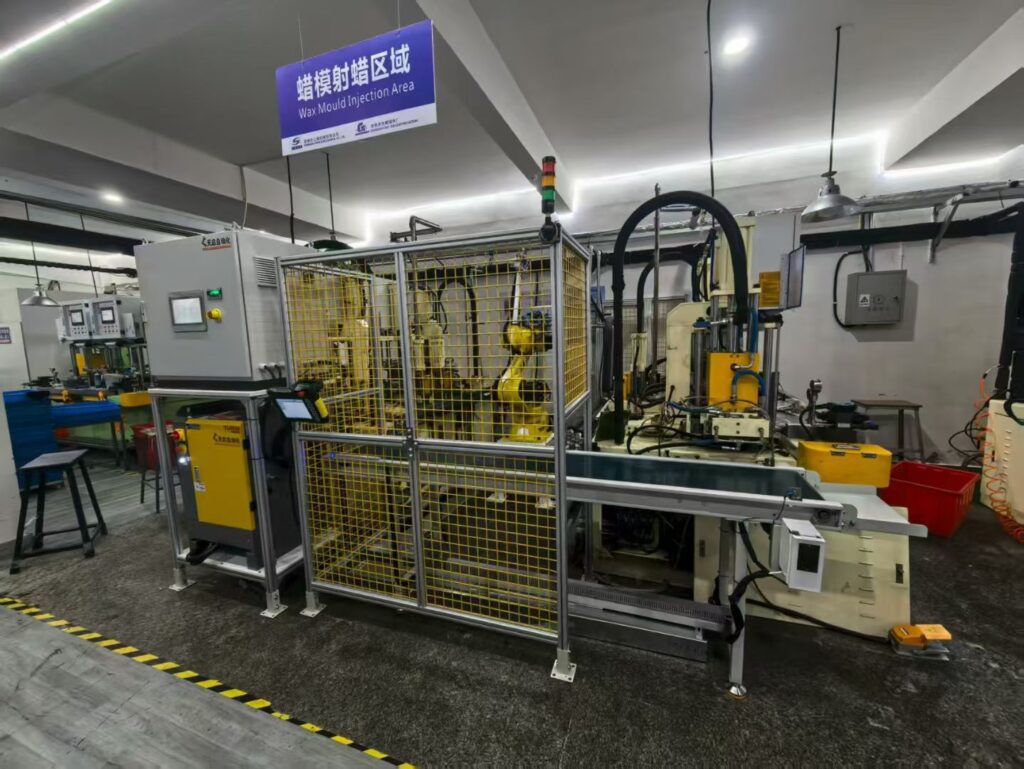
Controlling wax injection parameters is a balancing act. If the die temperature fluctuates or the injection pressure drops, you end up with shrinkage, sink marks, or incomplete fills. We don’t guess; we rely on Statistical Process Control (SPC) to monitor these variables in real-time.
To ensure repeatability, we focus on three core settings:
- Die Temperature: Kept consistent to prevent premature cooling or warping.
- Injection Pressure: High enough to fill intricate details but controlled to avoid flashing.
- Dwell Time: Ensuring the wax solidifies completely under pressure to maintain dimensional stability.
Virgin Wax vs. Reclaimed: Why It Matters
Let’s be honest about materials. Using 100% reclaimed wax saves money, but it introduces variables like higher ash content and unpredictable shrinkage rates. For high-precision parts, especially those requiring strict surface roughness Ra standards, we stick to a specific ratio or use virgin wax for the face coat.
- Virgin Wax: Offers the best surface finish and lowest ash content. Essential for aerospace or medical parts.
- Reclaimed Wax: Great for runner systems, but requires strict filtration and testing to ensure it doesn’t compromise the mold integrity.
Dimensional Verification Before Assembly
Waiting until the metal is poured to check dimensions is a costly mistake. We implement strict checks on the wax patterns themselves. By verifying that the patterns meet dimensional tolerance ISO 8062 standards before they are mounted onto the tree, we eliminate scrap at the cheapest possible stage.
We utilize tools like calipers and custom go/no-go gauges right at the injection press. For complex geometries, we might even employ a quick scan to ensure the wax hasn’t distorted during cooling. This proactive approach to process control investment casting ensures that what we assemble is exactly what we intend to cast.
Shell Building: Slurry and Environment Control
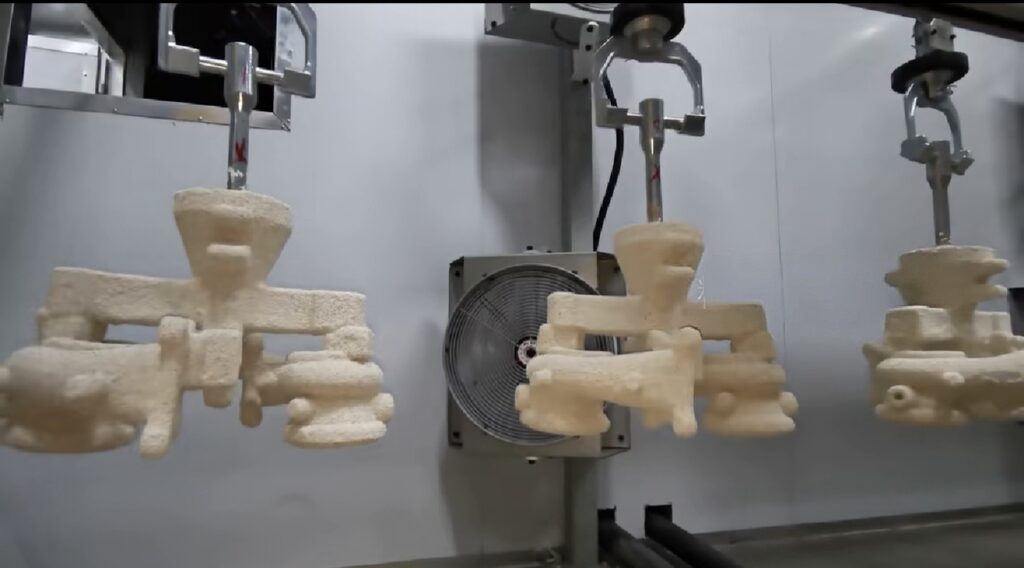
In process control investment casting, the ceramic shell is the vessel that defines your final product. We rely exclusively on the silica sol investment casting process because it offers superior surface finish and dimensional stability compared to water glass methods. However, building a robust shell requires strict adherence to chemical and environmental parameters. We don’t leave the integrity of the mold to chance; we control every variable to prevent casting defect reduction issues later in the line.
Monitoring Slurry Viscosity & pH Levels
The primary coat is the most critical layer because it directly touches the wax pattern and determines the surface roughness (aiming for Ra 3.2-6.3). We constantly monitor slurry viscosity control using Zahn cups to ensure the refractory mixture—typically zircon powder and silica sol—is consistent.
- Viscosity Checks: Performed before every dipping shift to prevent coating thickness variation.
- pH Stability: We maintain the binder’s pH balance to prevent the slurry from gelling prematurely, which causes rough surfaces on the casting.
- Mixing Protocols: Continuous agitation keeps the heavy refractory particles suspended, ensuring a uniform coat on every part.
Controlling the Drying Room Climate
A shell that dries too quickly cracks; one that dries too slowly delays production. We maintain a strictly regulated shell drying environment to ensure uniform dehydration of the silica sol layers. Our drying rooms are equipped with industrial dehumidifiers and temperature controllers to keep the relative humidity and temperature within a tight window. This precise climate control prevents the “orange peel” effect and shell buckling, ensuring the mold maintains the tight tolerances required by ISO 8062 standards.
Modulus of Rupture (MOR) Shell Strength Testing
Before we even think about dewaxing, we need to know the shell can handle the stress. We perform Modulus of Rupture (MOR) testing to verify the mechanical strength of the ceramic mold.
- Green Strength: Ensures the shell doesn’t break during handling or dewaxing.
- Fired Strength: Verifies the shell can withstand the thermal shock and metallostatic pressure of molten steel (up to 50kg pours) without leaking or bulging.
- Knockout Capability: We balance high strength with the ability to easily remove the shell after cooling, protecting the casting’s geometry.
The Pour: Ensuring Metallurgical Integrity
At Vast, we know that the quality of the final part is determined long before the metal solidifies. The pouring stage is where our process control investment casting protocols are most critical. We don’t just melt and pour; we strictly manage the chemistry and thermodynamics of the molten alloy to guarantee structural soundness.
Pre-Pour Chemical Analysis with OES
We never pour a batch based on guesswork. Before the molten metal is released into the shells, we extract a sample for immediate testing using an Optical Emission Spectrometer (OES). This allows us to verify the exact chemical composition against material standards like ASTM or DIN.
- Real-Time Adjustment: If the metallurgical analysis shows a deviation in elements like Chromium or Nickel, we adjust the furnace mix instantly.
- Material Certification: This step ensures that every heat of 316 Stainless or Carbon Steel matches the required material certs before it ever enters the mold.
Temperature Precision with Immersion Thermocouples
Controlling the pour temperature is non-negotiable. If the metal is too hot, we risk excessive shrinkage; too cold, and the metal won’t fill the intricate details of the silica sol shell. We use high-precision immersion thermocouples to monitor the bath temperature continuously.
We maintain a tight thermal window specific to each alloy and part geometry. This precision prevents common issues like cold shuts or misruns, ensuring the dimensional accuracy of the casting remains consistent with ISO 8062 standards.
Deoxidation Techniques for Porosity Elimination
Gas trapped within the molten metal is the primary cause of internal defects. To combat this, we employ rigorous deoxidation and degassing techniques prior to the pour. This is a vital step for shrinkage porosity prevention and overall casting defect reduction.
By effectively removing dissolved gases, we ensure the internal structure of the casting is dense and uniform. This proactive approach significantly reduces rejection rates during subsequent X-ray or NDT inspections, delivering a reliable component ready for machining or immediate use.
Post-Casting: Heat Treatment and Mechanical Specs
The job isn’t finished once the metal solidifies. To achieve the specific mechanical properties required for industrial applications, we implement rigorous process control investment casting protocols during the heat treatment phase. This stage transforms the raw cast structure into a durable, high-performance component ready for machining or service.
Furnace Calibration for Accurate Annealing
We don’t leave thermal processing to chance. Whether we are performing annealing, normalizing, quenching, or tempering, precise temperature regulation is non-negotiable. We strictly maintain our furnaces to ensure uniform heat distribution, preventing hot spots that could lead to inconsistent hardness or internal stress.
Our heat treatment process control focuses on:
- Cycle Accuracy: Automated controllers monitor ramp-up rates and soak times to ensure the microstructure transforms correctly.
- Atmosphere Control: Preventing excessive scaling or decarburization on the surface of carbon and alloy steels.
- Uniformity: Regular calibration ensures that a part in the back of the furnace gets the exact same treatment as one in the front.
Destructive Testing for Yield Strength and Elongation
We validate our heat treatment results through aggressive metallurgical analysis and destructive testing. We cast separate test bars alongside the production batch to represent the exact material conditions of your parts. By pulling these bars to the breaking point, we verify that the metal meets the required mechanical standards.
Our mechanical testing lab focuses on three core metrics:
- Tensile Strength Testing: Measuring the maximum stress the material can withstand while being stretched.
- Yield Strength: Determining the stress point where permanent deformation begins.
- Elongation: Verifying the ductility of the metal to ensure it won’t snap under shock loads.
This data is critical for casting defect reduction, ensuring that every shipment meets ASTM or ISO standards before it ever leaves our facility.
Final Inspection: NDT and Dimensional Verification
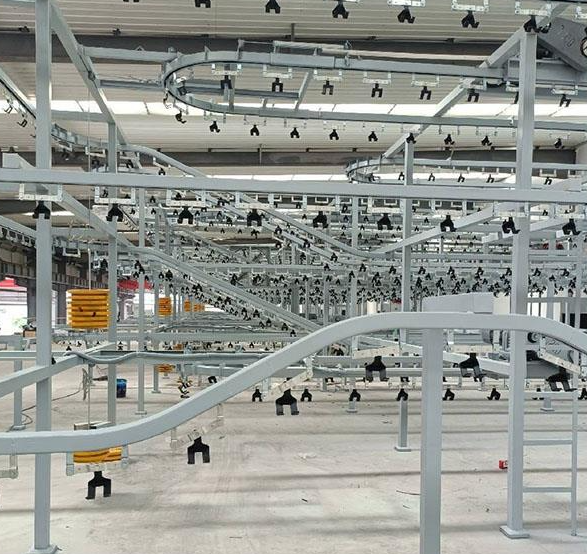
In our process control investment casting workflow, the job isn’t done until we prove the part is perfect. We don’t rely on guesswork; we rely on data. This final stage is the ultimate gatekeeper, ensuring that every stainless steel or alloy component we ship meets the rigorous standards expected by the US market.
Non-Destructive Testing (NDT) Methods
To guarantee structural integrity without damaging the component, we employ comprehensive Non-destructive testing (NDT) protocols. This is critical for parts used in high-stress industries like automotive and marine, where failure isn’t an option. We focus on casting defect reduction by identifying issues that are invisible to the naked eye.
- X-Ray Inspection: We use radiographic testing to look deep inside the metal, detecting internal shrinkage, gas porosity, or inclusions.
- Dye Penetrant Inspection (DPI): This highlights surface-breaking defects, ensuring the skin of the casting is flawless.
- Magnetic Particle Inspection (MPI): For ferromagnetic materials, we use MPI to catch minute surface and near-surface discontinuities.
Geometric Verification with CMM and 3D Scanning
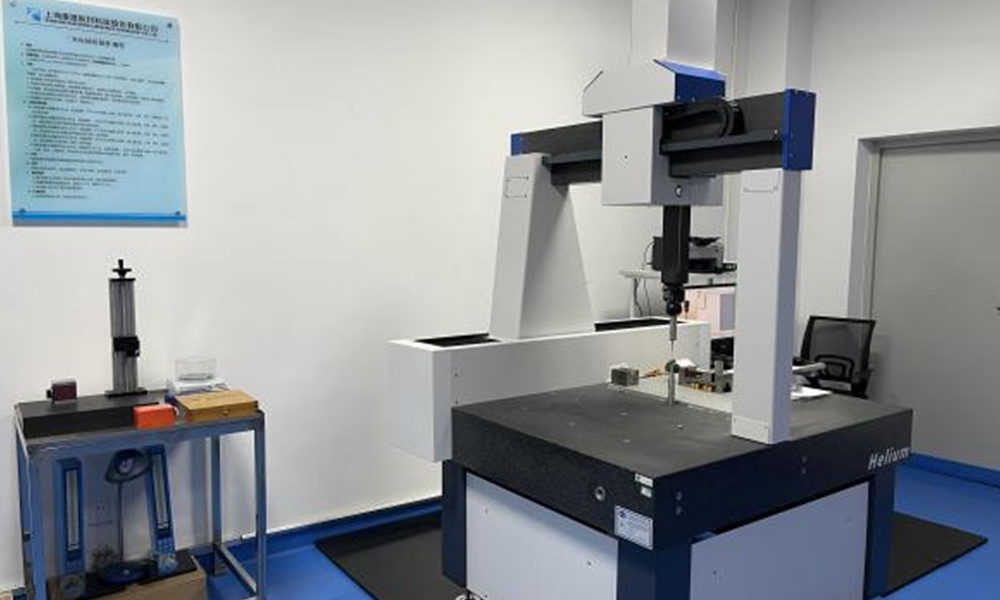
Precision is our currency. We verify that every dimension matches your print specifications using advanced metrology equipment.
- Coordinate Measuring Machine (CMM): Our CMM lab validates complex geometries with micron-level accuracy. We strictly adhere to Dimensional tolerance ISO 8062 standards (typically DCTG4 to DCTG6) to ensure your parts fit perfectly right out of the box.
- 3D Scanning: For complex contours, we overlay 3D scan data against the original CAD model to visualize deviations instantly.
By combining rigorous NDT with precise dimensional checks, we ensure that our process control delivers reliable, high-performance castings every time.
FAQs: Common Questions About Process Control
How does process control reduce investment casting costs?
Effective process control isn’t just about quality; it’s a major cost saver. By catching defects early—often during the wax injection parameters check—we prevent wasting expensive alloys and energy on bad parts. Strict monitoring leads to significant casting defect reduction, which lowers our internal scrap rates. Furthermore, maintaining tight dimensional tolerance ISO 8062 standards means the final cast parts require less secondary machining. You aren’t paying for extra labor to fix deviations; you are paying for parts that fit right out of the box.
What are the critical parameters in silica sol casting?
In silica sol investment casting, we track several non-negotiable variables to guarantee precision.
- Slurry Viscosity Control: We constantly test the ceramic slurry to ensure it coats the wax pattern uniformly, which is critical for dimensional accuracy.
- Chemical Composition: Using an Optical Emission Spectrometer (OES), we verify the melt chemistry before pouring to prevent material failure.
- Temperature Regulation: Both the shell pre-heat and molten metal temperatures are strictly controlled to avoid shrinkage porosity prevention issues.
Why is humidity control vital for shell building?
The shell drying environment is where surface quality is determined. If the humidity is too low, the shell dries too fast and cracks; if it’s too high, it won’t cure properly. We maintain a stable climate to ensure the ceramic layers bond perfectly. This stability prevents shell failure during the pour and ensures we achieve a superior surface roughness Ra (typically 3.2 to 6.3 microns) without needing aggressive post-process grinding.
 English
  Russian
  German