
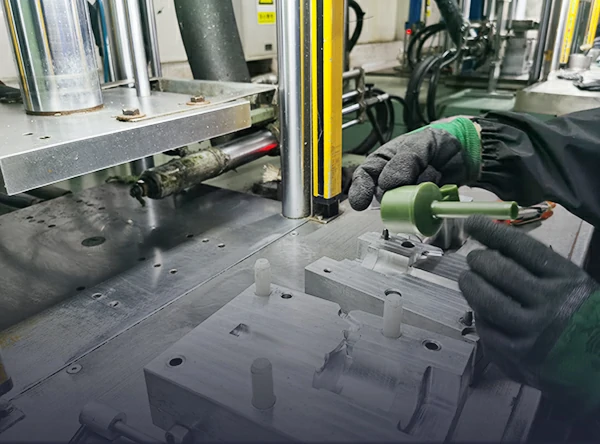
3D Printed Wax VS Traditional Injected Wax
Choosing between 3D printing and traditional injection is a strategic decision based on production volume and design complexity. Both methods serve as the foundation for high-quality investment casting, yet they utilize vastly different mechanical approaches to create the sacrificial patterns needed for metalwork.
How the Traditional Wax Injection Process Works
The traditional workflow is the gold standard for mass production, centered around the high-performance wax injection machine. This method utilizes a metal or rubber mold to produce consistent patterns at scale.
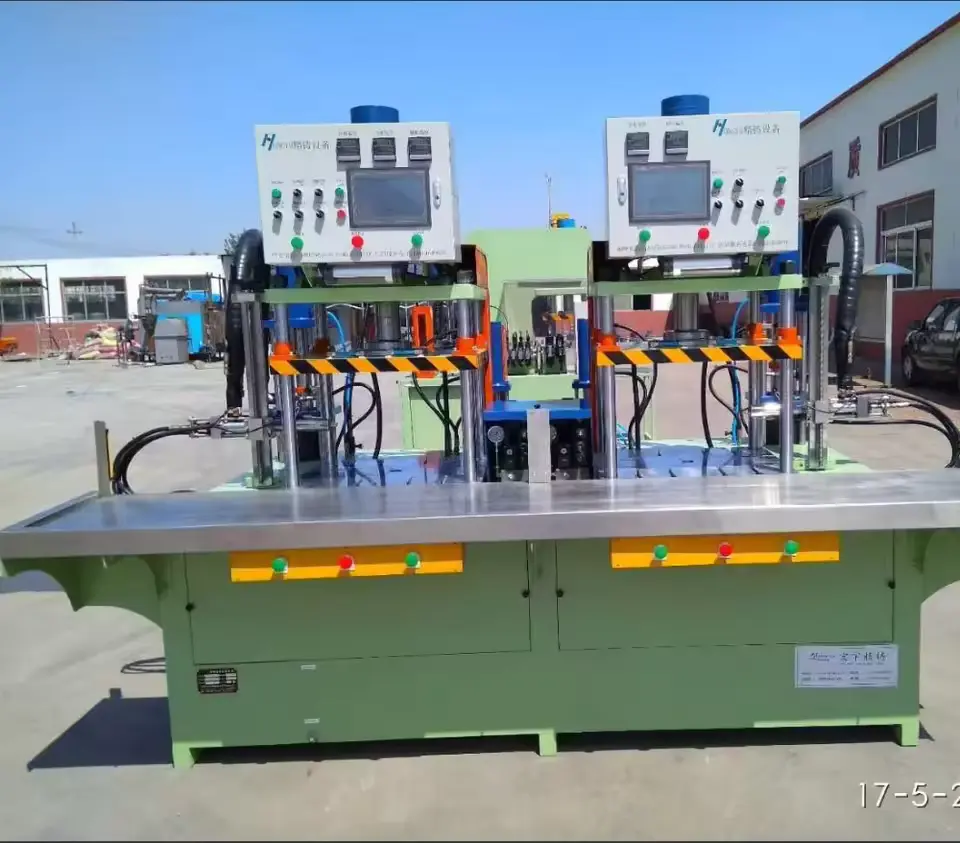
- Pressure & Heat: A wax injection machine forces molten wax into a die at precise temperatures to ensure the cavity is filled completely.
- Surface Finish: This method is renowned for providing a superior, glass-like surface finish that significantly reduces the need for manual polishing after casting.
- Repeatability: Wax injection molding ensures that every part is an exact replica, making it the most cost-effective solution for high-volume manufacturing.
The Mechanics of 3D Printing Wax for Casting
3D printing, or additive manufacturing, bypasses the need for physical molds entirely. It translates a digital CAD file directly into a physical object by depositing material layer by layer.
- No Tooling Required: Since there are no molds to manufacture, it is the fastest route for custom one-offs and complex prototypes.
- Dimensional Accuracy: Modern printers offer exceptional dimensional accuracy, allowing for the creation of "impossible" geometries, such as interlocking parts or ultra-fine lattices.
- Direct Casting: Patterns are printed using 100% castable wax or specialized resins that mimic wax properties during the burnout phase.
The Role of Wax Patterns in Lost Wax Casting
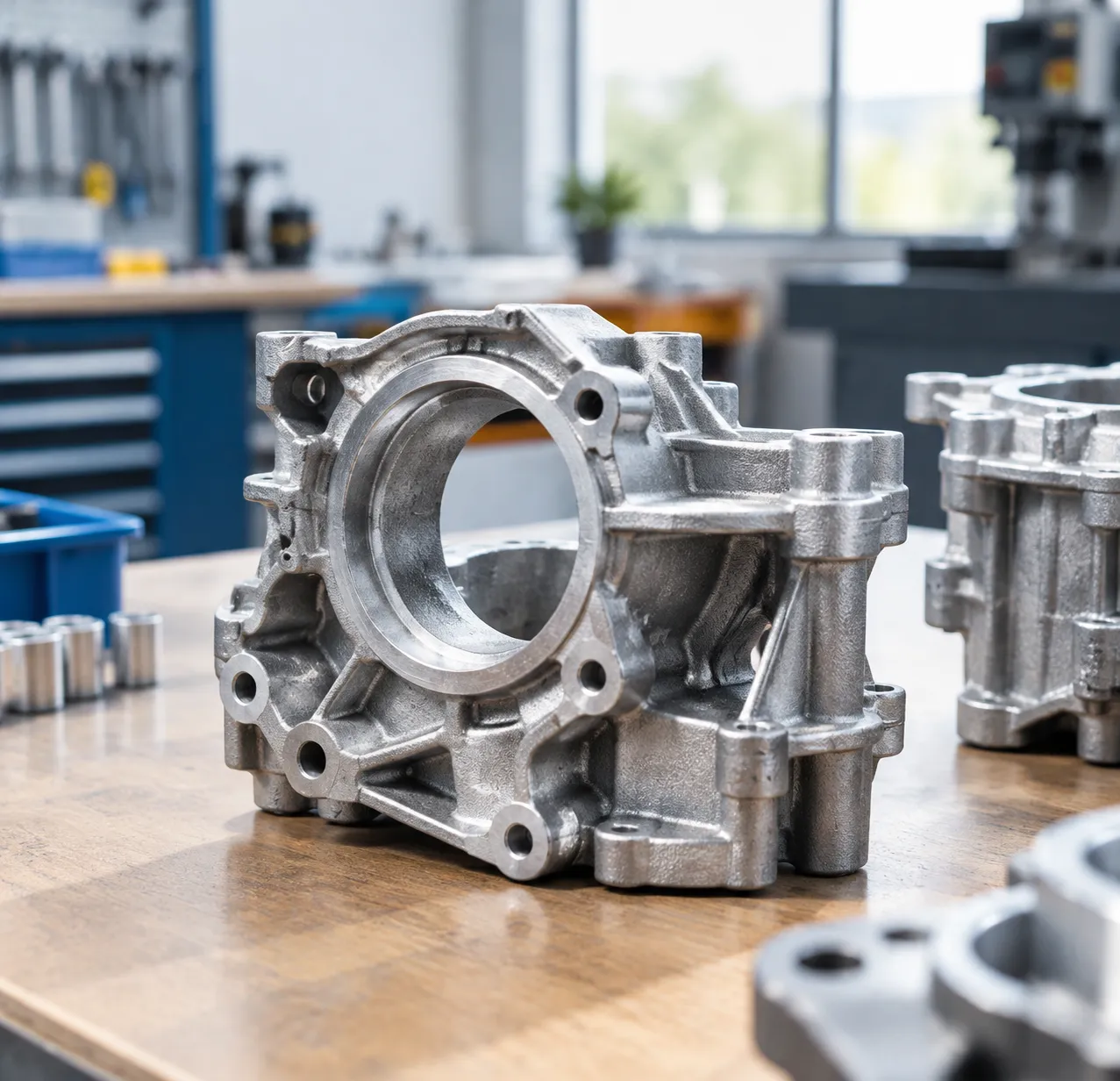
The wax pattern is the heart of the lost wax casting process. Whether injected or printed, the pattern's quality determines the final metal part's integrity.
- The Mold Creation: The pattern is "invested" in a ceramic slurry. Once the ceramic hardens, it creates a rigid shell around the wax.
- The Burnout Phase: The shell is heated, causing the wax to melt and drain out, leaving a hollow negative space.
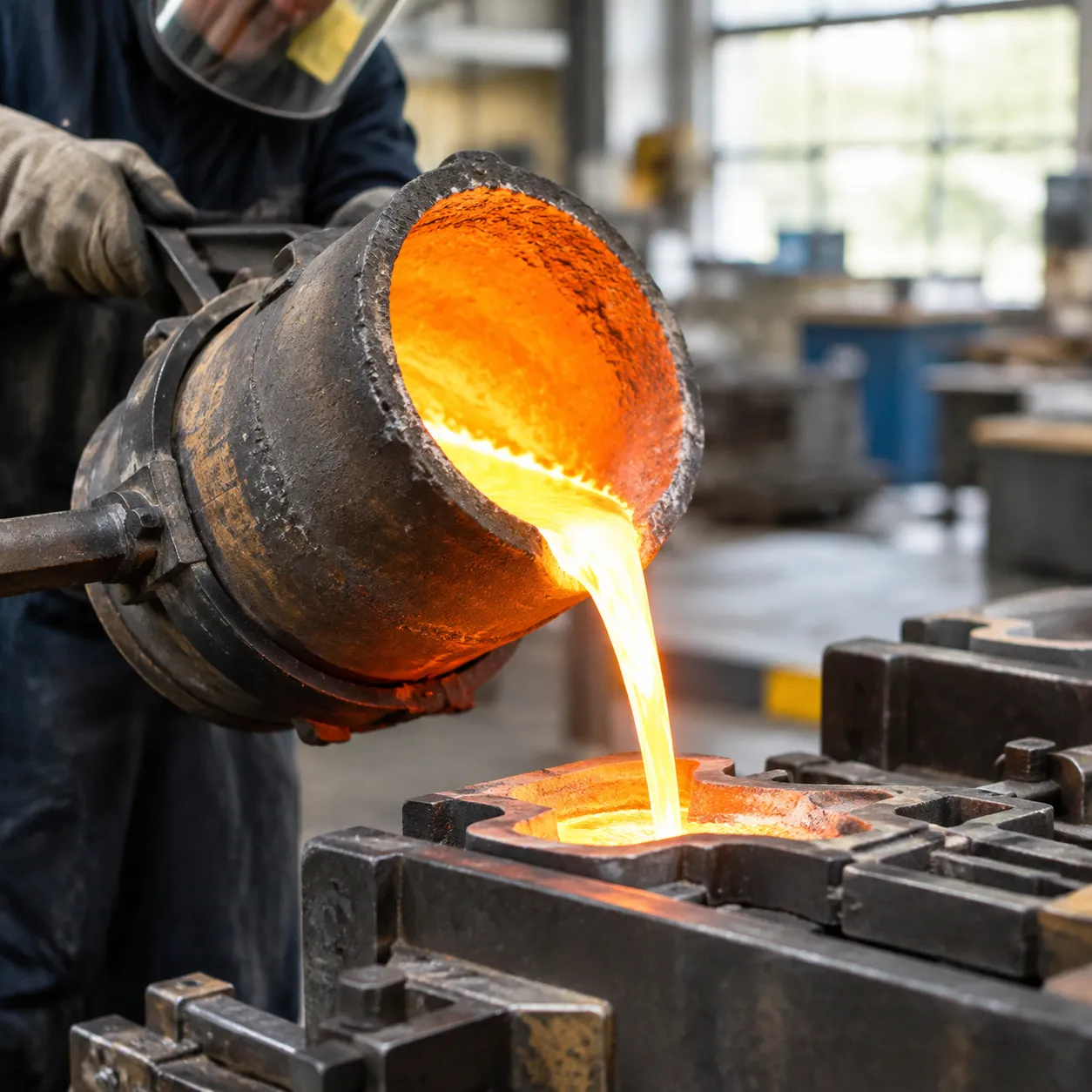
- Metal Transformation: Molten metal is poured into this cavity. Once cooled, the ceramic is broken away to reveal the final metal component.
Comparing Production Workflows: Digital vs. Analog
Choosing between 3D printing and traditional injection isn't just about the final part; it’s about how you get there. We’ve found that the workflow you choose dictates your speed to market and your ability to handle custom requests. While one relies on physical tooling, the other lives entirely in the digital workspace.
The Necessity of Rubber Molds in Wax Injection
In a traditional wax injection molding setup, you can't start production without a master mold. This usually involves creating a metal master, then vulcanizing rubber around it to create a cavity. While this is the gold standard for mass production, it adds significant lead time and upfront costs.
The choice between 3d printed wax vs injected wax for casting often comes down to how much time we have and how many parts we need. The workflow for traditional injection is strictly analog, while 3D printing is a fully digital route.
The Necessity of Rubber Molds in Wax Injection
In a traditional setup, we cannot produce a pattern without a rubber mold. This involves:
- Creating a master pattern: Usually made of metal or hard resin.
- Vulcanization: Cooking rubber around the master to create a cavity.
- Manual Cutting: Carefully slicing the mold to allow for pattern removal.
- Injection: Using a wax injection machine to fill the cavity under pressure.
Because these molds are physical assets, they require organized storage and can degrade over time. If you encounter issues with fill or surface quality during this stage, understanding wax injection troubleshooting is vital to maintaining your production line.
Direct CAD-to-Cast: The 3D Printing Advantage
3D printing flips the script by removing the "master" step entirely. We go straight from a computer design to a physical wax pattern. This is what we call a "Direct CAD-to-Cast" workflow. There is no mold to cut and no master to store. For investment casting shops that focus on one-of-a-kind custom jewelry or specialized industrial parts, this digital speed is a massive competitive edge.
Impact on Design Flexibility and Rapid Prototyping
The biggest shift we see is in design freedom. Since we aren't worried about how a wax pattern "pulls" out of a rubber mold, we can design geometries that were previously impossible.
- Complex Undercuts: Shapes that would be trapped or "locked" in a traditional rubber mold.
- Hollow Geometries: Reducing material weight and metal costs in the final cast.
- Interlocking Parts: Printing multiple moving parts as a single unit.
| Workflow Factor | Wax Injection Molding | 3D Wax Printing |
|---|---|---|
| Initial Tooling | Required (Rubber Molds) | None (Digital Files) |
| Lead Time | Days or Weeks for tooling | Same Day / Overnight |
| Scalability | Best for high volume | Best for custom/low volume |
| Design Limits | Limited by mold release | Almost no geometric limits |
Using a digital workflow allows us to offer rapid prototyping, letting customers see and touch a model before committing to a full production run of lost wax casting. While injection remains the king of mass production, 3D printing has revolutionized how we handle custom orders and complex engineering.
Precision and Detail Capabilities
Achieving Ultra-Fine Filigree with 3D Printed Models
When it comes to complex geometries, 3D printed wax is the clear winner. I’ve seen designs with undercuts and delicate filigree that would be impossible to pull from a traditional rubber mold without breaking the pattern. Because the printer builds the model layer by layer, it can handle intricate internal structures and hyper-detailed textures that wax injection molding simply can't reach. For custom jewelry or high-tech components, this "no-limits" approach to design is a game-changer.
Consistency and Dimensional Accuracy Across Replicas
For mass production, the wax injection machine remains the industry standard for dimensional accuracy. Once we dial in the settings for a specific mold, the repeatability is nearly perfect. In investment casting, consistency is everything. While 3D printers are incredibly precise, slight variations in UV curing or thermal fluctuations during a long print run can sometimes affect the tolerances. To maintain these high standards, [automation in casting process for high precision investment castings](When we look at 3d printed wax vs injected wax for casting, the choice often comes down to the complexity of the geometry. Both methods are pillars of lost wax casting, but they serve different needs for precision. I’ve found that 3D printing excels where traditional molds fail, specifically in designs with deep undercuts or internal cavities that a rubber mold simply cannot release.
Achieving Ultra-Fine Filigree with 3D Printed Models
Digital wax printers can hit details that are nearly impossible to achieve with a manual wax injection machine. For ultra-fine filigree, the printer builds the pattern layer-by-layer, allowing for:
- Interlocking parts printed as a single unit.
- Extremely thin walls and delicate prongs for high-end jewelry.
- Zero draft angles, which are usually required for injected patterns to pop out of a mold.
Consistency and Dimensional Accuracy Across Replicas
For mass production, nothing beats a high-quality wax injection molding setup. Once a metal or rubber mold is perfected, the dimensional accuracy is incredibly stable. In my experience, while 3D printers are precise, they can sometimes suffer from pixel distortion or UV shrinkage.
If your goal is to maintain tight tolerances over thousands of units, integrating automation in casting process for high precision investment castings is the most reliable way to ensure every replica is identical.
Surface Finish Quality: Print Layers vs. Injection Smoothness
The surface quality is where these two methods differ most. Injected wax patterns come out of the mold with a glass-like smoothness, requiring minimal cleanup before the investment casting stage.
| Feature | 3D Printed Wax | Injected Wax |
|---|---|---|
| Surface Texture | Visible layer lines (stepping) | Smooth and uniform |
| Post-Processing | Requires light sanding/polishing | Ready for immediate treeing |
| Detail Sharpness | Superior for micro-details | High, but limited by the mold |
While 3D printing is a game-changer for custom work, the "stepping" or layer lines can be a drawback if you aren't prepared for extra bench work. For high-volume projects where surface finish is king, a professional wax injection machine remains the industry gold standard.
Material Properties and Burnout Behavior
The success of your final part depends heavily on how the pattern material reacts inside the furnace. Whether you are using 3d printed wax vs injected wax for casting, understanding the chemical breakdown during burnout is the difference between a flawless surface and a scrap piece.
100% Natural Wax vs. Synthetic Castable Resins
Traditional injected wax is usually a blend of natural paraffin and beeswaxes. It is designed to melt at low temperatures and flow out of the mold effortlessly. In contrast, many 3D "waxes" are actually photopolymer resins with wax-like properties. These don't melt; they undergo a combustion process where they turn into gas.
| Feature | Injected Natural Wax | 3D Printed Castable Resin |
|---|---|---|
| State Change | Melts and flows out | Gasifies (Combustion) |
| Ash Residue | Negligible | Varies by manufacturer |
| Pattern Removal | Fast (Low temperature) | Slower (High temperature) |
| Material Origin | Paraffin/Natural sources | Synthetic Photopolymers |
The Importance of Low-Ash Content for Clean Casting
A clean burnout is the only way to ensure high-quality surface finishes. If the material leaves behind carbon residue or ash, it will create microscopic pitting or inclusions in the metal. Maintaining strict process control in investment casting for defect-free precision is critical here. While 100% natural waxes are practically ash-free, some cheaper 3D resins can leave a residue that compromises the casting's structural integrity.
Thermal Expansion and Mold Stability During Burnout
Synthetic resins tend to expand significantly before they begin to gasify. This thermal expansion can put immense internal pressure on the ceramic shell or investment mold. If the expansion is too rapid, the mold will crack, leading to flashing or complete failure. Traditional injected wax, however, has a lower thermal expansion coefficient and usually liquefies before it can exert enough pressure to damage the mold walls. Managing this cycle requires a deep understanding of precision casting and CNC machining to balance the heat ramp-up with the material's physical properties.
- Wax Injected Patterns: Low expansion, easy drainage, zero ash.
- 3D Printed Patterns: Require specific burnout schedules, controlled gasification, and high-strength investment.
Efficiency, Cost, and Scalability Analysis
When we look at the bottom line, the choice between 3d printed wax vs injected wax for casting depends entirely on your production volume and turnaround needs. We see 3D printing winning on agility, while traditional injection dominates on pure volume and unit cost.
Labor Intensity and Storage Requirements for Molds
Traditional wax injection relies heavily on physical inventory. You have to store, catalog, and maintain hundreds of rubber or metal molds. This takes up significant shelf space and requires manual labor to retrieve and prep each mold.
In contrast, 3D printing is almost entirely digital. Your "warehouse" is a hard drive. We eliminate the physical storage of molds, though the labor shifts toward digital file preparation and post-processing the prints. For a detailed breakdown of how these workflows impact your bottom line, check out our comprehensive process comparison.
Equipment Investment: 3D Printers vs. Injection Machines
The upfront investment varies significantly based on your output goals. A high-quality wax injection machine is a long-term workhorse designed for decades of service, whereas 3D printers require more frequent tech updates.
| Feature | 3D Wax Printer | Wax Injection Machine |
|---|---|---|
| Initial Cost | Moderate to High | Low to Moderate |
| Tooling Cost | $0 (Digital) | High (Physical Molds) |
| Maintenance | Regular (Software/Hardware) | Minimal (Mechanical) |
| Space Needed | Small Desktop/Industrial | Benchtop + Mold Storage |
Speed Comparison for Custom Orders and Mass Production
Speed is relative. For a single custom ring or a small batch of prototype parts, 3D printing is the clear winner because we skip the mold-making stage entirely. However, once you move into mass production, the wax injection machine is unbeatable.
- Custom Orders: 3D printing allows for same-day "CAD-to-Cast" workflows.
- Mass Production: An injection machine can produce hundreds of patterns an hour once the mold is set.
- Scalability: We use our one-stop service to bridge the gap, using printing for R&D and injection for the final market rollout.
While 3D printing offers incredible flexibility for complex, low-volume designs, the cost per part in lost wax casting remains significantly lower with traditional injection when scaling into the thousands. We recommend 3D printing for the "wow" factor and customization, but stick to the tried-and-true injection method for your best-sellers.
 English
  Russian
  German