
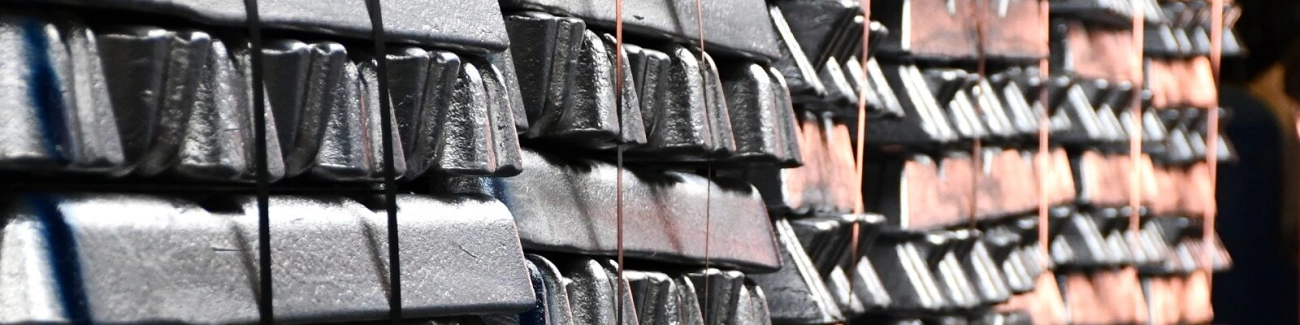
What is Green Sand Casting?
What is green sand in casting? It is the foundational and most widely utilized metal casting process globally. This method involves compacting a specialized sand mixture around a pattern to create a cavity. Molten metal is then poured directly into this cavity to form the final component. From automotive engine blocks to heavy machinery components, it remains the industry standard for creating durable, complex metal parts at scale efficiently.
Understanding the "Green" in Green Sand
A standard misconception is that the material features a green hue. The reality is purely operational. The word "green" specifically designates the moisture state of the mold.
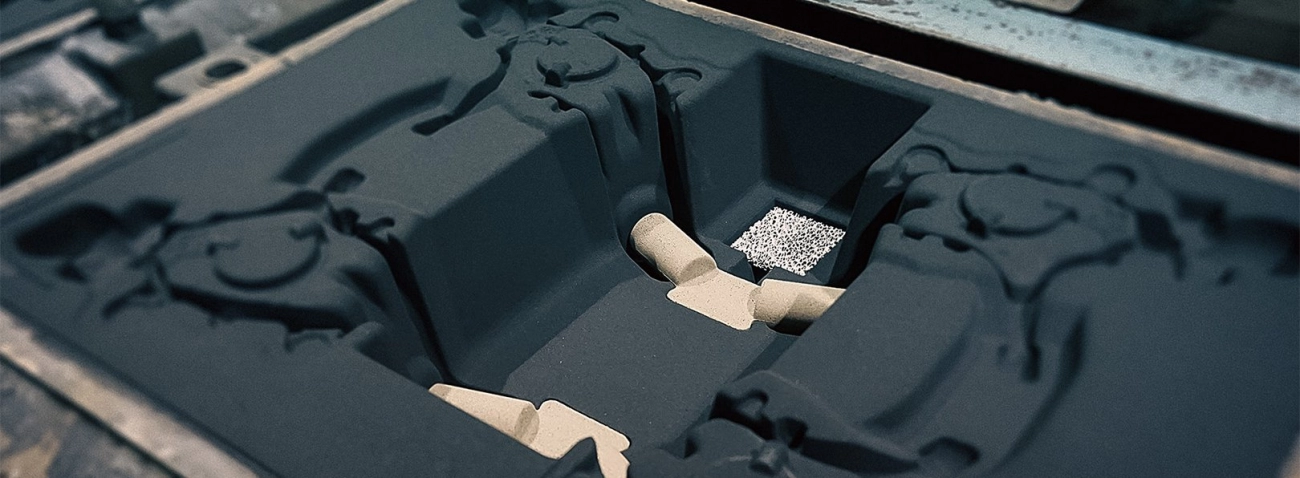
- Moisture-Rich: The material is essentially wet sand, relying on a precise ratio of water and clay to hold its shape under pressure.
- Unbaked Molds: Unlike the air set method or dry sand casting, green sand molds are not baked, fired, or thermally cured before the molten metal is introduced.
- Pliable State: Similar to "green wood" that retains its natural sap, the sand mixture remains uncured right up until the casting phase.
History and Origin of the Process
Green sand casting boasts a rich industrial heritage that serves as the backbone of modern infrastructure.
- Ancient Foundations: The technique originated millennia ago when early metallurgists utilized naturally occurring, clay-heavy sands from riverbanks to forge primitive tools and weapons.
- The Industrial Boom: During the Industrial Revolution, the process was heavily refined and standardized to mass-produce cast iron parts for railways, steam engines, and textile machinery.
- Modern Evolution: While the core physical principles remain unchanged, today's mold composition is highly engineered. Modern foundries utilize synthetic, precision-mixed sands and automated molding equipment to achieve unparalleled high-speed production.
Composition of Green Sand Molds
The mold composition of green sand is straightforward but demands precise ratios. Unlike rigid chemical systems such as the air set method, green sand relies entirely on natural materials. It is essentially specially graded wet sand mixed with natural binding agents to hold its shape under extreme heat during the metal casting process.
Silica Sand Base Material
- The Core Foundation: Silica sand makes up about 85% to 90% of the entire mixture.
- High Thermal Resistance: It provides the necessary refractory properties to survive direct contact with molten metal without melting.
- Essential Permeability: The space between sand grains allows trapped gases and steam to escape, which prevents catastrophic casting defects. Understanding this base layer is a critical component of learning how to make a sand cast mold for industrial manufacturing.
Bentonite Clay Binders
- The Natural Glue: Bentonite clay accounts for roughly 4% to 10% of the green sand mix.
- Structural Integrity: The clay wraps around the silica sand grains, acting as the primary binder. Without the right amount of bentonite, the mold simply cannot hold its cavity shape.
The Role of Water and Additives
- Moisture Activation: Water (typically 2% to 5%) is required to activate the bentonite clay. This specific moisture content is the exact reason this mixture is referred to as "green" sand.
- Surface Finish Additives: We incorporate carbonaceous additives, most commonly coal dust or sea coal, at around 2% to 8%. When molten metal hits the mold, these additives burn off to create a protective gas barrier. This prevents the metal from penetrating the sand and drastically improves the final surface finish. For a deeper dive into how these specific ratios impact precision parts, reviewing a comprehensive sand mold casting guide is highly recommended.
The Step-by-Step Green Sand Casting Process
Understanding exactly what is green sand in casting becomes much clearer when you see it in action on the foundry floor. This metal casting process is a staple in manufacturing because it is straightforward and highly repeatable. Here is how we turn raw materials into solid metal parts.
Pattern Creation and Mold Development
Everything starts with a pattern—a physical replica of the final component. We place this pattern inside a rigid frame called a flask and firmly pack our "wet sand" mixture around it. The mold composition must be mixed perfectly so that when we pull the pattern out, the sand holds a precise, negative cavity of the part without crumbling.
- The Cope and Drag: The mold is split into a top half (cope) and a bottom half (drag).
- The Gating System: We cut channels into the sand to give the molten metal a path to flow into the cavity.
For a deeper dive into how different materials shape this phase, explore our comprehensive mold and cast guide to see how various methods stack up.
Core Placement and Assembly
If a part requires hollow interior spaces or complex internal channels, we use cores.
- Core Setting: These are solid, pre-shaped sand inserts placed carefully inside the mold cavity.
- Material Difference: Unlike the damp exterior mold, cores typically use an air set method or heat-cured resins to remain incredibly rigid so they don't wash away when hit by heavy liquid metal.
Once the cores are locked in place, we assemble the cope and the drag, clamping them tightly together to prevent any metal from leaking out the sides.
Pouring Molten Metal and Cooling
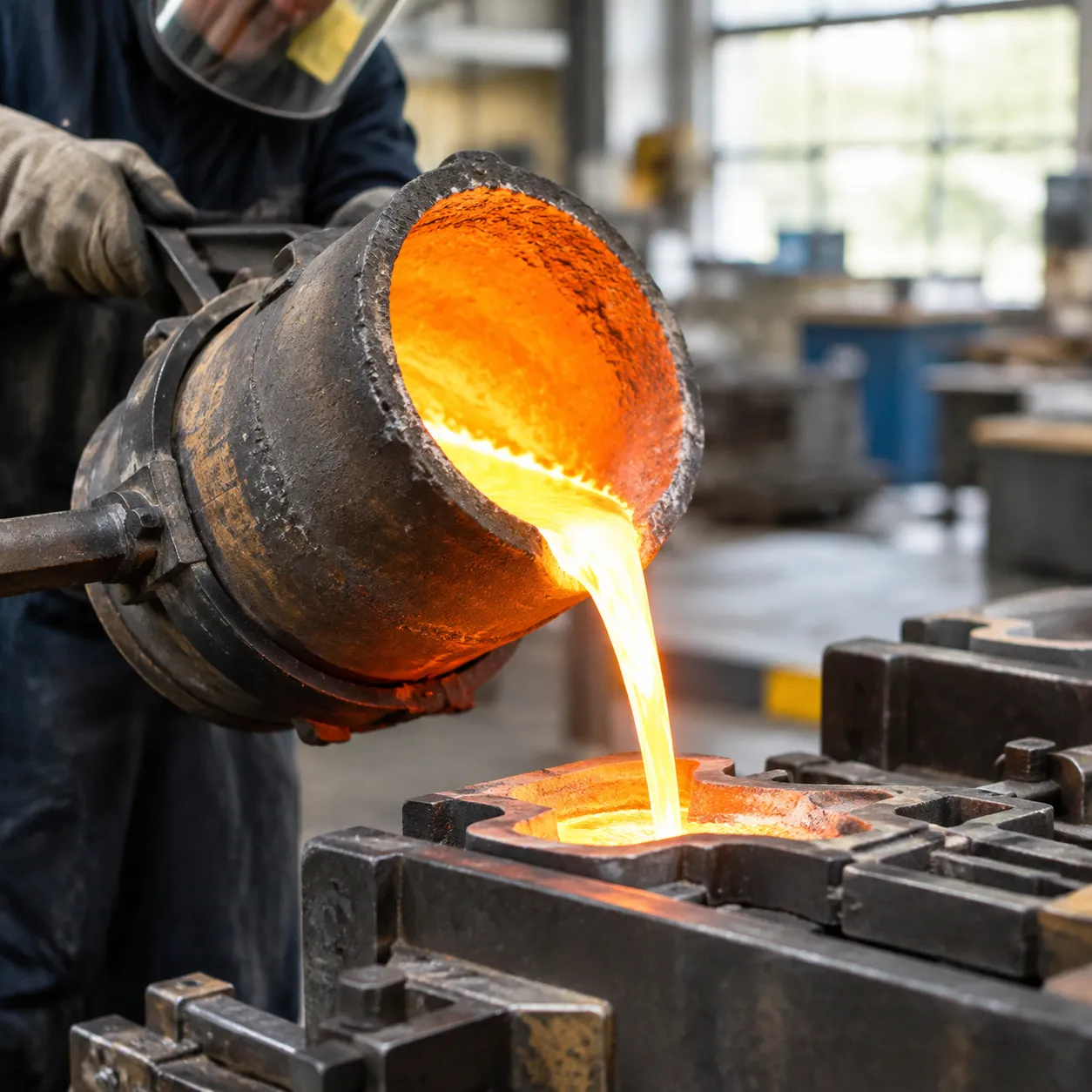
With the mold securely clamped, we pour the molten metal directly into the pouring basin. Gravity pulls the liquid through the gating system and into the hollow cavity. As a wax injection machine manufacturer, we often deal with the delicate precision of investment casting, but there is an undeniable raw efficiency to the green sand pouring process.
After pouring, the entire mold sits undisturbed. Cooling is critical. The metal must solidify at a controlled rate to prevent shrinking, cracking, or internal weaknesses.
Shakeout and Sand Recovery
Once the casting has fully cooled and solidified, it is time for the shakeout. We break the sand mold apart to reveal the newly formed metal part inside.
- Vibration Tables: The molds are placed on large vibrating grates that shake the loose sand away from the solid metal.
- Reclamation: This is the best part of the green sand process. The broken sand falls through the grates, gets collected, re-hydrated, mixed with a little fresh clay, and goes straight back to the beginning of the line to make the next mold.
Advantages of Green Sand Casting
As a wax injection machine Manufacturer and supplier, we see firsthand how different manufacturing techniques impact the bottom line. When it comes to the overall metal casting process, green sand casting stands out as an industry heavyweight. It remains a dominant force in global manufacturing because it consistently delivers on speed, price, and scalability.
Cost-Effectiveness and Efficiency
The biggest draw of green sand casting is its minimal price tag. The raw mold composition relies on basic, easily sourced materials like silica sand, clay, and water.
- Low Material Costs: Raw materials are vastly cheaper than the chemical binders required in the air set method.
- High-Speed Output: Molds are ready for pouring immediately. There is no waiting for ovens to bake or chemicals to cure, which drastically speeds up the entire production cycle.
- Cheaper Tooling: Pattern costs are generally lower compared to other precision casting methods.
Material Reusability and Sustainability
Green sand casting is inherently eco-friendly. While "green" simply refers to the moisture in the wet sand, it perfectly describes the process's environmental benefits.
- Massive Recycling Rates: Once the molten metal cools and solidifies, the sand is shaken off the casting. This sand is then collected, reconditioned with a little water and clay, and sent right back to the molding line.
- Reduced Waste Footprint: Continually reclaiming the sand drastically cuts down on material waste and disposal fees, keeping overhead low.
Versatility and Automation Potential
This method handles a massive variety of parts, from small brackets to heavy engine blocks, using iron, aluminum, or bronze. Beyond its flexibility, green sand casting is perfectly engineered for high-volume, automated production.
Foundries can easily scale operations by pairing this casting method with modern tech. By implementing a customizable industrial automation solution, modern facilities achieve rapid, continuous mold making and pouring with minimal manual labor, maximizing both yield and profit margins.
Quick Breakdown of Process Benefits:
| Advantage Feature | Direct Impact on Production |
|---|---|
| Material Cost | Lowest cost per part for medium to high volume runs. |
| Mold Preparation | Instant mold readiness; no curing time required. |
| Lifecycle | Sand is continuously reclaimed and reused daily. |
| Scalability | Easily pairs with fully mechanized production lines. |
Limitations and Disadvantages
When asking what is green sand in casting, it is just as important to understand its limits. While this metal casting process is highly efficient for bulk production, it is not the right fit for every manufacturing project.
Lower Dimensional Accuracy
Because we pack wet sand to form the mold, the walls remain relatively soft. They can yield or shift slightly when heavy, molten metal is poured inside.
- Tolerance issues: Parts often come out slightly larger or less precise than intended.
- Precision alternatives: If your project demands strict tolerances, green sand will fall short. For intricate designs, upgrading to a precision casting solution with silica sol process and ISO 8062 accuracy ensures the exact dimensions that sand simply cannot hold.
Surface Finish Constraints
The granular nature of the sand transfers directly to the exterior of the metal part.
- Rough texture: You will get a grainy, uneven finish on your final components.
- Extra machining: Parts require significant grinding and polishing to smooth out. The surface quality cannot match the flawless finish achieved by using a wax injection machine in investment casting setups.
Susceptibility to Casting Defects
The very thing that holds the mold composition together—moisture—can also be its biggest weakness.
- Gas porosity: When hot metal hits damp sand, it instantly creates steam. If this gas cannot escape, it creates blowholes or voids in the metal.
- Sand inclusions: Loose sand particles can break off during the pour and get trapped inside the solidifying metal, compromising its strength.
- Process switching: To avoid these specific moisture-related defects, we sometimes have to bypass green sand entirely and utilize the air set method to ensure cleaner, more reliable results.
Common Applications: What is Green Sand in Casting Used For?
In the global manufacturing landscape, understanding exactly what is green sand in casting used for helps determine if it's the right fit for your production line. This traditional metal casting process is an industry workhorse, widely adopted across the automotive, agriculture, and heavy machinery sectors for its speed and scalability.
When to Choose Green Sand Casting
Selecting the right molding method depends entirely on your project's volume and tolerance requirements. Even though we are a wax injection machine manufacturer and supplier specializing in high-precision investment casting setups, we routinely advise clients to utilize green sand when it fits their bottom line.
You should opt for this method when:
- High Volume is Required: The simple mold composition and the pliable nature of wet sand allow for rapid, automated mold creation on assembly lines.
- Cost Efficiency is a Priority: The raw materials are inexpensive and highly reusable, making it the most economical choice for bulk runs.
- Tolerances are Flexible: If your project does not strictly require the extreme dimensional accuracy provided by a wax injection machine, green sand gets the job done efficiently.
- Speed is Crucial: Unlike the lengthy chemical curing times required in the air set method, these molds are ready for molten metal immediately after compaction.
Typical Metal Parts and Components
This technique handles a wide variety of metals, particularly iron and aluminum alloys. For instance, when casting specialized components, understanding the specific aluminum grade 357 properties, applications, and performance is essential to ensure the sand mixture can properly manage the cooling rates and pouring temperatures.
| Industry | Typical Cast Components | Common Metals Used |
|---|---|---|
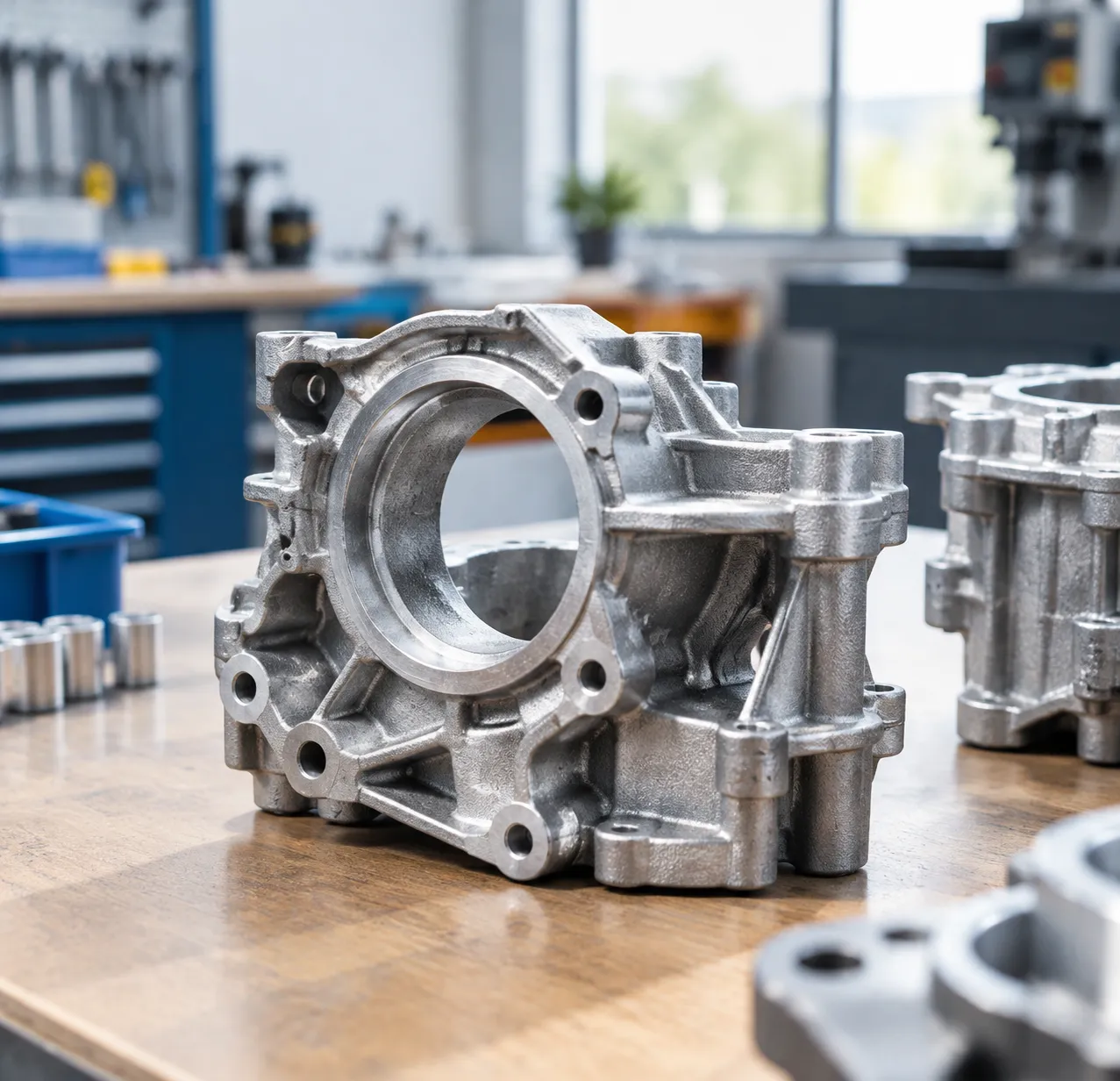
| Automotive | Engine blocks, cylinder heads, brake drums | Cast Iron, Aluminum |
| Agriculture | Tractor housings, plow components, brackets | Ductile Iron, Steel |
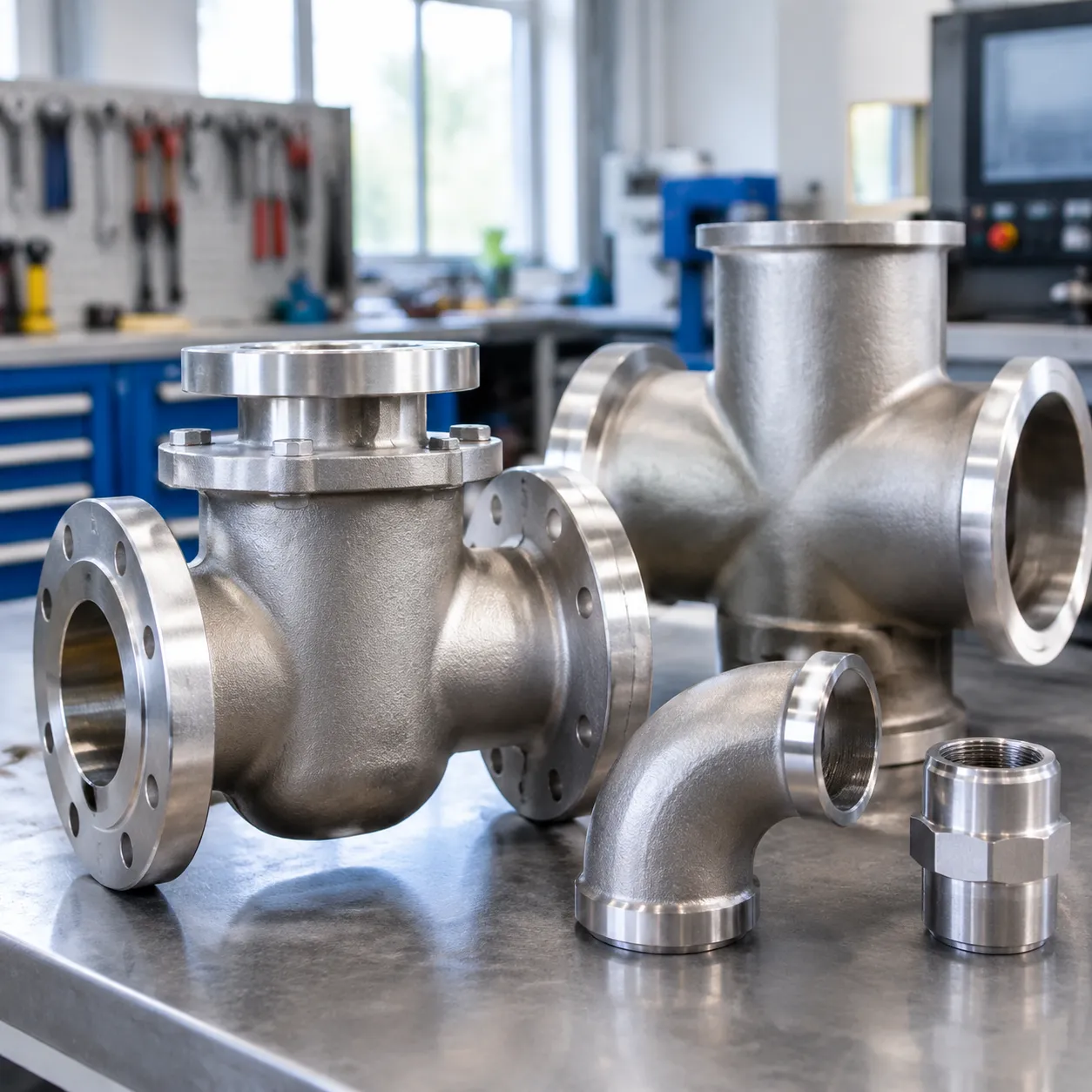
| Plumbing & Piping | Pipes, large valve bodies, industrial fittings | Brass, Iron, Bronze |
| Heavy Machinery | Machine bases, pump housings, gears | Heavy-duty Cast Iron |
Quality Control and Testing
To truly understand what is green sand in casting, you have to look at how we monitor and maintain the sand mixture. Consistent quality control is the backbone of any reliable metal casting process. Without strict testing, the entire production run is at risk.
Measuring Sand Grain Size and Moisture
The secret to a perfect mold composition lies in the delicate balance of the wet sand. If the mixture is off by even a small margin, the mold will fail under the intense heat of molten metal. We run continuous checks on our sand supply to keep everything in spec.
Here is what we actively measure:
- Moisture Content: We test the water levels daily. Too much moisture causes explosive steam pockets, while too little makes the mold crumble.
- Grain Size and Distribution: We use sieve analysis to check the sand particles. Finer grains create a smoother surface finish, but coarser grains are necessary to let trapped gases escape.
- Permeability: This tests how easily air passes through the sand. Good permeability prevents pressure buildup inside the mold.
- Green Compression Strength: We measure how much weight the damp sand can hold before collapsing to ensure the mold survives the pouring stage.
Preventing Common Casting Flaws
Catching issues early stops defects like blowholes, pinholes, and rough surfaces before they ruin a batch. We prevent these common flaws by strictly controlling the compaction of the sand and regulating the pouring temperature of the metal. If the air set method or green sand packing isn't perfect, the metal will find every weak point.
- Optimized Venting: We design molds with precise exhaust channels so gases vent out quickly.
- Consistent Mixing: Routine muller maintenance ensures the clay binder coats every single sand grain evenly, preventing structural weak spots.
- Temperature Regulation: We carefully monitor the molten metal heat to stop shrinkage and cold shuts.
While green sand handles bulk production beautifully, some intricate parts simply demand a different approach. For high-precision needs where wet sand isn't enough, investment casting takes over. Because we are a wax injection machine manufacturer and supplier, we provide robust equipment like the wax injection machine for investment casting and the two-station wax injection machine to cover those exact, high-detail specifications.
 English
  Russian
  German