
Green Sand vs. Dry Sand Casting: Key Differences
When clients approach us for casting solutions, the choice often comes down to specific project requirements regarding precision, volume, and budget. While both methods utilize sand molds, the fundamental distinction lies in moisture content and how the mold is hardened. Here is a direct breakdown of how green sand vs dry sand casting compares across critical manufacturing metrics.
Mold Preparation and Production Time
The most immediate operational difference is the setup time. Green sand casting is generally faster because the mold does not require baking. The sand mixture—containing silica, bentonite clay, and water—is compacted around the pattern and is ready for pouring almost immediately.
In contrast, dry sand casting is a slower process. The sand is mixed with resin binders and must be baked or chemically cured to remove all moisture and harden the mold before metal can be poured. This additional step significantly extends the lead time for mold preparation.
- Green Sand: Rapid mold production; no curing phase required.
- Dry Sand: Longer setup; requires time-intensive baking or curing cycles.
Dimensional Accuracy and Surface Finish
For applications where tight tolerances are non-negotiable, the choice becomes clear. Dry sand molds are rigid and hard, which allows them to maintain their shape better under the heat and weight of molten metal. This results in superior dimensional accuracy and a smoother surface finish, making it ideal for complex components like aerospace parts.
Green sand molds are softer due to their moisture content. While effective for general machinery, they are more prone to slight deformation, resulting in lower dimensional accuracy and a rougher surface texture compared to dry sand. For a deeper dive into the specifics of the material, you can read more about what is green sand in casting.
Comparison Table: Finish & Accuracy
| Feature | Green Sand Casting | Dry Sand Casting |
|---|---|---|
| Surface Texture | Rougher, granular finish | Smooth, high-quality finish |
| Tolerance | Lower accuracy | High precision, tight tolerances |
| Mold Rigidity | Softer, pliable | Hard, rigid, and durable |
Manufacturing Costs and Economic Viability
Cost is often the deciding factor for high-volume orders. Green sand casting is the most cost-effective option for several reasons. The raw materials (sand, clay, water) are abundant and inexpensive, and the process consumes less energy since no heating is required to cure the mold. Additionally, the sand is highly reusable.
Dry sand casting is more expensive. The cost drivers include the price of resin binders, the energy consumption for baking ovens, and the longer labor hours involved in the setup. Therefore, dry sand is typically reserved for high-value, critical parts where the cost is justified by the need for precision, rather than for mass production of simple items.
Casting Defects and Quality Control
Moisture is a double-edged sword in casting. In green sand casting, the presence of water creates a higher risk of porosity and gas defects. As the molten metal hits the moist mold, the water vaporizes; if this gas cannot escape, it gets trapped in the metal, causing blowholes or pinholes.
Dry sand casting virtually eliminates moisture-related defects. Because the mold is baked bone-dry, there is no steam generation during pouring. This results in high-integrity castings with fewer gas inclusions, which is why we recommend it for safety-critical components like engine blocks or high-pressure valves.
- Green Sand Risks: Porosity, gas inclusions, and blowholes due to steam.
- Dry Sand Benefits: High structural integrity; minimal risk of gas-related defects.
What is Green Sand Casting?
Definition and Sand Composition
Green sand casting is one of the most widely used casting methods in the foundry industry, favored for its versatility and cost-efficiency. Contrary to what the name suggests, the term "green" does not refer to the color of the mold but to the moisture content present in the sand mixture. This moisture indicates that the mold is in a damp, uncured state when the molten metal is poured.
The molding medium consists of a precise aggregate mixture designed to hold shape under pressure:
- Silica Sand: The primary refractory material.
- Bentonite Clay: Acts as the bonding agent.
- Water: Activates the clay to create cohesion.
- Additives: Various compounds added to improve surface finish or cushioning properties.
The Green Sand Molding Process
The production workflow for green sand casting is distinct because it bypasses the time-consuming curing stages found in other methods. The process is streamlined for efficiency:
- Pattern Creation: A pattern is placed in a flask (molding box).
- Sand Compaction: The moist sand mixture is packed tightly around the pattern to replicate its shape.
- Pattern Removal: The pattern is withdrawn, leaving a cavity.
- Pouring: Molten metal is poured directly into the "green" (damp) mold without any baking or drying.
- Solidification: The metal cools and solidifies within the moist sand structure.
Because the molds do not require baking to harden, the setup time is significantly shorter compared to dry sand casting, allowing for faster production cycles.
Advantages and Common Applications
Green sand casting is the preferred choice for manufacturers looking to balance production speed with economic viability. Its primary benefits include:
- Cost-Effectiveness: It utilizes abundant, inexpensive raw materials and eliminates energy costs associated with oven baking.
- Rapid Production: The absence of a curing phase allows for quicker turnaround times, making it ideal for high-volume orders.
- Eco-Friendly: The sand mixture can be reused multiple times, reducing industrial waste.
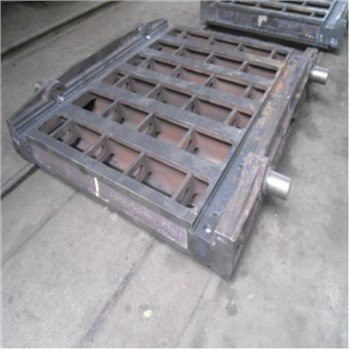
While the process may result in a rougher surface finish and lower dimensional accuracy compared to dry sand methods, it is perfectly suited for non-critical structural components. Common applications include automotive parts (such as engine blocks and transmission housings), agricultural equipment, and Large Sand Cast Iron Bases for general machinery.
What is Dry Sand Casting?
Definition and Sand Composition
Dry sand casting is a method defined by the complete absence of moisture in the mold mixture. Unlike green sand, which relies on clay and water, this process utilizes dry sand coated with specific chemical binders or resins. The sand is mixed with these additives to create a bond that doesn't require moisture to hold its shape. The defining characteristic here is that the mold is chemically bonded and thoroughly dried, ensuring zero water content before the molten metal is poured.
The Dry Sand Molding Process
The molding process for dry sand is more intensive than its green sand counterpart. After the pattern is formed, the sand mold must undergo a baking or curing process. We heat the mold to activate the binders, which hardens the sand into an exceptionally rigid and durable structure.
This baking step is critical because it drives out any potential volatile elements and solidifies the mold shape. While this results in a longer setup time and higher energy consumption, it is necessary for achieving high-integrity results. If you are interested in the technical steps of mold creation, our guide on how to make a sand cast mold covers the foundational techniques used in these precision processes.
Advantages and Common Applications
The primary advantage of dry sand casting is quality. Because the mold is baked dry, we eliminate the risk of moisture-related defects, such as gas porosity or steam pockets, which can occur when hot metal meets wet sand. This leads to:
- Superior Surface Finish: The castings come out smoother and cleaner.
- High Dimensional Accuracy: The rigid mold holds tight tolerances better than green sand.
- Structural Integrity: Ideal for critical components where failure is not an option.
Due to the higher cost of resins and the energy required for baking, this method is typically reserved for parts requiring high precision rather than high-volume, low-cost items. Common applications include:
- Aerospace components requiring strict adherence to specs.
- High-end automotive parts, such as complex engine blocks.
- Large industrial machinery parts made from Gray Iron or Ductile Iron.
Solidification and Environmental Impact
Heat Transfer and Cooling Rates
When comparing green sand vs dry sand casting, the presence of moisture plays a critical role in how the metal solidifies. In green sand molds, the moisture content facilitates faster heat transfer. As the molten metal enters the mold, the water in the sand mixture vaporizes, absorbing significant heat and accelerating the cooling process. This rapid cooling can be beneficial for certain grain structures but requires careful management to avoid defects like gas inclusions.
Conversely, dry sand molds, which have been baked to remove all moisture, generally offer slower cooling rates. This controlled solidification helps reduce internal stresses in the casting, making it ideal for complex geometries where maintaining structural integrity is paramount.
Energy Consumption and Process Emissions
From an energy perspective, green sand casting is the clear leader in efficiency. Because the molds do not require baking or chemical curing, the process consumes significantly less energy. We simply mix the sand, clay, and water, and it is ready for molding. This lack of a heating cycle makes it a highly sustainable choice for high-volume production.
Dry sand casting, however, is more energy-intensive. The process involves baking the molds at high temperatures or using chemical binders that require curing time. This additional step not only increases the production timeline but also raises the overall energy footprint of the manufacturing process. For projects where process comparison is necessary to balance environmental goals with precision needs, understanding this energy difference is vital.
Sand Recyclability and Waste Management
One of the biggest advantages of green sand is its reusability. The mixture of silica sand and bentonite clay can be reclaimed and reused for multiple casting cycles with minimal conditioning. This circular usage drastically reduces waste and raw material costs, making it an eco-friendly option for many of our clients.
Dry sand molds often use resin binders that can make recycling more difficult or expensive compared to the natural clay binders used in green sand. While high-quality castings are achievable with dry sand, the environmental trade-off involves higher material consumption and more complex waste management protocols.
Choosing Between Green and Dry Sand Casting
As a supplier committed to high-quality manufacturing, I often guide clients through the critical decision of selecting the right casting method. The choice between green sand and dry sand casting isn't just about preference; it’s about matching the process to your specific engineering and budgetary needs. Here is how we break down the decision-making process.
Assessing Metal Types and Casting Properties
When we look at green sand vs dry sand casting, the material often dictates the method. Green sand is incredibly versatile and works well for a wide range of non-ferrous and ferrous metals, particularly when producing standard industrial parts like Large Sand Cast Iron Bases or agricultural machinery components.
However, for applications requiring higher integrity, dry sand is superior. Because the moisture is baked out, dry sand molds are highly resistant to gas-related defects. This makes them the go-to choice for critical components like aerospace parts or complex engine blocks where porosity is unacceptable. If your project involves large, heavy castings that need high strength and stability during the pour, the rigid nature of a dry sand mold is often necessary to prevent mold wall movement.
Matching Production Volumes and Lead Times
Time-to-market and volume are massive factors in this equation. Green sand casting is the champion of speed and efficiency. Since the sand mixture doesn't require a time-consuming baking or curing phase, the setup time is short. This allows for rapid mold production, making it ideal for high-volume orders where keeping the production line moving is crucial.
In contrast, dry sand casting is a slower process. The added steps of mixing resin binders and baking the mold to cure it extend the lead time significantly. We typically recommend dry sand for lower-volume runs or specialized projects where the quality requirements outweigh the need for speed.
Quick Comparison: Production Suitability
| Feature | Green Sand Casting | Dry Sand Casting |
|---|---|---|
| Setup Time | Short (No curing required) | Long (Requires baking/curing) |
| Volume Ideal | Medium to High Volume | Low to Medium Volume |
| Production Speed | Fast cycle times | Slower cycle times |
Balancing Project Budget and Precision Requirements
Ultimately, the decision often comes down to the trade-off between cost and quality. Green sand casting is the most cost-effective option. The raw materials—sand, clay, and water—are abundant and inexpensive, and the sand is highly reusable, which keeps operating costs low. If your part does not require tight tolerances or a mirror-like finish, green sand is the smart economic choice.
On the other hand, if your specifications demand high dimensional accuracy and a superior surface finish, dry sand casting is worth the extra investment. The cost is higher due to expensive resin binders and the energy consumption required for curing, but it reduces the need for extensive secondary machining. For high-end automotive or precision industrial parts, the upfront cost of dry sand casting pays off by delivering a near-net-shape component with fewer defects.
FAQs: Green Sand vs Dry Sand Casting
What is the main difference between green sand vs dry sand casting?
The main difference between green sand vs dry sand casting is the moisture content in the mold. Green sand molds contain water, clay, and silica sand and are used in a damp state, while dry sand molds are baked or chemically cured to remove moisture, creating a rigid and dry structure.
Which process is more cost-effective: green sand or dry sand casting?
Green sand casting is generally more cost-effective because it uses inexpensive materials like silica sand, bentonite clay, and water. It also eliminates the need for baking or curing, reducing energy consumption and production costs compared to dry sand casting.
When should manufacturers choose dry sand casting instead of green sand casting?
Manufacturers typically choose dry sand casting when high dimensional accuracy, smoother surface finish, and stronger mold rigidity are required. It is often used for precision components such as aerospace parts, complex engine blocks, and high-integrity industrial castings.
Does green sand casting produce more defects than dry sand casting?
Green sand casting can have a higher risk of gas porosity and steam-related defects because of the moisture present in the mold. Dry sand casting reduces this risk since the molds are baked to remove all water before pouring molten metal.
Which casting method is better for high-volume production?
Green sand casting is better suited for high-volume production due to its faster mold preparation and shorter production cycle. Dry sand casting, while offering higher precision, typically involves longer setup times because of the curing or baking process.
Is green sand casting more environmentally friendly than dry sand casting?
Yes, green sand casting is generally considered more environmentally friendly because the sand mixture can be recycled and reused multiple times, and the process consumes less energy since no baking stage is required.
Related Sources
 English
  Russian
  German