
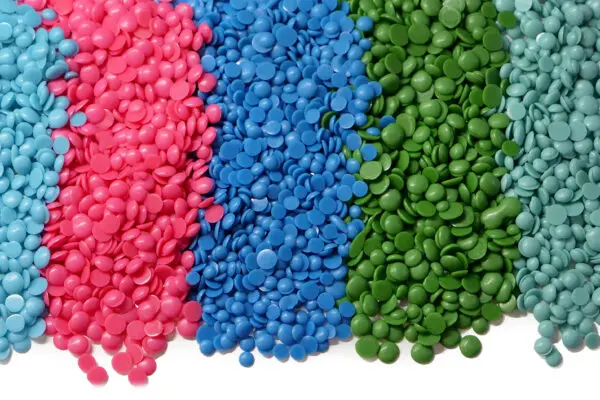
Guide to Injection Wax Properties
As a leading wax injection machine manufacturer and supplier, we know that successful investment casting begins with selecting the right materials. Understanding the nuances of injection wax properties is absolutely essential for producing flawless patterns, whether you are manufacturing delicate jewelry or high-precision industrial components.
Why Wax Properties Matter in Casting
The quality of your final cast piece is directly dictated by the performance of your wax during the injection molding process. Selecting the correct wax formulation ensures sharp, accurate details and drastically reduces production rejection rates.
- Detail Reproduction: High-quality wax captures the finest micro-textures directly from the rubber mold.
- Defect Reduction: The right wax properties prevent air bubbles, flashing, and incomplete fills.
- Operational Efficiency: Optimizing wax selection speeds up the injection cycle and minimizes post-casting cleanup.
Key Terminology: Flow, Shrinkage, and Flexibility
To effectively navigate an injection wax properties comparison chart, you must understand the core metrics that define how wax behaves inside the mold cavity.
- Flow: Indicates how smoothly and rapidly the molten wax travels through intricate mold channels. High flow is critical for capturing fine details and filigree.
- Shrinkage: Measures the percentage the wax contracts as it cools and solidifies. Low wax shrinkage is strictly required for maintaining precise dimensional accuracy.
- Flexibility: Defines the ability of the cooled pattern to bend slightly without snapping. Excellent wax flexibility allows for safe, damage-free removal from complex or rigid rubber molds.
How Injection Temperature Affects Quality
Controlling the flow temperature is just as critical as the wax formulation itself. The temperature setting on your equipment dictates the viscosity and cooling behavior of the wax under specific injection pressure.
| Temperature State | Injection Result | Potential Defects |
|---|---|---|
| Too Cold | Sluggish flow, premature freezing | Short shots, incomplete details, thick parting lines |
| Optimal | Smooth, consistent cavity fill | Sharp details, dimensional stability, easy release |
| Too Hot | Excessive fluidity, extended cooling time | High wax shrinkage, flashing, sunken or pitted surfaces |
Maintaining precise temperature and pressure controls on your wax injection machine guarantees reliable, repeatable results with every single injection cycle.
Injection Wax Properties Comparison Chart
Every wax behaves differently under heat and pressure. Using an injection wax properties comparison chart helps you match the exact material to your specific casting needs, ensuring you get the most out of your high-performance wax injection machine.
General-Purpose vs. Specialty Waxes
Not all waxes handle the stress of injection molding the same way. The choice between general-purpose and specialty waxes comes down to your required balance of carveability, shape retention, and wax flexibility.
| Wax Category | Carveability | Wax Flexibility | Wax Shrinkage | Ideal Application |
|---|---|---|---|---|
| General-Purpose | Medium | Medium | Moderate | Standard everyday casting |
| High-Flex Specialty | Low | High | Low | Delicate, hard-to-remove molds |
| Carving Specialty | High | Low | Very Low | Prototypes needing post-injection work |
Injection Temperature and Viscosity Metrics
Your wax's flow temperature and viscosity directly dictate the required injection pressure. Getting these metrics right prevents miscasts and surface defects.
- Low Viscosity Waxes: Melt at lower temperatures (around 65°C). They flow rapidly to fill extremely fine details but are prone to higher wax shrinkage.
- High Viscosity Waxes: Melt at higher temperatures (70°C to 75°C). They require higher injection pressure but offer superior dimensional stability for large, bulky pieces.
Cooling Time and Memory Comparison
Efficiency in injection molding relies on quick turnaround times and the physical memory of the wax once cooled.
- Fast Cooling: Accelerates your production cycle. The wax solidifies rapidly, allowing for quicker mold opening.
- High Memory: Essential for complex molds. A high-memory wax will stretch slightly when pulled from undercuts and immediately snap back to its true shape without permanent distortion.
Common Types of Injection Waxes
We know that pairing the right wax with your wax injection machine for investment casting is the secret to flawless production. Different part designs require entirely different wax characteristics to succeed.
General-Purpose Injection Wax
General-purpose waxes offer a solid, reliable middle ground for everyday casting operations.
- Consistency: Ideal for standard jewelry or industrial parts.
- Metrics: Features moderate wax shrinkage and highly predictable cooling times.
- Efficiency: Keeps high-volume production steady without requiring you to constantly tweak the flow temperature or injection pressure.
All-Purpose Injection Wax
While similar to general-purpose types, all-purpose injection wax provides an extra layer of versatility for mixed-batch runs.
- Adaptability: Handles patterns that feature both thick and incredibly thin sections simultaneously.
- Detailing: Fills fine details effortlessly without causing sink marks or cavitation in the thicker areas.
- Process Stability: Maintains excellent shape retention during standard injection molding processes, delivering a smooth, glossy finish straight out of the mold.
Carvable and High-Flexibility Waxes
When mapping out an injection wax properties comparison chart for your facility, specialty waxes are essential for complex jobs where standard formulas fail.
- Carvable Waxes: Engineered for maximum carveability. These waxes are firm and resist chipping, allowing designers and casters to easily drill, file, or engrave the wax pattern by hand after injection.
- High-Flexibility Waxes: Formulated for incredible wax flexibility. These are strictly used for intricate, fragile pieces with severe undercuts, ensuring the wax bends rather than snaps when being pulled from a rigid or complicated rubber mold.
Application Scenarios Based on Wax Properties
High-quality equipment is only half the battle. Your success in injection molding depends heavily on matching your material to the job at hand. Consulting an injection wax properties comparison chart is the smartest way to map out exactly what material you need for different, specific casting applications.
Selecting Wax for Fine Detail and Filigree
When casting delicate pieces like filigree or intricate micro-pave rings, the wax must navigate tiny, complex mold cavities without freezing prematurely.
- Flow Temperature: Needs to be relatively low with high fluidity to ensure complete mold fills.
- Wax Flexibility: High flexibility is mandatory. You need to pull fragile patterns from the rubber mold without snapping thin wires or delicate prongs.
- Performance: Dialing in the correct injection pressure ensures the highly fluid wax completely fills the finest details without causing flashing at the mold seams.
Ideal Waxes for Large or Thick Pieces
Heavy rings, thick pendants, or solid industrial parts present the exact opposite challenge. The primary enemy here is surface caving or distortion during the cooling phase.
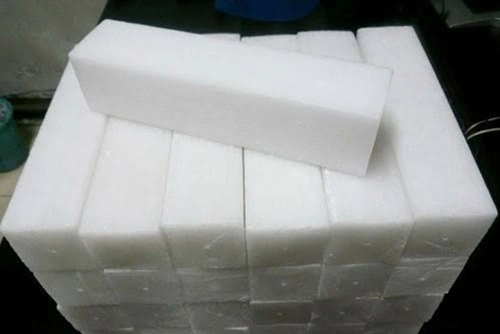
- Wax Shrinkage: You must use a wax with minimal shrinkage. This maintains dimensional accuracy and prevents sink marks on flat, thick surfaces.
- Carveability: Waxes for thick pieces often need good carveability, allowing you to file, drill, or manually adjust the hardened wax model before the final casting process.
- Process Tip: Processing heavy, thick-walled parts requires steady, sustained pressure. Utilizing robust industrial wax equipment for investment casting ensures you hold the necessary pressure during the extended cooling cycles that thick pieces demand.
Stone-in-Place Casting Waxes
Setting diamonds and other hard stones directly into the wax saves a massive amount of labor, but the wax properties must be absolutely precise.
- Memory: The wax must snap back into its exact original shape immediately after being removed from the mold to grip the stones securely.
- Shrinkage: Zero to ultra-low shrinkage is critical. Even a microscopic shift during cooling can loosen the gemstone, causing it to drop out during burnout.
- Cooling Time: Faster cooling locks the stones in place quickly. While the debate regarding 3D printed wax vs injected wax for casting continues to evolve in the industry, traditional injected wax with exceptionally high memory remains the gold standard for reliable, high-volume stone-in-place production.
Wax Selection and Troubleshooting
Even when referencing an injection wax properties comparison chart, you still need to know how the wax behaves in your daily workflow. Let's break down how to pair your materials and fix common production problems on the shop floor.
Matching Wax to Your Rubber Mold
Your rubber mold dictates the exact type of wax you should pull from your shelf. It primarily comes down to wax flexibility and flow temperature.
- Rigid Molds: Use highly flexible waxes. They bend easily during removal without snapping thin sections or delicate prongs.
- Soft Molds: You can confidently run harder, rigid waxes. Since the silicone or rubber stretches easily, the wax piece doesn't need to do the bending.
- Complex Cuts: Choose a wax with excellent memory so it snaps back to its true shape after being pulled from a tight, intricately cut mold.
Solving Common Injection Defects
Even the most dialed-in setups experience hiccups. Adjusting your injection pressure or dropping the heat usually clears up the issue. If your line is constantly dealing with bad patterns, walking through a structured guide to wax injection troubleshooting will save you hours of wasted time and material.
Here is a quick cheat sheet for common injection molding defects:
| Defect | Likely Cause | Quick Solution |
|---|---|---|
| Incomplete Fill | Low flow temperature or weak pressure. | Increase heat slightly or boost your injection pressure. |
| Air Bubbles | Wax is too hot or injected too fast. | Lower the temperature; reduce the injection speed. |
| Flashing (Fins) | Pressure is too high or mold clamping is loose. | Drop the pressure; check mold alignment and holding force. |
| High Wax Shrinkage | Wax was injected too hot. | Decrease the pot temperature; allow more cooling time in the mold. |
Proper Storage for Optimal Shelf Life
Good wax goes bad if you treat it poorly. Improper storage ruins carveability and allows moisture to creep in, which guarantees sputtering and bubbles during your next run.
- Keep it cool and dry: Store your wax flakes or beads in a climate-controlled room. Heat waves and direct sunlight will degrade the wax over time.
- Seal open bags: Dust and humidity destroy clean casting results. Always keep your storage bags tightly sealed.
- Maintain your equipment: Old, burnt wax left sitting in your machine will contaminate fresh batches. Make a strict habit of properly replacing wax in the injection pot to keep your daily production runs clean, consistent, and defect-free.
 English
  Russian
  German