
Metal Casting
Selecting the right production technique is critical for achieving optimal part quality, structural integrity, and cost-efficiency. As a dedicated casting processing machinery manufacturer and supplier, we recognize that the debate of shell molding vs sand casting is central to many industrial manufacturing decisions. Both are fundamental metal casting methods, but they serve entirely different production scales, budgets, and technical requirements.
Now, I will explain and demonstrate using articles and pictures (models)!
What is Traditional Sand Casting?
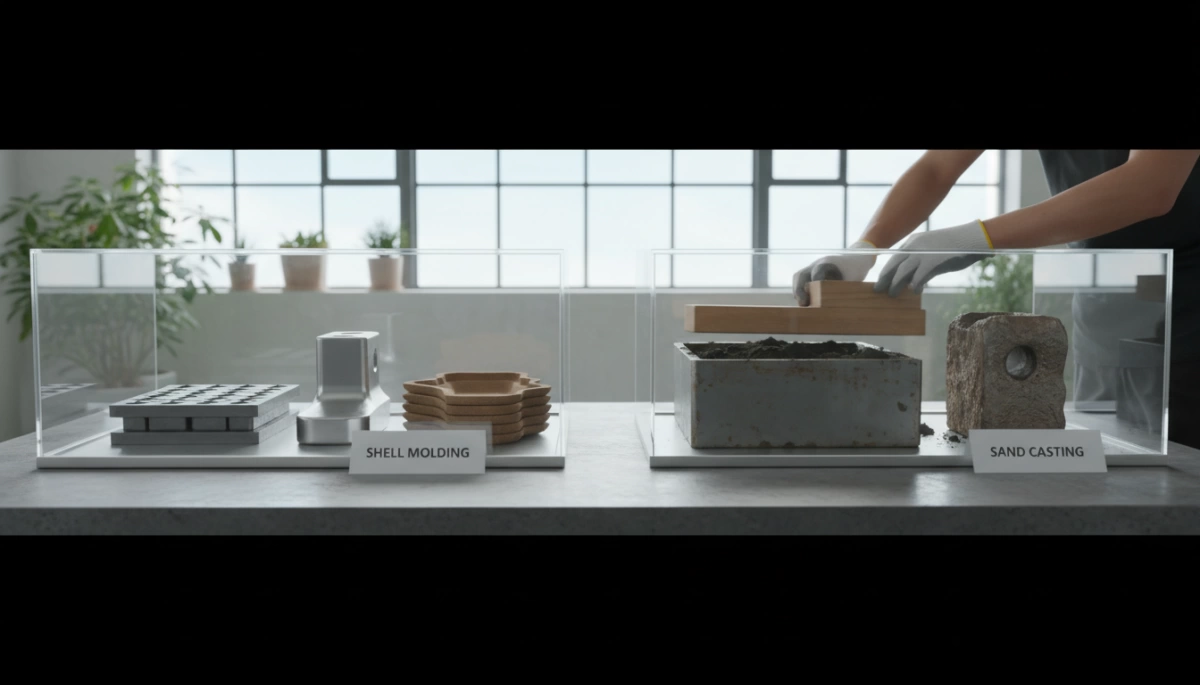
Traditional sand casting, frequently utilizing green sand casting techniques, remains one of the oldest, most reliable, and widely adopted processes in the global foundry industry. It involves compacting a specialized sand mixture around a reusable pattern to create a mold cavity.
- The Core Material: Relies on a highly cost-effective mixture of silica sand, clay (serving as the binder), and water.
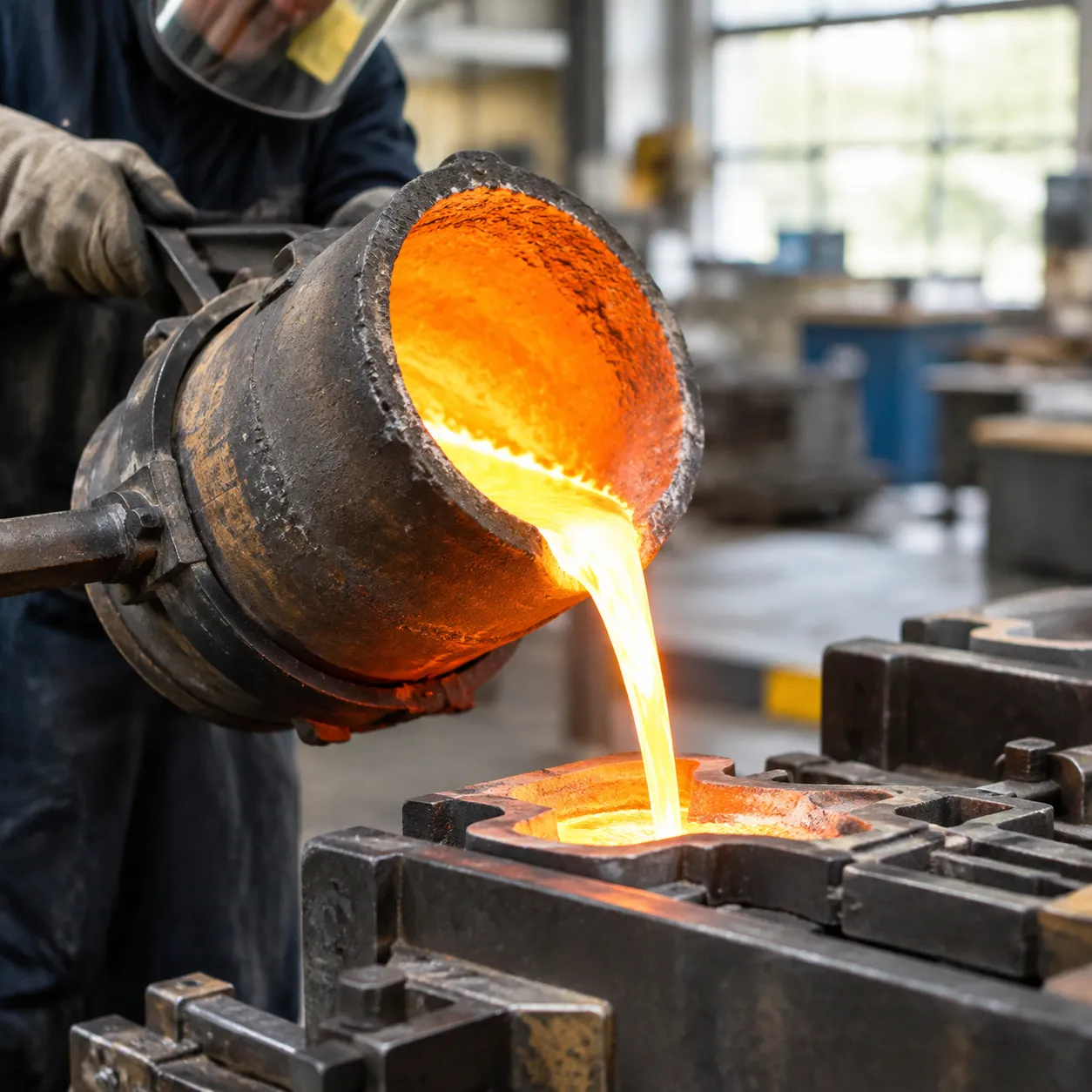
- The Production Process: Molten metal is poured directly into the expendable sand mold. Once the metal cools and solidifies, the sand is broken away to reveal the cast part.
- The Expected Outcome: This method is highly versatile and economical for heavy, large-scale components. However, it naturally yields a rougher surface finish and lower dimensional accuracy compared to more refined casting technologies.
What is Shell Mold Casting?
Shell mold casting is an advanced, precision-focused expendable mold process. Designed to bridge the gap between basic sand casting and highly intricate methods like investment casting, it represents a significant upgrade in tolerance control and overall part quality.
- The Core Material: Utilizes premium, fine-grained sand that is pre-coated with a specialized thermosetting phenolic resin.
- The Production Process: The resin-coated sand is deposited onto a heated metal pattern. The heat cures the resin, binding the sand into a thin, hardened, and highly stable "shell." Two cured shell halves are then firmly joined to form the final mold cavity.
- The Expected Outcome: Shell molding consistently delivers an exceptionally smooth surface finish, tight dimensional accuracy, and an accelerated production speed perfectly suited for complex, thin-walled, and highly intricate components.
The Shell Molding Process and Capabilities
Key Steps in Shell Molding Manufacturing
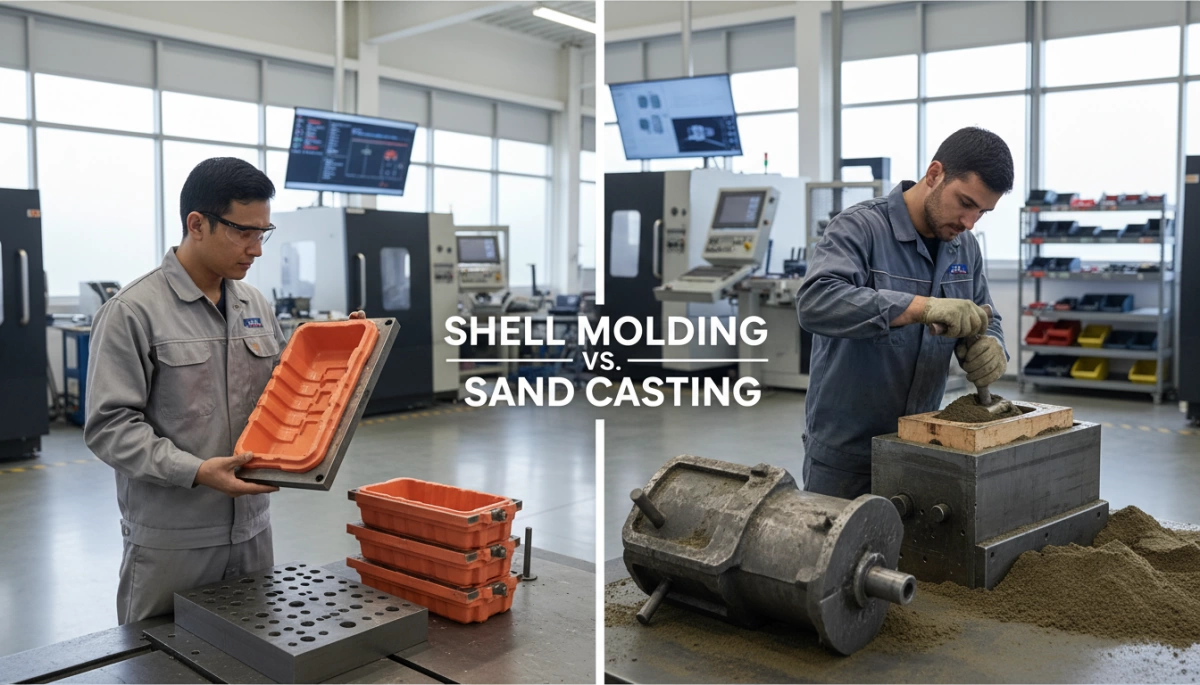
In our manufacturing process, shell molding serves as a precision-focused upgrade to standard sand casting. The process begins with creating a metal pattern, usually made from iron or steel, which is heated to temperatures ranging between 175°C and 370°C. We then coat this heated pattern with a mixture of fine sand and thermosetting resin. The heat causes the resin to bond the sand grains, forming a thin, hard shell around the pattern.
Once the shell cures and hardens, we remove it from the pattern. Two of these shells are glued or clamped together to form a complete mold cavity. This method allows for a comprehensive mold and cast guide approach where consistency is key. Finally, molten metal is poured into the shell assembly. After solidification, the shell is broken away to reveal the final casting. This process is highly automated in our facility to ensure consistent production speed and quality.
Common Materials and Alloys Used
Shell molding is incredibly versatile regarding material compatibility. We frequently utilize this method for both ferrous and non-ferrous metals. It is particularly effective for:
- Cast Irons: Gray iron, ductile iron, and alloy irons are standard choices due to their flow characteristics.
- Steels: Carbon steel, alloy steel, and stainless steel are commonly cast using this method for high-strength components.
- Aluminum and Copper Alloys: While often associated with ferrous metals, we also use shell molding for aluminum and brass when higher detail is required than what green sand can offer.
The resin-sand mix we employ is chemically inert relative to these metals, preventing unwanted reactions and ensuring the material properties remain intact.
Expected Casting Tolerances and Precision
One of the primary reasons we recommend shell molding is its superior dimensional accuracy compared to traditional methods. Because the mold is formed against a rigid metal pattern rather than loose sand, we achieve much tighter tolerances. Generally, we can hold tolerances within ±0.005 inches per inch, significantly reducing the need for subsequent machining.
The surface finish is another major advantage. The fine grain size of the resin-coated sand results in a much smoother surface than sand mold casting guides typically describe for conventional green sand. This smooth finish helps in minimizing friction in mechanical parts and improves the aesthetic appeal of the final product without extensive polishing.
Key Differences: Shell Molding vs Sand Casting
When evaluating different metal casting methods, understanding the core differences between shell molding vs sand casting is critical for your bottom line and part quality. Here is exactly how they compare across the most important manufacturing metrics.
Sand Material and Mold Preparation Differences
The foundation of these two processes relies on completely different mold materials.
- Traditional Sand Casting: We use a mixture of silica sand, clay, and water to create the mold. This is known as green sand casting. It is a straightforward, traditional approach where the moist sand is packed around a pattern.
- Shell Molding: We use a much finer sand heavily coated with a thermosetting resin. This resin-sand mix is dumped onto a hot metal pattern, where the heat cures it into a thin, rigid, and highly durable "shell."
To see how these foundational differences impact other manufacturing choices, you can review our detailed casting process comparison.
Production Cost and Tooling Expenses Comparison
Your budget dictates the best path forward, and the cost structures here are opposite.
- Tooling Expenses: Sand casting wins on initial costs. Patterns can be made cheaply from wood or plastics. Shell molding requires heavy-duty, heated metal patterns, which means high upfront tooling costs.
- Production Costs: Shell molding offers a faster production speed and requires significantly less post-casting machining. Over a high-volume production run, the lower per-part cost of shell molding quickly offsets the expensive initial tooling.
Surface Finish Quality and Casting Defects
The physical output of the mold dictates how much work you have to do after the metal cools.
- Shell Molding: The rigid, resin-baked mold delivers an exceptionally smooth surface finish and high dimensional accuracy. The hard shell also prevents loose sand from washing into the molten metal, drastically reducing common casting defects like sand inclusions.
- Sand Casting: Green sand molds are softer and coarser. Parts come out with a rougher surface texture and looser tolerances, almost always requiring extensive grinding, milling, or CNC machining to meet tight specifications.
Quick Comparison Breakdown
| Feature | Shell Molding | Traditional Sand Casting |
|---|---|---|
| Mold Material | Resin-coated fine sand | Green sand (sand, clay, water) |
| Initial Tooling Cost | High (Machined metal patterns) | Low (Wood or plastic patterns) |
| Surface Finish | Excellent and smooth | Rough and textured |
| Dimensional Accuracy | High precision | Moderate to low precision |
| Production Speed | Fast for large volume runs | Moderate |
| Post-Machining | Minimal | Extensive |
Advantages and Disadvantages of Shell Molding
When we look at manufacturing options, shell molding stands out for specific industrial needs. It bridges the gap between the lower cost of green sand casting and the high precision of investment casting. Understanding the specific pros and cons helps us determine if this is the right fit for your production line.
Pros: High Precision and Smooth Surfaces
The biggest selling point here is the surface quality. Because we use fine-grain sand mixed with a thermosetting resin, the mold surface is exceptionally smooth compared to traditional methods. When the metal is poured, it captures that smooth texture, resulting in castings that require significantly less machining and finishing work.
This process also delivers superior dimensional accuracy. The rigid nature of the cured shell prevents mold expansion during pouring, meaning the final parts hold tighter tolerances. For manufacturers looking to reduce post-casting processing, utilizing automated shell coating technology ensures that these high-precision standards are met consistently across large batches.
Pros: Ideal for Complex and Thin-Walled Parts
Shell molding excels where green sand casting often struggles: intricacy. The resin-bonded shell is strong and rigid, allowing us to cast complex geometries and intricate details without the mold collapsing.
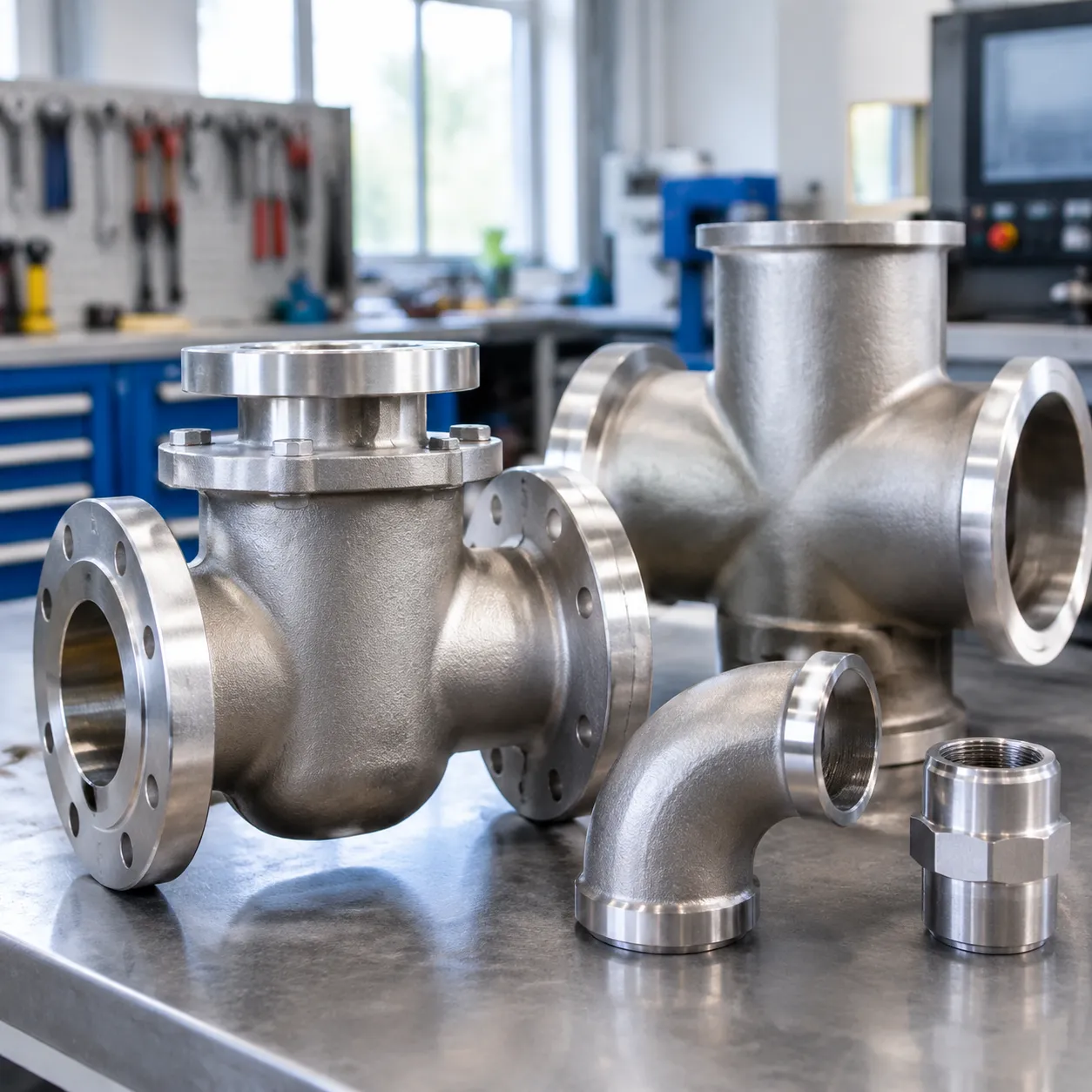
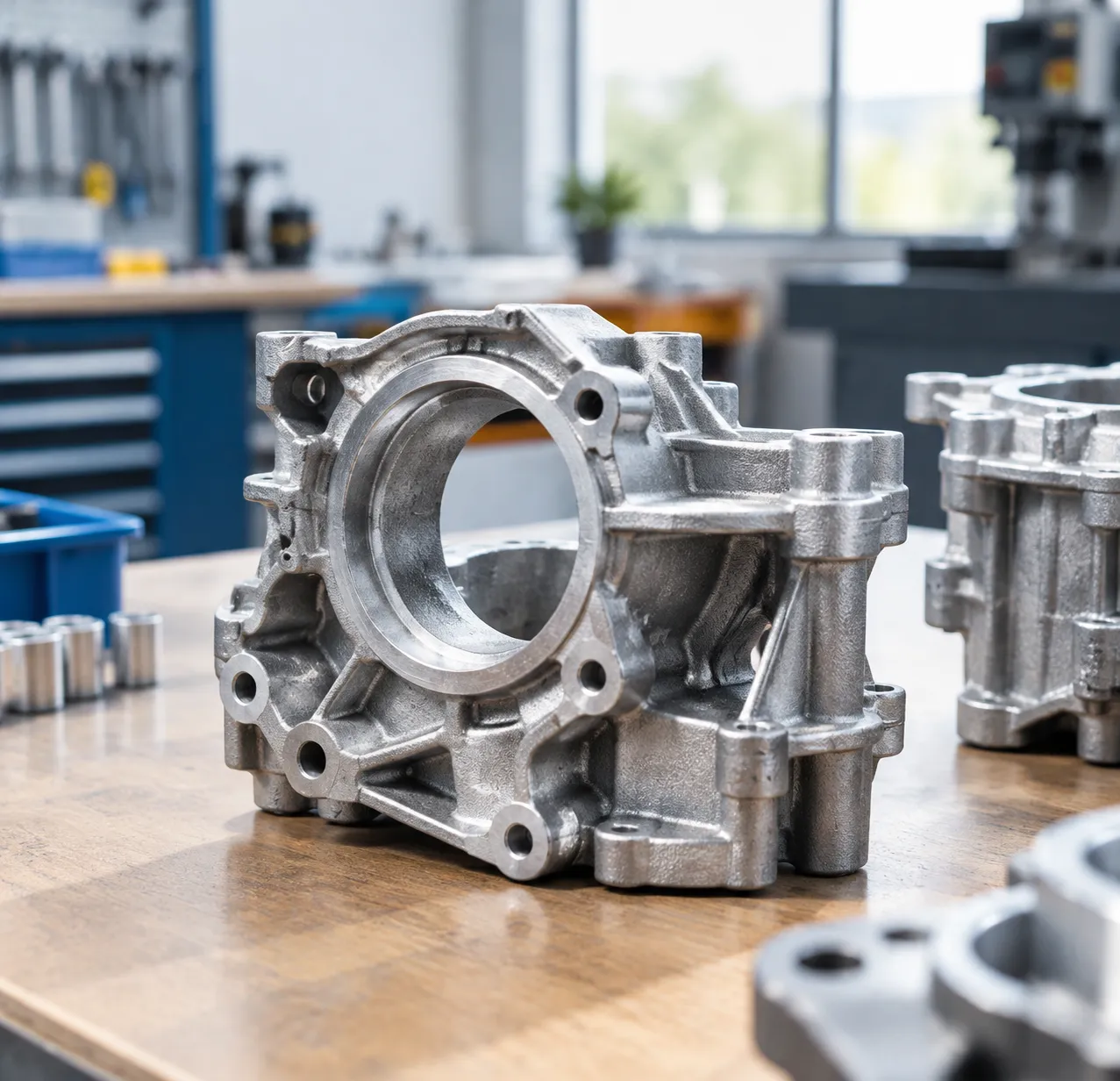
This strength is particularly vital for thin-walled sections. In traditional sand casting, thin areas might wash away or break under the force of molten metal. In shell molding, the hard mold maintains its shape, making it the preferred method for detailed components like cylinder heads, gear housings, and intricate valve bodies that require internal airflow passages.
Cons: Higher Tooling Costs and Size Limitations
While the results are impressive, the setup requires a higher initial investment. The patterns used in shell molding must be made of metal (usually iron or steel) to withstand the heat required to cure the resin-coated sand. This makes the tooling significantly more expensive than the wood or plastic patterns used in green sand casting. Consequently, this method is less economical for short production runs or prototyping.
There are also physical limitations regarding size. The machinery and equipment used to create the shells have specific capacity limits. While excellent for small-to-medium parts weighing up to a few hundred pounds, shell molding is generally not suitable for massive castings. For very large or heavy industrial components, traditional sand casting remains the more viable option.
Advantages and Disadvantages of Traditional Sand Casting
While it may not offer the extreme precision of shell molding, its benefits often outweigh the drawbacks for specific industrial applications.
Pros: Lower Initial Tooling and Production Costs
One of the biggest selling points for traditional sand casting is the significantly lower barrier to entry regarding costs. The patterns used in this process are typically made from wood or plastic, which are much cheaper and faster to produce than the precision metal patterns required for shell molding. This makes sand casting an excellent option for short production runs or prototyping where investing heavily in tooling doesn't make financial sense. Additionally, the sand itself—often green sand or resin-bonded sand—is reusable, keeping ongoing material costs manageable.
Pros: Suitable for Large and Heavy Castings
If you need to cast massive components, traditional sand casting is often the only viable route. Unlike shell molding, which is generally limited by the size of the heated metal pattern and the shell curing equipment, sand casting can accommodate parts weighing from a few ounces to several tons. This method is the standard for producing large engine blocks, heavy machinery bases, and large pump housings. The mold boxes (flasks) can be scaled up easily, allowing manufacturers to pour substantial amounts of molten metal without the size constraints found in other processes.
Cons: Lower Dimensional Tolerance and Rougher Finish
The trade-off for low cost and size flexibility is a reduction in precision. Traditional sand casting typically yields a rougher surface finish compared to the smooth skin created by resin-bonded shells. The sand grains are coarser, and the mold surface isn't as hard or refined. Consequently, parts often require more extensive post-processing and machining to achieve final specifications. Dimensional accuracy is also lower; the nature of packing sand means there is more variability from part to part. For projects requiring tight tolerances right out of the mold, you might need to consider integrating foundry casting robotics integration to automate finishing or look toward higher-precision casting methods.
Choosing the Right Casting Method for Your Project
When deciding between shell molding vs sand casting, your choice ultimately comes down to part complexity, production volume, and your project budget. As an experienced casting processing machinery manufacturer and supplier, we help clients evaluate these specific production factors to find the most cost-effective and efficient manufacturing solution.
When to Choose Shell Mold Casting
Shell molding is the right choice when your project demands tight dimensional accuracy and a smooth surface finish directly from the mold.
- Complex Geometries: Ideal for intricate shapes, deep pockets, and thin walls.
- High Production Speed: The automated nature of the process makes it highly efficient for medium to large production runs.
- Reduced Machining: The excellent initial surface finish minimizes the need for secondary machining operations, saving time and labor.
When Traditional Sand Casting is the Better Choice
Traditional green sand casting remains the go-to method for bulkier, less intricate projects where budget is a primary concern.
- Large Components: Best suited for heavy, oversized metal parts that exceed the size limits of shell molds.
- Lower Initial Costs: Tooling and pattern expenses are significantly cheaper upfront.
- Low-Volume Runs: Perfect for short production runs, custom parts, or prototyping where extreme precision is not strictly mandatory.
Additional Engineering and Design Considerations
Before finalizing your manufacturing plan, carefully review your material requirements, mechanical properties, and required tolerances. Different metal casting methods offer varying benefits based on the alloy you are pouring.
If neither sand casting nor shell molding provides the extreme precision your small, highly intricate parts need, exploring investment casting is the logical next step. For these highly precise applications, integrating a dependable wax injection machine into your workflow ensures the consistent, flawless wax patterns required for top-tier final castings.
Quick Comparison Guide
| Production Factor | Shell Mold Casting | Traditional Sand Casting |
|---|---|---|
| Best Application | Medium to high volume, complex parts | Low volume, large or heavy parts |
| Surface Finish | Excellent and smooth | Rough and textured |
| Dimensional Accuracy | High | Moderate to Low |
| Upfront Tooling Cost | High | Low |
| Production Speed | Fast | Slower |
Why Choose Us as Your Casting Equipment Manufacturer and Supplier
As a leading Casting processing machinery Manufacturer and supplier, we know that your equipment dictates your production speed and bottom line. Whether your facility is weighing the setup costs of shell molding vs sand casting or needs to scale up output quickly, we deliver the heavy-duty hardware that keeps your foundry running without a hitch.
Professional Foundry Equipment Manufacturing Capabilities
We build robust machinery designed for harsh, real-world foundry environments. Our engineering focuses on hitting exact dimensional accuracy and superior surface finish standards on every single run. We manufacture equipment for a wide range of metal casting methods, providing everything from standard molding setups to specialized wax injection machines for investment casting and automated systems for high-volume green sand casting.
Reliable OEM and ODM Solutions for Industrial Buyers
Standard, off-the-shelf machinery doesn't always fit custom plant workflows. We provide straightforward, reliable OEM and ODM manufacturing tailored to match your exact floor layout and operational targets.
| Service Model | What We Deliver | Best Fit For |
|---|---|---|
| OEM Manufacturing | Equipment built strictly to your blueprints. | Facilities with established proprietary processes. |
| ODM Solutions | Complete design-to-build machinery development. | New plants or expanding production lines. |
| Custom Upgrades | Retrofitting existing foundry equipment. | Boosting output and lowering cycle times. |
Wholesale Supply for Distributors and Global Partners
We actively partner with equipment distributors, wholesalers, and importers globally. Our wholesale supply chain offers competitive bulk pricing, reliable shipping schedules, and highly durable machines that your buyers will trust. To guarantee seamless operations across borders, we back our international partners with comprehensive global service and support, ensuring your clients stay online and your distribution business keeps growing.
Industries and Buyers We Serve
Casting Plants, Foundries, and Metal Parts Manufacturers
We work directly with the people on the factory floor who need machinery that just works. Whether you are running a small job shop or a large-scale production facility, our goal is to help you improve efficiency and reduce scrap rates. As a dedicated casting processing machinery manufacturer and supplier, we understand that downtime kills profitability. We supply equipment that helps you maintain strict process control in investment casting, ensuring your final metal parts meet the tight dimensional accuracy and surface finish requirements your clients expect.
Equipment Distributors, Importers, and Wholesalers
We are the reliable manufacturing partner for distributors and importers looking to expand their catalogs without the headache of quality issues. We offer competitive wholesale terms and consistent supply chains for our global partners. When you source from us, you get industrial-grade equipment ready for your local market. We handle the production and technical specs, allowing you to focus on sales and distribution networks.
Engineering Contractors and Industrial Project Buyers
For large-scale industrial projects and turnkey facility setups, we provide comprehensive equipment solutions. Engineering contractors rely on us because we can deliver scalable machinery that fits complex production lines. We support modern manufacturing goals, including automation upgrades where a robot integrator is required to streamline operations. We ensure that project buyers get the right tools to meet their specific engineering and design considerations on time and within budget.
 English
  Russian
  German