
2026年10月24日
Energy efficient burnout furnace for silica sol shell casting reaches 1200C with 95 percent heat efficiency and PLC control using natural or LPG gas
Burnout Furnace Purpose
Precision Mold Shell Roasting
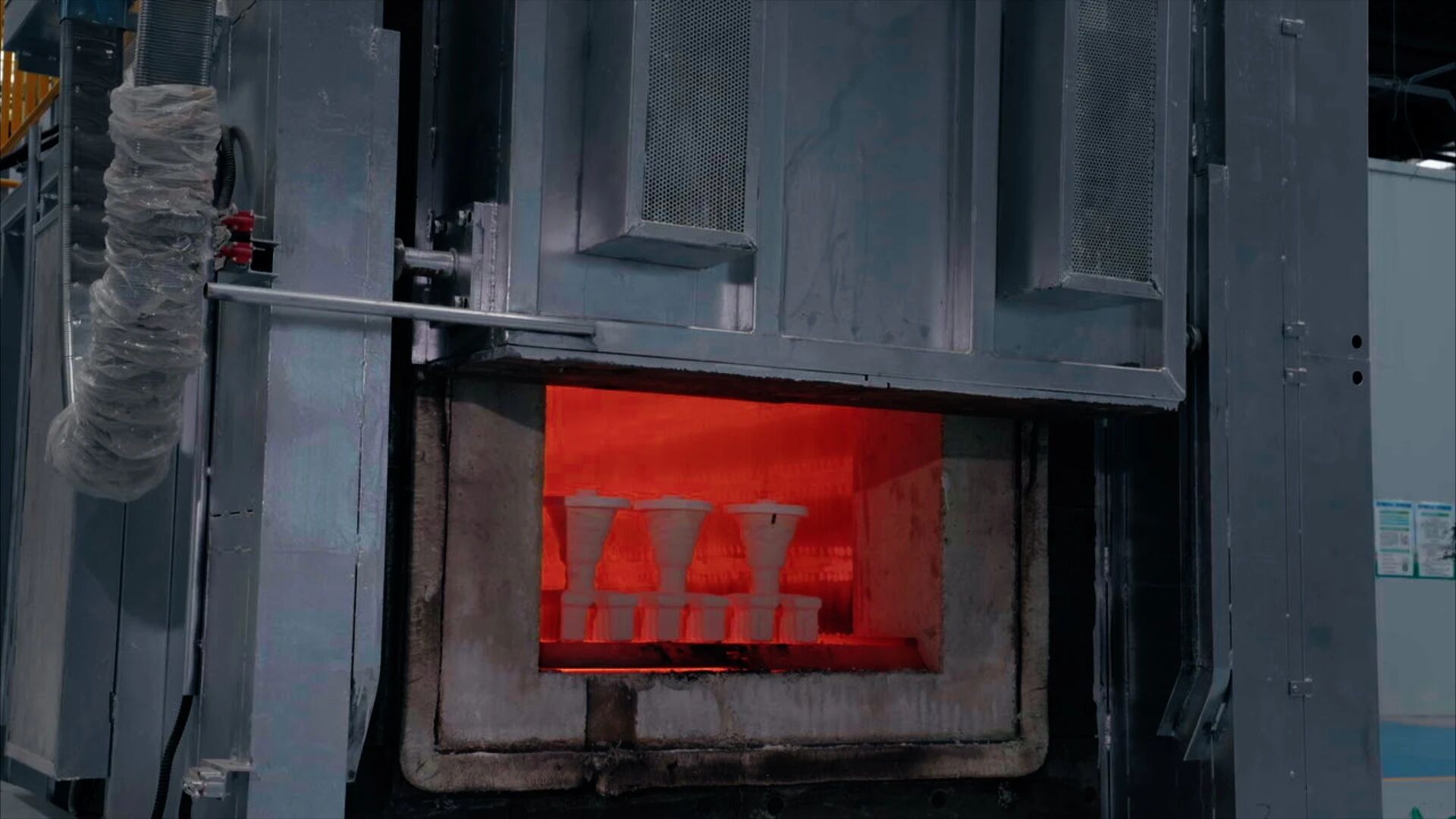
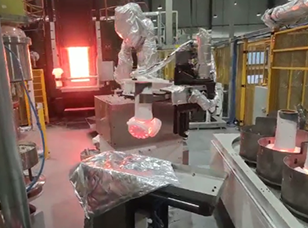
Our industrial burnout furnace is engineered specifically to handle critical pre-pour preparation in precision investment casting operations. It provides the controlled high-temperature thermal environment required to process refractory ceramic shells efficiently and reliably.
- Complete Wax Elimination: Thoroughly vaporizes and burns out pattern residues from both low-temperature and medium-temperature wax casting assemblies, leaving an ash-free cavity.
- Ceramic Shell Sintering: Roasts and cures investment mold shells up to target operational temperatures, driving off residual moisture, burning out binder volatiles, and developing the shell strength necessary to withstand metal pouring.
- Thermal Shock Prevention: Preheats refractory molds to high soaking temperatures to prevent thermal cracking and premature metal freezing during the pour.
- Precision Casting Compatibility: Delivers optimal performance for foundries running precision casting curing furnaces for ferrous alloys, high-grade steels, and non-ferrous components.
Key Burnout Furnace Features
We engineer our industrial equipment to handle demanding thermal cycles while keeping operating costs low. Every unit delivers consistent thermal precision, durability, and reduced emissions across continuous production runs.
Energy-Efficient and Eco-Friendly Design
Our burnout furnace uses an advanced combustion system paired with high-alumina regenerative thermal balls to recapture exhaust heat effectively. This drastically cuts natural gas or LPG consumption down to approximately 16 Nm³/h under full load.
- Clean Fume Management: Burnout gases and residual wax vapors are routed through dedicated exhaust systems, minimizing shop-floor emissions and meeting environmental regulations.
- Low Thermal Loss: High-density refractory lining stops shell heat dissipation, lowering overall energy draw and keeping exterior skin temperatures safe for operators.
- Smart Air Balancing: Precise draft control via Siemens PLC automation ensures optimal air-to-fuel ratios, preventing unburned fuel waste.
Rapid Heating and High Thermal Efficiency
Achieving a thermal efficiency of up to 95%, this unit quickly reaches target operating temperatures of up to 1200°C without straining the heating structure.
- Fast Ramp Rates: High-pressure blowers and draft fans work synchronously with automated gas regulating valves to heat the 1600×1400×850 mm chamber rapidly and evenly.
- Uniform Temperature Spread: Eliminates cold spots across shell molds, ensuring complete dewaxing and sintering before moving molds downstream to your melting furnace for investment casting.
- Thermal Shock Resistance: Designed for rapid heating ramps that cure precision casting molds thoroughly without causing shell cracking or structural defects.
Burnout Furnace Application Scope
Silica Sol Shell Systems
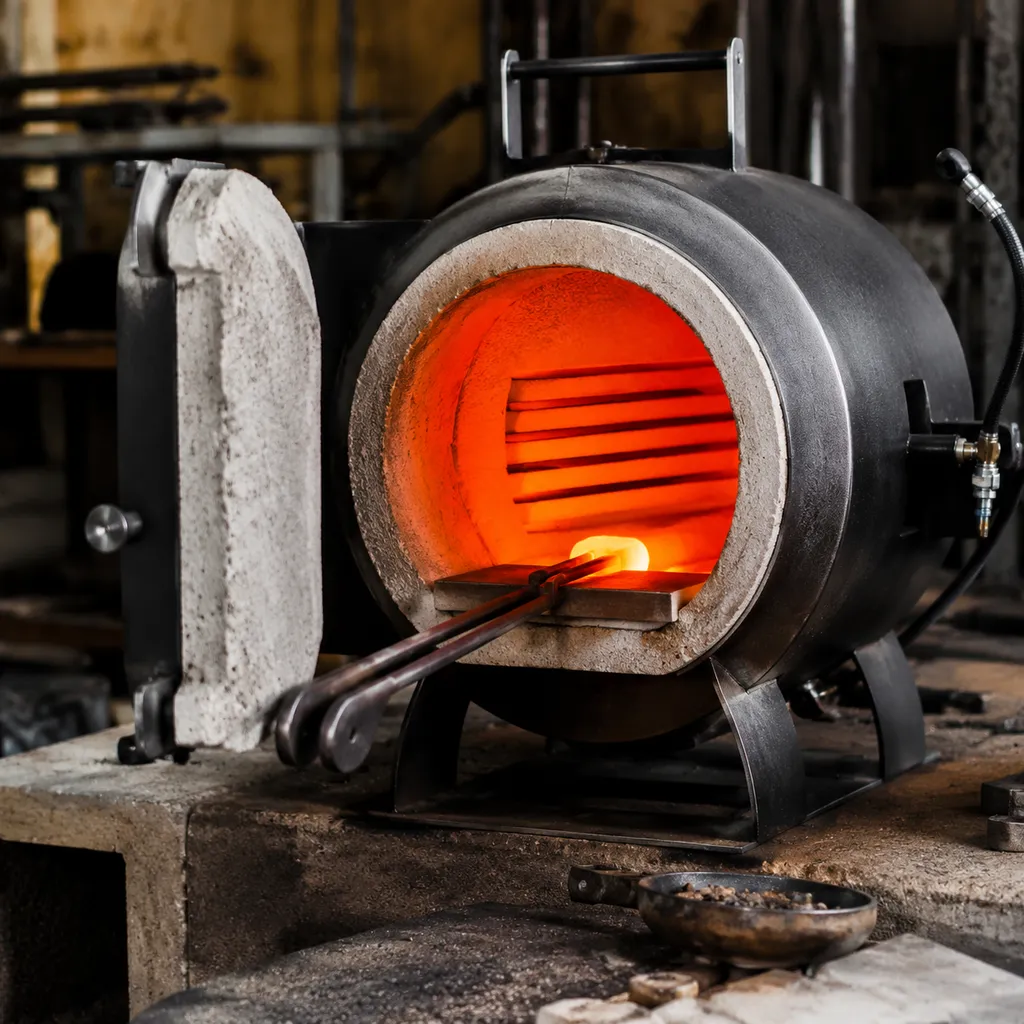
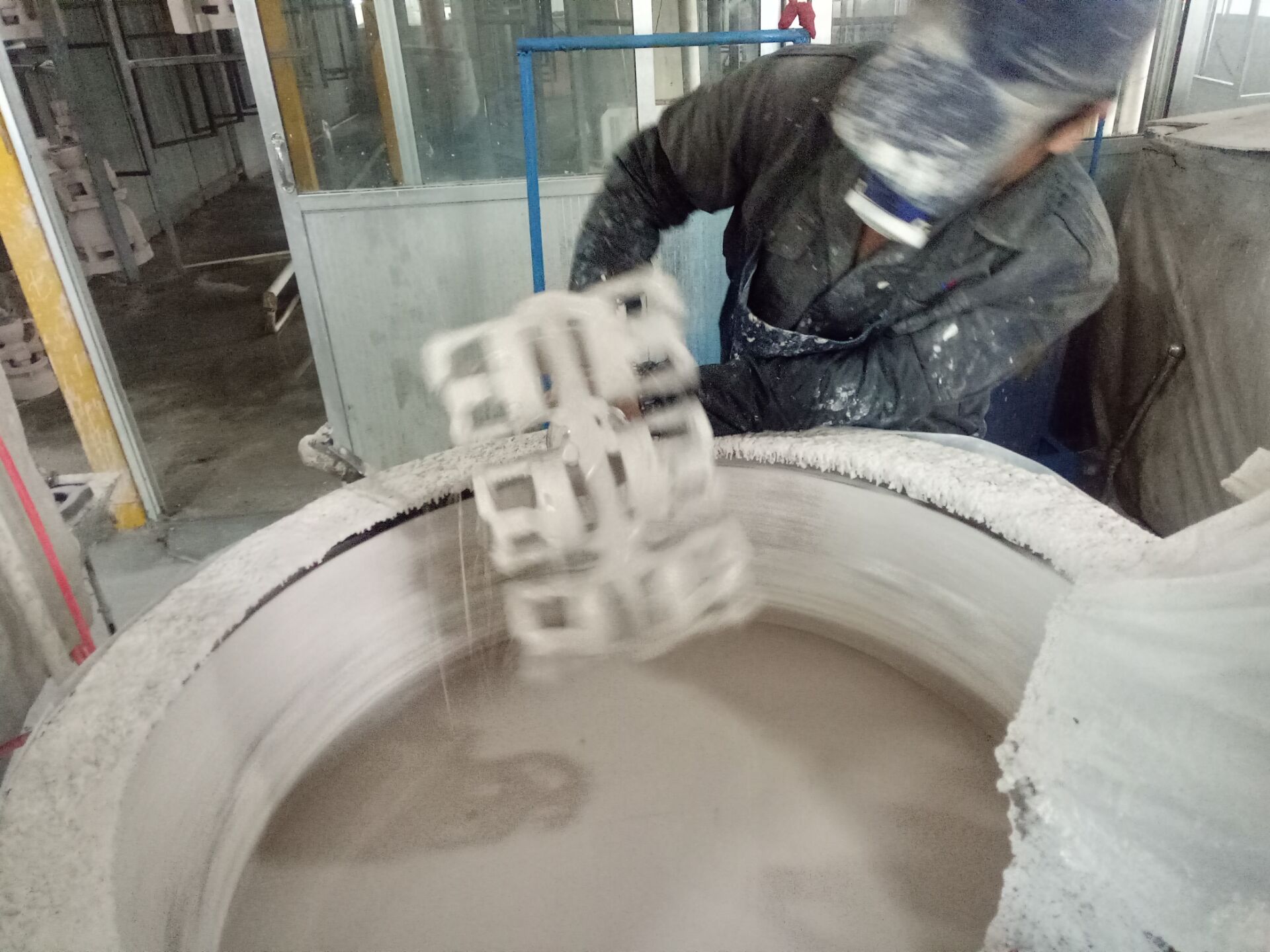
We engineered this burnout furnace specifically to handle high-grade silica sol ceramic shells used in precision investment casting. Whether your facility runs traditional molds or setups prepared with 3D printed wax vs injected wax for casting, the system ensures complete wax elimination and clean firing.
- Shell Integrity: Controlled thermal ramps eliminate thermal shock, protecting thin-walled silica sol structures from cracking during high-temperature dwell cycles.
- Residue-Free Chambers: Operating effectively as precision casting curing furnaces, our units vaporize organic binders and trace residues completely, leaving clean, ready-to-pour cavity surfaces.
- Process Flexibility: Fully compatible with both medium-temperature wax casting curing furnaces and low-temperature wax dewaxing systems.
Natural Gas and LPG Fuel Compatibility
To match standard industrial gas supplies worldwide, we designed the combustion system for multi-fuel versatility without requiring extensive retrofits:
- Supported Gas Types: Fully compatible with pipeline Natural Gas (NG) and Liquefied Petroleum Gas (LPG).
- Fuel Delivery Control: Regulated with dedicated precision gas control valves engineered for stable delivery at working gas pressures between 4–6 kPa.
- Combustion Efficiency: Clean-burning fuel injection delivers rapid heating, uniform chamber temperatures, and minimized emissions during continuous burnout shifts.
Burnout Furnace Specifications
We engineer our industrial burnout furnace units to meet the exact thermal demands of modern foundries and precision casting curing furnaces. Below are the standard operational ratings, dimensions, and technical parameters for this model series.
Rated Voltage: 380V
The unit operates on a standard three-phase industrial power supply rated at 380V (50/60 Hz), ensuring steady grid integration across global casting facilities.
Total Power: 9 kW × 2
Configured with a dual-circuit 9 kW layout, the system delivers balanced power distribution across heating zones for consistent ramp-up cycles.
Fan Power: 4 kW Induced Draft, 3 kW Blower
Air circulation is driven by a 4 kW induced draft exhaust fan paired with a 3 kW forced draft blower, balancing fresh combustion air supply with clean fume extraction.
Control System: PLC Automation & Gas Regulating Valve
Chamber firing and heating profiles are fully managed through an automated PLC system integrated with a precision natural gas modulating regulating valve for exact air-to-fuel ratios.
External Dimensions: 4500 × 3000 / 2850 mm
The structural footprint measures 4500 mm in length, 3000 mm in width, and 2850 mm in total height, built inside a heavy-duty reinforced carbon steel frame.
Chamber Volume: 1600 × 1400 × 850 mm
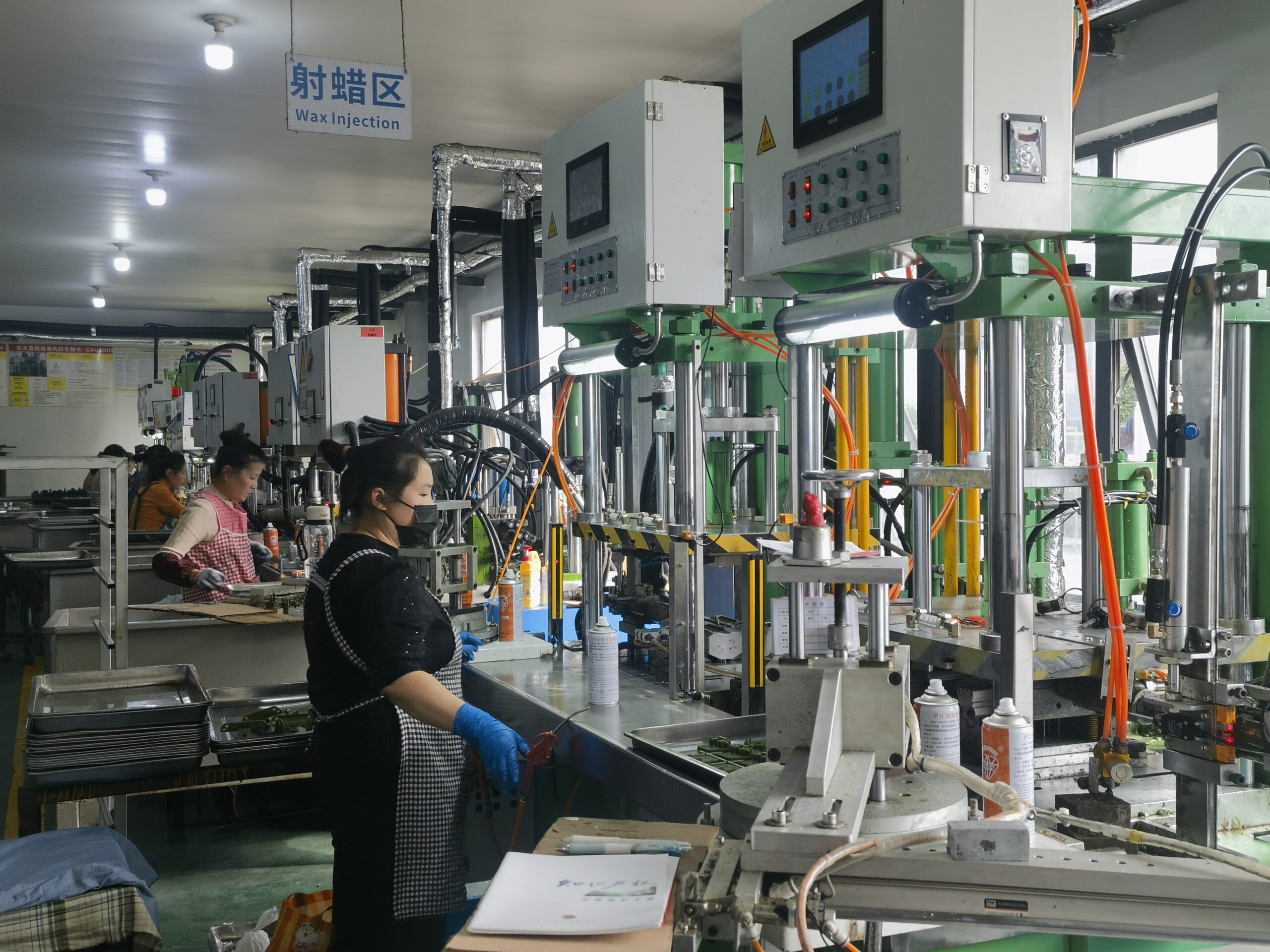
The usable working chamber measures 1600 mm in length, 1400 mm in width, and 850 mm in height. It easily accommodates multiple mold trees assembled from an automated wax injection machine line.
Chamber Temperature: 1200°C (95% Thermal Efficiency)
Rated for maximum operating temperatures up to 1200°C, the multi-layer refractory lining delivers up to 95% thermal efficiency to drastically cut shell preheating cycles.
Fuel Type: Natural Gas or LPG
The combustion system accepts either pipeline natural gas (NG) or liquefied petroleum gas (LPG), giving foundries flexibility based on available on-site utilities.
Gas Pressure Before Burner: 4–6 kPa
Burner intake requires an incoming gas pressure regulated between 4 kPa and 6 kPa to sustain smooth, continuous firing without flame instability.
Max Natural Gas Consumption: ~16 Nm³/h
Under peak firing conditions, the burner draws approximately 16 Nm³/h of natural gas, balancing rapid temperature rises with fuel economy.
Thermal Storage Media: High-Alumina Balls
Regenerative thermal storage beds utilize dense high-alumina ceramic balls, maximizing heat recovery from the flue exhaust to preheat incoming combustion air.
Blower Pressure & Flow: 6 kPa / 400 mm
The high-pressure forced air blower delivers an operating pressure of 6 kPa with a calibrated 400 mm static air delivery volume to support complete fuel combustion.
Induced Draft Fan Pressure: 5 kPa
The top exhaust induced draft fan runs at 5 kPa suction pressure to safely purge wax vapor, residual binder gas, and combustion products out of the workspace.
Compressed Air Pressure: 0.6 MPa
Pneumatic valve operations, door lifting mechanisms, and damper actuators run on a clean workshop compressed air supply set to 0.6 MPa.
PLC System: Siemens S7-200 SMART
The core logic runs on a Siemens S7-200 SMART PLC, providing real-time parameter tracking, multi-stage ramp-and-soak curves, and continuous safety interlocks.
Inverter Drive: Inovance MD200 Series
Fan motor speeds and dynamic draft balancing are regulated by an Inovance MD200 series variable frequency drive (VFD), optimizing power draw throughout long curing cycles.
 English
 Russian
 German