2026年10月31日
Compare dewaxing autoclave price by capacity pressure automation safety certification and energy efficiency Request a customized quote today
Understanding Dewaxing Autoclaves
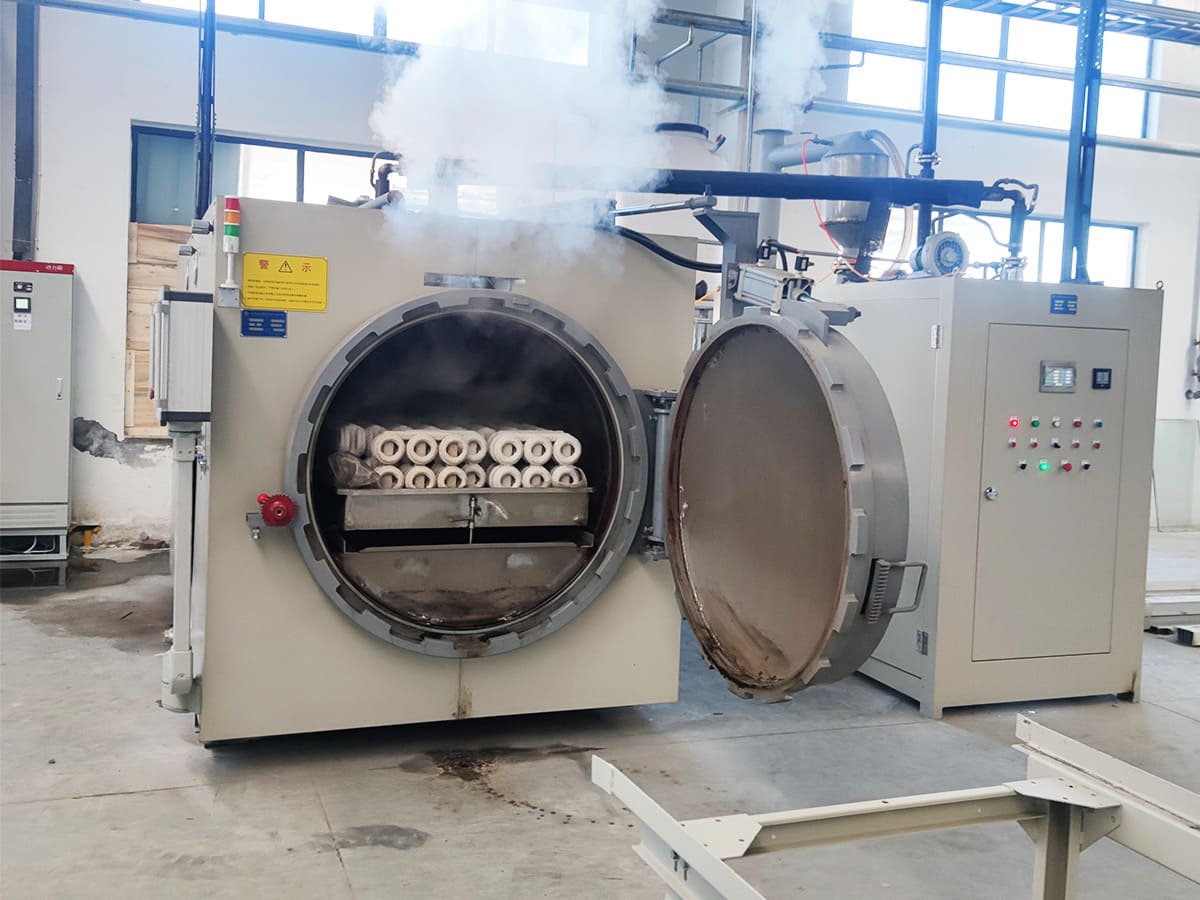
A dewaxing autoclave is a critical piece of investment casting equipment designed to safely and efficiently remove wax patterns from ceramic shells. In the foundry process, the autoclave utilizes high-pressure steam to rapidly melt the wax, ensuring the integrity of the shell is maintained while maximizing wax recovery for reuse. This stage is vital for producing high-quality metal components with precise dimensions.
The performance of an industrial steam dewaxing autoclave depends on several core functions and high-performance components:
- Rapid Pressure Build-up: Engineered to reach operational pressure (typically 0-10 bar) in under 15 seconds to minimize thermal shock to the shell.
- PLC Control Systems: Integrated automation allows for precise monitoring of pressure, temperature, and cycle timing, ensuring consistent results across every batch.
- Dual-Layer Insulation: Advanced thermal design reduces heat loss, significantly improving energy efficiency.
- Safety Standards: Robust construction featuring pressure-rated vessels and integrated safety relief systems to ensure a secure working environment for foundry personnel.
By focusing on these mechanical essentials, foundries can achieve superior production yields and lower operational overheads. When selecting an investment casting dewaxing vessel, prioritizing these technical benchmarks ensures long-term reliability and process stability.
Factors Influencing Dewaxing Autoclave Price
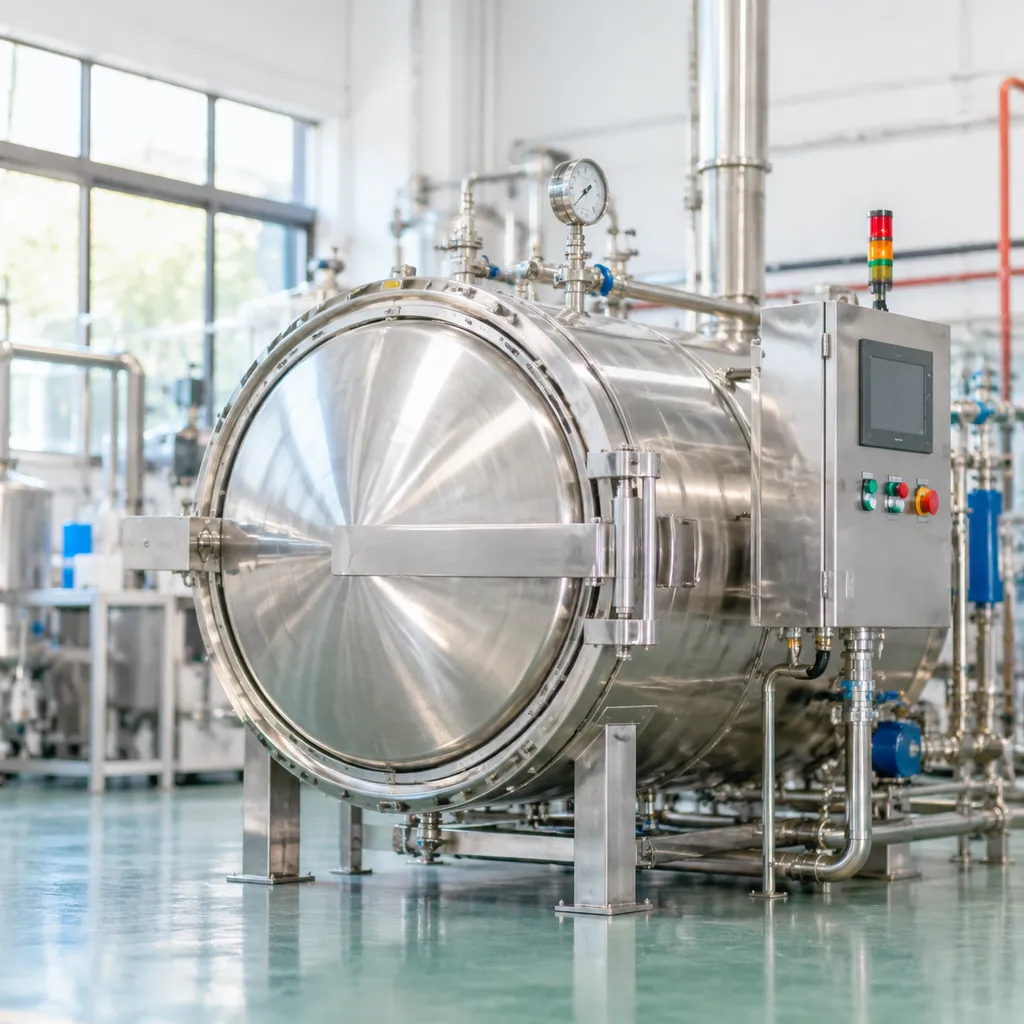
When evaluating the investment for an industrial steam dewaxing autoclave, several technical variables dictate the final cost. Because each foundry operates under unique production demands, we provide tailored pricing rather than off-the-shelf estimates to ensure your equipment perfectly matches your output requirements.
Key elements that influence your total budget include:
- Vessel Capacity and Size: The dimensions and internal volume of the pressure vessel are primary cost drivers. Larger units that can handle higher throughput per cycle require more raw material and robust support structures.
- Material Quality: The choice between high-grade carbon steel and specialized cast stainless steel grades impacts both upfront cost and long-term durability. We prioritize materials that ensure structural integrity under repetitive thermal stress.
- Automation Level: Modern systems featuring integrated PLC control allow for precise pressure and temperature management. Investing in advanced automation reduces labor dependence and cycle times, significantly improving long-term ROI.
- Energy-Saving Design: Our systems are engineered to minimize heat loss through dual-layer insulation and efficient steam management. While advanced thermal efficiency may adjust the initial investment, it offers substantial operational savings.
- Safety Compliance: Every autoclave must meet stringent pressure rating certifications. The engineering required to guarantee safety during rapid pressure build-up—often reaching 0-10 bar in under 15 seconds—is a critical component of the value we deliver.
We focus on providing a turnkey solution that balances these technical requirements with your factory’s specific performance goals. By assessing your material throughput and production space, we can deliver a precise quote that reflects the high standards of our engineering.
Average Market Price Ranges for Dewaxing Autoclaves
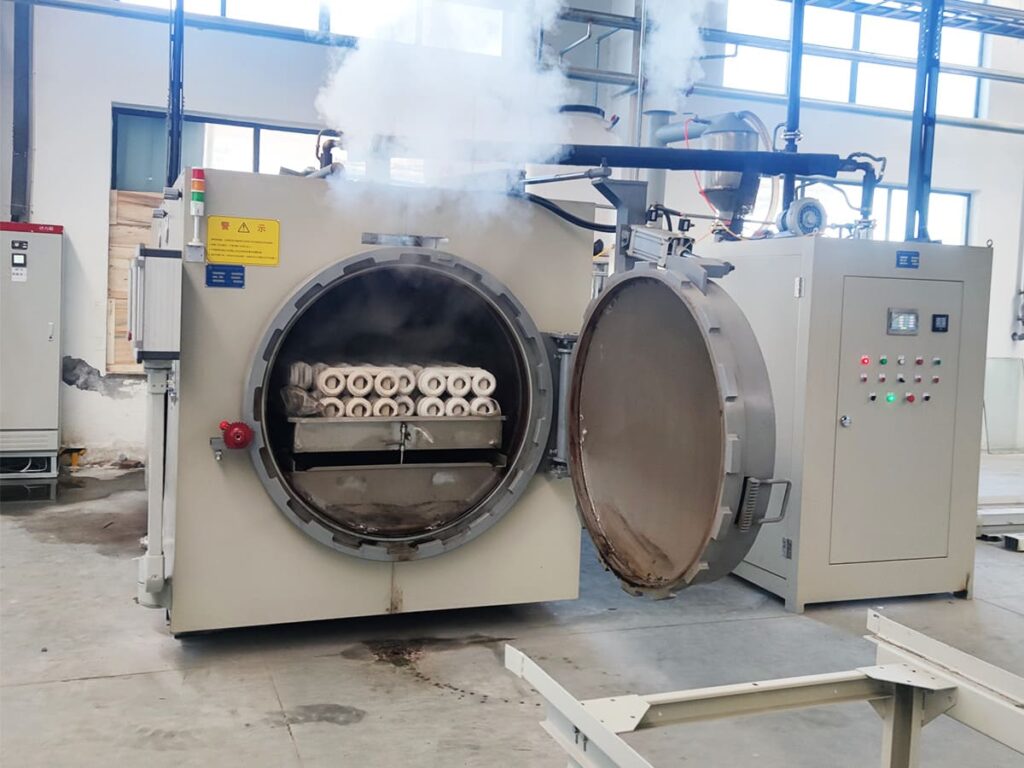
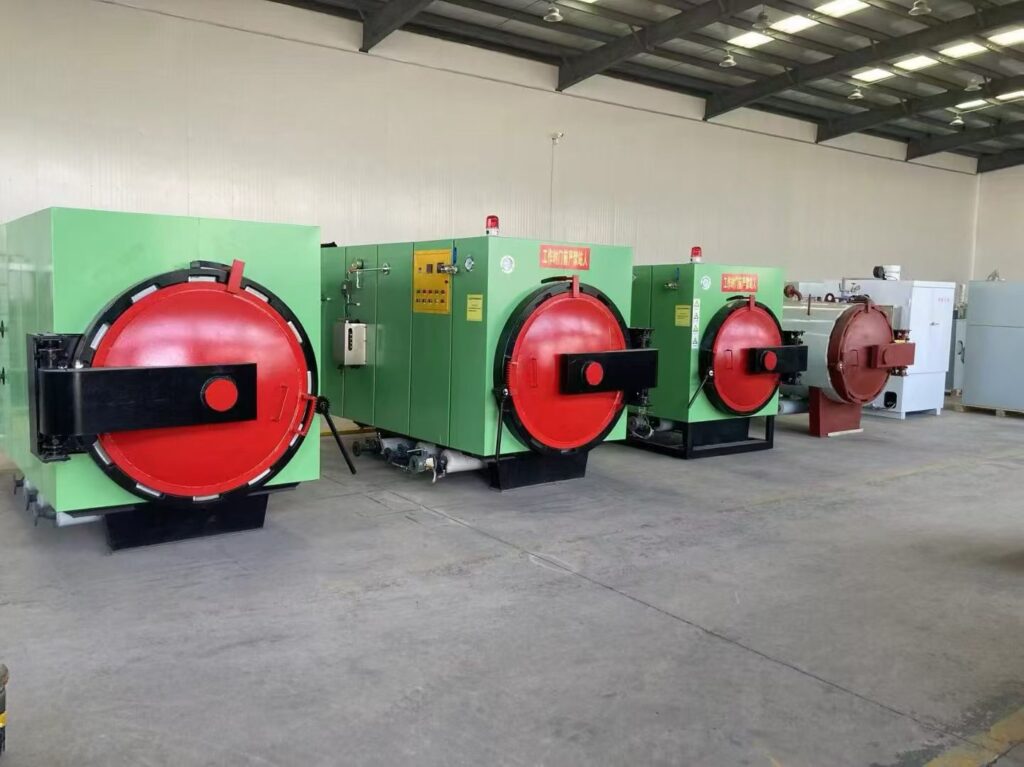
When evaluating the dewaxing autoclave price, it is important to understand that costs are rarely fixed. Because our systems are designed to integrate seamlessly into your custom casting manufacturing line, pricing is tailored to the specific technical requirements of your foundry. We categorize investment levels based on three primary tiers:
- Entry-Level Models: Designed for smaller operations, these units prioritize essential dewaxing functions with standard pressure capabilities. These provide a reliable foundation for shops transitioning from manual processes to automated shell treatment.
- Mid-Range Industrial Autoclaves: These represent the workhorses of the industry. They feature enhanced PLC control systems, improved insulation for energy efficiency, and faster cycle times, offering a balance between initial expenditure and long-term operational throughput.
- High-Capacity, Custom-Engineered Systems: Built for high-volume production environments, these autoclaves include advanced features such as rapid pressure build-up (typically 0-10 bar in under 15 seconds) and fully integrated robotic shell handling interfaces. These systems represent a significant investment, justified by their superior energy-saving design and high-pressure safety performance.
We do not offer off-the-shelf pricing because a successful installation requires a bespoke approach. By focusing on your specific material throughput and facility footprint, we ensure your investment in precision metal parts production yields the highest possible return on investment. Contact us for a consultative quote tailored to your facility's unique operational needs.
Hidden Costs to Consider When Budgeting
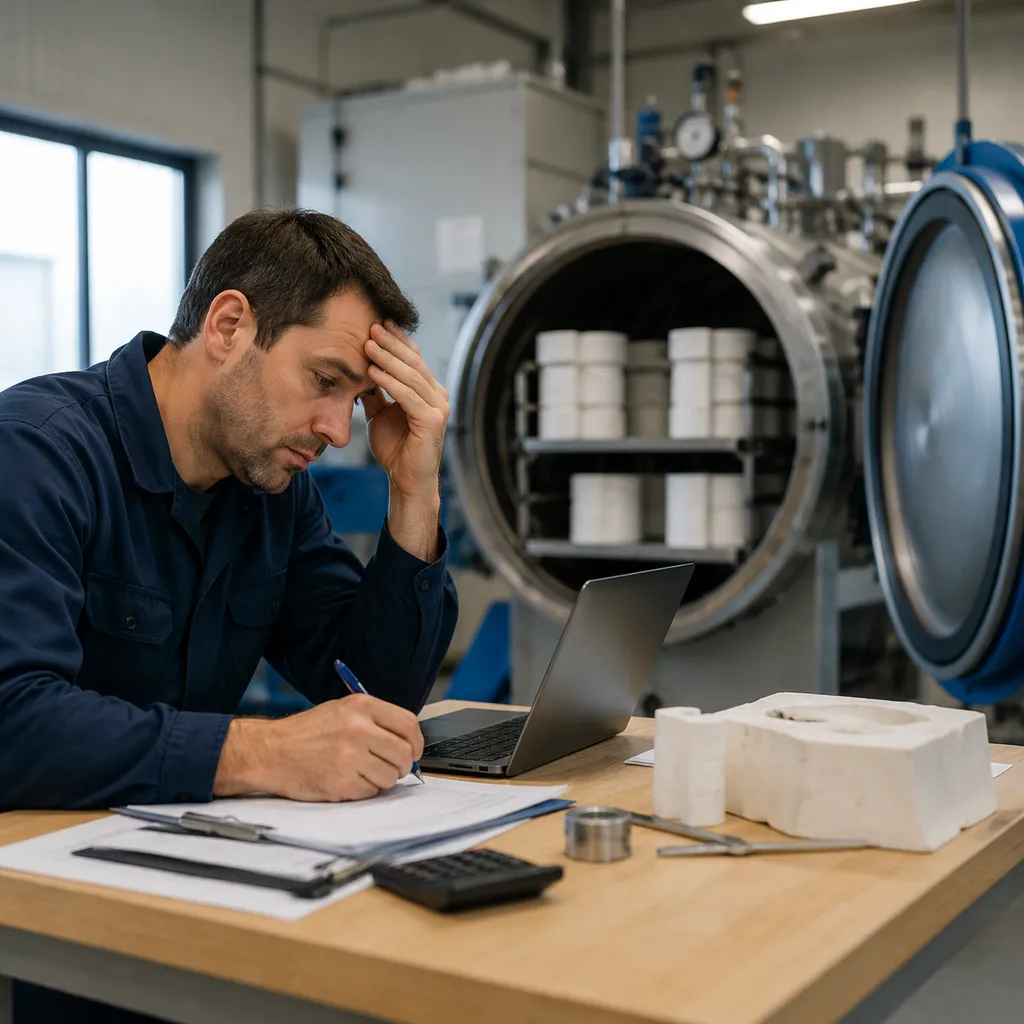
When calculating the total cost of ownership for an industrial steam dewaxing autoclave, focusing solely on the purchase price can lead to budget shortfalls. As an experienced provider of turnkey solutions, I recommend accounting for the following operational and logistical expenses to ensure a successful facility integration.
Total Cost Breakdown Table
| Cost Category | Description | Budget Impact |
|---|---|---|
| Site Prep | Foundation reinforcement, utility hookups, and ventilation | Moderate |
| Logistics | Shipping, heavy-lift equipment, and transit insurance | Variable |
| Maintenance | Consumables, seal replacements, and valve inspections | Ongoing |
| Energy | Electricity and steam generation costs | Significant |
| Support | On-site commissioning and operator training | Fixed |
Key Budgetary Drivers
- Installation and Site Preparation: These systems are heavy and require precise placement. You must factor in the cost of structural floor reinforcement and dedicated high-pressure steam utility lines.
- Logistics and Freight: Depending on the physical footprint of your selected dewaxing pressure vessel, international shipping and specialized rigging to move the equipment into your casting facility can represent a significant percentage of your logistics budget.
- Operational Efficiency: Rather than focusing on a lower initial dewaxing autoclave price, prioritize units with energy-saving dual-layer insulation and efficient pressure buildup cycles. These features reduce long-term energy consumption—a major hidden cost in daily production.
- Training and Long-term Support: Comprehensive service packages, which include operator training and access to replacement components, ensure your system meets casting quality standards consistently. Investing in expert commissioning helps avoid expensive downtime and ensures your PLC control systems are optimized for your specific material throughput.
How to Choose the Right Autoclave for Your Budget
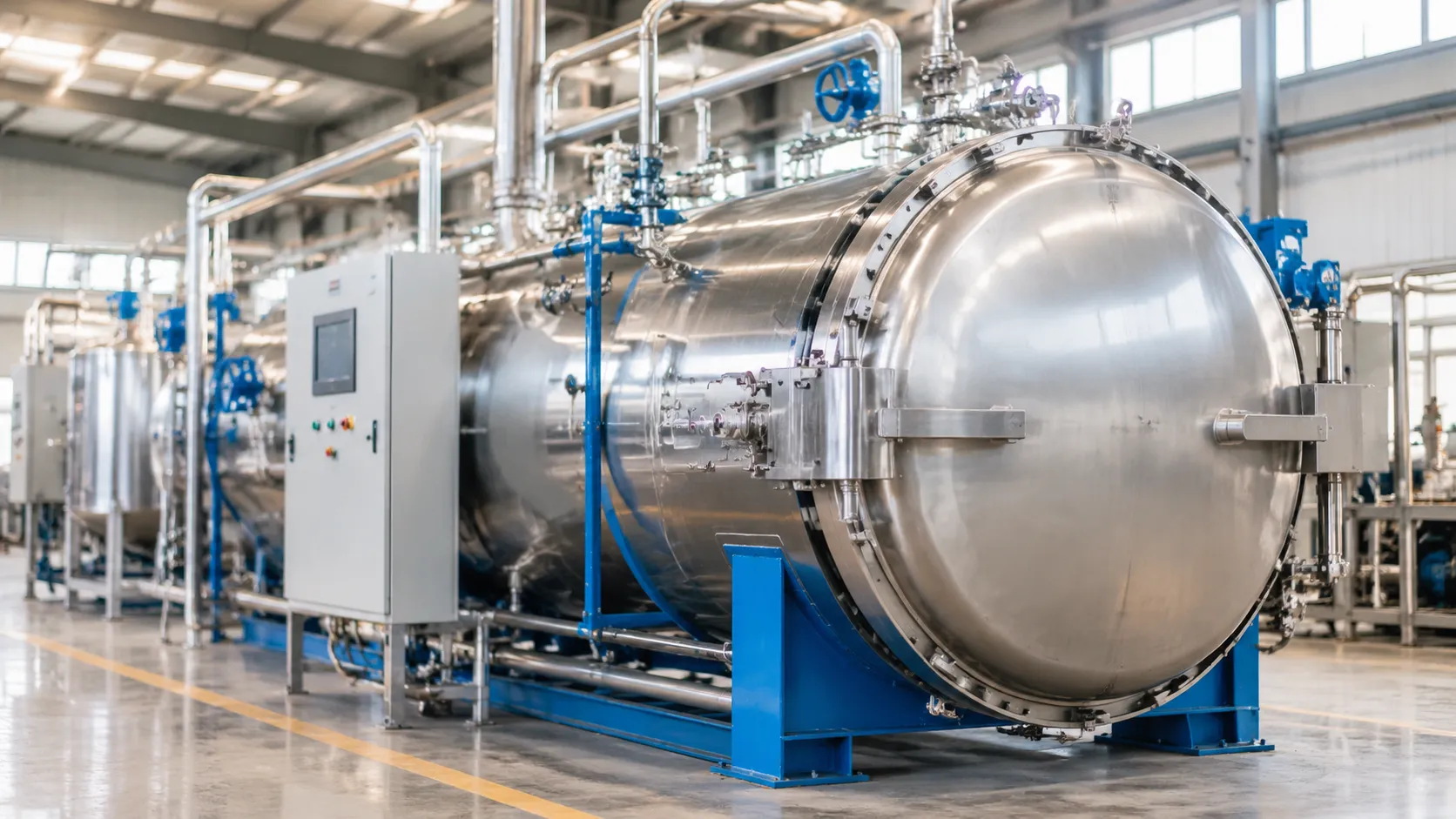
Selecting the right equipment is about balancing your immediate production throughput with the long-term reliability of your investment casting equipment. When evaluating your budget, prioritize total cost of ownership rather than just the lowest sticker price.
Assessing Your Production Needs
Before requesting a quote, define your operational baseline. An autoclave that is too small creates a production bottleneck, while one that is over-engineered may lead to unnecessary energy expenditures.
Consider these factors when sizing your system:
| Factor | Impact on Investment |
|---|---|
| Material Throughput | Determines the required vessel volume. |
| Cycle Frequency | Affects the need for rapid pressure build-up features. |
| Automation Level | PLC-integrated systems reduce labor costs over time. |
Comparing Technical Proposals
When you receive quotes from different suppliers, do not compare them by price alone. A professional technical proposal should transparently outline how the equipment supports your output goals. Look for these indicators of quality:
- Safety Certifications: Ensure the vessel meets high-pressure industrial standards.
- Energy Efficiency: Evaluate the insulation quality and heating recovery systems.
- Turnkey Integration: Check if the proposal includes on-site installation and commissioning, which prevents costly setup errors.
Balancing Efficiency and Investment
The smartest foundries view their investment casting equipment as a long-term asset. While high-performance models may carry a higher upfront cost, they typically offer better ROI through reduced wax waste, faster cycle times, and lower energy consumption. By choosing a system that matches your specific operational scale, you secure a more stable and efficient production line.
Frequently Asked Questions (FAQs)
When considering a dewaxing autoclave price, common concerns often revolve around logistics, equipment longevity, and operational efficiency. We have summarized the most frequent inquiries from foundry owners below to provide clarity on your equipment investment.
Common Inquiries Regarding Dewaxing Autoclaves
| FAQ Topic | Typical Response |
|---|---|
| Delivery Timeline | Lead times vary based on system size and custom requirements; we provide specific schedules upon order confirmation. |
| Refurbished Options | We focus exclusively on new, high-performance steam dewaxing autoclaves to ensure safety and long-term reliability. |
| Energy Consumption | Our units feature dual-layer insulation and energy-saving designs to minimize utility costs during high-pressure cycles. |
Addressing Your Operational Concerns
- Lead Times: As we manage the full design, manufacturing, and commissioning process, we coordinate closely with your team to meet your production start-up dates.
- Equipment Quality: We prioritize the construction of new systems. This ensures that every vessel meets modern safety standards and pressure ratings, providing the best return on investment compared to refurbished units that may lack updated PLC integration.
- Energy Efficiency: Industrial performance is optimized through rapid pressure build-up—often achieving 0-10 bar in under 15 seconds—which drastically reduces energy waste and cycle times compared to older, less efficient models.
 English
 Russian
 German