
2026年9月11日
Explore investment and precision casting solutions delivering accurate dimensions durable performance and reliable quality for demanding industrial ap
What is Investment and Precision Casting?
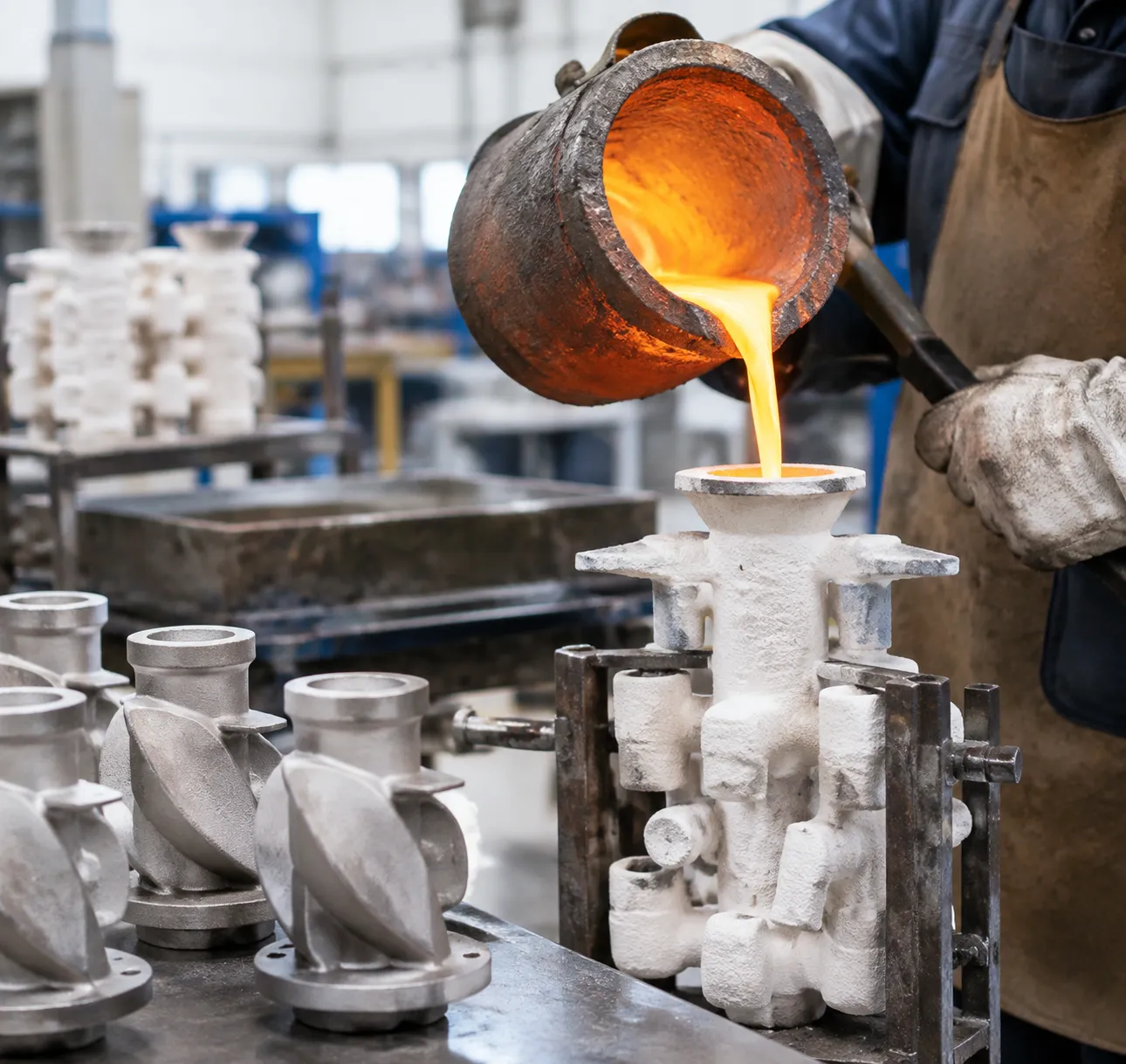
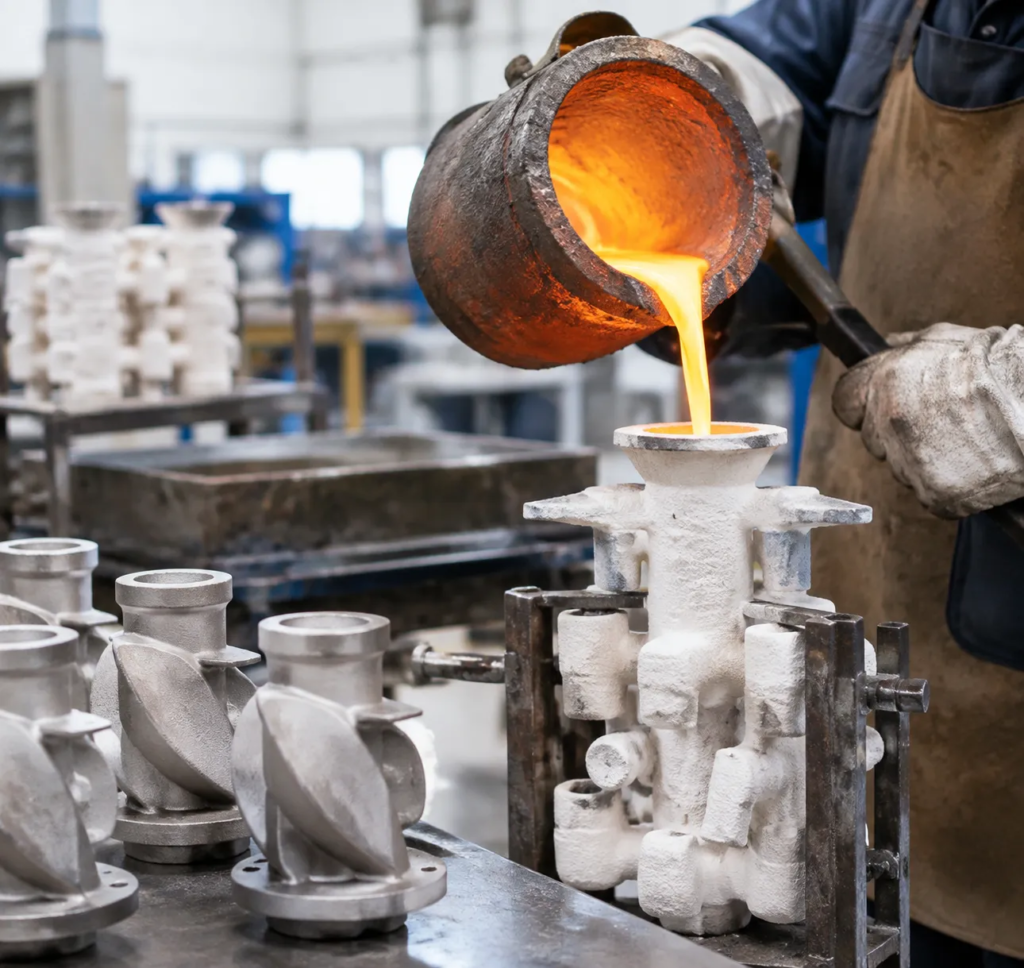
We define investment and precision casting as an advanced manufacturing process engineered to produce complex, metal components with exceptional dimensional accuracy and superior surface finishes. Often referred to simply as precision casting, this method utilizes expendable patterns—traditionally high-purity wax—to form robust ceramic shell molds.
Our core engineering principle focuses on delivering near-net-shape casting parts directly from molten metal. By investing (surrounding) a sacrificial pattern in an engineered refractory slurry, we achieve tight dimensional integrity and intricate geometries that standard foundry techniques cannot match.
How the Lost-Wax Casting Technique Works
The foundation of precision casting is the time-tested lost-wax casting process, refined through modern metallurgical engineering:
- Pattern Creation: We inject precision tooling wax into metal dies to form an exact replica of the final part.
- Cluster Assembly: Patterns are mounted onto a central wax sprue and runner system, building an efficient pouring tree.
- Ceramic Shell Mold Formation: The wax tree is repeatedly dipped into a refractory slurry (such as colloidal silica) and coated with fine ceramic stucco, building a high-strength shell.
- Dewaxing (The "Lost Wax"): The entire mold is steam-dewaxed under pressure. The wax melts away, leaving a hollow, seamless mold cavity.
- Firing and Pouring: We preheat the ceramic shell to high temperatures to prevent thermal shock, then pour molten alloy directly into the cavity.
- Knockout and Clean: Once solidified, the ceramic shell is vibrated and blasted away, revealing high-integrity, net-shape cast components.
Conventional Casting vs. Precision Investment Casting
Sourcing engineers often face trade-offs between tooling costs, tolerances, and post-machining requirements. Conventional sand casting works well for heavy, low-tolerance parts, but precision casting solves critical bottlenecks when tight tolerances and complex profiles are non-negotiable.
| Feature | Conventional Sand Casting | Precision Investment Casting |
|---|---|---|
| Dimensional Accuracy | Low (ISO 8062 CT10–CT13) | High (ISO 8062 CT4–CT6) |
| Surface Roughness | Coarse (Ra 12.5 – 25 µm) | Smooth (Ra 1.6 – 3.2 µm) |
| Thin-Wall Capability | Poor (>5.0 mm typical) | Superior (down to 1.0 – 1.5 mm) |
| Design Complexity | Limited; requires parting lines & drafts | Exceptional; undercut and core-free geometry |
| Secondary Machining | Extensive CNC milling required | Minimal to zero secondary machining |
By eliminating draft angles and heavy machining allowances, we lower total part costs and material waste across mission-critical applications.
Step-by-Step Investment Casting Manufacturing Process
In our foundry, executing investment and precision casting requires strict process control at every stage. We transform raw engineering designs into net-shape components through a disciplined seven-step lost-wax manufacturing cycle.
[Wax Injection] ➔ [Tree Assembly] ➔ [Ceramic Shelling] ➔ [Autoclave Dewaxing] ➔ [Metal Pouring] ➔ [Knockout & Cutoff] ➔ [Heat Treat & Finishing]
1. Pattern Creation via Precision Wax Injection
We inject high-stability pattern wax into CNC-machined aluminum dies under controlled pressure and temperature. Each wax pattern replicates the final geometry, factoring in calculated shrinkage rates for both the wax and the target alloy.
2. Cluster Tree Assembly and Gating Design
To maximize production efficiency, our technicians weld individual wax patterns onto a central wax runner (sprue). We engineer the gating system to ensure laminar metal flow and balanced feeding during solidification, preventing shrinkage porosity.
3. Ceramic Shell Dipping, Stuccoing, and Curing
We repeatedly immerse the wax cluster into a high-grade refractory slurry—utilizing our precision casting solution with silica sol process—followed by coating with graded zircon and fused silica sands:
- Primary Coats (Face Coats): Ultra-fine refractory sand to deliver exceptional surface smoothness.
- Backup Coats: Coarser stucco layers applied in climate-controlled drying rooms to build mechanical shell strength.
| Layer Type | Slurry Base | Stucco Material | Primary Purpose |
|---|---|---|---|
| Primary (1-2) | Silica Sol | Fine Zircon Sand (100–200 mesh) | Surface finish & fine detail reproduction |
| Backup (4-6) | Colloidal Silica | Fused Silica Sand (30–60 mesh) | Structural integrity & thermal shock resistance |
| Seal Coat | Thin Silica Sol | None | Surface binding & dust prevention |
4. Dewaxing via High-Pressure Autoclave
We place the cured ceramic molds into a steam autoclave operating at high pressure (6–8 bar) and elevated temperatures. The steam rapidly melts the wax outward from the shell wall within seconds, eliminating wax expansion that could crack the ceramic shell mold.
5. High-Temperature Preheating and Molten Metal Pouring
Before casting, we fire the hollow ceramic shells in burnout furnaces at 900°C to 1100°C (1650°F to 2012°F) to burn off residual wax and sinter the ceramic. We pour induction-melted metal directly into the preheated shell, ensuring thin-wall fill and preventing premature freezing. Learn more about alloy behaviors across our metal investment casting process tolerances and materials guide.
6. Shell Knockout, Gate Cutoff, and Shot Blasting
Once the poured metal solidifies and cools: Pneumatic vibratory hammers and high-pressure water jets break away the outer ceramic shell. Plasma cutters, band saws, or abrasive chop wheels cut the raw parts from the central sprue. Automated shot blasting with stainless steel or ceramic media cleans off remaining oxides.
7. Post-Processing, Heat Treatment, and Surface Finishing
The raw castings undergo custom finishing operations tailored to end-use requirements: Heat Treatment: Solution annealing, quenching, tempering, or precipitation hardening to restore mechanical properties. Secondary CNC Machining: Tight-tolerance drilling, tapping, or reaming of critical mating faces. Surface Finishing: Passivation, electropolishing, hand grinding, or vibratory tumbling to achieve target aesthetic and anti-corrosion standards.
Key Materials Used in Investment and Precision Casting
One of the biggest strengths of investment and precision casting is the sheer variety of metals we can pour. Because ceramic shell molds withstand extreme thermal stress, we cast everything from everyday structural carbon steels to complex, high-melting-point superalloys with tight metallurgical control.
Stainless Steel Grades (304, 316, 17-4 PH)
Stainless steel precision casting makes up a large portion of our daily production due to its exceptional corrosion resistance and mechanical strength. Austenitic Grades (304 / 316 / CF8 / CF8M): Standard choices for food processing, marine hardware, and chemical equipment where oxidation and acid resistance are critical. Precipitation Hardening (17-4 PH / 15-5 PH): Delivers a strong balance of high yield strength, hardness, and moderate corrosion resistance, making it ideal for aerospace structural brackets and pump impellers. Explore our full range of cast stainless steel custom casting alloys and grades to match exact mechanical specifications.
Carbon Steel and Low-Alloy Steel Alloys
When raw strength, wear resistance, and cost efficiency take priority over corrosion protection, carbon and low-alloy steels are the workhorse materials: Low/Medium Carbon Steels (WCB, 1020, 1045): Easy to machine, weldable, and cost-effective for general machinery brackets, hinges, and structural bases. Low-Alloy Steels (4140, 8620, 4340): Excellent hardenability, impact toughness, and fatigue resistance for heavy-duty components like gears, transmission parts, and automotive knuckles.
Aluminum, Bronze, and Copper-Based Alloys
Non-ferrous precision casting provides tailored thermal, electrical, and weight-saving characteristics: Aluminum Alloys (A356, A380): Lightweight with high strength-to-weight ratios, common in electronics enclosures, automotive ducting, and lightweight robotic arms. Bronze and Copper Alloys (Aluminum Bronze, Silicon Bronze, C83600): Superior anti-galling, high electrical/thermal conductivity, and marine anti-fouling capabilities for bushings, bearings, and marine valves.
Nickel and Cobalt-Based Superalloys for Extreme Environments
For extreme operating conditions involving high temperatures, mechanical stress, and aggressive oxidation: Nickel Superalloys (Inconel 718, 625, Hastelloy): Retain high creep rupture strength and oxidation resistance at temperatures exceeding 700°C (1300°F). Cobalt Alloys (Stellite series): We specialize in pouring cobalt-based casting for heat, wear, and corrosion resistance, delivering unmatched service life in power generation turbines, aerospace hot-section parts, and severe-service valve trims.
| Alloy Family | Common Grades | Key Advantages | Typical Applications |
|---|---|---|---|
| Stainless Steel | 304, 316L, 17-4 PH | Corrosion resistance, high tensile strength | Chemical pumps, food hardware, medical tools |
| Carbon & Alloy Steel | WCB, 4140, 8620 | High toughness, surface hardenability | Heavy equipment, automotive linkages, gearing |
| Non-Ferrous | A356, Al-Bronze | Low density, anti-sparking, conductivity | Marine fittings, housings, electrical clamps |
| Superalloys | Inconel 718, Cobalt 6 | Extreme heat, wear, and oxidation resistance | Turbine blades, exhaust nozzles, severe valve seats |
Dimensional Tolerances and Surface Finish Capabilities in Investment and Precision Casting
When you design complex metal components, balancing tight dimensional control with surface quality dictates your final production costs. In our investment and precision casting foundry, we consistently hold high-accuracy geometry straight out of the mold, significantly cutting down or eliminating expensive secondary machining steps.
Standard Linear Tolerances and ISO 8062 Standards
We manufacture parts according to international investment casting tolerance grades, primarily adhering to ISO 8062-3 (grades CT4 to CT6) for silica sol processes and CT7 to CT9 for water glass casting.
- General Linear Tolerance: Typically ±0.1 mm to ±0.125 mm per 25 mm (±0.005 in/in).
- Repeatability: High batch-to-batch consistency allows direct assembly for non-critical mating faces.
- Angular Tolerance: Standard range within ±0.5° to ±1°.
| Parameter | Standard Capability | Precision Capability (Optimized Tooling) |
|---|---|---|
| Tolerance Standard | ISO 8062-3 CT5–CT6 | ISO 8062-3 CT4 |
| Linear Accuracy | ±0.13 mm / 25 mm | ±0.08 mm / 25 mm |
| Surface Roughness | Ra 3.2 µm (125 µin) | Ra 1.6 – 2.0 µm (63–80 µin) |
| Minimum Wall Thickness | 1.5 mm (0.060 in) | 0.8 mm – 1.0 mm (0.030–0.040 in) |
| Hole Diameter Limits | Min. 2.0 mm diameter | Min. 1.0 mm with pre-formed cores |
Achievable Surface Roughness (Ra 1.6 – Ra 3.2 µm)
Because we use ultra-fine refractory slurries to build the initial ceramic shell layer, our cast parts achieve exceptional as-cast smoothness.
- Standard As-Cast Surface: Surface roughness Ra 3.2 µm is standard across stainless steel and carbon steel runs.
- Fine Finishes (Ra 1.6 µm): Achieved on non-ferrous components via advanced aluminum investment casting tight tolerances and processes.
- Post-Cast Enhancements: Vibratory polishing, bead blasting, or electropolishing quickly bring critical external profiles down below Ra 0.8 µm.
Geometric Dimensioning and Thin-Wall Capabilities
Modern precision casting gives you freedom with intricate geometry that CNC milling tools cannot reach:
- Thin Wall Metal Casting: We routinely cast structural walls down to 1.0 mm, and isolated fins down to 0.8 mm depending on alloy flowability.
- Complex Internal Cavities: Soluble wax cores and ceramic cores form undercut channels, curved fluid paths, and internal cooling passages with strict wall uniformity.
- Geometric Dimensioning & Tolerancing (GD&T): True position, flatness, and parallelism remain tightly controlled across thermal contraction cycles through custom-tailored pattern shrink factors.
Near-Net-Shape Advantages That Minimize Secondary CNC Machining
Every millimeter of metal removed on a 5-axis mill burns tooling life and increases cycle time. Our near-net-shape casting approach delivers parts with holes, threads, bevels, and mounting bosses already formed to size.
Evaluating the balance between precision casting and CNC machining allows you to leave 80% to 90% of the surface in the as-cast condition, reserving high-speed milling only for tight-clearance bearing bores or critical sealing faces. This substantially lowers raw material waste, decreases cycle time, and drives down total unit costs.
Investment Casting vs. Alternative Manufacturing Methods
Choosing the right production route comes down to part complexity, material choice, production volume, and total budget. While investment and precision casting excels in complex geometries and tight tolerances, we frequently evaluate it against sand casting, die casting, and CNC machining to help engineering teams optimize their unit economics.
| Manufacturing Method | Dimensional Tolerance | Surface Roughness ($Ra$) | Tooling Cost | Material Versatility | Material Waste Rate |
|---|---|---|---|---|---|
| Investment Casting | ± 0.1 mm to ± 0.3 mm (CT4–CT6) | 1.6 – 3.2\ μm | Moderate | Extremely High (Ferrous & Non-Ferrous) | Very Low (Near-net-shape) |
| Sand Casting | ± 0.5 mm to ± 1.5 mm (CT10–CT13) | 12.5 – 25\ μm | Low | High (Mainly Iron, Steel, Aluminum) | Low |
| Die Casting | ± 0.05 mm to ± 0.2 mm (CT3–CT5) | 0.8 – 1.6\ μm | Very High | Low to Medium (Non-Ferrous Only) | Low |
| 5-Axis CNC Machining | ± 0.005 mm to ± 0.02 mm | 0.4 – 1.6\ μm | Minimal (Fixtures only) | High | High (Subtractive scrap) |
Investment Casting vs. Sand Casting: Precision and Surface Finish
Sand casting works well for heavy, structural components where surface quality is secondary. However, precision investment casting delivers distinct engineering advantages:
- Tolerances: We achieve ISO 8062 CT4–CT6 linear tolerances with investment molds, compared to CT10–CT13 for standard sand molds.
- Surface Finish: Investment casting produces smooth surfaces (Ra\ 1.6 – 3.2\ μm) directly out of the ceramic shell, eliminating the extensive surface grinding required for rough sand-cast parts.
- Secondary Operations: If your design features intricate cooling channels, thin walls, or fine lettering, check our sand mold casting guide to compare dimensional limits before finalizing your tooling strategy.
Investment Casting vs. Die Casting: Tooling Costs and Alloy Flexibility
High-pressure die casting targets massive volumes of non-ferrous components, while precision investment casting provides unmatched metallurgical freedom:
- Alloy Selection: Die casting is restricted to low-melting-point metals like aluminum, zinc, and magnesium. Investment casting accommodates virtually any alloy, including stainless steel grades, cobalt-base alloys, and high-temperature nickel superalloys.
- Tooling Capital: Investment casting wax-injection dies cost significantly less than hardened high-pressure die casting steel tooling, making it far more cost-effective for low-to-mid volume runs (500 to 50,000 pcs/year).
- Design Freedom: For a detailed comparison between high upfront tooling and high alloy versatility, explore our die casting vs investment casting guide.
Investment Casting vs. CNC Machining: Material Waste and Complexity Efficiency
Subtractive CNC milling from solid billet is the standard benchmark for rapid prototypes, but investment and precision casting is far more economical for complex parts:
- Near-Net-Shape Efficiency: Machining a complex pump impeller or turbine blade from solid billet often results in 60% to 80% raw material scrap. Investment casting produces near-net-shape parts directly from the molten metal, saving thousands in high-cost alloys like Inconel or 17-4 PH stainless steel.
- Internal Geometry Access: Multi-axis CNC tools cannot machine undercut passages, deep cavities, or complex internal curves without splitting the design into multiple fabricated pieces. Lost-wax tooling allows us to produce single, consolidated components in one pour.
- Casting vs CNC Machining Cost: We use CNC machining for low-volume prototypes or critical bearing mating surfaces, while converting the core geometry to investment casting for scaled production to dramatically reduce cycle times and per-part unit costs.
Major Industry Applications of Investment and Precision Casting
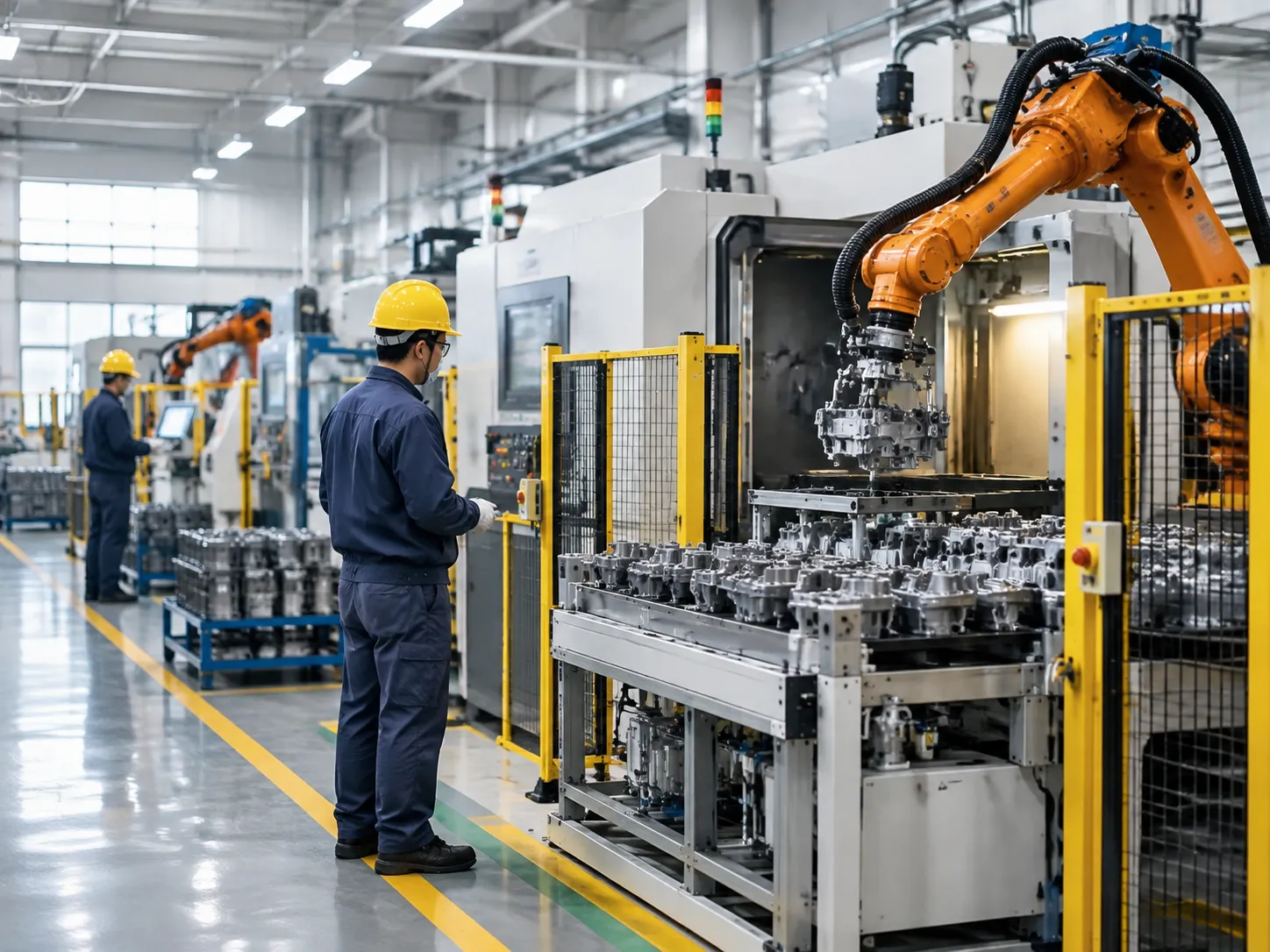
We deliver investment and precision casting solutions across mission-critical sectors where component failure is not an option. By pairing fine geometric precision with metallurgical versatility, we provide custom metal casting parts that meet strict international performance criteria.
Aerospace and Defense Engine Components
Aerospace systems demand extreme strength-to-weight ratios and thermal resistance. We utilize high temperature superalloys casting and specialized nickel- or cobalt-based alloys to manufacture: Turbine blades and vanes with intricate internal cooling passages. Fuel system nozzles and combustion chamber hardware. Structural airframe brackets that eliminate excess weight without sacrificing fatigue strength.
Medical Devices, Surgical Instruments, and Orthopedic Implants
The medical field requires biocompatibility, zero surface defects, and strict hygiene compliance. We produce precision surgical tools, robotic end-effectors, and orthopedic joint replacements using cobalt-chromium, titanium, and corrosion-resistant austenitic stainless steel. The smooth as-cast finish significantly reduces the hand-polishing and passivation work needed on sterile surfaces.
Automotive Turbochargers, Manifolds, and Fuel Systems
Automakers turn to our precision casting capabilities to handle extreme heat cycles and streamline powertrain assemblies: Turbocharger turbine wheels capable of withstanding continuous high-RPM thermal stress. Exhaust manifolds and EGR housings leveraging thin wall metal casting to cut component weight. High-pressure fuel injection bodies requiring pressure-tight integrity and zero porosity.
Oil, Gas, and Chemical Valve and Pump Bodies
Fluid-handling operations expose equipment to severe pressures, abrasion, and aggressive chemicals. We cast robust valve bodies, ball valves, impellers, and pump housings that hold pressure ratings under extreme conditions. Investing in net-shape precision ensures sealing surfaces require only light finish machining, reducing scrap on expensive duplex stainless steel and nickel alloys.
Firearms and Defense Hardware
For modern defense hardware and firearm manufacturing, repeatability and toughness are paramount. We routinely cast receivers, trigger groups, gas blocks, and bolt carriers out of dependable materials like 4140 alloy steel. This delivers hard-wearing parts with consistent dimensions straight out of the mold.
| Industry Sector | Typical Cast Components | Key Material Focus |
|---|---|---|
| Aerospace | Turbine blades, sensor housings, mounting brackets | Inconel, Titanium, Cobalt Superalloys |
| Medical | Joint implants, surgical clamps, bone plates | 316L Stainless Steel, Co-Cr, Titanium |
| Automotive | Turbocharger wheels, exhaust components | Heat-Resistant Stainless, Ductile Iron |
| Oil & Gas | Pump impellers, gate valve bodies, flowmeters | Duplex Stainless Steel, Hastelloy |
| Defense / Firearms | Receivers, hammers, locking blocks, sights | 4140 / 8620 Alloy Steel, 17-4 PH Stainless |
Cost Drivers and Design for Manufacturability (DFM) Tips

Controlling unit costs in investment and precision casting comes down to smart geometry decisions early in the CAD stage. By applying practical investment casting DFM guidelines, we help engineering teams maximize structural performance while eliminating unnecessary tooling complexity and post-cast machining.
Tooling and Die Development Cost Breakdown
The initial capital expense centers on the wax injection die:
- Die Material: We machine single-cavity or multi-cavity dies from aircraft-grade aluminum (6061/7075) for standard production runs, or hardened tool steel (H13) for high-volume programs exceeding 100,000 shots.
- Core Mechanisms: Simple pull-apart molds minimize upfront costs. Complex internal passages require manual loose inserts, pneumatic side-actions, or soluble wax cores, which increase tooling labor and cycle times.
- Cavity Multiplicity: Balancing piece-part volume against tooling budgets dictates whether a single-cavity prototype tool or a multi-cavity automated die yields the lowest landed cost per unit.
Core Geometry Best Practices: Drafts, Walls, and Fillets
Optimizing standard casting features ensures smooth metal flow and structural integrity across every pour:
- Wall Thickness Consistency: Maintain uniform wall thicknesses between 2.0 mm and 6.0 mm whenever possible. Where wall variations are unavoidable, use tapered transitions (3:1 ratio) to prevent shrinkage porosity and hot tears.
- Minimum Thin Walls: We reliably cast localized thin wall metal casting sections down to 1.0 mm – 1.5 mm depending on the chosen alloy and part size.
- Fillet Radii: Avoid sharp 90-degree internal corners. Generous fillets (R \ge 1.5 mm) reduce stress concentrations in the ceramic shell and eliminate turbulence during metal pouring.
- Draft Angles: Because wax patterns shrink slightly away from die walls during cooling, zero-draft walls are often possible. However, applying a 0.5° to 1.0° draft significantly extends die life and improves cycle efficiency.
| Design Parameter | Recommended Guideline | Cost Impact if Ignored |
|---|---|---|
| Wall Thickness | 2.0 mm – 6.0 mm (Uniform) | Shrinkage voids, sink marks, high scrap rates |
| Internal Fillets | R \ge 1.5 mm | Shell cracking, stress risers, inclusions |
| Draft Angles | 0.5° – 1.5° (0° possible on shallow features) | Wax pattern distortion, premature tool wear |
| Hole Diameters | Diameter $\ge$ Depth (1:1 ratio minimum) | Ceramic core breakage during shell building |
Minimizing Secondary Operations Through Part Consolidation
The fastest way to lower total manufacturing expenditure is consolidating multi-piece assemblies into a single custom metal casting part. Precision casting allows us to integrate mounting brackets, internal fluid paths, identification lettering, and thin cooling fins directly into one monolithic component.
This near-net-shape capability eliminates downstream welding, reduces joint leak risks, and slashes CNC machining hours down to critical bearing bores and tapped threads.
Volume Scaling Economics: Rapid Prototyping to Mass Production
Unit pricing scales predictably based on production volumes and pattern fabrication methods:
- Rapid Prototyping (1–50 units): We leverage 3D-printed sacrificial SLA or PMMA patterns, bypassing hard tooling costs entirely to validate physical parts in production-grade alloys.
- Low-to-Mid Volumes (100–2,500 units): Single-cavity aluminum modular tooling delivers low upfront investment while producing consistent production-grade parts.
- Mass Production (5,000+ units): Automated multi-cavity steel tooling drives cycle times down and amortizes upfront development across the production lifecycle. Evaluating die casting vs sand casting cost and volume tradeoffs alongside precision investment casting ensures you choose the most cost-effective path for your target annual usage.
Quality Assurance and Non-Destructive Testing in Investment and Precision Casting
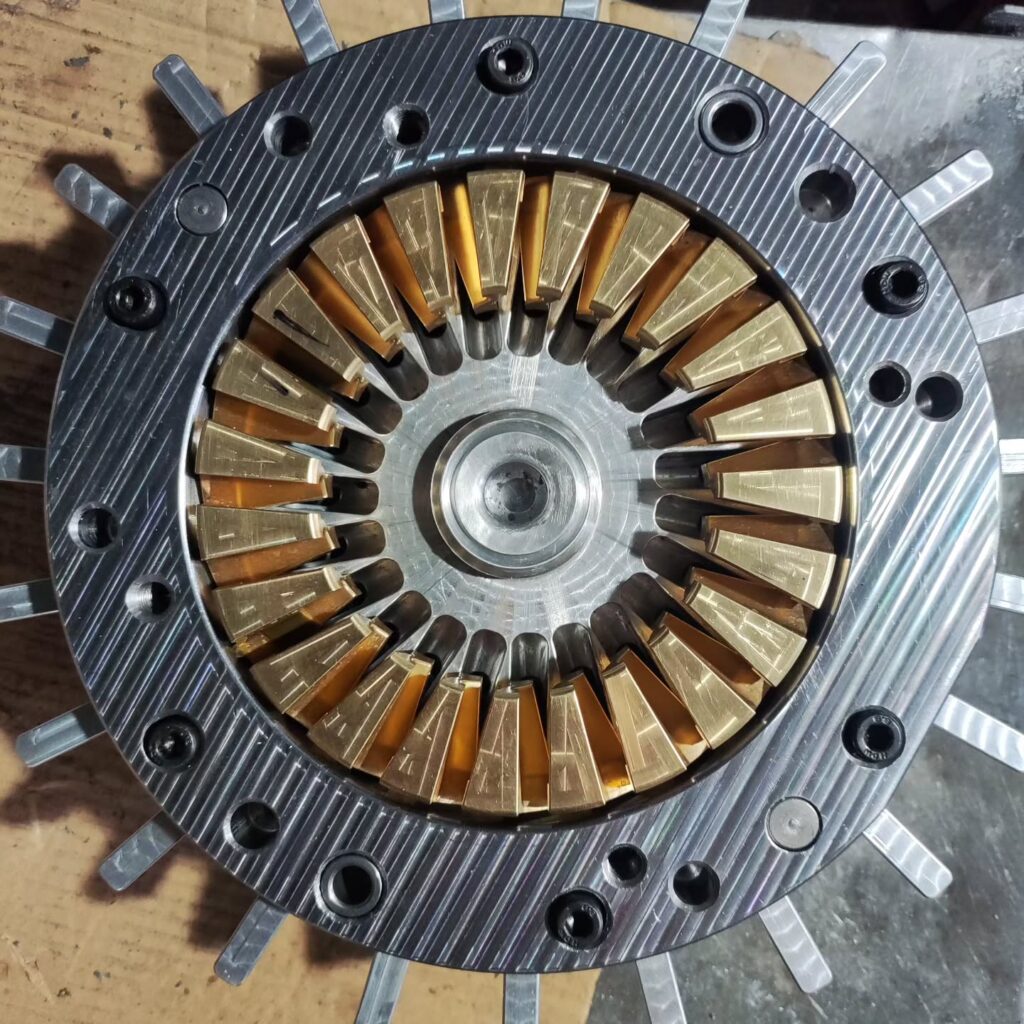
We treat quality control as an integrated production discipline rather than a final checkpoint. Maintaining zero-defect standards across mission-critical components requires rigorous process control in investment casting at every stage—from raw melt chemistry to final dimensional verification.
Chemical Composition Verification with Optical Emission Spectrometry (OES)
We verify alloy chemistry before and after pouring using direct-reading Optical Emission Spectrometry (OES).
- Heat-by-Heat Verification: We test each molten batch to ensure trace elements, carbon levels, and alloy additions strictly meet ASTM, AMS, and DIN standards.
- Traceability: Cast test coupons from every heat are retained and matched with serialized production lots for full material traceability.
Non-Destructive Testing (NDT) for Structural Integrity
To catch internal flaws and surface defects without compromising the component, our non-destructive testing casting NDT protocols deploy three core methods:
- X-Ray Radiography (RT): Detects internal gas porosity, shrinkage voids, and core inclusions in critical load-bearing geometries.
- Liquid Penetrant Inspection (PT/DPI): Identifies micro-cracks, laps, and cold shuts open to the surface on both ferrous and non-ferrous parts.
- Magnetic Particle Inspection (MPI): Locates sub-surface and surface-breaking discontinuities rapidly in ferromagnetic alloys.
| Inspection Method | Target Defect Type | Industry Standard Applied |
|---|---|---|
| Optical Emission Spectrometry (OES) | Chemistry drift & trace contamination | ASTM E415 / ASTM E1086 |
| X-Ray Radiographic Testing (RT) | Internal shrinkage, voids, & inclusions | ASTM E192 / ASTM E1742 |
| Fluorescent Dye Penetrant (PT) | Surface cracks, seams, & micro-porosity | ASTM E1417 / ISO 3452 |
| Magnetic Particle Testing (MPI) | Linear surface & shallow sub-surface flaws | ASTM E1444 / ISO 9934 |
Coordinate Measuring Machine (CMM) Dimensional Verification
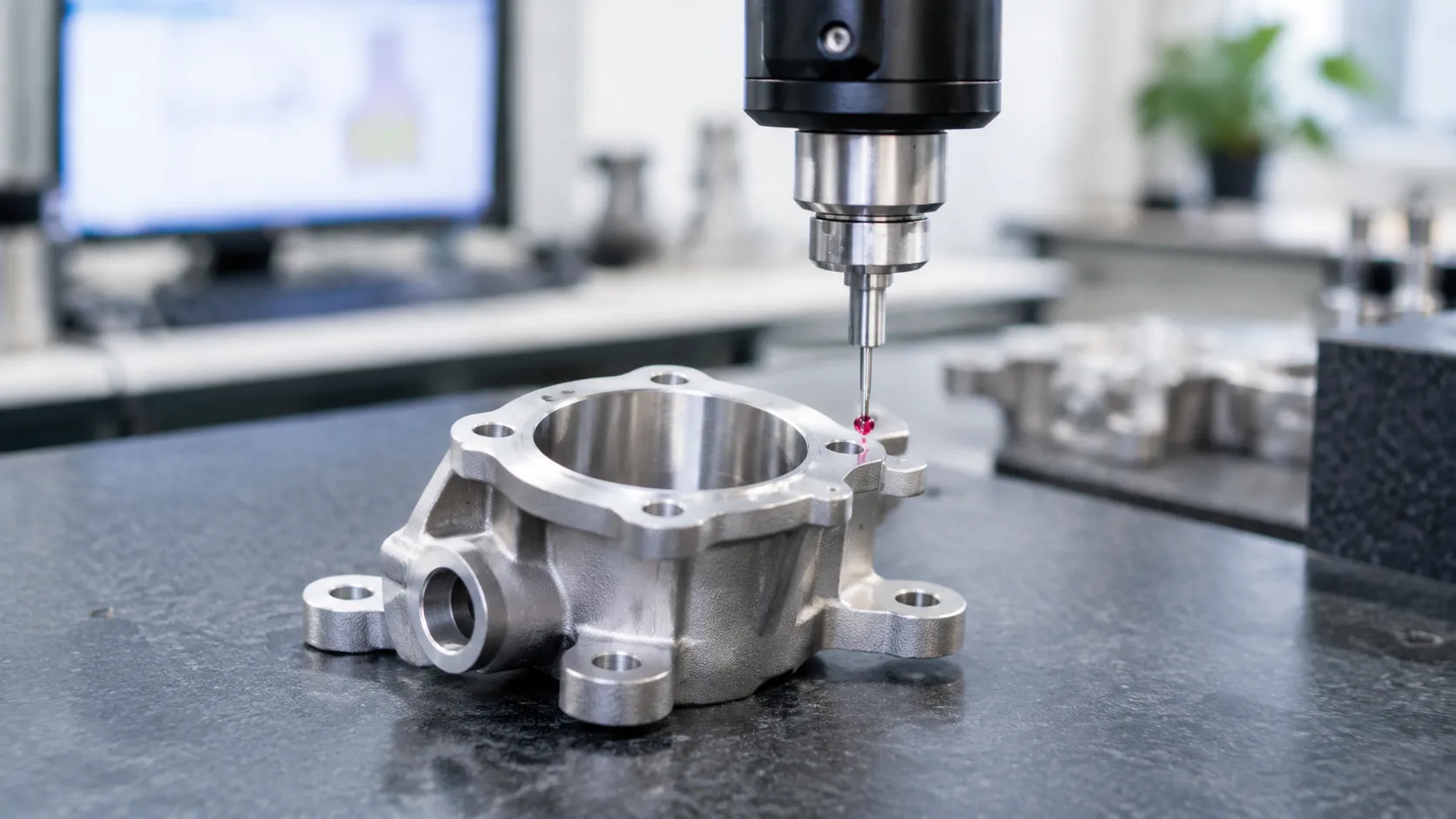
We hold parts strictly within casting dimensional tolerance ISO 8062 standards (CT4 to CT6) through automated metrology. Advanced multi-axis CMM probes and 3D laser scanners map complex organic surfaces against the native CAD file. Where high-throughput inspection is required, integrating custom automated assembly systems with precision robotics and vision inspection ensures every critical datum, profile tolerance, and true position aligns with your engineering print.
Mechanical Property Testing
We pull and crush sacrificial test bars poured alongside your parts to validate physical material response under stress:
- Tensile & Yield Testing: Measures ultimate strength, elongation, and yield point on calibrated universal test machines.
- Hardness Testing: Confirms heat treatment effectiveness using Rockwell (HRC), Brinell (HBW), or Vickers (HV) scales.
- Charpy Impact Testing: Evaluates toughness and fracture resistance under dynamic shock loading, even at sub-zero temperatures.
Frequently Asked Questions About Investment and Precision Casting
What is the difference between investment casting and precision casting?
In everyday foundry practice, people use the terms interchangeably, but precision casting is the umbrella term for casting methods designed to achieve tighter tolerances and superior surface finishes compared to traditional sand casting. Investment casting—utilizing the lost-wax technique with ceramic shells—is the premier method under this category. Exploring what is investment casting process benefits and tolerances makes it clear that while all investment casting is precision casting, precision casting can technically encompass other specialty processes like ceramic mold casting.
What is the minimum wall thickness possible in precision casting?
We reliably pour thin-wall features down to specific limits depending on the alloy, geometry, and melt delivery:
- Carbon and Stainless Steels: 1.0 mm to 1.5 mm (0.040" to 0.060") for standard geometries.
- Aluminum and Copper Alloys: 0.8 mm to 1.2 mm across localized sections.
- Specialized Thin Walls: Down to 0.5 mm to 0.75 mm in small, well-vented areas using vacuum-assist systems.
Maintaining gradual transitions between thin sections and thick ribs prevents cold shuts and localized shrinkage porosity.
How does tooling cost compare between investment casting and die casting?
Investment casting tooling requires significantly lower upfront capital than die casting. Because investment tooling only injects low-temperature wax rather than molten metal under extreme pressure, the dies experience virtually no thermal fatigue or mechanical wear.
| Metric | Investment Casting Tooling | Die Casting Tooling |
|---|---|---|
| Tool Material | Aircraft-grade Aluminum / Pre-hardened Steel | Hardened Tool Steel (H13, Premium Grade) |
| Initial Tooling Cost | Moderate ($2,500 – $12,000 avg.) | High ($20,000 – $80,000+) |
| Tool Life | 100,000 to 500,000+ wax injections | 50,000 to 150,000 shots (metal wear) |
| Design Revision Cost | Fast and economical to modify | Expensive and time-intensive |
| Economic Production Runs | 100 to 50,000+ parts/year | 25,000 to 1,000,000+ parts/year |
Can investment casting handle high-temperature and corrosive applications?
Yes. Ceramic shell molds endure pouring temperatures well above 1,600°C (2,900°F). We routinely cast high-grade stainless steels (316L, Duplex 2205, 17-4 PH) and nickel- or cobalt-based superalloys like Inconel 718 and Hastelloy for severe duty cycles. For reactive alloys or zero-porosity turbine components, utilizing vacuum investment casting for high precision metal parts prevents metal oxidation and guarantees reliable performance in aggressive marine, chemical, and aerospace environments.
How does investment casting reduce total production costs?
While the unit price of raw cast metal might seem higher than basic bar stock, investment and precision casting lowers total finished part costs across the complete production cycle:
- Near-Net-Shape Accuracy: Drastically cuts CNC roughing passes, saving spindle time and cutting tool wear.
- Raw Material Savings: Eliminates the massive scrap waste common when hogging complex geometry out of solid billets.
- Component Consolidation: Integrates multiple welded, bolted, or brazed components into a single monolithic cast part, eliminating assembly labor, inspection steps, and joint failure risks.
- Surface Finish Quality: Produces parts with an as-cast Ra 3.2 µm finish, removing the need for post-cast surface grinding or polishing on non-critical functional faces.
 English
  Russian
  German