
2026年11月8日
Compare Cylinder Free vs Hydraulic Wax Injection Machine performance pressure control efficiency and ideal applications for precision casting

Drive Architecture and Working Principles
In our production casting runs, pattern accuracy starts with how force is generated and transferred. When comparing a cylinder-free vs hydraulic wax injection machine, the fundamental difference lies in how clamping tonnage and injection pressure are commanded: fluid displacement versus direct electromechanical motion.
How Traditional Hydraulic Systems Generate Force
Traditional hydraulic wax injectors rely on an electric motor driving a hydraulic pump, circulating pressurized oil through manifolds, proportional valves, and heavy hydraulic cylinders.
- Clamping: Hydraulic fluid fills the clamp cylinder to push the platen forward, maintaining force through sustained line pressure.
- Injection: A secondary hydraulic piston drives the wax plunger to force molten wax into the tooling.
- Shop-floor pain points: As oil temperature rises over an eight-hour shift, fluid viscosity drops. This thermal drift causes pressure fluctuations, sluggish valve response, parting-line flash, or incomplete pattern filling.
How Cylinder-Free Direct-Drive Servo Systems Operate
A cylinder-free direct-drive wax injector removes fluid power entirely. We utilize precision servo motors coupled directly to high-rigidity ballscrews or linear actuators for both mold clamping and wax delivery.
- Direct motion transfer: Digital pulses from the motion controller instantly translate into linear force without hydraulic fluid delay.
- Closed-loop control: Encoders track position, speed, and torque in real time, delivering precise mold clamping force control and repeatable shot volumes.
- Instant response: Servo acceleration ramps up and cuts off within milliseconds, eliminating hydraulic pressure spikes that damage delicate molds.
Mechanical Differences: Fluid Power vs. Electromechanical Drive
| Feature | Traditional Hydraulic Drive | Cylinder-Free Direct-Drive Servo |
|---|---|---|
| Power Transmission | Hydraulic oil, hoses, manifold valves, piston seals | High-precision servo motor, digital drive, ballscrew |
| Response Latency | 50–150 ms (valve spool shifting and fluid compression) | < 5 ms (direct digital encoder feedback) |
| Thermal Stability | Varies as hydraulic oil warms up during operation | Constant; zero fluid viscosity changes |
| Position Repeatability | Limited by valve resolution and seal friction (~0.1 mm) | Micron-level positional accuracy (±0.01 mm) |
| Shop-Floor Risk | Blown seals, fluid leaks, oil mist cross-contamination | Completely dry, cleanroom-ready electromechanical motion |
Critical Performance Dimensions: Cylinder-Free vs Hydraulic Wax Injection Machine
Running a casting floor comes down to repeatable shot weights, tight parting lines, and zero downtime. When evaluating a cylinder-free vs hydraulic wax injection machine, the differences show up immediately on the production bench. Fluid power served the industry for decades, but electromechanical direct-drive technology has altered the baseline for pressure control, shop hygiene, and mold longevity.
Injection Pressure Stability and Profile Control
Hydraulic injectors rely on oil routed through proportional valves, making them vulnerable to oil temperature swings throughout a shift. As the oil heats up, viscosity drops, causing noticeable pressure drift, fill variations, and unstable wax flow.
A direct-drive, cylinder-free wax injector eliminates fluid lag entirely. Using high-response servomotors and precision ball screws, the system delivers true closed-loop wax injection pressure stability: Predictable filling: Real-time multi-stage pressure profiling prevents mid-injection hesitation. No thermal drift: First-shot pressure matches the thousandth shot, regardless of ambient room temperature. Controlled pack pressure: Smooth, linear hold pressure prevents sink marks on heavy cross-sections without stressing thin features.
Workshop Cleanliness and Eliminating Wax Cross-Contamination
Hydraulic leaks are an operational hazard in wax departments. Even minor weeping around cylinder rods or manifold seals generates airborne oil mists and pooling under the frame. When hydraulic oil makes contact with clean wax chips or runner scrap, it ruins the melt, leading to carbon residue, ash inclusions, and casting blowholes during burnout.
A non-hydraulic, cylinder-free layout removes hydraulic oil from the machine entirely. Zero oil contact: Wax remains 100% pure, allowing worry-free spruing and scrap reuse. Cleanroom standard: The injection bay stays dry and clean, cutting wipe-down maintenance. Defect reduction: Clean wax inputs protect pattern surface integrity, an essential factor when balancing the advantages and disadvantages of lost wax casting for high-precision components.
Mold Protection and Parting-Line Flash Elimination
Hydraulic cylinders generate clamping force by building fluid volume against a piston head. This mechanical approach often results in pressure overshoot, crushing delicate vulcanized rubber molds or aluminum inserts. Conversely, if the hydraulic clamp pressure drops slightly mid-injection, wax bleeds across the parting line, leaving operators with tedious deburring work.
Operating as an auto clamp wax injector, a cylinder-free system uses integrated digital load cells to regulate clamp force: Dynamic load sensing: Clamping force is dialed in to the exact target Newton without sudden spikes. Mold longevity: Eliminates permanent deformation of soft rubber cuts and silicone tooling. Flash-free wax injection: The direct mechanical lock holds firm against dynamic cavity pressure, keeping parting lines crisp and eliminating manual trimming.
Cycle Speed and Production Throughput
Hydraulic systems require pump run-up, valve switching, and cylinder decompression time on every single cycle. These mechanical delays add up to seconds of dead time per shot.
Direct-drive actuators move the moment the trigger is tripped. Clamping, evacuation, wax discharge, and mold opening occur in continuous, fluid motions. By shaving off hydraulic dwell and decompression intervals, cylinder-free machines boost daily output by 20% to 35% on high-volume production runs.
Energy Consumption and Shop-Floor Thermal Emissions
Traditional hydraulic power units (HPUs) keep a motor running continuously to maintain system accumulator pressure, converting unused electrical energy directly into heat: High thermal load: Hydraulic tanks radiant continuous heat, driving up shop air-conditioning loads and warming nearby wax reservoirs. Acoustic fatigue: Constant pump hum creates a noisy operating environment for bench technicians. On-demand efficiency: Cylinder-free direct drives draw electricity only while in motion. Idle energy consumption drops to near zero, ambient heat dissipation is negligible, and mechanical noise remains virtually silent.
Technical Specifications: Cylinder-Free vs Hydraulic Wax Injection Machine

Evaluating a cylinder-free direct-drive unit against a conventional hydraulic wax injector comes down to measurable shop-floor parameters. In our testing and daily operation, removing fluid power fundamentally changes clamp accuracy, cycle consistency, and utility consumption.
| Performance Metric | Cylinder-Free Direct-Drive Injector | Traditional Hydraulic Wax Injector |
|---|---|---|
| Clamping Mechanism | Direct electromechanical servo drive | Hydraulic cylinder with proportional valve |
| Clamping Force Accuracy | Real-time digital feedback | Analog pressure switch |
| Injection Pressure Profiling | Multi-stage closed-loop curve control | Single/dual stage pressure regulator |
| Pressure Curve Repeatability | Constant across full production shifts | Drifts as hydraulic fluid temperature rises |
| Consumables & Fluid Upkeep | Zero oil, zero fluid filters, dry seals | Hydraulic oil flushes, cylinder packings, filters |
| Service Intervals | Minimal preventive mechanical checks | Regular fluid checks and seal replacements |
| Operating Noise Level | Silent idle; low acoustic operation | Continuous motor/pump hum |
| Average Power Consumption | On-demand power draw (draws only when moving) | Continuous pump load regardless of idle state |
| Cleanroom / Medical Compatibility | High (zero fluid contamination risk) | Low (requires oil mist and spill management) |
Clamping Force Control and Dynamic Load Sensing
Hydraulic clamp cylinders struggle with dynamic feedback. Once the oil warms up, viscosity shifts cause clamping force drift, resulting in either mold crushing or parting-line flash.
A direct-drive non-hydraulic setup uses dynamic load-sensing to measure clamp force at the platen face. We lock in precise tonnage every cycle: Micro-adjustment: Force delivery scales dynamically to match soft rubber, hard vulcanized molds, or CNC-machined aluminum blocks. Zero platen bounce: Mechanical linkage maintains static position without pressure bleed, protecting intricate mold parting lines. Parting-line integrity: Consistent clamping eliminates post-cast cleanup, which is critical when producing patterns for downstream cast stainless steel casting services where dimensional tolerances are tight.
Multi-Stage Pressure Curves and Shot Repeatability
Traditional hydraulic wax injection relies on mechanical valves that introduce slight pressure spikes during the initial stroke. That initial surge causes turbulence and air entrapment in filigree sections.
Cylinder-free architecture executes true multi-stage injection profiles: Low-pressure fill: Gently displaces mold cavity air without washing out thin wax cores. High-pressure pack: Locks in density right before the gate freezes, preventing center-line shrinkage on heavy cross-sections. Repeatable curve delivery: Because there is no hydraulic fluid heating up over an eight-hour shift, shot number 1 matches shot number 1,000 perfectly.
Consumables, Noise, and Cleanroom Readiness
Hydraulic units carry a hidden operational tax. Between oil replacements, filter swaps, and dripping piston rods, maintenance eats into active production hours. Cleanroom clean: Direct-drive machines eliminate fluid mist entirely, qualifying them directly for cleanroom and medical pattern molding where airborne hydrocarbons ruin slurry adhesion. Acoustics and power: Hydraulic power packs run continuously to keep pressure backed up behind the valve, burning electricity and generating heat. A cylinder-free direct drive draws current only when the platen or injection pin moves, dropping shop ambient noise and reducing power draw.
Maintenance, Reliability, and Operational Overhead: Cylinder-Free vs Hydraulic Wax Injection Machine

Running hydraulic equipment in a casting room always turns into a maintenance headache over time. When we compare a cylinder-free vs hydraulic wax injection machine on the shop floor, the biggest differentiator is not just cycle consistency—it is the sheer amount of downtime spent chasing leaks, bleeding lines, and recalibrating valves.
Frequent Failure Points in Aging Hydraulic Systems
Traditional hydraulic systems rely on pressurized fluid, mechanical valves, and a continuous pumping loop. Under daily multi-shift operations, these components degrade predictably:
- Proportional Valve Drift: Thermal expansion in hydraulic fluid causes valve spools to stick or lag, directly altering clamp pressure and injection volume mid-shift.
- Blown O-Rings and Piston Seals: Continuous cycling under high pressure degrades polyurethane and nitrile seals, leading to internal bypass pressure drops and external oil seeps.
- Pump Wear and Cavitation: As fluid ages and picks up particulate matter, pump impellers and swash plates wear down, causing pressure spikes that crack delicate rubber molds.
- Fluid Degradation: Hydraulic oil breaks down under heat, requiring scheduled fluid drain-and-refill routines, hazardous waste disposal, and filter swaps every few hundred operating hours.
Mechanical Reliability of Direct-Drive Linear Actuators
A direct-drive wax injector swaps out fluid mechanics for an all-electric servo motor and precision ball-screw or linear actuator setup. Moving parts are fully sealed, rigid, and mechanically coupled.
- Zero Thermal Drift: Servo-driven positioning does not care if the room is 15°C or 35°C. Position, clamping force, and injection rates remain identical from the first cycle in the morning to the end of the shift.
- Predictable Component Life: High-grade linear actuators run on pre-lubricated, sealed bearing blocks rated for millions of cycles without manual intervention.
- Plug-and-Play Integration: Just like modern custom automated assembly systems with precision robotics, electromechanical drives integrate directly with digital controllers for real-time torque and load monitoring without auxiliary hydraulic power packs.
Eliminating Hydraulic Oil Leaks, Seal Changes, and Valve Wear
Opting for a non-hydraulic wax press solves the primary enemy of clean investment casting: oil contamination.
In a hydraulic setup, microscopic oil mist escaping through rod wipers or breather caps settles onto worktables, aluminum dies, and rubber molds. When petroleum oil contacts liquid pattern wax, it degrades surface tension, causing inclusions, wax pattern pitting, and gas defects during burnout.
Upgrading to a servo wax injection machine as a direct hydraulic wax injector replacement permanently removes: Hydraulic fluid replacement and messy filter changes. Piston rebuilds and high-pressure hose replacements. Scrap wax caused by airborne or contact oil contamination. Spill containment protocols and greasy shop floors around the clamp station.
By shifting from fluid power to an electromechanical drive, routine servicing drops to basic mechanical lubrication checks, keeping your casting line running without unexpected pressure drops or cleanup shifts.
Vastpe Cylinder-Free Engineering Innovations
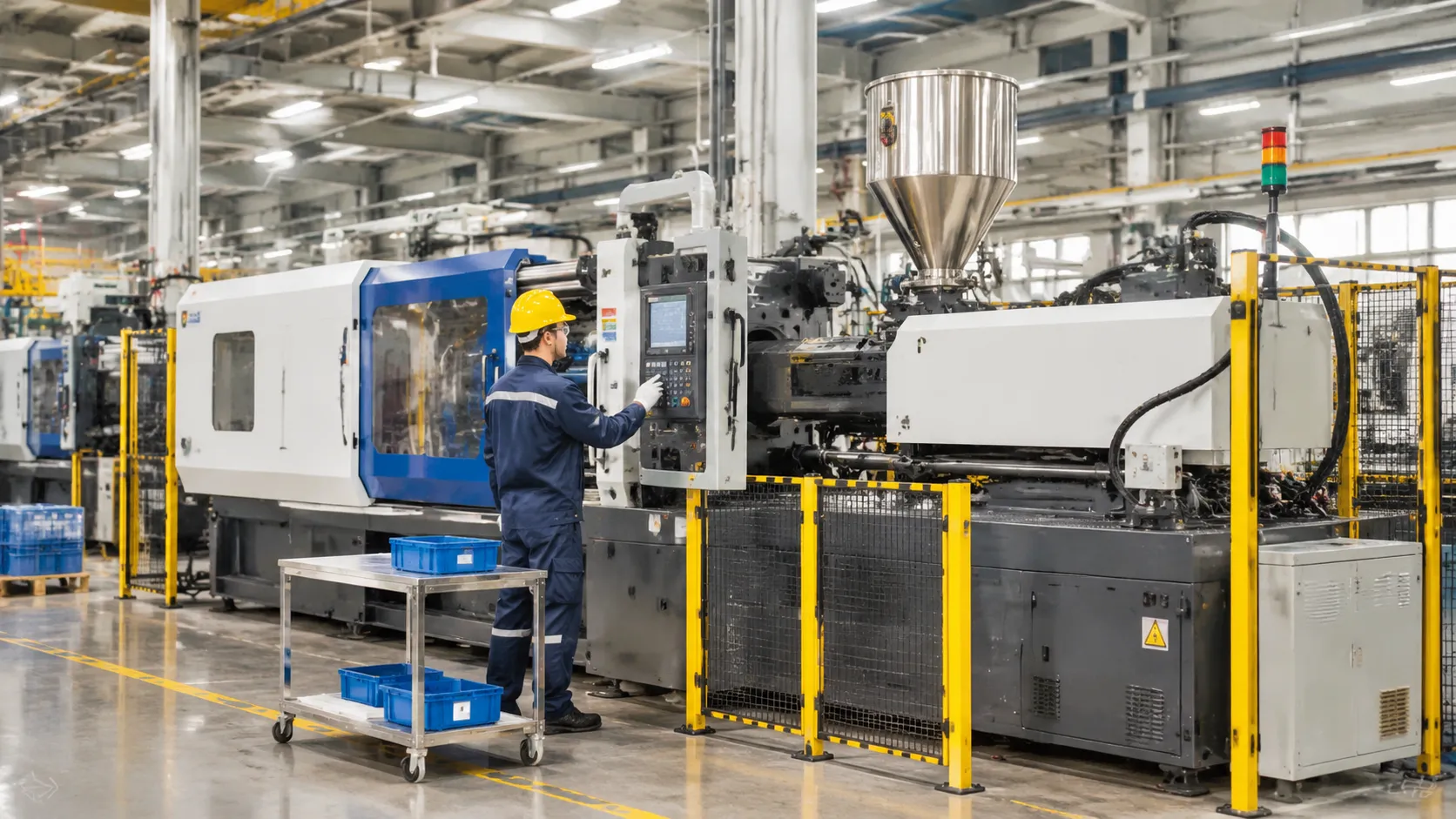
When evaluating a cylinder-free vs hydraulic wax injection machine, the real mechanical differences show up directly in how clamp force and fluid delivery interact. We engineered our cylinder-free platform to remove fluid dynamics entirely, solving the chronic repeatability problems that plague hydraulic workshops.
Direct-Drive Clamping and Ultra-Fast Pressure Response
Traditional hydraulic presses suffer from valve latency, fluid compressibility, and temperature drift. Our direct-drive servo platform delivers instantaneous mechanical response without hydraulic lag:
- Zero hydraulic drift: Electromechanical servo actuation applies clamping force in milliseconds, holding exact tonnage without pressure drop or oil warm-up routines.
- Closed-loop injection sensing: Dynamic load cells read injection resistance in real time, preventing sudden pressure spikes that blow out mold parting lines.
- Sub-millimeter positioning: Servo-driven leadscrews clamp delicate silicone and rubber molds precisely to target thickness, eliminating parting-line flash.
Integrated Vacuum Evacuation for Micro-Prong and Filigree Patterns
Filling complex jewelry geometries, ultra-thin walls, and channel settings requires pulling air out before the wax ever leaves the nozzle. Our integrated vacuum wax injection system pulls down the mold chamber prior to injection:
- Bubble-free pattern formation: Complete cavity evacuation eliminates trapped air pockets, short shots, and micro-voids in prong tips.
- Lower injection pressures: Because the mold cavity is under deep vacuum, wax flows freely into micro-features without demanding excessive packing force.
- Critical casting integrity: Producing void-free wax assemblies is essential to meeting rigorous casting quality standards for reliable metal parts downstream.
Touchscreen Recipe Management and Fast Mold Changeover
Switching between delicate filigree rings and heavy signet bands usually means manual valve tweaking on older machines. We replaced manual knobs with a digital recipe architecture:
- Store hundreds of mold profiles: Lock in vacuum duration, primary injection speed, hold pressure, and clamp force per SKU.
- One-touch recall: Operators swap rubber molds, scan or select the recipe on the industrial touchscreen, and run immediately at target parameters.
- Repeatable cycle performance: Every operator gets identical pattern density and dimensional repeatability, cutting setup scrap down to zero.
Application Suitability: Choosing the Right Machine
Evaluating a cylinder-free vs hydraulic wax injection machine comes down to your part geometry, tooling material, and tolerance limits. We look at workshop requirements daily, and matching the drive mechanism to the job stops scrap before it starts.
When Cylinder-Free Systems Are Essential
For micro-prong settings, intricate filigree, and thin-wall patterns, a cylinder-free servo wax injection machine is mandatory. Hydraulic units cannot respond fast enough to fill micro-cavities without blowing past the parting line.
- Fine Jewelry & Thin Walls: Direct-drive actuation regulates pressure in real-time, injecting low-viscosity wax into delicate cross-sections without flashing or porosity.
- Downstream Casting Yields: Flawless wax patterns directly feed into a high-precision jewelry casting machine for fine metal casting, eliminating post-cast cleanup labor.
- Automated Production: Consistent cycle timing makes these units the standard choice for multi-station lost wax pattern injector setups.
When Traditional Hydraulic Units Still Apply
Hydraulic drive systems remain functional in specific heavy-duty casting sectors where brute force overrides micro-level precision:
- Massive Industrial Waxes: Turbine blades, large valves, and heavy pump impellers requiring 500 grams to several kilograms of wax per shot.
- Rigid Steel Tooling: Heavy steel dies that can absorb massive, unregulated clamping tonnage without deforming.
- Foundries with Legacy Infrastructure: Plants already set up with central hydraulic fluid management and dedicated oil filtration lines.
Matching Drive Systems to Mold Materials
Tooling material dictates how much clamping stress your process can tolerate:
- Silicone Molds: Highly flexible and prone to ballooning. A direct-drive non-hydraulic wax press delivers gentle, programmable clamping force to maintain pattern geometry without distortion.
- Rubber Molds: Standard rubber mold wax injector processes require balanced clamp pressure. Cylinder-free systems prevent edge pinching, extending rubber mold life by three to four times compared to hydraulic clamping.
- Aluminum Tooling: Rigid aluminum molds benefit from direct-drive digital load control, sealing parting lines precisely without risk of crushing alignment pins.
Total Cost of Ownership and ROI Breakdown: Cylinder-Free vs Hydraulic Wax Injection Machine
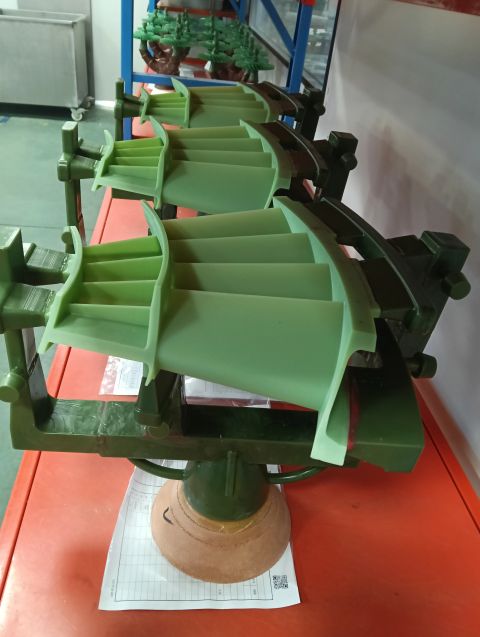
Evaluating a cylinder-free vs hydraulic wax injection machine purely on the initial equipment quote is a common mistake on the shop floor. When we factor in energy consumption, routine maintenance, rejected parts, and post-injection bench work, the true financial picture changes drastically over a standard production lifecycle.
Upfront Machine Cost vs. 3-Year Operating Expenses
A traditional hydraulic wax press often carries a slightly lower initial purchase price, but its ongoing operating expenditures quickly compound. Within 24 to 36 months, the operational overhead of a hydraulic setup routinely overtakes that of an electric direct-drive unit:
- Power Consumption: Hydraulic power packs run continuous pumps to hold line pressure, pulling steady current and generating ambient heat that taxes shop air conditioning. Direct-drive servo systems draw power only on demand during clamping and injection, cutting electricity draw by up to 60%.
- Preventative Maintenance: Hydraulic setups require annual fluid flushes, replacement filters, oil disposal fees, and new piston seals. A direct-drive wax injector operates without fluid consumables, virtually eliminating unscheduled hydraulic rebuilds.
- Process Yield: When planning manufacturing economics using our die casting vs investment casting cost and material guide, overall cost efficiency hinges directly on scrap reduction and cycle reliability. Cylinder-free machines deliver predictable yields that preserve your capital investment over the long haul.
Material Savings from Uncontaminated Wax Recycling
In lost-wax operations, wax reuse is vital for protecting profit margins. Hydraulic systems expose your injection area to microscopic airborne oil mist, weeping cylinder packings, and hydraulic fluid residue.
- Zero Oil Contamination: A cylinder-free direct-drive wax injector completely isolates the wax path from lubricants, ensuring runners, sprues, and rejected shots remain 100% pure.
- Direct Wax Reclaiming: Contamination-free scrap wax can be melted, filtered, and returned immediately to the injection reservoir without risking ash inclusions or gas defects during burnout.
- Material Yield: Shops recovering clean scrap routinely lower their virgin wax procurement volume by 15% to 25% annually.
Labor Reduction from Zero-Flash Pattern Cleanup
Manual deburring and scalpel trimming represent one of the largest hidden labor drains in pattern production:
- Pressure Spike Elimination: Hydraulic valves exhibit inherent lag, causing momentary pressure surges that blow open mold parting lines and create heavy flash.
- Micro-Clamp Control: Servo-driven clamping uses dynamic load sensing to apply exact holding tonnage matched to injection pressure, achieving true flash-free wax injection.
- Direct Labor Savings: Eliminating parting-line flash allows operators to pull patterns from rubber molds and mount them straight onto trees, cutting finishing labor by up to 40% and freeing skilled bench hands for high-value assembly tasks.
Frequently Asked Questions (FAQ)
Can a cylinder-free machine deliver enough clamping force for large molds?
Yes. Modern direct-drive electric systems deliver dynamic clamping force that easily handles large aluminum dies and multi-cavity rubber molds. Unlike fluid systems that rely on constant line pressure and risk pressure drops, direct-drive actuators utilize closed-loop load sensing. This maintains precise holding tonnage throughout the entire injection phase, keeping molds locked tight without distorting softer mold materials.
How does eliminating hydraulic oil prevent wax pattern defects?
Hydraulic systems run hot over long shifts, leading to seal breakdown, oil mist, and minor leaks around the press table. When hydraulic oil vapor or droplets mix with pattern wax, it causes: Subsurface porosity during the wax burn-out stage Surface pitting on delicate jewelry and investment casting patterns Wax contamination that ruins recycled wax batches
A cylinder-free direct-drive wax injector runs completely dry. Eliminating hydraulic fluid preserves the purity of your wax and keeps pattern surfaces clean.
Is a cylinder-free wax injector compatible with existing rubber molds?
Yes. You do not need to replace your tooling library. A cylinder-free auto clamp wax injector works seamlessly with standard vulcanized rubber, silicone, and rigid aluminum molds. The primary advantage is digital clamp control: we can dial in exact clamping force parameters to prevent soft rubber squish, which eliminates parting-line flash on complex filigree while ensuring a complete seal.
What is the payback period when upgrading from a hydraulic wax injector?
In production environments running two or more shifts, the transition from a traditional hydraulic wax injection machine typically breaks even within 6 to 12 months. The savings come directly from: Zero oil maintenance: No hydraulic fluid changes, filter replacements, or blown valve repairs. Labor reduction: Minimal post-injection clean-up because patterns come out flash-free. Material savings: Clean scrap wax can be recycled without oil contamination. Lower power draw: The servo mechanism draws power only during the stroke, reducing utility costs and eliminating idle heat buildup on the production floor.

 English
 Russian
 German