
2026年11月19日
Investment Casting Process Control for Consistent Quality from Wax Patterns to Shells Dewaxing Inspection and Corrective Actions
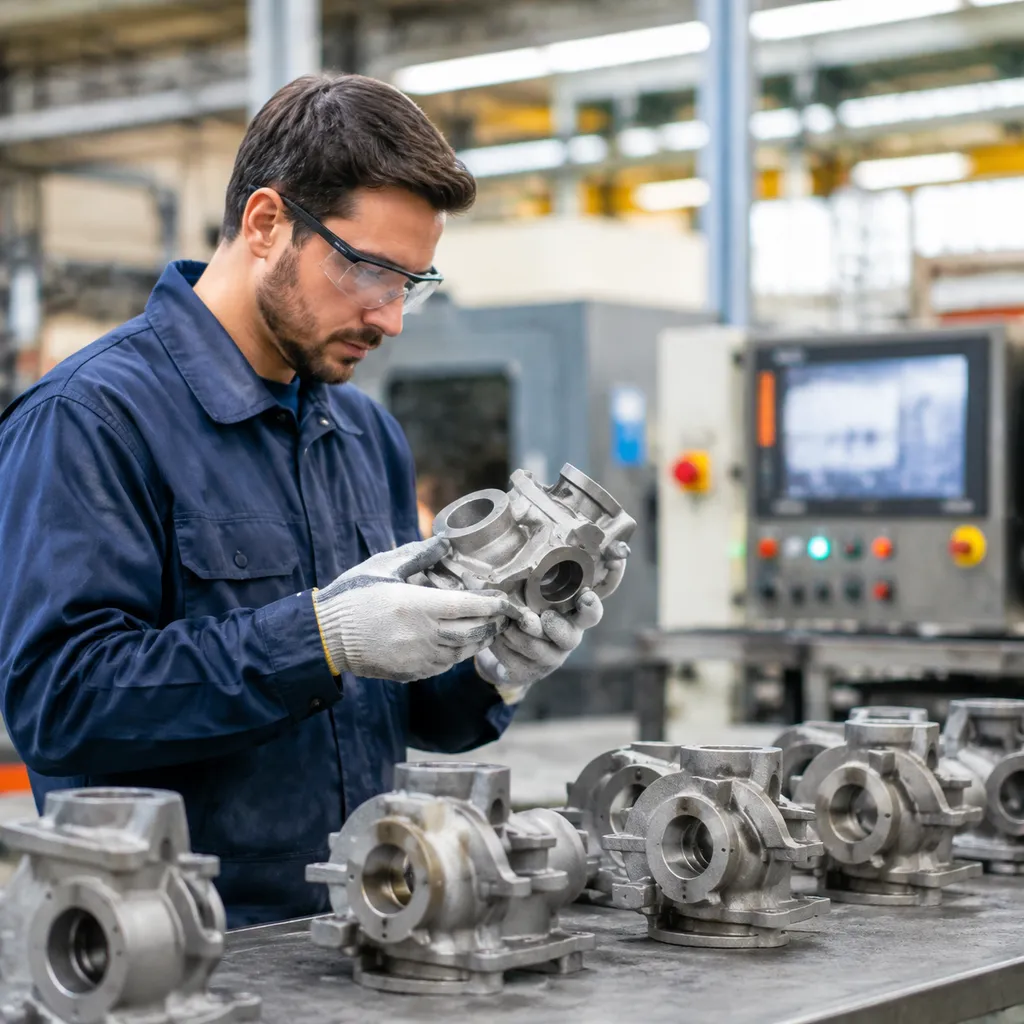
Objectives of Investment Casting Process Control
Achieving investment casting process control for consistent quality requires stabilizing variables across every production stage rather than relying solely on final part inspection. Because precision casting involves sequential thermal, mechanical, and chemical transformations, minor deviations early in the workflow compound into dimensional errors or structural defects later.
At Vastpe, our engineering approach centers on building repeatable, verifiable process stability from raw wax pattern creation through shell preparation and finishing:
- Dimensional Repeatability: Maintaining strict geometric accuracy from initial tooling and wax injection to final multi-axis CNC machining, supported by equipment built with core component assembly tolerances within 5μm.
- Defect Prevention Across Stages: Eliminating common foundry issues—such as wax distortion, uneven ceramic shell thickness, and thermal shell cracking—by regulating pressure, temperature, slurry dipping, and draining parameters.
- Reduction of Manual Variance: Replacing inconsistent manual handling with automated shell coating systems, high-pressure dewaxing autoclaves, and robotic integration to standardize cycle times and operator safety.
- Real-Time Traceability & Monitoring: Connecting foundry equipment to an Industrial Internet platform for live parameter tracking, early fault warning, and data-driven quality management under ISO 9001 standards.
Key Control Points in Investment Casting Process Control
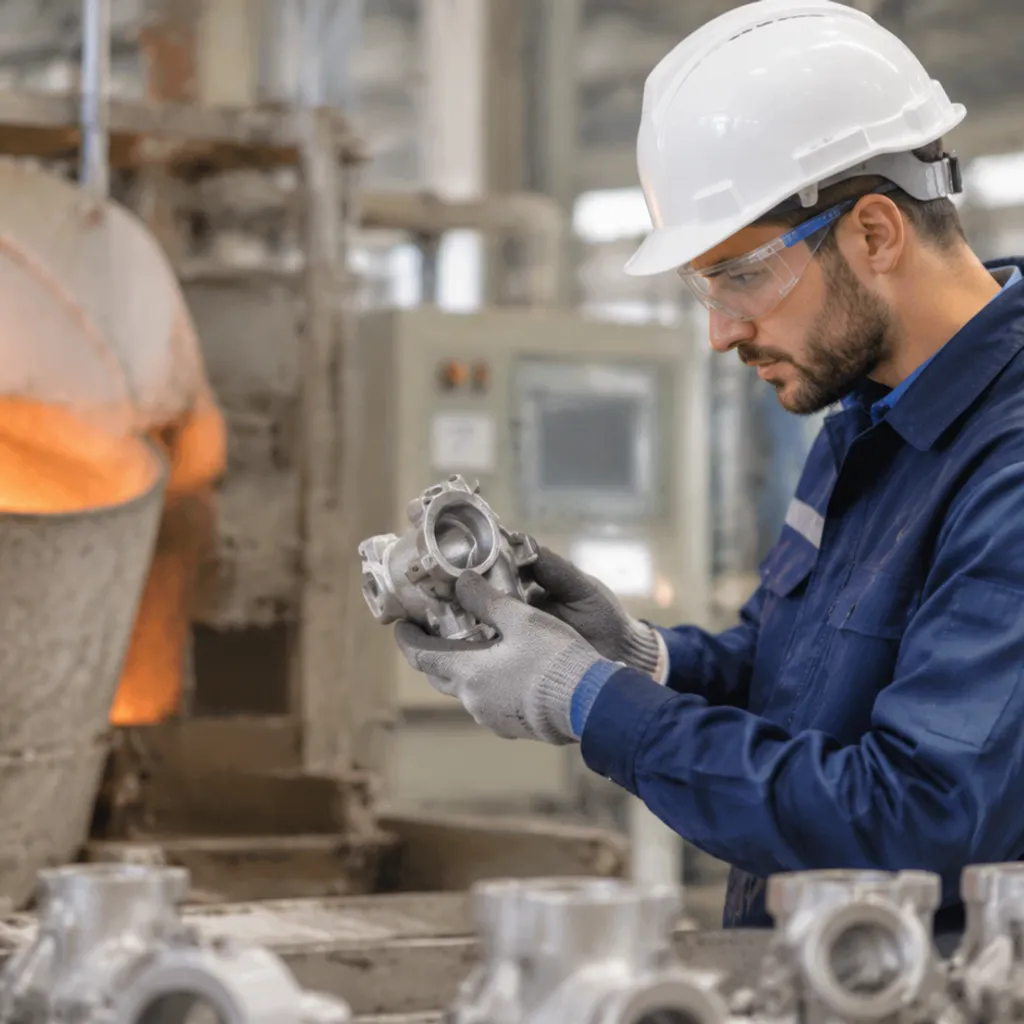
Consistent casting results come down to holding tight parameters at every stage of the workflow—not waiting until final inspection to catch defects. At Vastpe, we build our foundry automation lines around five critical control points, keeping core equipment component assembly errors within 5μm to lock in repeatable geometry from start to finish.
1. Wax Pattern Production
Dimensional accuracy starts before any ceramic slurry touches the part. If a wax pattern warps or shrinks unevenly, the final metal casting carries that exact flaw. Controlled Injection Parameters: Our wax injection machines stabilize injection pressure, temperature, and cycle timing so every pattern leaves the die with repeatable geometry. Tooling Alignment: Maintaining precision tooling and consistent wax conditioning prevents surface sinks and dimensional drift across high-volume runs.
2. Slurry, Dipping, and Stucco Application
Manual shell dipping introduces unavoidable variations in wrist angle, immersion speed, and drain timing, leading to weak spots or uneven wall thickness. Standardized Coating Cycles: Using automated shell coating systems, we program exact dipping paths, slurry viscosity checks, and draining angles for every cluster. Consistent Stucco & Tracking: Automated stucco application builds uniform layer thickness, while integrated shell marking and process monitoring log each layer's history.
3. Drying and Shell Condition
A ceramic shell is only as reliable as the environment it cures in. Rushing dry times or letting humidity fluctuate traps moisture inside the layers, which causes cracking when heat is applied later. Controlled Coat Intervals: Automated handling ensures each shell completes its full drying cycle before returning to the slurry tank. Environmental Stability: Integrating conveyors and fixtures with our Industrial Internet platform tracks dwell times and alerts operators to line bottlenecks before shell integrity is compromised.
4. Dewaxing and Mold Readiness
Removing wax without fracturing the green ceramic shell requires rapid, even heat transfer before the wax expands against the shell walls. Regulated Thermal & Pressure Profiles: Our high-pressure dewaxing autoclaves strip wax cleanly under tightly controlled temperature and pressure conditions. Pre-Pour Preparation: Once wax removal is complete, shells move smoothly toward firing—such as processing through a https://vastpe.com/1200c-energy-https://vastpe.com/1200c-energy-saving-burnout-furnace-for-silica-sol-shells/">1200C energy-saving burnout furnace for silica sol shells—so the mold cavity is clean, dry, and structurally sound for metal pouring.
5. Inspection, Machining, and Release
Process control extends past the foundry floor into finishing and verification, ensuring parts meet strict aerospace, automotive, energy, or medical tolerances before shipping. Automated Handling & Verification: Robot integrators link casting cells, conveyors, fixtures, and inspection stations to eliminate manual handling damage. Precision Finishing: After casting and inspection, multi-axis CNC machining and surface finishing bring critical datums to print—whether producing complex turbine hardware or https://vastpe.comhttps://vastpe.com/17-4-investment-casting-custom-stainless-steel-parts/">17-4 investment casting custom stainless steel parts—backed by ISO 9001 quality tracking.
Practical Framework for Investment Casting Process Control
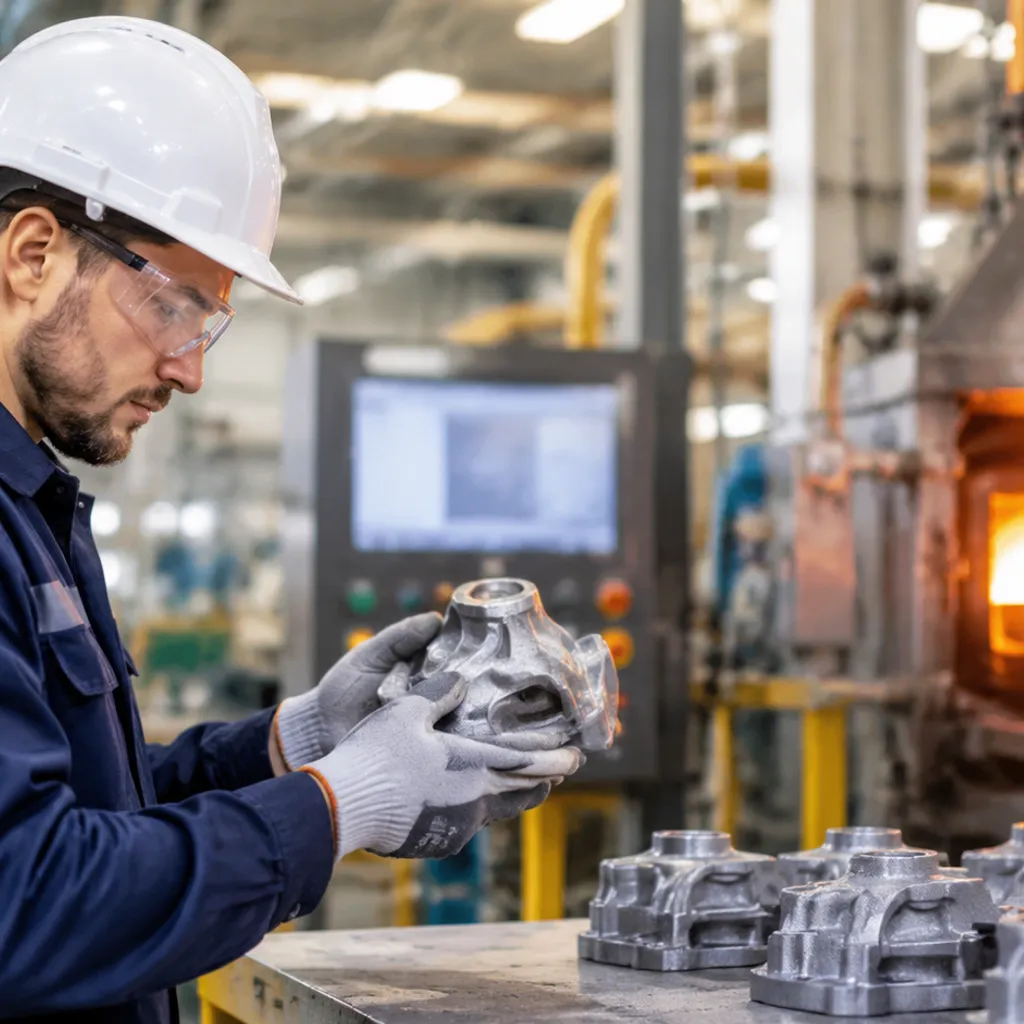
Effective Investment Casting Process Control for Consistent Quality requires locking down critical variables before metal ever reaches the mold. Rather than relying solely on downstream sorting, we build stability directly into each stage of the foundry workflow using precision equipment, automated material handling, and real-time line monitoring.
| Control Pillar | Core Equipment / System | Primary Process Focus |
|---|---|---|
| Dimensional Repeatability | Wax Injection Machines & Precision Tooling | Maintaining stable injection parameters and component assembly tolerances within 5μm to prevent early pattern drift. |
| Shell Consistency | Automated Shell Coating Systems | Standardizing slurry dipping, draining, stucco application, and shell marking to eliminate manual coating variance. |
| Thermal & Pressure Stability | High-Pressure Dewaxing Autoclaves | Regulating temperature and pressure during wax removal to protect shell integrity prior to firing. |
| Handling & Line Integration | Robot Integrators | Connecting casting equipment, conveyors, fixtures, and inspection stations for repeatable part transfer. |
| Digital Traceability | Industrial Internet Platform | Enabling remote monitoring, fault early warning, and production data analysis across automated lines. |
When selecting alloys for demanding applications—such as 17-4 PH stainless steel precision investment casting or high-heat components made from https://vastpe.com/310-sshttps://vastpe.com/310-ss-stainless-steel-high-temperature-alloy/">310 stainless steel high-temperature alloys—we pair this workflow framework with structured Design for Manufacturability (DFM) reviews and ISO 9001 quality procedures. By tailoring automation to specific part geometries, production volumes, and factory layouts, foundries can keep process parameters measurable and repeatable across every shift.
Closed-Loop Management for Non-Conforming Parts
Effective investment casting process control for consistent quality does not stop at catching defects—it traces every flaw back to its upstream parameter and adjusts the line before more parts drift out of spec. At Vastpe, we structure non-conforming part handling as a closed feedback loop backed by ISO 9001 certified quality processes and our Industrial Internet platform.
When an inspection station flags a dimensional deviation or surface flaw, our workflow ties the defect directly to the stage that caused it:
- Pattern & Tooling Drift: Dimensional shifts are traced back to wax injection parameters, tooling alignment, or pattern geometry—including evaluating whether https://vastpe.com/3d-printed-wax-vs-injected-wax-for-castinghttps://vastpe.com/3d-printed-wax-vs-injected-wax-for-casting/">3D printed wax patterns vs. injected wax for casting better suits the part's tolerance and volume profile.
- Shell & Dewaxing Anomalies: Cracks, inclusions, or incomplete wax removal trigger immediate checks on automated shell coating logs (slurry dipping, draining, stucco cycles) and high-pressure dewaxing autoclave temperature and pressure curves.
- Real-Time Fault Early Warning: Our Industrial Internet platform links inspection systems, conveyors, and core foundry equipment so parameter drift triggers early warnings and remote diagnostics rather than waiting for end-of-batch scrap.
- Corrective Adjustment & Verification: Once our engineering or preventive maintenance team recalibrates the upstream station—maintaining core component assembly tolerances within 5 microns—the updated process parameters are locked and verified on the next production run.
Buying Guide: Define Process Control Requirements Before Selecting Equipment
Buying foundry hardware before locking down your investment casting process control requirements leads to mismatched machines and workflow bottlenecks. When we configure automated lines for global foundries, we start by reviewing your part geometry, production volume, and site conditions rather than pushing off-the-shelf models.
Before requesting a casting RFQ or equipment quote, map out your technical baselines across these four areas:
- Part Geometry & Alloy Specs: Complex thin-walled designs and high-strength materials—such as 4340 steel custom castings or https://vastpe.com/416-stainless-steel-investment-casthttps://vastpe.com/416-stainless-steel-investment-castings/">416 stainless steel investment castings—demand tighter thermal and dimensional stability from wax injection through dewaxing.
- Core Equipment Tolerances: Verify the mechanical build accuracy of the machinery itself. Our core equipment components are held within a 5μm assembly tolerance to prevent mechanical drift across wax injection machines, automated shell coating systems, and high-pressure dewaxing autoclaves.
- Automation & Line Integration: Decide where manual handling introduces variance. Robot integrators should link directly with your conveyors, fixtures, and inspection stations rather than operating as isolated cells.
- Digital Monitoring & Traceability: Ensure your equipment supports Industrial Internet connectivity for remote monitoring, fault early warning, and production data logging—especially if you supply aerospace, automotive, energy, or medical buyers.
| Selection Phase | Key Questions to Define | Target Equipment Alignment |
|---|---|---|
| 1. Pattern & Shell | What injection parameters and slurry/stucco cycles keep dimensions repeatable? | Wax Injection Machines & Automated Shell Coating Systems |
| 2. Dewaxing | What temperature and pressure profiles prevent shell cracking? | High-Pressure Dewaxing Autoclaves |
| 3. Material Flow | How do parts move between stations without operator handling variance? | Robot Integrators, Conveyors & Fixtures |
| 4. Lifecycle Support | Does the supplier cover layout planning, DFM review, training, and 24/7 troubleshooting? | End-to-End Engineering & Commissioning Support |
Frequently Asked Questions
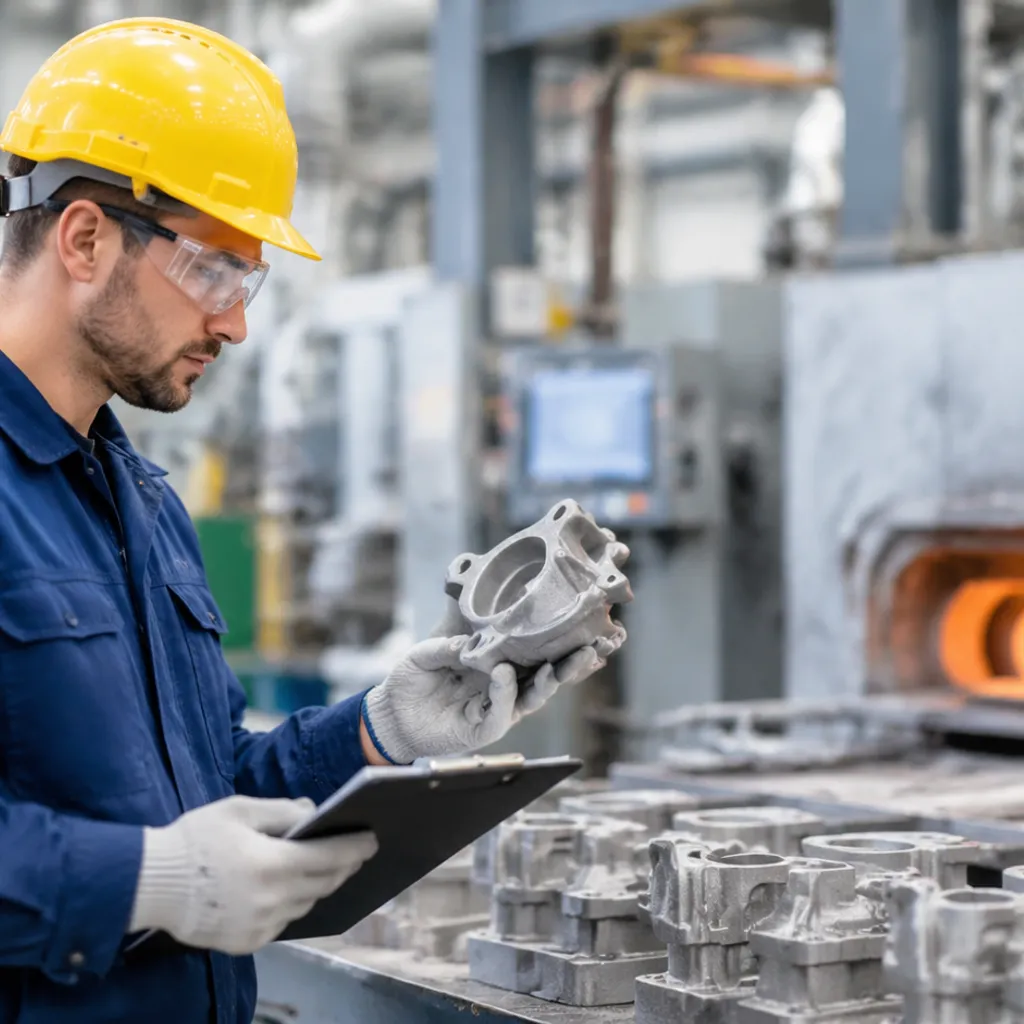
What is investment casting process control?
Investment casting process control is the systematic management of equipment parameters, material handling, and environmental conditions across every stage of precision casting—from initial wax pattern creation to final inspection. Instead of relying solely on end-of-line sorting to catch defects, we regulate variables at each step so dimensions and structural integrity stay repeatable across high-volume runs.
At Vastpe, we achieve this by combining high-precision machinery (built with component assembly errors held within 5μm) with automated handling and our Industrial Internet platform for real-time monitoring and fault early warning.
Which stage has the biggest impact on casting quality?
No single stage operates in isolation—defects introduced early carry through and compound downstream. That said, the core upstream stages carry the heaviest weight for dimensional accuracy and shell integrity:
- Wax Injection: Any instability in injection parameters creates pattern distortion before shell building even begins.
- Shell Coating: Inconsistent slurry dipping, draining, or stucco application weakens the ceramic mold and leads to surface flaws.
- Dewaxing: Poorly regulated temperature and pressure in high-pressure autoclaves can crack the ceramic shell or leave residual wax behind.
Controlling all four core workflow stages together—wax injection, shell coating, dewaxing, and robotic transfer—is what keeps final part quality predictable.
Can foundry automation guarantee consistent casting quality?
Automation eliminates human handling variance and enforces repeatable cycle parameters, which dramatically improves consistency, though no machine setup alone removes the need for sound engineering and maintenance. Consistent results come from pairing reliable hardware with proper tooling, DFM (Design for Manufacturability) review, and disciplined process monitoring.
You can explore how our https://vastpe.com/about-us/factoryhttps://vastpe.com/about-us/factory/">engineering team and manufacturing facilities integrate automated lines with ISO 9001 quality workflows and 24/7 technical support to keep production stable over time.
What information should I prepare when inquiring about process control equipment?
Because our solutions are custom-configured rather than off-the-shelf, sharing a few baseline details helps us evaluate your workflow and prepare an accurate quote:
- Part Geometry & Drawings: 2D/3D CAD files or part dimensions, wall thicknesses, and target alloy types (such as A356 aluminum investment casting or high-temperature alloys).
- Production Volume: Target annual or shift output to determine machine capacity and line throughput.
- Quality & Tolerance Standards: Specific dimensional tolerances, surface finish targets, or industry compliance requirements (e.g., aerospace, automotive, energy, or medical).
- Site & Line Conditions: Available floor space, existing foundry equipment that needs integration, and preferred automation scope.
Conclusion and Next Steps
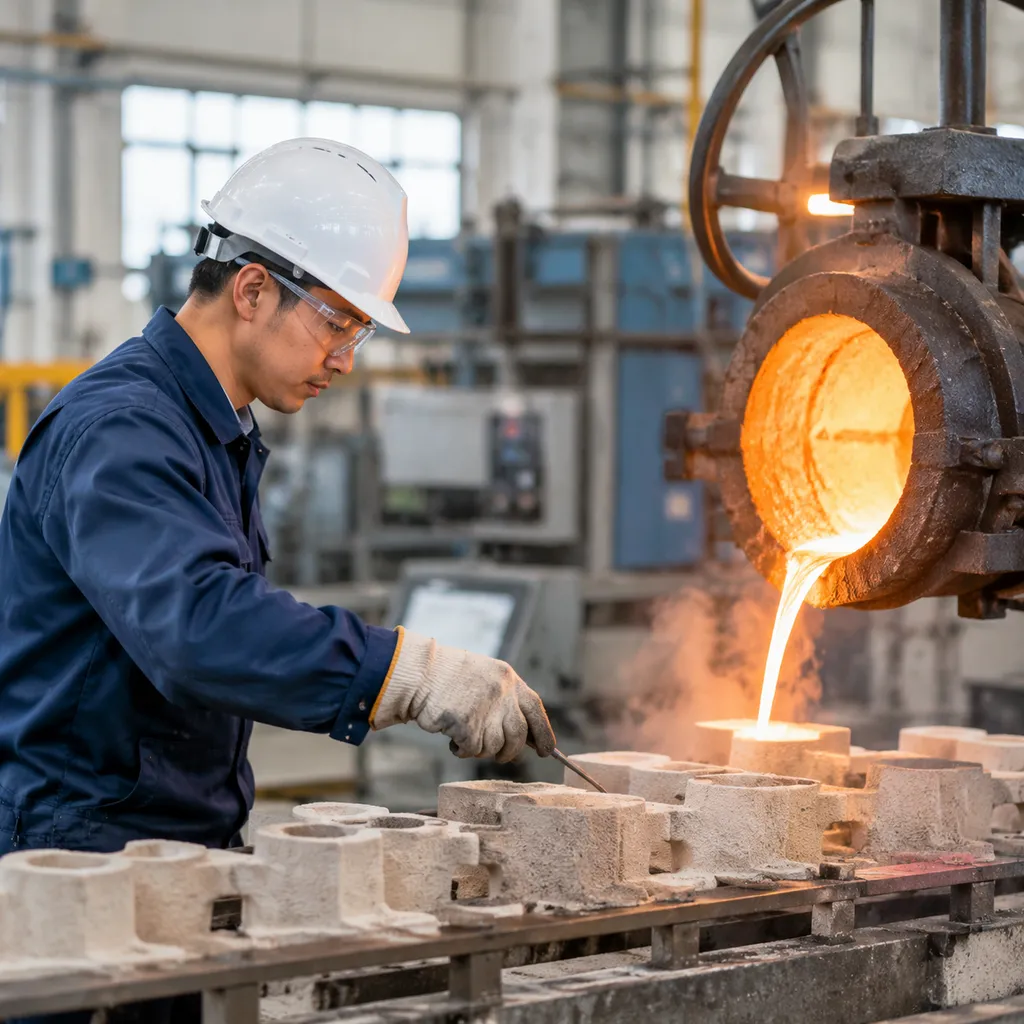
Consistent quality in investment casting comes down to controlling parameters across every production stage—from wax injection and ceramic shell coating to high-pressure dewaxing and robotic handling—rather than relying solely on final inspection. By maintaining strict assembly precision (within 5μm component tolerance) and connecting equipment through our Industrial Internet platform for real-time monitoring and fault early warning, we help foundries achieve repeatable results across aerospace, automotive, energy, and medical applications.
To move forward with stabilizing your production line: Review your part specifications: Gather your part drawings, target production volumes, and current factory layout constraints for a DFM and process review. Evaluate equipment integration: Identify bottlenecks where automated shell coating, dewaxing autoclaves, or robot integrators can replace manual variance. Request a technical consultation: Explore our https://vastpe.com/about-us/https://vastpe.com/about-us/one-stop-service/">one-stop foundry service or review our https://vastpe.com/about-ushttps://vastpe.com/about-us/technical-advantages/">core technical advantages to align your specific process goals with a custom equipment configuration and quote.
Related Resources for Foundry Process Optimization
To help you evaluate how strict process controls fit into your broader manufacturing strategy, we have organized our technical guides by casting method and industry application:
- Process Comparison: Review the https://vastpe.com/advantage-of-investment-castinghttps://vastpe.com/advantage-of-investment-casting-over-green-sand-casting/">advantages of investment casting over green sand casting to see how tight dimensional control and automated shell building reduce downstream machining compared to traditional sand molds.
- Method Trade-offs: Explore the https://vastpe.comhttps://vastpe.com/advantages-and-disadvantages-of-lost-wax-casting/">advantages and disadvantages of lost wax casting to understand where wax injection stability and high-pressure dewaxing deliver the strongest return on complex part geometries.
- Regulated Sector Standards: Examine our aerospace casting solutions for high-precision components to see how end-to-end traceability, DFM reviews, and micron-level equipment tolerances support strict quality requirements.
 English
 Russian
 German