
2026年9月5日
17 4 investment casting precision stainless steel parts with high strength corrosion resistance and tight tolerances
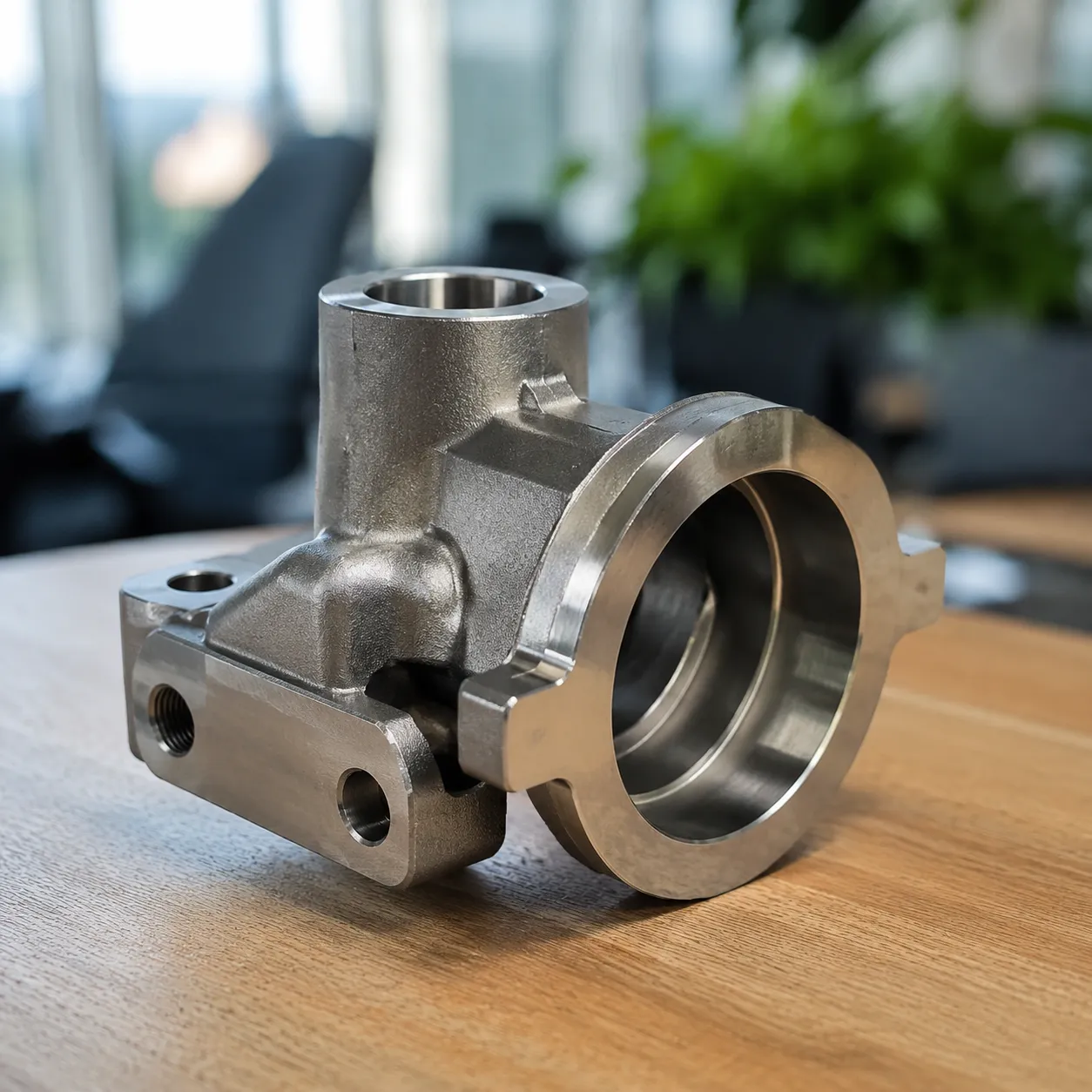
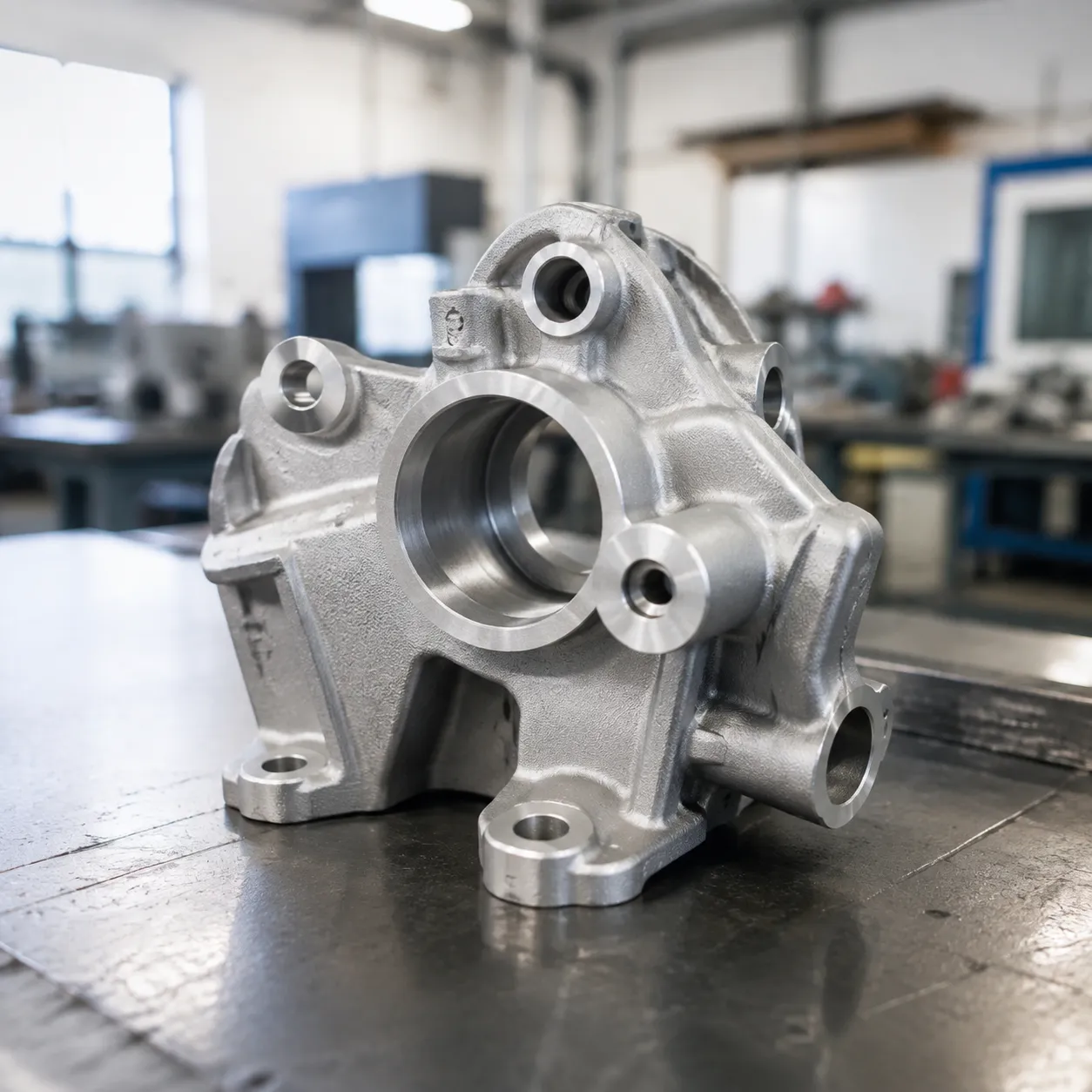
Are your critical component designs struggling to balance extreme yield strength with long-term chemical durability under heavy mechanical loads? Selecting the optimal alloy for 17-4 investment casting requires precise control over elemental chemistry and thermal processing. We manufacture 17-4 PH stainless steel casting components (UNS S17400 / AISI 630) engineered to eliminate structural failures in demanding operational environments.
17-4 PH Alloy Specifications & Mechanical Properties
Chemical Composition Breakdown
Precipitation hardening stainless steel castings conforming to ASTM A747 CB7Cu-1 depend on strict metallurgical ratios to achieve reliable mechanical integrity:
- Chromium (15.0–17.5%): Establishes a dense passive oxide film for superior corrosion resistance.
- Nickel (3.0–5.0%): Stabilizes the metallic matrix and increases fracture toughness.
- Copper (3.0–5.0%): Forms intermetallic precipitates during age hardening to dramatically increase ultimate tensile strength.
- Niobium (0.15–0.45%): Binds carbon to prevent intergranular chromium carbide precipitation along grain boundaries.
Mechanical Property Matrix
Thermal processing transforms solution annealed 17-4 PH material into distinct structural states tailored to specific load profiles.
| Condition | Yield Strength (MPa) | Tensile Strength (MPa) | Elongation (%) | Hardness (Rockwell C) |
|---|---|---|---|---|
| Condition A | 750–850 | 890–1000 | 8–12 | 28–32 HRC |
| H900 Condition | 1170 | 1310 | 10 | 40–45 HRC |
| H1025 Condition | 1000 | 1070 | 12 | 35–38 HRC |
| H1150 Condition | 730 | 930 | 16 | 28–33 HRC |
Corrosion Resistance & Metallurgical Stability
Our UNS S17400 investment casting alloys deliver corrosion resistance comparable to 304 and 316 stainless steels in atmospheric exposure, fresh water, and mild acidic environments.
- Stress Corrosion Cracking: Outperforms standard 300-series austenitic grades under high cyclic mechanical loads in corrosive chemical media.
- Dimensional Stability: Low-temperature aging cycles avoid quenching distortion, preserving critical casting dimensions and preventing micro-cracking across dense geometries.
Vastpcc Precision Investment Casting Process
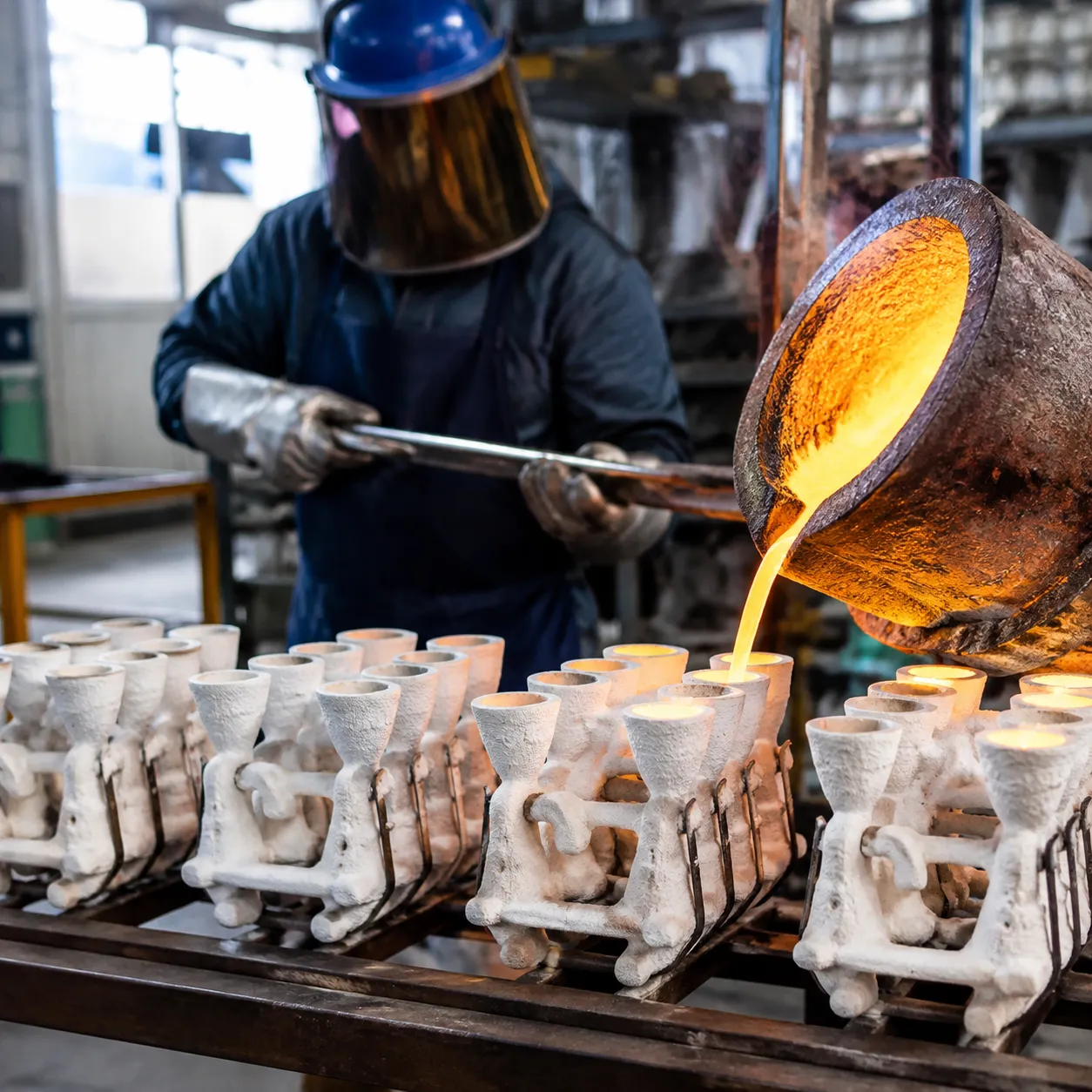
We engineered our foundry operations to deliver flawless, dimensionally stable components from the initial wax model to the final metal pour.
Wax Pattern and Shell Preparation
- High-Stability Wax Injection: We inject temperature-controlled, low-shrinkage wax into master dies to create high-precision patterns without distortion.
- Automated Shell Building: Our facility integrates automation in casting process techniques using multi-axis robotic arms for slurry dipping and stuccoing, ensuring uniform shell wall thickness and maximum structural integrity for every 17-4 investment casting.
High-Pressure Dewaxing and Pouring
- Steam Autoclave Dewaxing: Ceramic molds undergo high-pressure dewaxing in rapid steam cycles, eliminating thermal expansion stress and preventing shell micro-cracking.
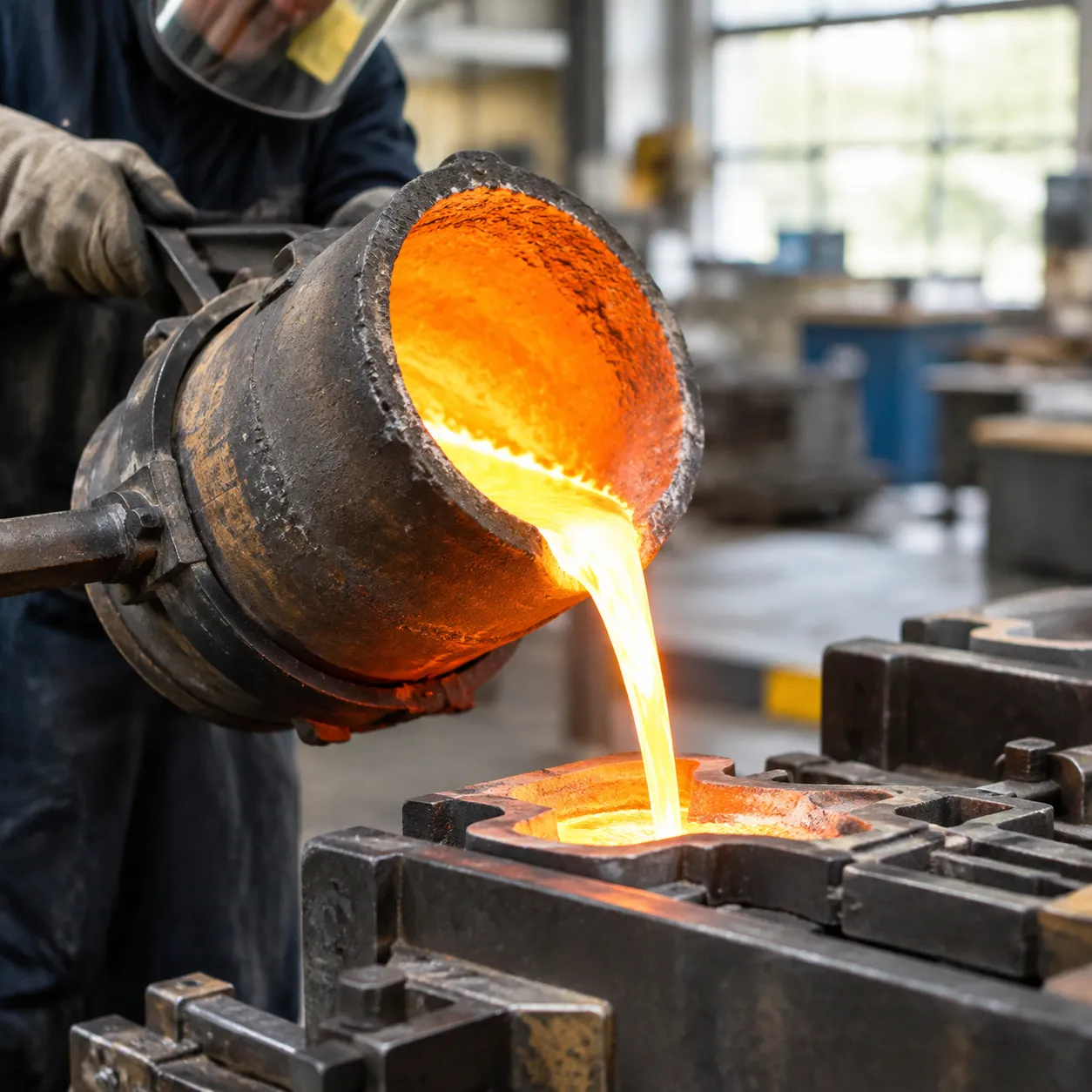
- Controlled-Atmosphere Pouring: We melt 17-4 PH alloys in advanced induction furnaces under protective atmospheres, strictly controlling oxidation to achieve clean, defect-free metal chemistry during lost wax casting.
Near-Net Shape Precision
- Tight Tolerances: We consistently achieve CT4–CT6 casting tolerances directly out of the mold.
- Machining Reduction: Meeting strict investment casting process tolerances minimizes expensive downstream 5-axis CNC milling operations, slashes raw material waste, and shortens total production lead times for intricate geometries.
Customizing Heat Treatment for 17-4 PH Components
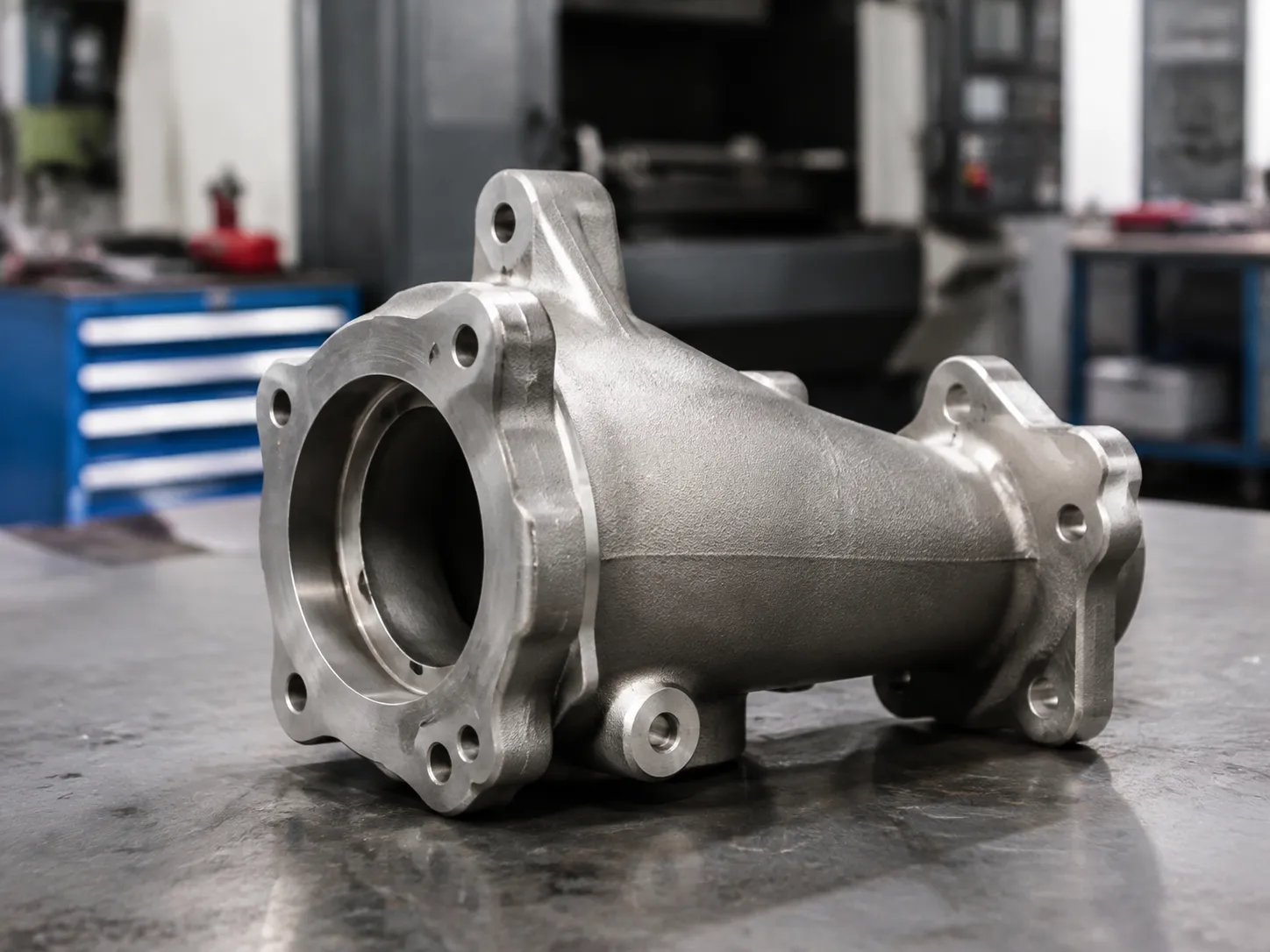
We tailor the thermal processing of every 17-4 investment casting to match your exact mechanical requirements. As a versatile precipitation hardening stainless steel, 17-4 PH achieves drastically different strength, hardness, and impact properties depending on the specific age-hardening cycle applied post-casting.
Key Heat Treatment Conditions
- Condition A (Solution Annealed 17-4 PH):
- Process: Heated to 1040°C and rapidly cooled to room temperature.
- Application: Creates a uniform martensitic structure optimized for secondary machining, deep drilling, and initial component fabrication.
- H900 Heat Treatment Condition (Maximum Strength):
- Process: Precipitation aged at 480°C (900°F) for 1 hour.
- Application: Yields peak tensile strength (up to 1310 MPa) and high hardness (~44 HRC). Ideal for high-stress aerospace brackets, defense components, and heavy-load structural fittings.
- H1150 Heat Treatment Condition (Enhanced Toughness):
- Process: Over-aged at 620°C (1150°F) for 4 hours.
- Application: Boosts impact resistance, ductility, and resistance to stress-corrosion cracking while lowering hardness (~33 HRC). Perfect for severe-service pump impellers, valve trim, and downhole tools. Evaluating your structural requirements alongside a thorough forging and casting comparison ensures you lock in the right heat-treat state for high-stress applications.
Secondary Processing & Quality Assurance
5-Axis CNC Machining & Passivation
While near-net casting drastically minimizes material removal, critical mating surfaces and tight bore features demand precise post-processing. We integrate multi-axis milling with our advanced precision casting and CNC machining capabilities to hold tight tolerances across complex geometries without requiring multiple setups. Following final machining, every 17-4 investment casting undergoes chemical passivation (nitric or citric bath) to remove surface contaminants, free iron, and tool debris—restoring the alloy's full passive chromium oxide layer for maximum corrosion resistance.
Non-Destructive Testing (NDT)
To verify internal density and structural integrity for mission-critical parts, we deploy comprehensive non-destructive testing (NDT) protocols prior to dispatch: Radiographic Inspection (X-Ray): Scans internal core sections to verify zero subsurface porosity, inclusions, or shrinkage voids. Magnetic Particle Inspection (MPI): Detects surface and near-surface micro-discontinuities across ferromagnetic heat-treat conditions. Liquid Penetrant Inspection (LPI): Uncovers fine surface-breaking cracks on intricate cast features where visual inspection falls short.
Quality Compliance & Traceability
Our manufacturing facility operates under an ISO 9001-certified quality management workflow that prioritizes total component accountability: Full Material Traceability: Every casting is tracked back to its original raw melt heat number throughout pouring, heat treating, and finishing. Mill Test Reports (MTR): Each shipment includes complete MTR documentation detailing actual spectrographic chemical analysis and mechanical tensile test results. CMM Inspection: Dimensional accuracy is validated using automated coordinate measuring machines aligned with our high-standard precision casting solution with silica sol process.
Key Industrial Applications for 17-4 Investment Casting
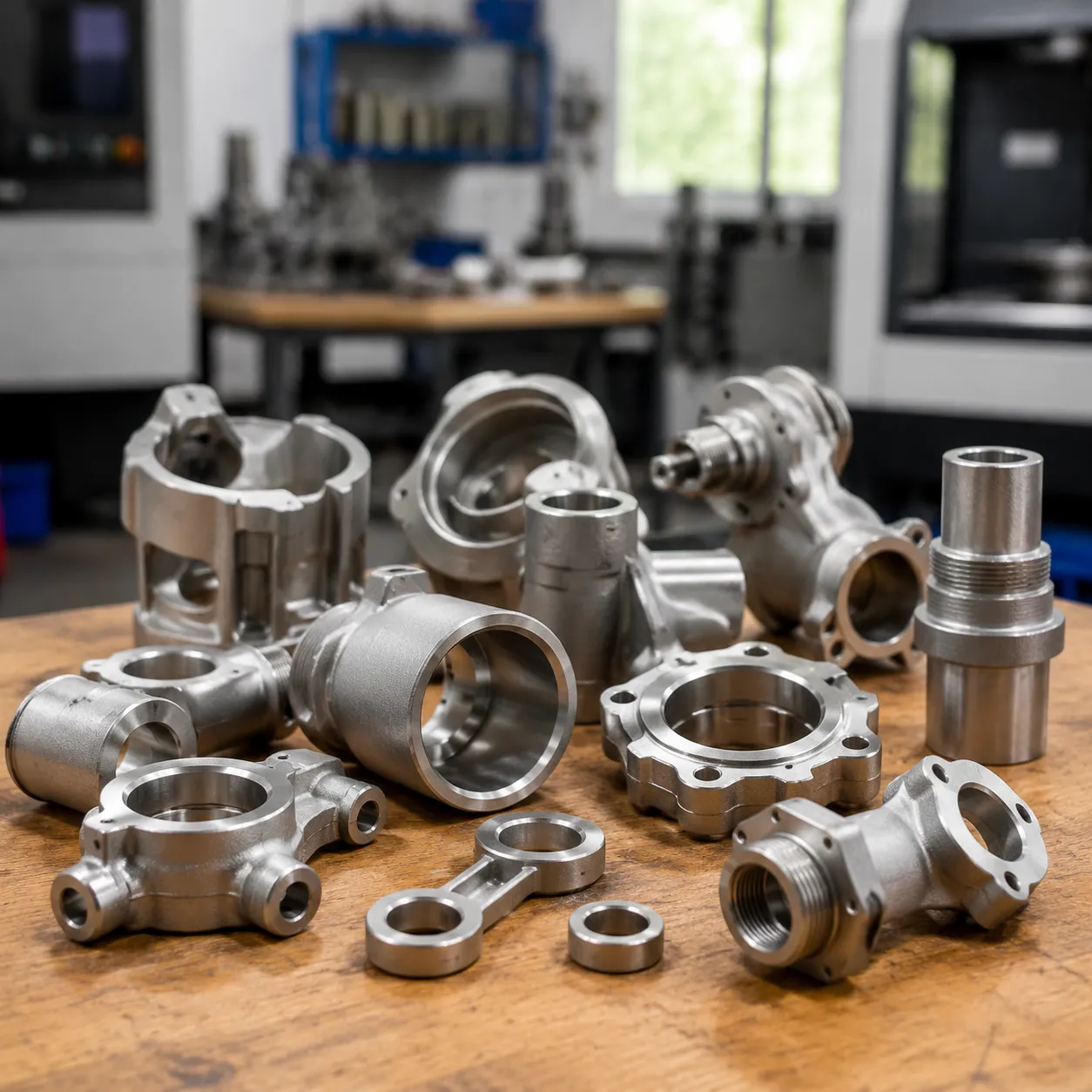
We engineer high-precision 17-4 investment casting components for mission-critical applications where mechanical failure is not an option. By combining precipitation-hardening metallurgy with tight-tolerance lost wax casting, we deliver high-strength parts tailored for severe operational environments.
Aerospace & Defense
- Components: Structural brackets, missile components, flight control fittings, and actuator housings.
- Performance Focus: Exceptional strength-to-weight ratio, high fatigue resistance, and rigorous dimensional accuracy delivered via UNS S17400 investment casting.
Oil, Gas & Petrochemical
- Components: High-pressure valve trim, pump impellers, manifold blocks, and downhole drilling tools.
- Performance Focus: Superior resistance to sulfide stress cracking, cavitation, and high fluid pressures, leveraging corrosion-resistant alloy casting techniques.
Medical Devices & Industrial Automation
- Components: Surgical tool components, high-wear fittings, end effectors, and robotic grippers.
- Performance Focus: High hardness, wear-resistant surfaces, and seamless compatibility with advanced customizable industrial automation solutions.
Why Partner with Vastpcc for 17-4 Investment Casting
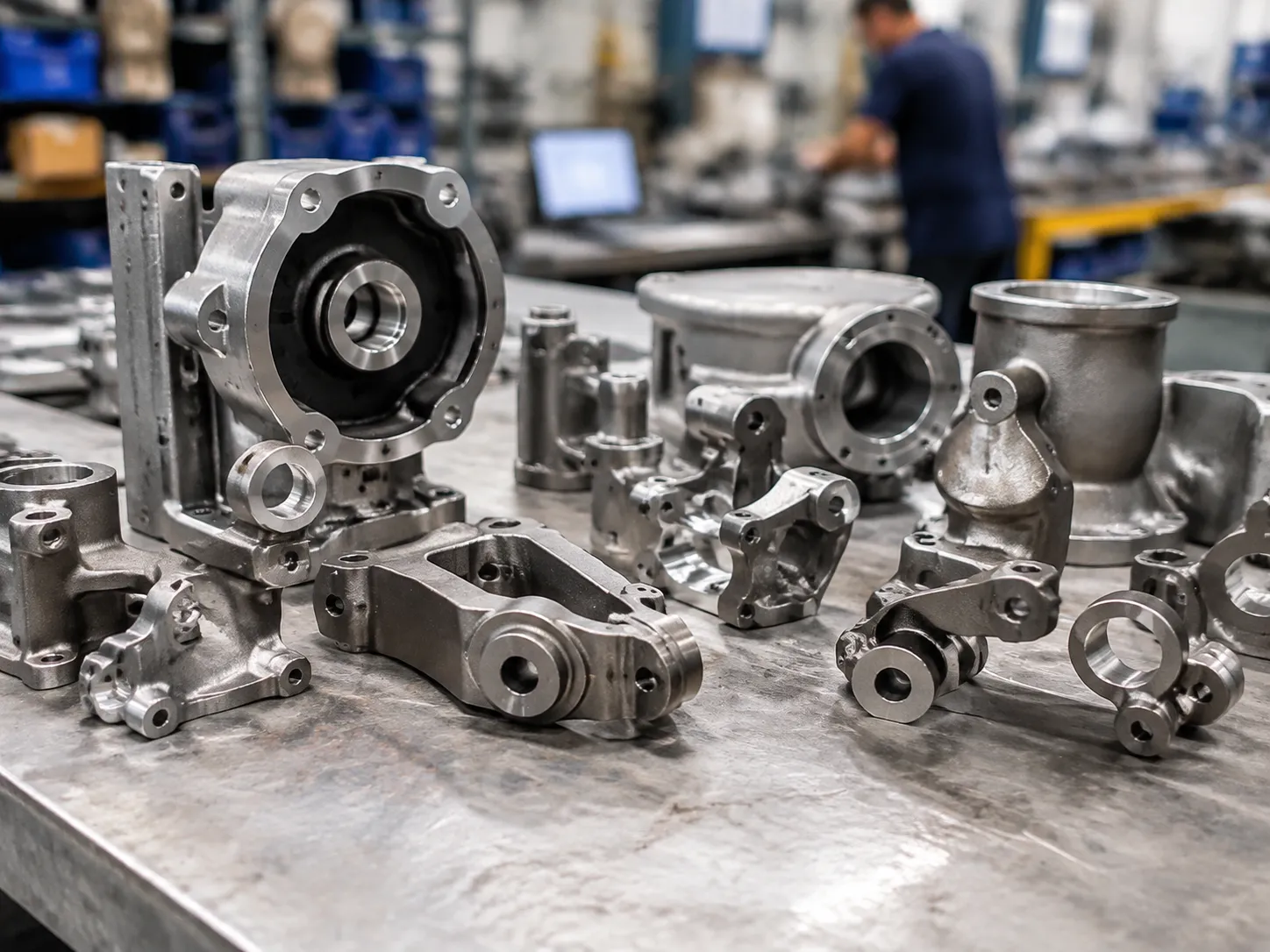
We back every project with over 20 years of engineering experience and 80+ patented technologies, delivering higher quality yields and reduced unit costs for your supply chain.
- End-to-End Control: We manage the entire process under one roof—from custom foundry equipment setup to fully finished 17-4 investment casting components ready for immediate assembly.
- Rapid Drawing Reviews: Our dedicated engineering team evaluates your CAD files and provides detailed DFM feedback within 24 hours.
- Prototype to Production: We help optimize your early-stage designs using precise cast prototypes and engineering services, preventing costly tool revisions and shortening overall time-to-market.
As an advanced precision investment foundry, we provide full technical collaboration, giving design engineers and procurement managers absolute confidence from print to part.
17-4 Investment Casting FAQs
What are the main benefits of investment casting 17-4 PH over CNC machining solid billet?
Choosing 17-4 investment casting over machining solid billet cuts raw material waste by up to 70% and drastically lowers total component cost on complex shapes. Machining from solid bar stock requires hogging away expensive alloy, driving up tool wear and spindle hours. Our near-net-shape lost wax process delivers complex geometries, thin walls, and internal channels right out of the mold with minimal finish machining needed. Much like our production of high-precision 416 stainless steel investment castings, this approach streamlines your supply chain and shortens lead times.
Which heat treatment condition (H900 vs H1150) should be selected for high-impact applications?
For applications exposed to heavy dynamic loads, cyclic shock, or low temperatures, we recommend the H1150 heat treatment condition. While H900 delivers peak tensile strength and surface hardness, it sacrifices ductility and makes parts more prone to brittle fracture under sudden impact.
| Condition | Primary Mechanical Focus | Tensile Strength | Impact Toughness | Target Application |
|---|---|---|---|---|
| H900 | Peak Hardness & Yield Strength | ~1310 MPa | Lower (Higher brittleness) | Static aerospace brackets, high-stress wear pads |
| H1150 | Enhanced Ductility & Fracture Toughness | ~930 MPa | Superior (High dynamic resistance) | Downhole tools, pump impellers, high-pressure valves |
What wall thickness minimums can Vastpcc achieve on complex 17-4 castings?
We reliably pour wall thicknesses down to 1.5 mm (0.060 in) on small, localized features. For larger structural spans on complex alloy castings, we maintain a standard minimum wall thickness of 2.0 mm (0.080 in). This ensures complete ceramic shell filling and structural density without risking cold shuts or internal porosity.
 English
  Russian
  German