Metal Casting Methods
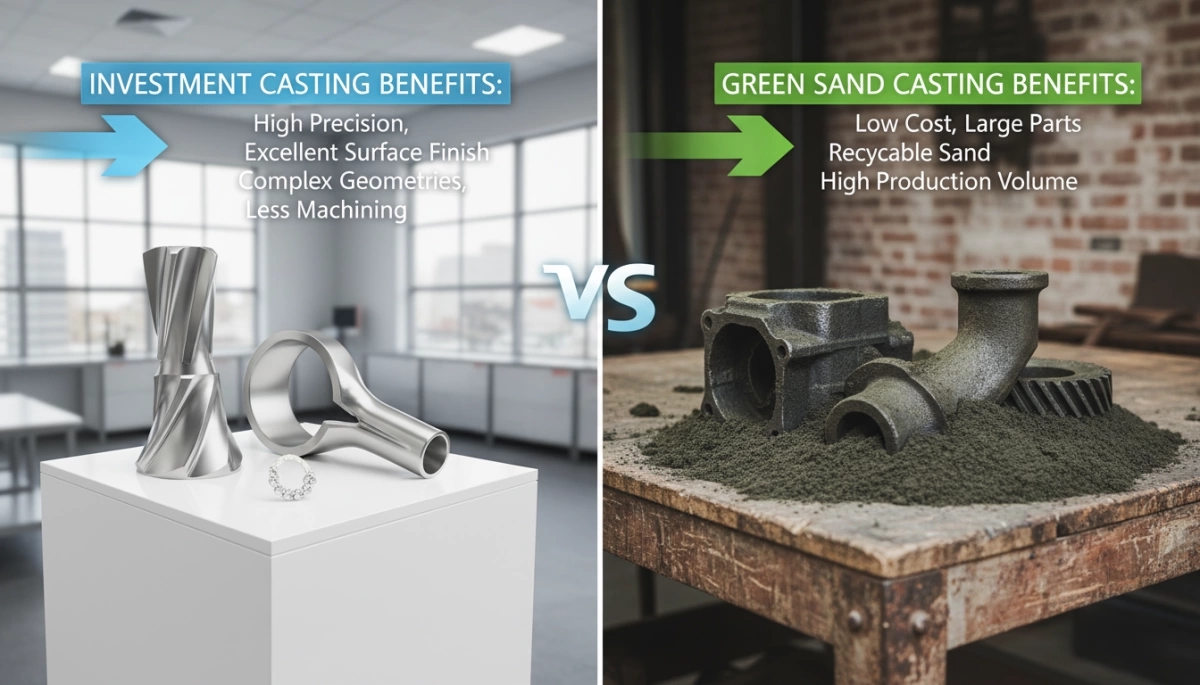
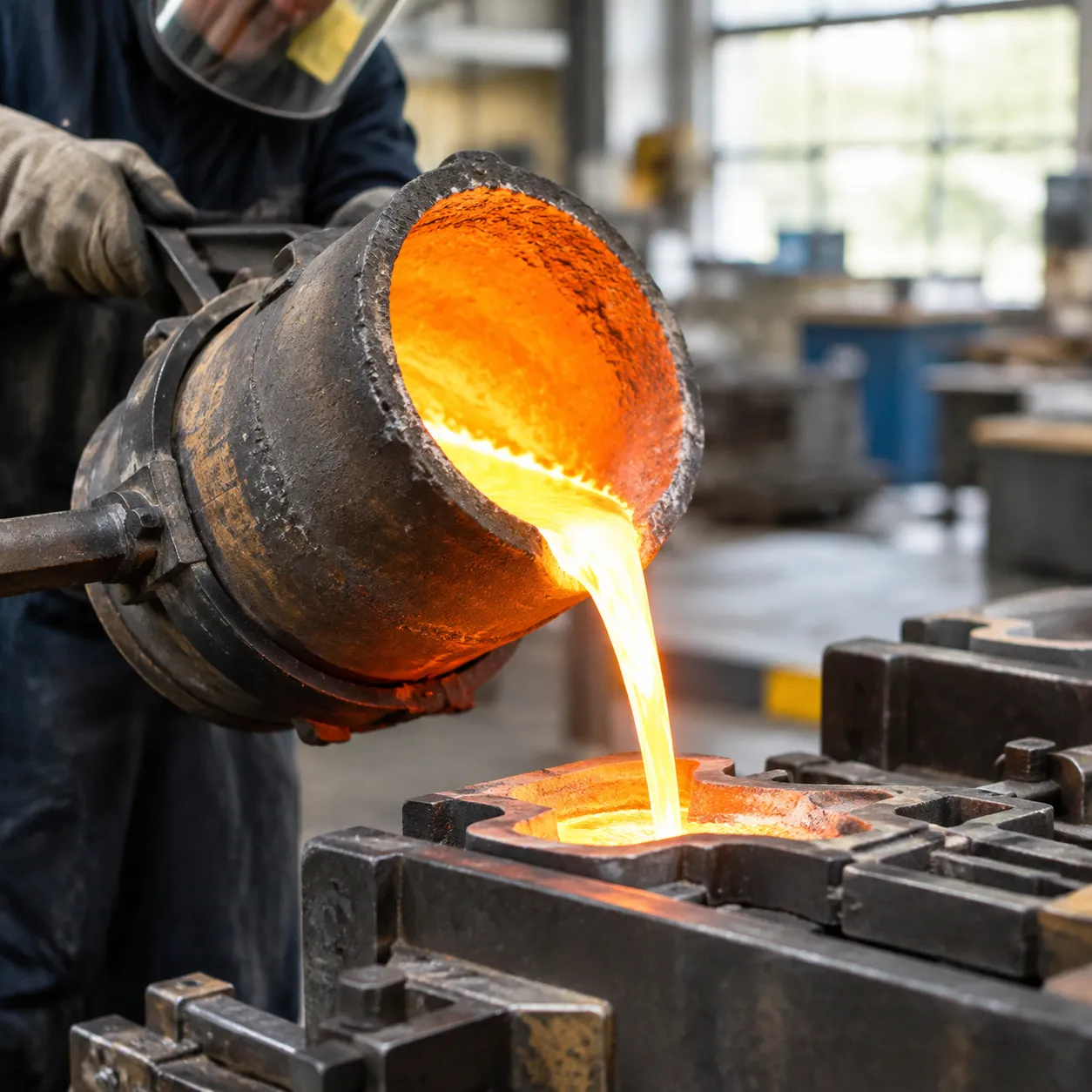
Metal casting is a foundational manufacturing process that drives global industries. By pouring molten liquid metal into a precision-engineered cavity, manufacturers can produce components with structural integrity that other fabrication methods simply cannot match. Selecting the right expendable mold casting method is critical for your production line. When evaluating the advantage of investment casting over green sand casting, it is essential to first understand the core mechanics and distinct capabilities of each process.
What is Investment Casting?
Investment casting, historically known as lost-wax casting, is a highly precise manufacturing technique designed for intricate components. The process begins by creating a precise wax pattern, which is then repeatedly dipped into a ceramic slurry to form a rigid, expendable shell. Once the ceramic cures, the wax is safely melted away, leaving a pristine cavity for the molten metal.
As a dedicated wax injection machine manufacturer and supplier, we ensure that the initial wax patterns are flawlessly formed, as this directly dictates the final part's quality.
- Unmatched Precision: Delivers exceptional dimensional accuracy for critical aerospace, medical, and automotive applications.
- Superior Aesthetics: Yields a premium surface finish directly out of the mold, reducing secondary machining costs.
- Intricate Designs: Easily accommodates high part complexity, internal cavities, and thin walls without the need for drafting angles.
What is Green Sand Casting?
Green sand casting is one of the oldest and most dominant traditional metal casting methods globally. The term "green" does not refer to the sand's color, but rather the moisture content within the sand mixture—typically composed of silica sand, clay, and water. This damp, cohesive sand aggregate is firmly packed around a reusable pattern to form the mold cavity.
- Cost-Effective Raw Materials: Utilizes inexpensive, easily recyclable sand mixtures.
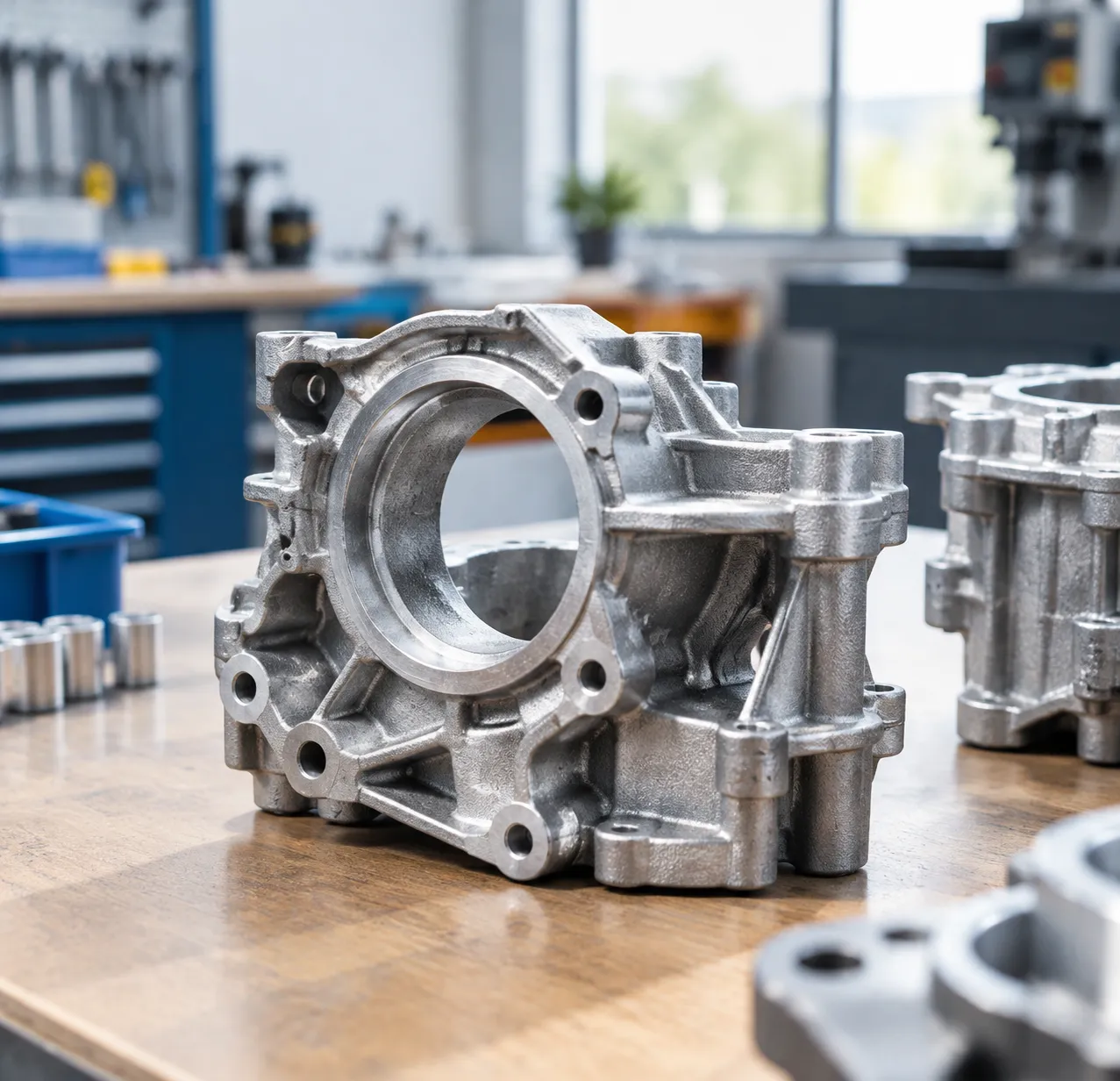
- Heavy Duty Scalability: Ideal for producing massive, thick-walled components like engine blocks and heavy machinery bases.
- Rapid Setup: Requires lower upfront tooling investments compared to precision ceramic molds.
The Advantage of Investment Casting Over Green Sand Casting
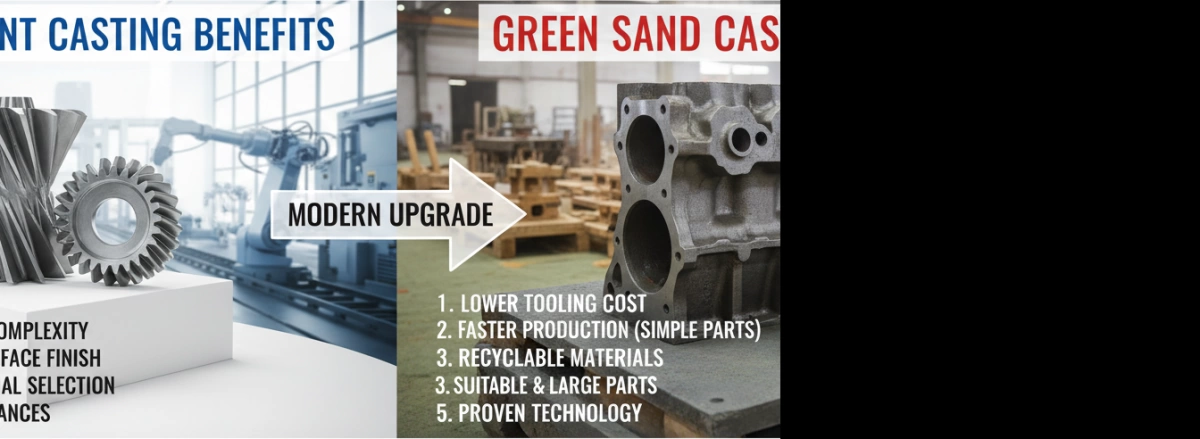
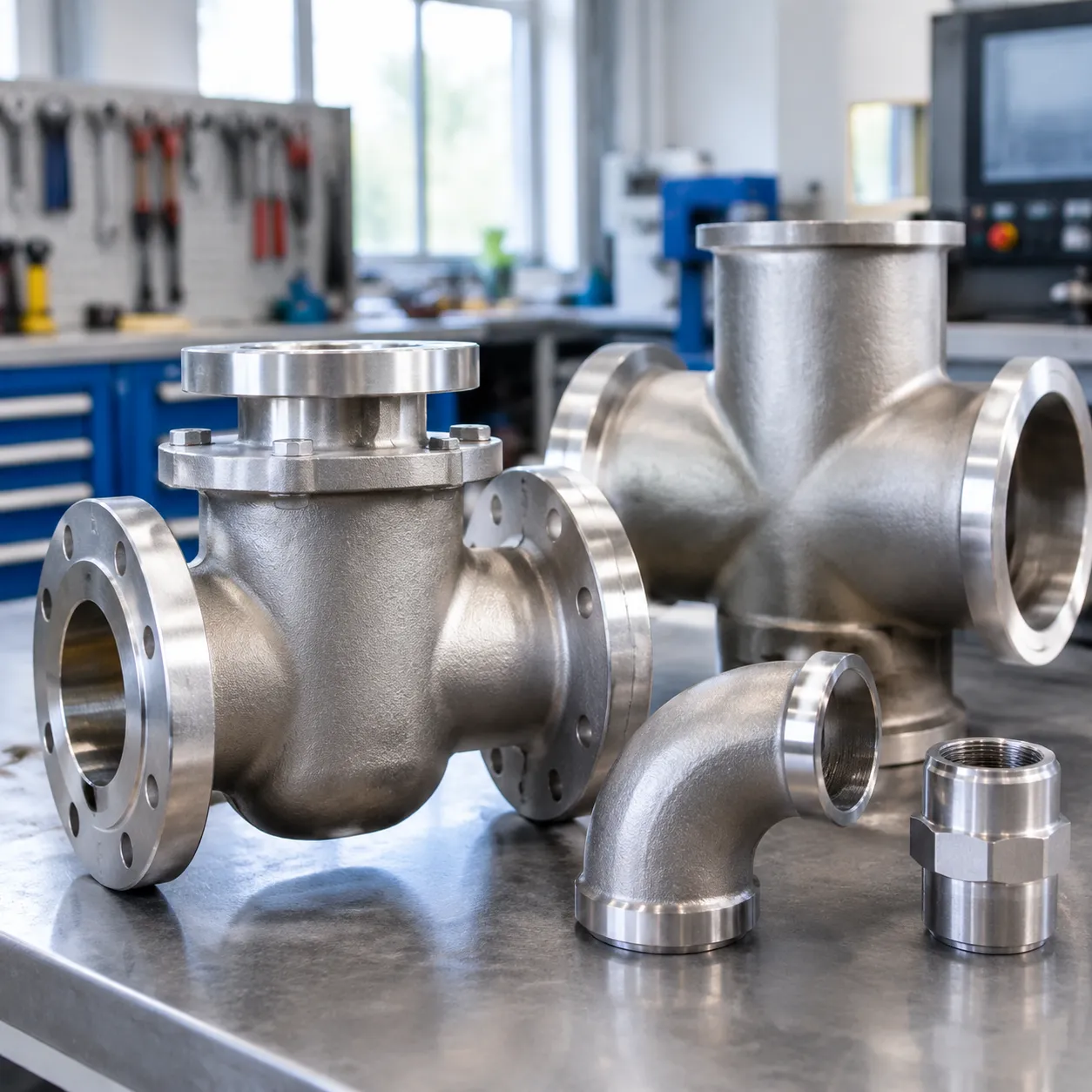
When analyzing the advantage of investment casting over green sand casting, the major wins always come down to exactness and consistency. For high-end metal casting, the investment method solves many of the physical limits found in expendable mold casting using sand.
Superior Surface Finish and Aesthetics
- Ultra-smooth texture: The fine ceramic slurry creates a flawless surface finish.
- Zero sand grain transfer: Unlike the rough, pitted texture inherent to green sand molding, the investment process delivers clean, aesthetically pleasing parts right off the line.
Tighter Dimensional Tolerances and Precision
- Strict dimensional accuracy: The baked ceramic shell holds its shape perfectly and doesn't shift or compress like packed green sand.
- Reliable repeatability: You get exact specifications on every single pour, making it the go-to method for critical engineering components.
Complex Geometries and Design Freedom
Green sand molds require strict draft angles and simply cannot handle deep undercuts or intricate internal cavities. With investment casting, your design freedom opens up completely. Because the initial wax pattern melts away, you can achieve incredible part complexity without ever worrying about how to pull the pattern out of the mold. As a trusted wax injection machine manufacturer and supplier, we know that using reliable automatic wax machines for precision investment casting is the foundational step for producing these highly detailed, complex patterns that sand molding simply cannot replicate.
Reduced Need for Secondary Machining
In the ongoing comparison of investment casting vs. sand casting, post-production costs play a massive role in the final budget.
- Near net shape: Because the surface is smooth and the tolerances are tight, parts are virtually complete upon cooling.
- Fewer machining hours: Rougher parts often require extensive milling, grinding, and lathing as outlined in standard sand mold casting guides. Investment cast components bypass most of this, drastically cutting down your spending on secondary CNC machining.
Key Differences: Investment Casting vs Green Sand Casting
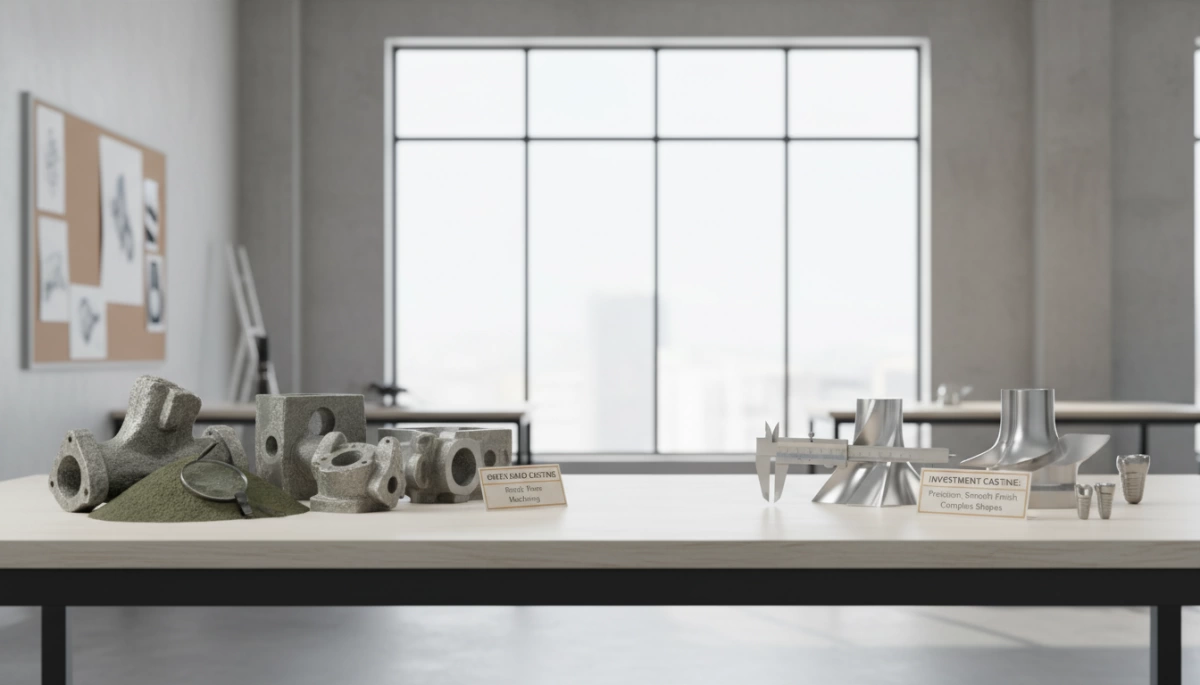
When looking at Investment casting vs. sand casting, it is important to remember both are forms of expendable mold casting, but their paths to the final product are completely different. Breaking down these core differences clearly highlights the true advantage of investment casting over green sand casting.
| Feature | Investment Casting | Green Sand Casting |
|---|---|---|
| Mold Material | Wax patterns & ceramic shell | Sand, clay, and water |
| Part Complexity | Excellent | Moderate |
| Surface Finish | Very smooth | Rough to textured |
| Dimensional Accuracy | High precision | Lower precision |
Mold Materials and Process Complexity
The materials used dictate the entire process. In investment casting, we start with a precise wax pattern—a process we understand inside and out as a wax injection machine Manufacturer and supplier—and coat it in a liquid ceramic slurry. The wax is melted out, leaving a flawless, hard ceramic cavity.
Conversely, sand casting relies on a packed mixture of sand, clay, and moisture. If you want to understand exactly what is green sand in casting, it is simply a reusable, wet aggregate packed tightly around a pattern. Sand molds are much faster to create but result in a rougher surface finish and cannot achieve the intricate details of a ceramic shell.
Production Volume and Scalability
Both methods scale, but they fit different production curves. Green sand casting is highly adaptable, easily handling everything from single-piece low runs to massive automotive production lines. Investment casting traditionally requires more time per batch due to the drying phases of the ceramic shell. However, by implementing modern automation in the casting process for high precision investment castings, we can now scale up to very high production volumes rapidly without sacrificing dimensional accuracy.
Tooling Costs vs. Per-Unit Price
Your budget structure will often dictate the casting method you choose.
- Investment Casting: You will face higher upfront tooling costs to machine the aluminum dies used for wax injection. However, the per-unit price drops significantly at scale because the parts require little to no secondary machining.
- Green Sand Casting: Tooling (usually wood or metal patterns) is cheaper and faster to produce upfront. But, if your design features high part complexity, you will end up paying a much higher per-unit price in post-casting machining costs.
Material Versatility and Compatibility
When it comes to metal casting, the metals you can pour matter. Green sand works perfectly for standard iron, aluminum, and basic carbon steel. But if your project demands high-performance superalloys, stainless steels, or metals that are notoriously tough to machine, investment casting takes the lead. It handles virtually any alloy on the market, capturing complex shapes right out of the mold and preventing excessive tool wear in the machine shop.
When Does Green Sand Casting Have the Edge?
While we often highlight the clear advantage of investment casting over green sand casting for precision work, green sand casting remains a powerhouse in specific manufacturing scenarios. In the ongoing evaluation of investment casting vs. sand casting, knowing exactly when to use this traditional expendable mold casting method can save you significant time and money.
Lower Initial Tooling and Setup Costs
The most immediate benefit of green sand casting is the budget-friendly setup phase.
- Cheaper Patterns: Standard wood, plastic, or basic metal patterns cost a fraction of the high-grade aluminum molds required to create wax patterns in investment casting.
- Faster Turnaround: You can design, create patterns, and get a sand casting line up and running much faster.
- Lower Upfront Risk: If your project does not demand strict dimensional accuracy or a mirror-like surface finish right out of the mold, sand casting keeps your upfront capital expenditure very low.
Cost-Effectiveness for Simple Shapes
Part complexity is the ultimate deciding factor here. For basic, bulky metal casting projects without thin walls, deep pockets, or intricate internal details, green sand casting is incredibly efficient. You skip the multi-step wax injection and shell building processes entirely. By understanding how to make a sand cast mold efficiently, we can quickly produce high volumes of simple shapes at a very competitive cost per unit.
Casting Extremely Large Components
When it comes to sheer size and weight, green sand casting easily takes the lead.
- Massive Weight Capacity: Unlike investment casting, which is inherently limited by the physical weight the ceramic shell can hold, packed sand molds can support thousands of pounds of heavy molten metal.
- Heavy Industrial Use: It is the standard method for manufacturing massive engine blocks, large pump housings, and heavy machinery bases.
- Oversized Scalability: The green sand molding process scales up effortlessly to accommodate oversized components that simply cannot be manufactured using other precision casting methods.
Common Applications for Each Casting Method
When evaluating the advantage of investment casting over green sand casting, looking at real-world applications makes the choice clear. Different industries prioritize different manufacturing outcomes, whether it is high part complexity, large-scale production, or tight dimensional accuracy.
Ideal Industries for Investment Casting
Investment casting is the standard for sectors demanding extreme precision and an excellent surface finish straight out of the mold. Because this expendable mold casting process can create highly intricate details without the need for extensive machining, it is heavily relied upon in high-performance fields.
As an experienced wax injection machine Manufacturer and supplier, we regularly provide the foundational equipment needed to produce the flawless wax patterns these industries require.
Top industries relying on investment casting:
- Aerospace & Aviation: Turbine blades, fuel system components, and complex housings where weight reduction and dimensional accuracy are critical.
- Medical & Dental: Surgical instruments, orthopedic implants, and dental fixtures requiring smooth finishes and biocompatible metal casting.
- Automotive & Racing: High-performance engine parts and specialized transmission components.
- Firearms: Triggers, hammers, and receivers that need exact tolerances.
- Jewelry & Art: Intricate, custom designs that demand flawless surface aesthetics.
Typical Uses for Green Sand Casting
When comparing Investment casting vs. sand casting, green sand casting is the traditional workhorse for heavy industry. It is the preferred method when producing massive, bulky components where microscopic precision is less important than keeping material and tooling costs low.
Common applications for green sand casting:
- Automotive Industry: Large engine blocks, cylinder heads, and transmission cases.
- Construction Equipment: Heavy machinery counterweights, brackets, and structural chassis parts.
- Plumbing & Piping: Large valves, pump housings, and water fittings.
- Mining & Agriculture: Durable, heavy-duty wear parts and tractor components.
Ultimately, if your project requires maximum part complexity and an impeccable finish, the investment method is your clear winner. If you need to cast large, heavy, and simple metal shapes economically, green sand casting remains the industry standard.
How to Choose the Right Casting Method for Your Project
Selecting the ideal metal casting process comes down to balancing your design needs with your budget. Understanding the core advantage of investment casting over green sand casting helps you make a profitable, long-lasting decision for your manufacturing line.
Evaluating Your Project's Technical Specifications
When weighing investment casting vs. sand casting, your part's design dictates the path forward. You must evaluate the physical demands of your expendable mold casting project.
- Part Complexity: If your component features intricate internal cavities or thin walls, investment casting is the clear winner.
- Dimensional Accuracy: Projects requiring tight tolerances cannot rely on sand shifting. Investment casting delivers near-net shapes consistently.
- Surface Finish: Sand casting leaves a textured, rough surface. Investment casting yields a smooth, ready-to-use finish.
As a trusted wax injection machine Manufacturer and supplier, we see daily how starting with precise wax patterns directly translates to flawless final metal components.
Analyzing Long-Term Production ROI
Do not just look at the upfront tooling costs. The true advantage of investment casting over green sand casting often lies in the long-term return on investment (ROI). While green sand casting is cheaper initially, investment casting slashes the hidden costs of secondary machining and wasted material.
If you are navigating these material and process choices, reviewing a comprehensive mold and cast guide can clarify your long-term production strategy.
ROI Comparison: Investment Casting vs. Green Sand Casting
| Production Factor | Investment Casting | Green Sand Casting |
|---|---|---|
| Upfront Tooling Cost | Higher | Lower |
| Secondary Machining | Minimal to none | High requirement |
| Material Waste | Very low | Moderate |
| Best Long-Term ROI | Complex, precise components | Simple, bulky components |
Evaluate your total cost per part over the span of a year, factoring in labor and machining time, to see which method truly protects your bottom line.
Frequently Asked Questions
Which casting method offers a faster production turnaround?
Green sand casting usually wins on speed for initial setups. Creating sand molds is a rapid process, making it a go-to for quick lead times. Investment casting takes longer upfront. Because it is a highly precise form of expendable mold casting, we must first create detailed patterns using a wax injection machine. As a wax injection machine manufacturer and supplier, we know firsthand that building the ceramic shell and melting out the wax—often utilizing a specialized dewaxing autoclave—adds days to the initial production cycle. However, once the tooling is set, automated investment casting easily keeps pace during high-volume production.
Are investment cast parts stronger than green sand cast parts?
Part strength depends more on the specific metal alloy you choose rather than the process itself. Both are highly reliable metal casting techniques. However, a major advantage of investment casting over green sand casting lies in material integrity.
- Superior Surface: Investment casting delivers an exceptionally smooth surface finish.
- Fewer Stress Points: A cleaner surface means fewer microscopic pits or inclusions where stress fractures can originate.
Because of this, investment cast components often demonstrate slightly better fatigue resistance and overall durability in demanding environments.
Can a project be transitioned from sand casting to investment casting?
Yes, it happens frequently. When evaluating Investment casting vs. sand casting, many engineers start with green sand casting to keep initial prototyping costs low. As the product scales, they transition to investment casting to improve the final product.
- When to transition: When your design evolves to require higher part complexity or extremely tight dimensional accuracy.
- The main benefit: Making the switch drastically reduces the need for secondary machining. While your final assembly might still require specific precision machining parts to hit exact final tolerances, investment casting gets you remarkably close to the net shape directly from the mold.
 English
  Russian
  German