
2026年10月23日
Learn how to choose a wax injection machine with rigid clamping PID control PLC recipes and safe precise molding

In the intricate world of lost-wax casting—whether you are crafting high-end fine jewelry, intricate dental prosthetics, or heavy-duty industrial components—the quality of your final metal casting is only as good as the wax pattern it starts with. The wax injection machine is the beating heart of this process. It dictates the dimensional stability, surface finish, and repeatability of your patterns.
Choosing the wrong machine can lead to chronic production bottlenecks, air bubbles, shrinkage defects, and inconsistent pattern walls. Conversely, investing in the right wax injection machine streamlines your workflow, cuts down on post-processing labor, and ensures high yields batch after batch.
This comprehensive guide breaks down everything you need to know to select the ideal wax injection machine for your specific production needs.
1. Understand the Core Types of Wax Injection Machines
Before diving into technical specifications, you must understand the primary categories of wax injectors available on the market today. Different designs cater to varying production scales, budget levels, and precision requirements.
Manual Wax Injectors
Best for: Small-scale jewelry studios, hobbyists, and custom designers with low-volume production.
Characteristics: These machines typically rely on manual clamping mechanisms and basic pneumatic controls. The operator manually positions the rubber mold under the nozzle, clamps it, and triggers the injection.
Pros & Cons: They are affordable, compact, and easy to operate. However, they lack precise pressure and temperature regulation, making consistency heavily dependent on the operator's skill.
Semi-Automatic and Programmable Wax Injectors
Best for: Medium-sized jewelry manufacturers, boutique casting houses, and dental laboratories.
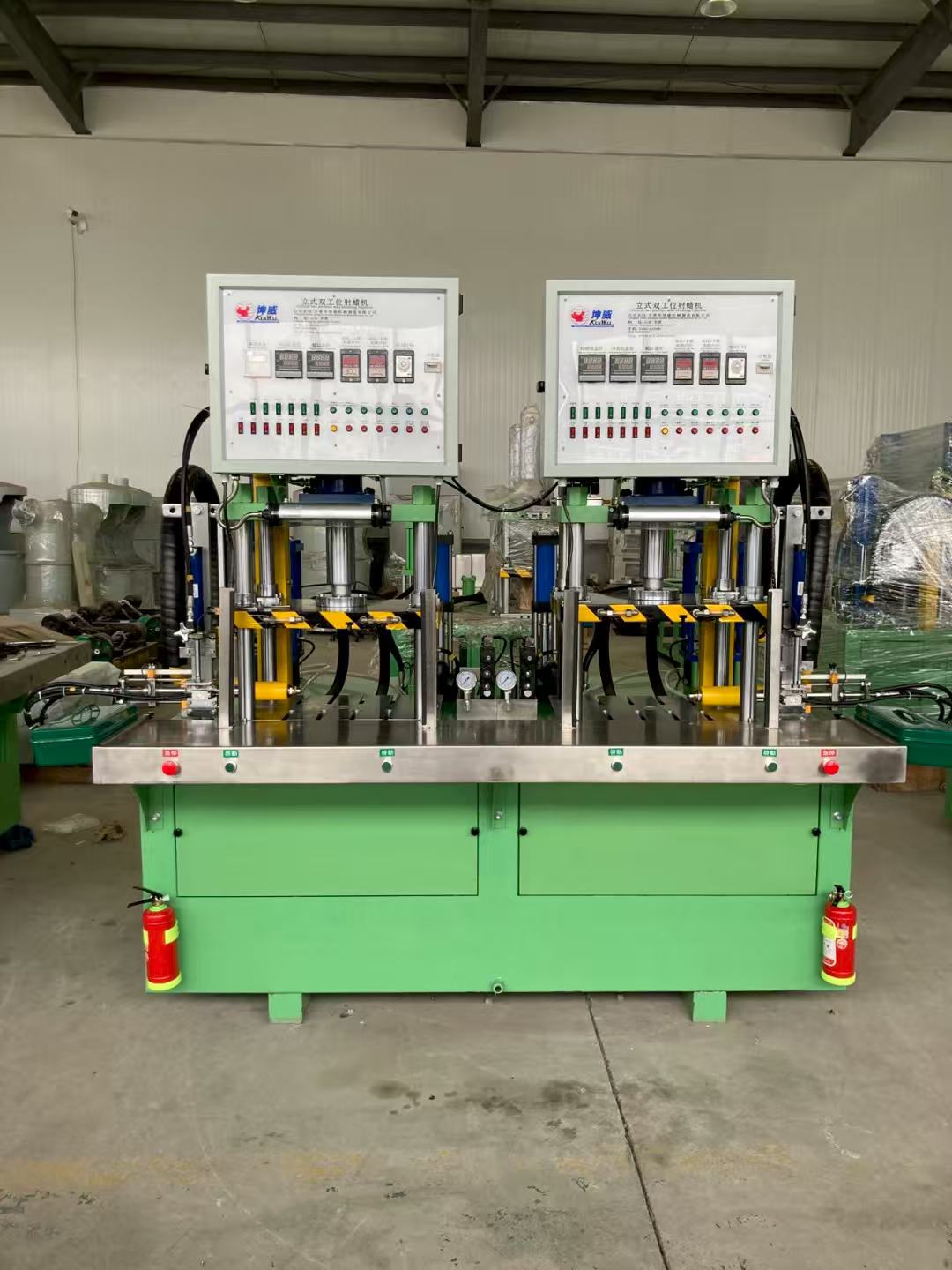
Characteristics: Equipped with digital controllers, these machines allow operators to preset injection pressure, vacuum dwell time, and temperature. Many feature pneumatic clamping tables that secure the mold automatically with consistent force.
Pros & Cons: They drastically reduce human error, improve repeatability, and offer excellent balance between cost and performance.
Fully Automatic & Advanced High-Volume Systems (Including Cylinder-less / Cylinder-free Technologies)
Best for: Large-scale industrial investment casting, aerospace components, automotive parts manufacturing, and high-volume mass production.
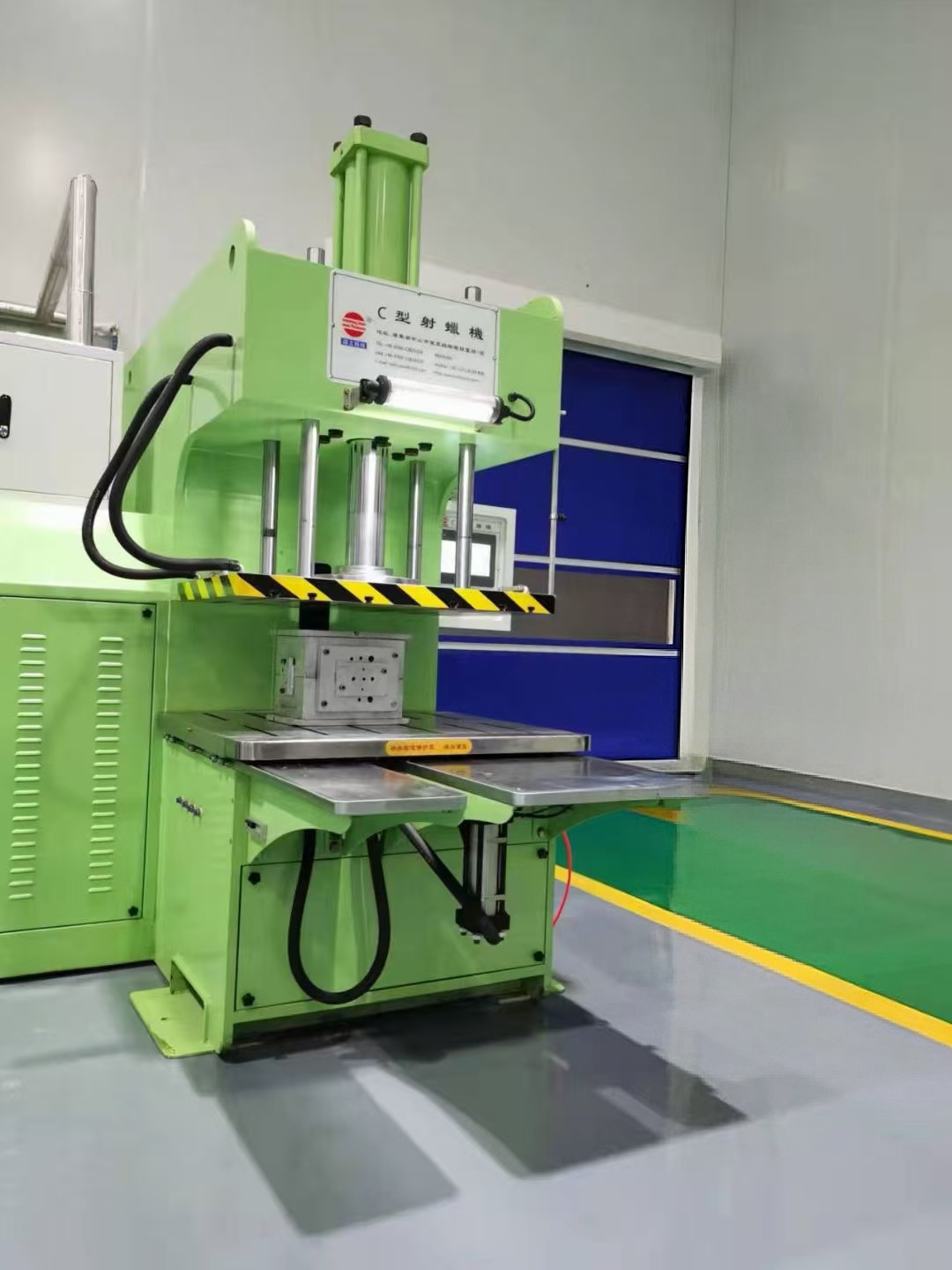
Characteristics: These advanced systems feature automated mold handling, rapid wax melting reservoirs, multi-stage vacuum cycles, and innovative designs such as cylinder-less (pneumatic/direct-drive) injection systems. Cylinder-less machines eliminate traditional mechanical cylinders, providing smoother pressure delivery, faster response times, and reduced maintenance overhead.
Pros & Cons: Higher upfront investment, but unmatched production speed, zero-defect capability, and long-term durability for 24/7 industrial operations.
2. Key Technical Parameters to Evaluate
When evaluating different models, look beyond the marketing brochure and closely examine these critical technical specifications:
Temperature Control and Stability
Wax behavior is highly sensitive to temperature fluctuations. Even a minor variance of 1°C can alter the viscosity of the wax, leading to incomplete filling or dimensional distortion.
What to look for: Look for digital PID temperature controllers that maintain stability within $\pm 0.5^\circ\text{C}$ or better. Dual-zone heating (separately heating the pot and the injection nozzle) prevents wax from solidifying in the nozzle or overheating in the reservoir.
Pressure Regulation and Delivery
The injection pressure determines how effectively the molten wax fills the intricate cavities and fine filigree of your rubber mold.
What to look for: Precise electronic or high-grade pneumatic pressure regulators. Fine adjustment capabilities (often ranging from 0 to 0.7 MPa or higher) allow you to tailor the pressure for delicate jewelry pieces versus heavy industrial blocks.
Vacuum Capability
Air entrapment is the enemy of quality wax patterns. Trapped air causes surface pitting, incomplete details, and weak spots in the pattern.
What to look for: A built-in vacuum system that evacuates air from the mold cavity before or during the wax injection. Vacuum-assisted injection is non-negotiable if you work with complex undercuts, deep recesses, or micro-detail jewelry.
Wax Reservoir Capacity
The size of the wax tank dictates how long you can run before needing to stop and refill.
What to look for: Small tabletop units generally hold 1 to 3 kilograms of wax, suitable for low-volume studios. Industrial machines feature capacities ranging from 10 to over 50 kilograms, ensuring continuous, uninterrupted shifts in a factory setting.
3. Matching the Machine to Your Industry Application
Your industry dictates your operational priorities. A machine optimized for gold rings will not necessarily suit stainless steel turbine blades.
For Jewelry and Watchmaking
Primary Focus: Extreme surface detail, sharp filigree reproduction, stone-setting accuracy, and quick mold changeovers.
Key Features Needed: High-precision vacuum injection, small nozzle profiles, fast heating cycles, and adjustable clamping forces to avoid distorting delicate silicone or rubber molds.
For Industrial and Mechanical Investment Casting
Primary Focus: Dimensional stability, high repeatability, structural integrity, and integration into automated production lines.
Key Features Needed: Heavy-duty construction, large wax capacity, robust pneumatic clamping, advanced programmable logic controllers (PLCs), and durable components capable of handling high-viscosity industrial waxes.
4. Usability, Safety, and Maintenance Considerations
A great machine should be operator-friendly and built to last. Consider the following practical aspects before making a purchase:
User Interface and Digital Controls
Modern machines feature touchscreen interfaces that store multiple injection recipes (pressure, vacuum time, temperature, and injection duration). Being able to recall preset profiles for different molds saves hours of trial and error.
Safety Mechanisms
Molten wax is typically kept at temperatures between 65°C and 85°C. Accidental splashes or high-pressure blowouts can cause severe burns. Ensure the machine includes:
Over-temperature protection cutoffs.
Two-hand start buttons or safety light curtains to prevent operator hands from being caught in the pneumatic clamping mechanism.
Pressure relief valves.
Ease of Cleaning and Maintenance
Wax residue buildup can clog nozzles and contaminate clean wax batches. Look for removable pots, non-stick internal coatings, and accessible filter systems that make routine cleaning and maintenance straightforward.
5. Summary Checklist: Questions to Ask Before Buying
Before finalizing your investment, run through this quick checklist:
What is my production volume? (Tabletop occasional use vs. continuous 24/7 industrial manufacturing)
What is the complexity of my patterns? (Simple geometric shapes vs. intricate undercuts requiring advanced vacuum integration)
What type of wax will I use? (Standard jewelry wax, soluble wax, or high-viscosity industrial waxes)
What is the electrical and pneumatic infrastructure in my workspace? (Check voltage requirements and compressed air supply specifications)
What kind of technical support and warranty does the manufacturer provide?
Conclusion
Choosing the right wax injection machine is a strategic decision that directly influences your product quality, operational efficiency, and bottom line. By carefully assessing your industry requirements, evaluating technical parameters like temperature stability and vacuum control, and prioritizing build quality and safety, you can select a machine that serves as a reliable cornerstone for your casting business for years to come.
Are you looking to upgrade your casting line or setting up a new studio? Evaluate your daily pattern volume and detail requirements today to find the perfect balance of precision and power.
| Parameter | Value |
| Model | SL-50-1 |
| Power supply | 380V + 220V / 50Hz |
| Power | 7.55 kW |
| System pressure | 14 MPa |
| Wax injection pressure | 1–7 MPa |
| Clamping force | 50 ton |
| Clamping speed | 30 mm/s |
| Wax injection speed | 0–0.4 /s |
| Wax injection time | 0–999 s/m |
| Maximum single wax shot volume | 10 L |
| Nozzle vertical stroke | 300 mm |
| Nozzle forward/backward stroke | 300 mm |
| Wax tank capacity | 210 L |
| Effective working space | 700 × 700 × 600 mm |
| Overall dimensions | 3400 × 2400 × 2700 mm |
| Weight | 6500 kg |
 English
 Russian
 German