
2026年7月30日
Precise Cast Prototypes and Engineering offers rapid metal casting CNC machining and design support for aluminum magnesium and zinc parts
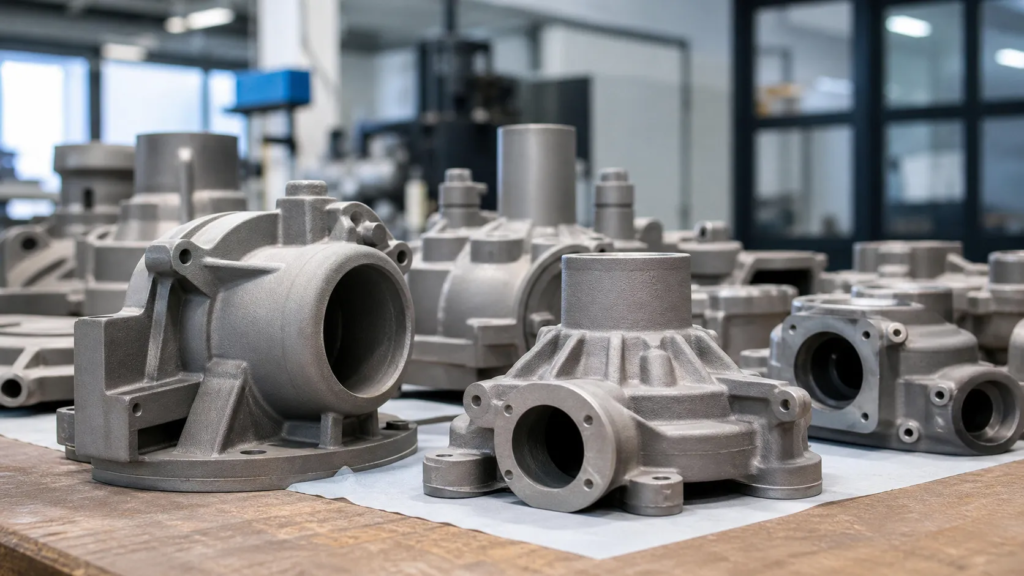
Are 3D-printed plastic models leaving you uncertain about actual physical performance? When your design demands real thermal resilience, vibration resistance, and structural integrity, plastic simulations fall short. We bridge the gap between initial concept and full-scale production through our specialized precise cast prototype & engineering solutions, delivering fully functional metal components long before investing in hard production tooling.
Production-Grade Metal Prototypes vs. 3D Plastic Simulations
While plastic rapid prototypes work well for quick visual fit checks, they cannot simulate real-world metallurgical physics. We produce physical metal prototypes that match your final manufacturing specifications, enabling rigorous functional testing under actual operating conditions.
- Production-Equivalent Metallurgy: We pour genuine engineering alloys—including Aluminum, Magnesium, Zinc, and High-Alloy Steel—ensuring authentic mechanical and material properties.
- Real-World Validation: Conduct uncompromising stress, heat, fluid dynamic, and vibration testing on parts that perform identically to final production runs.
- Early Defect Elimination: Identify potential mechanical weaknesses and structural load limits early in the development cycle to avoid costly late-stage redesigns.
Precision Prototype Casting Processes
We select the optimal casting methodology based on your part geometry, required wall thickness, surface finish, and project timeline:
| Casting Process | Key Capabilities | Best For |
|---|---|---|
| Rubber Plaster Mold (RPM) Casting | Near-die-cast surface finishes and ultra-thin wall capabilities. Excellent for non-ferrous prototype casting. | Low-volume prototype runs requiring smooth cosmetic surfaces. |
| Investment Casting (Lost-Wax) | Exceptional geometric complexity, tight dimensional tolerances, and intricate internal channels. | Precision investment casting prototypes with complex features. |
| Precision Sand Casting | Fast, flexible tooling creation with robust structural strength. | Larger structural metal prototypes and heavy-duty components. |
By pairing tailored patternmaking with high-precision engineering, our rapid metal prototyping workflow guarantees scalable transition from initial prototype iterations to full production readiness.
Design for Manufacturability (DFM) & Advanced Engineering
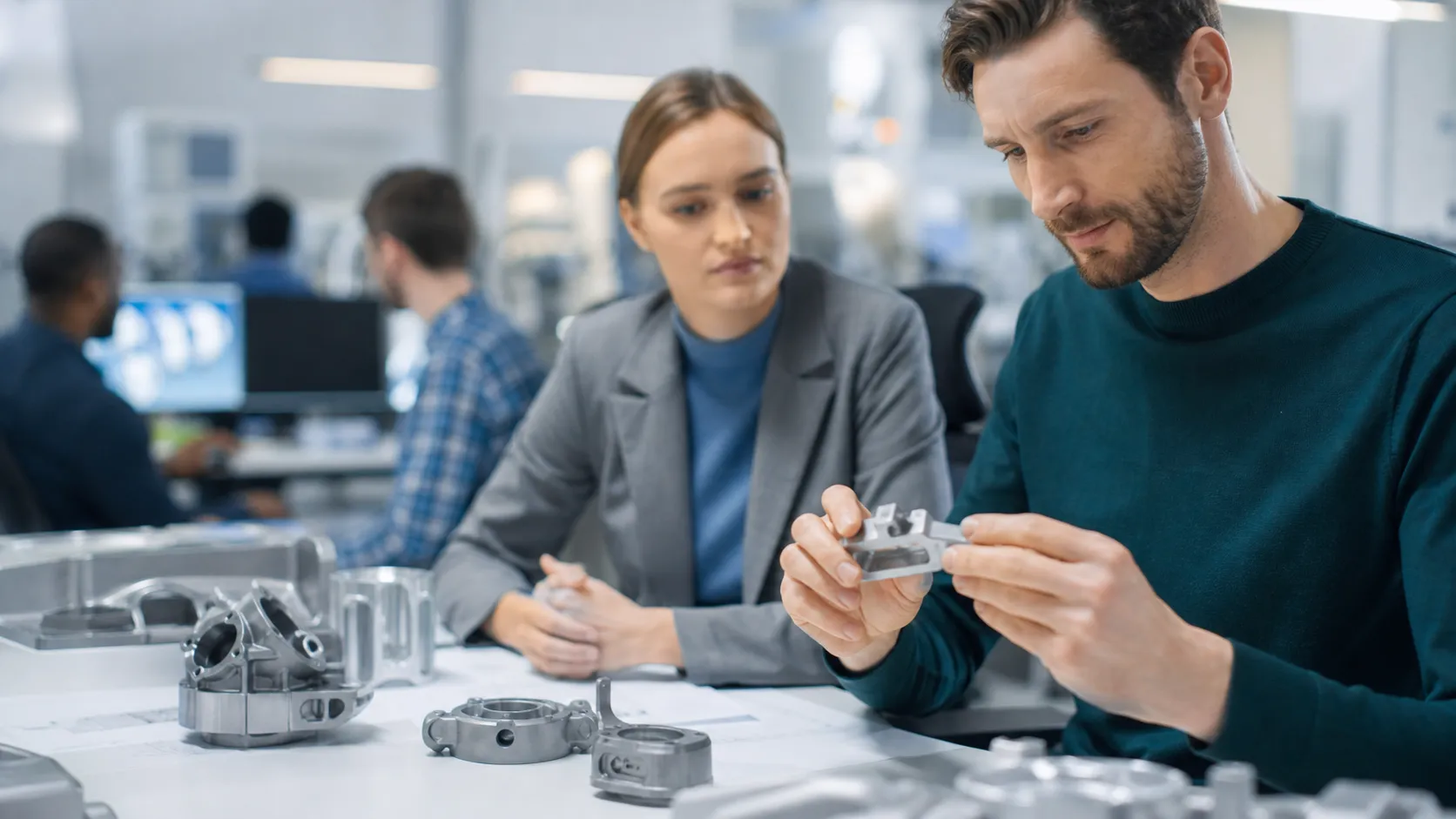
We bridge the gap between initial digital design and physical production through comprehensive Design for Manufacturability (DFM) casting analysis. Before pouring a single drop of metal, our engineering team optimizes your geometry to guarantee flawless execution for every precise cast prototype & engineering project.
Upfront CAD Optimization & Flow Simulation
We run advanced thermal and solidification modeling directly on your CAD files to predict alloy behavior inside the mold: Defect Prevention: Computational flow simulations identify and eliminate porosity, shrink defects, and cold shuts prior to production. Geometry Refinement: We optimize wall thickness and apply precise draft angle adjustments before mold pouring to ensure clean pattern release and uniform structural density.
Tooling Risk Mitigation & Cost Control
Flawless scaling requires strict risk mitigation early in the engineering phase. Through our custom foundry engineering services, we eliminate costly tooling rework and streamline your manufacturing roadmap.
| Strategy Phase | Engineering Focus | Practical Advantage |
|---|---|---|
| Tolerance Verification | Geometric Dimensioning and Tolerancing (GD&T) Reviews | Validates critical functional features and tight fit requirements before cutting metal. |
| Scalable Tooling | Rapid Prototypes (1–50 units) to Production (1,000+ units) | Lowers initial tooling investment while enabling seamless expansion into low-volume metal casting. |
Precise Cast Prototype & Engineering Infrastructure at VastPCC
At VastPCC, we back our precise cast prototype & engineering operations with advanced, automated foundry equipment. Our technological infrastructure eliminates manual variability, speeds up rapid patternmaking and tooling, and guarantees batch-to-batch repeatability.
| Process Stage | Tech Infrastructure | Engineering Advantage |
|---|---|---|
| Wax Patternmaking | Automated, high-stability wax injection machinery | Identical wax patterns with strict dimensional repetition |
| Ceramic Shell Prep | Robotic shell coating & automated marking systems | Uniform mold density, higher strength, and full heat traceability |
| Dewax & Melting | High-pressure dewaxing autoclaves & induction furnaces | Zero shell cracking risk; gas-controlled alloy purity |
| Precision Finishing | In-house 3-, 4-, and 5-axis CNC machining centers | Tight-tolerance bores, threads, and critical mating faces |
Automated Wax Injection & Patternmaking
- Consistent Dimensions: High-stability wax injection machines deliver reliable volumetric expansion control across every wax pattern.
- Rapid Tooling Cycles: Automated setup speeds up pattern production for fast turnarounds without sacrificing tolerance integrity.
Automated Shell Coating System & Full Traceability
- Robotic Precision: Our automated shell coating system builds ceramic molds layer-by-layer for uniform mold wall density and high structural integrity.
- Batch Identification: Automated mold marking applies clear heat and lot identifiers directly onto molds for complete end-to-end traceability.
High-Pressure Dewaxing Autoclave & Controlled Induction Melting
- Crack-Free Shells: Rapid steam cycles inside our high-pressure dewaxing autoclave neutralize thermal expansion stresses before the ceramic mold can crack.
- Controlled Alloy Chemistry: Atmosphere-controlled induction melting furnaces maintain exact metallurgical specs during the pour.
Multi-Axis CNC Prototype Machining
- Tight-Tolerance Finishing: In-house 3-, 4-, and 5-axis CNC prototype machining hits micro-inch specs on critical features, deep bores, and complex threads.
- Turnkey Delivery: Casting and secondary machining happen under one roof, keeping your project on schedule and fully within specification.
Technical Specs: Precise Cast Prototype & Engineering
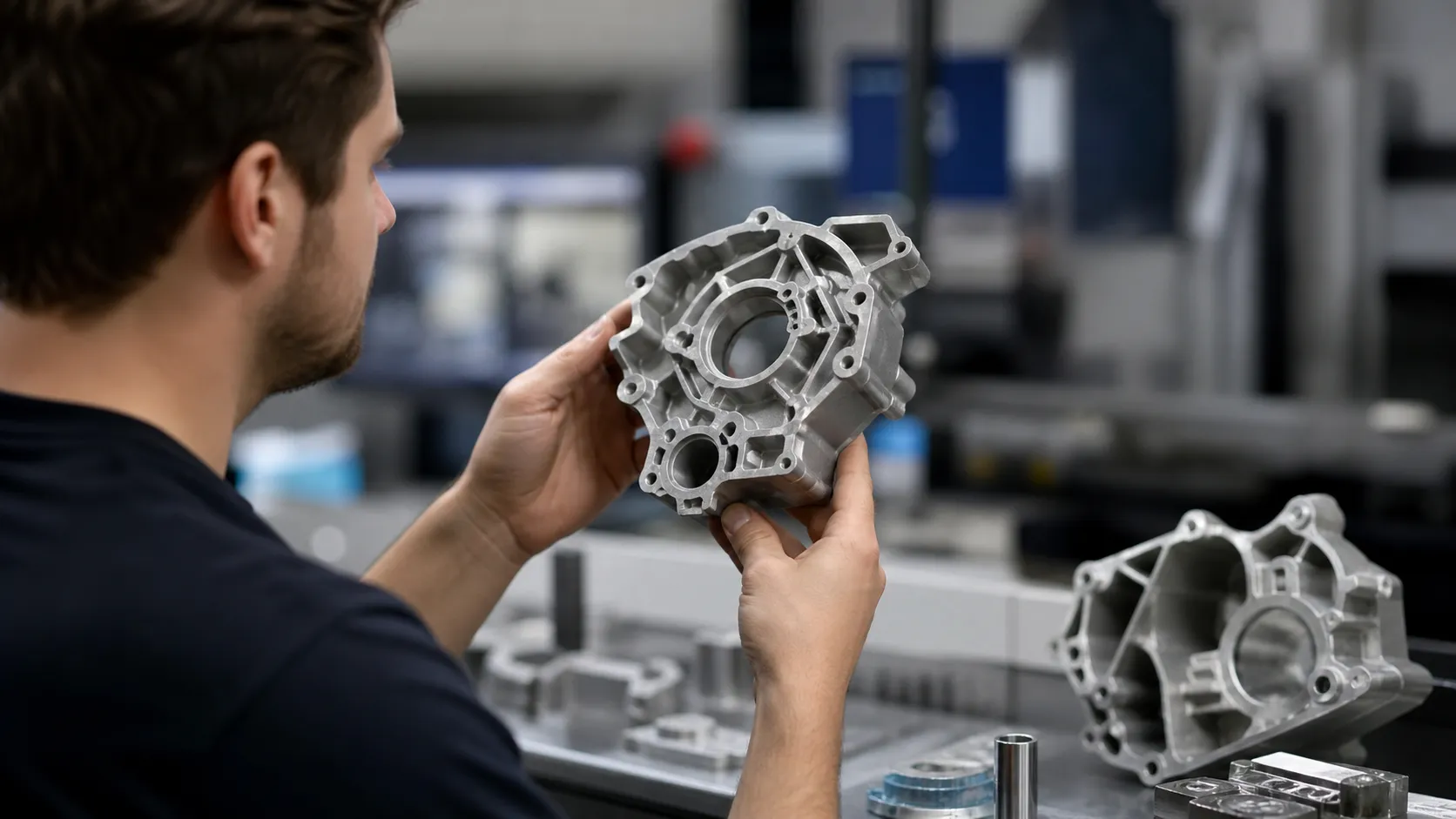
When building functional metal parts, material integrity is everything. We pour a comprehensive selection of non-ferrous and specialty alloys, ensuring your rapid metal prototyping mimics final mass production metallurgy down to the chemical spec.
Supported Alloy Options
| Metal Family | Cast Alloys Offered | Primary Engineering Applications |
|---|---|---|
| Aluminum Alloys | A356, 319, 356-T6 | Lightweight structural housings, heat sinks, and brackets |
| Magnesium Alloys | AZ91D, AM60B | Ultra-lightweight aerospace and EV automotive components |
| Zinc Alloys | Zamak Series (Zamak 3, 5) | Complex, high-strength, thin-wall structural parts |
| Specialty High-Alloys | Stainless Steels & Custom Blends | Extreme heat, corrosion-resistant, or heavy-duty components |
We also offer custom melt formulations upon request to match proprietary client specifications.
Surface Finishes & Dimensional Standards
Our processes balance fast casting turnarounds with tight mechanical precision. Precision CNC prototype machining handles critical features, ensuring ready-to-test prototypes every time.
- Linear Tolerances: Down to ±0.005 in (±0.127 mm) on critical CNC-finished surface features and bores.
- Standard Cast Finish: Ra 120–220 µin across standard precision foundry molds.
- Plaster Mold Casting (RPM): Smooth Ra 63–125 µin finishes that mirror high-pressure die casting.
Specialized Industry Applications
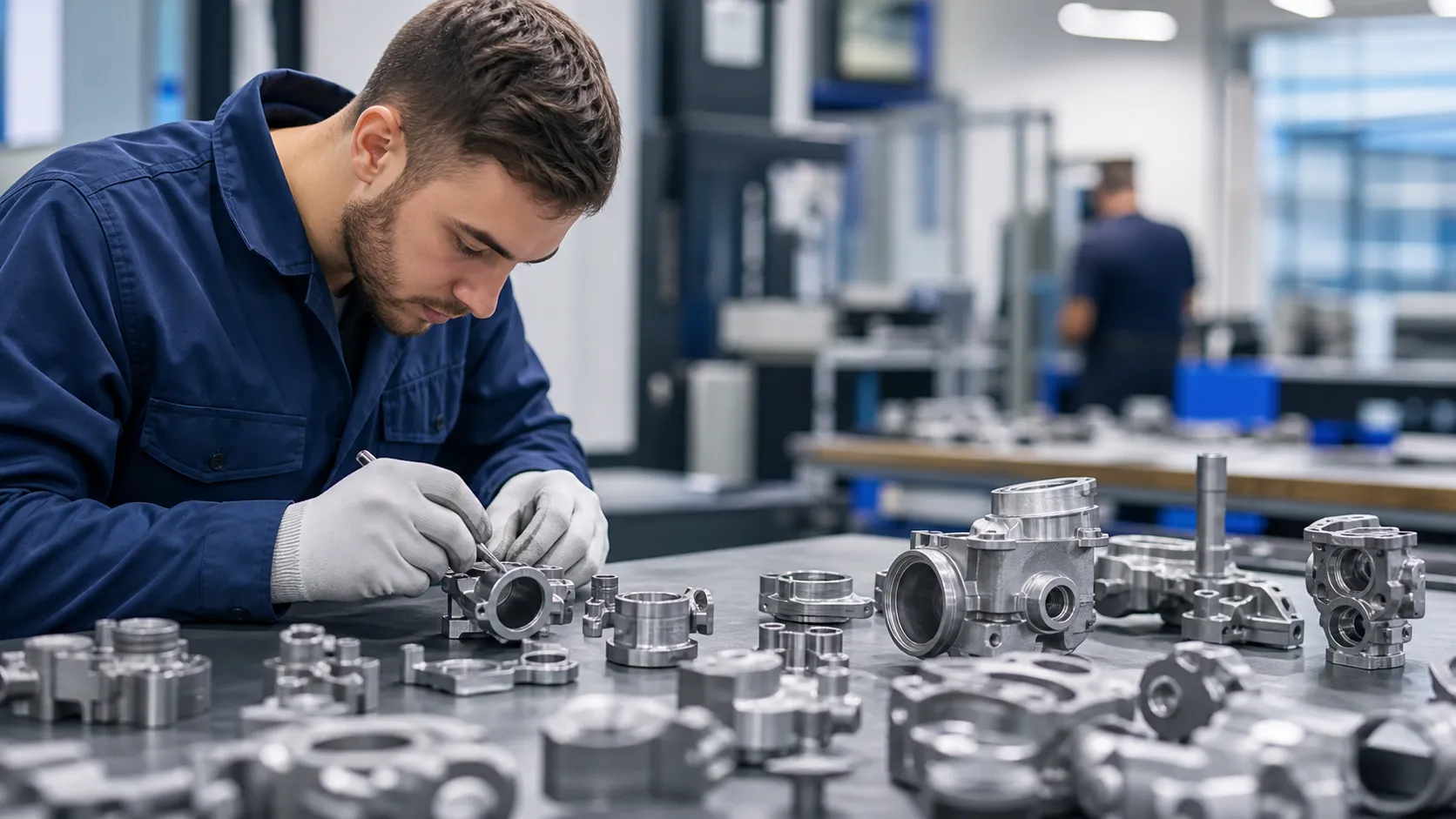
We engineer high-performance metal components tailored to the strict regulatory and mechanical demands of North America’s most advanced sectors. Our precise cast prototype & engineering services bridge the gap between initial design validation and full-scale production.
Aerospace & Defense
When failure is not an option, we deliver flight-ready cast components built to withstand extreme thermal and mechanical stress: Avionics Enclosures & Ducting: Lightweight, thin-wall structures with optimal thermal dissipation. Turbine Brackets & Structural Housings: High-alloy components designed to meet rigid flight-readiness standards.
Automotive & Electric Vehicles (EV)
To keep pace with fast EV development cycles, our rapid metal prototyping process delivers powertrain and structural parts without expensive hard tooling: Motor & Transmission Housings: Precision castings optimized for fluid flow, cooling efficiency, and weight reduction. Suspension Knuckles & Battery Brackets: High-integrity structural components ready for real-world vibration and stress testing.
Medical & Surgical Equipment
Precision and material purity are vital for clinical equipment and diagnostic hardware: Surgical Tool Handles: Ergonomic, autoclavable prototypes made with surgical-grade alloys. Imaging System Chassis & Stainless/Titanium Prototypes: Rigid, custom-cast structural foundations engineered for high-precision diagnostic electronics.
Industrial Machinery & Energy
Heavy-duty fluid and power systems require dense, pore-free metal structures: Valve Bodies & Pump Impellers: Pressure-tight castings built for extreme fluid flow and harsh environments. Heavy-Duty Gearboxes: High-strength low-volume metal casting designed to handle high torque and continuous operation.
ISO 9001 Certified Quality Control & Inspection
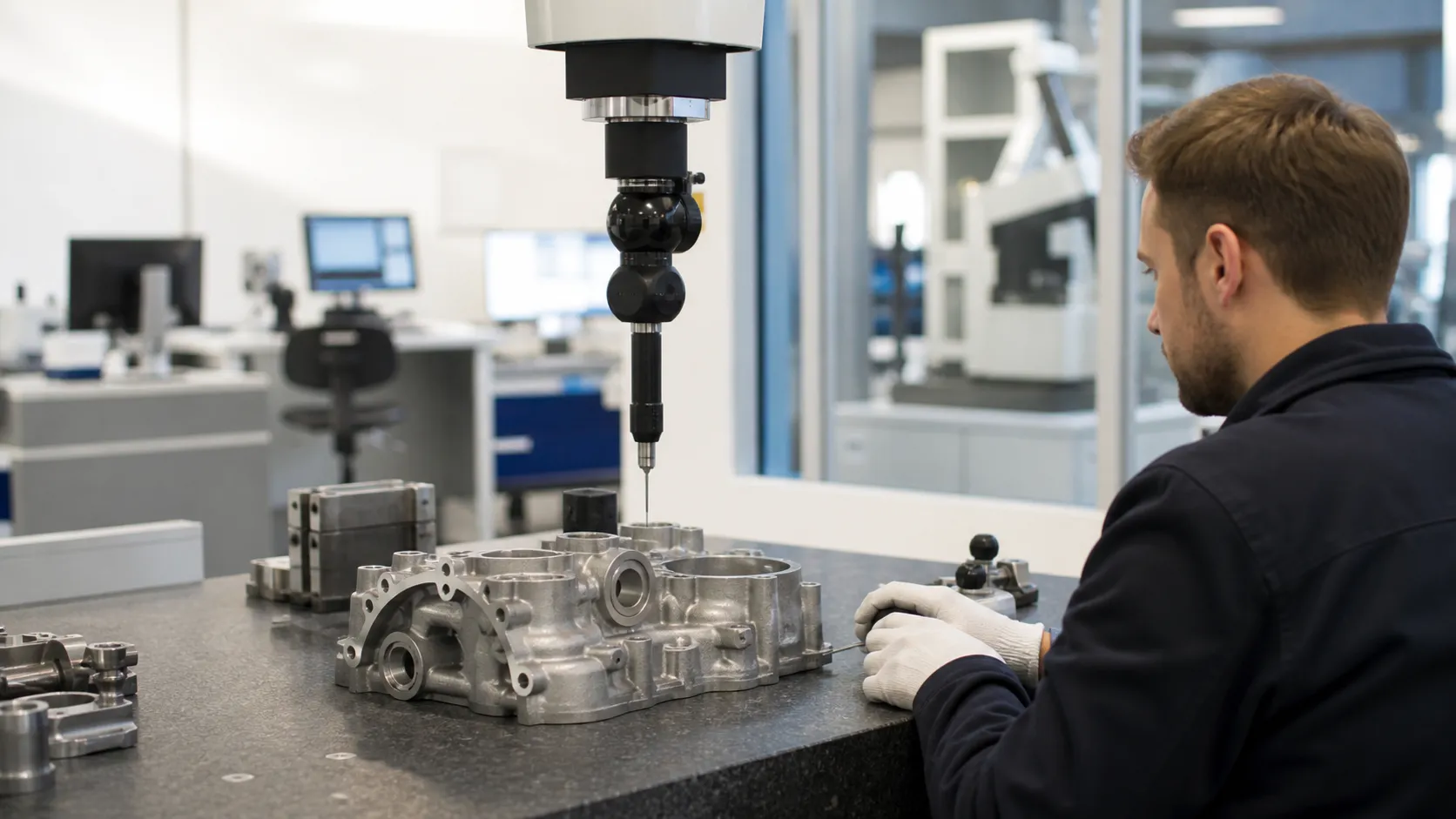
At precise cast prototype & engineering, we back every pour, mold, and finished part with strict quality management. Our ISO 9001 certified quality control system guarantees that your cast prototypes meet exact geometric specs and metallurgy standards before they ever ship out.
Advanced Quality Assurance Protocols
We eliminate dimensional drift and hidden structural flaws using precision inspection tools:
- Coordinate Measuring Machine (CMM) Reports: High-precision 3D dimensional inspection that verifies critical features, tight tolerances, and hole locations against your original CAD file.
- Non-Destructive Testing (NDT): Complete X-ray radiography, dye penetrant inspection, and ultrasonic testing to catch subsurface porosity, voids, or micro-cracks without damaging the part.
Full Traceability & Material Certification
We track every heat lot from raw ingot to final delivery so you receive total chemical and mechanical accountability:
- Spectrometric Alloy Analysis: Complete chemical composition reports tied directly to raw material heat numbers.
- Certificate of Conformance (CoC): Official CoC documentation included with every prototype production batch to simplify your regulatory and internal quality sign-offs.
Streamlined Order Process & Fast Lead Times
We built our precise cast prototype & engineering workflow to eliminate friction and get high-integrity metal parts into your hands quickly. By integrating automated shell prep, rapid patternmaking, and in-house multi-axis machining, we maintain complete control over quality and timing.
5-Step Rapid Metal Prototyping Workflow
- Secure CAD File Upload & Instant NDAs
Upload your 3D models directly to our encrypted portal. We issue non-disclosure agreements (NDAs) upfront to protect your intellectual property before any engineering review begins. - DFM Feedback & Engineering Consultation (Within 24 Hours)
Our team runs Design for Manufacturability (DFM) casting and solidification simulations on your geometry. Within 24 hours, you receive a detailed feedback report covering draft angles, wall thickness adjustments, and potential shrink risks. - Patternmaking & Automated Shell Prep
Once design plans are approved, we create high-precision wax patterns using rapid patternmaking and tooling methods. Molds pass through our automated shell coating systems for predictable ceramic density and fast drying cycles. - Metal Pouring, Heat Treatment & CNC Finishing
We melt and pour your specified alloy, apply necessary heat treatment to achieve target mechanical specs, and perform multi-axis CNC prototype machining for critical features, threads, and tight-tolerance bores. - CMM Quality Verification & Rapid Delivery
Every batch undergoes full Coordinate Measuring Machine (CMM) dimensional checks and alloy verification before shipment. We pack and ship your parts with complete material test reports and Certificates of Conformance (CoC).
Production Timeline Overview
| Stage | Process Milestone | Execution Timeframe |
|---|---|---|
| Step 1 | Secure File Upload & NDA Execution | Day 1 |
| Step 2 | DFM Review & Engineering Sign-off | Within 24 Hours |
| Step 3 | Patternmaking, Tooling & Ceramic Shell Building | Days 2–5 |
| Step 4 | Alloy Pouring, Heat Treat & CNC Machining | Days 5–8 |
| Step 5 | CMM Quality Checks & Express Delivery | Standard 1–2 Week Turnaround |
This direct process ensures your precise cast prototype & engineering orders hit strict schedules for functional testing and short-run metal manufacturing without sacrificing part accuracy.
Frequently Asked Questions: Precise Cast Prototype & Engineering
What lead times can you expect for rapid metal prototyping?
We deliver functional, production-grade metal prototypes in 1 to 2 weeks standard. By pairing digital patternmaking with rapid shell prep, we bypass the long waiting periods of traditional hard tooling.
Why choose cast metal prototypes over 3D printed plastics?
Plastic prints work well for basic visual mockups, but they fall short under actual operating conditions. Our precise cast prototype & engineering services use production-equivalent metallurgy so you can run real-world thermal, stress, and vibration tests.
| Feature | Precise Cast Metal Prototypes | 3D Printed Plastics |
|---|---|---|
| Material Integrity | Exact alloys (Aluminum, Magnesium, Zinc, Steel) | Synthetic polymers or resins |
| Functional Validation | Handles real heat, pressure, and structural loads | Limited to basic form and fit checks |
| Production Bridge | Direct path to low-volume metal manufacturing | Requires full redesign for casting |
What tolerances and surface finishes can precision casting achieve?
Our precision investment casting prototypes and plaster mold casting (RPM) processes deliver tight tolerances and clean surface finishes straight out of the mold, with multi-axis CNC machining available for ultra-tight features.
- Linear Tolerances: Up to ±0.005 in (±0.127 mm) on CNC-finished critical surfaces.
- Plaster Mold Casting Finish: Ra 63–125 µin for near-die-cast smooth finishes and thin walls.
- Investment Casting Finish: Ra 120–220 µin standard for complex geometries.
How does DFM casting reduce tooling costs and defect risks?
Upfront Design for Manufacturability (DFM) engineering stops costly tooling mistakes before we pour any metal. Through advanced CAD flow and thermal solidification modeling, we catch potential defect risks early.
- Prevents Casting Defects: Pinpoints porosity, shrink areas, and cold shuts during initial CAD simulation.
- Optimizes Geometry: Adjusts wall thicknesses and draft angles prior to mold pouring.
- Protects Tooling Investment: Aligns design specs through detailed GD&T reviews, ensuring a smooth transition from early prototypes (1–50 units) to short-run metal manufacturing (1,000+ units).
 English
  Russian
  German