Cylinder-Free Technology and Process Advantages
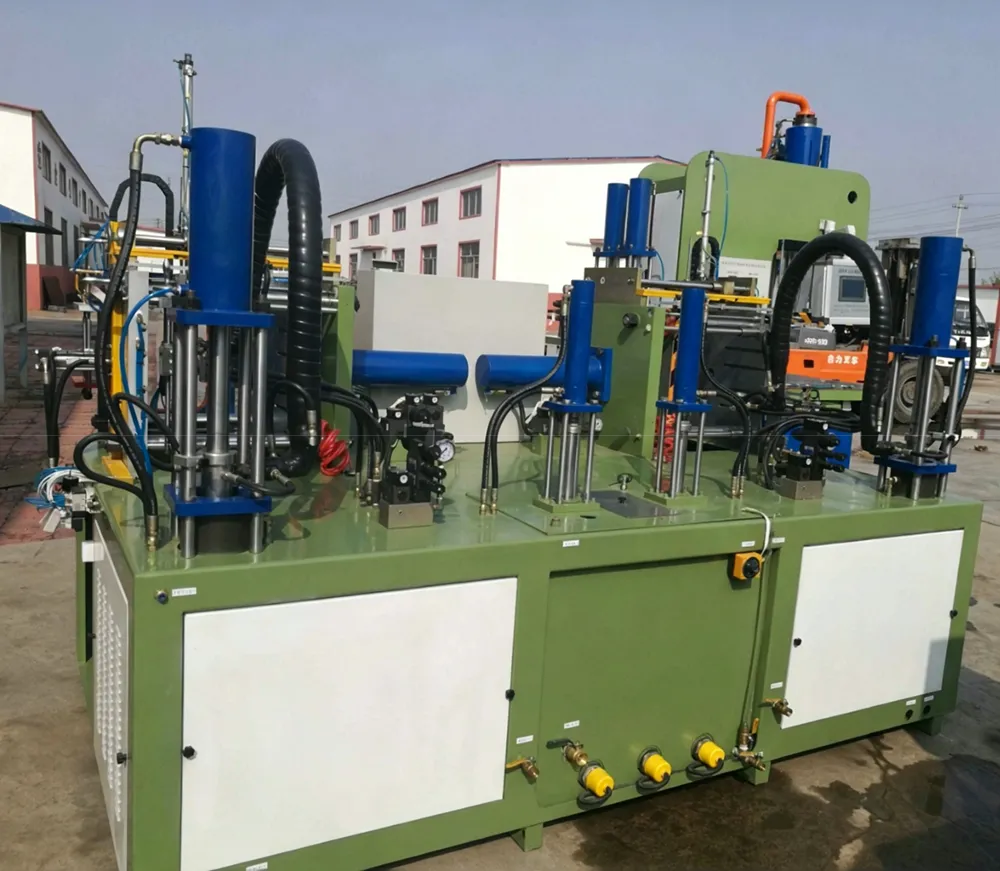
Vastpe’s cylinder-free wax injection technology uses a tankless injection design to support stable, pulse-free wax flow. By simplifying the injection architecture, the system is designed to provide consistent filling behavior and repeatable wax pattern production.
The actual process result depends on wax properties, mold design, temperature control, injection parameters, vacuum conditions and operator or automation settings. Process validation should be completed for each pattern and wax system.
Pulse-Free Wax Flow
A stable wax flow can help reduce variation during mold filling and support more consistent pattern density and surface quality. The injection profile should be adjusted according to the wax formulation and pattern geometry.
Cylinder-Free Injection Design
The cylinder-free configuration reduces reliance on conventional wear-prone injection components. This can simplify equipment maintenance and support a clean, controllable injection process, subject to the selected machine configuration.
Controlled Wax Temperature
Temperature control helps maintain suitable wax viscosity during injection. The required temperature range depends on the wax formulation, mold material, pattern geometry and validated process window.
Vacuum-Assisted Pattern Production
Where vacuum functionality is included, the system can help reduce air entrapment and improve filling of intricate mold features. Vacuum requirements depend on the mold design and production process.
Automatic Process Control
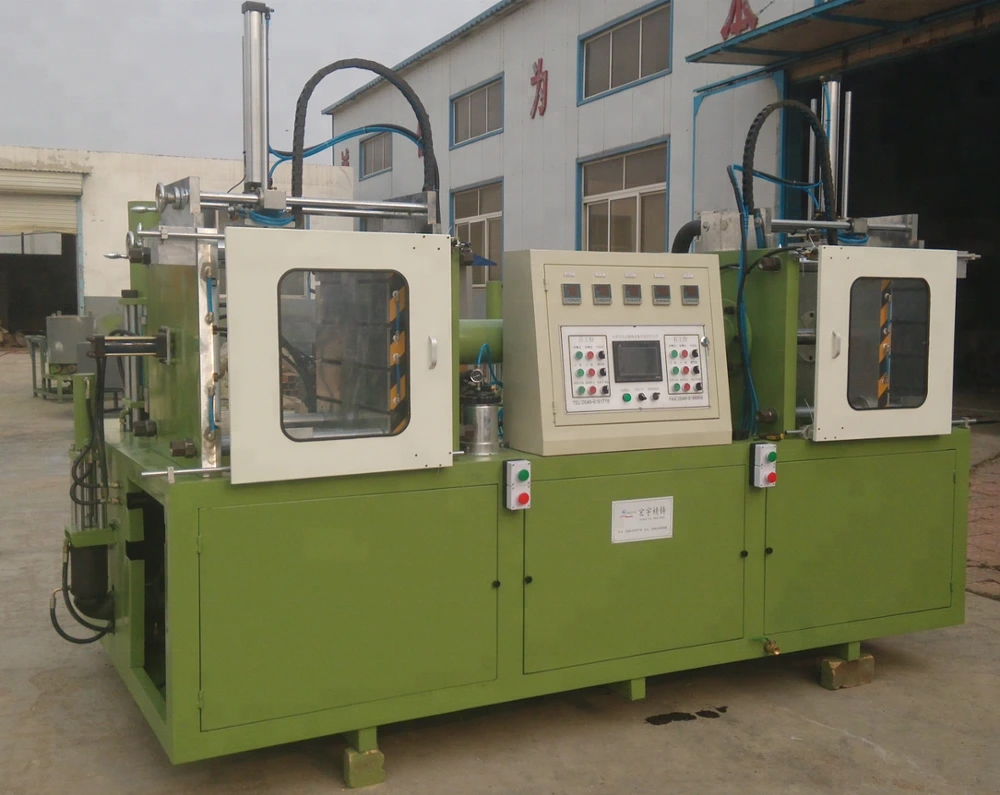
PLC or intelligent control systems can manage injection sequences, temperature settings, holding stages and other process parameters according to the machine configuration.
Reduced Manual Variation
Programmable cycles and repeatable machine movement can help reduce operator-to-operator variation in wax pattern production. The final quality still depends on tooling accuracy, wax condition, process setup and inspection controls.
Technical Specifications and Available Configurations
Vastpe can configure wax injection equipment around the customer’s pattern, mold and production requirements. The final technical specification should be confirmed during the engineering review.
Available Configuration Factors
•Injection method and cylinder-free tankless design
•Injection pressure and flow-control range
•Wax reservoir or supply arrangement
•Wax temperature control and heating method
•Vacuum-assisted injection, where required
•Mold clamping force and mold dimensions
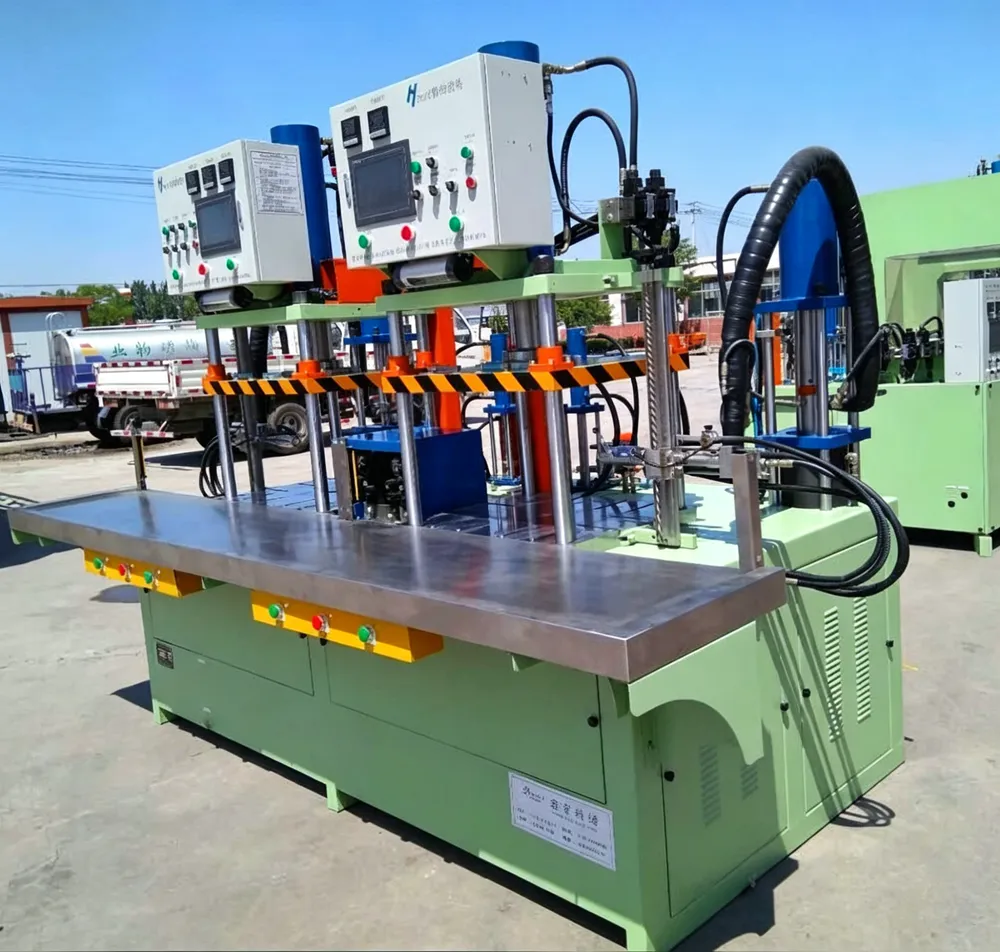
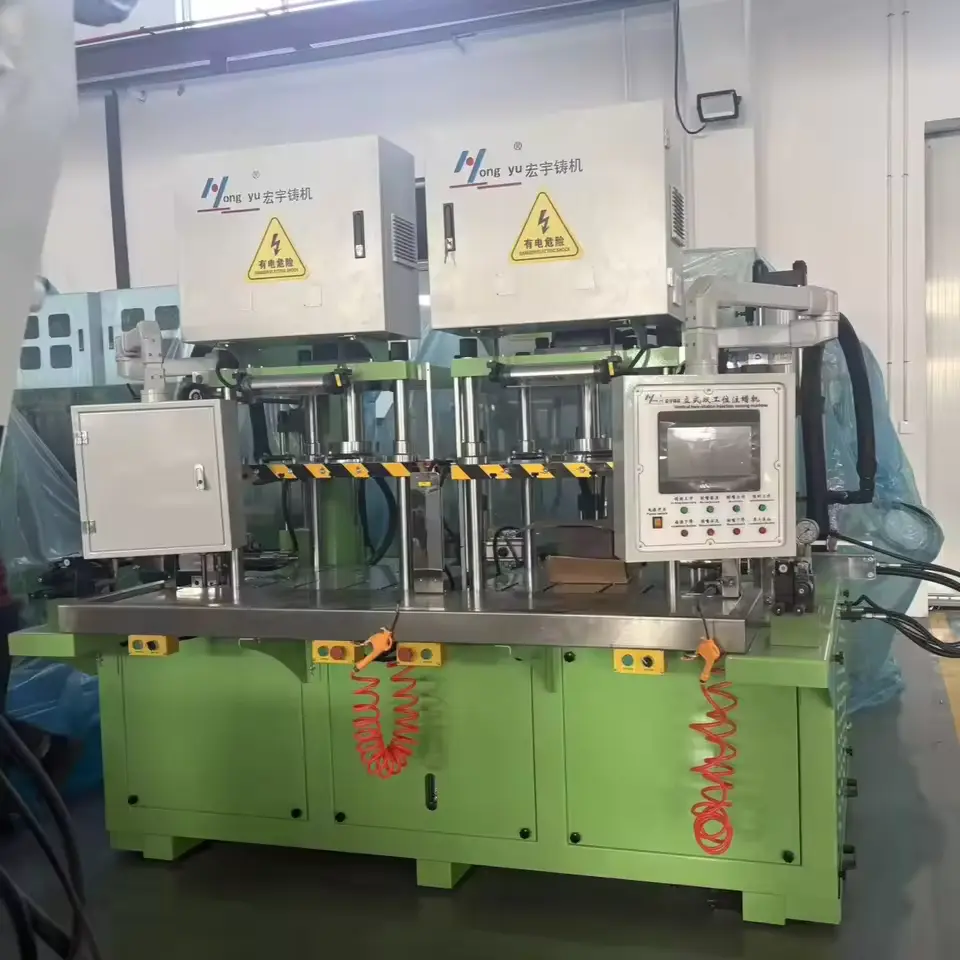
•Single-station or multi-station configuration
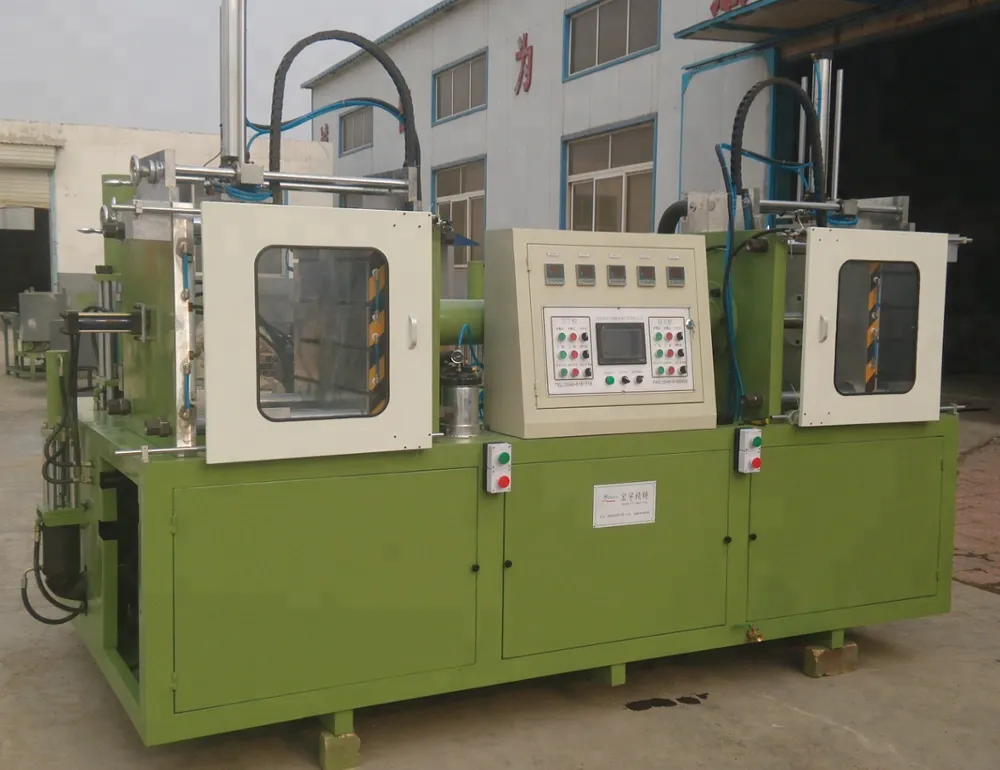
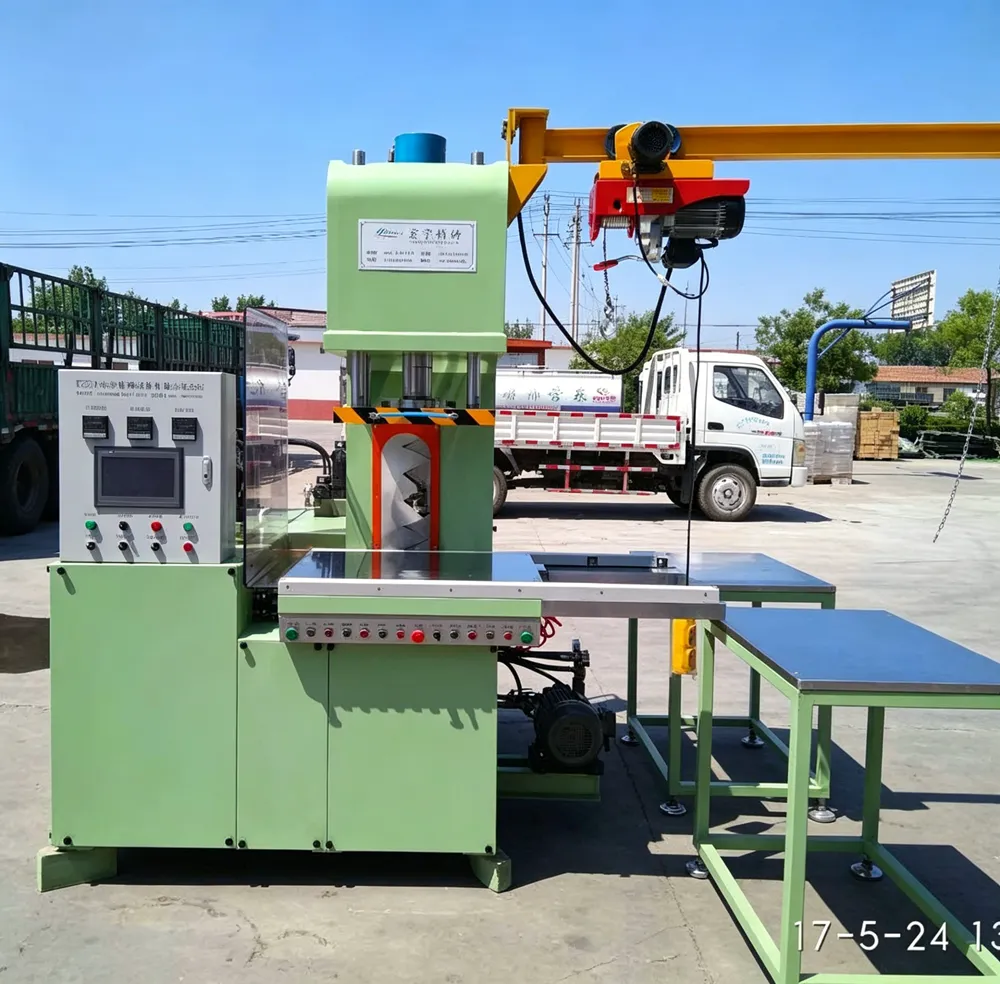
•Horizontal or vertical machine arrangement
•PLC, HMI and automatic process control
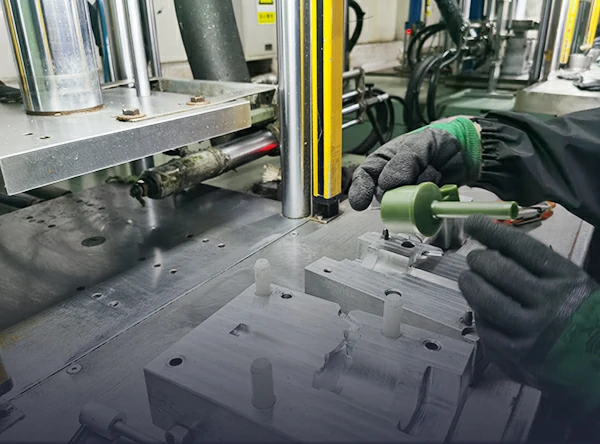
•Pattern unloading and handling interface
•Tooling, fixture and pattern-assembly integration
•Safety enclosure and operator access
•Data logging and production traceability
•Factory power, air and utility requirements
Machine Selection Criteria
Before selecting a wax injection machine, review:
1.Wax formulation and operating temperature
2.Pattern dimensions, weight and geometry
3.Required mold size and clamping force
4.Desired production volume and cycle time
5.Pattern tolerance and surface-quality requirements
6.Vacuum and air-removal requirements
7.Existing tooling and downstream shell-building process
8.Available factory space and material flow
9.Required automation and data interfaces
10.Maintenance, training and service expectations
Do not publish fixed pressure, temperature, clamping-force or cycle-time values until they have been confirmed for the specific machine model and application.
Materials: Titanium, Stainless Steel and Superalloys
Wax injection machines form wax patterns rather than metal castings. Material selection on this page refers to the metal casting applications and alloy systems that the wax patterns are intended to support.
Titanium Investment Castings
Wax pattern production for titanium investment casting requires stable pattern geometry and careful process control because dimensional variation in the pattern can affect the ceramic shell and final casting. Machine settings should be validated for the wax system, mold design and titanium casting program.
Stainless Steel Investment Castings
Stainless steel investment castings are used across industrial, automotive, medical and fluid-control applications. Consistent wax patterns can support repeatable ceramic shell building and downstream casting quality, subject to tooling, shell and metal-process controls.
Superalloy Investment Castings
Superalloy applications such as turbine and high-temperature components require careful control of geometry, surface quality and traceability. Vastpe wax injection equipment can be configured for pattern production used in demanding superalloy investment casting programs, subject to technical review.
Other Casting Alloys
The machine may also be evaluated for other investment casting alloy systems. Suitability depends on the wax formulation, pattern design, tooling, shell process and customer quality requirements.
Applications: Aerospace, Automotive, Medical and Nuclear
Aerospace and Aviation
Produce dimensionally stable wax patterns for turbine blades, engine components and other complex aerospace castings. The required wax, tooling, inspection and traceability process should be confirmed for each program.
Automotive
Support repeatable wax pattern production for engine, turbocharger, drivetrain and fluid-control components. Automatic cycle control can help manufacturers manage production volume and pattern consistency.
Medical Components
Support precision wax pattern production for medical components, specialized instruments and other complex parts. Material, cleanliness, surface quality and documentation requirements should be defined before equipment selection.
Nuclear and Energy Equipment
Support controlled pattern production for pumps, valves, power-generation components and other investment castings used in demanding energy applications. The applicable quality system, inspection plan and documentation requirements must be confirmed for the project.
General Industrial Applications
Wax injection equipment can also support precision castings for pumps, valves, industrial machinery and engineered metal components where repeatable patterns and controlled production cycles are required.
Installation, Commissioning and Maintenance
Vastpe provides technical support throughout the equipment lifecycle. The support scope depends on the selected machine, project location and customer requirements.
Installation and Site Preparation
Before delivery, review the available floor space, utilities, lifting access, factory temperature, ventilation, compressed air, power supply and material flow. A suitable site plan helps reduce installation delays.
Commissioning
During commissioning, the machine is checked against the agreed configuration and operating requirements. The process may include mold trials, wax temperature setup, injection-cycle adjustment, vacuum validation where applicable and initial pattern inspection.
Operator Training
Training can cover machine operation, recipe or parameter management, mold handling, safety procedures, routine cleaning and basic troubleshooting.
Preventive Maintenance
Regular maintenance may include checking heating and temperature-control components, cleaning wax-contact areas, inspecting seals and fixtures, reviewing vacuum components where fitted and verifying control-system alarms.
Remote and On-Site Technical Support
Vastpe can provide troubleshooting guidance, process review and service coordination according to the project scope. Keep machine model, pattern information, wax batch, alarm history and process settings available when requesting support.
Wax Injection Process Control
A repeatable wax injection process depends on the interaction between machine, wax, tooling and operator settings. Recommended process records may include:
•Wax type and batch information
•Wax temperature and holding condition
•Injection pressure or flow setting
•Injection and holding time
•Mold temperature where applicable
•Vacuum setting and duration where applicable
•Pattern weight and dimensional checks
•Defect observations and corrective actions
•Machine alarms and maintenance records
These records can help identify whether a defect originates from wax condition, tooling, temperature, filling, vacuum, handling or machine settings.
Common Wax Pattern Defects and Troubleshooting
Incomplete Filling
Possible causes include insufficient wax temperature, unsuitable injection settings, restricted gates, inadequate venting or an unsuitable mold condition. Review the wax, tooling and process window before increasing pressure.
Flashing or Parting-Line Defects
Possible causes include insufficient mold closure, worn tooling, excessive injection pressure or mold-parting problems. Inspect the mold condition and clamping setup.
Air Entrapment or Voids
Possible causes include filling behavior, venting, wax condition or insufficient vacuum where vacuum is required. Review the mold design and vacuum process rather than relying on a single parameter change.
Pattern Distortion or Dimensional Variation
Possible causes include uneven cooling, early demolding, wax temperature variation, tooling movement or handling stress. Check the complete cycle and pattern-support method.
Surface Defects
Possible causes include wax contamination, poor mold condition, unsuitable temperature, release-agent issues or handling damage. Check wax cleanliness and the mold before changing injection settings.
Final troubleshooting should be based on the actual wax formulation, mold, machine model and inspection data.
Precision Automatic Wax Injector
Engineered for high-fidelity pattern reproduction, this vacuum-integrated system eliminates air inclusions for superior casting quality. It is the ideal solution for intricate jewelry molds and high-precision small industrial components. Explore more about our products designed for precision casting.
- Integrated vacuum pump ensures bubble-free, high-density wax patterns
- Intelligent PID temperature control for consistent wax viscosity
- Compact, ergonomic design with an intuitive digital interface
Request Technical Specifications






 English
 Russian
 German