2026年10月25日
VASTPE shell firing furnace for fast clean alloy melting with PLC control hydraulic tilting and closed loop cooling
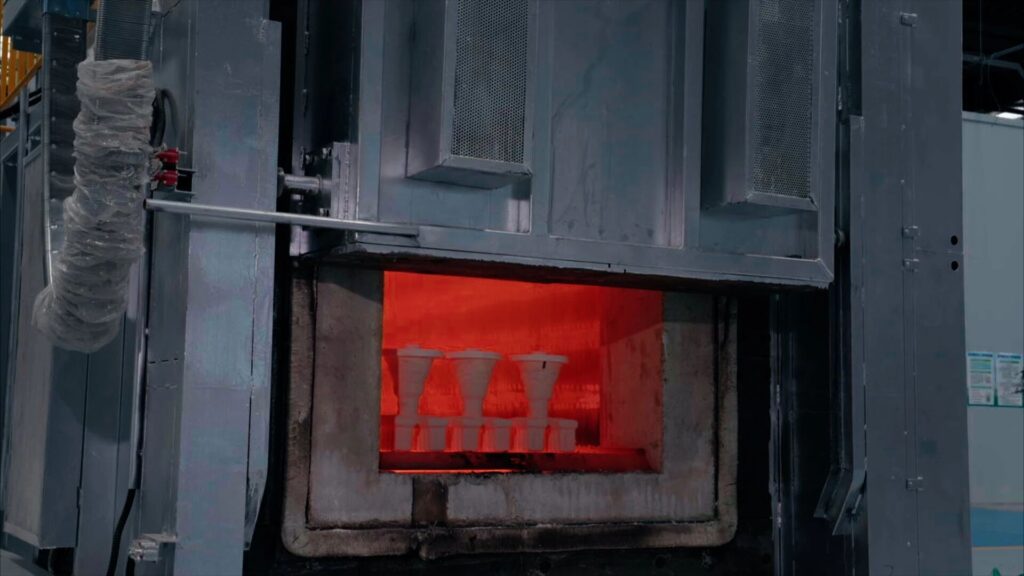
The VASTPE induction melting furnace delivers fast, clean melts for investment casting pouring — carbon steel, stainless steel and high alloys alike. Medium-frequency induction heating gives rapid, uniform melting with low burn-off, while the hydraulic tilting mechanism and PLC control make pouring precise and repeatable.
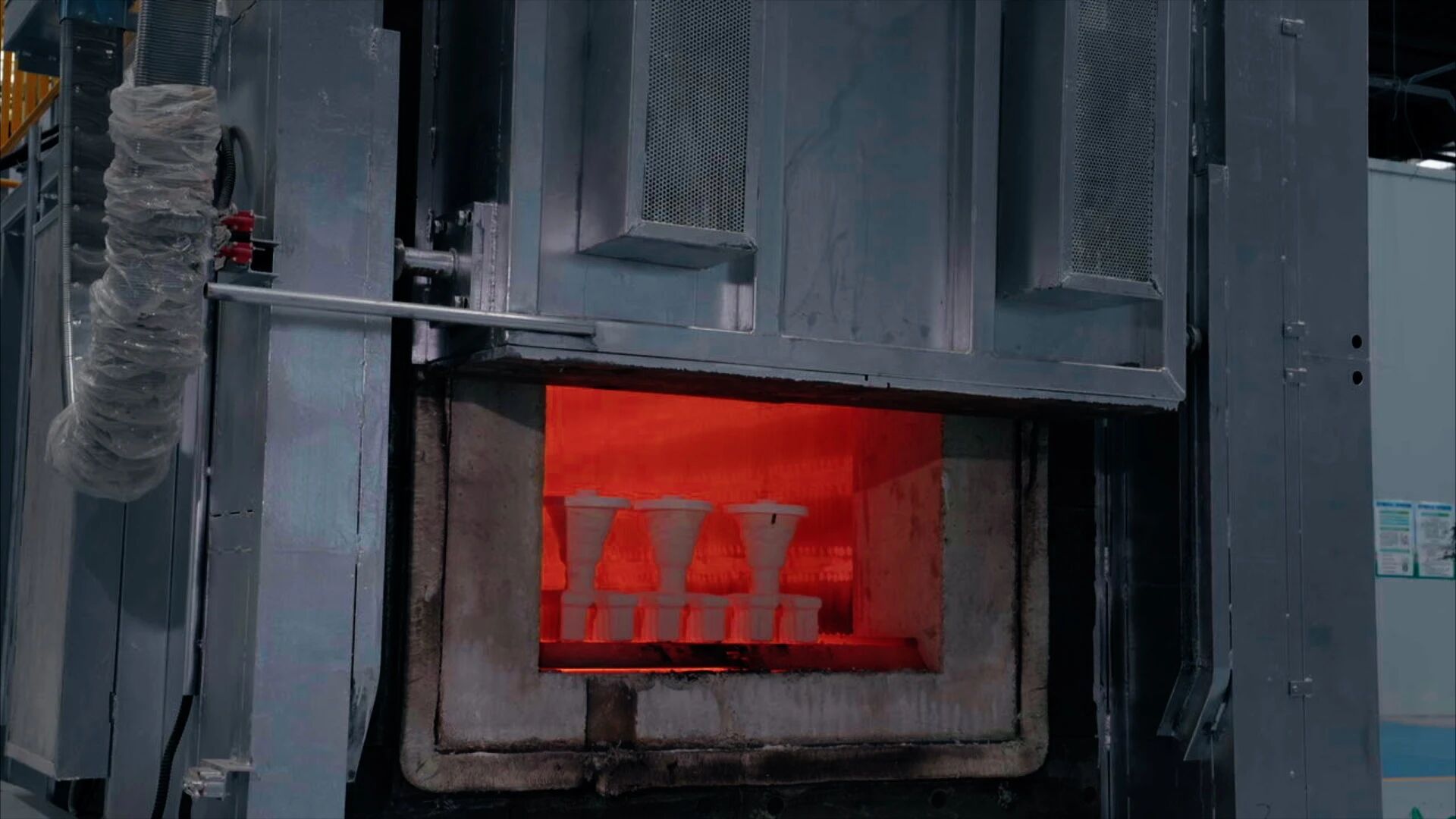
In high-precision investment casting foundries, synchronization between molten metal preparation and mold preheating inside the shell firing furnace determines overall metallurgical quality. The VASTPE induction melting furnace is engineered to deliver high thermal efficiency, precise metallurgical control, and reliable batch repeatability across diverse alloys.
Core Capabilities for Precision Foundries
- Optimized Thermal Efficiency: Advanced medium-frequency induction power delivers rapid melting cycles, uniform electromagnetic stirring, and minimal alloy burn-off across carbon steel, stainless steel, and high-temperature alloy grades.
- Synchronized Pouring Workflow: Engineered to match the cycle times of your shell firing furnace line, ensuring preheated ceramic shells receive clean liquid metal at the exact target temperature to prevent misruns and thermal shock.
- Smooth Hydraulic Tilting: Robust hydraulic cylinders ensure smooth, jerk-free tilting for steady stream pouring into fired shells, ladles, or automated transfer systems.
- Intelligent PLC Architecture: Integrated digital controls manage power regulation, monitor melting profiles, and record batch data for stringent casting quality assurance.
Key features
We design our melting systems to integrate directly with investment casting workflows, ensuring hot metal transfers seamlessly to molds preheated in your shell firing furnace. Here is what sets our equipment apart on the foundry floor.
| Feature Component | Core Function | Operational Benefit |
|---|---|---|
| Medium-Frequency Coil | Electromagnetic induction | Rapid melt rates with minimal oxidation loss |
| Hydraulic Cylinders | Dual-acting smooth tilt | Steady stream control directly into hot shells |
| Intelligent PLC | Real-time melt tracking | Standardized heats and automatic fault warnings |
| Closed-Loop Cooling | Dual-circuit water circulation | Extends coil life and protects power electronics |
Medium-frequency induction heating — fast melting, low alloy burn-off
We use optimized medium-frequency power supplies that quickly bring metal up to pouring temperature while minimizing oxidation. This rapid heating cycle cuts down scrap rates and preserves expensive alloying elements. When pairing our induction melting furnace for fast, precise alloy casting with an automated line, you get consistent batch chemistry every shift, perfectly synchronized with your shell firing furnace output.
Hydraulic tilting for smooth, controlled pouring
Pouring metal into delicate ceramic molds requires steady hand-offs. Our dual-cylinder hydraulic tilting system delivers smooth, jerk-free tilting angles. You can easily adjust the pouring speed to prevent splashing, mold erosion, or premature cooling before the metal fills the cavities.
PLC control with melting curve recording and alarms
We build industrial touchscreen PLC systems right into the workstation. Operators can track temperature ramps, store proven melting recipes, and log critical melt curves for quality auditing. Built-in diagnostic alarms monitor phase balance, water pressure, and heating limits to prevent downtime.
Closed-loop water cooling for coil and power supply protection
To safeguard critical electronics, we isolate cooling through a closed-loop system: Coil Protection: Keeps copper induction coils at stable operating temperatures under continuous duty. Electronics Safeguard: High-grade heat exchangers prevent scale accumulation inside IGBT modules and power cabinets. Water Conservation: Recirculating loops cut daily plant utility costs significantly.
Refractory crucible options for steel / stainless / superalloy
Different chemistries demand different lining materials. We supply neutral, basic, and acidic crucibles tailored to your exact metallurgy, whether you are running standard carbon grades, following our casting stainless steel guide, or pouring heat-resistant superalloys.
Emergency tilt-back and power-failure safeguards
Plant safety is engineered into every frame. In the event of a sudden power outage or utility failure, an integrated manual or battery-backed hydraulic accumulator allows operators to safely return the furnace to the upright position, containing liquid metal securely until power is restored.
FAQ
1. Which alloys can it melt? — Carbon steel, stainless steel, low-alloy and high-temperature alloys; crucible lining matched to your alloy.
We configure our melting systems to handle a complete range of ferrous and non-ferrous foundry metals. Whether you are running commercial carbon steels, specialized cast stainless steel custom casting alloys and grades, or heat-resistant grades like 310 SS stainless steel high temperature alloy, we match the refractory lining directly to your metallurgical requirements. This guarantees clean melts with minimal burn-off before pouring directly into preheated molds transferred from your shell firing furnace.
| Alloy Category | Common Grades Handled | Recommended Crucible Lining |
|---|---|---|
| Carbon & Low-Alloy Steels | WCB, 4140, 8620 | Neutral / Silica / Magnesite |
| Stainless Steels | 304, 316, 17-4 PH | Magnesite-spinel or Alumina |
| High-Temp & Superalloys | 310 SS, Inconel series | High-purity Alumina / Zirconia |
2. What utilities are needed? — Power supply 380V plus closed-loop cooling water.
Installation requires two primary factory connections:
- Electric Power: Standard industrial 380V, 3-phase, 50/60 Hz supply (custom voltage configurations available to match your regional grid).
- Cooling System: A dedicated closed-loop water cooling circuit equipped with pressure and temperature monitoring to protect the induction coil and power supply units.
3. Can it be integrated with pouring lines? — Yes, tilting parameters and pouring signals can interface with your line PLC.
Our units feature open PLC architecture designed to communicate seamlessly with automated investment casting foundries. Hydraulic tilting speeds, pour angles, and interlock signals link directly to your central control panel or pouring robot. This synchronization ensures that hot molds exiting the shell firing furnace are filled promptly and precisely at target pouring temperatures without cycle delays.
 English
 Russian
 German