
2026年10月27日
Learn the investment casting process steps from wax pattern creation and ceramic shell building to metal pouring finishing and quality inspection
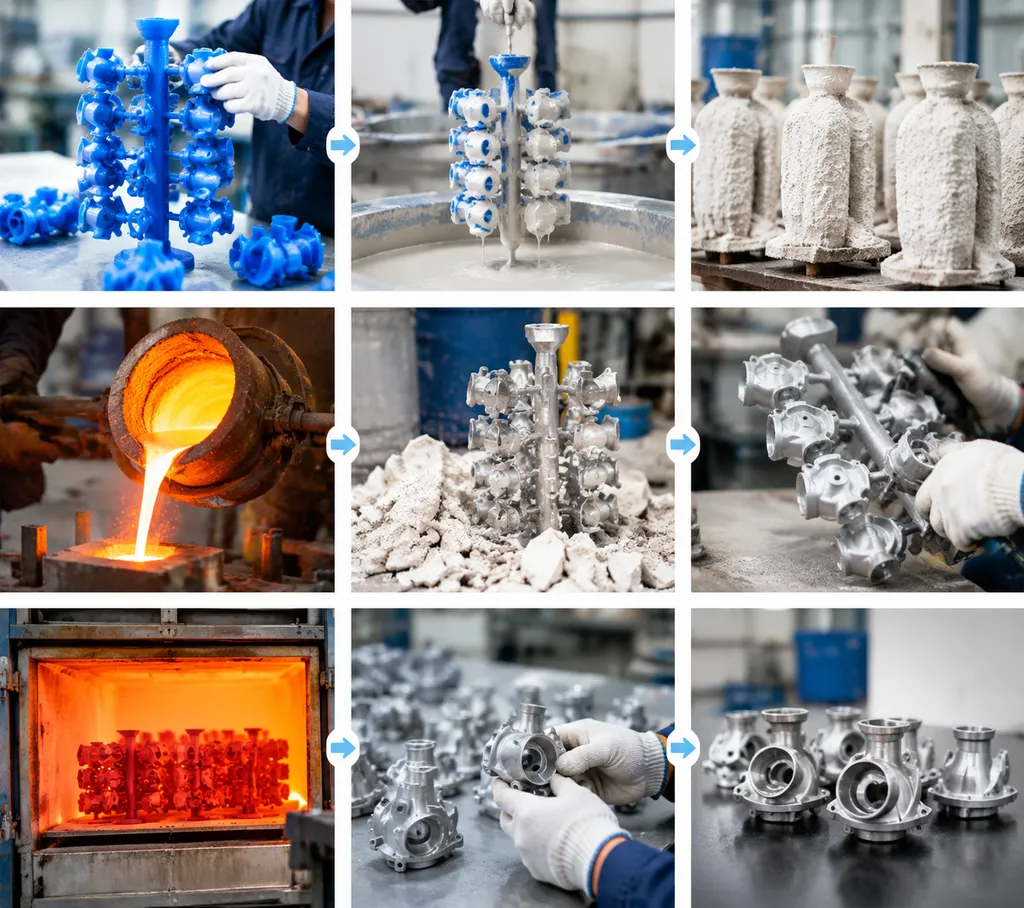
How Does the Investment Casting Process Work?
At Vast Precision Engineering, we specialize in delivering high-quality metal components through the precise investment casting process steps. Often referred to as "lost-wax" casting, this method is the gold standard for creating intricate, high-precision parts that require exceptional surface finish and dimensional accuracy.
Understanding the Lost-Wax Technique
The process begins with the creation of a wax pattern that mirrors the final part. By encapsulating this pattern in a ceramic shell and later melting the wax away, we create a hollow cavity that serves as a perfect mold for molten metal. This technique allows us to achieve complex geometries that are often impossible or too costly to produce through traditional machining alone.
Why Investment Casting is Preferred
We recommend investment casting for projects that demand: Design Complexity: Freedom to create thin walls, intricate channels, and elaborate internal features. Material Versatility: The ability to work with a wide range of alloys, including stainless steel, carbon steel, and specialized non-ferrous metals. Superior Finish: A significant reduction in the need for secondary machining, saving time and costs in your production cycle. Precision and Consistency: High-level repeatability, ensuring that every part meets our rigorous quality control standards from the first piece to the last.
Step 1: Creating the Pattern
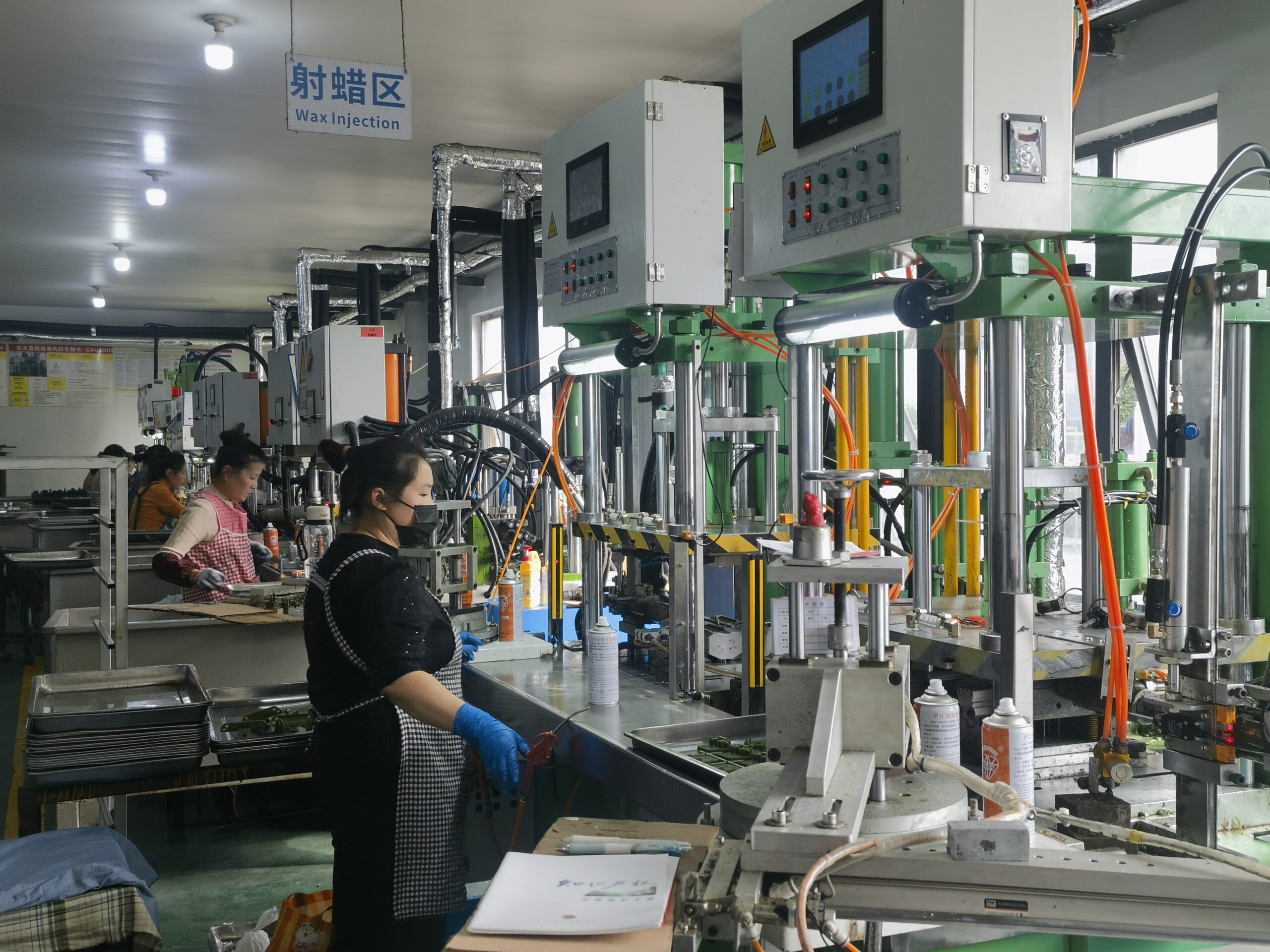
The investment casting process steps begin with the creation of an accurate wax model. We use high-precision metal dies to inject molten wax, ensuring every detail of the final part is captured. When dealing with intricate designs, understanding the wax casting method explained for precise metal casting is essential for maintaining dimensional integrity.
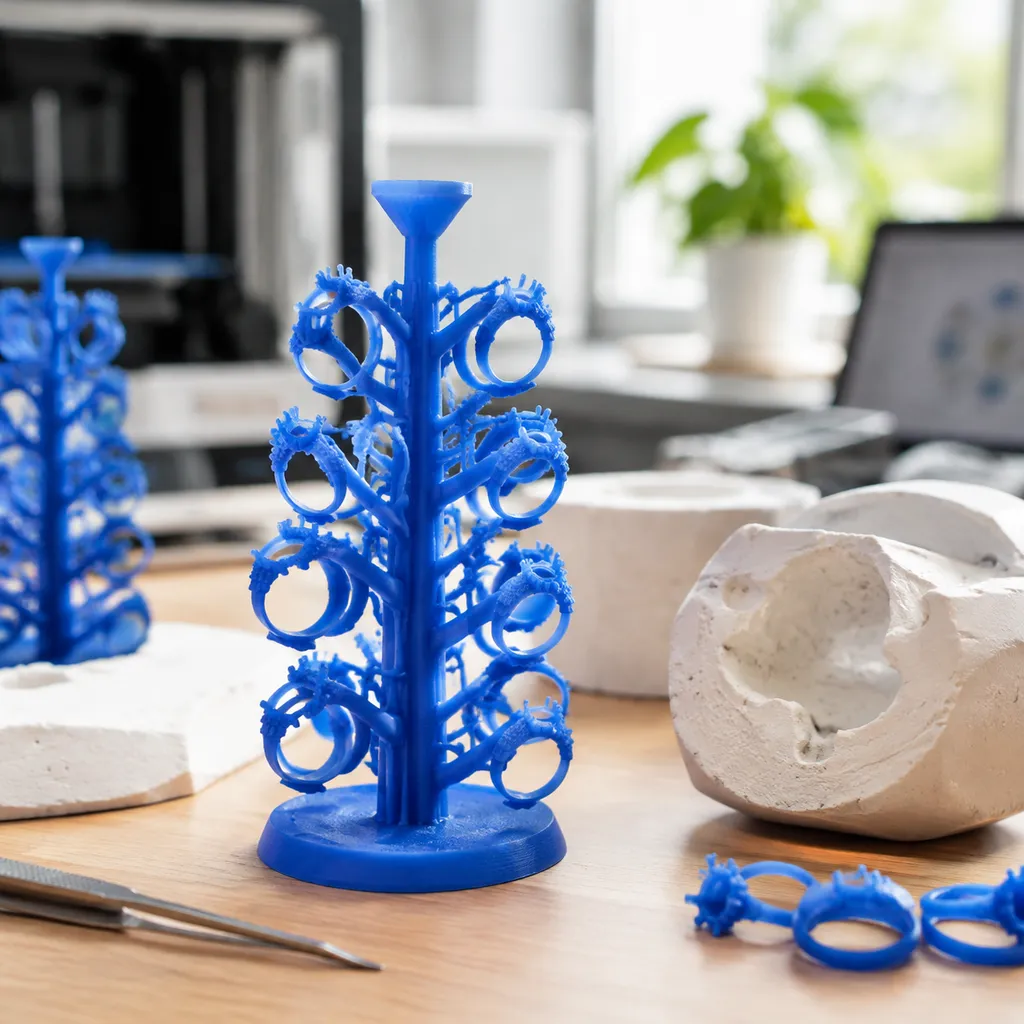
Once the individual wax patterns are cooled and inspected, we assemble them into a "tree" or sprue system. This arrangement allows us to cast multiple parts simultaneously, optimizing efficiency during the pouring phase. By carefully managing how these patterns are attached, we ensure consistent metal flow and structural uniformity throughout the production run.
Step 2: Building the Ceramic Shell
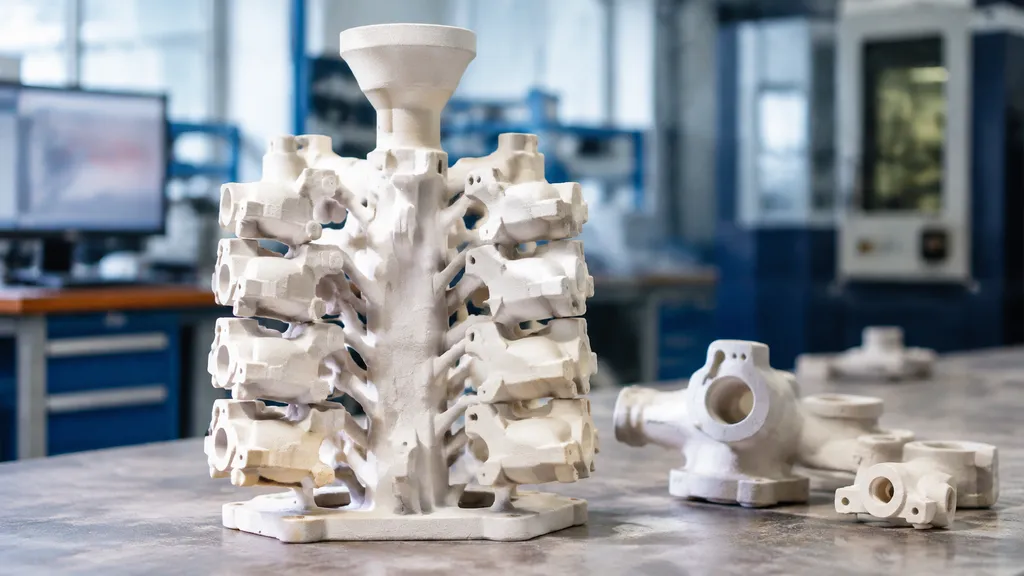
Once we have our wax assembly ready, we begin the construction of the mold. We achieve this through a specialized automated shell coating application to ensure consistency and precision.
- Primary Slurry Coat: We dip the wax tree into a fine ceramic slurry to capture the high-detail surface features of your design.
- Stucco Application: After the initial dip, we apply a layer of coarser ceramic sand, known as stucco, to reinforce the shell and provide structural integrity.
- Repeating the Process: We repeat this dipping and stuccoing cycle multiple times. Each layer increases the thickness of the ceramic shell, ensuring it can withstand the pressure and heat of the molten metal during the ceramic shell investment casting process.
Step 3: Dewaxing and Firing
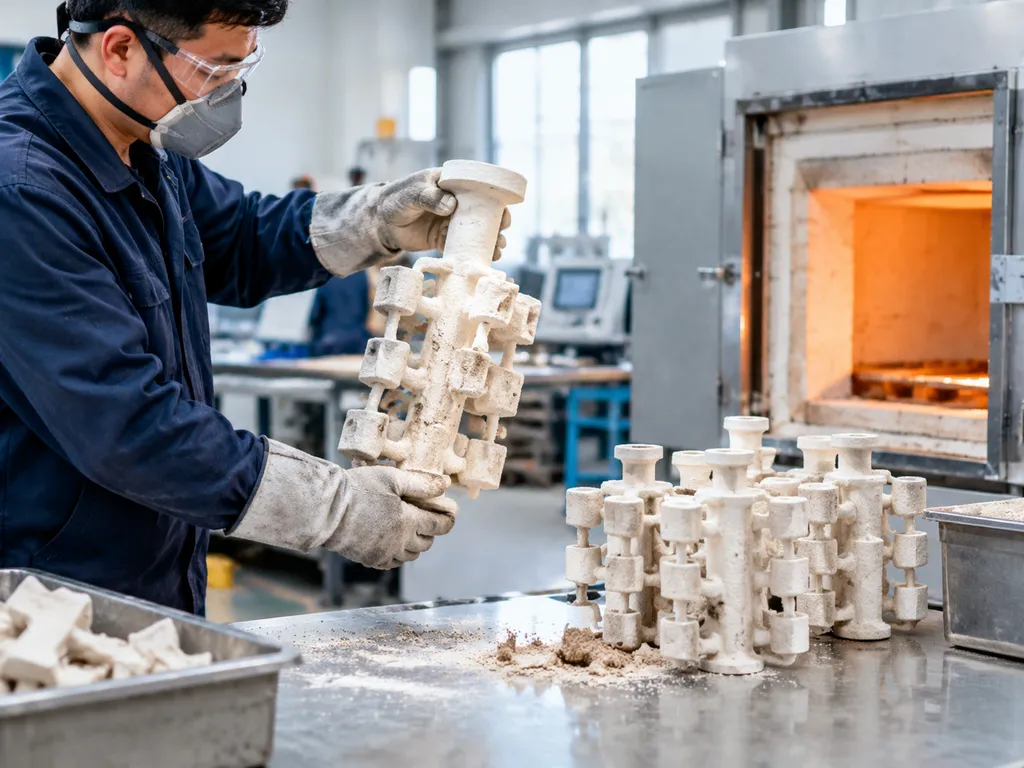
Once the ceramic shell is fully formed and hardened, the internal wax pattern must be removed to create the hollow cavity for the molten metal. This is a critical stage in the investment casting process steps that requires precision and heat management.
- Wax Removal: We utilize a dewaxing autoclave application to safely melt the wax out of the ceramic mold. This process ensures the shell remains intact while the wax is recovered for potential reuse.
- Shell Firing (Sintering): After the wax is cleared, the ceramic shell is placed in a high-temperature kiln. This firing process, known as sintering, hardens the ceramic material and removes any residual wax or impurities.
- Preparation for Casting: By firing the mold, we ensure it has the structural integrity to withstand the thermal shock of the upcoming metal pour , resulting in the high-precision finish our clients expect.
Step 4: Pouring the Molten Metal
Once the ceramic shell is prepared, the actual molten metal pouring begins. We prioritize precision at every stage to ensure the metal fills every detail of the complex mold.
- Mold Preheating: Before we introduce any liquid metal, we heat the ceramic shell in a furnace. This crucial step prevents thermal shock, which could crack the shell, and ensures the molten alloy flows smoothly into thin or intricate sections.
- Pouring Techniques: Depending on the material requirements and part geometry, we utilize specific vacuum investment casting methods. This approach removes air from the mold cavity, allowing the metal to fill complex designs that gravity pouring alone might struggle to reach.
- Consistency: By controlling the temperature and the speed of the pour, we minimize porosity and ensure the structural integrity of your high-precision metal parts.
Step 5: Knockout and Finishing
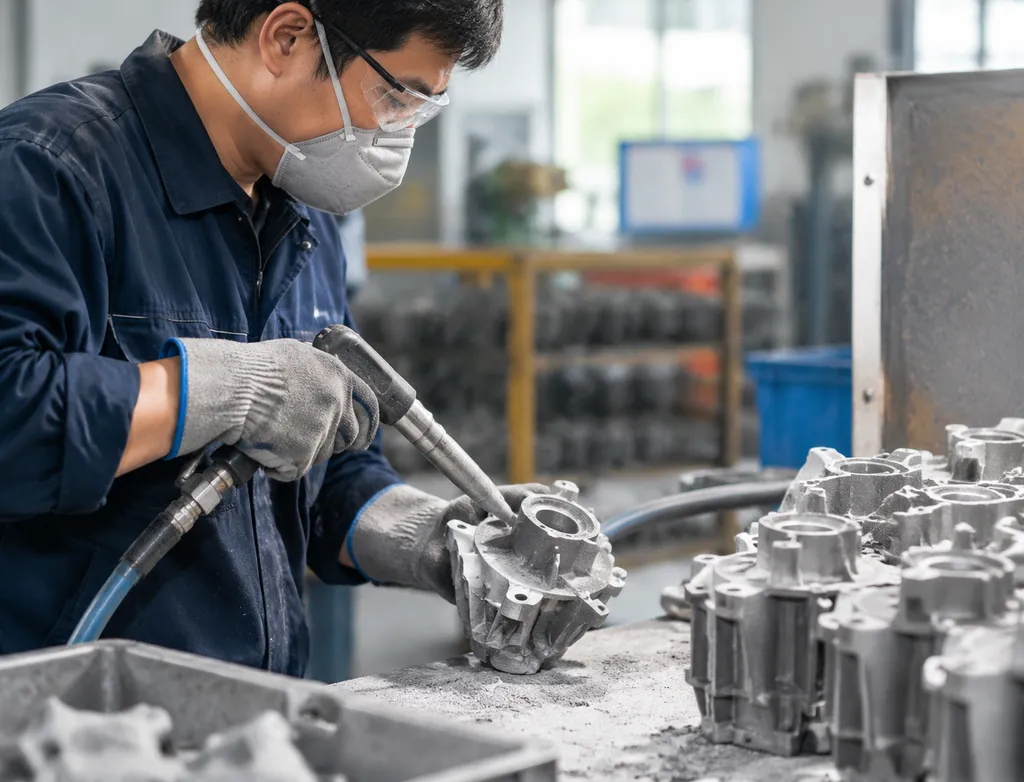
Once the metal has cooled and solidified within the mold, the final phase of the investment casting process steps involves removing the ceramic shell. We typically use mechanical vibration or high-pressure water jets to break away the ceramic material, revealing the cast metal components. After the shell is removed, the individual parts are carefully cut from the wax tree assembly.
To achieve the exact specifications required for high-precision components, we perform secondary operations including: Gate removal: Cutting away the entry points where the metal entered the mold. Grinding: Smoothing down any remaining protrusions to ensure a flush surface. Surface finishing: Polishing or machining to meet the final dimensional requirements.
We maintain a rigorous focus on investment and precision casting services for metal parts to ensure that every finished piece meets your exact design needs. By integrating these finishing stages with strict quality control, we ensure that your components are ready for immediate use in their intended application.
Quality Control and Inspection
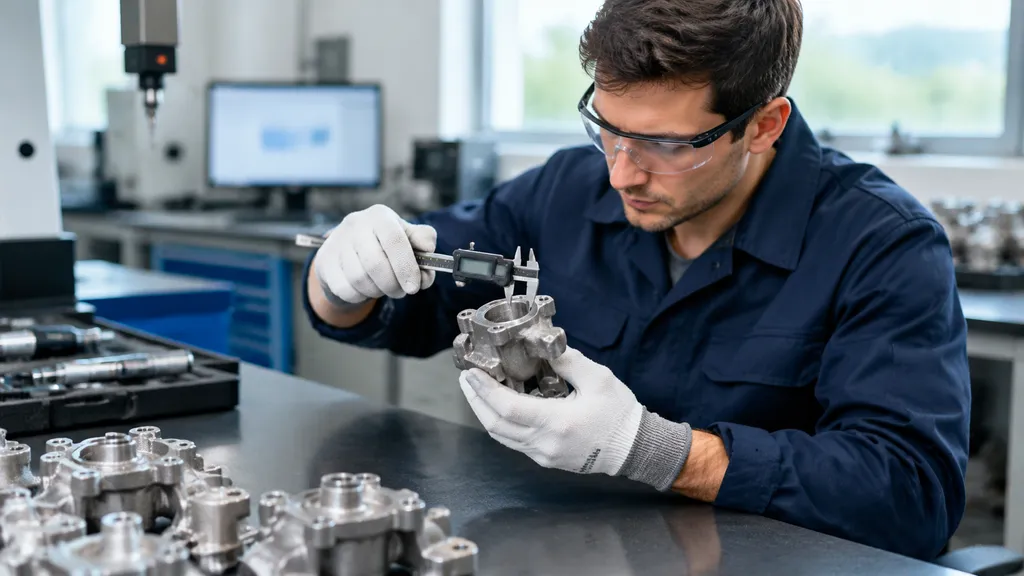
At Vast Precision Engineering, we recognize that consistency is the cornerstone of successful manufacturing. Because the investment casting process steps must be executed with extreme precision, we implement rigorous inspection protocols to ensure every part meets your specific project requirements.
- Dimensional Accuracy Checks: We verify that every component aligns with your design specifications, ensuring the integrity of the part from the first sample to full-scale production.
- Non-Destructive Testing (NDT): We utilize advanced inspection techniques to detect internal flaws or surface inconsistencies without compromising the finished product.
- Quality Commitment: By integrating systematic quality control directly into our workflow, we provide a reliable precision casting solution with silica sol process and ISO 8062 accuracy that guarantees industrial-grade performance.
Our focus is to ensure that every casting delivers the high-precision results required for your most demanding applications, minimizing the need for secondary machining and ensuring total supply chain reliability.
Frequently Asked Questions About Investment Casting
If you are evaluating manufacturing options, understanding the nuances of the investment casting process is essential for high-precision projects. Below are answers to common questions regarding the capabilities and timelines of this metal casting process.
Comparison and Capabilities
| Feature | Details |
|---|---|
| Sand vs. Investment | Investment casting offers superior surface finishes and tighter tolerances compared to sand casting, as detailed in our guide on sand casting vs. investment casting key differences. |
| Material Versatility | We work with a wide range of ferrous and non-ferrous alloys, including stainless steel, carbon steel, and specialized aluminum alloys. |
| Surface Quality | Investment casting produces a smooth, "near-net-shape" finish, significantly reducing the need for secondary CNC machining. |
| Production Timeline | Lead times for mold creation vary based on complexity, but we optimize our supply chain to ensure efficient project turnover. |
Understanding the Process Efficiency
- Sand Casting vs. Investment Casting: Choosing between methods often comes down to part geometry and volume requirements. We help clients evaluate the advantage of investment casting over green sand casting to ensure the best fit for their specific engineering needs.
- Material Selection: Whether your design requires high-strength steel or lightweight alloys, investment casting accommodates complex specifications that other methods may struggle to achieve.
- Surface Finish: The use of ceramic shells allows for intricate details and a high-quality surface finish, making it the preferred choice for parts that require minimal post-processing.
- Production Speed: While the creation of the initial wax pattern and ceramic mold takes time, this process is highly efficient for complex geometries that would be impossible to machine from a solid block of metal.
 English
 Russian
 German