
2026年10月25日
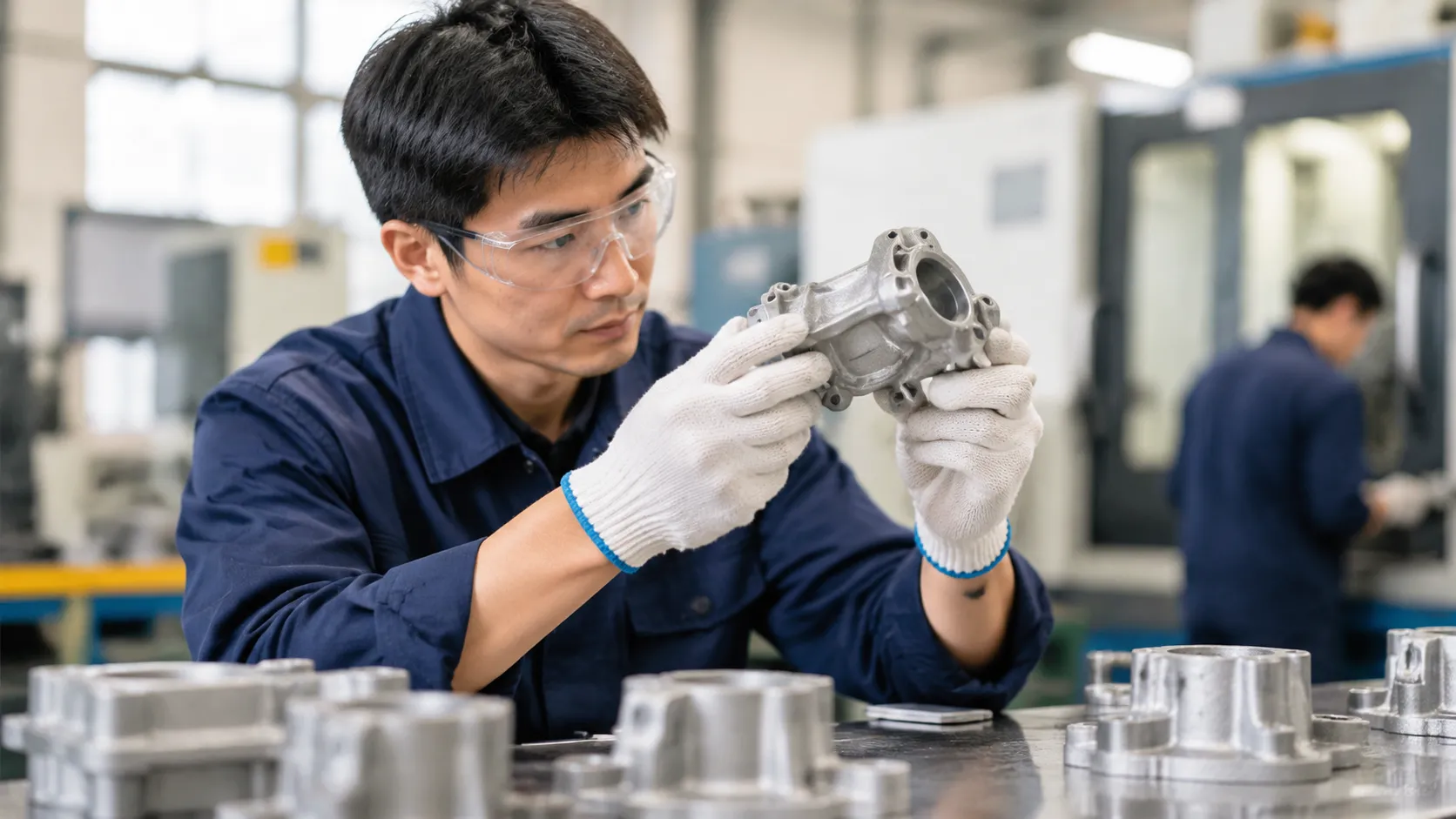
Heat treatment furnace for investment castings with plus or minus 5 C uniformity PLC control annealing quenching tempering and stress relief
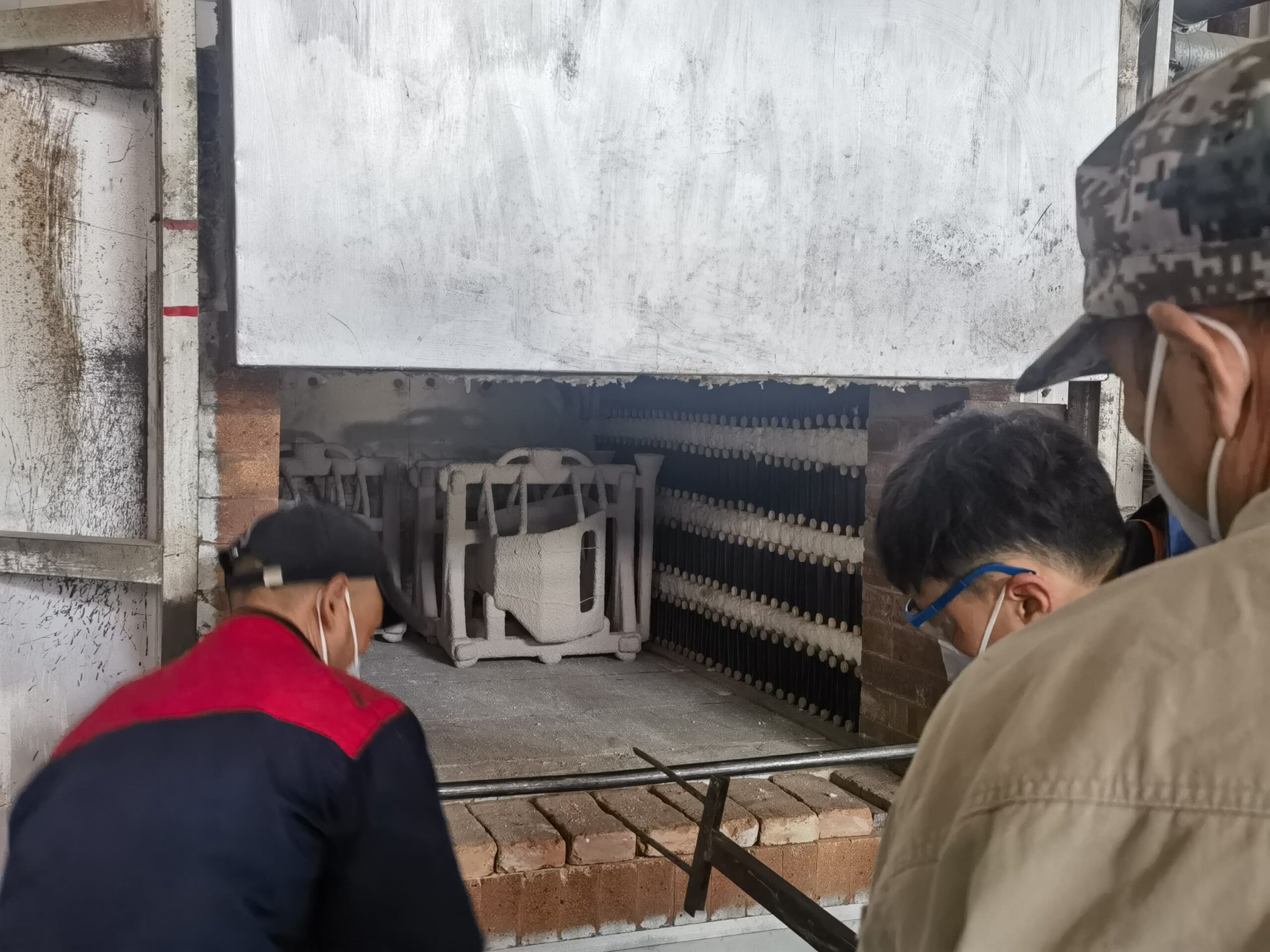
Heat Treatment Furnace
Precision thermal processing defines the final mechanical properties of critical components. Our industrial heat treatment furnace solutions deliver exact metallurgical transformations, optimizing tensile strength, ductileness, and wear resistance across a broad spectrum of engineered metals. Designed for modern high-demand foundries and machine shops, these systems maximize thermal efficiency while ensuring repeatability across every single batch.
Heat Treatment Furnaces for Investment Castings
Investment casting demands tight control over complex geometries and thin-walled cross-sections. Our specialized casting furnaces prevent structural distortion while eliminating residual stresses:
- Uniform Heating: Minimizes thermal shock in fragile, intricate casting profiles.
- Precision Metallurgy: Accurately targets grain refinement, secondary phase dissolution, and surface integrity.
- Zero Thermal Lag: Optimized interior airflow ensures rapid, consistent heat distribution across tightly packed casting trays.
- Versatile Load Cycles: Handles small-batch aerospace components or high-volume industrial valves with equal consistency.
VASTPE Heat Treatment Furnaces for Steel and Alloy Castings
Built to withstand heavy foundry environments, VASTPE systems provide high-capacity thermal processing for carbon steel, stainless steel, and specialized alloy castings.
| Parameter | Capability / Standard |
|---|---|
| Furnace Type | Bogie hearth, pit type, or box-type batch configurations |
| Max Operating Temp | Up to 1250°C (2282°F) |
| Material Processing | Low-alloy steel, duplex stainless, nickel-base alloys, high-Cr iron |
| Primary Operations | Homogenization, annealing, normalizing, stress relieving |
| Combustion / Heating | High-efficiency electric resistance or low-NOx direct/indirect gas firing |
VASTPE industrial furnaces incorporate multi-layered ceramic fiber insulation for superior thermal retention, dramatically reducing kilowatt consumption per metric ton. Engineered for rugged performance, these units eliminate downtime and deliver repeatable metallurgical quality for the most challenging casting applications worldwide.
Key Features
Temperature Uniformity ±5°C Across Working Zone
Consistent thermal distribution prevents distortion and localized stress in critical components. Our industrial heat treatment furnace with ±5°C uniformity relies on high-velocity circulation fans and optimized heating element placement. This tight thermal envelope ensures every casting meets strict mechanical property standards from edge to core.
Multi-Zone PID Control with Programmable Heat Treatment Recipes
We equip our systems with multi-zone digital PID controllers managed via an intuitive touchscreen interface: Custom Recipe Storage: Store up to 100 dedicated heating, soaking, and cooling ramp cycles. Independent Zone Regulation: Real-time power trimming compensates for heat loss near doors and hearth edges. Automated Execution: One-touch operation runs complex multi-step thermal profiles without manual intervention.
Processes: Annealing, Normalizing, Quenching, Tempering, Stress Relief, Solution Treatment
A single system adapts to diverse metallurgical requirements across alloy grades:
| Process | Typical Target | Key Benefit |
|---|---|---|
| Annealing | Full softening & grain refinement | Improves machinability and ductility |
| Normalizing | Homogenized microstructure | Relieves casting segregation and sets uniform grain size |
| Quenching & Tempering | Hardening followed by reheat | Delivers targeted tensile strength and toughness |
| Stress Relief | Low-temperature soak | Eliminates residual stresses without altering hardness |
| Solution Treatment | Dissolution of secondary phases | Restores corrosion resistance in stainless and nickel alloys |
Optional Quench Tank / Forced Cooling Integration
To handle rapid microstructure transformation, we offer automated quench systems directly paired with the furnace hearth: Pneumatic / Hydraulic Elevators: Transfer heavy batches into the quench medium in under 10 seconds. Media Flexibility: Compatible with agitated water, polymer, or oil tanks with integrated heat exchangers. Forced Air Cooling: High-output directional blowers provide controlled cooling gradients for normalizing cycles.
Protective Atmosphere Option (Nitrogen / Endothermic Gas)
Surface integrity is vital for near-net-shape investment castings. We design sealed furnace chambers with gas-purging manifolds: Inert Gas Purging: Nitrogen (N₂) blankets prevent surface oxidation and scale formation. Endothermic / Reducing Atmospheres: Controls carbon potential to eliminate surface decarburization on high-carbon and alloy steels. Automated Burn-off Systems: Integrated safety exhausts safely manage combustible process gases.
Over-Temperature Protection and Alarm Logging
To safeguard parts and furnace hardware, every unit includes independent dual-thermocouple safety circuits. An isolated high-limit controller automatically cuts heating element power if temperatures exceed threshold limits. Digital logging records all alarms, cycle deviations, and thermal data for comprehensive batch traceability and quality compliance.
Frequently Asked Questions
Which heat treatment processes are supported?
We build our heat treatment furnace systems to support all standard thermal cycles in modern metallurgical workflows. Configurable recipes allow full automation across primary cycles:
- Annealing & Normalizing: Refines coarse grain structures, softens work-hardened matrixes, and relieves structural stress.
- Quenching & Tempering: Pairs automated soak cycles with integrated fluid agitation to lock in target hardness and yield strength for grades like 416 stainless steel investment castings.
- Solution Annealing: Delivers rapid high-temperature soaking to dissolve carbides and restore maximum corrosion resistance in demanding grades, including 310 SS stainless steel high temperature alloy parts.
- Stress Relieving: Low-temperature stabilization cycles prevent post-machining dimensional drift without altering base mechanical properties.
How is temperature uniformity guaranteed?
We maintain working zone uniformity of ±5°C through a combination of thermal design and closed-loop process monitoring:
- Multi-Zone Heating Elements: Independent heating zones compensate dynamically for natural chamber heat loss near doors and hearth edges.
- Forced Atmosphere Circulation: High-temperature convection fans eliminate stagnant cold spots, ensuring convective heat transfer reaches recessed casting pockets.
- Standardized Calibration: Every unit is verified using multi-point temperature uniformity surveys (TUS) aligned with international standards such as AMS 2750 and CQI-9.
Can it handle large castings?
Yes. We build high-capacity car-bottom (bogie hearth) and drop-bottom configurations designed specifically for high-mass and irregular components:
- Heavy-Duty Hearth Loading: Reinforced hearth foundations and high-density refractory piers accommodate single workpieces or dense baskets weighing several tons.
- Overhead Crane Compatibility: Bogie cars roll completely clear of the furnace envelope, enabling unimpeded vertical loading via plant crane systems.
- Custom Chamber Volumes: Hearth length, door clearance, and burner or element spacing are engineered around your maximum part footprint to eliminate thermal shadowing.
 English
 Russian
 German