
2026年8月22日
Aluminum alloy casting services for die sand and investment casting with precision alloys fast turnaround and turnkey manufacturing
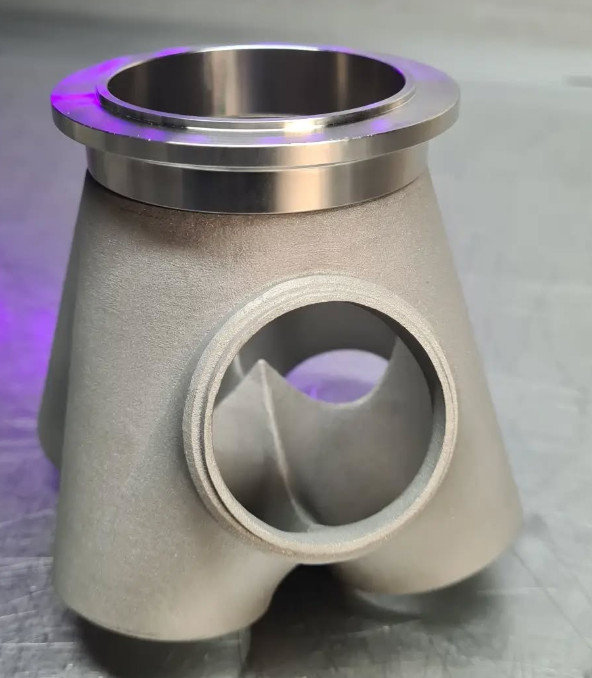
Aluminum Alloy Casting Equipment & Automation Systems
Eliminating dimensional variance and porosity in high-volume aluminum alloy casting demands absolute process control from pattern replication to shell knock-out. We engineer turnkey foundry automation systems that maximize casting yield, enforce lot traceability, and minimize manual labor dependencies across your facility floor.
Automated Wax Injection Machines
- Shrinkage Control: Closed-loop temperature and hydraulic pressure controls eliminate pattern distortion on complex thin-walled geometries.
- Rapid Cycle Times: Engineered injection profiles speed up pattern dwell times without compromising surface finish or microstructural integrity.
Automated Shell Coating & Marking Systems
- Robotic Multi-Axis Motion: Ensures uniform slurry dipping and stucco application to maintain consistent slurry permeability and shell strength.
- Full Lot Traceability: Integrated shell marking technology automatically codes each ceramic mold for end-to-end quality tracking across high-volume runs.
High-Pressure Dewaxing Autoclaves
- Thermal Shock Protection: Fast pressurization cycles prevent shell cracking caused by wax thermal expansion, delivering a residue-free mold cavity.
- Energy Efficiency: Smart steam containment and automated safety interlocks drastically lower utility costs while protecting plant operators.
Foundry Robotic Automation Systems
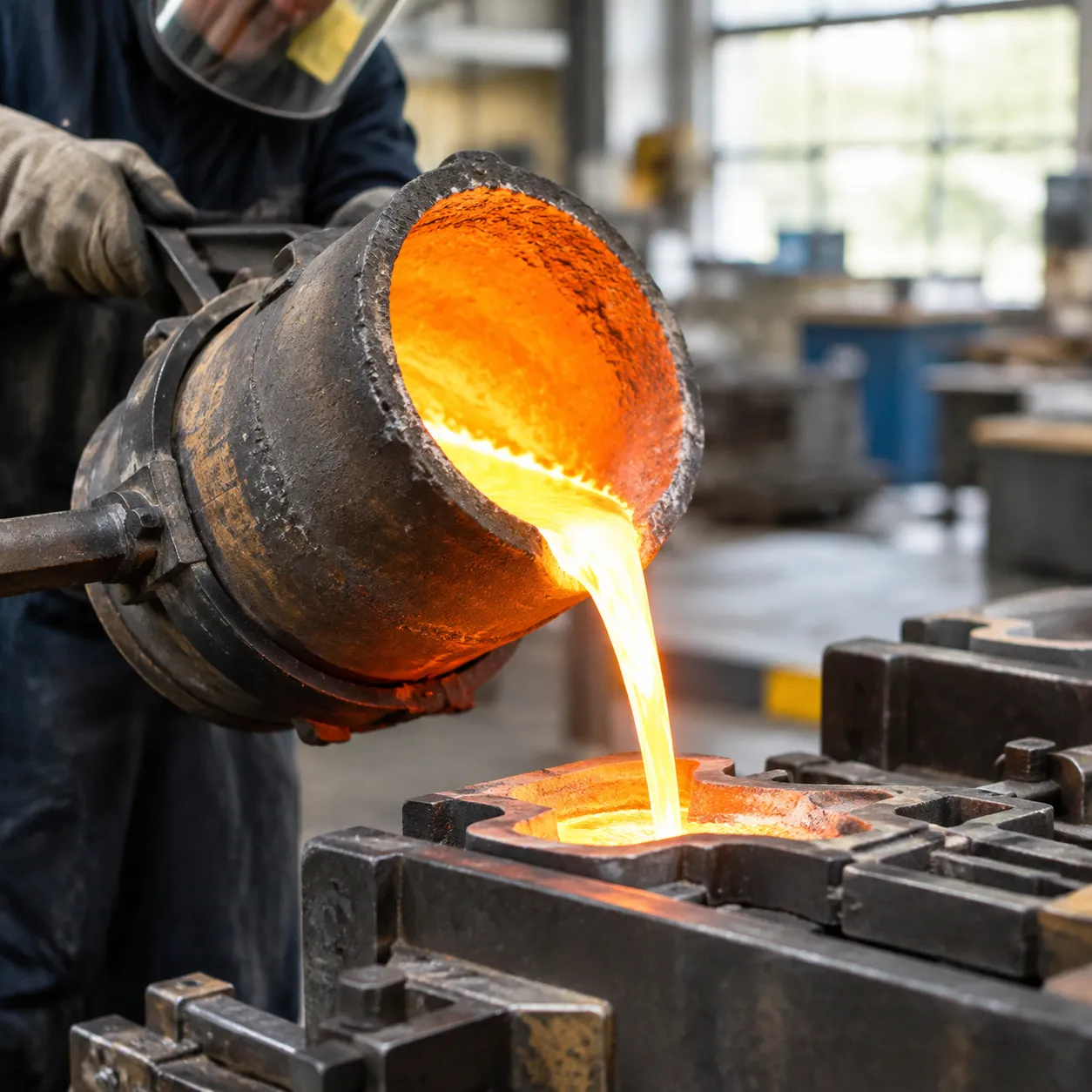
- Heavy Shell Handling: Full-line robotic integrators automate mold transport, pouring, and mechanical knock-out operations.
- Process Consistency: Removes human exposure to extreme hazards while standardizing cycle speeds and pour rates.
Technical Superiority & Smart Manufacturing
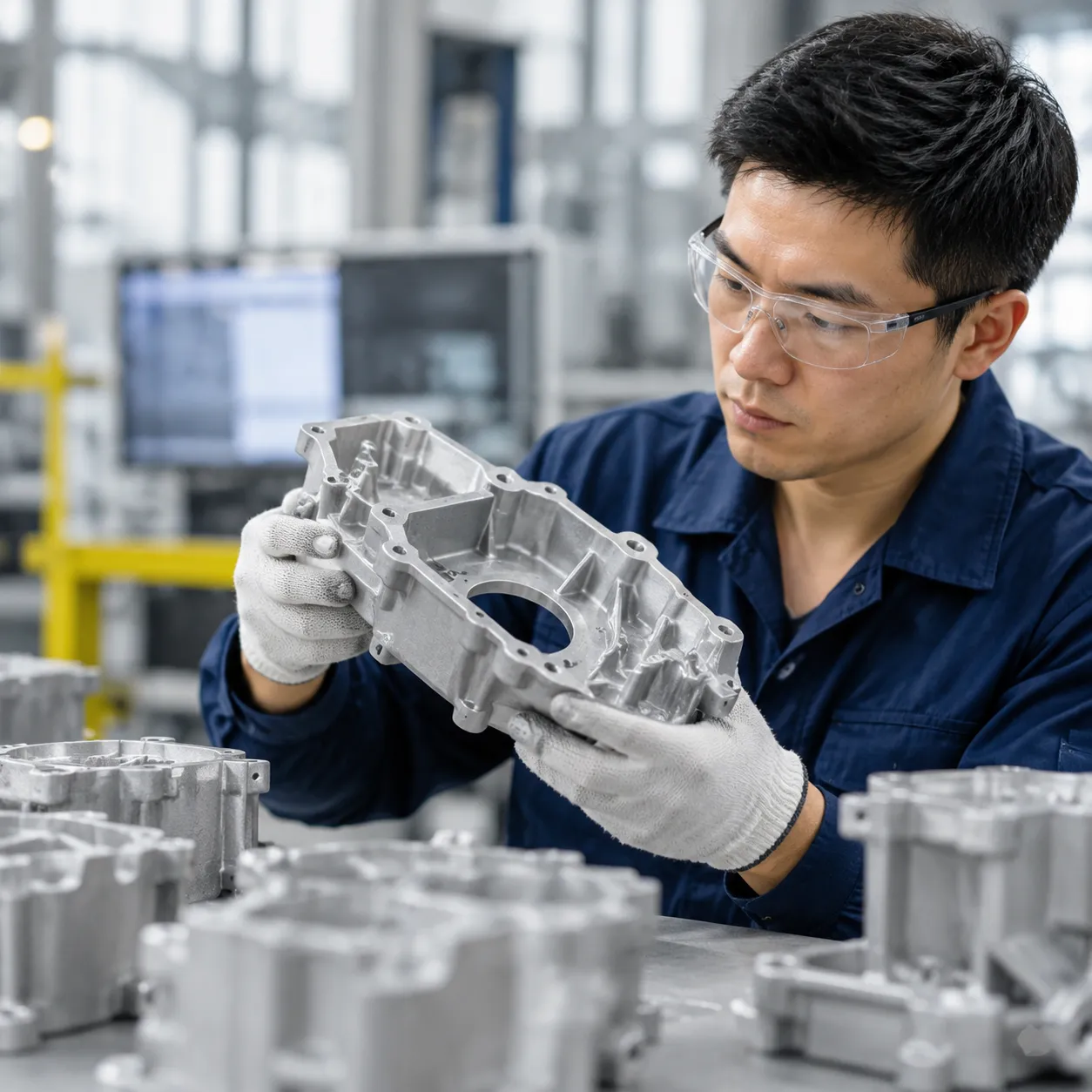
We design our aluminum alloy casting production systems to eliminate casting defects and maximize yield through tight mechanical tolerances and real-time digital monitoring.
Core Engineering Capabilities
| Technical Pillar | System Feature | Operational Impact |
|---|---|---|
| Micron-Level Precision | Machined assembly built to a ≤ 5μm tolerance margin | Eliminates operational vibration and drastically reduces tool wear |
| Industrial IoT Platform | Embedded sensors with real-time telemetry | Enables remote monitoring, automatic fault alerts, and predictive maintenance |
| Modular Engineering | Tailored line architecture and customized layouts | Fits specific plant footprints, mold dimension limits, and cycle targets |
Smart Foundry Integration
- Unmatched Dimensional Control: We assemble core structural components using advanced precision machinery and CNC machining to maintain strict mechanical alignment and extend equipment lifespan during heavy production runs.
- Predictive Plant Telemetry: Integrated sensor networks stream critical performance metrics directly to your management software, detecting minor operational variations before they cause unexpected downtime.
- Custom Line Configurations: Our modular equipment builds scale around your specific foundry floor constraints, mold envelope sizes, and target throughput rates without requiring full system redesigns.
Turnkey "One-Stop" Aluminum Alloy Casting Solutions
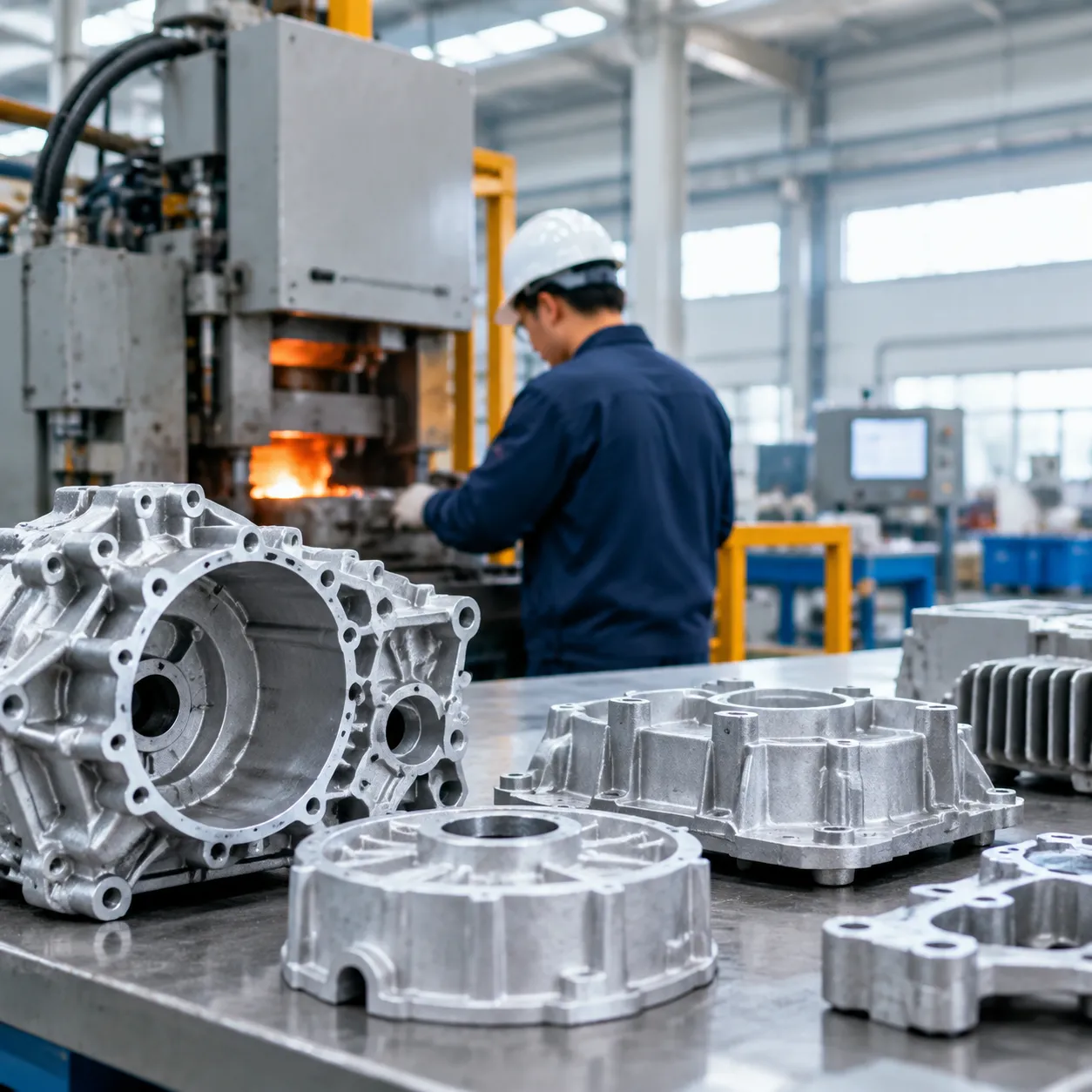
We deliver complete, turnkey aluminum alloy casting production lines built around your specific cycle targets and floor space. From preliminary plant layout design to long-term lifecycle support, our engineering team handles every stage to optimize foundry workflow, minimize scrap rates, and secure commercial ROI.
| Phase | Core Objective | Key Deliverables |
|---|---|---|
| Phase 1: Pre-Production Planning | Engineering & Layout | Facility layout design, feasibility research, DFM analysis, and validation with precise cast prototypes |
| Phase 2: Tooling & Deployment | Hardware & Integration | Custom pattern tooling, machinery fabrication, raw material supply, and line synchronization |
| Phase 3: Lifecycle Support | Uptime & Optimization | On-site installation, operator training, 24/7 technical hotline access, and rapid spare parts supply |
- Optimized Plant Layouts: Custom flow planning minimizes transport delays between cell stations and increases overall production throughput.
- Synchronized Systems: Automated machinery and automation controls are pre-tested to guarantee flawless hardware communication upon installation.
- Long-Term Operational Security: Dedicated technical support and quick spare parts dispatch eliminate long downtime risks and protect your yield consistency.
Aluminum Alloy Casting Compatibility & Applications
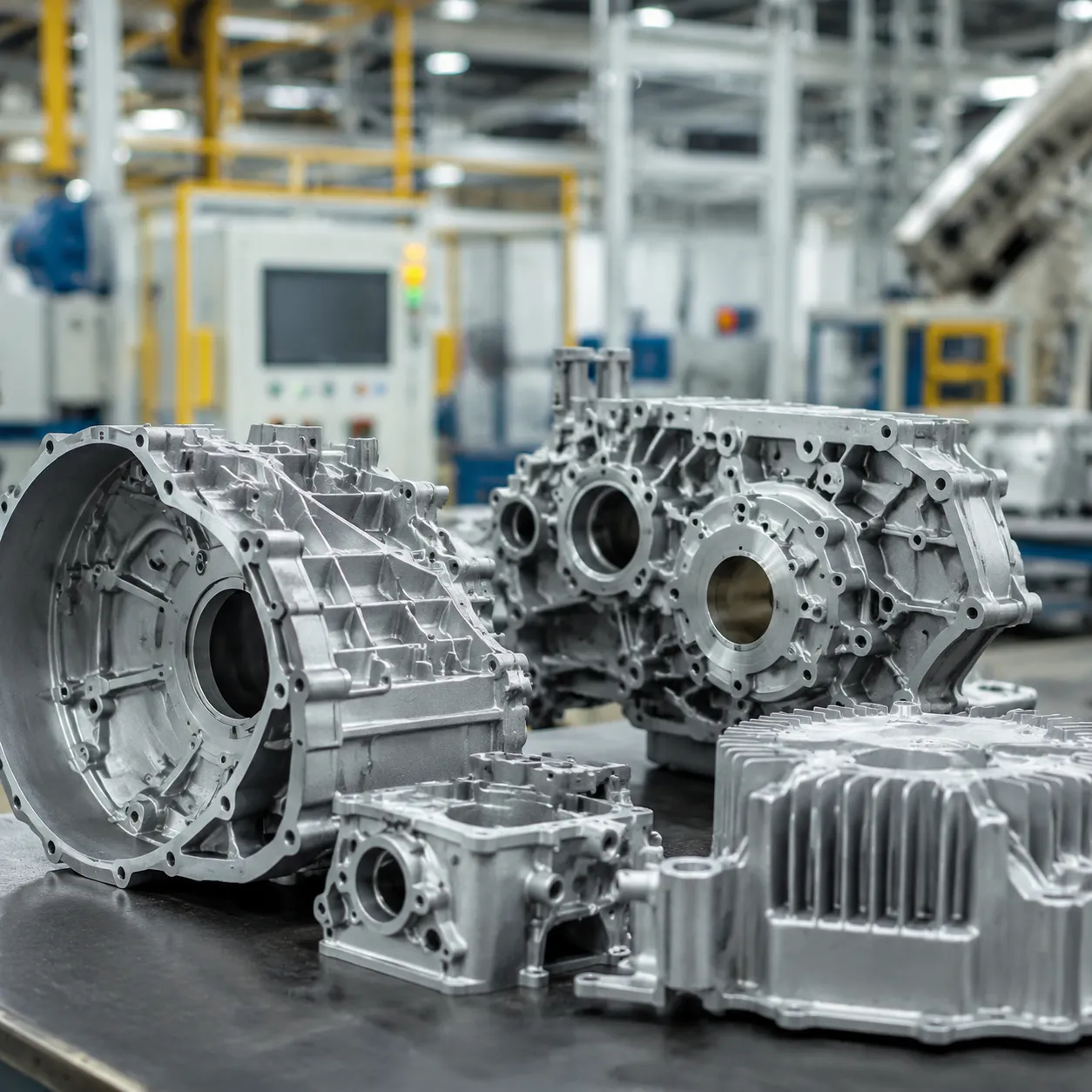
We engineer our casting lines to process a broad range of cast aluminum alloy grades, ensuring defect-free microstructure integrity and high mechanical strength across critical industries.
Supported Aluminum Casting Alloy Grades
- A356 Aluminum Alloy: High-strength structural grade offering exceptional fluidity, pressure tightness, and corrosion resistance—often selected alongside high-performance aluminum grade 357 for load-bearing components.
- A380 Aluminum Alloy: Provides an optimal balance of material fluidity, hot-tearing resistance, and dimensional stability for complex geometries.
- A360 Grade: Delivers superior pressure tightness and higher corrosion resistance for intricate, thin-walled parts.
- 319 Alloy: Excellent castability and machinability ideal for structural housings and engine components.
- 535 Grade: Offers maximum shock resistance, high ductility, and excellent dimensional stability without requiring heat treatment.
Industry Applications
- Aerospace: Thin-walled structural brackets and heat exchanger housings requiring high strength-to-weight ratios.
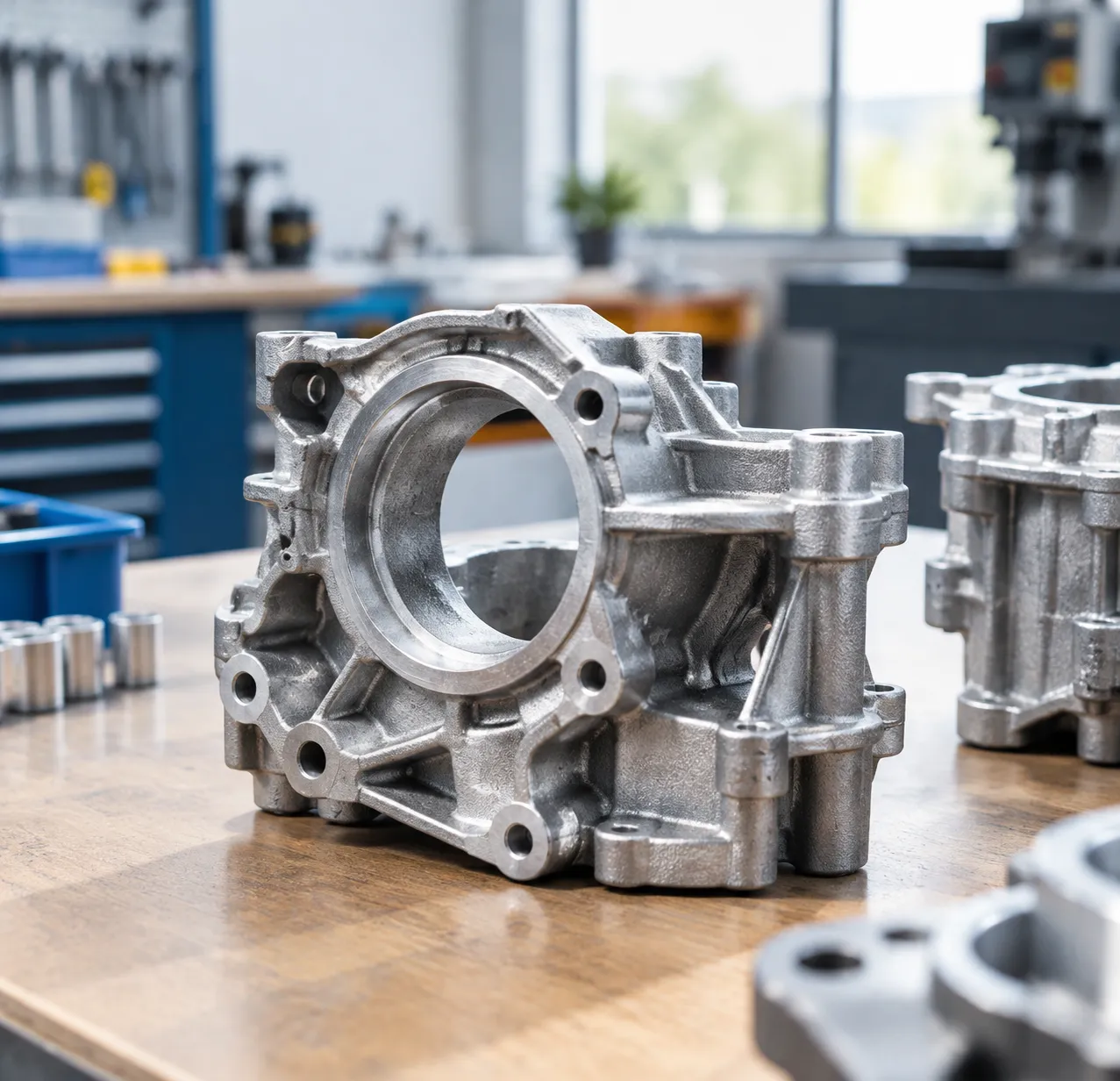
- Automotive: EV motor housings, transmission cases, and lightweight suspension components built for durability.
- Medical: Precision structural frames and imaging equipment components held to tight operational tolerances.
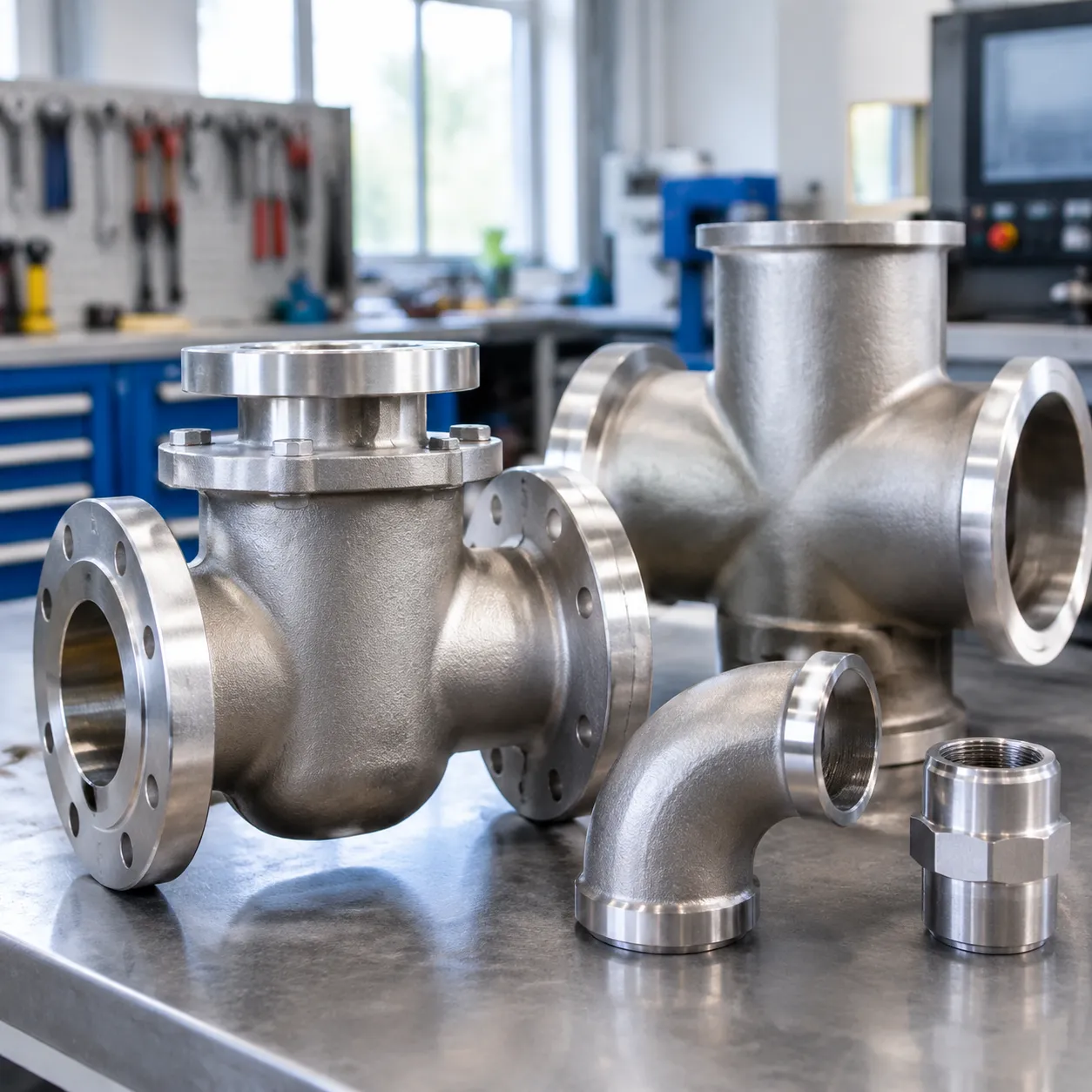
- Industrial Machinery: Heavy-duty pump impellers, valve bodies, and high-stress structural castings.
Frequently Asked Questions (Technical FAQs)
What equipment is required to maintain tight dimensional tolerances in A356 investment casting?
We rely on high-stability wax injection machines, robotic dipping cells, and core component tooling machined within a ≤ 5μm tolerance margin. Implementing dedicated automation in casting process for high-precision investment castings eliminates pattern shrinkage and guarantees uniform slurry permeability across every aluminum alloy casting run.
How does Vastpcc's IoT platform integrate with existing plant ERP systems?
Our IoT platform connects directly via OPC UA, MQTT, and REST APIs. It streams real-time telemetry, automated fault alerts, and operational metrics straight to your MES or ERP dashboard without changing your network infrastructure.
What are the maintenance cycles for high-pressure dewaxing autoclaves?
| Maintenance Cycle | Inspection & Service Focus | Key Benefit |
|---|---|---|
| Daily | Safety interlocks, door seals, pressure sensors | Prevents steam leaks and ensures operator safety |
| Monthly | Pneumatic valves, steam traps, water separators | Maintains rapid pressurization efficiency |
| Annual | Hydrostatic vessel re-certification, full valve overhaul | Guarantees long-term vessel structural integrity |
How do automated shell coating systems reduce shell cracking during dewaxing?
Manual dipping creates thin spots and non-uniform shell density that fail under thermal shock. By using robotic multi-axis dipping, our automated shell coating systems deliver precise coating thickness and stucco distribution, building strong, permeable molds that withstand rapid autoclave pressure without cracking.
 English
  Russian
  German