2026年10月26日
Learn ceramic shell investment casting steps materials benefits accuracy and alloy compatibility for complex high quality metal parts
What
is Ceramic Shell Investment Casting?
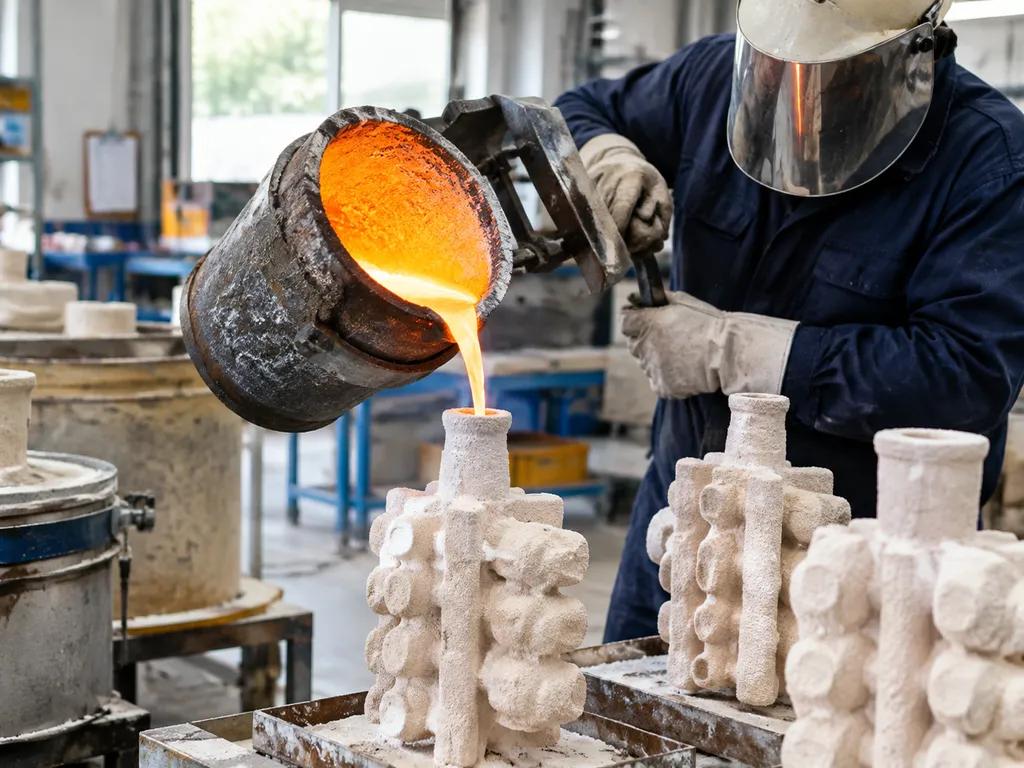
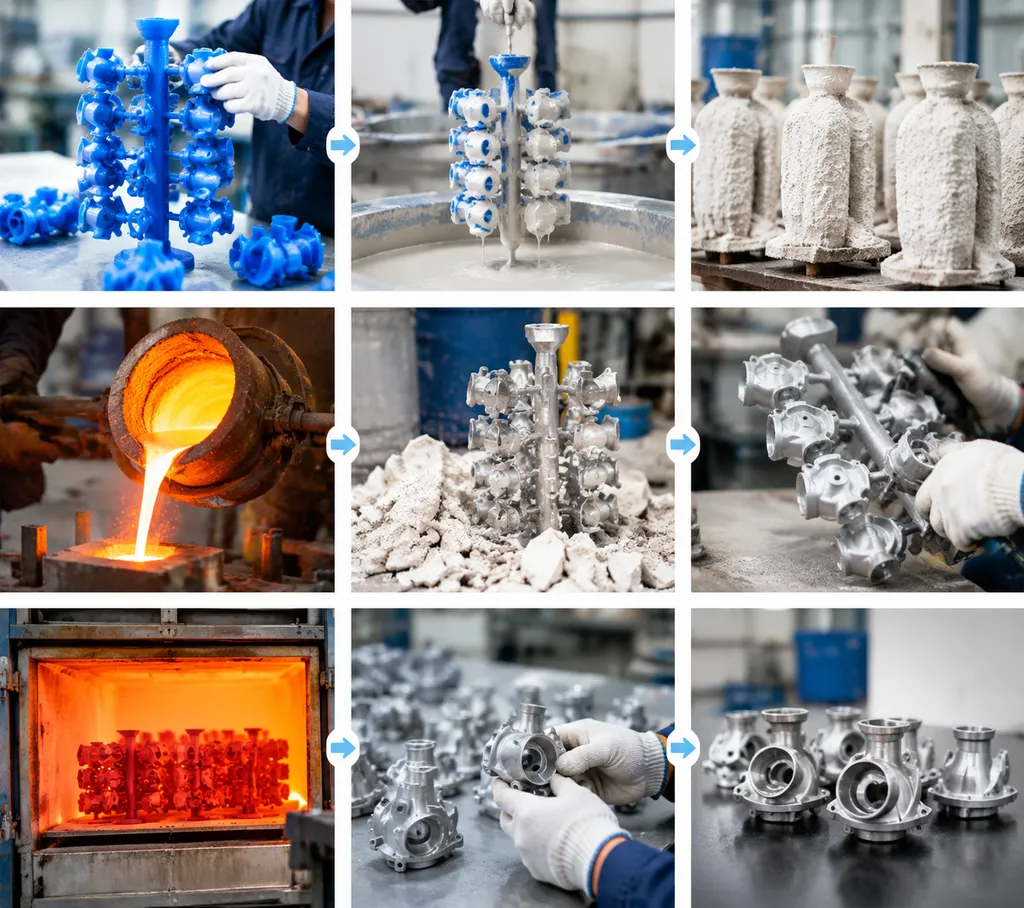
Ceramic shell investment casting, often referred to as lost-wax casting, is a highly refined manufacturing process used to create complex, high-precision metal parts. The technique begins by creating an exact wax replica of the desired component, which serves as the foundation for the mold.
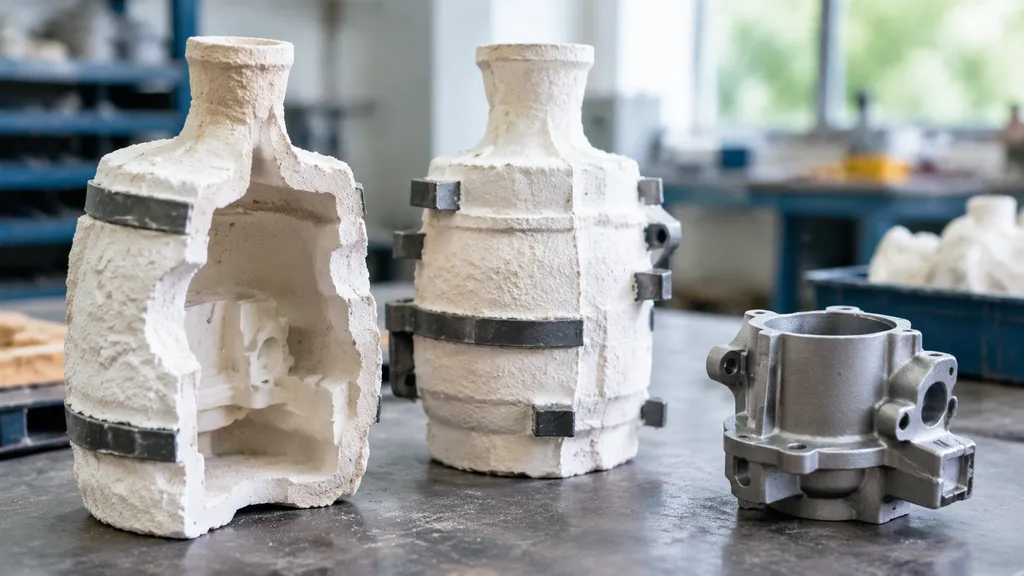
This wax pattern is repeatedly dipped into a high-grade refractory slurry and coated with stucco to build a robust, heat-resistant ceramic shell around it . Once the shell is cured and the wax is melted away, it leaves behind a hollow cavity that perfectly captures every intricate detail of the original design.
We utilize this method because it offers unparalleled advantages for modern industrial needs:
- Exceptional Precision : The ceramic shell acts as a stable, high-precision mold, allowing for complex internal geometries that are impossible to achieve with traditional methods.
- Near-Net-Shape Capabilities: By producing parts that closely match the final design specifications, we significantly reduce the requirement for secondary CNC machining.
- Design Flexibility: This process is the preferred solution for engineers needing to cast intricate components with tight dimensional tolerances, ensuring reliable performance in demanding sectors like aerospace, automotive, and medical machinery.
The
Ceramic Shell Investment Casting Process Step-by-Step
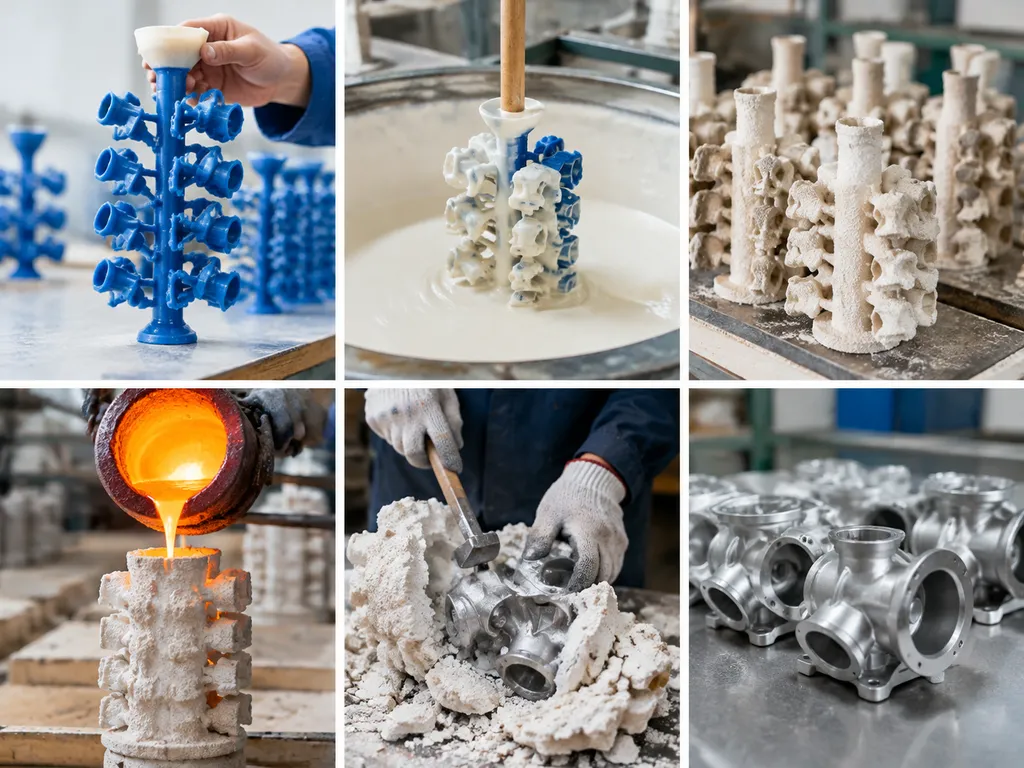
We follow a highly controlled , multi-stage workflow to transform raw materials into precision-engineered metal components. Mastering the casting process guide, methods, and key steps is essential for ensuring the integrity of every part we produce.
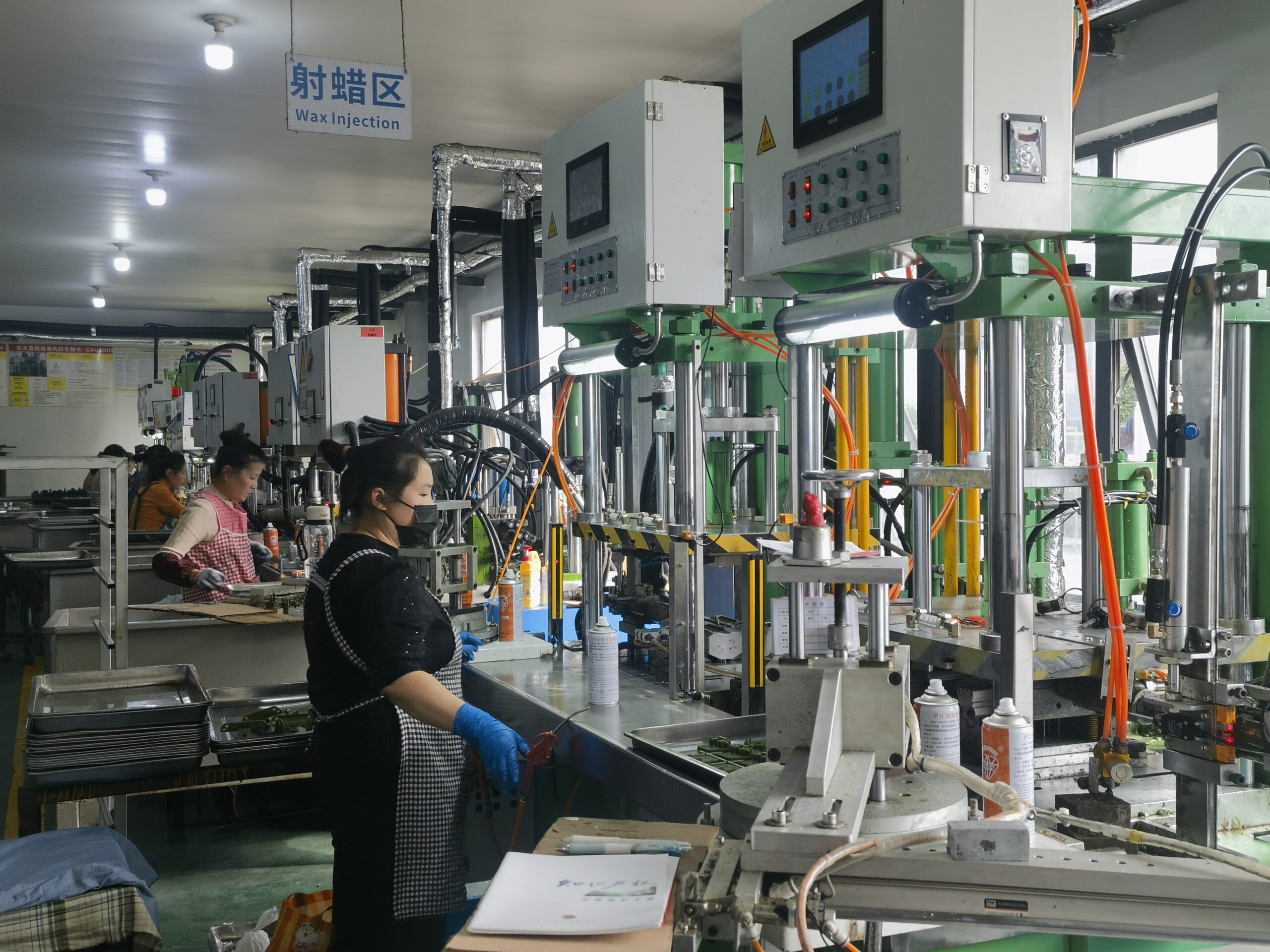
- Pattern Creation: We start by injecting molten wax into a precision -engineered metal die to create exact replicas of the final part.
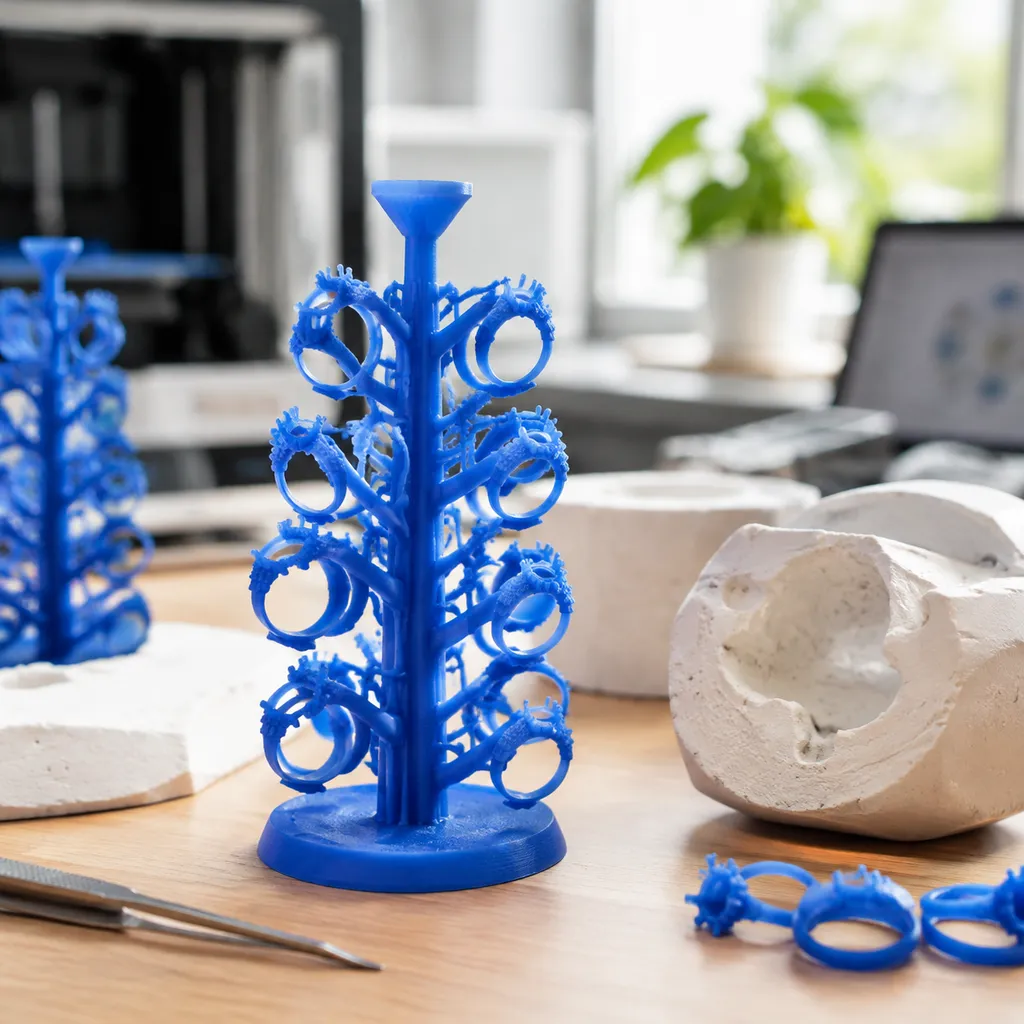
- Wax Assembly: Individual patterns are attached to a central wax runner system, forming what we call a "wax tree." This allows us to cast multiple parts simultaneously.
- Sl urry and Stucco Application: We dip the wax assembly into a refractory ceramic slurry, followed by a coating of sand- like stucco. This process is repeated to build a strong, heat-resistant shell around the wax.
- Dew axing and Burnout: Once the shell is cured, we place it in an autoclave or furnace to melt out the wax. This leaves a clean, hollow cavity inside the ceramic structure that perfectly matches your part geometry.
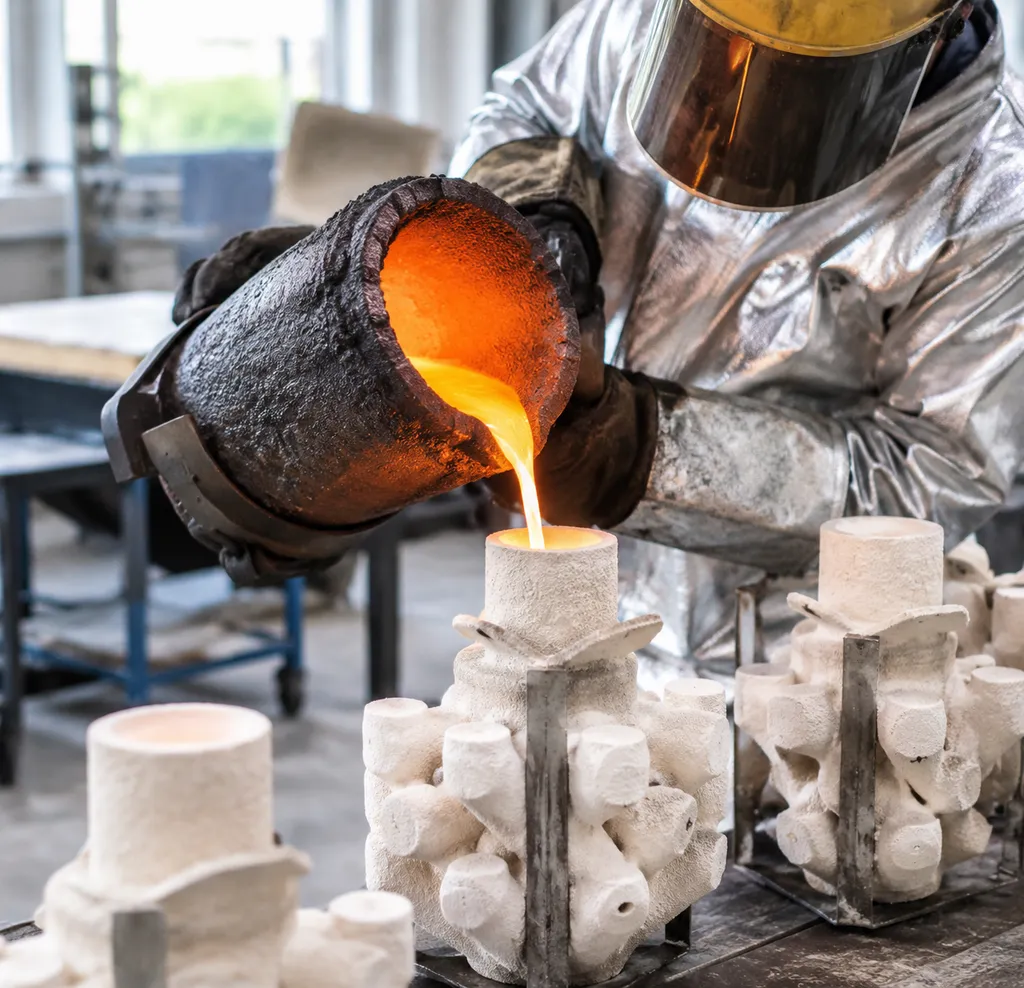
- Shell Firing: We perform a final shell firing furnace procedure for steel and alloy investment casting to harden the ceramic, ensuring it can withstand the extreme temperatures of molten metal pouring.
This meticulous sequence ensures we achieve the near-net-shape accuracy our clients demand for high-performance applications.
Key
Materials Used in Shell Building
Achieving high-quality results in ceramic shell investment casting depends heavily on the materials used to build the mold. We prioritize high-grade refractory materials to ensure the shell can withstand extreme thermal shock and metal pouring pressures.
- Refractory Slurries: We utilize a precise mix of zircon and fused silica slurries. Zircon is typically used for the primary coat because of its exceptional heat resistance and fine particle size, which ensures superior surface finish. Fused silica is favored for backup coats for its cost-effectiveness and excellent thermal stability.
- Binding Agents: Our chemical binders are the backbone of shell integrity. By controlling the polymerization process of silica sol, we ensure the mold remains stable during both the drying phase and the high-temperature firing process. For those looking to optimize their own production, our energy-saving slurry mixer for silica sol shell coating ensures consistent material viscosity.
- Stucco Materials: To reinforce the structural integrity of the ceramic shell, we apply layers of coarser stucco materials between slurry dips. These materials provide the necessary mechanical strength to prevent the shell from deforming or cracking when molten metal is introduced.
By carefully selecting and applying these materials, we ensure the mold maintains its shape and precision, allowing us to hit the tight metal investment casting process tolerances and materials required for complex industrial parts.
Advantages of the Ceramic Shell Method
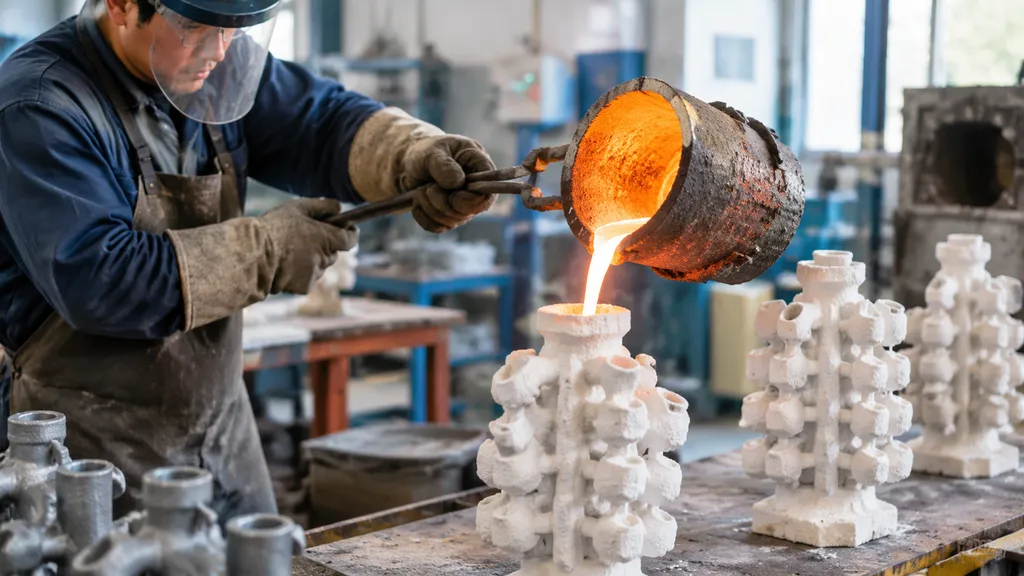
When you choose ceramic shell investment casting, you are prioritizing precision. This method is the backbone of our ability to deliver high-quality investment casting parts for precision manufacturing that meet the most demanding industrial requirements.
Key advantages include:
- Superior Surface Finish: The ceramic shell process produces parts with exceptional surface integrity, significantly reducing the labor required for post-casting cosmetic finishing.
- Dimensional Accuracy: We achieve precise control over complex internal geometries and tight tolerances, ensuring that every component fits perfectly within your assembly.
- Material Versatility: Our process supports a wide range of high-melting-point alloys and exotic metals, providing the strength and durability needed for extreme environments.
- Near-Net-Shape Efficiency: By producing parts close to their final design, we drastically minimize material waste and the need for extensive secondary CNC machining, saving you both time and production costs.
By adhering to strict casting quality standards for reliable metal parts, we ensure that these benefits translate directly into long-term performance for your automotive, medical, or aerospace applications.
Limitations
and Challenges of Ceramic Shell Investment Casting
While ceramic shell investment casting delivers exceptional precision, it is important to understand the practical considerations before selecting this process for your manufacturing project.
- Initial Tooling and Pattern Costs : Unlike traditional methods, this process requires precision-engineered wax injection molds. These upfront investments in tooling and pattern development can be significant, making the process most economical for medium to high-volume production runs rather than single prototypes.
- Production Lead Times: The multi-stage creation of the ceramic shell—involving repeated dipping, stuccoing, and drying cycles—requires more time than simpler shell molding vs sand casting workflows. This added complexity is a trade-off for the superior finish and dimensional accuracy achieved.
- Size and Weight Constraints: The ceramic shell is a rigid, fragile structure during the casting process. Consequently, there are physical limits to the size and weight of parts that can be reliably produced. Very large or excessively heavy components may exceed the structural capacity of the mold, often necessitating alternative casting techniques.
Understanding these limitations helps us ensure that your component design aligns with the most efficient manufacturing strategy. By balancing these factors against the need for high-precision, near-net-shape results, we help you optimize both costs and production timelines.
Ceramic
Shell vs. Traditional Investment Casting
Modern manufacturing has shifted toward ceramic shell investment casting because it offers superior structural integrity and faster cycle times compared to legacy block-mold methods. By using a multi-layered ceramic shell instead of a solid block, we achieve better thermal stability and thinner, more consistent mold walls. This evolution in the investment casting process directly translates to higher geometric complexity and reduced material waste for our clients.
Comparison Table: Modern Shell vs. Traditional Methods
| Feature | Ceramic Shell Casting | Traditional Block Casting | | :--- | :--- | :--- | | Shell Strength | High (Multi-layer reinforcement) | Moderate (Solid mass) | | Cooling Control | Optimized for complex shapes | Restricted | | Production Speed | High efficiency | Slow curing times | | Surface Finish | Exceptional ( Near-net-shape) | Standard | | Material Usage | Efficient | Higher waste |
These efficiency gains make ceramic shell technology the gold standard for high-stakes industries. We utilize this advanced process to supply critical components for:
- Aerospace: High-temperature turbine parts and engine housings.
- Medical: High-precision surgical instruments and orthopedic implants.
- Automotive: Performance drivetrain parts and engine hardware requiring tight dimensional tolerances.
By choosing the ceramic shell approach, we provide manufacturers with parts that require minimal secondary machining, ensuring cost-effectiveness without compromising on quality or material performance.
Frequently
Asked Questions (FAQs)
What metals are best suited for ceramic shell investment casting? Our process is highly versatile, supporting a broad range of alloys. We frequently cast stainless steel, carbon steel, and alloy steel to meet specific industrial performance requirements.
How many layers are typically applied to the shell? The number of layers depends on the size, geometry, and weight of the part. We apply multiple successive coatings of refractory slurry and stucco to ensure the shell achieves the necessary structural strength and thermal stability for molten metal containment.
Is ceramic shell investment casting cost-effective for small runs? While the initial investment in tooling and patterns can be higher than other methods, this process offers significant long -term value. By producing parts that reach near-net-shape, we drastically reduce the need for extensive CNC machining, saving you time and material costs on high-precision components. If you are comparing manufacturing routes, you can review our forging and casting comparison to determine the best fit for your production volume.
What causes cracking in ceramic shells during burnout? Cracking typically occurs if the shell lacks sufficient structural reinforcement or if thermal expansion differences are not managed correctly during the dewaxing process. Our team utilizes controlled wax burnout furnace cycles to prevent thermal shock, ensuring that the integrity of the ceramic shell mold is maintained throughout the entire casting process.
 English
 Russian
 German