
2026年8月26日
Beryllium copper high strength conductive alloy for springs connectors and non sparking tools with excellent wear resistance
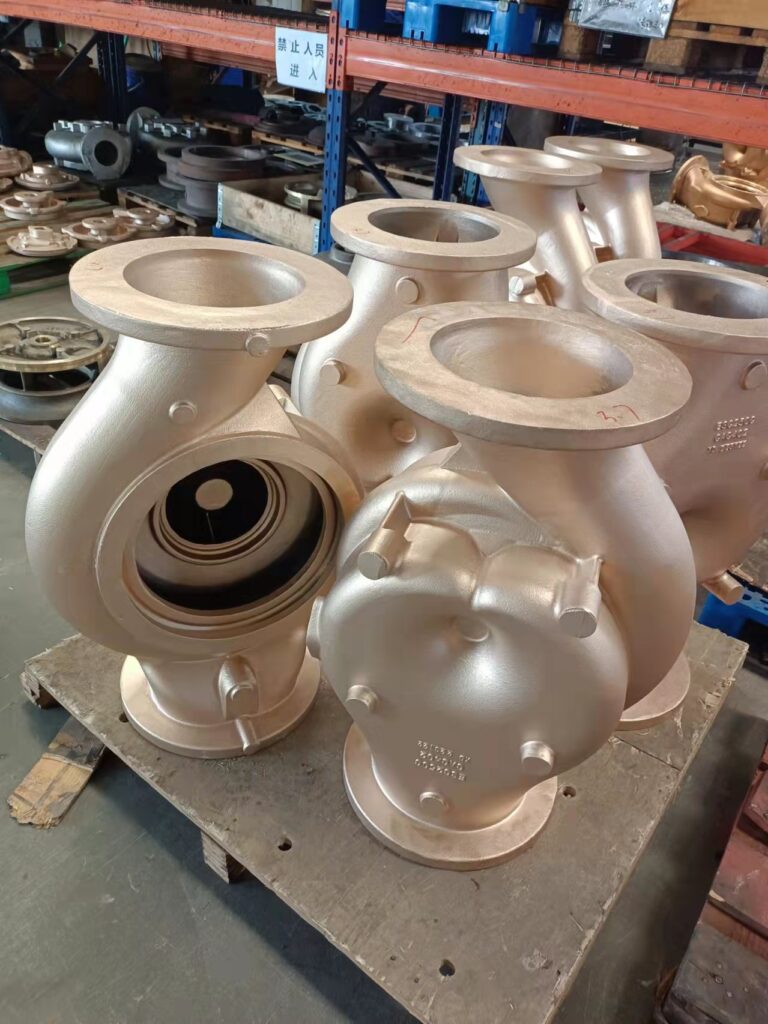
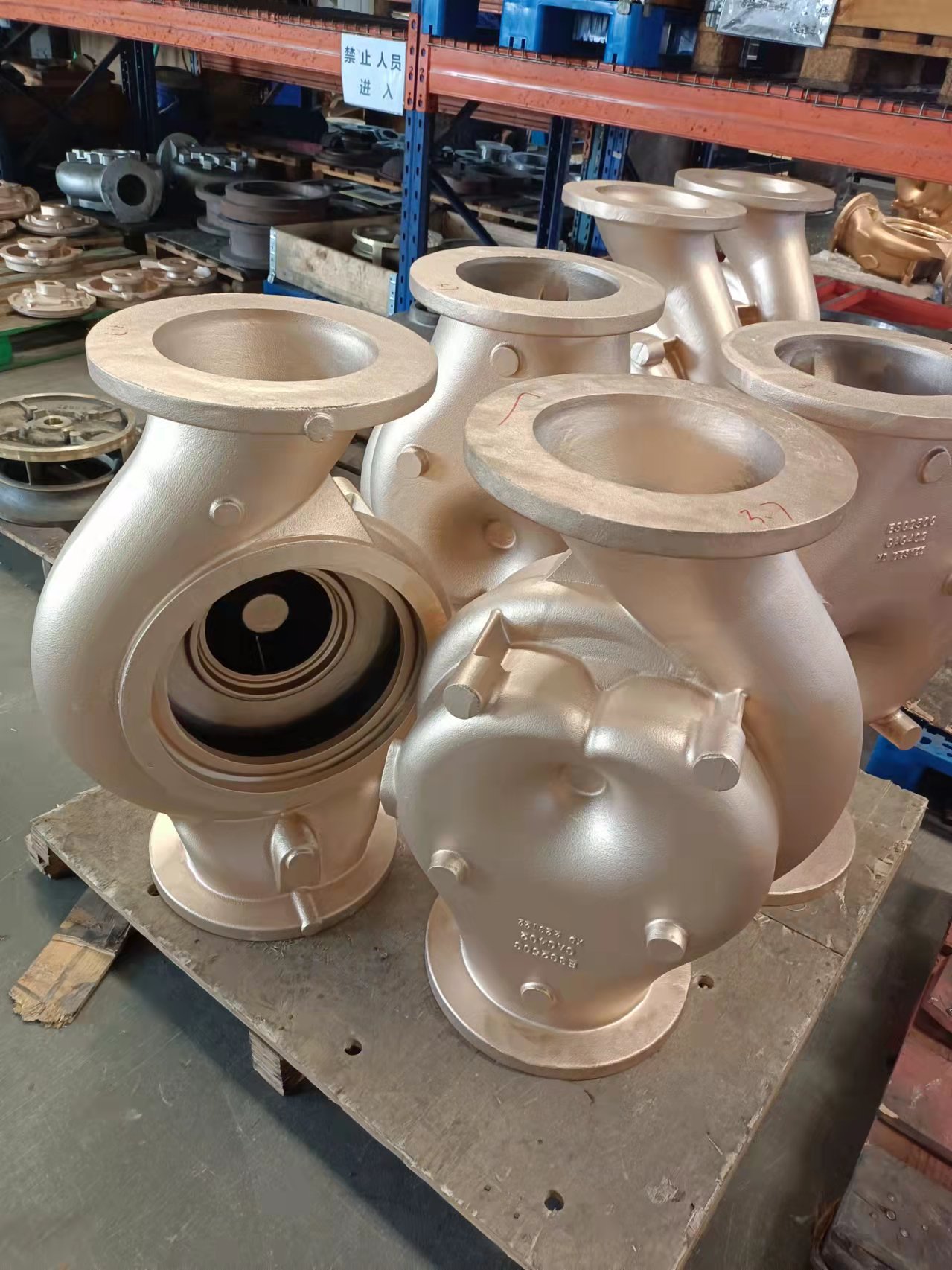
Beryllium Copper Core Material Characteristics
Modern engineering environments demand materials that eliminate trade-offs between mechanical toughness and conductivity. We engineer our copper beryllium alloys to deliver an exceptional balance of extreme strength, thermal performance, and non-sparking safety for critical global applications.
High Mechanical Strength
- Yield Strength: Reaches up to 1,400 MPa following precipitation hardening, matching the structural performance of high-strength alloy steels.
- Tensile Durability: Delivers tensile strength exceeding 1,500 MPa, resisting heavy mechanical deformation under peak cyclic loads.
Electrical & Thermal Conductivity
- Conductivity Range: Provides 17% to 60% IACS electrical conductivity depending on the specific alloy grade and temper condition.
- Thermal Dissipation: Rapidly transfers heat away from sensitive interfaces, preventing thermal fatigue and localized hot spots.
Non-Magnetic & Non-Sparking Safety
- Hazardous Environment Protection: Zero-sparking properties make our BeCu alloy critical for safety tooling in oil & gas, mining, and explosive atmospheres.
- Non-Magnetic Response: Retains complete magnetic transparency, preventing signal interference in aerospace instrumentation, defense systems, and medical equipment.
Stress Relaxation & Wear Resistance
- Long-Term Elasticity: High resistance to stress relaxation ensures spring contacts retain constant contact force at elevated temperatures.
- Low Surface Wear: Exceptional resistance to galling and friction extends operational life in high-cycle micro-switches, heavy bearings, and connectors.
Vastpcc Beryllium Copper Alloy Grade Matrix
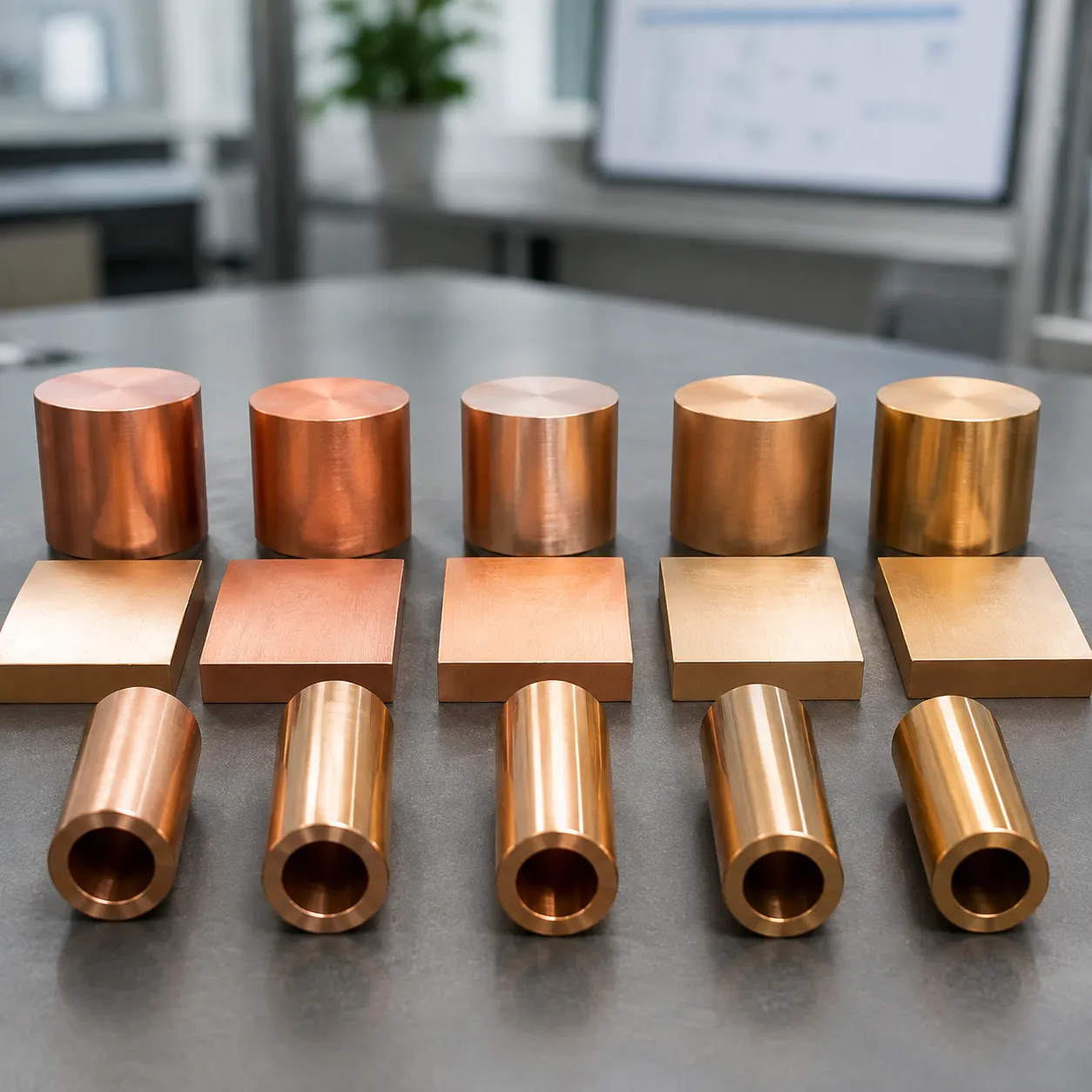
We supply two distinct performance families of beryllium copper to balance extreme mechanical strength with high electrical and thermal conductivity. Choosing the right copper beryllium alloy grade depends directly on your peak stress targets, wear requirements, and thermal transfer needs.
High-Strength Alloy Family (C17200 / Alloy 25 & C17300)
Our high-strength alloys deliver maximum endurance for critical high-cycle components:
- C17200 (Alloy 25): The flagship high strength spring copper alloy. It achieves ultimate tensile strength up to 1,400 MPa and Rockwell hardness up to 45 HRC after full precipitation hardening.
- C17300: Delivers mechanical performance identical to C17200, with added lead content for improved chip breaking and superior high-speed CNC machinability.
High-Conductivity Alloy Family (C17500 & C17510 / Alloy 3 & Alloy 10)
For high-current density and rapid heat dissipation, our high-conductivity grades maximize thermal and electrical performance while maintaining solid mechanical toughness:
- C17500 (Alloy 3): C17500 high conductivity copper engineered for resistance welding electrodes, high-current connectors, and relay springs requiring high electrical conductivity paired with elevated temperature strength.
- C17510 Beryllium Copper: Formulated with nickel micro-additions to provide outstanding thermal conductivity and energy transfer reaching up to 60% IACS electrical conductivity.
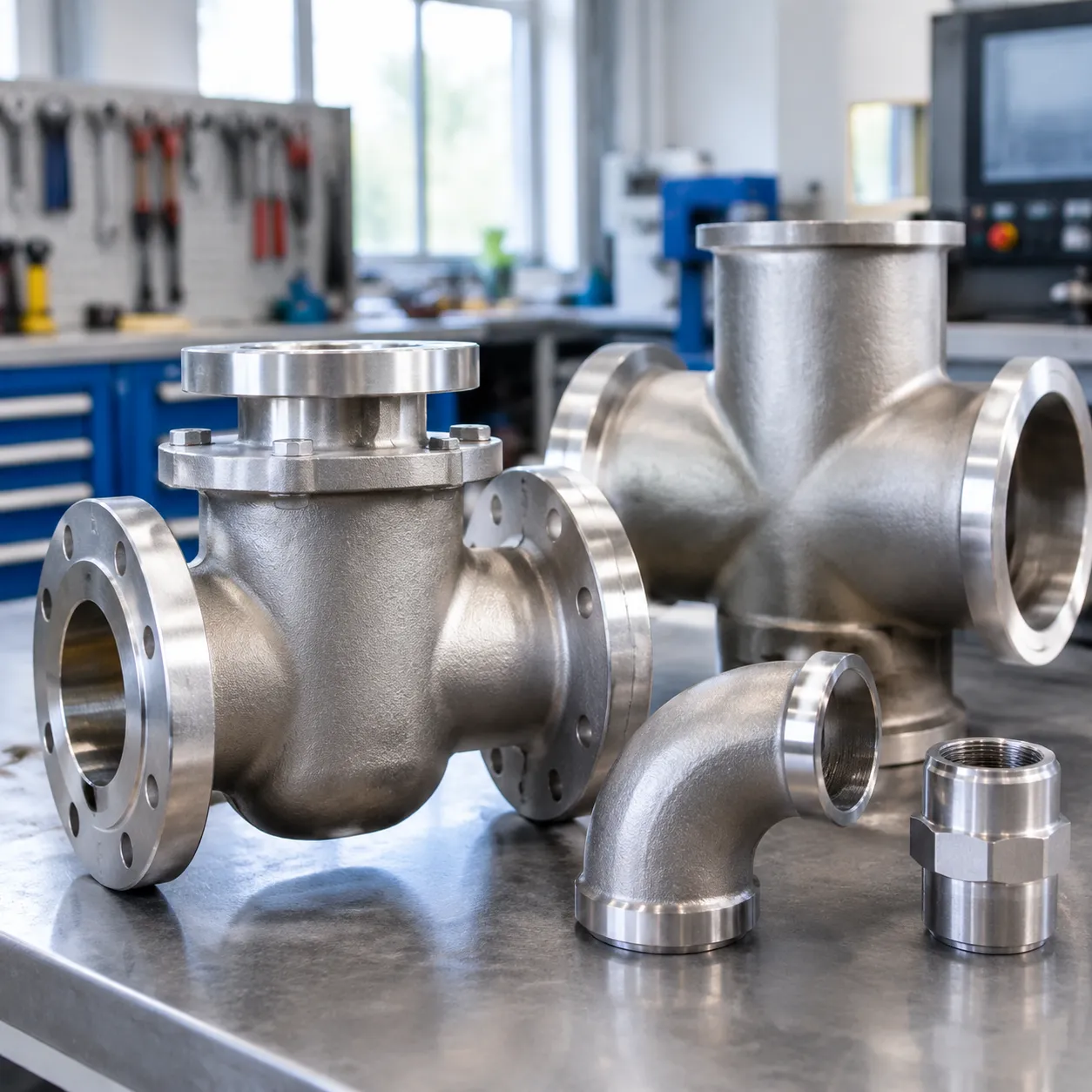
For applications requiring alternative corrosion resistance or specialized mechanical performance alongside non-ferrous options, we also manufacture cast stainless steel custom alloys for heavy industrial tooling.
Beryllium Copper Grade Comparison Matrix
| Alloy Grade | Tensile Strength (MPa) | Yield Strength (MPa) | Rockwell Hardness | Electrical Conductivity (% IACS) | Thermal Conductivity (W/m·K) |
|---|---|---|---|---|---|
| C17200 (Alloy 25) | 1,100 – 1,400 | 950 – 1,250 | 38 – 45 HRC | 22 – 28% | 105 |
| C17300 | 1,100 – 1,400 | 950 – 1,250 | 38 – 45 HRC | 22 – 28% | 105 |
| C17500 (Alloy 3) | 700 – 900 | 550 – 750 | 92 – 100 HRB | 45 – 60% | 200 |
| C17510 (Alloy 10) | 700 – 920 | 550 – 780 | 20 – 26 HRC | 45 – 60% | 210 |
Beryllium Copper Product Forms & Custom Manufacturing
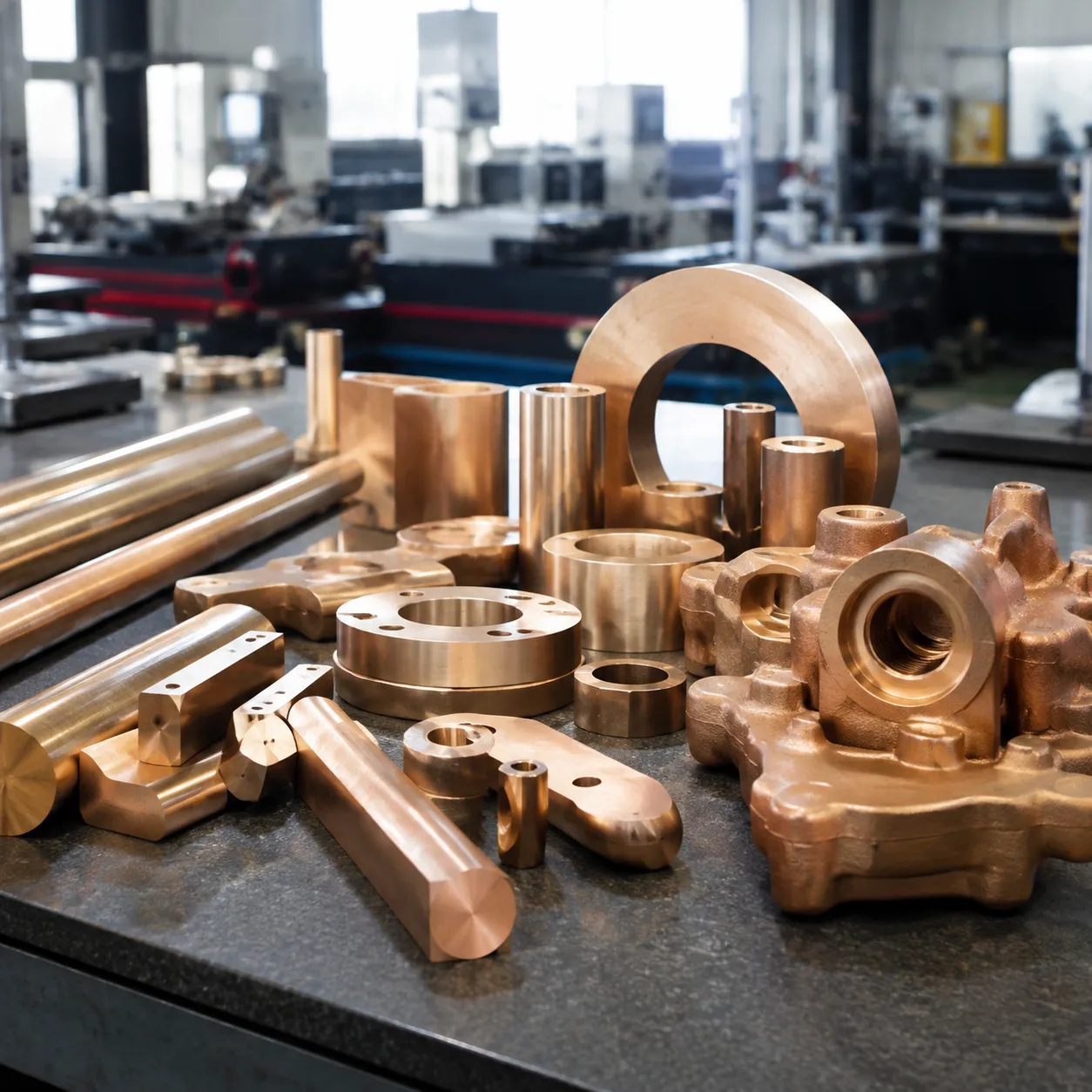
We supply raw beryllium copper across standard mill shapes and engineered tempers, paired with custom precision casting and machining capabilities built around tight engineering specifications.
Mill Shapes & Supply Options
- Round Bar & Rectangular Rod: Machining stock optimized for heavy-duty bushings, wear plates, and actuator bearings.
- Sheet & Plate: Structural stock engineered for plastic mold inserts, core pins, and high-stress fixtures.
- Seamless Tube: Precision pressure tubing designed for instrument sleeves and aerospace fluid systems.
- Strip & Wire: High-ductility stock used for stamped electrical terminals, micro-switches, and spring contacts.
Beryllium Copper Temper Matrix
| Temper Code | Temper Name | Thermal Processing | Performance Profile |
|---|---|---|---|
| A / TB00 | Solution Annealed | Softened state | Maximum formability; optimized for complex stamping, drawing, and severe bending. |
| HM | Mill Hardened | Pre-aged by mill | Ready to use with consistent spring properties; requires no further heat treatment. |
| AT / TF00 | Heat Treated / Age Hardened | Post-fabrication aged | Peak strength up to 1,400 MPa, maximum hardness, and optimal wear resistance. |
Precision Casting & CNC Machining Capabilities
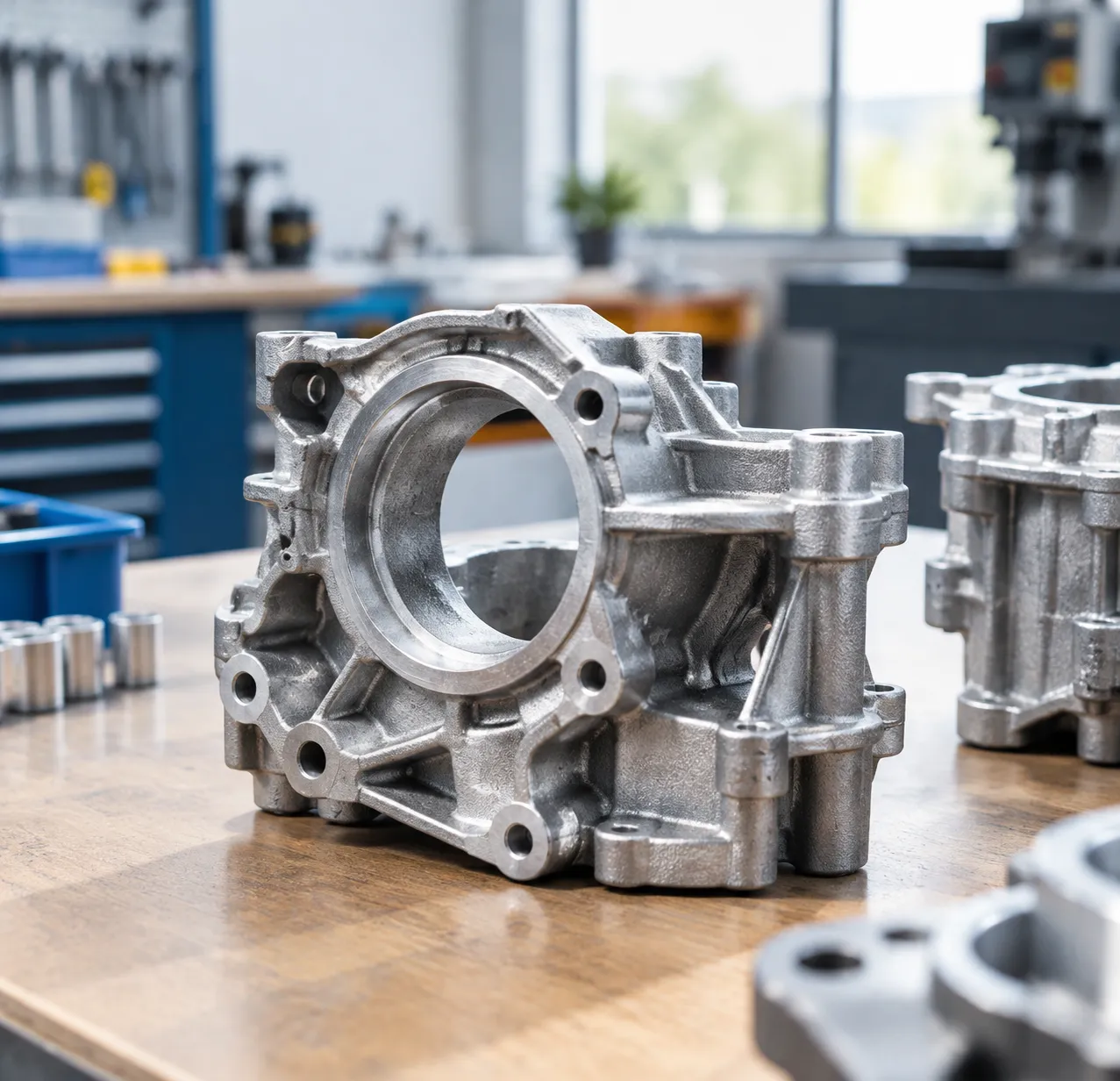
We produce complex net-shape components through our high-precision investment casting process. By integrating high-pressure dewaxing autoclaves with automated shell coating lines, we maintain uniform ceramic mold density, eliminate gas porosity, and deliver consistent metallurgical soundess across high-volume production runs.
- Dimensional Control: CNC finish-machining capabilities achieving tight tolerances down to ≤ 5μm.
- Near-Net Shapes: Investment casting drastically reduces scrap rates on expensive BeCu raw stock.
- Thermal Control: Integrated solution annealing and age-hardening protocols deliver certified tempers on custom-cast parts.
Target Applications & Engineering Use Cases
We supply beryllium copper components tailored to excel under extreme mechanical stress, high electrical loads, and volatile environmental conditions.
Aerospace & Defense
Heavy impact loads and non-magnetic operational constraints require the exceptional fatigue resistance of our BeCu alloy products. Landing Gear Bushings: Absorbs extreme shock loads during touchdown while preventing friction galling without constant lubrication. Actuator Bearings: Retains tight structural tolerances across aggressive temperature shifts and high vibration cycles. Non-Magnetic Housings: Protects avionics and directional guidance instruments from magnetic distortion.
Electronics & Telecommunications
High conductivity combined with long-term elastic spring properties makes copper beryllium ideal for signal reliability. Micro-Switches & Relay Springs: Delivers high spring strength to prevent contact relaxation over millions of actuation cycles. Battery Contacts & Coaxial Connectors: Maintains low contact resistance and high spring retention for uninterrupted power and data delivery.
Hazardous Environment Tools
Our non-sparking beryllium copper tools eliminate mechanical ignition risks in volatile atmospheres. Petrochemical Hand Tools: Non-sparking hammers, wrenches, and sockets built specifically for Ex-rated zones, refineries, and offshore rigs. Explosive Material Handling: Provides non-magnetic, spark-resistant mechanical performance in munitions processing and grain storage operations.
Plastic Injection Molding Tooling
Superior thermal conductivity speeds up heat transfer to drastically drop mold cycle times. Core Pins & Mold Inserts: Moves heat up to nine times faster than conventional tool steel, rapidly cooling critical part features. Cooling Nozzles: Prevents localized hot spots in complex mold geometries. Selecting the right cooling profile depends heavily on whether you are running blow molding vs. injection molding production lines.
Machining Protocols & Health Safety Compliance
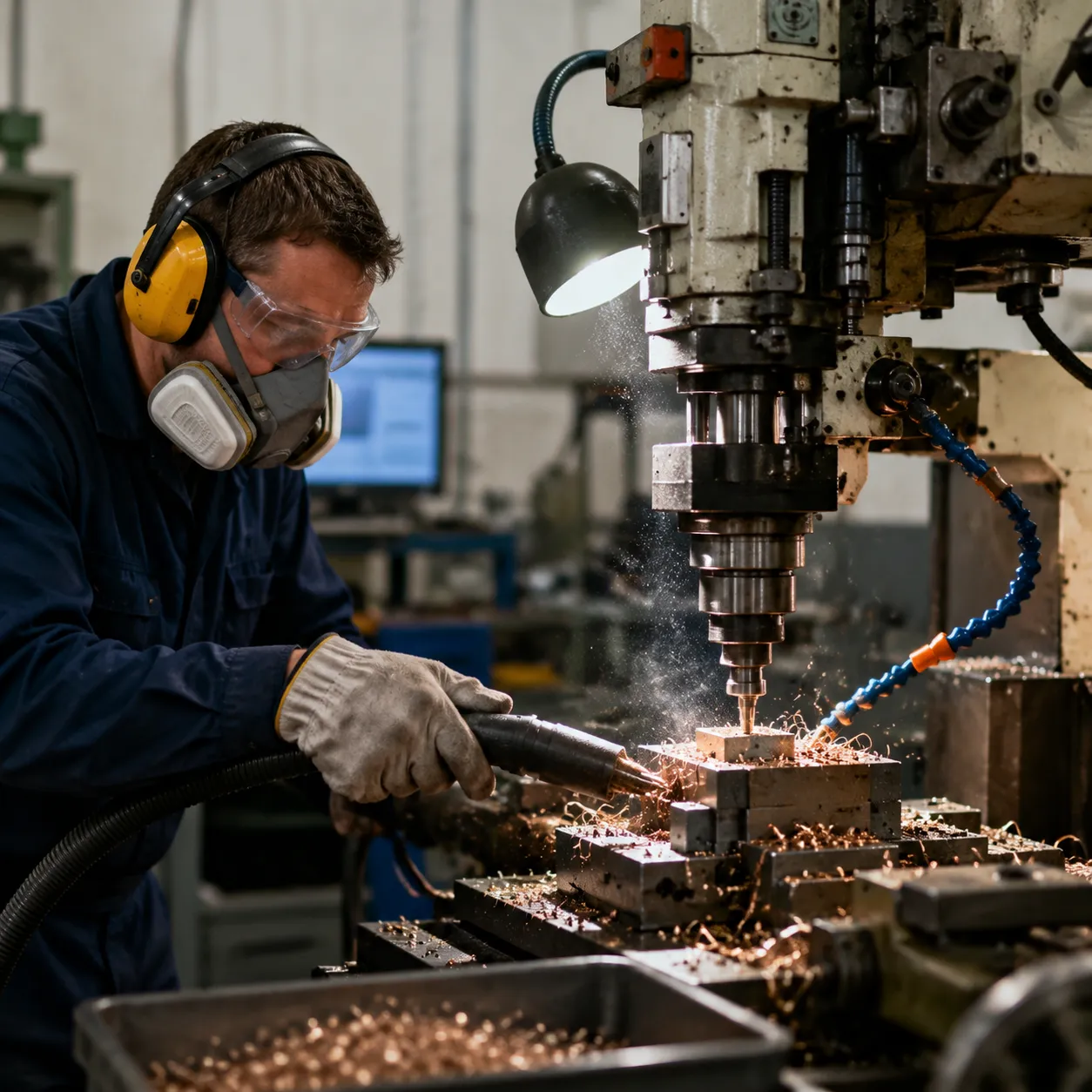
Machining beryllium copper safely requires strict adherence to global safety standards to protect operators while maintaining tight component tolerances.
Health Safety Protocols
We implement rigorous compliance protocols across our processing lines to exceed safety requirements:
- OSHA Permissible Exposure Limit (PEL): Strict adherence to the 0.2 µg/m³ limit for airborne beryllium over an 8-hour time-weighted average (TWA).
- REACH & RoHS Compliance: Full material transparency and toxicological management across global supply chains.
- Berylliosis Prevention Protocols: Comprehensive workplace monitoring and health surveillance to completely eliminate respirable particulate exposure risks.
Airborne Dust & Particulate Control
Solid beryllium copper alloy poses zero health risks. Hazard management focuses entirely on operations that generate airborne dust, mists, or fumes:
- Flood Wet Machining: Continuous heavy liquid coolant flow traps metal micro-chips and prevents dust aerosolization during turning, milling, and grinding.
- Local Exhaust Ventilation (LEV): High-velocity capture hoods paired with HEPA filtration pull fine particulates directly from the cutting zone.
- Specialized Chip Handling: Dedicated wet-scrap collection systems isolate swarf for secure recycling, essential during complex precision casting and CNC machining projects.
Heat Treatment Guidelines
To unlock peak mechanical strength (up to 1,400 MPa yield strength) in standard C17200 BeCu alloy parts, follow these precipitation age hardening guidelines:
- Age Hardening Temperature: Heat solution annealed parts to 315°C–335°C (600°F–635°F).
- Dwell Time: Maintain temperature for 2 to 3 hours depending on cross-sectional thickness, followed by air cooling.
- Stress Relief: Perform a low-temperature soak at 150°C–200°C for 1 hour post-roughing to prevent dimensional distortion during final tight-tolerance finishing.
Quality Control & Testing Standards for Beryllium Copper
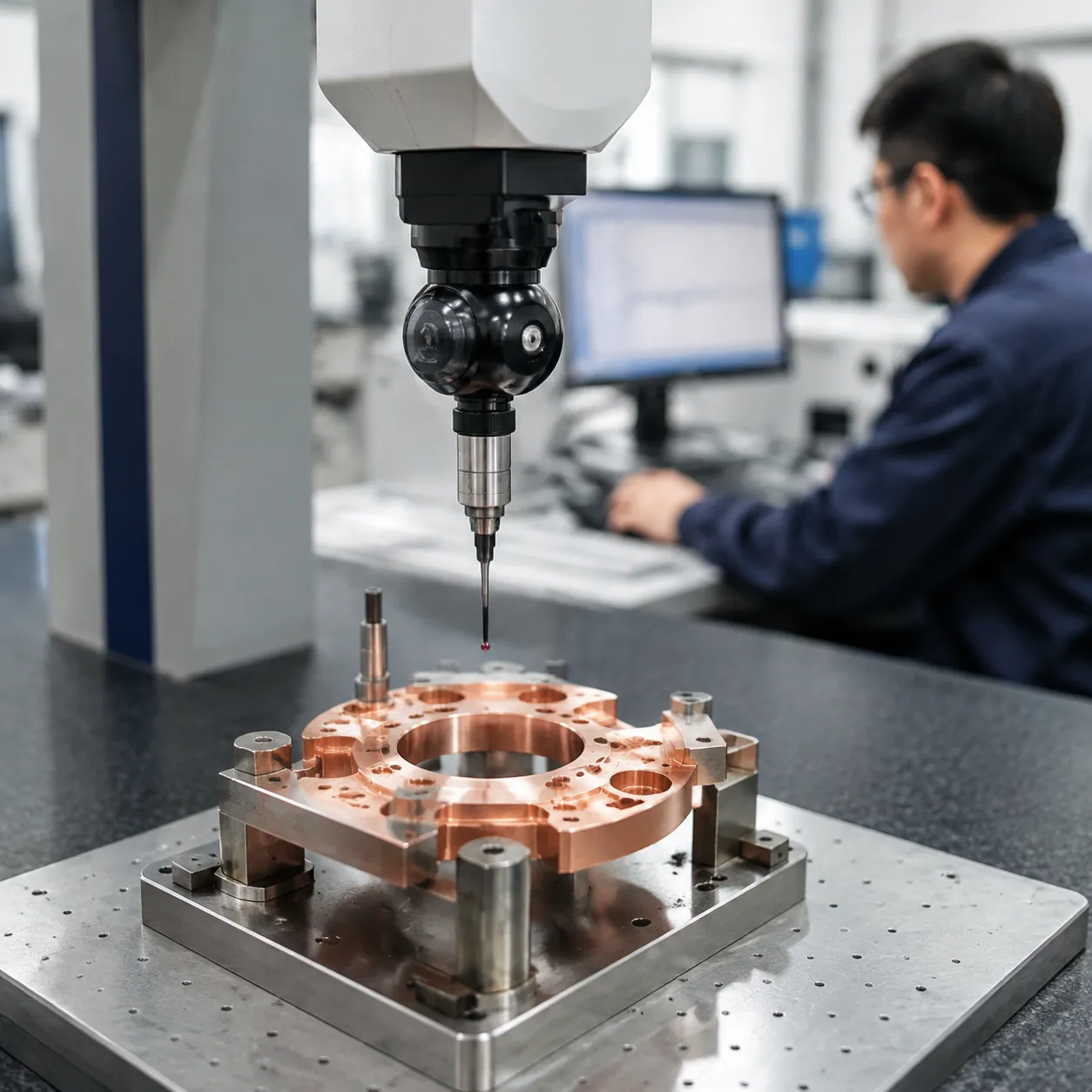
Rigorous Inspection Protocols for BeCu Alloys
We subject every heat and production batch of beryllium copper to multi-stage metallurgical inspection, ensuring every component meets exact industrial requirements:
- Chemical Composition Analysis: Optical emission spectrometry (OES) verifies exact alloying ratios, keeping beryllium content strictly within targeted limits (1.8%–2.0% for high-strength C17200).
- Ultrasonic Testing (NDT): High-frequency ultrasonic scanning detects subsurface voids, inclusions, and structural discontinuities in dense bar stock and heavy investment castings.
- Metallographic Grain Verification: Microstructural analysis validates grain size uniformity and checks for proper phase distribution prior to heat treatment.
- Mechanical & Hardness Testing: Destructive tensile testing confirms yield strengths reaching up to 1,400 MPa and hardness levels up to 45 HRC post-age hardening.
Vastpcc Quality Guarantee and Material Traceability
We combine advanced digital tracking with comprehensive quality assurance protocols to deliver zero-defect copper beryllium components:
- Industrial IoT Monitoring: Automated sensors continuously record ambient furnace temperatures, solution annealing dwell times, and rapid-quenching rates to prevent thermal variation.
- Complete Melt-to-Part Traceability: Every shipment includes certified Mill Test Reports (MTRs) detailing heat numbers, chemical composition, and mechanical test results from raw ingot to final shipment.
- Specification Compliance: Our process alignment relies on benchmark metrics detailed in our casting alloy properties and material selection guide to ensure full global compliance.
Frequently Asked Questions (FAQ)
What is the difference between high-strength (C17200) and high-conductivity (C17500) beryllium copper?
The primary distinction lies in the balance between mechanical strength and electrical/thermal performance. High-strength C17200 alloy maximizes hardness and yield strength, while high-conductivity C17500 alloy prioritizes thermal and electrical transport.
| Alloy Grade | Tensile Strength (MPa) | Yield Strength (MPa) | Electrical Conductivity (% IACS) | Primary Applications |
|---|---|---|---|---|
| C17200 (Alloy 25) | 1,100 – 1,400 | 950 – 1,250 | 17% – 22% | Heavy-duty springs, plastic mold inserts, non-sparking tools |
| C17500 (Alloy 3) | 680 – 960 | 550 – 850 | 45% – 60% | Resistance welding electrodes, relay switches, high-current connectors |
Is machining beryllium copper safe, and what ventilation controls are required?
Machining solid copper beryllium alloy is entirely safe in solid form. Health risks only arise when operations generate fine airborne dust, mist, or fumes containing beryllium, which can cause berylliosis if inhaled.
To maintain compliance with OSHA standards and international health guidelines: Wet Machining: Always use flood coolants to trap particles and prevent dust generation. Local Exhaust Ventilation (LEV): Equip grinding, welding, and EDM workstations with high-efficiency particulate air (HEPA) exhaust filtration units. Air Monitoring: Ensure airborne dust concentrations remain below the OSHA Permissible Exposure Limit (PEL) of 0.2 µg/m³.
Can Vastpcc supply custom pre-machined parts in age-hardened temper conditions?
Yes. We process and deliver parts in solution-annealed (A/TB00), mill-hardened (HM), or fully age-hardened (AT/TF00) tempers. For high-precision parts requiring tolerances within ≤ 5μm, we rough-machine components in the annealed state, execute controlled precipitation hardening, and finish-grind critical dimensions to eliminate thermal distortion.
What are the lead times and minimum order quantities for custom investment cast BeCu components?
Our standard lead time for prototype samples of investment-cast beryllium copper components is 2 to 4 weeks, with full production runs completing in 4 to 6 weeks.
- Minimum Order Quantity (MOQ): Starts at just 10 pieces for high-complexity investment casting runs, and up to 100 pieces for standard components.
- Manufacturing Guidance: Evaluating structural specs early helps select the right process. Understanding the difference between forging and casting explained ensures you select the optimal method for your component's stress requirements and budget.
 English
  Russian
  German