
2026年11月12日
Learn how a wax injection machine works for investment casting with controlled wax preparation injection cooling demolding and automation support
What Is a Wax Injection Machine?
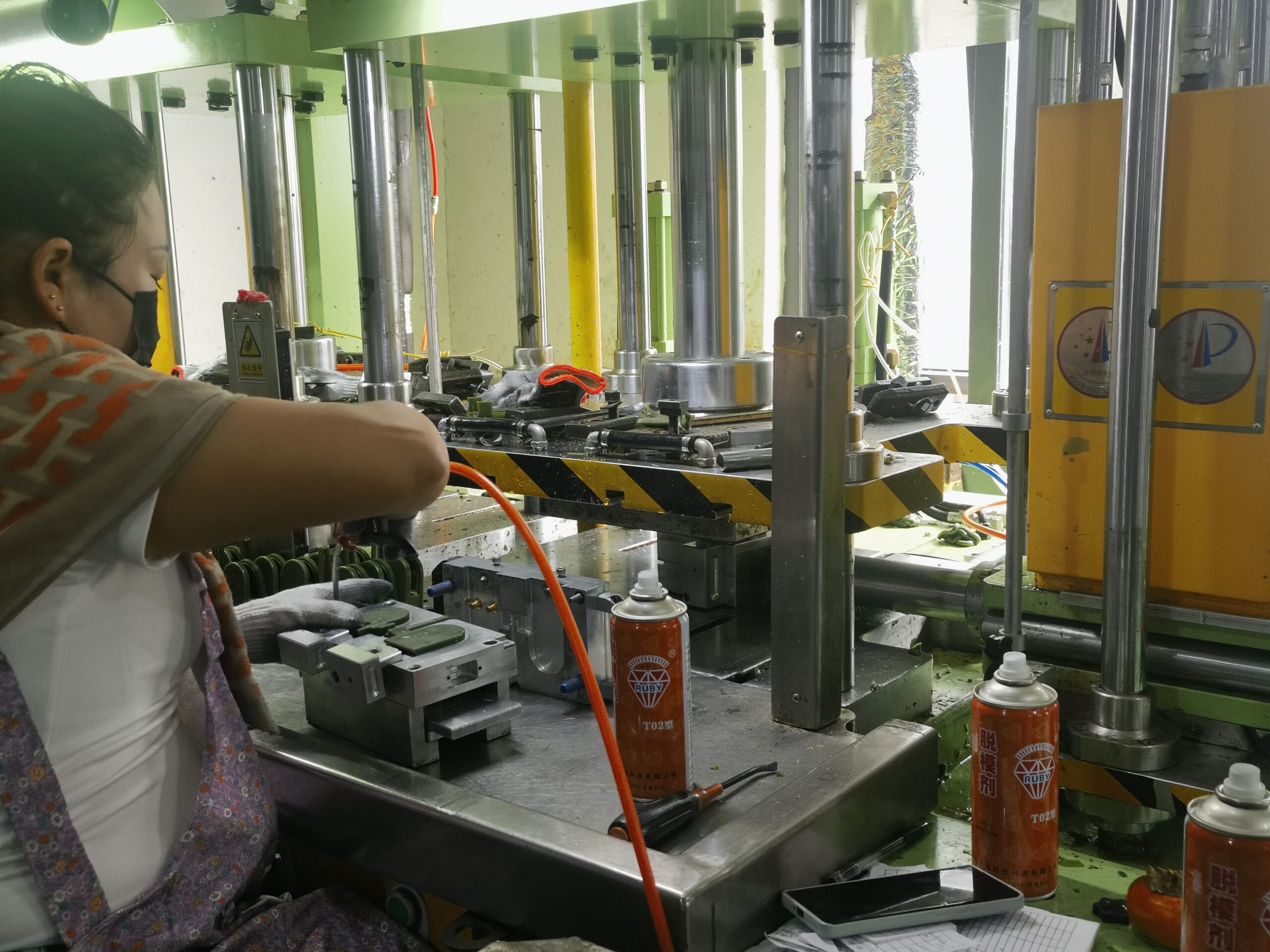
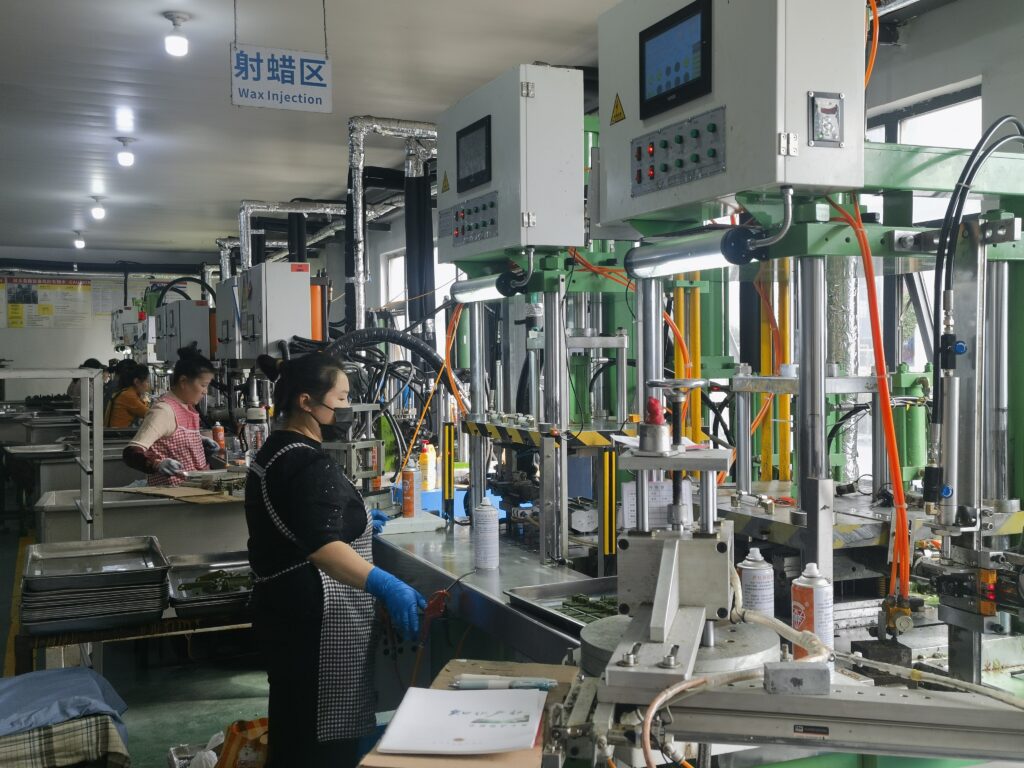
A wax injection machine is the foundational production system in precision investment casting (lost-wax casting). Its primary function is to inject conditioned pattern wax under controlled pressure, temperature, and flow rates into precision-machined dies, producing dimensionally accurate sacrificial wax patterns.
Because the final metal casting directly inherits the geometry, surface finish, and integrity of these wax replicas, the injection machine plays a vital role in determining foundry yield and part tolerances.
- High-Fidelity Replication: Accurately reproduces intricate internal channels, thin walls, and complex external contours required for industrial, automotive, and aerospace components.
- Shrinkage & Distortion Control: Delivers stable injection velocities and packing pressure to compensate for natural volumetric wax shrinkage during phase transition.
- Process Repeatability: Integrates automated clamping, temperature regulation, and cycle timing to ensure shot-to-shot consistency across high-volume production runs.
How Wax Injection Machines Work: The Injection Process
Understanding how a wax injection machine works in investment casting comes down to mastering a precise, repeatable multi-stage cycle. Every phase directly influences the dimensional stability and surface finish of the final casting.
1. Wax Conditioning & Pre-Treatment
Consistent wax temperature delivers stable pattern dimensions. Before injection, we condition the pattern wax in a thermally controlled reservoir: Thermal Homogenization: The machine heats the wax to a specific liquid or semi-solid paste state, keeping viscosity uniform throughout the batch. Air Evacuation & Agitation: Continuous gentle stirring eliminates trapped air bubbles and prevents segregation of wax additives, ensuring zero internal voids during injection.
2. Die Clamping & Alignment
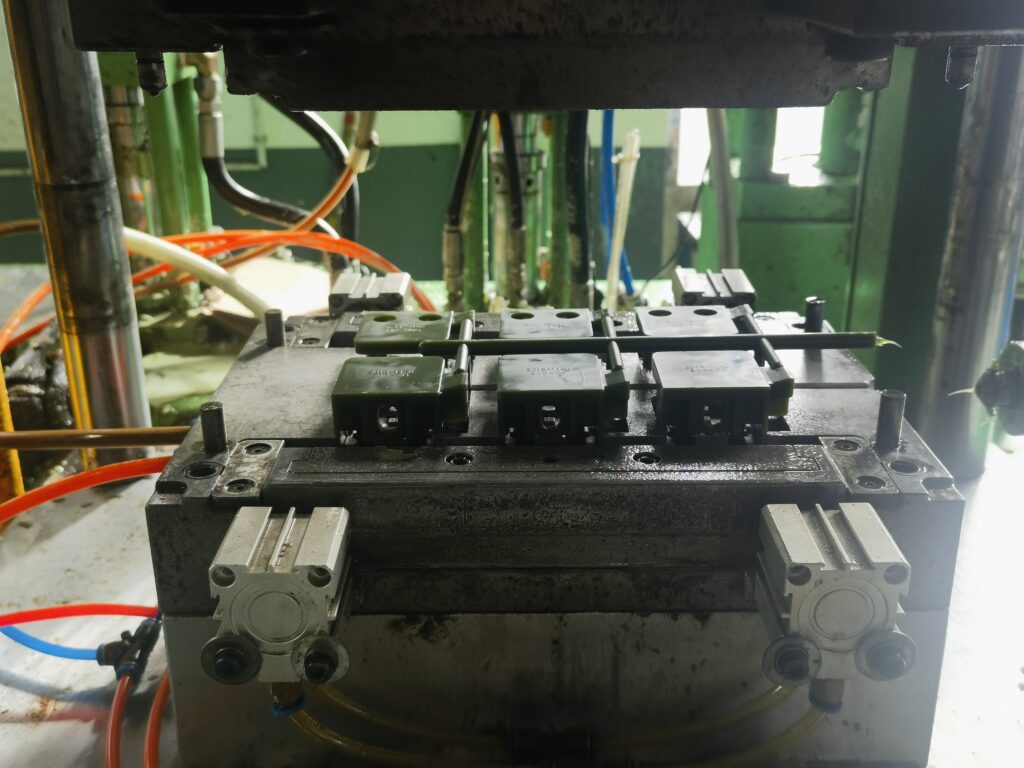
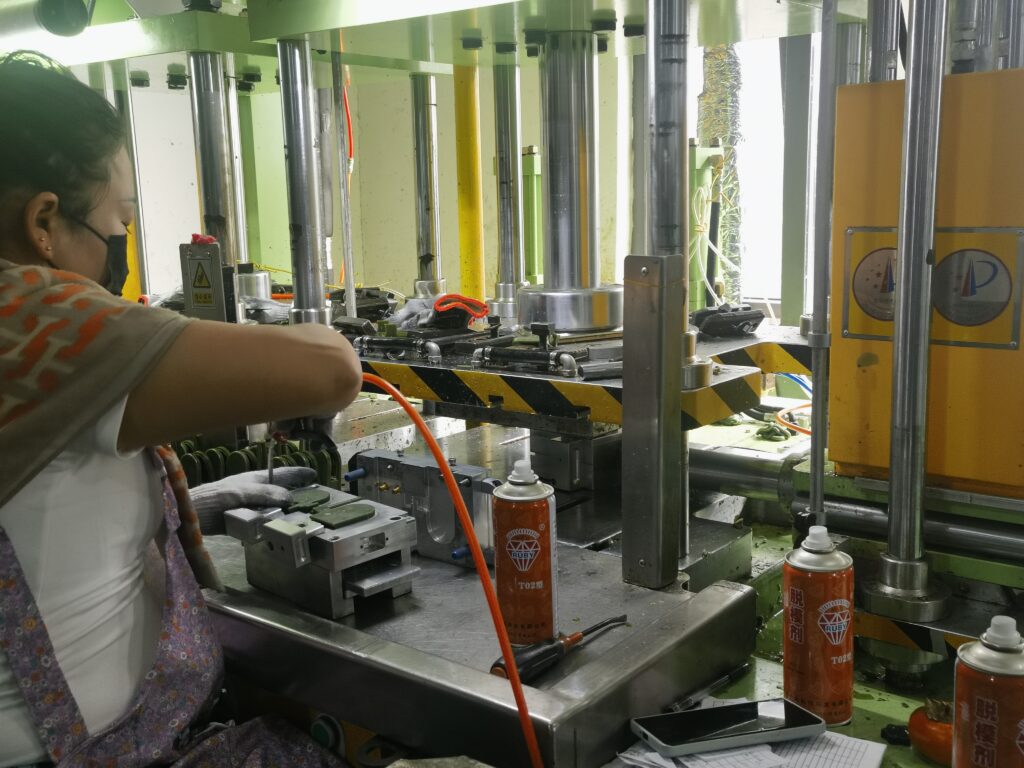
To contain the pressure of molten or paste wax, the tooling must be locked tight: Tooling Setup: The multi-part aluminum or steel die is secured onto the machine platen. Clamping Force Application: Hydraulic or pneumatic cylinders generate high clamping tonnage across the parting line. This prevents the die halves from separating under pressure, eliminating parting-line flash.
3. Wax Injection into the Cavity
Once the clamp sequence completes, the injection cycle begins: Nozzle Docking: The heated injection nozzle presses firmly against the die sprue bushing to form a leak-free seal. Controlled Filling: The injection ram or piston drives conditioned wax into the cavity at programmable velocity and pressure profiles. Regulating the flow rate prevents turbulence, air entrapment, and flow lines across thin-wall sections.
4. Pressure Holding & Cooling
Wax naturally shrinks as it transitions from liquid or paste to a solid state. Controlling this phase determines dimensional precision: Dwell (Packing) Pressure: The nozzle maintains continuous holding pressure on the gate. This feeds micro-volumes of wax into the mold cavity to compensate directly for volumetric shrinkage. Solidification: Chilling circuits inside the die dissipate heat evenly. Holding the pattern under pressure until the gate freezes prevents sink marks and core distortion.
5. Die Opening & Pattern Ejection
After the cooling timer elapses, the machine releases the finished pattern: De-Clamping: The clamping cylinder retracts smoothly to separate the die halves without tugging the wax. Mechanical Ejection: Pneumatic or mechanical ejector pins push the solid pattern out of the mold cavity. Inspection & Handling: The operator or robotic arm removes the pattern for visual checks. Producing accurate, stable patterns at this stage guarantees tight tolerances when pouring 17-4 investment casting custom stainless steel parts downstream.
Post-Injection Processing in Investment Casting
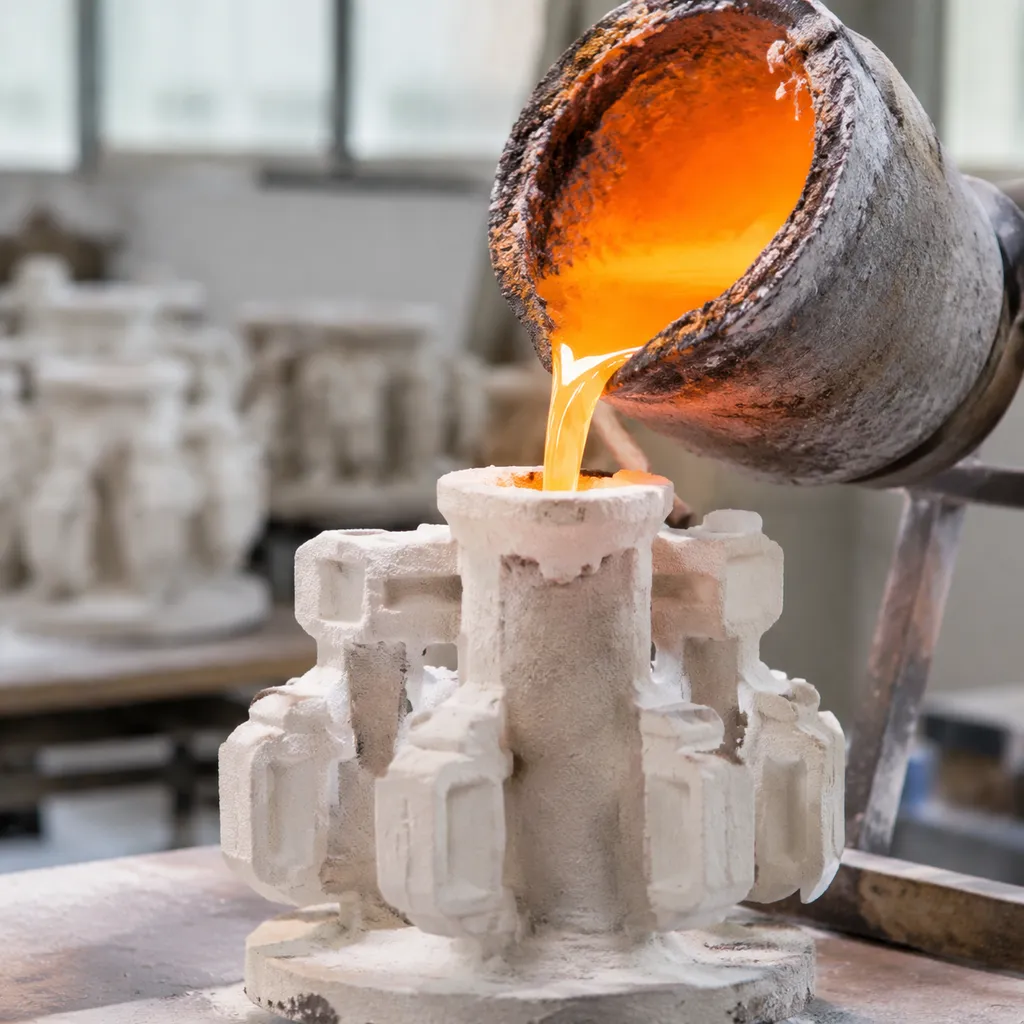
Once a pattern leaves the wax injection machine, our foundry team moves it through critical downstream stations. Learning how wax injection machine works investment casting systems highlights only the first phase; precision casting quality depends equally on what happens right after ejection.
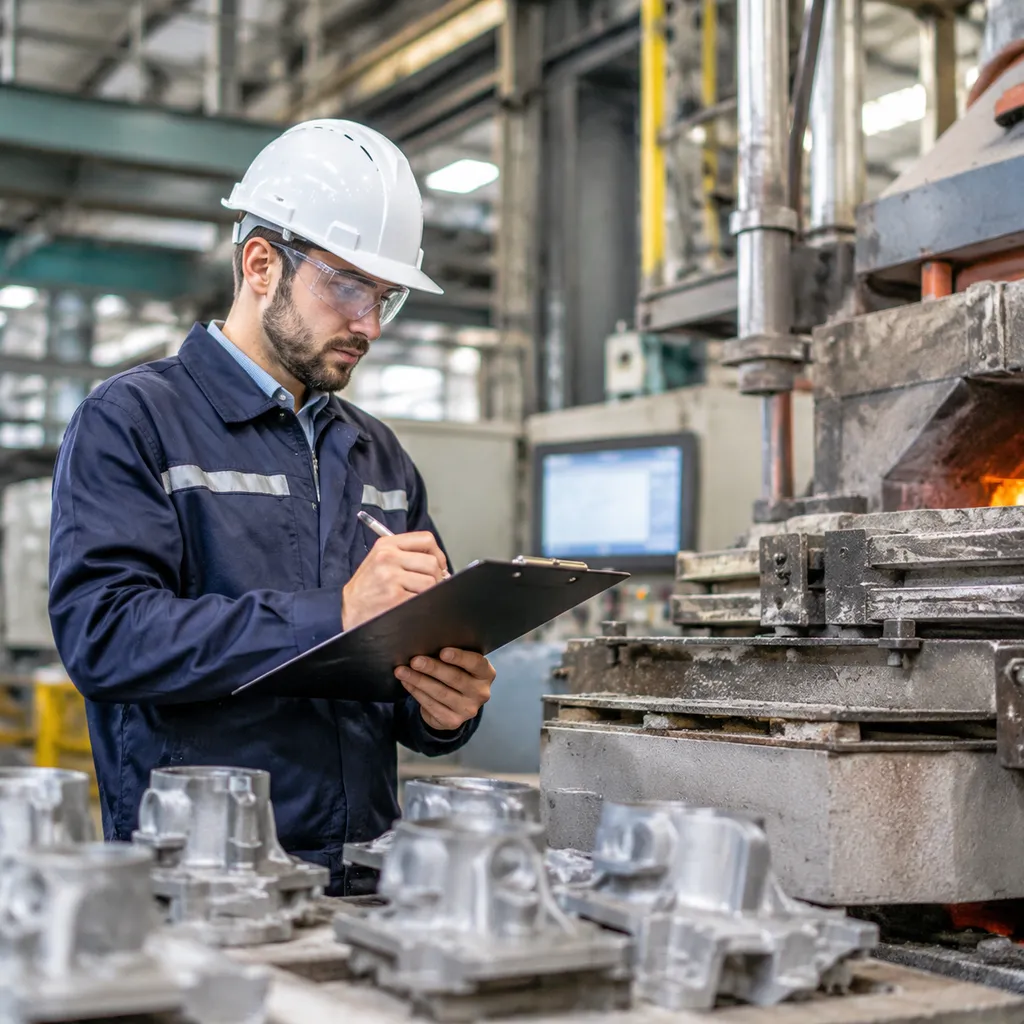
- Visual Inspection & Dressing: We check every wax pattern for parting-line flash, sink marks, or voids. Technicians carefully trim injection sprues, smooth parting lines, and verify critical dimensions before the wax fully stabilizes.
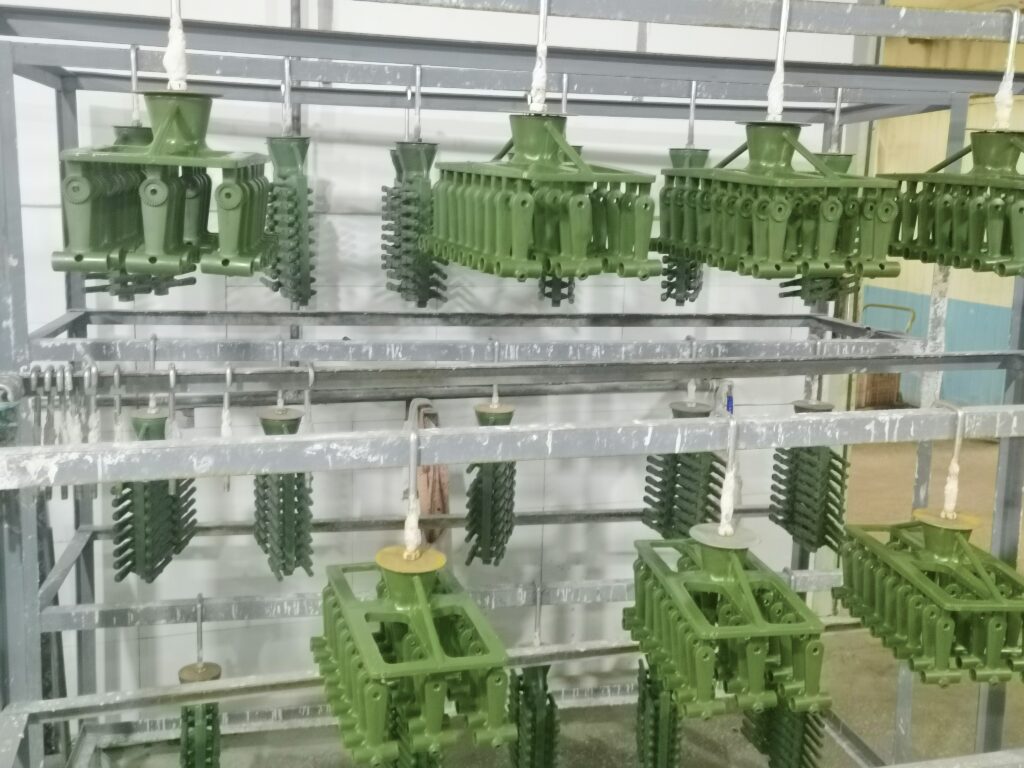
- Pattern Tree Assembly: Individual wax patterns are welded onto a central wax sprue and runner system using heated blades. This cluster—or "tree"—optimizes metal flow and maximizes yield per pour, whether we are preparing structural components or high-spec aerospace parts.
- Ceramic Shell Coating: We repeatedly dip the assembled wax tree into refractory ceramic slurries and stucco it with graded sands. Successive layers dry under tight humidity and temperature control to build a rigid ceramic shell capable of withstanding molten metal.
- Dewaxing: The coated cluster enters a steam autoclave. High-pressure steam melts the interior wax pattern away rapidly without expanding enough to crack the green ceramic shell. Most of this pattern wax is reclaimed, filtered, and conditioned for reuse in non-critical gating systems.
- Shell Firing & Pouring: The hollow ceramic mold is fired in a kiln at high temperatures to burn off remaining wax residue and build ceramic bond strength. The preheated shell is then poured with molten metal—a fundamental step in our specialized 17-4 PH investment casting precision stainless steel service—to produce near-net-shape components.
Key Process Evaluation Parameters for Wax Injection
Getting reliable results from a wax injection machine in investment casting comes down to dialing in your core variables. When we evaluate pattern quality and cycle stability, we measure specific parameters to ensure dimensional accuracy and zero defects across production runs.
Understanding these settings is also critical when evaluating the differences in surface finish and shrinkage between 3D printed wax vs injected wax for casting.
| Process Parameter | Typical Operational Range | Direct Impact on Pattern Quality |
|---|---|---|
| Wax Conditioning Temp | 52°C – 68°C (Paste to Liquid) | Controls flowability; prevents premature chilling or excessive thermal shrinkage. |
| Injection Pressure | 1.5 – 6.5 MPa | Fills thin-wall profiles fully; prevents short shots and surface flow lines. |
| Clamping Force | 10 – 50+ Tons (Machine-dependent) | Keeps the die halves sealed under pressure to stop parting-line flash. |
| Dwell / Packing Time | 5 – 45 seconds | Compensates for volumetric wax contraction during initial solidification. |
| Die Tooling Temp | 18°C – 25°C | Dictates overall cycle speed, cooling rates, and pattern surface consistency. |
Essential Quality Control Benchmarks
- Shrinkage compensation: Maintaining uniform dwell pressure prevents internal cavitation and sink marks on heavy sections.
- Thermal stability: Continuous conditioning keeps wax viscosity identical from the first shot of the shift to the last.
- Cycle consistency: Standardized clamp, inject, and cool timers ensure every pattern matches downstream precision casting requirements before heading to assembly and shell coating.
How to Choose a Wax Injection Machine
Selecting the right equipment comes down to understanding how a wax injection machine works in investment casting for your specific production floor. I evaluate wax injectors based on throughput, part complexity, and mold interaction to ensure repeatable results without cycle delays.
Matching Product Types
Your component geometry dictates the required clamping force and injection volume:
- Small, intricate parts: Demand fast, micro-injection control to prevent flow hesitation.
- Large, structural components: Require high clamping tonnage and massive reservoir capacity to sustain dwell pressures without starvation.
- Alloy requirements: Whether your wax patterns are built for lightweight A356 aluminum investment casting or heavy-section 4340 steel casting, select a machine that maintains pattern integrity and precise dimensional stability for the target alloy shrinkage profile.
Checking Tooling and Material Compatibility
Tooling and wax formulations must integrate seamlessly with the machine's mechanical limits:
- Die Envelope & Daylight: Ensure platen dimensions, tie-bar spacing, and daylight accommodate your existing multi-cavity dies and hydraulic core-pull systems.
- Wax State Compatibility: Verify whether the injector handles paste wax, liquid wax, or filled pattern waxes, with dedicated multi-zone temperature controls across the reservoir, hose, and injection nozzle.
- Nozzle Configuration: Check for adjustable nozzle heights and auto-docking capabilities to mate flush against varying die sprue locations.
Evaluating Automation Capabilities
Modern precision casting relies heavily on foundry automation to stabilize cycle times and lower reject rates:
- Robotic Integration: Look for standardized PLC interfaces (e.g., Profinet, Ethernet/IP) to link pattern-extraction robots and auto-clamping tables.
- Automated Core Pulls & Ejection: Ensure programmable auxiliary hydraulic or pneumatic circuits for complex multi-piece dies.
- Process Monitoring: Choose machines with real-time data logging for injection pressure, fill speed, and temperature curves to support full foundry traceability.
Assessing Commissioning and After-Sales Support
A wax injector is only as dependable as the operational support behind it:
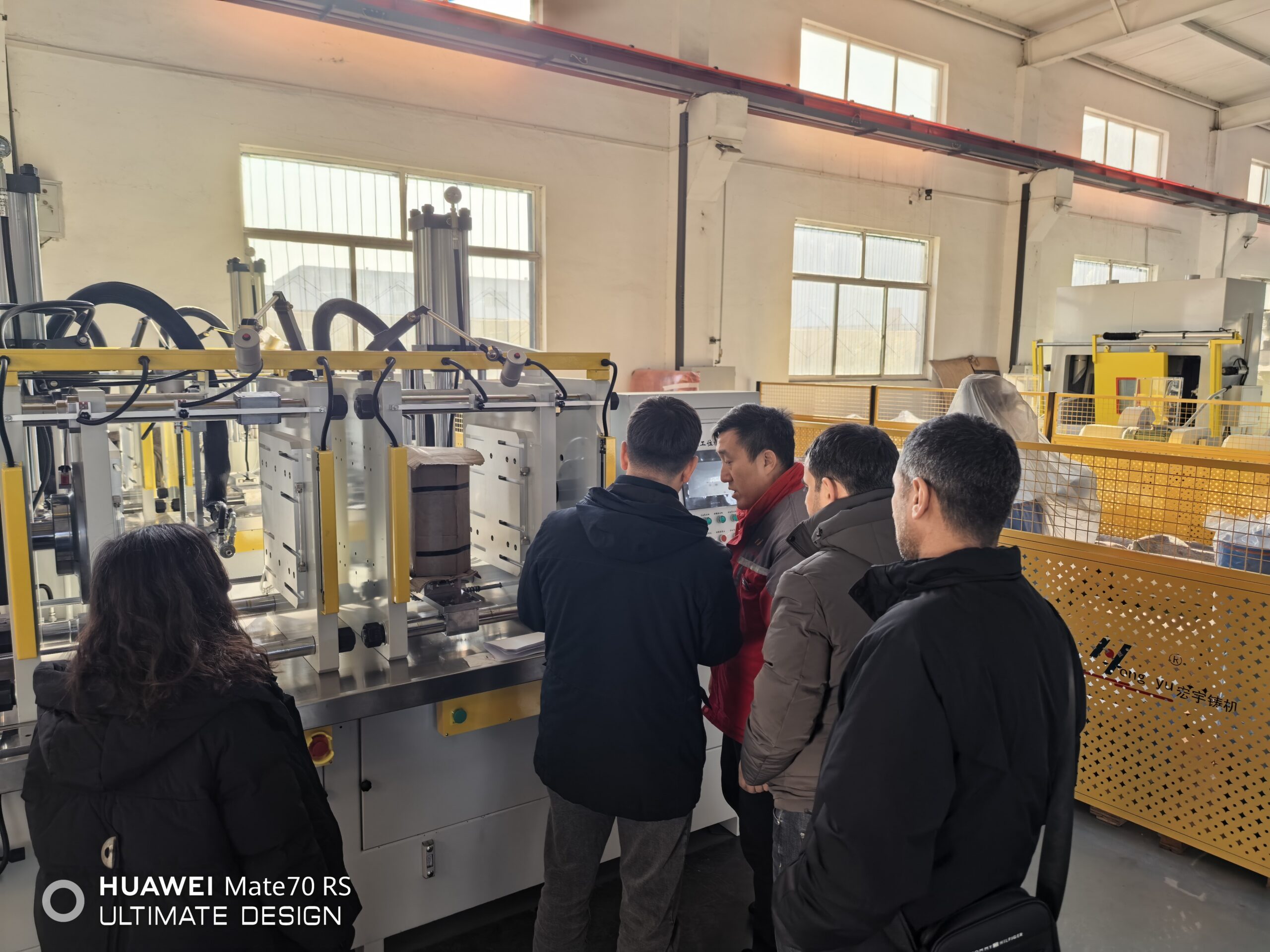
- On-Site Commissioning: Choose suppliers that assist with platen leveling, nozzle alignment, and recipe tuning directly on your production floor.
- Spare Parts Availability: Confirm quick access to critical seals, proportional valves, heating bands, and PLC modules.
- Field Service & Training: Ensure your operators receive hands-on instruction covering preventive maintenance, accumulator checks, and parameter optimization.
Troubleshooting Common Wax Injection Defects
Understanding how wax injection machines work in investment casting makes pinpointing pattern defects straightforward. When a wax pattern shows imperfections, the issue usually traces back to temperature, pressure, dwell time, or die clamping mechanics.
Here is how we diagnose and resolve the most common pattern flaws directly on the machine floor:
- Short Shots (Incomplete Cavity Filling):
- Root Cause: Low wax temperature, insufficient injection pressure, or cold tooling chills the wax before it fills thin sections.
- Solution: Increase injection pressure gradually, verify nozzle alignment, and raise die or wax conditioning temperatures to ensure smooth flow.
- Sink Marks and Volumetric Shrinkage:
- Root Cause: The holding stage ended before the core solidified, or the injection wax was too hot, leading to excessive volumetric contraction.
- Solution: Extend packing dwell time to feed wax continuously during phase change, reduce conditioning temperature closer to a semi-solid paste state, and verify cooling water circuits.
- Parting-Line Flash:
- Root Cause: Injection pressure exceeds the machine’s clamping force, or die platens are misaligned.
- Solution: Increase clamping tonnage, verify die face flatness, and throttle back initial injection velocity. In our factory, we routinely inspect platen parallelism to maintain tight die seals under high injection loads.
- Air Entrapment and Surface Bubbles:
- Root Cause: Turbulent filling or blocked die vents trapping air pockets inside the pattern cavity.
- Solution: Reduce injection flow speed for a steady laminar fill, clean vent pins, and check the reservoir for proper wax degassing.
- Pattern Distortion and Warpage:
- Root Cause: Ejecting the pattern before it reaches dimensional stability, or uneven thermal dissipation across the die halves.
- Solution: Lengthen the in-die cooling cycle, balance cooling water flow across both tooling halves, and inspect ejector pin timing to prevent mechanical strain.
Frequently Asked Questions
What is the role of a wax injection machine in investment casting?
In investment casting, understanding how wax injection machine works investment casting setups operate highlights their core purpose: producing highly repeatable, dimensionally accurate sacrificial wax patterns. The machine conditions the wax, injects it into metal dies under controlled velocity, and holds pressure until the wax solidifies. Because every downstream shell and final metal component directly mirrors the wax original, the injection machine serves as the foundation for component precision and surface finish across all advantages and disadvantages of lost-wax casting.
Do all wax injection machines run at the same temperature and pressure?
No. Operating parameters vary depending on the wax formulation, pattern geometry, and die design: Wax type: Liquid wax injection typically requires higher temperatures and lower pressures, whereas semi-solid paste wax runs at lower temperatures with higher injection and clamping pressures to minimize volumetric shrinkage. Component size: Heavy cross-sections require longer dwell times under sustained packing pressure, while fine geometries require precise flow-rate control to avoid turbulence.
Can they produce complex, thin-walled wax patterns?
Yes. Modern machines utilize multi-stage injection profiles, programmable flow velocities, and vacuum-assisted die evacuation to fill intricate cavities and ultra-thin walls without short shots, cold shuts, or air entrapment. This level of process stability makes them ideal for demanding applications like aerospace blades, turbocharger components, and medical implants.
Can the equipment integrate with robotics?
Yes. Our injection systems are built with open communication protocols and standard safety interfaces designed for seamless foundry automation. They readily interface with six-axis industrial robots for automated core insertion, pattern extraction, visual inspection, and robotic tree assembly. Review our engineering approach to advanced cell integration under our technical advantages.
What information is needed to request an equipment evaluation?
To determine the ideal clamping force, reservoir volume, and injection configuration for your operation, provide the following details: Maximum pattern dimensions and shot volume (weight per shot). Tooling specifications, including mold dimensions, weight, and existing clamping plate compatibility. Type of wax utilized (liquid, paste, or filled pattern wax). Target cycle time and daily production quotas. Level of automation required (manual station, semi-automated cell, or turnkey robotic cell).
Conclusion
Understanding how wax injection machines work in investment casting is essential for maintaining tight tolerances, rapid cycle times, and defect-free production runs. From precise thermal conditioning and balanced injection pressure to controlled dwell times, every phase of the cycle directly dictates the accuracy of the finished metal component. Whether producing standard industrial hardware or demanding aerospace investment casting for precision components, dialing in your wax injection parameters eliminates pattern defects early, lowers scrap rates, and ensures consistent quality throughout the entire precision casting process.
 English
 Russian
 German