
2026年11月12日
Explore investment casting equipment including wax injection machines ceramic shell systems dewaxing autoclaves robotics and smart selection tips
What Does Investment Casting Equipment Include?
Investment casting equipment is the group of machines, systems and controls used to produce wax patterns, build ceramic shells, remove wax, handle work-in-process and support precision casting. Deploying the right combination should match part geometry, wax and ceramic processes, production volume, quality requirements and the foundry’s automation plans to achieve tight tolerances, high metallurgical integrity, and predictable throughput.
A comprehensive precision casting installation integrates multiple specialized equipment clusters across the operational chain:
- Wax Pattern Production: Precision hydraulic or pneumatic wax injection presses, paste wax conditioning tanks, runner assembly fixtures, and automated gating stations.
- Ceramic Shell Building: Slurry preparation tanks with continuous agitation, fluidized sand beds, rainfall sanders, environmental drying rooms with closed-loop humidity controls, and multi-axis dipping manipulators.
- Dewaxing and Firing Systems: Fast-pressurizing steam dewaxing autoclaves, wax reclamation and conditioning systems, and high-temperature burnout/preheat furnaces.
- Work-in-Process (WIP) Handling: Programmable overhead continuous conveyors, automated transfer shuttles, and heat-resistant robotic grippers that protect fragile shells from mechanical shock.
- Melting and Pouring Equipment: Coreless medium-frequency induction melting furnaces, vacuum induction melting (VIM) units, and tilt-pour or rollover casting stations.
- Post-Cast Processing and Finishing: Hydraulic shell knockout machines, high-pressure waterjet blasting systems, abrasive cut-off cells, heat-treatment furnaces, and dimensional inspection tools.
How Equipment Integrates into the Investment Casting Process Flow
Investment casting equipment is the group of machines, systems and controls used to produce wax patterns, build ceramic shells, remove wax, handle work-in-process and support precision casting. The right combination should match part geometry, wax and ceramic processes, production volume, quality requirements and the foundry’s automation plans.
Every machine in our layout serves a direct mechanical purpose at each transition point across the shop floor:
- Pattern Production & Tree Assembly: Semi-automatic or automated wax injectors inject molten pattern wax into precision dies. Operators or assembly cells then weld these individual wax patterns onto central sprues to form castable wax trees.
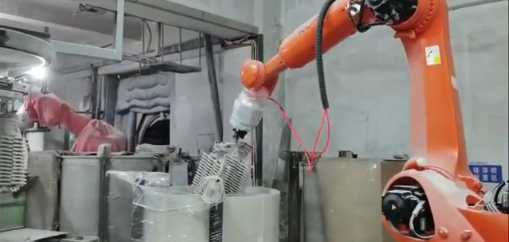
- Layered Ceramic Shelling: Robotic arms or dipping carousels lower the wax assemblies into slurry mixers containing colloidal silica binders, followed by coating in rainfall sanders or fluidized beds. Controlled environmental rooms maintain tight temperature and humidity levels to dry each layer predictably.
- Dewaxing & Mold Firing: High-pressure steam autoclaves rapidly evacuate the bulk wax in minutes to prevent thermal expansion from cracking the green ceramic. The empty shells immediately move to a high-heat 1200°C energy-saving burnout furnace for silica sol shells to eliminate residual wax and fire the ceramic to full structural strength.
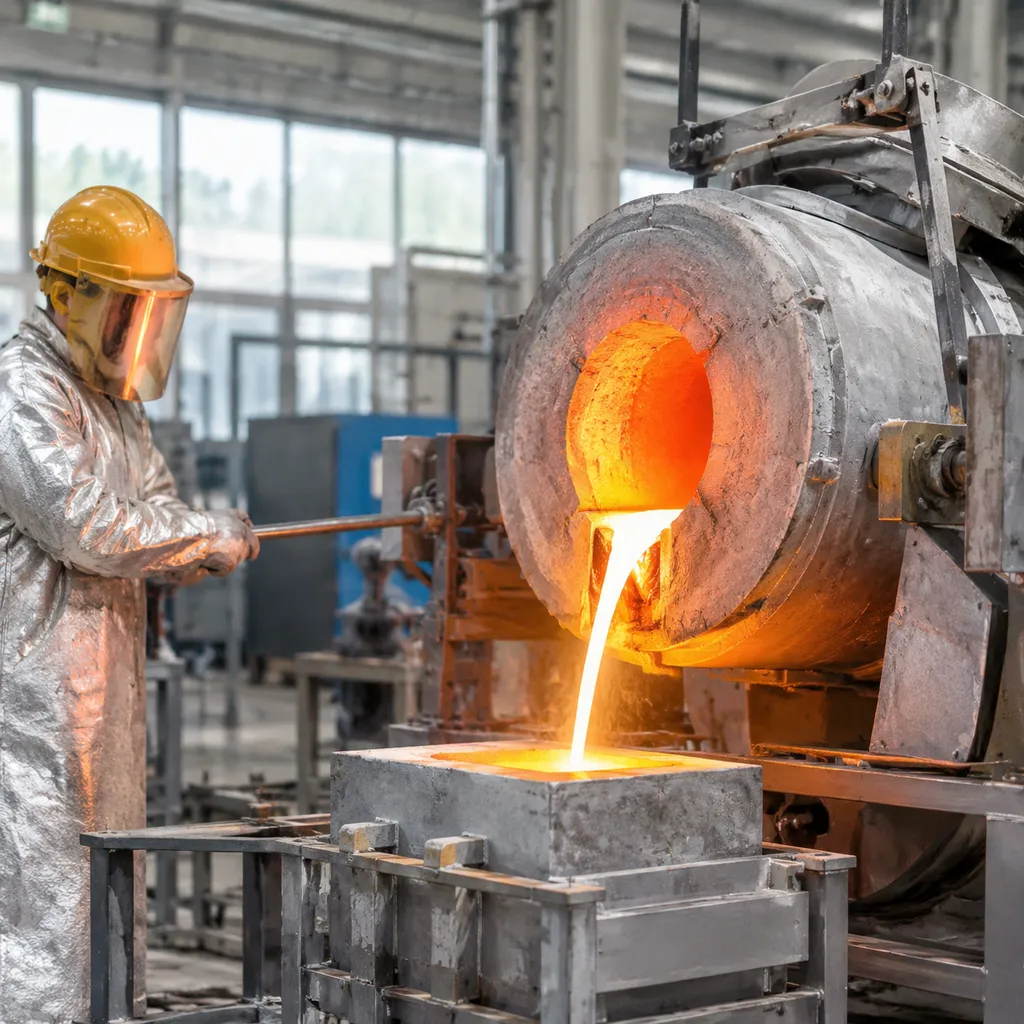
- Melting & Pouring: While shells remain preheated, a dedicated 150 to 200 kg melting furnace for investment casting melts alloy charges under precise thermal monitoring to ensure clean, laminar metal transfer during the pour.
- Post-Cast Knockout & Gate Removal: Pneumatic knockout hammers, high-pressure water blasters, and abrasive cutoff saws strip the ceramic shell and separate individual metal castings from the central gating system for final inspection.
| Process Stage | Core Integrated Equipment | Primary Control Focus |
|---|---|---|
| Pattern Tooling | Wax Injection Machines, Chiller Units | Flow rate, die clamp pressure, dwell time |
| Shell Molding | Slurry Mixers, Rainfall Sanders, Robots | Slurry viscosity, grain distribution, dry rates |
| Dewax & Sinter | Steam Autoclaves, Burnout Furnaces | Pressurization ramp-up, refractory soak temp |
| Melting & Casting | Induction Melt Furnaces, Pouring Ladles | Melt bath temperature, atmospheric shielding |
| Cleaning | Knockout Units, Cutoff Machines | Mechanical vibration cycle, cut accuracy |
Core Investment Casting Equipment Categories
Investment casting equipment is the group of machines, systems and controls used to produce wax patterns, build ceramic shells, remove wax, handle work-in-process and support precision casting. The right combination should match part geometry, wax and ceramic processes, production volume, quality requirements and the foundry’s automation plans. Below are the foundational equipment categories we rely on across the precision casting workflow.
Wax Injection Machines
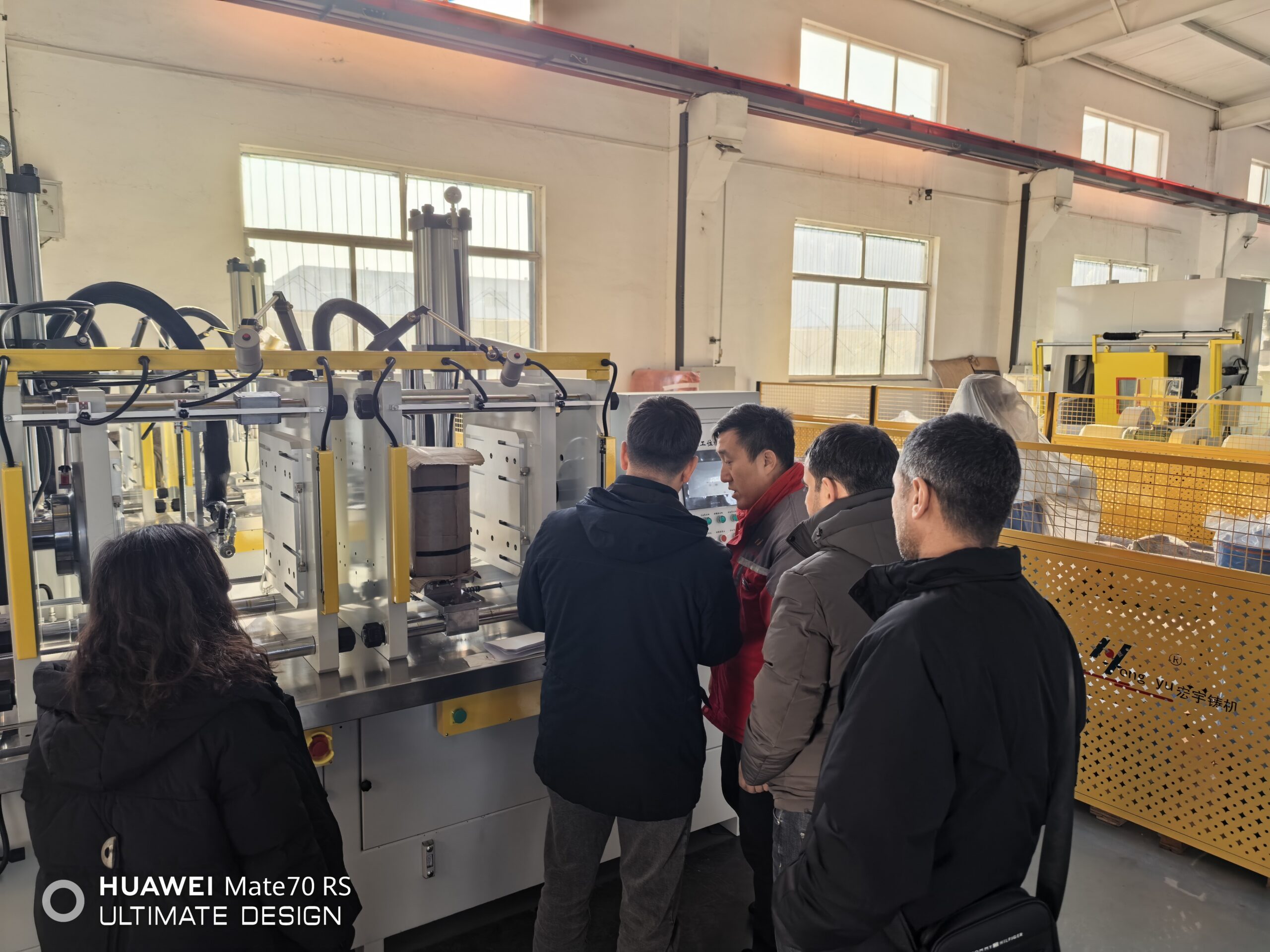
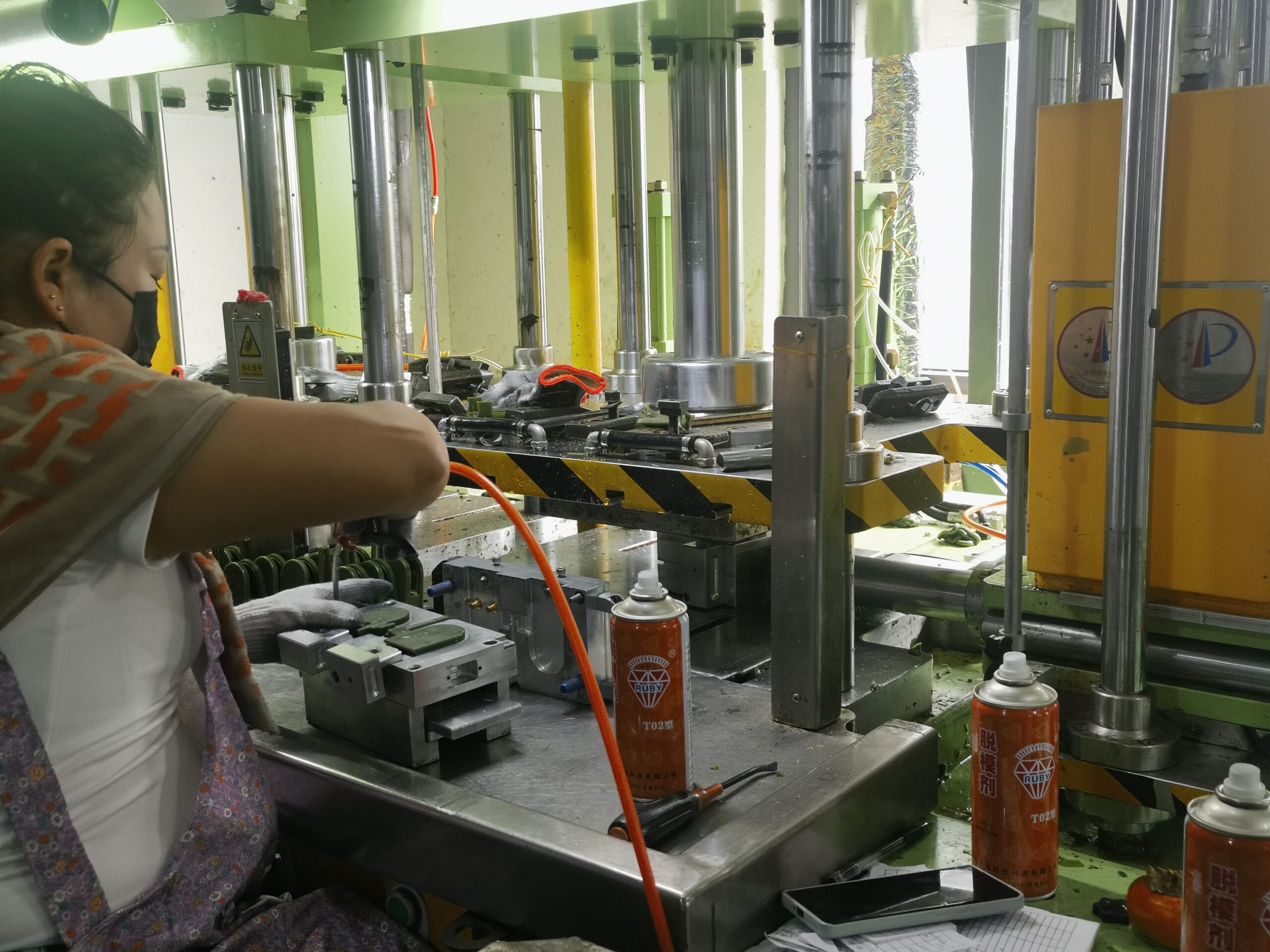
Wax pattern presses form the physical foundation of the casting mold. We configure our injection units to hold strict dimensional tolerances and avoid pattern sink:
- Injection Control: Closed-loop hydraulic or electric servo systems regulate flow rate, injection pressure, and dwell times.
- Wax Conditioning: Dedicated reservoirs maintain paste or liquid wax within tight ±0.5°C bands to ensure consistent volumetric shrinkage.
- Clamping Units: Heavy-duty C-frame or multi-tie-bar platens deliver clamping forces from 10 to 100+ tons, preventing parting-line flash on intricate dies.
Whether running high-volume components or tight-tolerance parts for our 17-4 PH investment casting precision stainless steel service, reliable wax injection eliminates dimensional drift before the ceramic build even begins.
Automated Ceramic Shell Building Systems
Shell building demands absolute consistency across repeated slurry dips and stucco applications:
- Slurry Mixers & Tanks: Continuous-rotation, low-shear tanks keep zircon, fused silica, and colloidal silica slurries suspended at a uniform viscosity.
- Stucco Applicators: Fluidized sand beds and rainfall sanders apply refractory grains evenly over complex geometries without damaging delicate wax features.
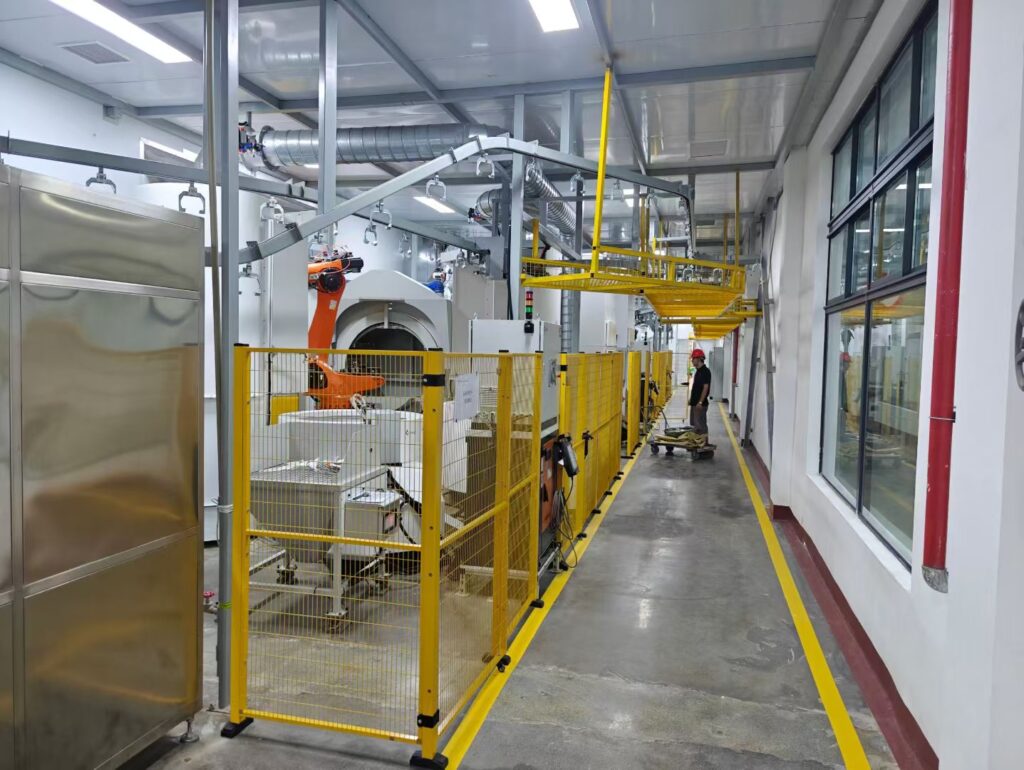
- Controlled Drying Cells: Enclosed drying tunnels with automated temperature, humidity, and airflow controls prevent shell cracking and ensure complete moisture removal between coats.
Steam Dewaxing Autoclaves
Dewaxing requires rapid thermal transfer to evacuate wax before its thermal expansion stresses the green ceramic shell:
- Fast Pressurization: High-pressure steam vessels reach operating pressure (6 to 8 bar) in under 5 to 7 seconds, melting the boundary layer instantly.
- Wax Reclamation: Automated bottom-discharge valves drop molten wax directly into separation and collection reservoirs for reclamation.
- Safety Interlocks: Pneumatic door locking mechanisms, safety valves, and programmable depressurization sequences guarantee operator safety during high-throughput thermal cycles.
Robot Automation and WIP Handling Systems
Connecting each process stage through engineered handling equipment keeps production lines balanced and reduces handling damage:
- Multi-Axis Dipping Robots: 6-axis articulated robots handle wax tree payloads up to several hundred kilograms, executing precise tilting and spinning routines to coat intricate internal passages.
- WIP Transfer Conveyors: Overhead power-and-free conveyors and track systems move fragile ceramic shells smoothly between dipping stations, drying rooms, and burnout lines.
- Tracking and MES Integration: Integrated barcode or RFID readers monitor shell drying times and recipe status, ensuring zero deviation across shift handovers.
Investment Casting Equipment Selection Steps
Selecting the right setup is never about buying individual machines in isolation. Investment casting equipment is the group of machines, systems and controls used to produce wax patterns, build ceramic shells, remove wax, handle work-in-process and support precision casting. The right combination should match part geometry, wax and ceramic processes, production volume, quality requirements and the foundry’s automation plans.
Here is our step-by-step framework to configure an efficient, balanced production line:
Step 1: Map Part Geometry and Envelope Size
We start by evaluating the largest and smallest castings planned for the line. Platen size and clamping force: Match your wax injection presses to the projected surface area and mold dimensions. Payload capacity: Size your shell-building robots and transfer arms based on wet tree weight rather than dry wax clusters. Chamber volumes: Ensure steam autoclaves and burnout furnaces handle your maximum cluster height without sacrificing heat circulation.
Step 2: Establish the Wax and Pattern Strategy
Your tooling, wax chemistry, and volume dictate the front-end equipment. High-volume runs require automated multi-station wax injectors with precision paste-wax controls to minimize shrinkage. If your operations focus on prototypes or low-volume specialty runs, evaluate whether standard injection tooling or 3D printed wax vs injected wax for casting better aligns with your machinery investments and upfront capital budget.
Step 3: Match Slurry Systems and Shell Automation
Primary and backup coats demand distinct handling parameters: Slurry preparation: Select rotating slurry tanks with continuous agitation to maintain binder suspension (such as colloidal silica). Application methods: Balance fluid sand beds for intricate deep pockets against rainfall sanders for uniform outer shell strength. Environmental controls: Integrate controlled-atmosphere drying rooms where temperature, humidity, and airflow are monitored continuously to prevent shell cracking.
Step 4: Balance Cycle Times and Work-in-Process (WIP) Flow
A bottleneck in one zone shuts down the entire foundry. Calculate throughput across every phase: Wax injection cycle vs. assembly speed Shell drying layer turnaround vs. dipping cell availability Autoclave batch capacity vs. shell burnout and preheat cycles Melt furnace batch cycles vs. pour handling systems
Step 5: Define Automation Tiers and Control Integration
Determine your required level of process repeatability. We integrate programmable logic controllers (PLCs) and recipe-driven interfaces across injection, robotic dipping, and dewaxing. Digital parameter tracking creates closed-loop traceability, helping eliminate operator variability and meeting demanding aerospace, medical, and industrial quality standards.
Investment Casting Equipment Selection Checklist
Investment casting equipment is the group of machines, systems and controls used to produce wax patterns, build ceramic shells, remove wax, handle work-in-process and support precision casting. The right combination should match part geometry, wax and ceramic processes, production volume, quality requirements and the foundry’s automation plans.
Before committing capital to any machinery, run through this practical checklist to ensure balanced throughput, utility compatibility, and product quality:
| Evaluation Area | Key Inspection Points | Engineering Target |
|---|---|---|
| Part Geometry & Mold Envelope | Clamping platen size, robot payload reach, autoclave chamber diameter | Accommodate max tree height, width, and cluster weight with clearance margins |
| Process & Wax Metallurgy | Closed-loop temperature control, variable injection flow, vacuum assist | Eliminate pattern shrinkage, sink marks, and air entrapment on thin sections |
| Shell Room Environmental Control | Air exchange rates, relative humidity (RH) control, temperature stability | Consistent binder drying cycles for colloidal silica and zircon slurries |
| Alloy & Pouring Capability | Induction melting capacity, pouring speed control, mold preheat temps | Proper mold fill and integrity for demanding alloys, such as 4340 steel casting high strength custom components |
| Line Balancing & Cycle Times | Injection cycle time vs. dipping carousel speed vs. autoclave batch volume | Zero WIP bottlenecks between pattern assembly and dewaxing operations |
| Utilities & Facility Footprint | Dry steam pressure (min. 8–10 bar), pneumatic CFM, 3-phase electrical load | Reliable utility supply without mid-cycle line pressure drops |
Immediate Checklist Priorities
- Verify Automation Scalability: Choose machines equipped with open PLC architecture (such as Siemens or Allen-Bradley) to allow straightforward integration with automated transfer rails or robotic dipping units later.
- Match Shell Strength to Dewaxing: Ensure your steam autoclave reaches operating pressure within 4 to 7 seconds to prevent shell cracking caused by expanding wax.
- Standardize Tooling Interfaces: Keep wax die platens and ejector pin layouts standardized across all wax presses to reduce changeover downtime.
Scope of Procurement Considerations
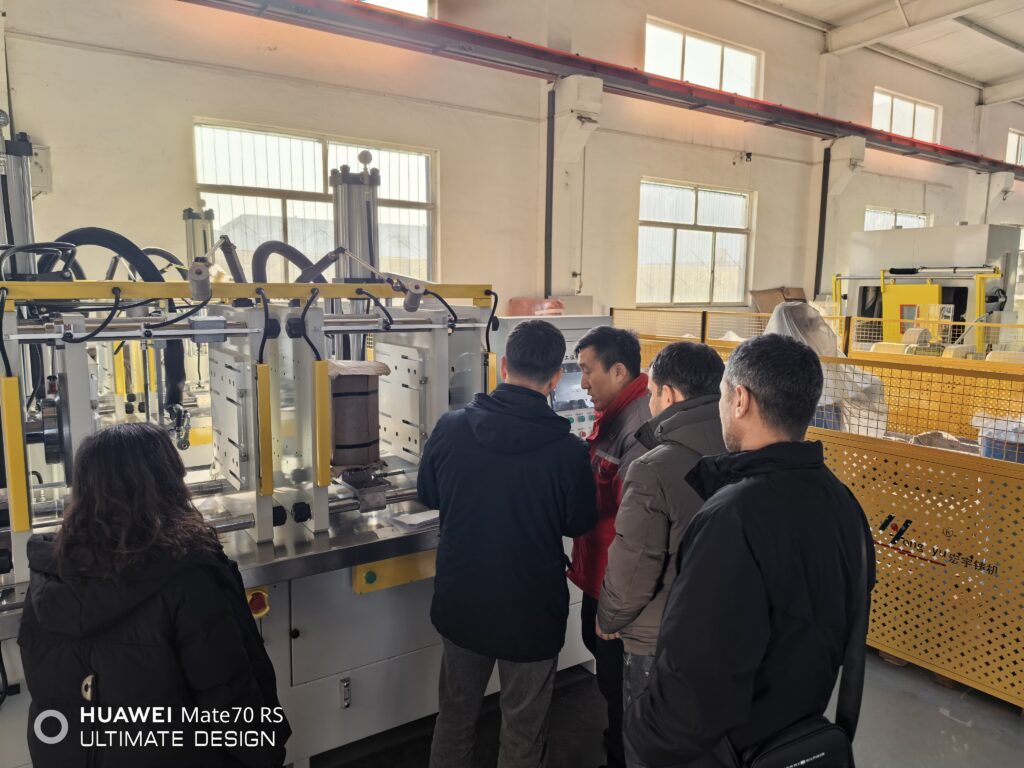
Defining battery limits early prevents project delays and hidden costs during equipment installation. Investment casting equipment is the group of machines, systems and controls used to produce wax patterns, build ceramic shells, remove wax, handle work-in-process and support precision casting. The right combination should match part geometry, wax and ceramic processes, production volume, quality requirements and the foundry’s automation plans.
When establishing your procurement contracts, evaluate these critical boundary parameters:
- Utility Interface Boundaries: Clearly assign responsibility for utility hookups. Specify who supplies the pressure reducers for high-pressure steam, dedicated chiller lines for wax presses, dehumidification ducted loops for drying tunnels, and local dust collection drop points. Experience across our own advanced casting factory proves that standardized utility drops eliminate layout bottlenecks during plant commissioning.
- Controls and Software Architecture: Mandate clear communication protocols across all standalone units. Ensure your wax presses, robotic dipping arms, and autoclave controllers share compatible PLC platforms and industrial fieldbuses (such as Profinet or EtherCAT) to allow centralized data logging and supervisory control.
- Tooling and Die Interlocks: Document all mechanical clamping standards, ejector patterns, platen T-slot dimensions, and core-pull hydraulic interfaces. Equipment must accept both existing legacy dies and modern modular tooling without custom adapter plates.
- FAT and SAT Performance Thresholds: Tie procurement milestones directly to measurable process metrics. Runoff acceptance criteria should cover injection temperature stability within ±0.5°C, slurry density control limits, autoclave rapid pressurization ramp-up times, and full dry-cycle automation tests before dispatch.
- Wear Parts and Strategic Spares: Secure critical wear items within the base purchase scope. Include spare slurry pump impellers, high-pressure wax nozzle heaters, door seals for steam autoclaves, and sand bed diffusion membranes to avoid unplanned production stops during startup.
Frequently Asked Questions
What is the most critical investment casting equipment for a new foundry?
Wax injection presses and shell-building systems form the backbone of your shop. Investment casting equipment is the group of machines, systems and controls used to produce wax patterns, build ceramic shells, remove wax, handle work-in-process and support precision casting. If your wax pattern shrinks unevenly or your ceramic shell fails under thermal stress during dewaxing, downstream pouring cannot salvage the run. Prioritize high-stability injection units and precision-controlled drying environments first.
Can a single supplier provide an entire production line?
Yes, turnkey engineering providers can deliver complete lines from pattern tooling to final cutoff. However, many foundries source specialized equipment from dedicated manufacturers—such as high-pressure wax injectors from one builder and steam autoclaves from another—to match unique production volumes and budget constraints. The right combination should match part geometry, wax and ceramic processes, production volume, quality requirements and the foundry’s automation plans.
When should you automate shell dipping and material handling?
Automating dipping cells and material transport makes sense when: Batch weights exceed ergonomic limits: Heavy tree assemblies (over 15–20 kg) cause operator fatigue and inconsistent slurry coverage. Volume increases: Daily mold demand surpasses manual shift capacity. Tight shell repeatability is required: Robotic dipping ensures consistent slurry runoff and sanding thickness across complex, contoured parts.
What information should you provide suppliers when requesting a quote?
To receive an accurate equipment quote and layout proposal, supply the following details: Part envelopes: Maximum and minimum tree dimensions, weights, and wax shot volumes. Target throughput: Daily or hourly mold output requirements. Process specifications: Slurry types (colloidal silica, ethyl silicate), sand distribution methods, and drying room cycle times. Facility utilities: Available steam capacity, pneumatic pressure, electrical supply, and floor dimensions.
Does Vastpe provide both precision casting and CNC machining services?
Yes. We operate as an end-to-end manufacturing partner, managing the complete production cycle from tooling design and casting to precision CNC finishing. Through our one-stop service, we eliminate the risk and lead-time delays of coordinating between separate foundries and machine shops. This integration leverages our established technical advantages to deliver print-ready, high-tolerance components directly into your assembly line.
Related Precision Casting and Process Resources
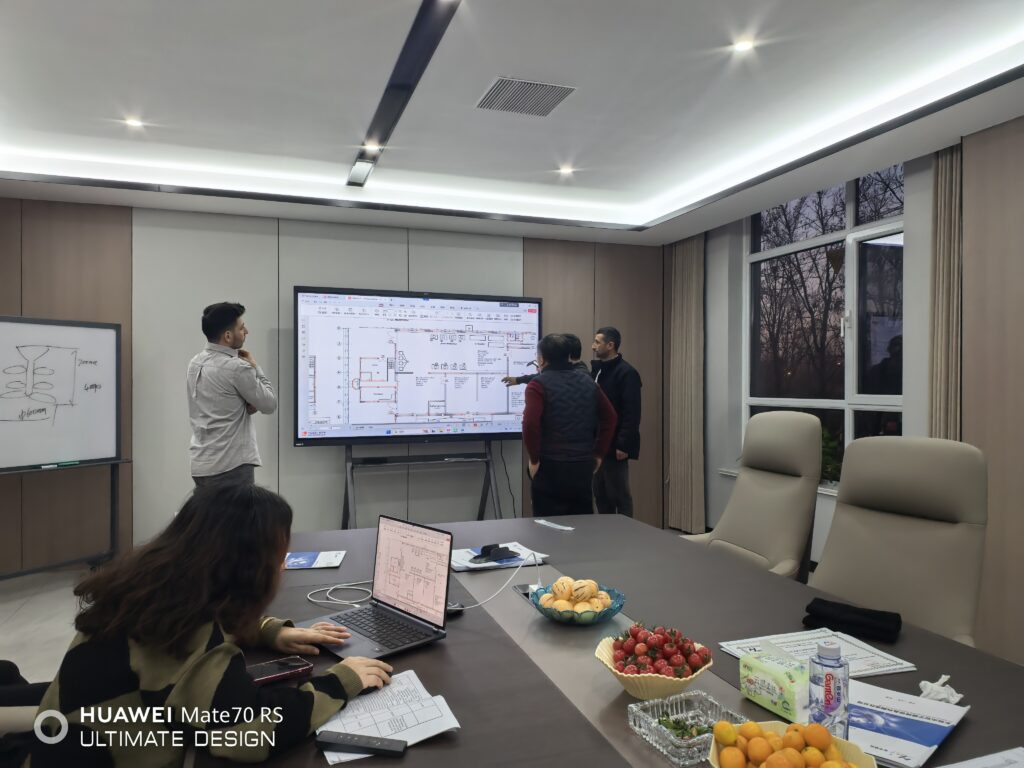
Investment casting equipment is the group of machines, systems and controls used to produce wax patterns, build ceramic shells, remove wax, handle work-in-process and support precision casting. The right combination should match part geometry, wax and ceramic processes, production volume, quality requirements and the foundry’s automation plans. To understand how specific equipment setups interact with distinct alloy groups and demanding application standards, explore our dedicated engineering guides:
- Alloy-Specific Processing: Align your melting, pouring, and shell-building systems with metallurgical specifications by reading our guide to alloy steel investment casting.
- High-Integrity Structural Applications: Compare equipment capability and defect control strategies for mission-critical parts through our breakdown of aerospace investment casting for precision components.
- Lightweight Alloy Systems: Evaluate thermal management and mold dynamics tailored to non-ferrous melts across our detailed aluminum alloy casting guide for die, sand, and investment.
Connecting process specifications with the proper equipment envelope ensures reliable dimensional repeatability, optimal cycle times, and smooth production handoffs across every stage of foundry operations.
Next Step: Review Your Equipment Plan with Vastpe
Investment casting equipment is the group of machines, systems and controls used to produce wax patterns, build ceramic shells, remove wax, handle work-in-process and support precision casting. The right combination should match part geometry, wax and ceramic processes, production volume, quality requirements and the foundry’s automation plans.
We collaborate directly with your engineering team to audit technical parameters, eliminate bottlenecks, and select machinery that aligns with your real-world production targets.
What We Review Together
- Part Envelopes & Clamping Forces: Verifying that wax injection platen dimensions, clamping capacities, and die setups accommodate your entire product mix without flash or distortion.
- Shell Room Dynamics: Sizing slurry tanks, rainfall sanders, and environmental controls to match drying schedules and shell thickness targets.
- Autoclave & Dewaxing Throughput: Balancing steam pressure ramp-up, cycle times, and vessel volume against daily mold production.
- Material Handling & Automation: Evaluating manual cells versus robotic dipping lines to maximize repeatability and minimize scrap rates.
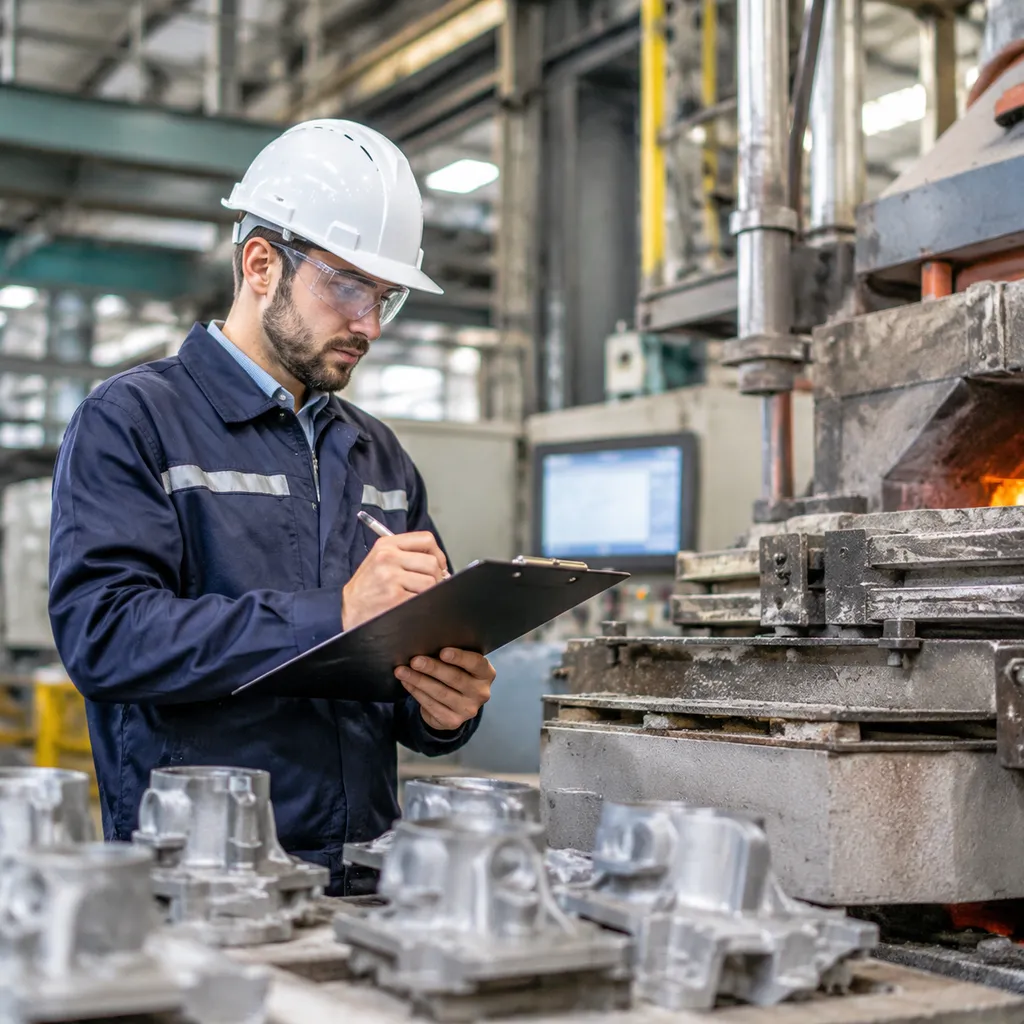
Whether upgrading an existing department or building out full production cells tied to our aluminum foundry services for precision castings, Vastpe delivers complete technical reviews to ensure your equipment investment matches your operational scale.
 English
 Russian
 German