
2026年11月11日
Learn how to qualify a precision casting equipment supplier by assessing quality certifications capabilities reliability and technical support
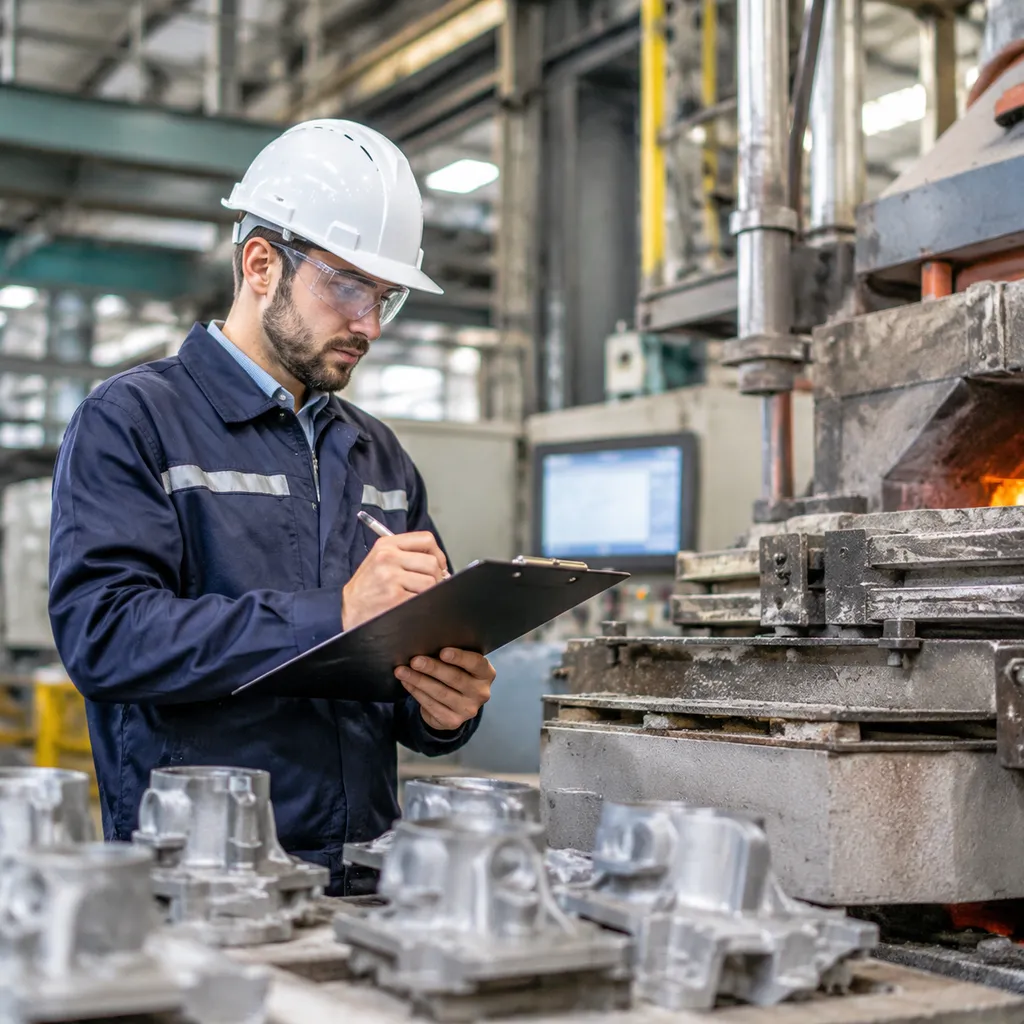
Complete Investment Casting Machinery Suite
Fragmented equipment sourcing creates integration bottlenecks, inconsistent part tolerances, and endless finger-pointing when scrap rates spike. Learning how to qualify a precision casting equipment supplier starts with auditing their full-line capability. We engineer and manufacture an integrated suite of investment casting machinery built to hold strict aerospace, medical, and industrial tolerances without cross-vendor compatibility headaches.
Automated Wax Injection Machines
Pattern instability ruins downstream dimensional accuracy before a shell is even dipped. Our semi-automatic and fully automated high-pressure wax pattern presses deliver rigid clamping control and stable thermal profiles. Clamping Configurations: Vertical 4-pillar and C-frame hydraulic presses ranging from 15 to 100+ tons. Thermal Precision: Multi-zone PID temperature controllers holding paste or liquid wax within ±0.5°C. Automation Integration: Programmable multi-axis sprue pickers and automated mold-release sprayers for lights-out production cycles.
Ceramic Shell Dipping Robots and Slurry Cells
Manual dipping introduces operator fatigue and uneven shell builds that fail under thermal shock. Our robotic ceramic shell room systems and automated slurry dipping cells standardize every primary and backup coat. Automated Dipping Cells: Heavy-duty 6-axis ceramic shell dipping robots programmed for smooth drain angles and zero-shock acceleration. Slurry and Stucco Hardware: Continuous-agitation slurry preparation tanks, dual-action rain sand coating machines, and aerated fluidized bed sanders. Climate Control: Closed-loop drying tunnels maintaining strict relative humidity (±2% RH) and consistent airflow velocity.
Steam Dewaxing Autoclaves and Burnout Furnaces
Shell cracking during dewaxing almost always traces back to sluggish boiler recovery. We build pressurized thermal units that melt wax out faster than it can expand against the ceramic wall. Steam Dewaxing Autoclaves: Quick-lock bayonet doors with rapid 0.8 MPa pressurization in under 10 seconds to protect thin shell geometries and maximize clean wax recovery. Sintering Burnout Furnaces: Gas-fired or electric box and pusher furnaces reaching 1,100°C with uniform thermal zoning and integrated afterburners for clean emissions.
Vacuum Induction Melting Furnaces
Superalloys and reactive metals leave zero margin for oxidation or slag inclusions. Our induction melting furnaces and vacuum precision pouring infrastructure safeguard metallurgical integrity from charge to pour. Vacuum and Air Melt Units: Solid-state vacuum induction melting furnaces and open-air tilt furnaces scaled from 10 kg to 500+ kg melt capacities. Vacuum Pouring Precision: Servo-controlled hydraulic tilt mechanisms paired with deep-vacuum chambers (< 0.1 Pa) for clean, turbulence-free mold filling.
Shell Knockout and Abrasive Cut-Off Systems
Removing hardened ceramic shells and gating should never damage delicate cast geometry or expose floor operators to airborne silica dust. Shell Knockout Units: High-frequency pneumatic vibration hammers inside enclosed acoustic booths with integrated HEPA dust extraction. Abrasive Cut-Off Machines: Coolant-fed manual and CNC abrasive cut-off machines engineered for burr-free gate removal without overheating alloy microstructures.
Technical Equipment Benchmarks: How to Qualify Precision Casting Equipment
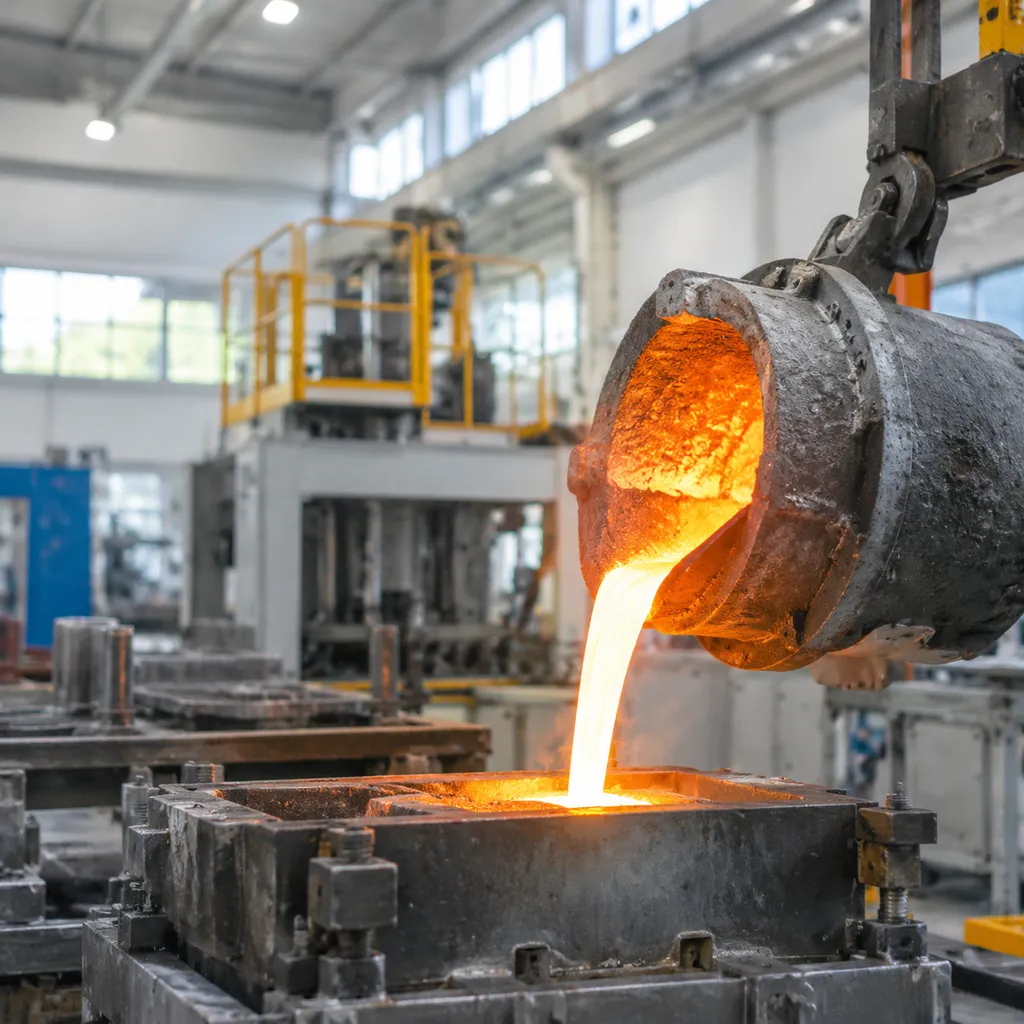
Evaluating machinery for lost-wax precision casting requires cutting through vendor claims and verifying raw hardware capabilities. If an automated machine cannot hold structural stability under repetitive thermal and mechanical stresses, shell integrity suffers and scrap rates spike. We evaluate and manufacture our investment casting machinery against clear mechanical, thermal, and automated control benchmarks.
Mechanical Rigidity and Structural Tolerances
Deflection under pressure is the primary cause of flash, dimensional drift, and premature tool wear. When qualifying machinery, structural stability must be proven under maximum load ratings:
- Wax Injector Platen Deflection: Frame deflection must not exceed ±0.02 mm at 100% clamping tonnage to eliminate parting line variation and pattern distortion.
- Linear Axis Repeatability: Wax injection nozzles and robotic dipping arms require multi-axis positional accuracy within ±0.05 mm across 50,000+ cycle fatigue tests.
- Tie-Bar Alignment: Parallelism across platen surfaces must hold within 0.03 mm/m, preserving die alignment when running our precision casting solution with silica sol process and ISO 8062 accuracy.
Thermal Uniformity Standards and Real-Time Process Telemetry
Thermal inconsistency ruins shell strength and pattern dimensional stability. Every thermal unit in the casting line must meet strict zone-control criteria:
- Wax Conditioning Tanks & Reservoirs: Dual-jacketed, fluid-heated chambers must maintain wax temperatures within ±0.5°C across the entire volume to prevent viscosity swings.
- Burnout & Sintering Furnaces: Multi-zone heating configurations must comply with AMS 2750 Class 2 or Class 3 thermal uniformity standards (±5°C to ±10°C) across the entire working zone.
- Telemetry Logging: Equipment must log real-time sensor data—including reservoir pressure, injection velocity curves, steam autoclave depressurization speeds, and melt bath ramp rates—at a minimum frequency of 10 Hz.
Industrial Automation Controls, PLC Architecture, and SCADA Integration
Proprietary, locked-down black-box controllers create maintenance bottlenecks. Our equipment utilizes standard, open-architecture industrial automation that integrates directly into your foundry network:
- Core PLC Platforms: Built on globally supported hardware (Siemens S7-1500 or Allen-Bradley ControlLogix) with unencrypted ladder logic to simplify local maintenance.
- SCADA & MES Connectivity: Native OPC-UA and Ethernet/IP protocols provide seamless data transmission to factory-wide execution systems for automated traceability.
- Closed-Loop Feedback: Real-time servo-electric feedback continuously adjusts injection flow rates and robot arm payloads dynamically, compensating for slurry viscosity changes or hydraulic temperature rise.
Critical Engineering Qualification Thresholds
| Equipment Benchmark | Target Specification | Rejection Threshold | Primary Risk of Non-Compliance |
|---|---|---|---|
| Platen Parallelism (Wax Press) | < 0.03 mm/m | > 0.06 mm/m | Parting-line flash; wax pattern distortion |
| Hydraulic / Servo Repeatability | ±0.1% full scale | > ±0.5% full scale | Short shots; erratic pattern density |
| Thermal Uniformity (Burnout) | ±5°C (AMS 2750) | > ±12°C | Incomplete shell burnout; mold cracking |
| Steam Pressurization Speed | < 4 seconds to 8 bar | > 10 seconds | Shell cracking during pattern expansion |
| Data Protocol Compliance | OPC-UA / MQTT Native | Proprietary Bus | Inability to track batch-level casting telemetry |
Supplier Qualification Framework: Quality, Compliance, and Factory Audits
Selecting the right partner for lost-wax casting equipment requires cutting through sales pitches and evaluating shop-floor realities. When deciding how to qualify a precision casting equipment supplier, you need hard evidence: verified engineering capability, strict testing protocols, and non-negotiable safety certifications. We build our equipment to meet global operational demands, and we welcome rigorous audits across every stage of production.
Verifying In-House Manufacturing Depth and Metallurgical Credentials
A broker puts their badge on outsourced machinery; a true equipment builder controls fabrication from raw plate to final wiring. During any supplier audit, verify these engineering indicators:
- Fabrication Infrastructure: Look for in-house CNC machining centers, certified welding bays (WPS/PQR), and dedicated assembly halls. Outsourcing core frame fabrication leads to dimensional drift and poor machine rigidity.
- Metallurgical Engineering Competence: Investment casting machinery must withstand aggressive thermal shock, high mechanical fatigue, and abrasive slurry environments. We employ on-staff metallurgical and mechanical engineers who design wear plates, alloy compositions, and heating elements specifically around structural requirements and international casting quality standards for reliable metal parts.
- Component Provenance: Audit the bill of materials (BOM). Reliable builders use globally serviceable automation components (Siemens, Allen-Bradley, SMC, Festo, Schneider Electric) rather than proprietary, unbranded hardware that strands your maintenance team.
Executing Factory Acceptance Testing (FAT) and Site Acceptance Testing (SAT) Protocols
Never release final payment or accept shipment based on dry-run cycle videos. Rigorous Factory Acceptance Testing (FAT) foundry equipment protocols verify performance while the machinery is still on our shop floor, saving weeks of downtime later.
| Test Parameter | FAT Protocol (Our Facility) | SAT Protocol (Foundry Site) | Target Threshold |
|---|---|---|---|
| Wax Press Clamping Force | Load cell verification across platen grid | Hydraulic pressure hold test under cycle load | Zero deflection; ±0.5% rated tonnage |
| Autoclave Pressurization | Dry cycle to design pressure (burst disc checks) | Loaded cycle with pattern wax assemblies | Charge to 8–10 bar in ≤ 4 seconds |
| Shelling Robot Repeatability | Dry-path coordinate drift test (24h run) | Full cluster dipping under dynamic slurry load | Position repeatability within ±0.1 mm |
| Thermal Uniformity (Burnout) | 9-point thermal survey (empty chamber) | Full workload soak run at peak setpoint | Uniformity within ±5°C (AMS 2750 standard) |
Site Acceptance Testing (SAT) mirrors these parameters once the equipment anchors to your foundry floor, validating that utility drops, local pneumatic pressure, and shop-floor ambient conditions yield identical operational results.
Mandatory Safety Compliance Certifications
Precision casting involves high-pressure steam, molten alloys, and robotic work cells. Uncertified machinery is a direct regulatory and operational liability. We design, manufacture, and stamp all systems according to globally recognized compliance standards:
- ASME Boiler & Pressure Vessel Code (BPVC Section VIII, Div 1): Essential for steam dewaxing autoclaves and ceramic core leaching vessels operating in North America. Look for the authentic "U" stamp.
- Pressure Equipment Directive (PED 2014/68/EU): Mandatory CE-marking compliance for all pressurized investment casting machinery deployed across Europe.
- CE Machinery Directive (2006/42/EC): Verifies integrated safety circuits, dual-channel emergency stop architectures, interlocked access gates for robotic cells, and low-voltage electrical safety.
- ISO 9001:2015: Ensures systematic quality control across engineering change orders (ECOs), raw material traceability, non-destructive testing (NDT), and final assembly sign-offs.
Custom Foundry Engineering and Turnkey Layout Capabilities
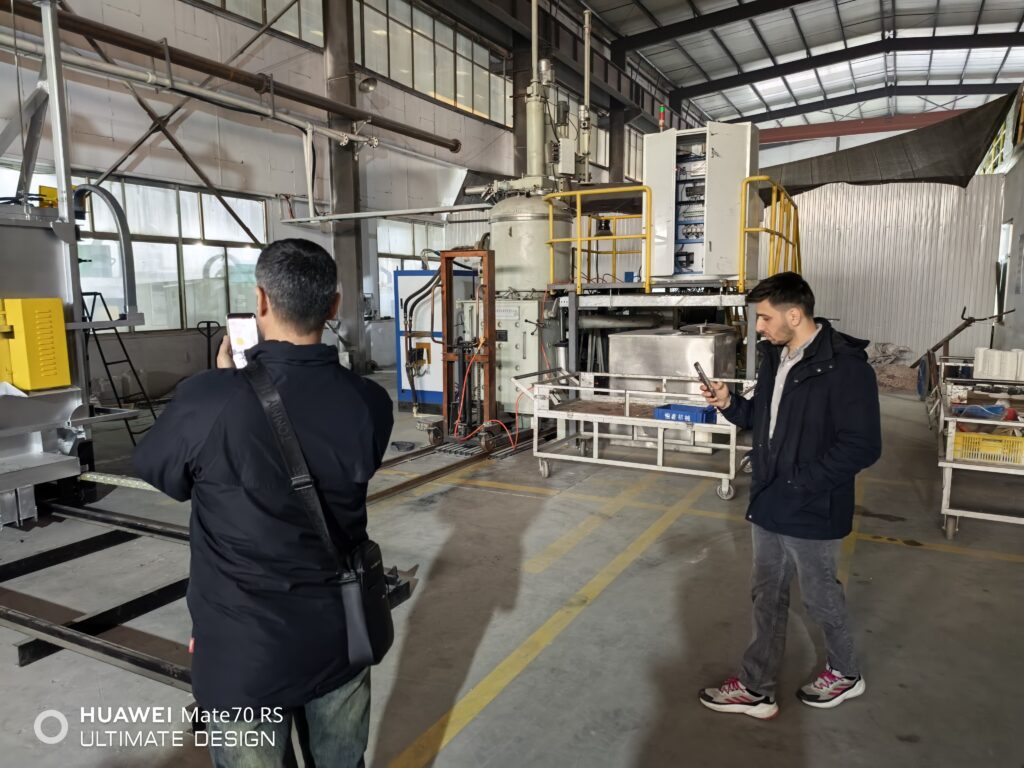
When assessing how to qualify a precision casting equipment supplier, machine specs tell only half the story. The rest comes down to layout engineering. A high-speed wax injector or an automated dipping robot means nothing if your floor plan bottlenecks shell drying or traps heat near the wax room. We design every turnkey investment casting plant to bridge machine capacity directly with factory floor reality.
Complete Turnkey Lost-Wax Foundry Line Layout Design
We map foundry layouts to streamline material flow, slash transit scrap, and separate clean rooms from high-heat zones. Designing an efficient floor plan requires balancing the operational advantages and disadvantages of lost-wax casting across every stage of production:
- Zoned Environmental Control: Isolating wax injection and drying rooms from burn-out furnaces to prevent ambient thermal drift.
- Continuous Workflow Architecture: Minimizing robotic arm transit distances between slurry preparation tanks, fluidized beds, and drying tunnels.
- Utility Integration: Pre-engineered drops for pneumatic feeds, high-pressure steam lines, closed-loop cooling water, and dedicated power grids.
- Footprint Optimization: Maximizing vertical storage for multi-tier shell drying conveyers to conserve square footage.
Universal Mold Tooling Compatibility and Quick-Change Die Integration
Foundries cannot afford to scrap legacy dies when upgrading to modern lost-wax casting equipment. We build our automated wax injection machines and pattern handling cells around universal tooling standards so your existing tooling assets remain fully operational.
- Universal Platen Configurations: Standardized T-slot layouts, multi-pattern magnetic platens, and drilled grid patterns built to fit your current mold bases.
- Quick-Change Clamping (QDC): Hydraulic and mechanical quick-clamping blocks that drop tool changeover times from hours to under 15 minutes.
- Adaptive Ejection Systems: Adjustable mechanical knockout pins and pneumatic ejector systems compatible with multi-cavity, complex-pull legacy dies.
- Recipe-Driven Setup: Digital recipe management through our central PLC interface automatically recalibrates platen daylight, clamp force, and nozzle alignment for each tool profile.
Total Cost of Ownership (TCO) and Lifecycle Support Evaluation

Acquisition cost is only a fraction of what you spend over a machine's service life. When you evaluate how to qualify a precision casting equipment supplier, true TCO hinges on component reliability, maintenance overhead, and rapid recovery when an unplanned stop hits your line. We build and service our lost-wax casting equipment to ensure your operating margins stay protected long after commissioning.
Spare Parts Availability, Off-the-Shelf Components, and Wear-Rate Analysis
Custom, proprietary wear items create bottlenecks and inflate running costs. We engineer our foundry automation systems using globally accessible, non-proprietary parts wherever possible:
- Commercial off-the-shelf (COTS) standard: We standardize on Tier-1 industrial pneumatic, hydraulic, and electrical brands (such as Festo, Rexroth, and Siemens). You can source replacement valves, relays, and seals locally without waiting weeks for vendor-locked shipments.
- High-wear component mapping: Critical abrasion areas—including slurry tank mixer blades, fluidized bed diffusers, and wax injector cylinder seals—undergo documented wear-rate analysis under real foundry loads.
- Predictive consumable kits: We supply tiered spare-part packages (Commissioning, 1-Year Operational, and Emergency Crash Kits) tailored to actual duty cycles in investment and precision casting services for metal parts.
Field Engineer Deployment: Installation, Commissioning, and Hands-On Training
A high-performance casting cell is only as dependable as the crew running it. We dispatch veteran field service engineers who carry deep metallurgical and mechanical foundry backgrounds directly to your facility:
- Turnkey anchoring and leveling: Precision leveling and physical integration with your existing utilities, pneumatic drops, and exhaust ducts.
- Process parameter dialing: We don't sign off on commissioning until your recipes hit target repeatability—verifying wax injection pressure stability, slurry viscosity flow, and autoclave ramp rates.
- Tiered workforce enablement: Direct, on-floor instruction for operators on recipe selection and safety routines, alongside comprehensive training for maintenance techs covering hydraulic calibration, PLC troubleshooting, and preventive rebuild schedules.
Remote Diagnostics and Proactive Service Level Agreements (SLAs)
Unplanned downtime inside the shell room or dewaxing cell ruins work-in-progress inventory. Our machinery platform incorporates real-time diagnostic architecture to address faults before scrap rates climb:
| Support Layer | Response Metric | Technical Scope |
|---|---|---|
| Secure VPN Telemetry | Sub-1-hour remote access | Real-time I/O tracing, PLC code debugging, and cycle data analysis |
| Predictive Alerting | Automated edge triggers | Thermal sensor drift, hydraulic pump pressure loss, and servo overload alerts |
| Guaranteed Field Dispatch | 24- to 48-hour on-site arrival | Emergency mechanical intervention and physical structural repairs |
| Scheduled Health Audits | Bi-annual scheduled visits | Comprehensive laser alignment, pressure vessel recertification checks, and software patches |
Engineering Specifications Matrix: Production Line Equipment Comparison Guide
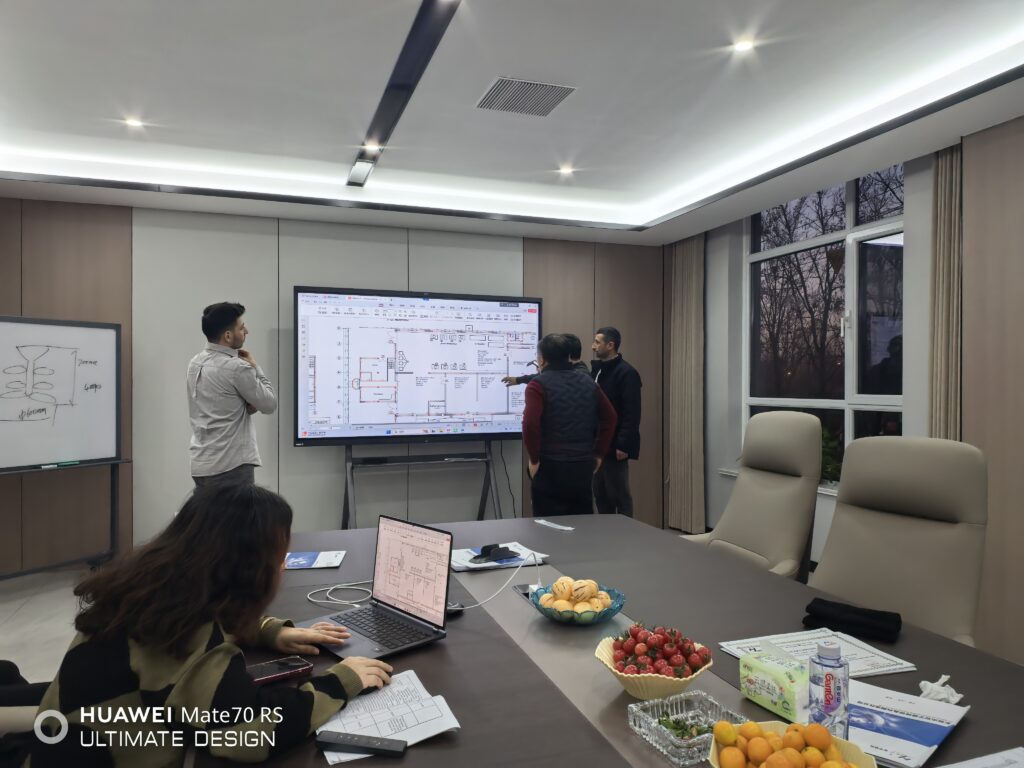
Selecting the right machinery requires matching hard physical limits against your foundry target throughput. When evaluating how to qualify a precision casting equipment supplier, review their standard platform boundaries across every critical production step. Below are the baseline engineering ratings and capacity metrics across our core precision casting equipment portfolio.
| Process Step | Equipment Unit | Key Specifications | Standard Working Capacity | Utility Footprint |
|---|---|---|---|---|
| Pattern Production | Automated Wax Injection Press | Clamping: 15–50 metric tons Platen: 550 x 550 to 900 x 900 mm | Injection flow: 0.1–2.5 L/sec Wax reservoir: 40–120 L | 380V/480V 3-phase, 12–28 kW, 0.6 MPa dry air |
| Shell Building | 6-Axis Robotic Dipping Cell | Payload: 150–500 kg (including tooling) Reach: 2,200–3,100 mm | Dipping speed: 50–300 mm/sec Slurry tank: 500–2,000 L batch | 400V/480V, 15–35 kW, clean dry air @ 7 bar |
| Dewaxing | Pressurized Steam Autoclave | Vessel dia: 900–1,800 mm Volume: 1.2–4.5 m³ | Operating pressure: 0.8–1.0 MPa Pressurization time: ≤ 4 seconds | Dedicated steam boiler, 150–450 kW equivalent |
| Melting & Pouring | Vacuum Induction Melting (VIM) | Melt volume: 25–250 kg (steel base) Max temp: 1,750°C | Melt rate: 45–60 min/heat Vacuum level: down to 10⁻³ mbar | 125–350 kW power supply, closed-loop cooling |
Wax Injection Tonnage and Platen Sizing
Clamp force must prevent parting-line flash without crushing sensitive aluminum or tooling inserts. Our production lines utilize double-acting hydraulic and all-electric toggle clamps.
- Clamping force range: 15 to 50 metric tons, continuously regulated via proportional closed-loop hydraulics.
- Platen clearances: Usable mold space starts at 550 × 550 mm for standard multi-cavity runs, expanding to 900 × 900 mm for heavy structural brackets and turbine patterns.
- Process precision: Built-in multi-zone thermal loops control flow dynamics. Check our detailed wax temperature and injection pressure control guide for tolerance standards across these platen configurations.
Shelling Robots and Slurry System Capacities
Robotic manipulation must handle heavy ceramic assemblies through repetitive dipping and sanding cycles without mechanical deflection.
- Robotic payload ratings: Standard payloads range between 150 kg and 500 kg, allowing large tree assemblies with thick, dense slurry coats.
- Slurry tank dynamics: Variable-speed, low-shear impellers handle continuous mixing for 500 L to 2,000 L tanks, maintaining uniform binder-to-refractory suspension without introducing air entrapment.
- Sanding equipment: Fluidized beds and rainfall sanders match the robot swing radius, handling grit sizes from 80-mesh primary coats to coarse 16-mesh stucco backups.
Steam Autoclave Chamber Volumes and Operating Cycles
Fast steam entry avoids shell cracking by melting the pattern surface before wax core expansion stresses the ceramic mold:
- Chamber volume: Standard inner vessel diameters run from 900 mm to 1,800 mm, with working depths from 1,200 mm to 2,500 mm.
- Target pressurization: 0.8 MPa to 1.0 MPa saturated steam achieved within 3 to 5 seconds via dedicated surge tanks and oversized fast-acting pneumatic bypass valves.
- Cycle times: Complete dewaxing sequences cycle in 10 to 14 minutes, including rapid exhaust, wax drainage, and automated pneumatic door interlocking.
Furnace Melt Rates and Power Envelopes
From air-melt induction to high-vacuum casting, matching kilowatt ratings to molten metal throughput guarantees uninterrupted line operation:
- Thermal boundary: Operating temperatures continuously rated up to 1,750°C for superalloys, stainless steels, and refractory-grade alloys.
- Melt throughput: Medium-frequency power units deliver 45 to 60-minute cycle turnarounds for 50 kg to 250 kg charges.
- Utility footprints: Complete electrical substation footprint requires 125 kW to 350 kW, coupled with a dedicated water-cooling circuit rejecting between 80,000 to 220,000 kcal/hr.
Frequently Asked Questions: How to Qualify a Precision Casting Equipment Supplier
What key criteria should I prioritize when auditing a precision casting machinery vendor?
Focus on build depth, core component sourcing, and compliance standards rather than surface-level sales claims:
- In-house manufacturing depth: Confirm whether the vendor machines their own platens, structural frames, and pressure vessels, or simply integrates outsourced sub-assemblies.
- Tier-1 commercial hardware: Demand globally serviceable industrial automation platforms (Siemens, Allen-Bradley, Bosch Rexroth, SMC) rather than proprietary, closed-source microcontrollers.
- Pressure and safety certifications: For dewaxing and melting units, demand stamped ASME Section VIII, PED 2014/68/EU, and CE compliance documentation.
- System integration experience: Verify that the supplier can provide a cohesive investment casting foundry equipment list with automation rather than mismatched, standalone stations.
Why is rapid steam pressurization critical in an investment casting dewaxing autoclave?
Pattern wax expands at a significantly faster rate than the surrounding ceramic shell. If an autoclave takes too long to reach operating pressure, the thermal gradient forces the core wax to expand before its outer surface can melt, cracking the shell mold.
A qualified lost-wax casting equipment builder designs steam accumulator bypass systems that charge the chamber from 0 to 8–10 bar within 4 to 7 seconds. This flash-melts the pattern boundary layer instantly, creating an immediate boundary relief zone that preserves mold integrity.
How do we verify machine repeatability and dimensional stability during FAT testing?
We advise running a strict Factory Acceptance Testing (FAT) protocol based on real-time process data rather than visual dry-runs:
- Wax pattern injection presses: Execute 50 consecutive injection cycles to monitor clamping force via load cells, maintaining platen parallelism within ±0.02 mm and injection flow repeatability within ±0.5%.
- Thermal uniformity validation: Verify wax reservoir and heated hose channels with a 9-point thermocouple grid to confirm a hold tolerance of ±0.5°C.
- Robotic shell dipping cells: Check payload repeatability under maximum slurry load across a continuous 4-hour cycle, ensuring positional deviation stays under ±0.05 mm.
Can automated casting equipment easily integrate with our legacy foundry dies and tooling?
Yes. We configure our machinery using standardized mechanical and software interfaces to prevent costly tooling redesigns:
- Universal platen bolting patterns: Precision-machined grid patterns and standard T-slots adapt to both manual split dies and automated multi-slide tooling.
- Flexible injection axes: Multi-position programmatic nozzle alignment matches off-center injection sprues without requiring custom adaptors.
- Configurable production modes: Systems handle high-mix production schedules seamlessly, making it simple to run specialized tooling on small-batch investment casting equipment for precision parts without recalibrating every run.
What spare parts should we demand in a standard equipment procurement contract?
Ensure your contract includes a two-year operational critical spares package delivered directly with the machine:
- High-wear mechanical seals: Complete Viton/PTFE hydraulic cylinder seal kits, injection piston rings, and molded silicone autoclave door seals.
- Process instrumentation: Calibrated RTD/thermocouple probes, solid-state relays, linear optical displacement scales, and digital pressure transducers.
- Thermal and fluid consumables: Band heaters, pneumatic directional valves, and slurry tank drive seals.
- Non-proprietary architecture: A clear bill of materials (BOM) specifying standard off-the-shelf part numbers from local industrial distributors.

 English
 Russian
 German