
2026年9月17日
310 SS stainless steel offers excellent high temperature strength corrosion resistance and durability for demanding industrial applications
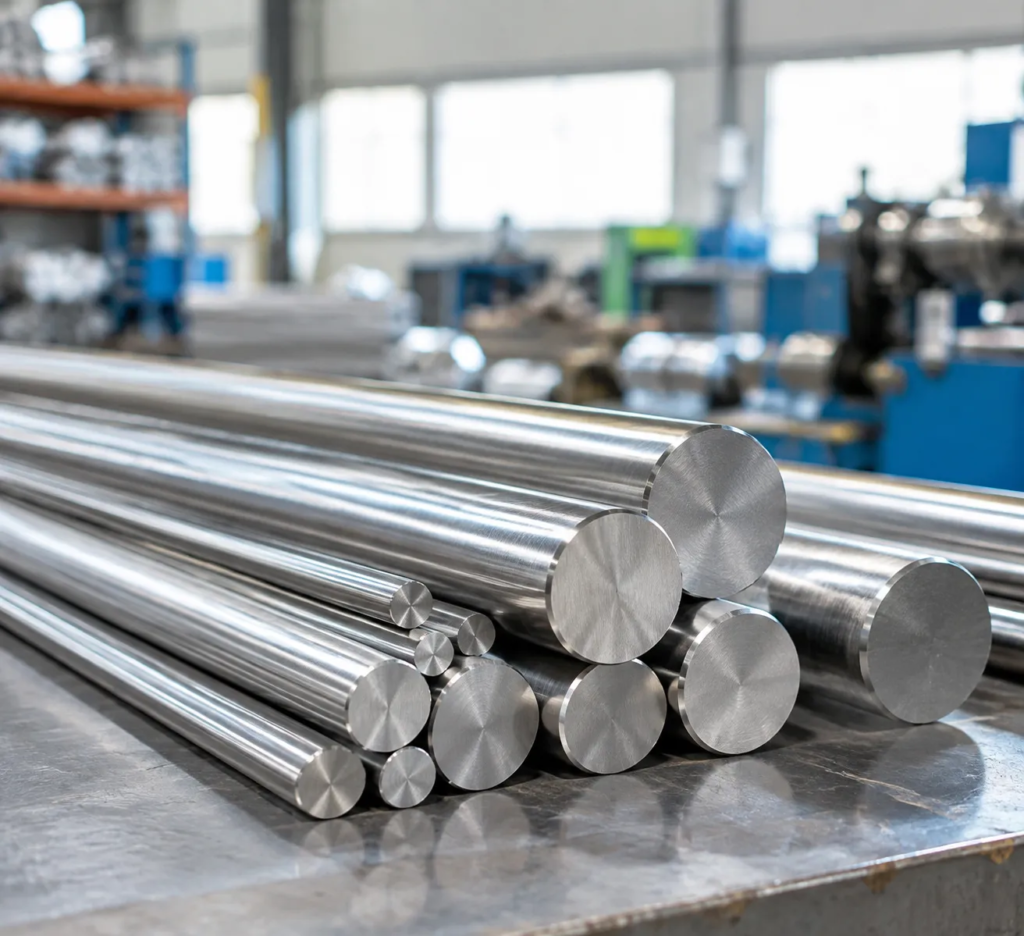
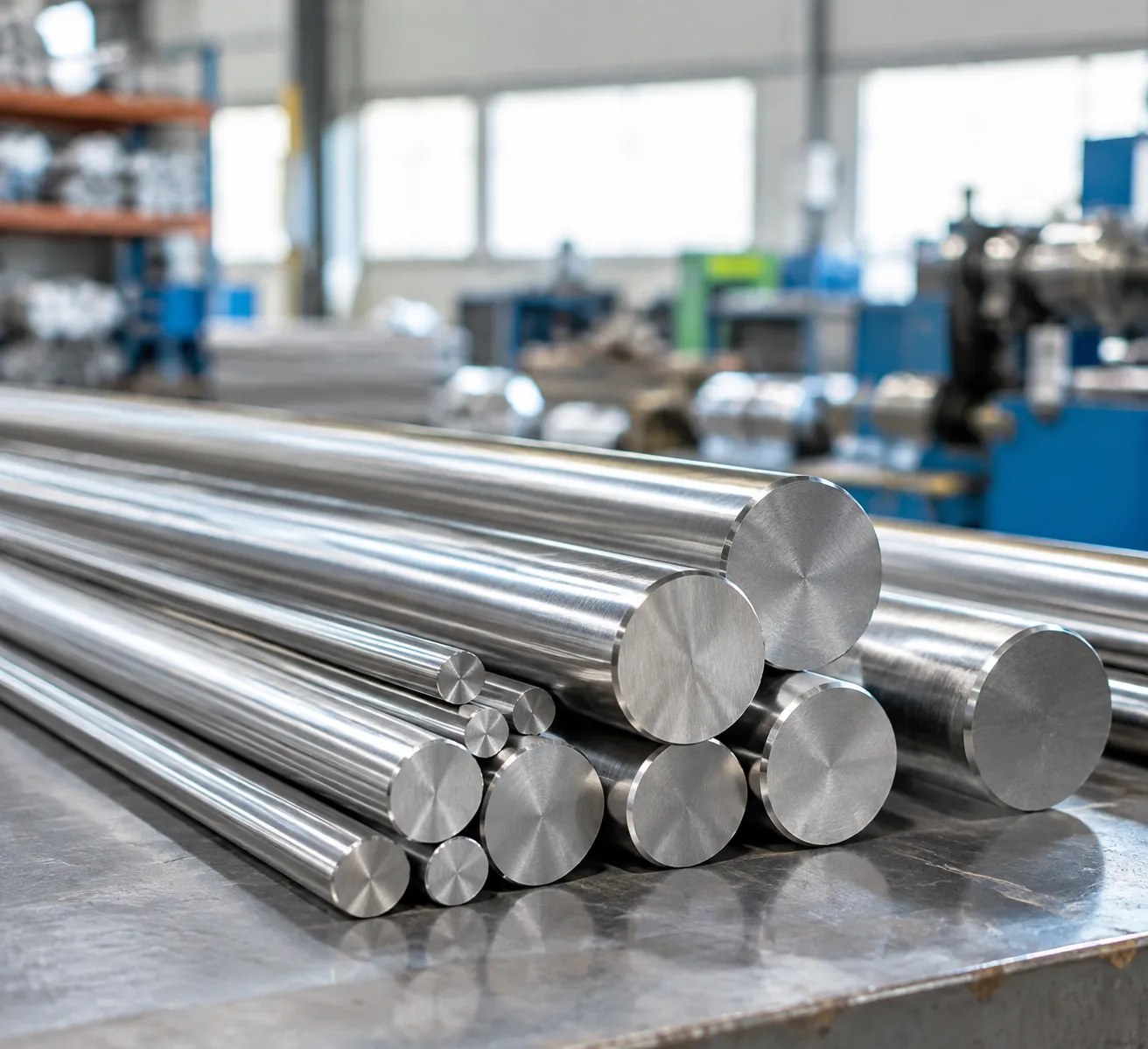
310 SS Material Overview & Engineering Profile
310 SS (UNS S31000 / 1.4845) is a premium, highly alloyed austenitic stainless steel engineered specifically for high-temperature service and aggressive thermal environments. Designed to maintain structural integrity where standard austenitic alloys fail, 310 SS delivers exceptional resistance to oxidation, sulfidation, and high-temperature corrosion across continuous and cyclic thermal operations.
Key Metallurgical Characteristics
The superior high-temperature performance of 310 SS stems from its robust 25Cr-20Ni austenitic matrix:
- High Chromium Content (24.0% – 26.0%): Facilitates the continuous formation and rapid self-healing of an adherent, protective chromia ($Cr_2O_3$) scale that resists scaling and degradation under elevated temperatures.
- High Nickel Matrix (19.0% – 22.0%): Stabilizes the austenitic microstructure, enhances resistance to thermal shock and fatigue, and significantly reduces the rate of carburization and oxidation in harsh atmospheres.
- Elevated Creep & Rupture Strength: Retains mechanical load-bearing capabilities and dimensional stability under sustained stress at temperatures exceeding 600°C (1112°F).
Quick Reference Specification Matrix
We supply 310 stainless steel products manufactured, tested, and certified in strict compliance with international pressure vessel and piping standards.
| Technical Parameter | Specification / Standard Value |
|---|---|
| Material Designation | 310 SS / Grade 310 / 25Cr-20Ni |
| UNS Number | UNS S31000 |
| EN / DIN Material No. | 1.4845 / X8CrNi25-21 (also referenced as 1.4841) |
| Japanese Standard | JIS SUS 310 / SUS 310S |
| Continuous Operating Limit | Up to 1100°C (2010°F) in dry air |
| Intermittent Operating Limit | Up to 1035°C (1895°F) |
| Piping & Tubing Standards | ASTM A312, ASTM A213, ASTM A269, EN 10216-5 |
| Fittings & Flanges Standards | ASTM A403 WP310, ASTM A182 F310, ASME B16.9, ASME B16.5 |
| General Compliance | ASTM, ASME, EN, DIN, ISO, NACE MR0175 / ISO 15156 |
Chemical Composition & Mechanical Properties of 310 SS
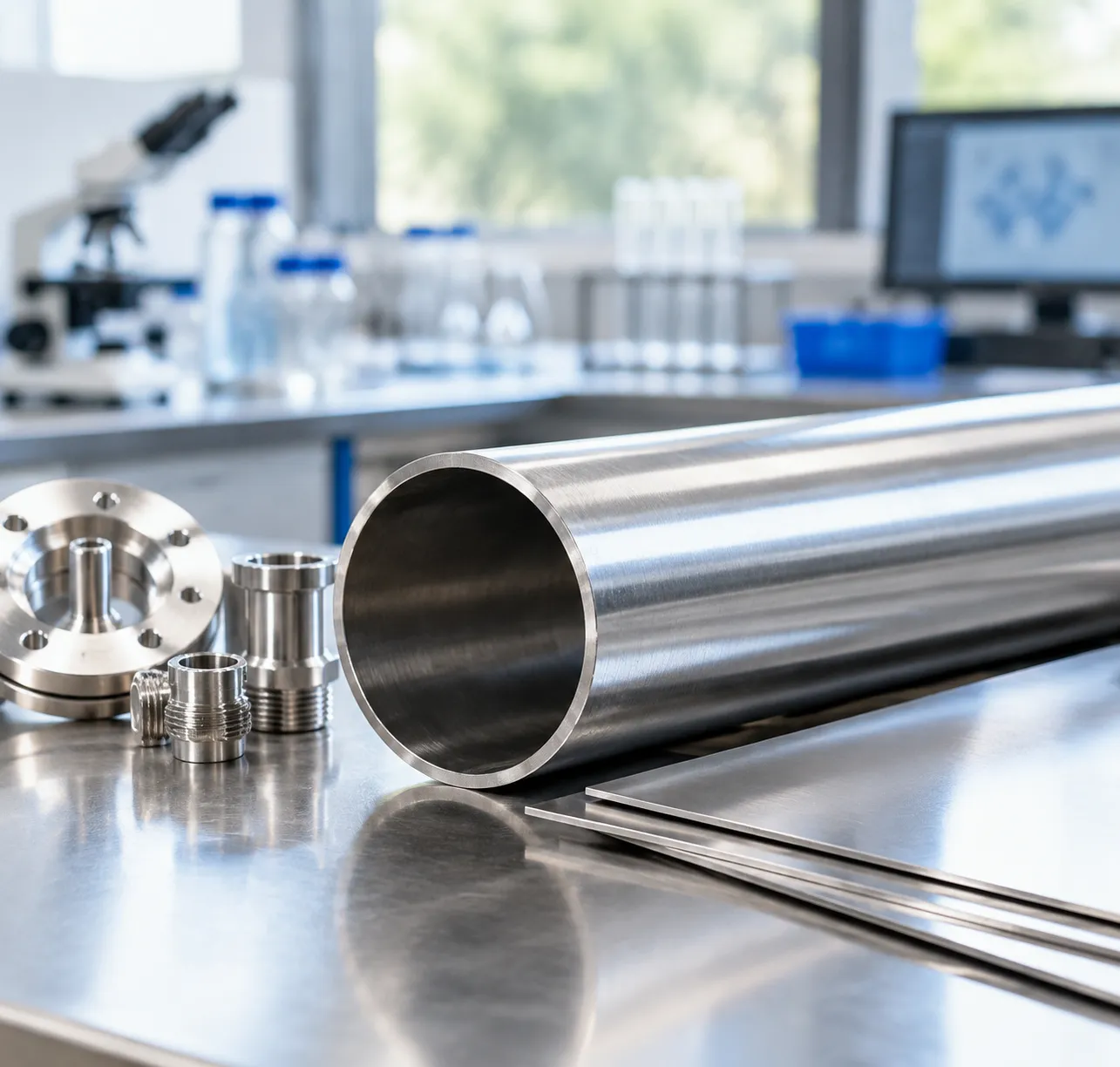
We supply 310 SS across standard, low-carbon (310S), and high-carbon (310H) variants to match exact operating demands. The 25Cr-20Ni austenitic matrix provides balanced mechanical strength and oxidation resistance at elevated temperatures.
Chemical Composition Breakdown (wt%)
The table below outlines the chemical limits across Grade 310, 310S, and 310H per ASTM and ASME specifications:
| Grade / UNS | Carbon (C) | Chromium (Cr) | Nickel (Ni) | Manganese (Mn) | Silicon (Si) | Phosphorus (P) | Sulfur (S) |
|---|---|---|---|---|---|---|---|
| 310 (UNS S31000) | 0.25 max | 24.00 – 26.00 | 19.00 – 22.00 | 2.00 max | 1.50 max | 0.045 max | 0.030 max |
| 310S (UNS S31008) | 0.08 max | 24.00 – 26.00 | 19.00 – 22.00 | 2.00 max | 1.50 max | 0.045 max | 0.030 max |
| 310H (UNS S31009) | 0.04 – 0.10 | 24.00 – 26.00 | 19.00 – 22.00 | 2.00 max | 1.50 max | 0.045 max | 0.030 max |
- 310S restricts carbon to 0.08% max to inhibit carbide precipitation during welding.
- 310H maintains a controlled carbon range (0.04–0.10%) to deliver higher creep rupture strength in continuous service above 500°C.
Room-Temperature Mechanical Properties
Our 310 SS materials are solution annealed to ensure optimal ductility and strength. To evaluate how these baseline values align with other industrial alloys, review our technical guide on is stainless steel strong: strength grades and comparisons.
| Mechanical Property | 310 (UNS S31000) | 310S (UNS S31008) | 310H (UNS S31009) |
|---|---|---|---|
| Tensile Strength, min (MPa / ksi) | 515 / 75 | 515 / 75 | 515 / 75 |
| Yield Strength, 0.2% Offset, min (MPa / ksi) | 205 / 30 | 205 / 30 | 205 / 30 |
| Elongation (% in 50 mm / 2 in), min | 40 | 40 | 40 |
| Hardness, max (HRB / HBW) | 95 HRB / 217 HBW | 95 HRB / 217 HBW | 95 HRB / 217 HBW |
High-Temperature Mechanical Performance & Creep Strength
310 SS maintains structural integrity where standard austenitic alloys soften. Its high chromium and nickel content sustains load-bearing properties across extreme thermal ranges:
- 600°C to 800°C (1112°F to 1472°F): Retains high short-time tensile yield strength and resists thermal distortion under steady loads.
- 800°C to 1050°C (1472°F to 1922°F): Delivers sustained stress-to-rupture performance; Grade 310H is specifically utilized in this regime to mitigate grain boundary sliding and extend creep rupture life.
- Microstructural Stability: High alloy stability resists severe embrittlement during extended dwell times in high-heat zones.
Physical Properties of 310 SS
- Density: 8.0 g/cm³ (0.289 lb/in³)
- Modulus of Elasticity (Elastic Modulus): 200 GPa (29.0 x 10⁶ psi)
- Thermal Conductivity (at 100°C): 14.2 W/m·K (98.4 BTU·in/hr·ft²·°F)
- Mean Coefficient of Thermal Expansion (0–100°C): 15.9 x 10⁻⁶ /K
- Specific Heat Capacity (0–100°C): 500 J/kg·K (0.12 BTU/lb·°F)
- Electrical Resistivity: 780 nΩ·m (at 20°C)
310 SS Product Portfolio & Supply Range
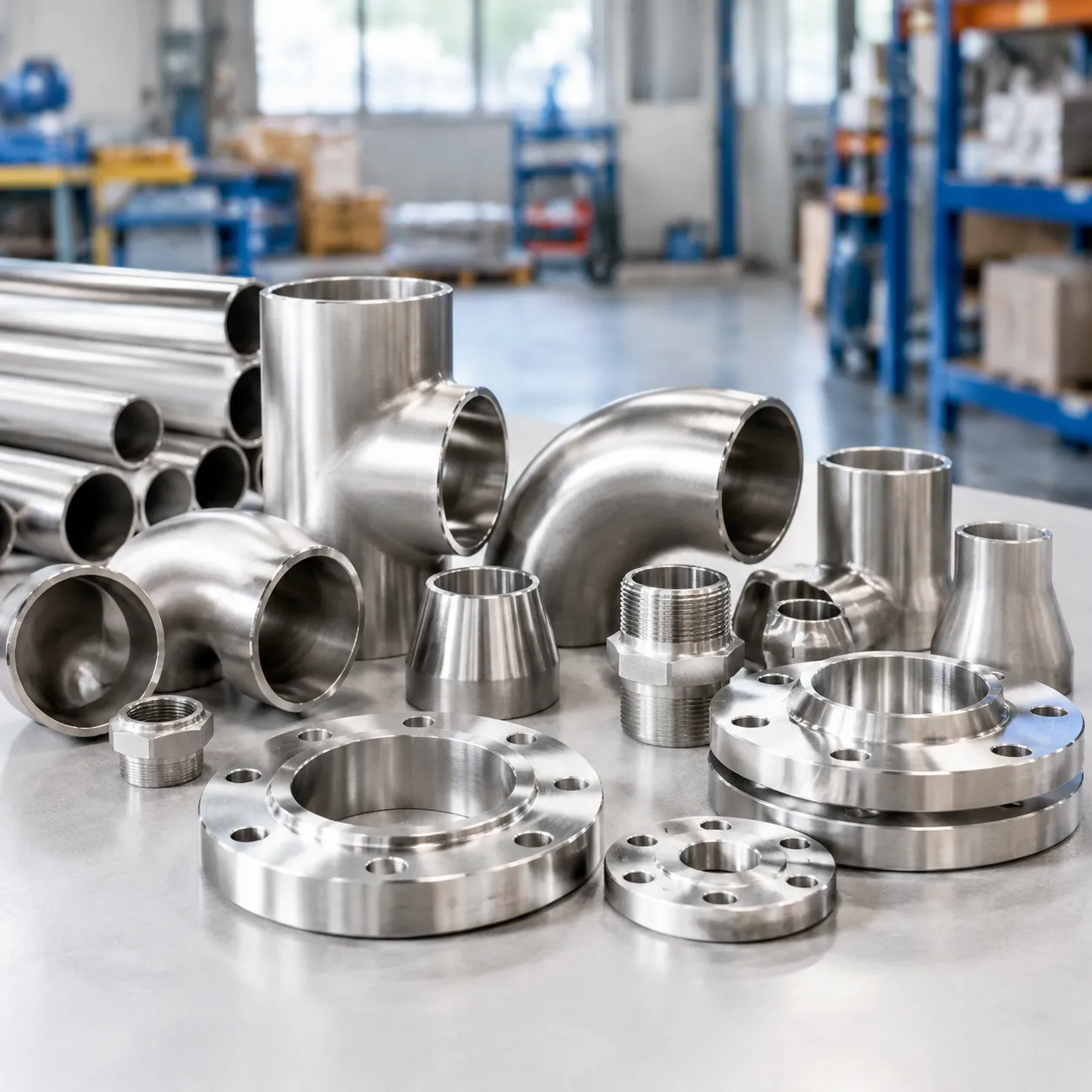
We supply a comprehensive inventory of austenitic stainless steel piping components in 310, 310S, and 310H grades, engineered specifically for high-temperature service and severe thermal processing environments.
310/310S Stainless Steel Seamless & Welded Pipes & Tubes
Our production and supply lines cover standard and heavy-wall specifications to match strict pressure and temperature engineering requirements: Manufacturing Standards: ASTM A312, ASTM A213, ASTM A269, DIN/EN 10216-5 Grades: ASTM A312 TP310, TP310S, TP310H (UNS S31000 / UNS S31008 / UNS S31009) Size Range: Seamless: 1/8" NB to 24" NB (10.3 mm to 610 mm OD) * Welded / EFW: 1/2" NB to 48" NB (21.3 mm to 1219 mm OD) Wall Schedules: SCH 5S, 10S, 20, 40S, 80S, 120, 160, XXS, and custom heavy-wall thicknesses Product Forms: 310 stainless steel pipe, straight 310 stainless steel seamless tube, U-bend heat exchanger tubes, radiant furnace tubes, and coiled tubing
310/310S Butt-Weld Pipe Fittings
We manufacture 310S stainless steel fittings with complete dimensional consistency and full wall-thickness transitions: Design & Material Standards: ASME/ANSI B16.9, MSS SP-43, ASTM A403 / A403M WP310, WP310S, WP310H Fittings Configurations: Elbows: 45°, 90°, and 180° returns in long radius (LR) and short radius (SR) as well as custom-radius ASME B16.9 310 elbow designs * Tees & Crosses: Equal tees, reducing tees, and barred tees * Reducers: Concentric and eccentric reducers with seamless transitions * Closures & Ends: End caps, lap joint stub ends (Type A, B, C) Size Range: 1/2" NB to 48" NB (Seamless up to 16" NB; Welded/Fabricated up to 48" NB)
310/310S Forged Industrial Flanges
Our forging operations produce high-integrity ASTM A182 F310 flange products machined to tight dimensional tolerances: Manufacturing Standards: ASME B16.5, ASME B16.47 (Series A & B), ASTM A182 / A182M (F310, F310S, F310H), EN 1092-1 Flange Configurations: Weld Neck (WN), Slip-On (SO), Blind (BL), Socket Weld (SW), Lap Joint (LJ), and Threaded (NPT) Pressure Ratings: ASME/ANSI: Class 150, Class 300, Class 600, Class 900, Class 1500, Class 2500 * EN/DIN: PN6, PN10, PN16, PN25, PN40, PN64, PN100, up to PN400 Facing Types: Raised Face (RF), Flat Face (FF), Ring Type Joint (RTJ)
| Product Category | Manufacturing Standards | Size Range | Key Configurations |
|---|---|---|---|
| Pipes & Tubes | ASTM A312, ASTM A213, EN 10216-5 | 1/8" – 48" NB | Seamless, Welded (ERW/EFW), Heavy Wall |
| Butt-Weld Fittings | ASME B16.9, ASTM A403 WP310/S/H | 1/2" – 48" NB | Elbows (45°/90°/180°), Tees, Reducers, Caps |
| Forged Flanges | ASME B16.5, ASME B16.47, ASTM A182 | 1/2" – 60" NB | WN, SO, Blind, SW, LJ (Class 150–2500) |
Critical Performance Advantages of 310 SS in Demanding Applications
We engineer our 310 SS piping products to maintain mechanical integrity where conventional austenitic alloys fail. The high chromium (24–26%) and nickel (19–22%) composition delivers essential metallurgical advantages across high-temperature and severe operating environments.
Superior Oxidation and Scaling Resistance
At continuous operating temperatures up to 1100°C (2010°F), 310 SS forms a stable, continuous layer of protective chromium oxide (chromia) scale.
- Scaling Prevention: Eliminates destructive surface spalling in continuous air service up to 1100°C.
- Intermittent Stability: Resists cyclic oxidation up to 1035°C (1895°F) without premature wall thinning.
- Microstructural Stability: Retains load-bearing capability and high-temperature creep strength during sustained thermal exposure.
Sulfidation and Carburization Resistance
The robust nickel-chromium balance makes 310 SS an effective material for process lines exposed to aggressive process gases:
- Sulfur-Bearing Atmospheres: Performs reliably in oxidizing sulfur environments due to the protective oxide barrier.
- Carburization Retardation: The dense matrix retards carbon diffusion, preventing the severe embrittlement common in standard stainless steel grades during thermal cracking operations.
Thermal Fatigue and Thermal Shock Resistance
Frequent thermal cycling causes rapid degradation in lower-alloy piping systems. Our 310 SS pipes, fittings, and flanges provide:
- Thermal Shock Durability: Absorbs rapid temperature transients without micro-cracking.
- Thermal Fatigue Life: High ductility minimizes stress-cracking risks across cyclic furnace and heat-recovery runs.
Resistance to High-Temperature Aqueous Corrosion
While developed primarily for dry heat, 310 SS demonstrates solid resistance to wet corrosive phases during process shutdowns. While standard grades depend on lower alloy additions—as detailed in our guide on stainless steel corrosion resistance—the 25Cr-20Ni content of 310 SS provides superior resistance to acidic condensate, intergranular attack, and pitting during cyclic shut-down and start-up phases.
Technical Grade Comparisons: 310 SS Alloys
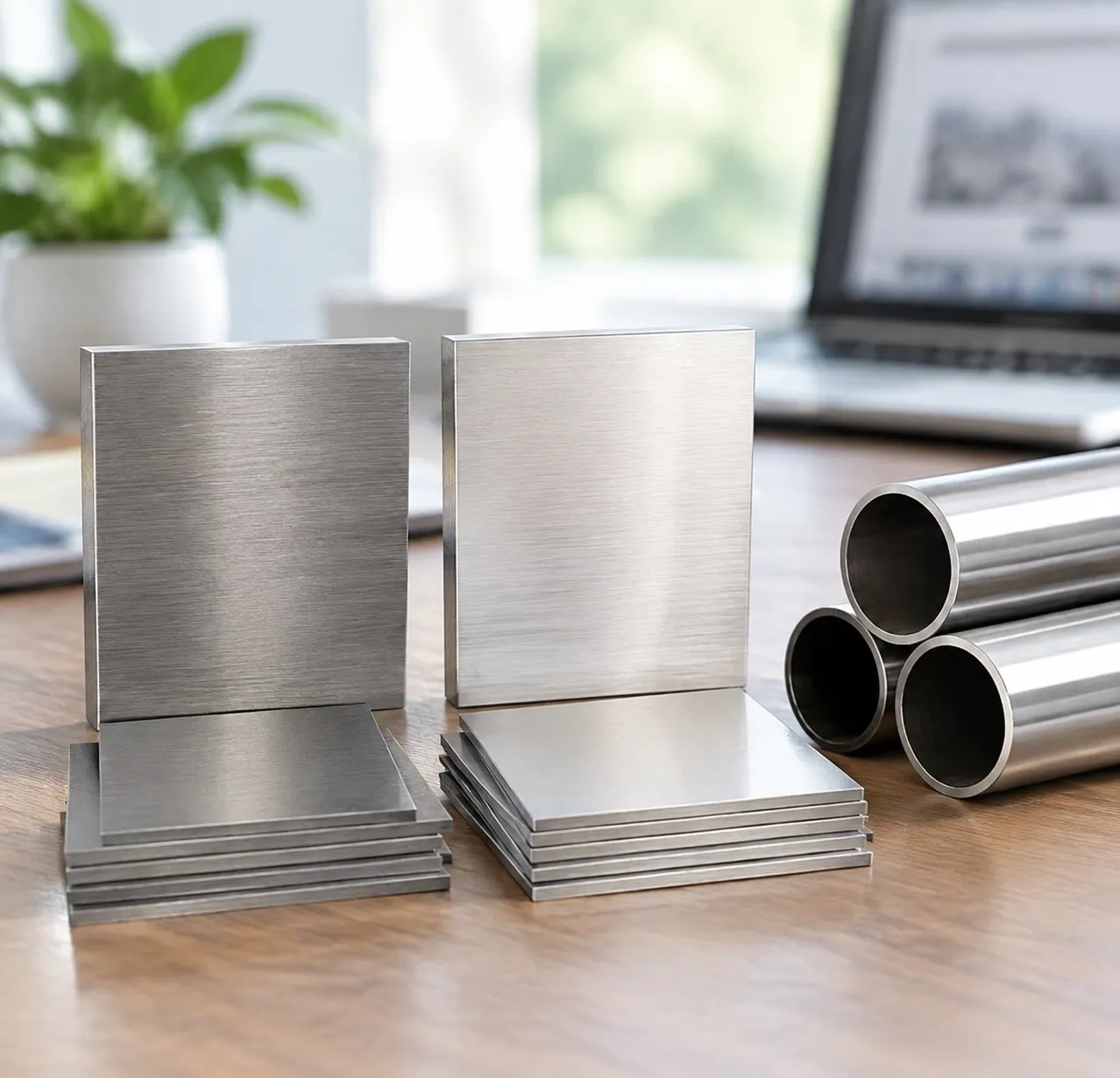
Selecting the correct stainless steel grade depends on operating temperatures, mechanical loads, and environmental exposure. We manufacture and supply 310 variants and standard austenitic alloys tailored to specific thermal and corrosive conditions.
310 vs. 310S vs. 310H
The primary difference among the 310 grade family lies in carbon content, which directly controls weldability, grain boundary stability, and creep rupture strength.
- 310 (UNS S31000): General-purpose high-temperature grade with standard carbon content (max 0.25%). Suitable for non-critical welding and steady thermal exposure.
- 310S (UNS S31008): Low-carbon modification (max 0.08%). It prevents carbide precipitation during welding, providing superior resistance to intergranular corrosion in cyclic thermal applications and field-welded piping systems.
- 310H (UNS S31009): High-carbon variant (0.04%–0.10%). Engineered specifically for structural stability above 500°C (932°F), offering maximized creep strength and higher allowable stress values under long-term thermal loads.
| Technical Parameter | Grade 310 (UNS S31000) | Grade 310S (UNS S31008) | Grade 310H (UNS S31009) |
|---|---|---|---|
| Carbon (C) Content | ≤ 0.25% | ≤ 0.08% | 0.04% – 0.10% |
| Chromium (Cr) | 24.0% – 26.0% | 24.0% – 26.0% | 24.0% – 26.0% |
| Nickel (Ni) | 19.0% – 22.0% | 19.0% – 22.0% | 19.0% – 22.0% |
| Primary Advantage | Standard thermal duty | Superior weldability | Elevated creep rupture strength |
| Target Service Temp | Up to 1100°C (2010°F) | Up to 1100°C (2010°F) | > 500°C up to 1150°C |
310 SS vs. 316 SS
While both belong to the austenitic family, 310 SS and 316 SS serve distinct operating environments:
- Metallurgical Composition: 310 SS is a high-alloy 25Cr-20Ni material designed for high-temperature stability. 310 SS contains significantly higher chromium and nickel to form a dense, regenerative chromia scale. In contrast, 316 SS (16Cr-10Ni-2Mo) uses molybdenum to resist localized pitting and crevice corrosion in wet chemical environments.
- Temperature Thresholds: 310 SS operates continuously in air up to 1100°C (2010°F) without heavy scaling. 316 SS experiences rapid oxidation and loss of structural strength above 800°C–850°C (1472°F–1562°F).
- Corrosion Mechanisms: 316 SS excels in ambient to moderate temperature aqueous chlorides, acids, and marine settings. 310 SS resists hot gas corrosion, scaling, sulfidation, and moderate carburization in dry thermal applications.
| Feature | 310 SS (UNS S31000 / 1.4845) | 316 SS (UNS S31600 / 1.4401) |
|---|---|---|
| Nominal Chemistry | 25% Cr – 20% Ni | 16%–18% Cr – 10%–14% Ni – 2%–3% Mo |
| Max Continuous Temp | 1100°C (2010°F) | 800°C (1472°F) |
| Oxidation Resistance | Superior up to 1100°C | Moderate; scales rapidly > 850°C |
| Aqueous Pitting Resistance | Moderate (PREN ~25) | Excellent in chlorides (PREN ~23–25 with Mo) |
| Primary Application Field | Furnaces, kilns, radiant tubes, reformers | Marine, chemical processing, food, pharmaceutical |
For projects requiring specialized alloy forms across cast or wrought components, consult our casting stainless steel guide for buyers and engineers to match design limits with the correct fabrication method.
Major Industrial Applications for 310 SS
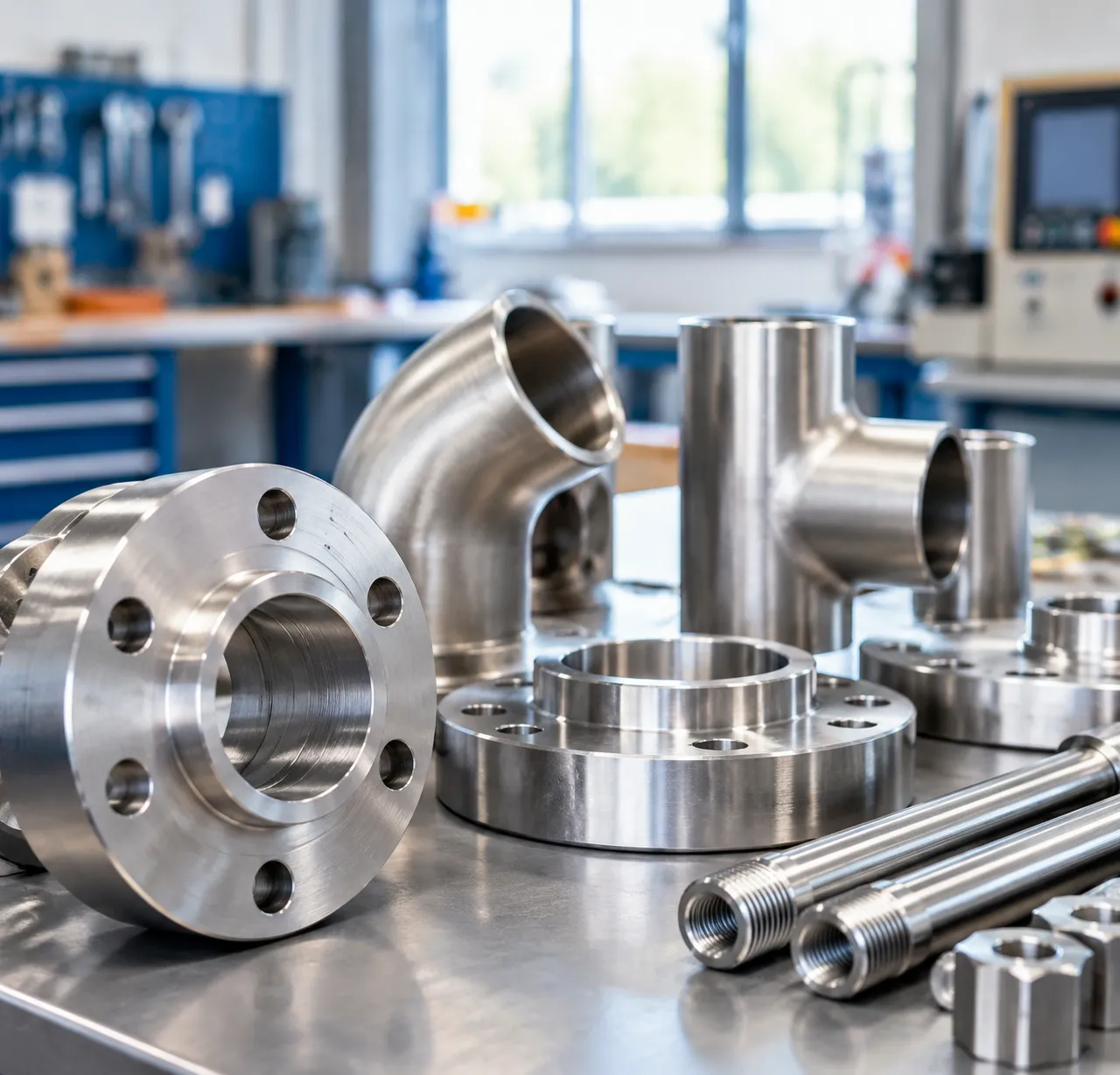
Our 310 SS piping components, tubes, and fabricated assemblies provide reliable structural integrity and oxidation resistance across high-temperature industrial sectors. We supply standard and custom components designed to withstand severe thermal cycling, corrosive flue gases, and continuous operating temperatures up to 1100°C.
Thermal Processing & Heat Treatment
- Radiant Tubes & Furnace Muffles: High-temperature oxidation resistance ensures prolonged service life in continuous heat-treating furnaces.
- Annealing Covers & Retorts: Resists scaling and thermal deformation during cyclic heating and cooling processes.
- Conveyor Systems: High creep strength prevents sagging and structural failure in furnace roller hearths and mesh belt supports.
Petrochemical & Chemical Refining
- Fluidized Bed Combustors & Cat Crackers: Withstands abrasive particulates and sulfur-bearing gases in catalytic cracking and regeneration units.
- Flare Stacks & Pyrolysis Piping Networks: 310 SS resists high-heat combustion gases and aggressive hydrocarbon environments without premature embrittlement.
- Hydrocarbon Processing Coils: Maintains mechanical strength and pressure boundary integrity in thermal cracking systems.
Power Generation & Waste Incineration
- Superheater Tube Supports & Boiler Tube Shields: Protects primary steam generation systems against hot flue gas erosion and high-temperature corrosion.
- Burner Nozzles & Coal Gasifiers: Sustains mechanical stability under direct flame exposure and aggressive reducing-oxidizing cycles.
- Waste Incinerator Ducts: Resists complex halide, sulfur, and ash corrosion in thermal waste conversion facilities.
Cement & Mineral Processing
- Kiln Discharge Housings & Cooler Grates: High scaling resistance prevents wall thinning in clinker cooling and kiln firing zones.
- Preheater Cyclones & Feed Chutes: Retains structural toughness under combined thermal loads and constant mechanical impact from raw mineral feed.
Quality Assurance, Testing, and International Certification for 310 SS
We enforce rigorous quality control protocols on all our 310 SS piping products, ensuring every component meets high-temperature pressure boundary codes and international engineering specifications.
Comprehensive Testing & Inspection Matrix
| Inspection Category | Test Methods & Procedures | Compliance Standards |
|---|---|---|
| Non-Destructive Testing (NDT) | Ultrasonic Testing (UT), Radiographic Testing (RT), Liquid Penetrant (PT), and Eddy Current Testing | ASTM A312, ASTM A403, ASME Section V |
| Hydrostatic & Pneumatic Testing | 100% hydrostatic pressure testing and air-under-water pneumatic leak detection | ASME B31.3, ASTM A530, ASME Section VIII |
| Chemical Verification | Positive Material Identification (PMI) via handheld XRF and laboratory OES spectrometry | ASTM E572, ASTM E1086 (UNS S31000 / UNS S31008) |
| Mechanical Property Testing | Tensile strength, yield point (0.2% offset), elongation, flattening, flaring, and Rockwell/Brinell hardness testing | ASTM A370, ISO 6892-1 |
Material Traceability & Third-Party Inspection
- EN 10204 3.1 & 3.2 Certification: Every batch of ASTM A312 TP310 seamless and welded pipes, ASTM A403 WP310 fittings, and ASTM A182 F310 flanges is dispatched with complete Mill Test Certificates (EN 10204 3.1 310S MTC) detailing heat numbers, chemical melt analyses, and mechanical test results.
- Full Heat Traceability: Hard-stamped or laser-marked heat numbers on all pipes, fittings, and flanges guarantee 100% material traceability from raw billet/ingot to finished product.
- Third-Party Inspection (TPI) Support: We coordinate witness testing, raw material validation, and final dimensional sign-offs with leading international inspection agencies, including SGS, TÜV, Bureau Veritas (BV), DNV, and Lloyd's Register.
Value-Added Processing & Global Packaging for 310 SS
We provide comprehensive in-house processing and export-grade packing solutions to ensure all 310 SS pipes, fittings, and flanges arrive on site ready for immediate installation.
In-House 310 SS Processing Capabilities
Our dedicated fabrication and finishing services eliminate secondary processing on the jobsite, ensuring tight dimensional tolerances and optimal material performance:
- Custom Cut-to-Length: High-precision bandsaw cutting for 310 stainless steel pipe and tube orders to exact engineering cut-lists.
- CNC Machining & End Beveling: Automated pipe end beveling (ASME B16.25 standard and custom bevel profiles), threading, and tight-tolerance flange facing utilizing advanced precision casting and CNC machining facilities.
- Solution Annealing Heat Treatment: Controlled atmospheric heat treatment (1040°C to 1150°C followed by rapid quenching) to relieve forming stresses and restore maximum high-temperature corrosion resistance in UNS S31000 / 1.4845 components.
- Surface Pickling & Passivation: Complete chemical pickling, passivation, and mechanical surface polishing to remove heat tint and ensure uniform passive layer formation across all fabricated spools.
Export-Grade Seaworthy Packaging
To prevent mechanical damage, contamination, and moisture exposure during international sea and air transit, our packaging protocols adhere to strict global shipping standards:
- End Protection: Heavy-duty plastic end caps, flange face protectors, and bevel guards fitted on all 310 SS pipes and fittings.
- Secure Bundling & Crating: ISPM 15-compliant heat-treated wooden cases, robust steel-strapped bundles, and reinforced pallets equipped with dedicated lifting slings.
- Environmental Barrier Protection: Multi-layer waterproof wrapping, shrink wrap, and VCI (Vapor Corrosion Inhibitor) lining to eliminate oxidation and moisture contact during ocean freight.
- Complete Project Tagging: Weatherproof tagging and color coding on each item, linking directly to the EN 10204 3.1 test certification and project packing lists for seamless site receipt and material verification.
Why Source 310 SS Piping Products from Us
We engineer, stock, and deliver comprehensive 310 SS piping packages tailored to demanding high-temperature industrial environments. Sourcing your full bill of materials (BOM) through us eliminates vendor fragmentation, guarantees metallurgical consistency, and keeps critical project schedules on track.
Complete Package Sourcing for High-Temperature BOMs
Procuring pipes, fittings, and flanges from disparate vendors introduces scheduling bottlenecks and dimensional mismatches. We provide single-source supply across all standard and heavy-wall schedules:
- Complete Product Integration: Seamless matching of 310/310S seamless and welded pipes with ASME B16.9 butt-weld fittings and forged ASTM A182 F310 flanges.
- Unified Traceability: Single-origin documentation packages linking every component back to verified raw material heats.
- Consolidated Logistics: Streamlined project staging and consolidated container loading to eliminate site delivery delays.
Zero-Tolerance Dimensional & Metallurgical Compliance
Every 310 stainless steel component undergoes rigorous in-house QA/QC inspection to meet ASME, ASTM, and custom project specifications:
| Procurement Factor | Our Standard Practice | Operational Benefit |
|---|---|---|
| Material Verification | 100% Positive Material Identification (PMI via XRF/OES) | Prevents grade mix-ups and ensures exact 25Cr-20Ni chemistry |
| Dimensional Control | Precision caliper, wall-thickness, and bevel verification | Guarantees seamless fit-up and rapid field welding |
| Documentation | Mill Test Certificates (MTC) conforming to EN 10204 3.1 / 3.2 | Full audit trail compliance for plant engineering records |
| Third-Party Inspection | Seamless coordination with TUV, SGS, BV, and DNV | Independent validation for critical oil, gas, and power projects |
Streamlined Lead Times and Worldwide Logistics
We minimize downtime during scheduled plant shutdowns, emergency turnarounds, and planned capital builds through efficient supply chain management:
- Strategic Inventory: Ready stock of standard schedules (SCH 10S through SCH 160/XXS) and forged pressure classes (150# to 2500#) in 310, 310S, and 310H.
- Export-Standard Packaging: End protectors, moisture-resistant barrier wrapping, and heavy-duty ISPM 15-compliant wooden crating engineered for ocean and air transit.
- Global Hub Delivery: Coordinated freight forwarding to key international ports, refineries, and industrial processing hubs worldwide.
310 SS Technical & Commercial FAQs
What is the maximum continuous working temperature for 310 stainless steel?
In continuous service under oxidizing atmospheres, 310 SS maintains structural integrity and scaling resistance up to 1100°C (2010°F). For intermittent cyclic service, the recommended maximum threshold is 1035°C (1895°F). Operating limits depend on atmospheric composition, as reducing or sulfur-bearing environments lower maximum exposure thresholds.
Is 310 stainless steel magnetic in annealed versus cold-worked conditions?
In the fully solution-annealed condition, 310 SS is completely non-magnetic due to its stable 25Cr-20Ni matrix (to explore similar alloy structures, review what is austenitic stainless steel). Because of high nickel stabilization, 310 SS exhibits virtually zero magnetic permeability even after moderate cold working, unlike lower-alloy austenitic grades like 304.
What are the recommended welding consumables for Grade 310 and 310S piping systems?
For welding 310 and 310S piping components to matching metallurgy: GTAW / GMAW: AWS A5.9 ER310 SMAW: AWS A5.4 E310-15 or E310-16 electrodes Dissimilar Welds (to carbon or low-alloy steel): High-nickel fillers such as AWS ERNiCr-3 (Inconel 82) or ENiCrFe-3 (Inconel 182) to minimize thermal expansion mismatch and prevent hot cracking.
How does 310 SS perform in reducing versus oxidizing sulfur environments?
| Environmental Condition | Max Operating Limit | Performance Summary |
|---|---|---|
| Oxidizing Sulfur Gas | Up to 1100°C (2010°F) | High resistance; protective chromia ($Cr_2O_3$) scale prevents rapid sulfidation. |
| Reducing Sulfur Gas | Up to 650°C (1200°F) | Moderate resistance; high nickel content risks forming low-melting nickel-sulfide eutectics above 650°C. |
| Carburizing Atmospheres | Up to 950°C (1740°F) | Good resistance to carbon absorption in industrial furnace environments. |
Can custom non-standard wall thicknesses and forged shapes be supplied in 310 SS?
Yes. We supply non-standard seamless heavy-wall pipes, custom-bored fittings, and specialized forged flanges manufactured to project-specific drawings. All custom items are produced under strict dimensional tolerances and undergo full mechanical testing with EN 10204 3.1 material test certificates.
 English
  Russian
  German