
2026年9月9日
Discover high-quality investment casting materials with excellent heat resistance, durability, and precision for superior manufacturing and engineerin
Core Categories of Investment Casting Materials
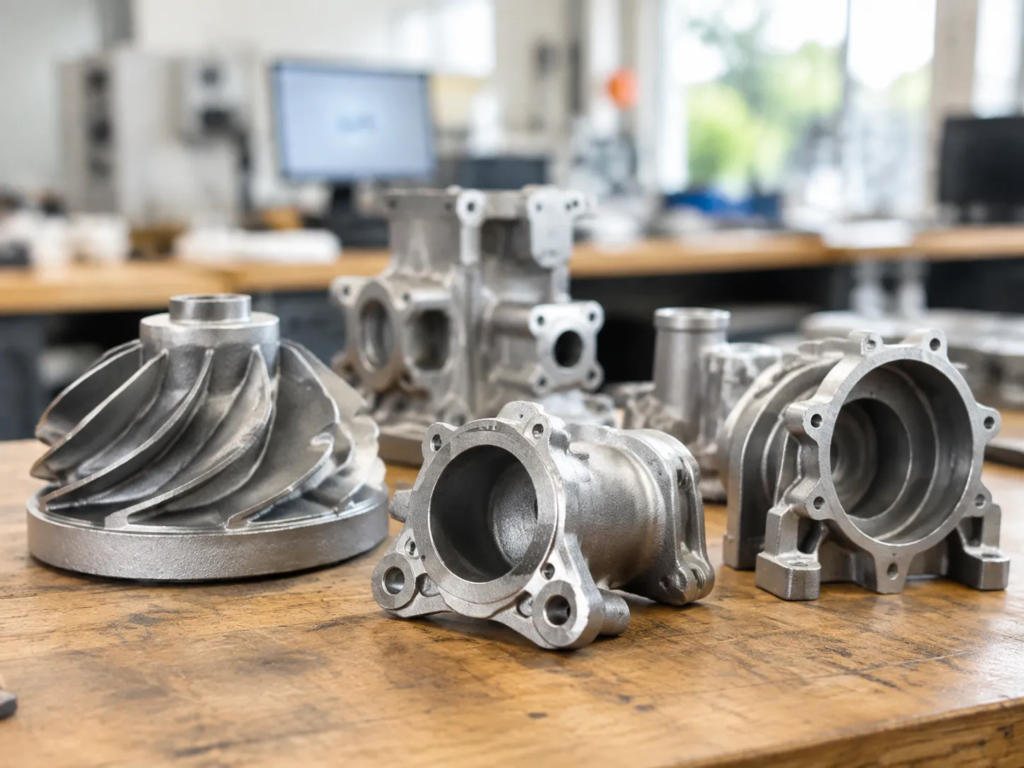
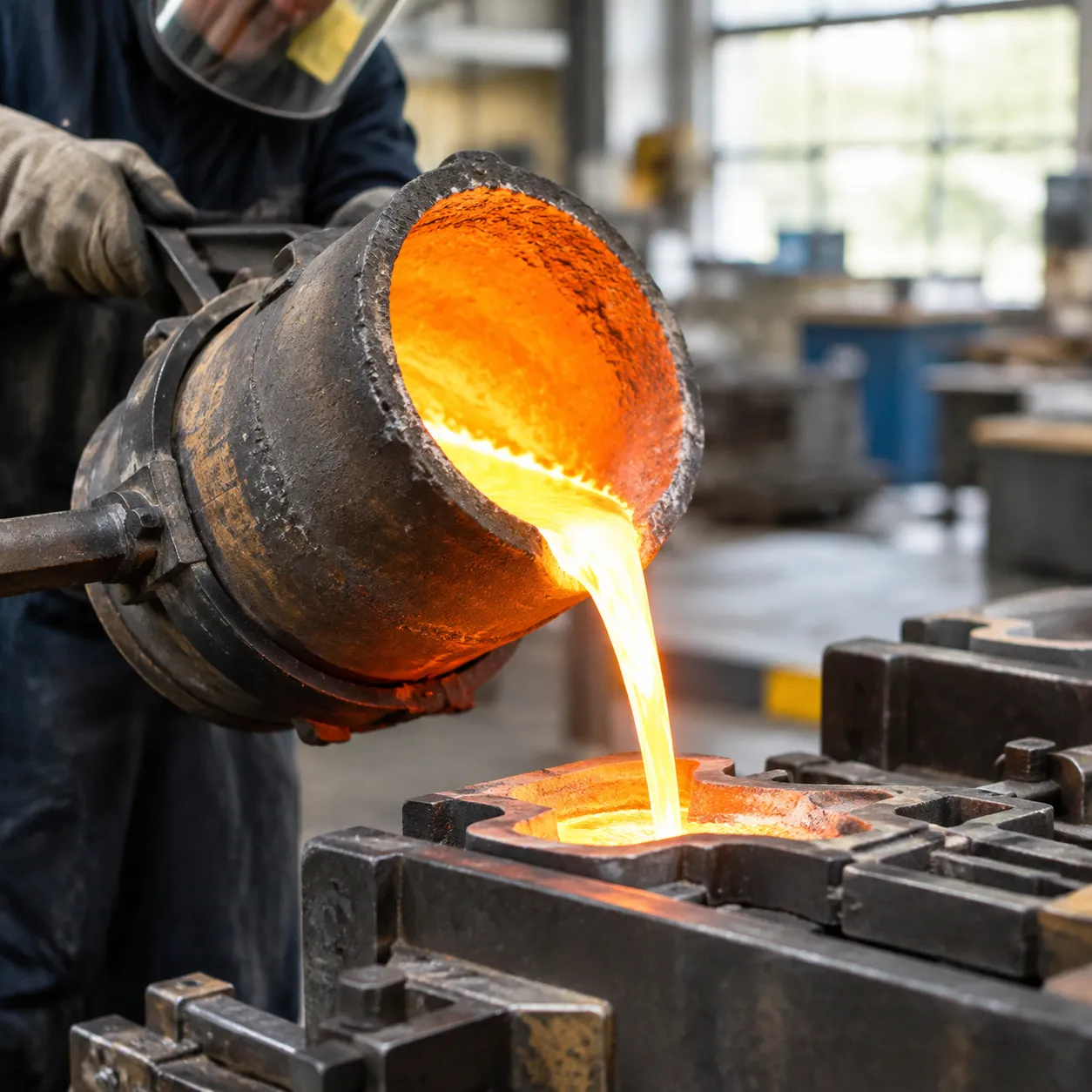
Selecting the right investment casting material dictates the mechanical performance, surface finish, and total manufacturing cost of your final component. In our lost wax investment casting foundry, we categorize casting alloys into distinct metallurgical groups based on their base elements, melting characteristics, and target operating environments.
| Alloy Category | Base Metals | Key Advantages | Typical Applications |
|---|---|---|---|
| Ferrous Alloys | Fe (Iron, Carbon, Cr, Ni, Mo) | High tensile strength, wear resistance, low material cost | Valves, pump housings, automotive structural parts |
| Non-Ferrous Alloys | Al, Cu, Ti, Mg | Lightweight, electrical conductivity, corrosion resistance | Aerospace brackets, marine hardware, medical implants |
| Superalloys | Ni, Co | Extreme thermal resistance, creep strength, oxidation resistance | Turbine blades, exhaust manifolds, chemical reactors |
| Specialty Metals | Au, Ag, Pt, Zr | High precision detail reproduction, biocompatibility | Surgical tools, micro-fluidic housings, luxury hardware |
Ferrous vs. Non-Ferrous Casting Alloys
The primary divide in lost wax casting alloys rests between ferrous and non-ferrous groups:
- Ferrous Casting Materials: Dominated by stainless steels, carbon steels, and alloy steels. We use ferrous metals when your components demand high load-bearing capacity, hardness, and wear resistance under mechanical stress.
- Non-Ferrous Precision Casting: Dominated by aluminum, copper, brass, and bronze. These materials provide weight savings, non-magnetic properties, and natural corrosion protection without requiring complex secondary plating.
High-Temperature Superalloys and Specialty Metals
For mission-critical hardware exposed to temperatures exceeding 650°C (1200°F) or severe corrosive media, standard alloys degrade rapidly. We pour nickel- and cobalt-based superalloys to maintain structural integrity under extreme thermal mechanical stress:
- Nickel Superalloys: Retain yield strength and resist oxidation in continuous high-heat environments.
- Cobalt Alloys: Deliver exceptional resistance to galling, cavitation, and metal-to-metal wear.
- Titanium and Refractory Alloys: Require specialized vacuum investment casting infrastructure to prevent atmospheric contamination during the melt.
Key Melt Properties and Fluidity Considerations
Achieving thin-wall sections and net-shape precision depends heavily on how the molten metal behaves inside the ceramic shell:
- Liquid Viscosity and Fluidity: High-fluidity alloys (such as silicon-rich aluminum and austenitic stainless steels) fill complex geometries and thin cross-sections down to 1.5 mm easily.
- Pouring Temperature (Superheat): Alloys require an optimal superheat window—typically 50°C to 100°C above liquidus—to balance complete mold fill against excessive gas pickup or mold-metal reactions.
- Solidification Shrinkage: Volumetric contraction varies from 1.5% to over 2.5% depending on the alloy composition. We design our wax tooling and gating systems to counteract localized shrinkage porosity and maintain tight dimensional tolerances.
Ferrous Investment Casting Alloys and Grades
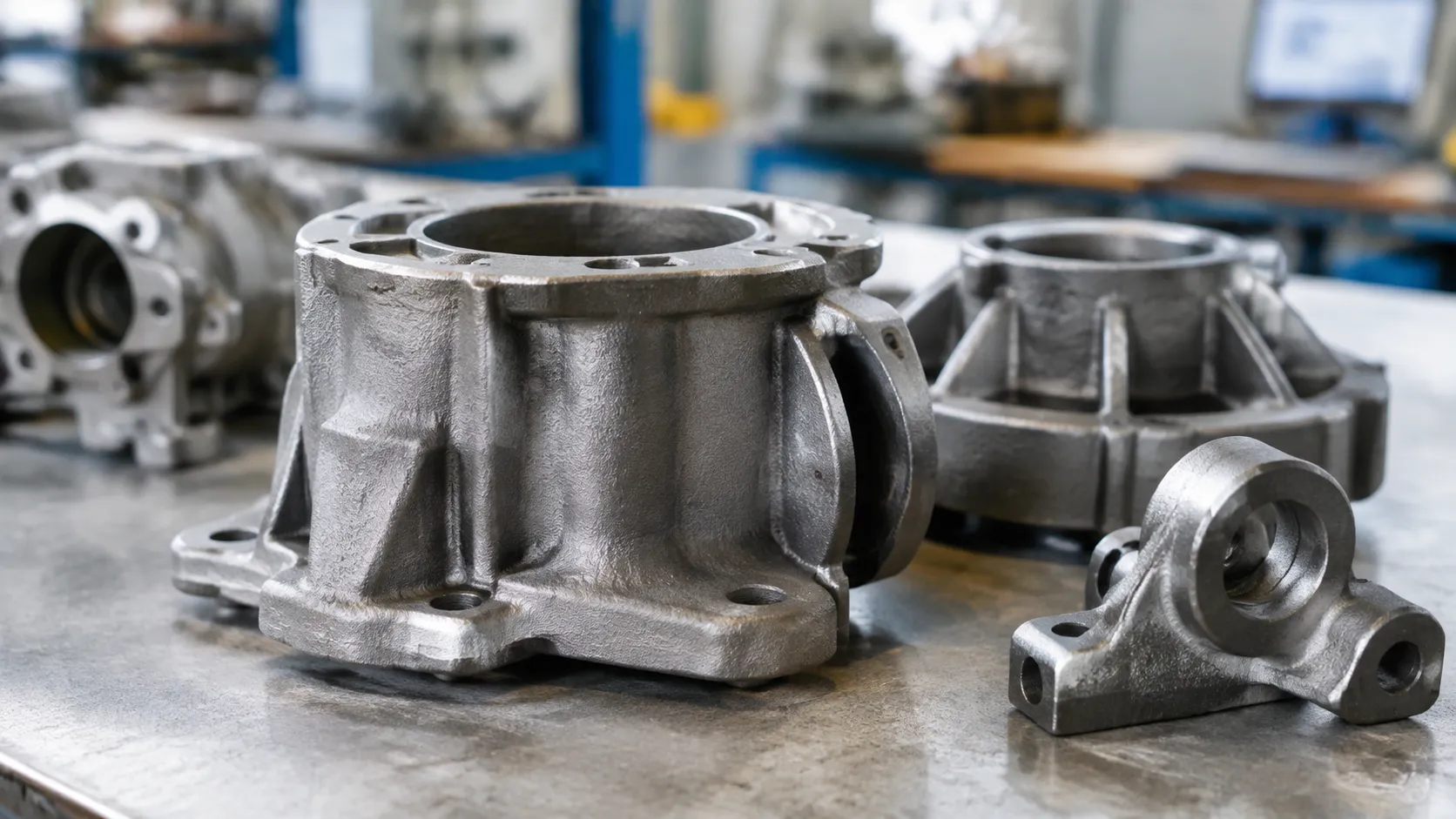
Ferrous metals form the backbone of precision manufacturing due to their structural reliability, wide range of mechanical properties, and heat-treatment adaptability. When pouring ferrous lost wax casting alloys, we select specific compositions to balance corrosion resistance, tensile strength, and machinability.
Stainless Steel Grades
Stainless steel is the primary choice for components requiring corrosion resistance and high yield strength. Through stainless steel investment casting, we cast complex geometries with minimal post-machining:
- Austenitic Grades (304 / 316): 304 offers general corrosion resistance and excellent weldability. Grade 316 includes molybdenum, offering superior resistance to chlorides and pitting in marine or chemical environments.
- Precipitation Hardening (17-4 PH): Combines the corrosion resistance of 304 with extremely high yield and tensile strength achievable through simple, low-temperature aging heat treatments.
- Duplex Stainless Steels (2205): A dual-phase microstructure that delivers twice the yield strength of standard austenitic grades along with superior resistance to stress corrosion cracking. For high-wear martensitic applications, explore our 400 series stainless steel grades for tailored hardness profiles.
Carbon and Low-Alloy Steels
For cost-effective, high-strength structural parts where extreme corrosion resistance is not needed, carbon steel precision casting provides dependable performance:
- WCB (Cast Equivalent of A106/A516): Standard cast carbon steel optimized for pressure vessels, valves, and general structural fittings.
- AISI 4140 (Chromoly Steel): Delivers exceptional toughness, high fatigue strength, and excellent response to quench-and-temper heat treatments.
- AISI 8620: A nickel-chromium-molybdenum alloy ideal for carburizing, producing a hard, wear-resistant outer case with a ductile, shock-absorbing core.
Tool Steels for High Wear and Impact Resistance
Tool steels provide maximum hardness, hot strength, and abrasion resistance for demanding tooling, shearing, and forming applications:
- D2 Tool Steel: High-carbon, high-chromium air-hardening steel with extreme abrasive wear resistance.
- H13 Tool Steel: Outstanding hot hardness, thermal shock resistance, and resistance to thermal fatigue cracking under high temperatures.
- M2 High-Speed Steel: Balances red hardness, wear resistance, and toughness for cutting and industrial forming components.
Ferrous Investment Casting Material Quick Reference
| Alloy Category | Common Grade | Key Characteristics | Typical Applications |
|---|---|---|---|
| Austenitic Stainless | 316 / CF8M | Superior pitting & acid resistance | Marine hardware, chemical valves |
| Martensitic / PH | 17-4 PH / CB7Cu-1 | High tensile strength & hardness | Aerospace parts, pump shafts |
| Carbon Steel | WCB / AISI 1020 | High machinability, cost efficiency | Flanges, heavy machinery brackets |
| Low-Alloy Steel | AISI 4140 | High fatigue strength & toughness | Automotive gears, hydraulic blocks |
| Tool Steel | H13 | High thermal fatigue resistance | Extrusion dies, die-cast inserts |
Non-Ferrous Alloys for Precision Investment Casting
When component designs demand low weight, corrosion resistance, high electrical conductivity, or biocompatibility, we rely on non-ferrous investment casting material options. These alloys offer exceptional fluidity during pouring, allowing us to replicate thin-walled profiles and complex geometries with minimal post-machining.
Aluminum Alloys for Lightweight Strength
Aluminum remains the top choice for weight-critical structural parts in aerospace, automotive, and electronics packaging:
- A356: Delivers excellent castability and pressure tightness. Heat-treated to the T6 condition, it provides high yield strength and impact resistance for airframe brackets and pump housings. Check out our detailed aluminum alloy casting guide to compare how this material behaves across different casting methods.
- A380 / 6061 equivalent chemistries: Selected for structural integrity, moderate strength, and high thermal dissipation in heat sinks and electronic enclosures.
Copper, Brass, and Bronze Alloys for Marine and Electrical Systems
Copper-base alloys deliver natural anti-galling, corrosion resistance in harsh saltwater environments, and high thermal and electrical conductivity:
- C83600 (Leaded Red Brass / 85-5-5-5): Offers outstanding machinability and pressure tightness for valves, plumbing hardware, and low-pressure fluid systems.
- C95800 (Nickel Aluminum Bronze): Superior resistance to cavitation and seawater corrosion. It is a standard choice for marine propellers, marine pump impellers, and heavy-duty wear rings.
Titanium Alloys for Aerospace and Medical Precision
For the most demanding service conditions, titanium lost wax casting delivers unmatched strength-to-weight ratios and bio-inert performance:
- Ti-6Al-4V (Grade 5): The benchmark titanium investment casting alloy. It provides high fracture toughness, extreme oxidation resistance, and full biocompatibility.
- Key Applications: Orthopedic implants, surgical instruments, jet engine compressor components, and high-performance motorsport hardware. Titanium requires vacuum skull melting and specialized ceramic shell systems to eliminate interstitial contamination during pouring.
| Non-Ferrous Grade | Base Metal | Key Mechanical Advantage | Typical Applications |
|---|---|---|---|
| A356-T6 | Aluminum | High strength-to-weight, pressure tight | Aviation brackets, pump covers |
| C95800 | Bronze (Ni-Al) | Seawater corrosion & wear resistance | Marine valves, impellers, bushings |
| Ti-6Al-4V | Titanium | High tensile strength, bio-inert | Medical implants, aerospace housings |
High-Performance Superalloys for Extreme Environments
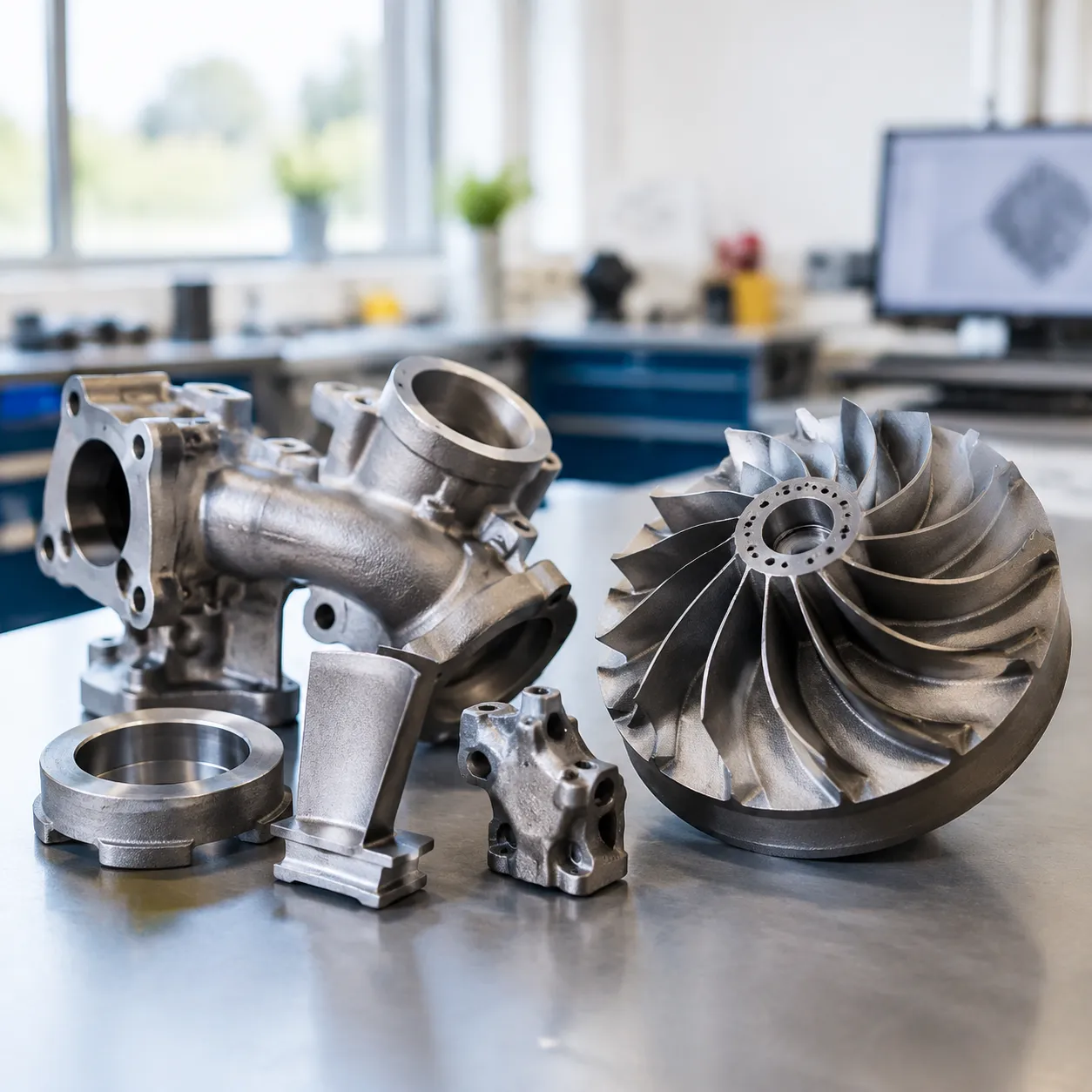
When standard alloys fail under aggressive chemical attacks, thermal fatigue, or severe friction, selecting an advanced investment casting material is critical. We cast high-performance superalloys that retain their yield strength, mechanical integrity, and surface stability near their melting points.
Nickel-Based Superalloys for Extreme Heat and Corrosion
Nickel superalloys handle service temperatures exceeding 1,000°C (1,832°F) while resisting oxidation and thermal shock. We pour these alloys using vacuum investment casting to prevent oxide inclusions and gas porosity.
- Inconel 718 & 625: High tensile and creep-rupture strength for gas turbine blades, aerospace hot sections, and turbocharger components.
- Hastelloy (C-276, X): Exceptional resistance to pitting, stress-corrosion cracking, and acidic chemical processing environments.
- For specialized high-temp structural components, our nickel casting services for Inconel, Monel, and Hastelloy ensure dense, crack-free metallurgical structures.
Cobalt-Based Alloys for Severe Wear Resistance
Cobalt alloys resist galling, cavitation, and mechanical wear under sustained friction and elevated temperatures. They do not rely on standard heat treatments for hardness, maintaining their wear properties directly as-cast.
- Stellite 6 & 21: The industry benchmark for valve seats, cutting edges, fluid nozzles, and bearing sleeves.
- Biocompatibility: Cobalt-chromium grades serve as reliable investment casting alloys for orthopedic implants and dental prosthetics.
- Our cobalt-based casting for heat, wear, and corrosion resistance delivers long cycle life in high-friction, unlubricated assemblies.
Precious Metals in Micro-Casting and Specialty Uses
For miniature, high-reliability parts where failure is not an option, we utilize precious metal investment casting:
- Platinum and Gold Alloys: Highly stable electrical contacts, medical micro-implants, and critical aerospace sensor housings requiring zero oxidation.
- Silver Alloys: Specialized thermal heat sinks, high-conductivity switches, and optical hardware.
| Superalloy Category | Primary Grades | Key Performance Benefits | Typical Applications |
|---|---|---|---|
| Nickel Superalloys | Inconel 718, Hastelloy C-276 | Creep resistance up to 1,050°C, extreme corrosion protection | Turbine blades, downhole tools, chemical reactors |
| Cobalt Superalloys | Stellite 6, Stellite 21, Co-Cr | Anti-galling, high-temperature hardness, cavitation resistance | Valve trims, pump bushings, medical joint implants |
| Precious Metals | Platinum, Fine Silver, 18K/24K Gold | Maximum chemical inertness, peak conductivity, zero oxidation | Bio-sensors, RF shielding, micro-switches |
Key Factors When Selecting an Investment Casting Material
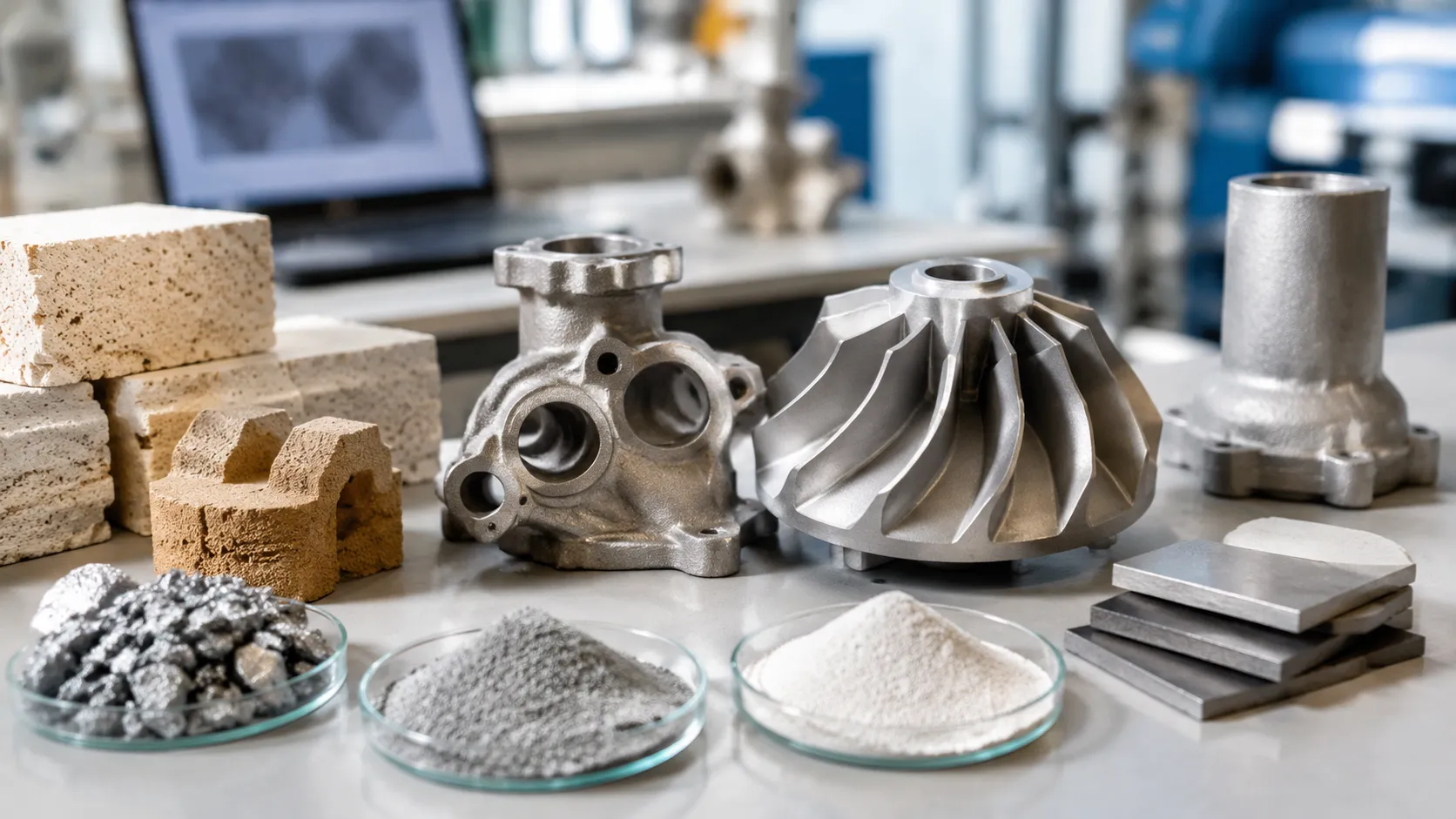
Choosing the right investment casting material directly impacts part performance, tool life, and manufacturing costs. We evaluate four core technical criteria to ensure the selected alloy matches your functional demands without unnecessary material expense.
Mechanical Property Requirements
Every application demands a specific balance of strength, ductility, and surface wear resistance:
- Tensile and Yield Strength: Structural and load-bearing components require high-yield alloys like 17-4 PH stainless steel or 4140 low-alloy steel to prevent permanent deformation under stress.
- Hardness vs. Toughness: Tool steels and cobalt alloys deliver exceptional wear resistance, but higher hardness often reduces impact toughness.
- Elongation: High-ductility alloys, such as 300-series stainless steels and specific aluminum grades, prevent catastrophic brittle failure under shock loading.
Operating Environment and Thermal Limits
Operating temperature and atmospheric exposure dictate base metal selection:
- Corrosion Resistance: Marine, chemical, and fluid-handling applications depend on corrosion resistant casting alloys such as 316L stainless steel, duplex grades, or bronze.
- Thermal Stability: Components exposed to continuous high heat require nickel-based superalloys (Inconel, Hastelloy) to resist thermal fatigue, creep, and oxidation.
- Cryogenic Toughness: Austenitic stainless steels retain their toughness in sub-zero environments where standard carbon steels become brittle.
Machinability, Weldability, and Secondary Finishing
Post-casting operations influence overall production throughput and total part cost:
- Machinability: Free-machining grades or low-carbon steels reduce tooling wear during secondary CNC milling, tapping, and drilling.
- Weldability: Low-carbon and stabilized stainless steel grades minimize carbide precipitation, ensuring crack-free structural integration.
- Finishing Compatibility: If parts require anodizing, electropolishing, or plating, the base alloy must be chemically compatible to ensure uniform surface coverage.
Material Cost Efficiency vs. Part Longevity
Balancing initial raw material expenses against overall service life prevents over-engineering while protecting against premature failure in the field.
| Material Category | Typical Raw Cost | Machinability & Secondary Work | Wear & Corrosion Life | Best Application Fit |
|---|---|---|---|---|
| Carbon & Low-Alloy Steels | Low | High / Easy | Low to Moderate | Structural frames, brackets, levers |
| Austenitic Stainless Steels | Moderate | Moderate | High | Food processing, chemical valves, marine hardware |
| Precipitation Hardening Steels | Moderate to High | Moderate | Very High | Aerospace brackets, pump shafts, defense components |
| Nickel / Cobalt Superalloys | High | Low / Difficult | Extreme | Turbine blades, exhaust manifolds, oil and gas tooling |
Selecting an investment casting material requires matching mechanical requirements, environmental resistance, and post-processing steps with total operational lifecycle costs.
Post-Casting Heat Treatments and Surface Finishing Options
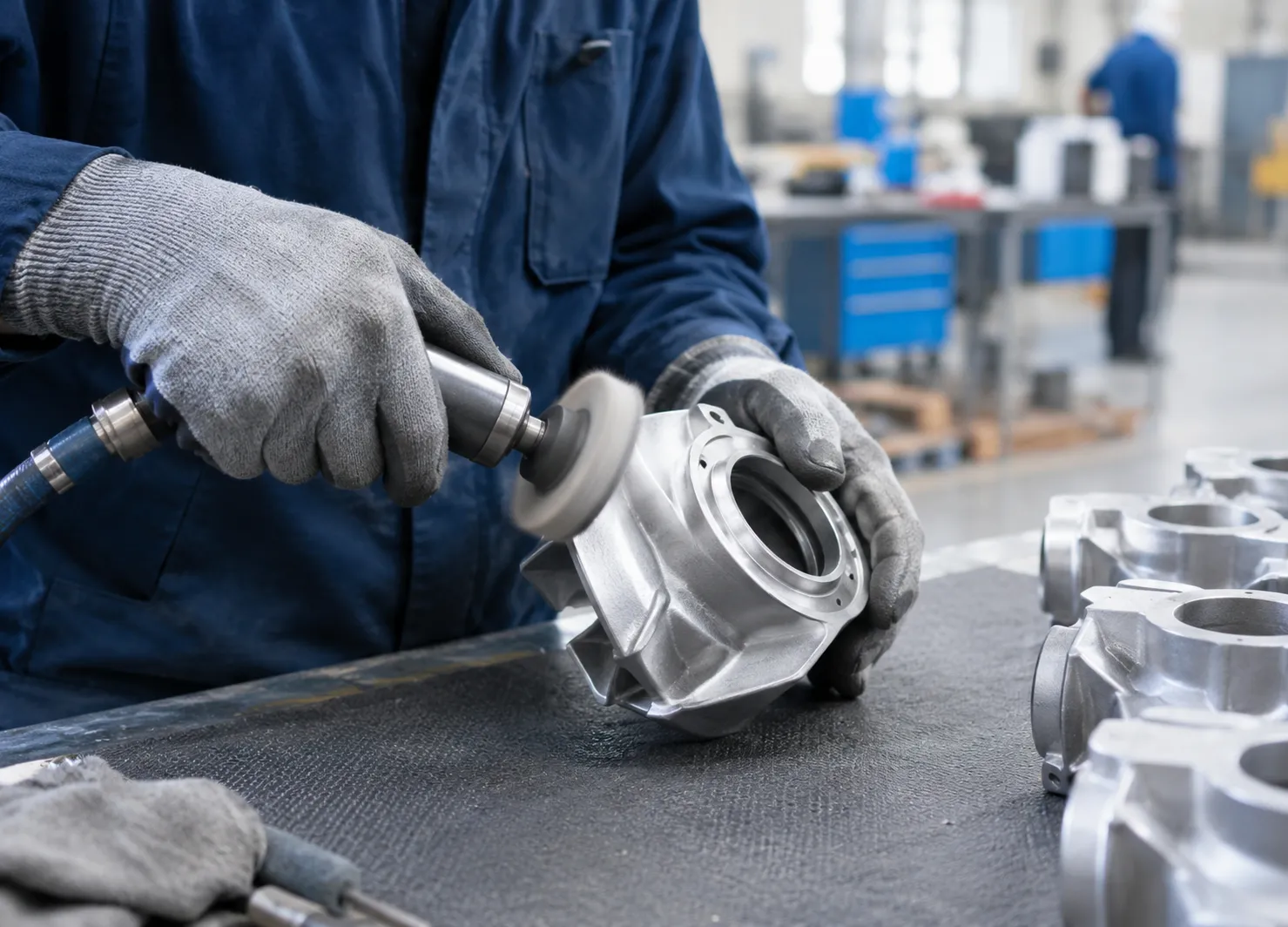
Selecting the right investment casting material is only half the job. To reach the required mechanical strength, dimensional stability, and cosmetic finish, post-casting thermal and surface treatments are critical.
Thermal Processing: Stress Relieving, Annealing, and Quench-Temper Cycles
As-cast metals often contain internal stresses and microstructural variations from non-uniform cooling. We apply targeted heat treatment for investment castings to tailor mechanical properties:
- Stress Relieving: Low-temperature soaking (550°C–650°C for carbon and alloy steels) minimizes residual stresses caused by solidification without changing baseline hardness.
- Solution Annealing: Standard for austenitic stainless steels (304, 316) and duplex grades. Heated to 1050°C–1150°C and rapidly quenched to dissolve carbides, restoring maximum corrosion resistance.
- Quench and Temper (Q&T): Used on martensitic grades, tool steels, and low-alloy steels (such as 4140 and 8620) to balance tensile strength with impact toughness.
- Precipitation Hardening (Aging): Applied to grades like 17-4 PH at 480°C–620°C (H900 to H1150 conditions) to significantly increase yield strength without heavy distortion.
Surface Preparation: Passivation, Electropolishing, and Anodizing
We refine the surface finish of precision cast parts to meet hygiene, corrosion, or aesthetic requirements:
- Chemical Passivation: Uses nitric or citric acid baths to remove free iron from stainless steel surfaces, creating a protective chromium oxide layer.
- Electropolishing: An electrochemical bath removes microscopic peaks, smoothing surface roughness down to Ra 0.4–0.8 µm while providing high sterility for medical and food-grade components.
- Anodizing (Type II & Type III Hardcoat): Exclusively for cast aluminum alloys to build an abrasion-resistant, non-conductive oxide layer.
- Abrasive Blasting: Glass bead or ceramic bead blasting produces a uniform, matte satin texture across complex geometries.
Achievable Surface Roughness (Ra) and Standard Linear Tolerances
The table below outlines typical as-cast versus post-treated specs across major alloy groups when using our precision casting solution with silica sol process and ISO 8062 accuracy:
| Investment Casting Material Group | As-Cast Surface Roughness ($Ra$) | Electropolished / Finished ($Ra$) | Standard Linear Tolerance (ISO 8062-3) |
|---|---|---|---|
| Stainless Steel (304, 316, 17-4 PH) | 3.2 – 6.3 µm (125 – 250 µin) | 0.4 – 1.6 µm (16 – 63 µin) | DCTG 4 – DCTG 6 (±0.15 mm per 25 mm) |
| Carbon & Low-Alloy Steels | 3.2 – 6.3 µm (125 – 250 µin) | 1.6 – 3.2 µm (63 – 125 µin) | DCTG 5 – DCTG 7 (±0.20 mm per 25 mm) |
| Aluminum Alloys (A356, A380) | 1.6 – 3.2 µm (63 – 125 µin) | 0.8 – 1.6 µm (32 – 63 µin) | DCTG 4 – DCTG 5 (±0.13 mm per 25 mm) |
| Copper & Bronze Alloys | 2.0 – 3.2 µm (80 – 125 µin) | 0.8 – 1.6 µm (32 – 63 µin) | DCTG 5 – DCTG 6 (±0.18 mm per 25 mm) |
| Nickel Superalloys (Inconel) | 3.2 – 6.3 µm (125 – 250 µin) | 0.8 – 1.6 µm (32 – 63 µin) | DCTG 4 – DCTG 6 (±0.15 mm per 25 mm) |
Frequently Asked Questions About Investment Casting Materials
What is the most popular material for investment casting?
Austenitic and precipitation-hardening stainless steels—specifically 304, 316, and 17-4 PH—are the most widely cast alloys in precision foundries. They offer the best balance of corrosion resistance, mechanical strength, and fluid castability for complex geometries across industrial, marine, and medical sectors. When projects demand exceptional reliability, our high-quality investment casting parts for precision manufacturing utilize these core grades alongside standard carbon and low-alloy steels.
How does alloy shrinkage rate affect precision tolerances?
Every casting alloy contracts during both solidification and subsequent cooling to room temperature. This volumetric reduction directly impacts final part dimensions:
- Shrinkage variance: Carbon steels shrink around 1.5% to 2.2%, while austenitic stainless steels can contract up to 2.5% to 3.0%. Aluminum alloys typically contract at roughly 1.0% to 1.3%.
- Tooling compensation: We apply precise scale factors directly to the wax injection tooling based on the specific alloy grade, pour temperature, and mold geometry.
- Tolerance control: Proper compensation maintains standard linear investment casting tolerances of ±0.005 in/in (±0.13 mm per 25 mm) without requiring extensive secondary machining.
Can titanium and superalloys be cast with standard ceramic shells?
No. Standard ceramic slurries—such as fused silica or zircon bonded with colloidal silica—react aggressively with molten titanium and reactive elements in nickel- and cobalt-based superalloys at elevated temperatures.
- The chemical issue: Molten titanium strips oxygen from silica-based molds, creating a brittle, oxygen-rich surface layer known as the alpha case.
- The solution: Casting these high-performance alloys requires specialized, chemically inert face coats—typically yttria (Y₂O₃), zirconia (ZrO₂), or alumina (Al₂O₃)—and must be poured inside vacuum induction melting (VIM) chambers to prevent atmospheric pickup.
How do investment casting material properties compare to wrought materials?
| Property | Investment Castings | Wrought / Forged Alloys |
|---|---|---|
| Grain Structure | Uniform, isotropic (non-directional) | Directional grain flow from rolling/forging |
| Tensile Strength | Typically 90% to 98% of wrought equivalents | Baseline (100%) |
| Ductility & Elongation | Slightly lower due to dendritic structures | Higher transverse and longitudinal elongation |
| Pressure Tightness | Excellent; zero directional seam weakness | Excellent along grain paths |
| Response to Heat Treatment | Full response; achieves equivalent surface and core hardness | Full response |
With modern degassing techniques, clean melt practices, and standard post-cast heat treatments (such as hot isostatic pressing and solution annealing), an investment casting material meets the rigorous mechanical and fatigue criteria of wrought stock while eliminating significant machining scrap and tooling wear.
 English
  Russian
  German