
2026年8月25日
400 series stainless steel grades with magnetic hardness and stock forms for machining casting and custom fabrication
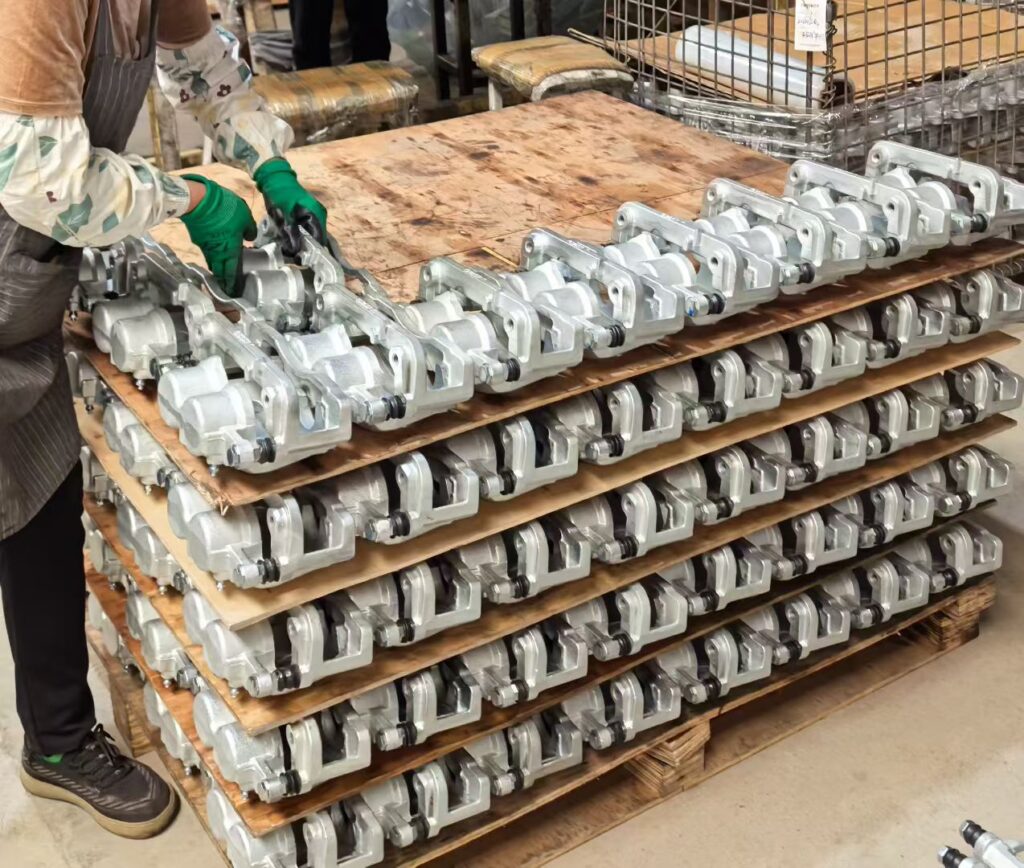
Are you facing excessive tooling wear, high finish machining costs, or material failures in high-stress environments? Standard austenitic alloys often fall short when your parts require extreme hardness, wear resistance, or specific magnetic properties. That is where 400 sery stainless steel delivers targeted metallurgical value.
Understanding 400 Sery Stainless Steel Capabilities
We classify 400 series stainless steel into two distinct metallurgical families based on crystal structure and thermal response:
| Alloy Family | Key Grades | Core Characteristics | Primary Applications |
|---|---|---|---|
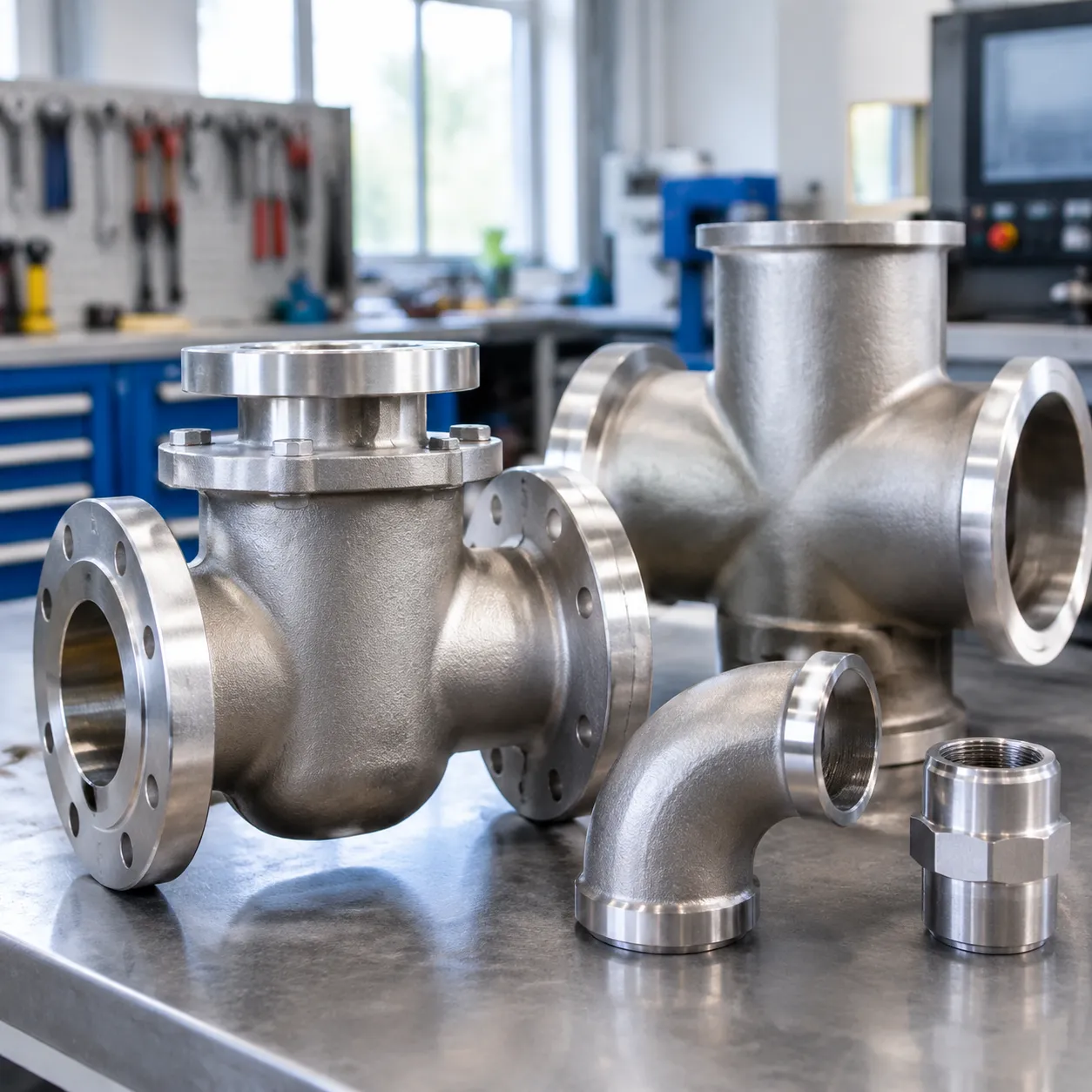
| Martensitic Stainless Steel Grades | Type 410, 416, 420, Type 440C stainless steel | High-carbon chromium composition, heat-treatable hardness, superior wear resistance | Turbine blades, cutlery, surgical instruments, valve seats |
| Ferritic Stainless Steel Casting | Type 409, Type 430 stainless steel, 439 | High chromium, nickel-free structure, strong stress-corrosion cracking resistance, magnetic properties | Automotive exhaust manifolds, process piping, architectural trim |
Investment Casting Advantages for 400 Series Alloys
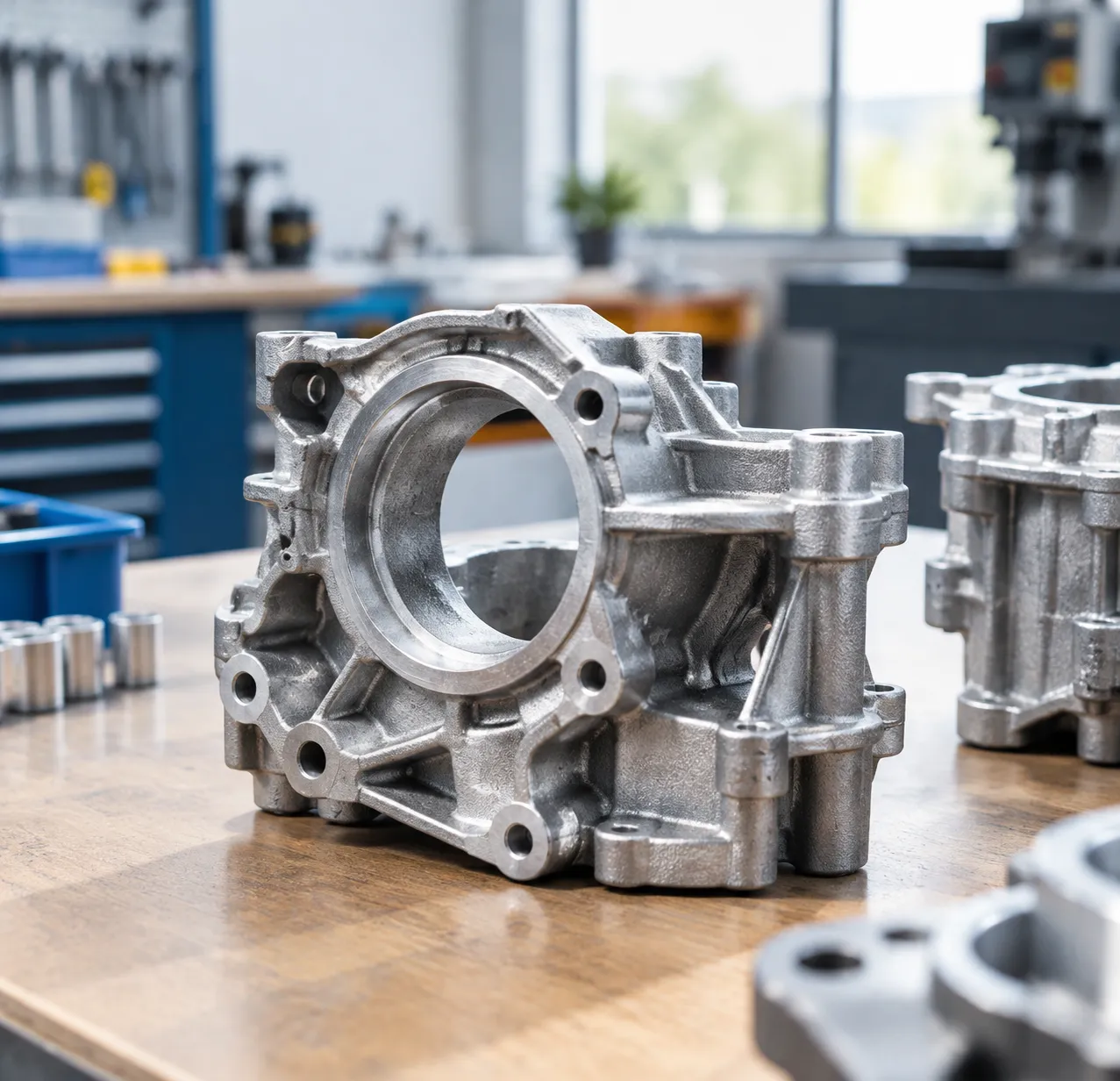
Machining hardened 400 sery stainless components from solid bar stock causes rapid tool wear and high scrap rates. We utilize precision investment casting to solve these production bottlenecks:
- Near-Net-Shape Accuracy: Drastically cuts expensive finish grinding and CNC machining hours on fully hardened alloys.
- Controlled Grain Structure: Preserves exact metallurgical grain integrity during thermal pouring and solidification cycles.
Vastpcc Investment Casting Equipment for 400 Sery Stainless Steel
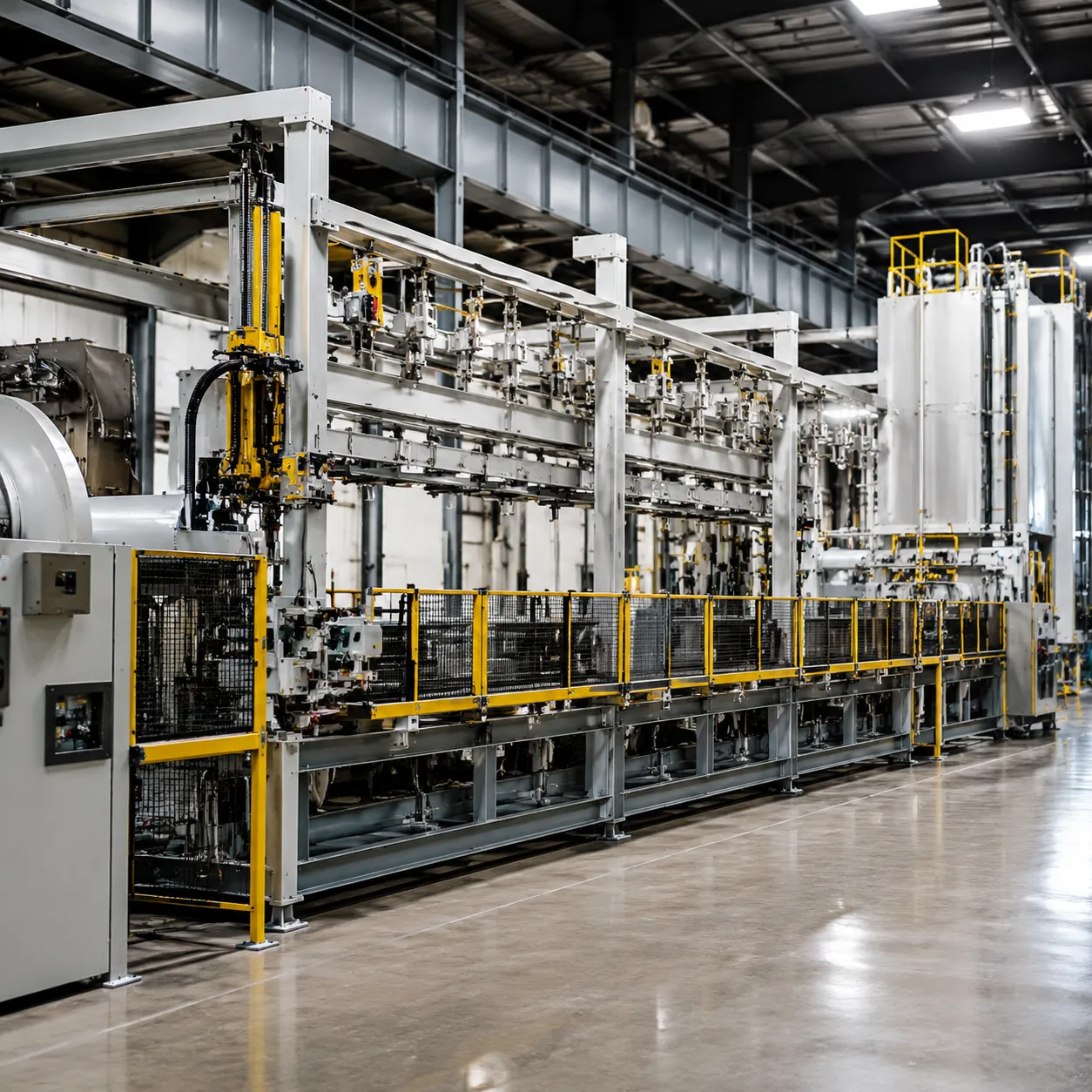
We engineer advanced investment casting machinery designed to meet the tight thermal and dimensional tolerances required for 400 sery stainless steel alloys. Pouring high-carbon martensitic and ferritic grades demands strict process control across every stage of pattern creation and shell building.
High-Precision Wax Injection Machines
- Dimensional Stability: Real-time temperature and pressure control eliminates pattern shrinkage and dimensional drift on intricate component geometries.
- Repeatable Density: Uniform wax flow prevents air entrapment, creating pristine patterns ready for high-temperature slurry dipping.
Automated Shell Coating & Marking Systems
- Ceramic Layer Consistency: Automated slurry dipping delivers exact shell wall thickness needed for high-pour-temperature 400 stainless steel melts.
- Batch Traceability: Integrated automated marking systems print real-time tracking data directly onto ceramic molds.
High-Pressure Dewaxing Autoclaves
- Cracking Elimination: Rapid steam pressure buildup removes wax patterns within seconds, preventing shell expansion and structural failure.
- Mold Integrity: Maintains fine detail and surface finish when processing demanding cast stainless steel custom casting alloys and grades.
Robotic Foundry Automation Integrators
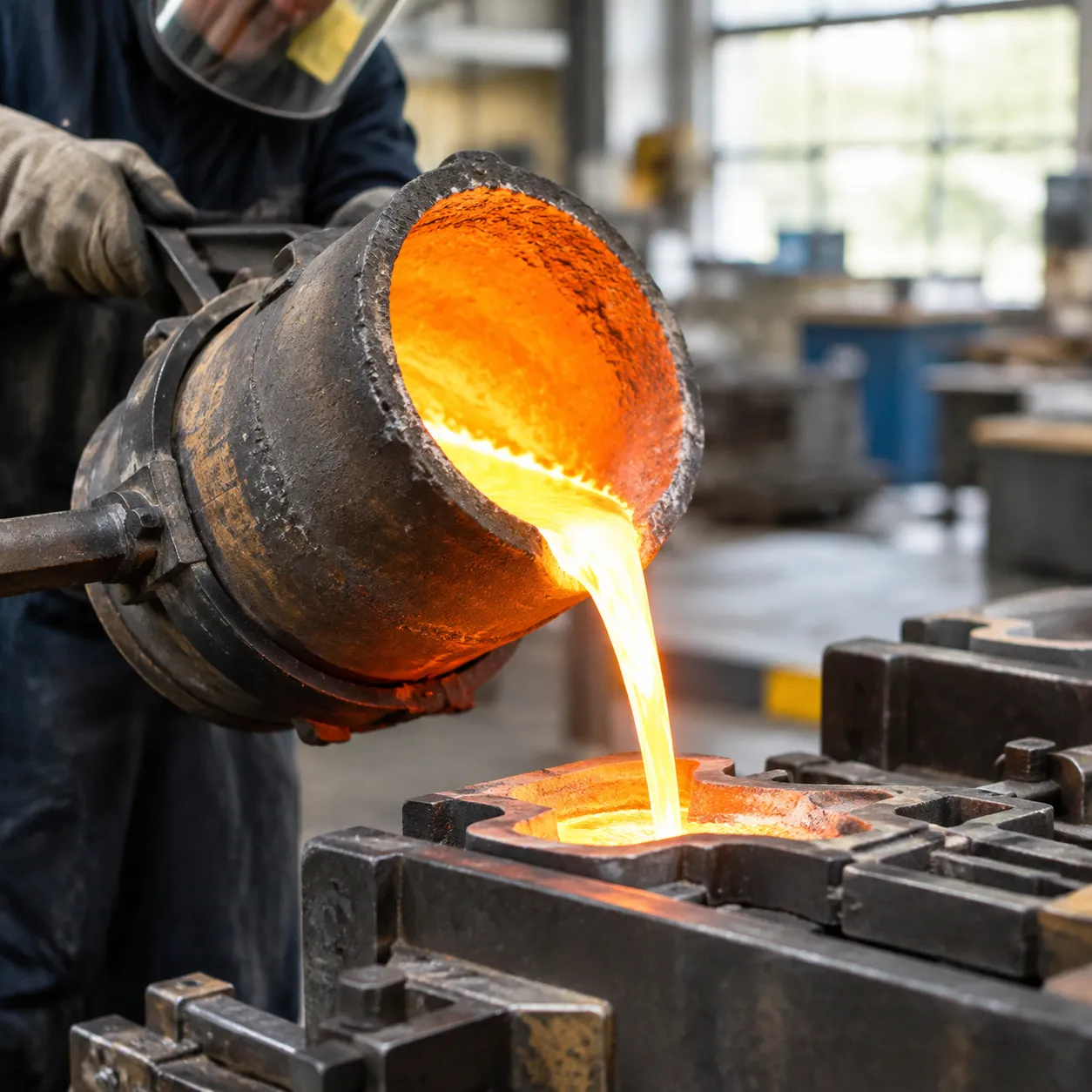
- Robotic Pouring Control: Multi-axis robotic arms handle heavy ceramic shells and execute consistent liquid metal pours without flow interruption.
- Operational Safety: Fully automated shell transfer systems eliminate manual labor risks along the melt line while optimizing cycle times.
Engineering Precision & Quality Assurance for 400 Series Stainless Steel
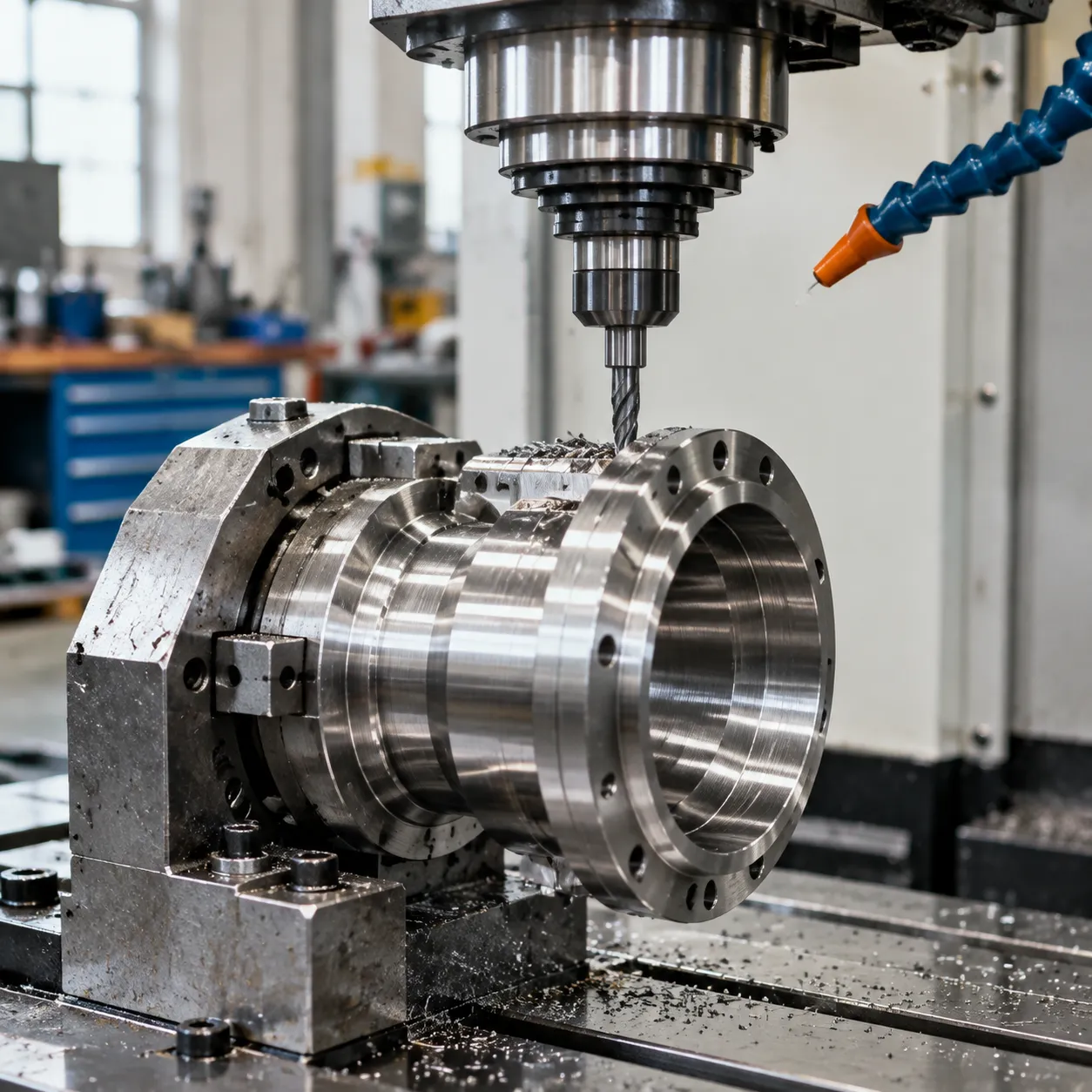
Working with 400 series stainless steel requires absolute dimensional control due to the high strength and specific thermal expansion traits of martensitic and ferritic alloys. We build our equipment to deliver strict tolerance management and continuous process monitoring across every production cycle.
Micron-Level Precision Control
Achieving net-shape stability for hard-to-machine alloys demands extreme mechanical accuracy. Our core component manufacturing utilizes advanced tooling to eliminate vibration, dimensional drift, and premature die wear.
- Tolerances: Core component machining and final assembly tolerances are strictly maintained at ≤ 5μm.
- Thermal Stability: Specialized die designs resist distortion during high-temperature wax injection cycles.
- Machining Efficiency: High-accuracy patterns drastically minimize expensive finish tooling on hardened 400 stainless steel parts.
For foundries balancing tight tolerances and high-volume output, combining accurate patternmaking with heavy-duty machining is essential—explore our comparative guide on precision casting and CNC machining to see how our systems optimize material yield.
Smart Industrial Internet (IoT) Platform
Our integrated IoT architecture converts complex casting variables into actionable operational control. Continuous data tracking protects shell integrity and alloy quality during high-temperature pours of 400 sery stainless alloys.
| IoT Feature | Technical Capability | Operational Benefit |
|---|---|---|
| Real-Time Monitoring | Continuous sensor tracking of slurry viscosity, injection pressure, and melt temperatures. | Prevents process drift and maintains metallurgical consistency. |
| Fault Early Warning | Automated predictive alerts for pressure drops or temperature deviations. | Intercepts line issues before mold damage or casting defects occur. |
| Parameter Data Tracking | Full digital logging linked to individual heat numbers and batch codes. | Provides complete quality traceability for critical industrial components. |
One-Stop Investment Casting Solutions by Vastpcc
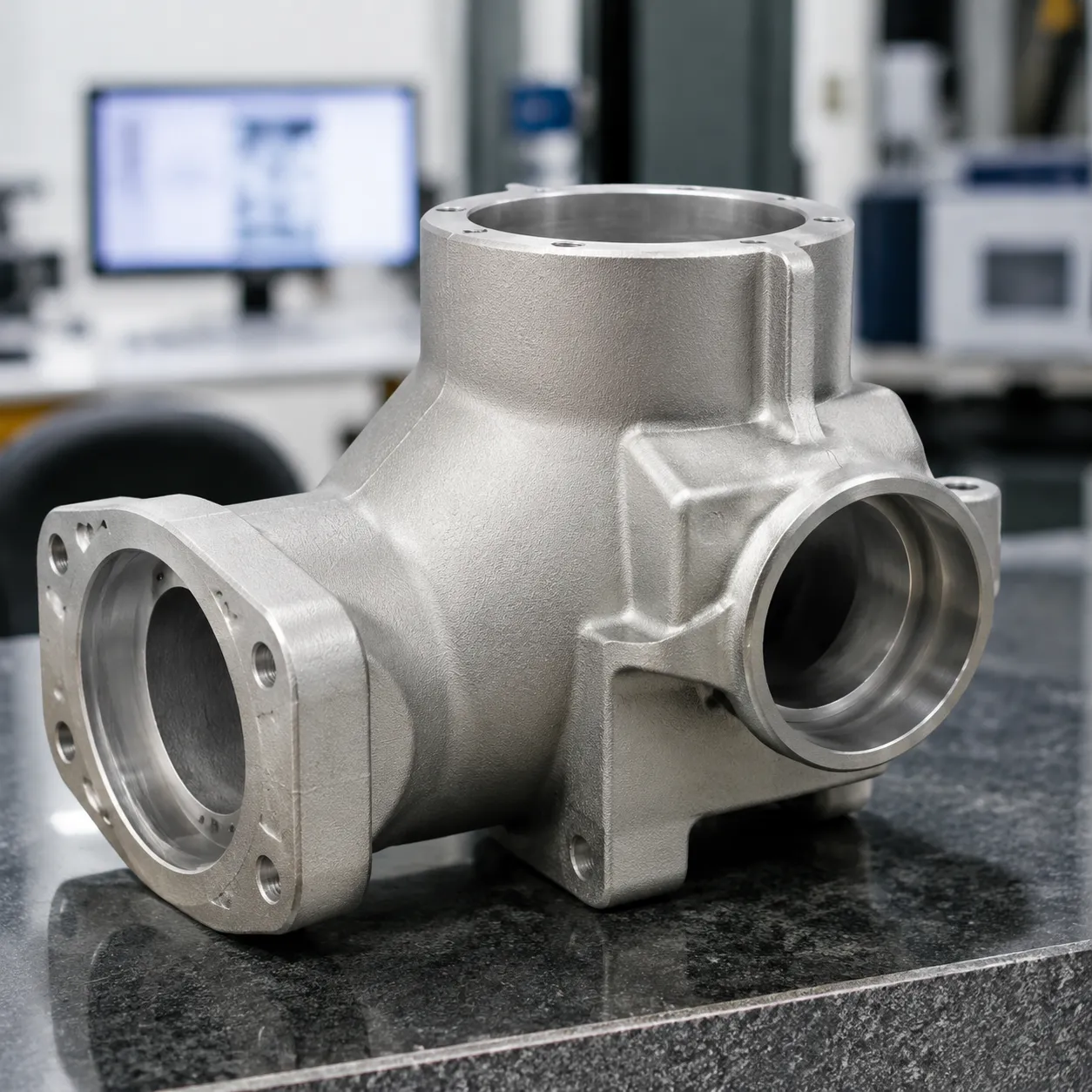
We deliver complete equipment, engineering, and operational support designed for processing 400 sery stainless steel alloys. From initial foundry layout to full production commissioning, our turnkey solutions eliminate technical bottlenecks and maximize manufacturing yields when casting high-carbon martensitic and ferritic grades.
Pre-Project Feasibility Research & Foundry Layout Planning
- Process Simulation: We evaluate complex component geometries, pour temperatures, and cooling dynamics to eliminate shrink porosity and thermal stress defects before tooling begins.
- Floor Layout Optimization: We design automated shell room, dewaxing, and pour line workflows tailored to your facility footprint to optimize material flow and operational safety.
Custom Mold Tooling Design & Material Consulting
- Precision Tooling: We engineer specialized wax injection molds calibrated to compensate for precise linear shrinkage rates inherent to 400 stainless steel castings.
- Metallurgical Guidance: Leverage our comprehensive casting alloy properties and material selection guide to align chemistry specs with exact heat treatment hardness targets.
- Process Standardization: We integrate robust metal investment casting process standards to strictly maintain dimensional tolerances across high-volume production runs.
Equipment Installation, Training & Lifetime Support
- Turnkey Commissioning: Complete technical deployment, system integration, and equipment calibration directly on your foundry floor.
- Operator Training: Hands-on instruction covering automated pattern injection, ceramic slurry control, high-pressure autoclave safety, and robotic pour line operation.
- Lifetime Spare Parts Supply: Guaranteed continuous access to OEM spare parts and prompt technical assistance to minimize operational downtime.
Frequently Asked Questions
What makes 400 series stainless steel harder to cast than 300 series?
The higher carbon content and lack of nickel in 400 sery stainless steel create a tighter thermal processing window compared to austenitic 300 series alloys. Key metallurgical challenges include: Oxidation Sensitivity: Ferritic and martensitic melt pools oxidize rapidly, requiring strict melt-shielding controls. Thermal Stress & Hot Tearing: Air-hardening characteristics increase shell strain and cracking risks during cooling. Narrow Fluidity Margins: Strict control over pouring temperature and slurry permeability is required to prevent misruns.
To evaluate detailed alloy behavior before casting, review our casting stainless steel guide for buyers and engineers.
How do Vastpcc wax injection systems handle intricate 400-series component geometry?
Our closed-loop wax injection equipment regulates pattern temperature within ±0.2°C while applying real-time hydraulic pressure feedback. This eliminates volumetric shrinkage, internal voids, and dimensional distortion on detailed geometries, ensuring precision tooling alignment for demanding parts like 416 stainless steel investment castings.
Can Vastpcc fully automate an existing manual ceramic shell line?
Yes. We integrate modular robotic dipping arms, automated shell-drying conveyors, and real-time IoT monitoring directly into existing foundry layouts. Our engineering team manages the complete retrofit—including plant floor design, hardware installation, safety programming, and operator training—to boost output consistency and eliminate human error.
 English
  Russian
  German