
2026年10月9日
Nickel based alloy solutions offer exceptional strength corrosion resistance and heat performance for demanding industrial applications
What Is a Nickel Based Alloy?
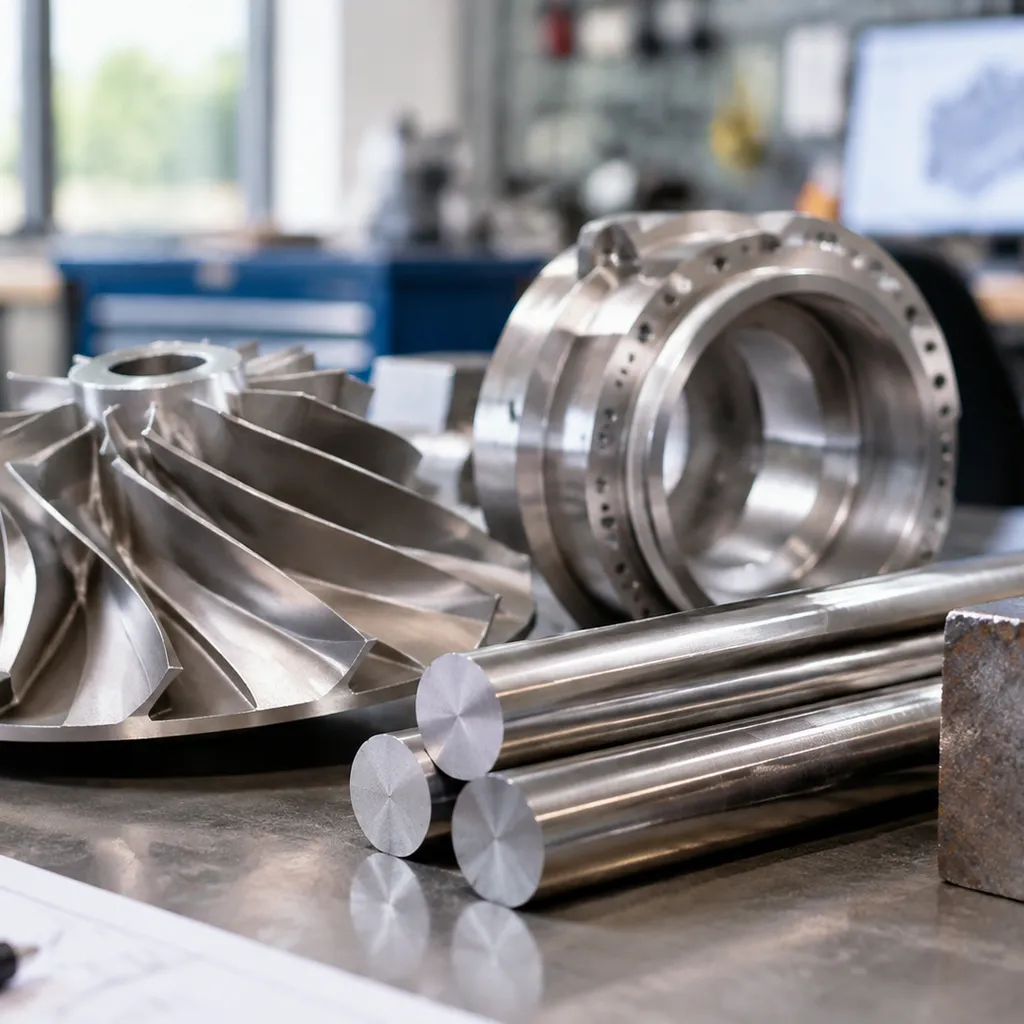
When standard stainless steels fail under extreme operating temperatures, aggressive chemicals, or severe mechanical stress, an engineered nickel based alloy is the standard solution. A nickel based alloy uses nickel as the predominant matrix element (typically 30% to over 99% by weight), combined with elements such as chromium, molybdenum, iron, copper, and cobalt to deliver high-temperature stability and resistance to corrosion.
We engineer and supply these materials across demanding industrial sectors because nickel offers a versatile metallurgical foundation that prevents unexpected equipment failure and downtime.
+---------------------------+-----------------------------------------------+ | Alloying Element | Key Performance Contribution | +---------------------------+-----------------------------------------------+ | Chromium (Cr) | High-temperature oxidation & acid resistance | | Molybdenum (Mo) | Pitting, crevice, & reducing acid resistance | | Copper (Cu) | Seawater & sulfuric/hydrofluoric resistance | | Iron (Fe) | Structural economy & thermal expansion control| | Titanium / Aluminum (Ti/Al)| Precipitation hardening & phase stability | +---------------------------+-----------------------------------------------+
Why Nickel Serves as the Primary Base Element
Nickel possesses a face-centered cubic (FCC) crystal structure that remains stable from cryogenic temperatures up to its melting point of 1,455°C (2,651°F). This structural stability provides distinct operational benefits:
- High Metallurgical Solubility: Nickel dissolves a wide range of alloying elements without forming brittle intermetallic phases that cause premature cracking.
- Austenitic Stability: Unlike ferritic metals, nickel does not undergo a ductile-to-brittle transition at sub-zero temperatures.
- Oxide Film Formation: In corrosive environments, nickel-based materials form an adherent, self-passivating oxide layer that resists aggressive chemical attack.
Solid-Solution Strengthening vs. Precipitation Hardening
Nickel based alloys achieve their mechanical strength through two primary metallurgical mechanisms:
- Solid-Solution Strengthened Alloys: Formed by introducing alloying atoms (such as Mo, W, or Cr) directly into the nickel matrix. These elements introduce lattice strain that blocks dislocation movement without requiring specialized heat treatment. Common examples include Inconel 625, Hastelloy C-276, and Monel 400. They provide excellent ductility, weldability, and resistance to thermal fatigue.
- Precipitation-Hardened (Age-Hardened) Alloys: Formed by adding elements such as titanium, aluminum, and niobium (Nb) to generate microscopic intermetallic precipitates (such as $\gamma'$ and $\gamma''$ phases) during controlled heat treatment. Grades like Inconel 718 and Monel K-500 rely on this mechanism to deliver ultra-high yield strength, high creep resistance, and structural integrity under heavy cyclic loads.
Common Grades and Types of Nickel Based Alloy Systems

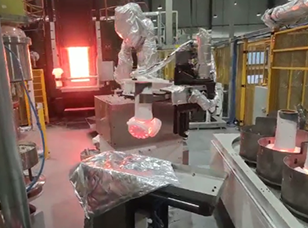
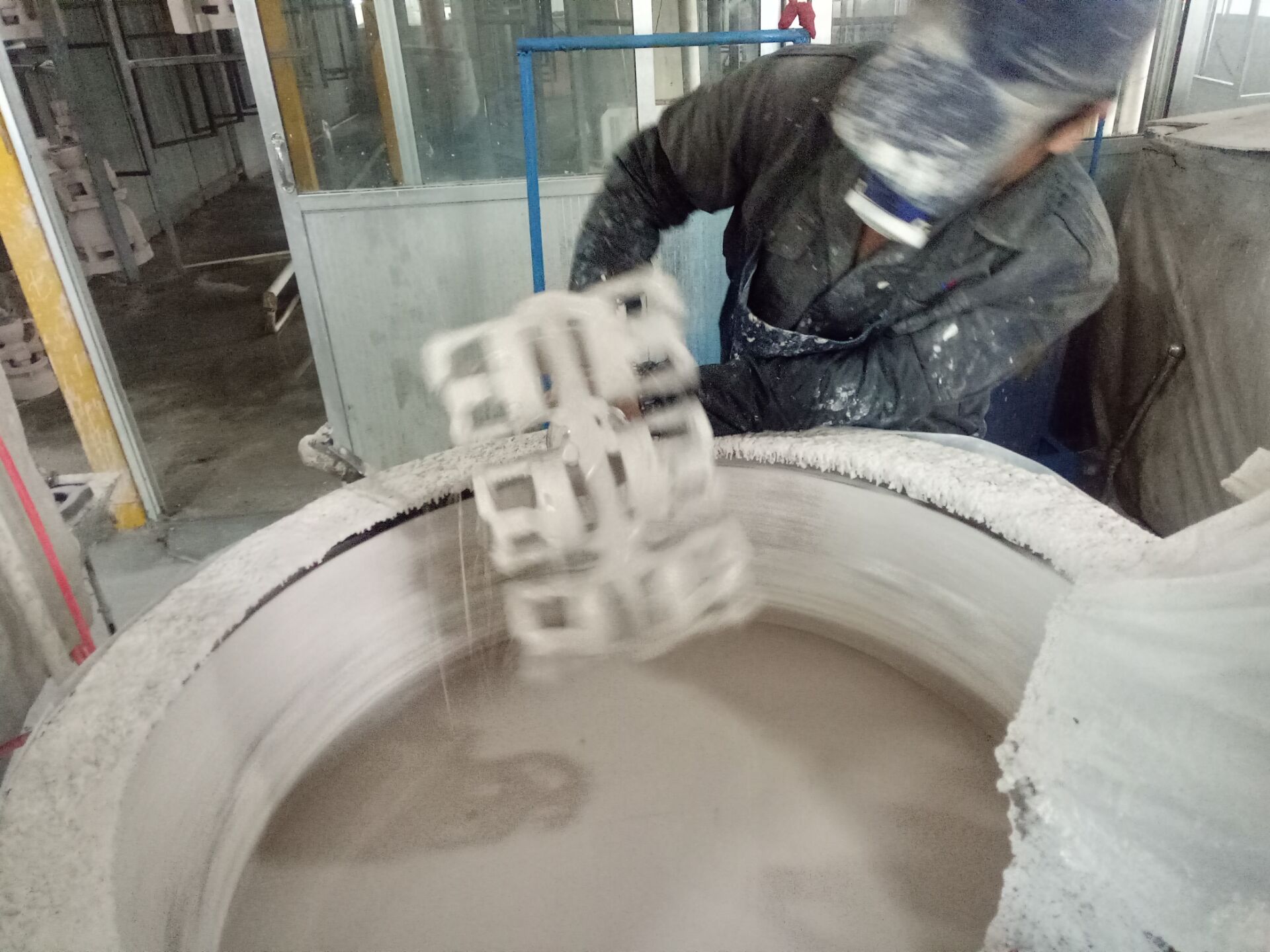
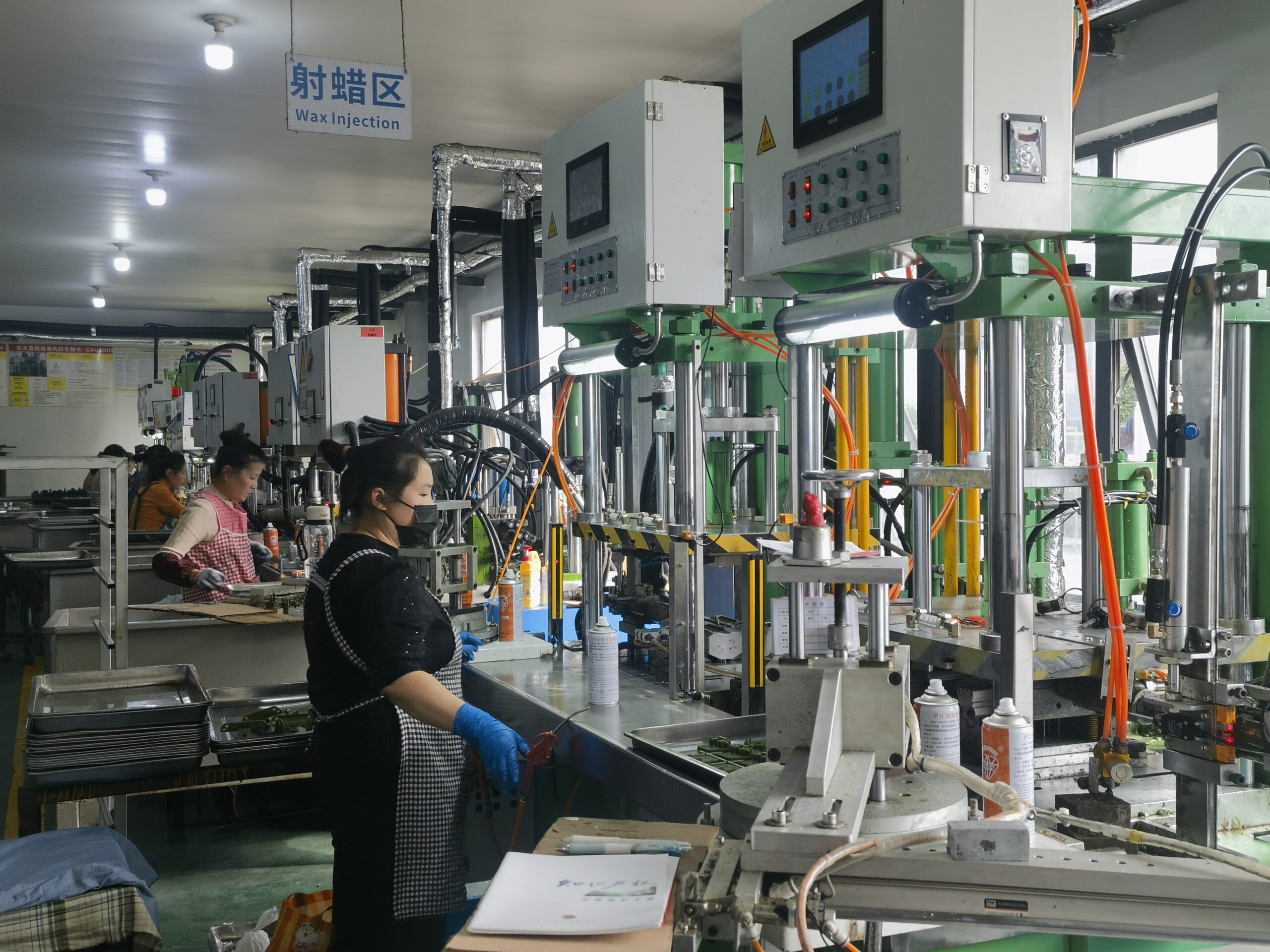
Selecting the right nickel based alloy comes down to matching the specific chemistry to your operating temperature, pressure, and corrosive media. We manufacture, process, and supply several core alloy families tailored to severe operating conditions across global industries. If your components require custom geometries, our nickel casting services for Inconel, Monel, and Hastelloy deliver precision-molded parts ready for extreme service.
Inconel Series: High Temperature and Extreme Strength
The nickel-chromium-based Inconel family is built to withstand extreme thermal environments without losing mechanical integrity or oxidizing.
- Inconel 600: Standard material for high-temperature furnace hardware and chemical processing. Offers resistance to chloride-ion stress-corrosion cracking and oxidation up to 2000°F (1093°C).
- Inconel 625: Solid-solution-strengthened with molybdenum and niobium. Outstanding fatigue strength and resistance to pitting and crevice corrosion in marine and acid media.
- Inconel 718: A precipitation-hardened nickel based alloy with exceptional yield, tensile, and creep-rupture strength up to 1300°F (700°C). Widely used in aerospace turbines and high-stress downhole oil tools.
- Inconel X-750: Precipitation-hardenable grade chosen for gas turbine rotors, springs, and rocket engine parts requiring high strength at elevated temperatures.
Monel Series: Marine and Chemical Resistance
Monel alloys are solid-solution nickel-copper formulations known for toughness and stability in caustic and marine environments.
- Monel 400: Highly resistant to rapidly flowing seawater, hydrofluoric acid, sulfuric acid, and alkalis. Common in marine piping, valves, and chemical pumps.
- Monel K-500: Combines the corrosion resistance of Monel 400 with higher strength and hardness obtained through aluminum and titanium precipitation hardening. Ideal for pump shafts, oil well drill collars, and marine fasteners.
Hastelloy Series: Severe Chemical and Acid Service
Hastelloy grades are nickel-chromium-molybdenum alloys engineered specifically to handle aggressive chemical processing and oxidizing/reducing acids.
- Hastelloy C-276: The universal corrosion-resistant grade. Resists wet chlorine gas, hypochlorite, chlorine dioxide solutions, and severe pitting or stress corrosion.
- Hastelloy C-22: Superior overall resistance in mixed-acid media, particularly oxidizing environments with halides.
- Hastelloy B-2: Formulated for pure reducing environments, offering significant resistance to hydrochloric acid at all concentrations and temperatures.
- Hastelloy X: Excellent high-temperature strength and oxidation resistance in industrial furnace and gas turbine applications.
Incoloy Series: High-Temperature Oxidation and Carburization Resistance
Incoloy materials are nickel-iron-chromium alloys that provide a cost-effective balance between austenitic stainless steels and high-nickel superalloys.
- Incoloy 800 / 800H / 800HT: Designed to resist creep and rupture at temperatures above 1100°F (593°C). Outstanding resistance to carburization and oxidation in petrochemical steam/hydrocarbon reforming.
- Incoloy 825: Added molybdenum, copper, and titanium provide robust resistance to sulfuric and phosphoric acids, as well as pitting and stress-corrosion cracking in sour gas wells.
Nickel-Copper and Nickel-Iron Classifications Overview
| Alloy Category | Major Alloying Elements | Core Performance Trait | Common Grades |
|---|---|---|---|
| Nickel-Chromium (Inconel) | Ni, Cr, Mo, Nb | High-temperature strength, oxidation resistance | 600, 625, 718, X-750 |
| Nickel-Copper (Monel) | Ni, Cu | Seawater, brine, and hydrofluoric acid resistance | 400, K-500 |
| Nickel-Molybdenum / Cr-Mo (Hastelloy) | Ni, Mo, Cr, W | Severe acid resistance, anti-pitting, anti-SCC | C-276, C-22, B-2 |
| Nickel-Iron-Chromium (Incoloy) | Ni, Fe, Cr | High-temperature carburization, cost efficiency | 800H, 825 |
| Commercially Pure Nickel | Ni (99%+) | Caustic alkali and dry halogen resistance | Nickel 200, 201 |
We supply every grade in seamless and welded pipes, fittings, forged flanges, precision round bars, and heavy plate meeting standard ASTM, ASME, and ISO specifications.
Key Properties and Performance Advantages of Nickel Based Alloy Systems
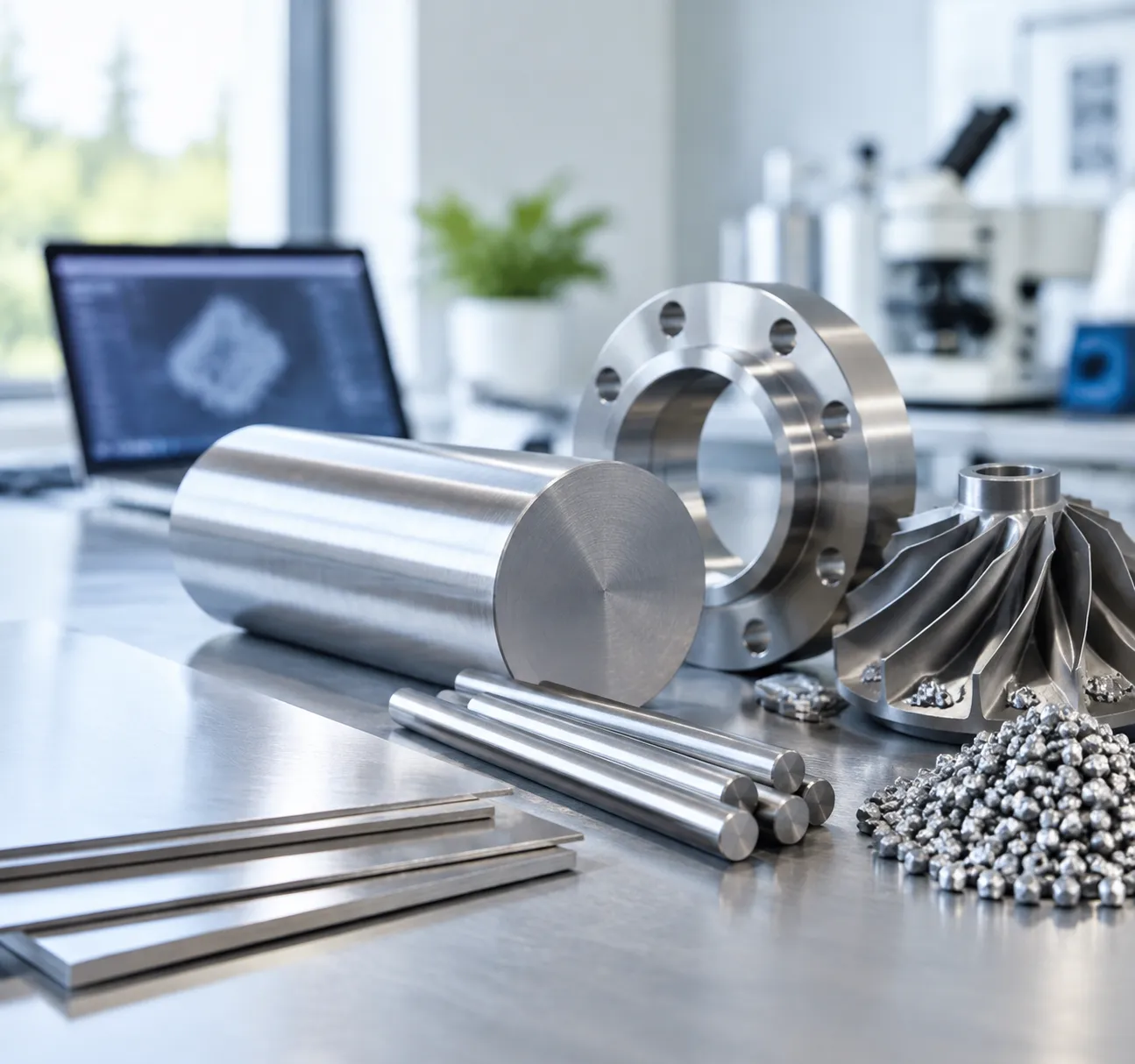
When standard metals fail under mechanical load, extreme heat, or corrosive media, selecting the right nickel based alloy prevents costly system downtime and catastrophic component failure. We engineer and supply these materials to handle operational stresses where lower-grade metals simply cannot survive.
High-Temperature Strength and Creep Resistance
- Sustained Load Bearing: Maintains yield strength and structural integrity at service temperatures exceeding 1000°C (1832°F).
- Exceptional Creep Resistance: Prevents long-term plastic deformation under continuous mechanical stress at elevated temperatures.
- Oxidation Barrier: Forms a stable, adherent oxide layer that prevents thermal degradation and scaling in severe furnace and gas turbine environments.
Corrosion, Pitting, and Stress Corrosion Cracking (SCC) Resistance
While standard austenitic stainless steel grades perform well in moderate settings, severe chemical processes demand the advanced protection of a dedicated nickel based alloy.
- Chloride Stress Corrosion Cracking Resistance: Immune to transgranular cracking in high-chloride, high-temperature solutions.
- Pitting and Crevice Protection: High molybdenum and chromium contents deliver high Pitting Resistance Equivalent Numbers (PREN), stopping localized pitting in stagnant seawater and acidic media.
- Broad Acid Resistance: Delivers exceptional longevity against aggressive reducing acids (hydrochloric, sulfuric, and hydrofluoric) as well as strong oxidizers.
Thermal Expansion Control and Magnetic Properties
- Controlled Thermal Expansion: Specific grades provide ultra-low or precisely matched thermal expansion coefficients, minimizing thermal fatigue in high-precision assemblies.
- Tunable Magnetic Performance: Offers non-magnetic stability across high-temperature ranges, as well as specialized high-permeability characteristics for precision shielding applications.
Weldability, Ductility, and Fabricability Under Stress
- High Fracture Toughness: Excellent cryogenic-to-elevated-temperature ductility prevents brittle fractures under shock or rapid pressure cycling.
- Superior Weldability: Solid-solution strengthened grades can be readily welded using standard TIG, MIG, and submerged arc processes without losing corrosion resistance in the heat-affected zone (HAZ).
- Workability: Retains sufficient elongation for bending, forming, and deep drawing, allowing efficient fabrication into complex pipes, forged flanges, and custom fittings.
Industrial Applications of Nickel Based Alloys
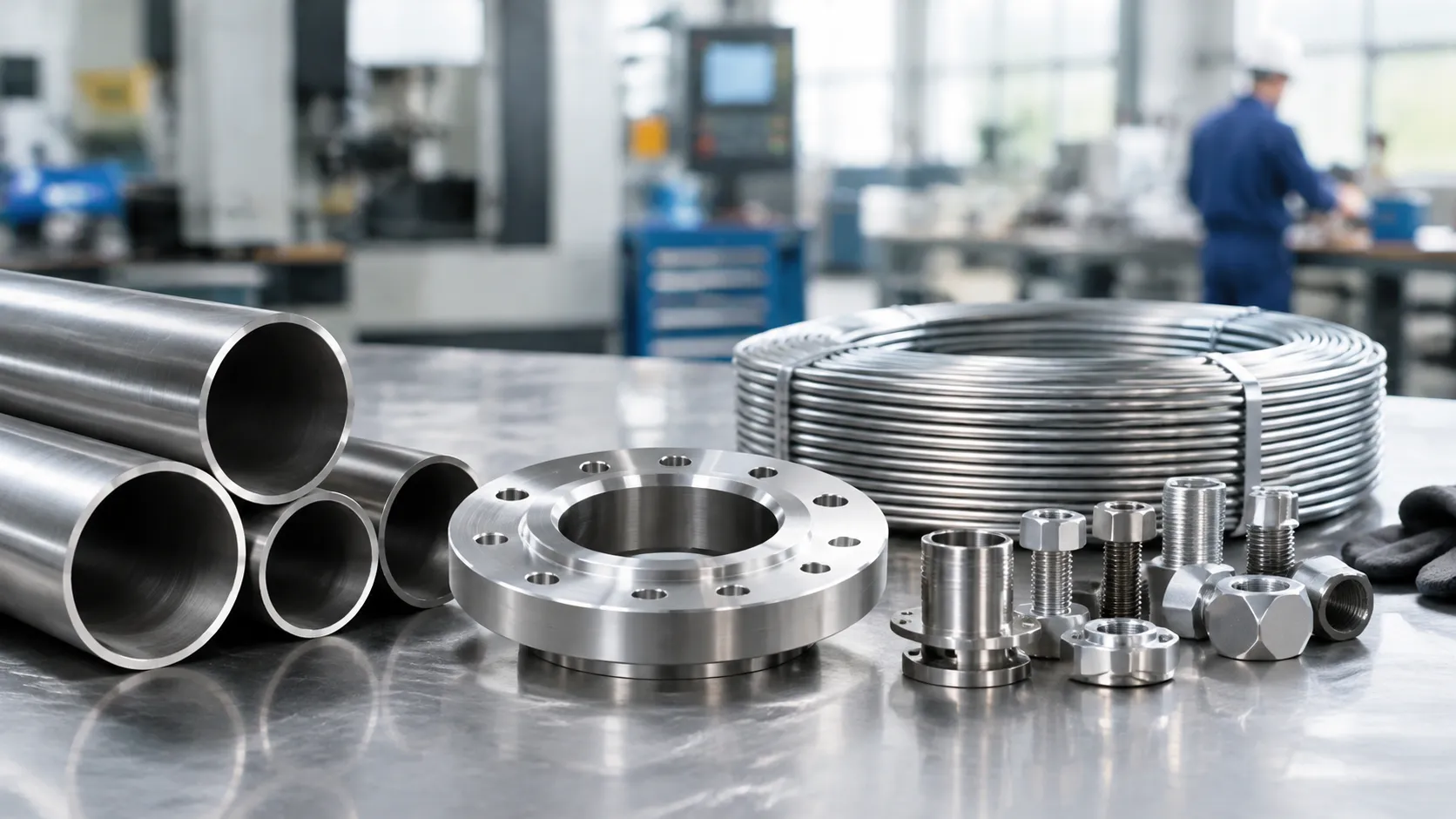
Standard steels quickly degrade under combined thermal stress, aggressive chemistry, and heavy mechanical loads. We supply nickel based alloy materials across industries where component failure leads to catastrophic downtime and safety risks.
Aerospace and Gas Turbine Components
Operating temperatures inside combustion sections routinely exceed the limits of ordinary stainless grades. Critical Parts: Turbine blades, combustor liners, afterburner assemblies, and exhaust ducts. Why It Works: Advanced nickel superalloys retain yield strength and resist thermal fatigue under extreme cyclic temperatures.
Chemical and Petrochemical Processing Equipment
Aggressive acids, chlorides, and solvents require materials that resist localized pitting and general breakdown. Critical Parts: Reactor vessels, column reboilers, acid-piping systems, and heat exchanger bundles. Why It Works: Formulations enriched with chromium and molybdenum provide high-temperature corrosion resistance against reducing and oxidizing media.
Oil and Gas Downhole Casing, Valves, and Piping
Sour gas environments rich in hydrogen sulfide ($H_2S$), carbon dioxide, and high-pressure chlorides trigger rapid stress corrosion cracking. Critical Parts: Subsea manifolds, downhole safety valves, completion tools, and high-pressure flowlines. Why It Works: High-yield nickel grades provide exceptional resistance to sulfide stress cracking and localized crevice attack in extreme offshore depths.
Marine Engineering and Desalination Systems
Stagnant or fast-moving seawater quickly compromises lower-grade alloys through biofouling and chloride pitting. Critical Parts: Seawater intake pumps, propeller shafts, piping loops, and evaporator tubes. Why It Works: Marine grade nickel alloys create a stable passive layer that prevents pitting in chloride-heavy brine and turbulent coastal conditions.
Nuclear Reactor Vessels and Power Generation Hardware
Power generation demands materials that withstand sustained heat, steam exposure, and radiation without embrittlement. Critical Parts: Steam generator tubing, core control components, superheater tubes, and industrial furnace hardware. Why It Works: Excellent creep resistance and microstructural stability ensure reliable long-term service under continuous thermal stress. For complex hardware development, validating designs through precise cast prototypes and engineering helps ensure strict structural integrity before full-scale manufacturing.
How to Choose the Right Nickel Alloy for Your Project
Selecting the proper nickel based alloy comes down to balancing mechanical stress, operational environment, and cost. Over-specifying drives up budget needlessly, while under-specifying leads to premature component failure.
Matching Alloy Grade to Operating Temperatures and Environment
Operating conditions dictate your base metal requirements. We evaluate both the thermal load and the chemical media to identify the right grade:
- High-Temperature Service (>1000°F / 540°C): High-strength grades like Inconel 625 and Inconel 718 resist oxidation, scaling, and creep rupture.
- Severe Acidic and Chloride Environments: Molybdenum-rich grades like Hastelloy C-276 excel against pitting, crevice corrosion, and stress corrosion cracking (SCC).
- Marine and Alkaline Media: Monel 400 and pure Nickel 200/201 deliver reliable protection in salt spray, seawater, and caustic soda processing.
For a broader evaluation of performance parameters across different components, refer to our casting alloy properties and material selection guide to match specific operational demands.
Quick Selection Matrix
| Operational Priority | Primary Environmental Risk | Recommended Nickel Based Alloy | Key Industry Standard |
|---|---|---|---|
| Moderate Caustic / Alkali | Caustic corrosion | Nickel 200 / 201 | ASTM B160 / B162 |
| Marine / Seawater Handling | Biofouling, salt corrosion | Monel 400 / K-500 | ASTM B164 / B127 |
| High Heat & Carburization | High-temp oxidation | Incoloy 800H / 825 | ASTM B407 / B423 |
| Extreme Heat & Stress | Creep rupture, thermal fatigue | Inconel 625 / 718 | ASTM B446 / B637 |
| Severe Chemical Processing | Wet chlorine, mixed acids | Hastelloy C-276 / C-22 | ASTM B574 / B575 |
Balancing Mechanical Stress Requirements with Corrosion Severity
Corrosion resistance alone is not enough if your components operate under heavy mechanical loads.
- Solid-solution strengthened alloys (such as Inconel 625 and Hastelloy C-276) provide excellent workability and general corrosion resistance under uniform pressure.
- Precipitation-hardened alloys (such as Inconel 718 and Monel K-500) deliver high yield and tensile strength for high-torque, dynamic-load applications like downhole shafts and turbine fasteners.
Cost-Effectiveness: Pure Nickel vs. Specialized Nickel Superalloys
Raw nickel market volatility makes smart material selection essential:
- Pure Nickel (200/201): Cost-effective for basic caustic handling where complex alloying elements are unnecessary.
- Nickel-Iron-Chromium (Incoloy): Offers a budget-conscious bridge between standard stainless steels and high-nickel alloys for heat exchangers and piping.
- High-Nickel Superalloys (Hastelloy, Inconel): Higher initial raw material cost, but essential for preventing catastrophic downtime in critical, aggressive service.
To evaluate standard industrial configurations and form factors, explore our range of cast alloy products for durable industrial applications.
Standard Specifications Compliance
We supply all materials in full compliance with recognized global standards:
- ASTM / ASME: ASTM B163, B167, B444, B446, B564, and B622 covering pressure piping, tubes, flanges, and fittings.
- Quality & Test Certification: All deliveries include EN 10204 3.1 or 3.2 Material Test Reports (MTRs), full Positive Material Identification (PMI), and complete Non-Destructive Testing (NDT) data.
Fabrication, Machining, and Welding Tips for Nickel Based Alloys
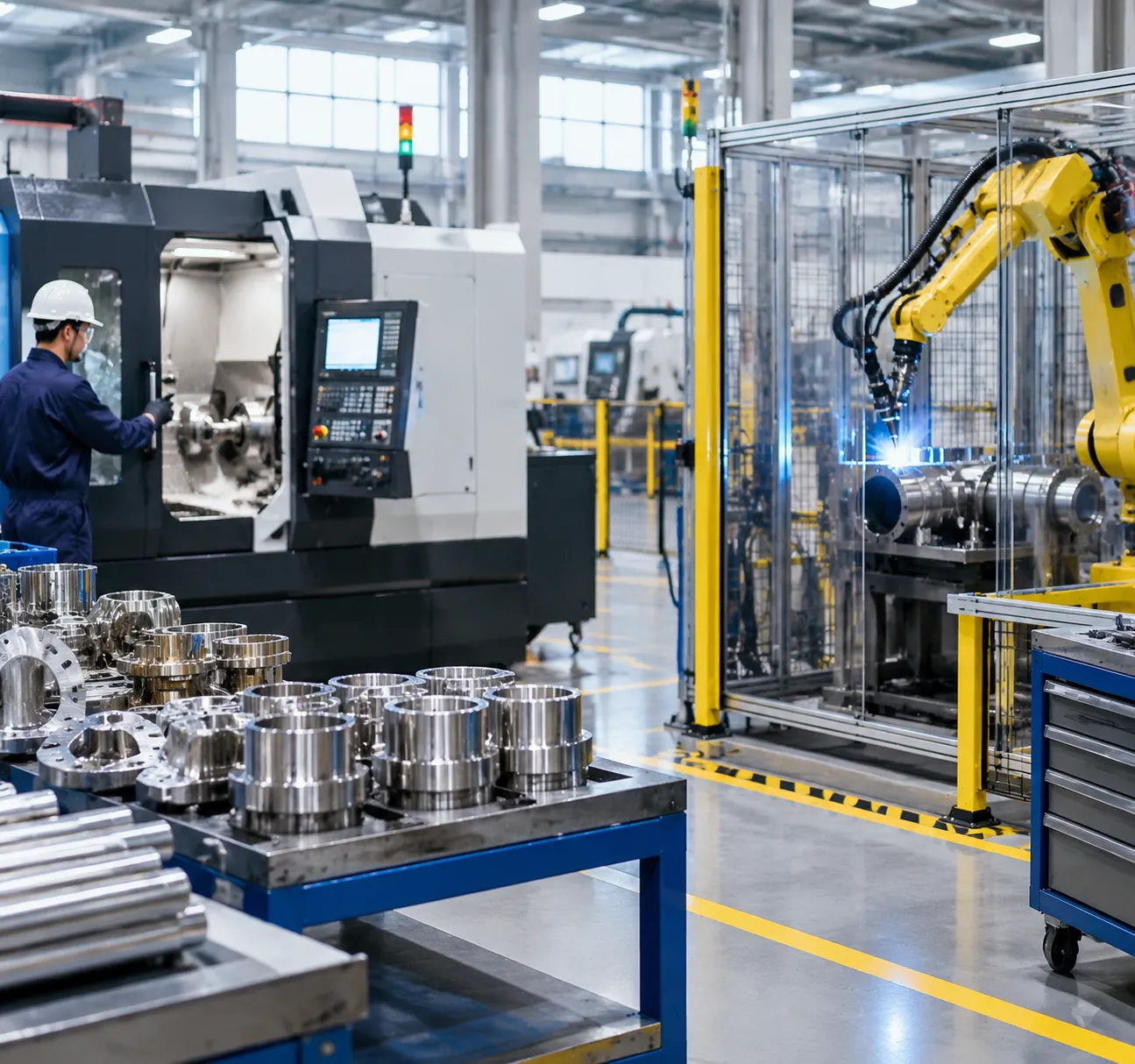
Fabricating any high-performance nickel based alloy requires tight process control. Because these alloys are engineered to maintain high strength at extreme temperatures, they work-harden quickly, generate localized heat during cutting, and present narrow welding parameters compared to standard carbon or stainless steels.
Machining Work-Hardening Nickel Alloys Effectively
Nickel alloys tend to gummy-cut and work-harden immediately if tools rub against the workpiece. We rely on rigid machine setups, heavy-duty tool holders, and sharp, positive-rake cutting edges to cut cleanly below the previously work-hardened surface layer.
- Maintain Continuous Feed: Never dwell or pause the tool in the cut; doing so glazes and hardens the contact zone.
- Flood Coolant Delivery: Use high-pressure, water-miscible synthetic or sulfur-free coolants directly at the cutting tip to dissipate high heat and flush chips.
- Rigid Tooling: Minimize tool overhang to prevent chatter, deflection, and premature tool chipping.
Recommended Tooling, Speeds, and Feeds
For efficient nickel alloy machining, standard parameters must be dialed back compared to stainless steel.
| Operation | Tool Material | Cutting Speed (SFM) | Feed Rate | Coolant Strategy |
|---|---|---|---|---|
| Turning (Roughing) | C-2/C-3 Carbide or Ceramic | 100 – 250 | 0.008 – 0.015 IPR | High-pressure flood |
| Turning (Finishing) | Micro-grain Carbide / PVD coated | 150 – 350 | 0.004 – 0.008 IPR | Continuous flood |
| Milling | Solid Carbide (AlTiN / TiAlN coating) | 80 – 200 | 0.002 – 0.005 IPT | Mist or Flood |
| Drilling | Cobalt (M42) or Solid Carbide | 30 – 80 | 0.002 – 0.006 IPR | Through-tool coolant |
Welding Best Practices (TIG/MIG and Hot Cracking Prevention)
Most solid-solution and precipitation-strengthened nickel grades offer good weldability using Gas Tungsten Arc Welding (GTAW/TIG) or Gas Metal Arc Welding (GMAW/MIG). However, nickel welds have low fluidity and shallow penetration.
- Base Metal Cleanliness: Thoroughly clean joints using stainless steel brushes and non-chlorinated solvents. Trace contamination from oil, grease, paint, or sulfur causes severe hot cracking and micro-fissuring.
- Heat Input Control: Use stringer beads instead of wide weave passes. Low heat input reduces the heat-affected zone (HAZ) and prevents grain coarsening.
- Filler Metal Selection: Always select matching or slightly over-alloyed filler wires (such as matching Inconel or Hastelloy compositions) to preserve corrosion resistance across the weld seam.
- Shielding Gas: Use high-purity Argon (or Argon-Helium blends for thicker sections) to maintain arc stability and protect the weld pool from oxidation.
Post-Weld Heat Treatment (PWHT) and Annealing
Depending on whether you work with solid-solution or precipitation-hardened grades, post-weld processing varies:
- Solution Annealing: Applied to solid-solution grades (like Hastelloy C-276 or Inconel 625) to dissolve intermetallic precipitates, restore maximum corrosion resistance, and relieve residual forming stresses.
- Precipitation Age-Hardening: Required for high-strength grades (like Inconel 718) to re-precipitate hardening phases and restore design mechanical properties.
- Inspection & Compliance: We verify heat-treated and welded assemblies against rigorous non-destructive testing (NDT) protocols and defined casting quality standards for reliable metal parts to ensure defect-free structural integrity before delivery.
Frequently Asked Questions About Nickel Based Alloys
Here are direct, practical answers to the most common engineering and procurement questions regarding any high-performance nickel based alloy.
What is the difference between Inconel, Monel, and Hastelloy?
Each nickel based alloy family utilizes different primary alloying elements to target specific operational failure modes:
| Alloy Family | Primary Alloying Elements | Core Strength | Common Industrial Use |
|---|---|---|---|
| Inconel | Nickel + Chromium + Iron/Moly | High-temperature oxidation & mechanical strength | Aerospace, exhaust systems, gas turbines |
| Monel | Nickel + Copper | Seawater, brine, and hydrofluoric acid resistance | Marine hardware, valves, pump shafts |
| Hastelloy | Nickel + Molybdenum + Chromium | Severe chemical corrosion & reducing acid resistance | Chemical reactors, flue-gas scrubbers, sour gas |
Are nickel based alloys magnetic?
- Pure Nickel (Nickel 200/201): Ferromagnetic at ambient temperatures.
- Monel 400: Slightly magnetic at room temperature, losing its magnetism around its Curie point (roughly 20°C to 50°C).
- Inconel & Hastelloy Series: Essentially non-magnetic in annealed conditions due to substantial additions of chromium and molybdenum.
Why are nickel alloys more expensive than stainless steel?
When looking at what is the difference between 304 and 316 stainless steel and superalloys, the pricing gap comes down to raw materials and processing:
- Raw material market costs: Virgin nickel and molybdenum trade at significantly higher price points than basic carbon and iron feeds.
- Complex melting and refining: Grades like Hastelloy C-276 require Vacuum Induction Melting (VIM) and Electroslag Remelting (ESR).
- Tool wear and fabrication: High work-hardening rates and low thermal conductivity increase machining cycle times and tool consumption.
Can nickel based alloys withstand high-sulfur environments?
Standard high-nickel materials degrade quickly in reducing sulfur atmospheres due to the formation of low-melting-point nickel sulfide ($Ni_3S_2$) eutectics above 600°C.
For high-sulfur or sulfidizing conditions: Use high-chromium grades (such as Inconel 601 or Incoloy 800H) which form a protective, dense chromium oxide scale. Avoid high-nickel, low-chromium grades in unoxidized sulfur gas streams. Keep operating temperatures below critical sulfidation threshold limits.
How do nickel alloys perform against chloride-induced stress corrosion?
Standard austenitic steels fail rapidly via transgranular cracking in hot chloride environments. A nickel based alloy with nickel content exceeding 30% to 40% provides near-total immunity to chloride-induced stress corrosion cracking resistance.
Grades such as Inconel 625 and Hastelloy C-276 deliver exceptional pitting resistance equivalent numbers (PREN > 45), preventing localized pitting initiation where stress cracks normally propagate.
 English
 Russian
 German