
2026年9月28日
Explore durable nickel casting solutions with precise shapes corrosion resistance and reliable performance for industrial applications
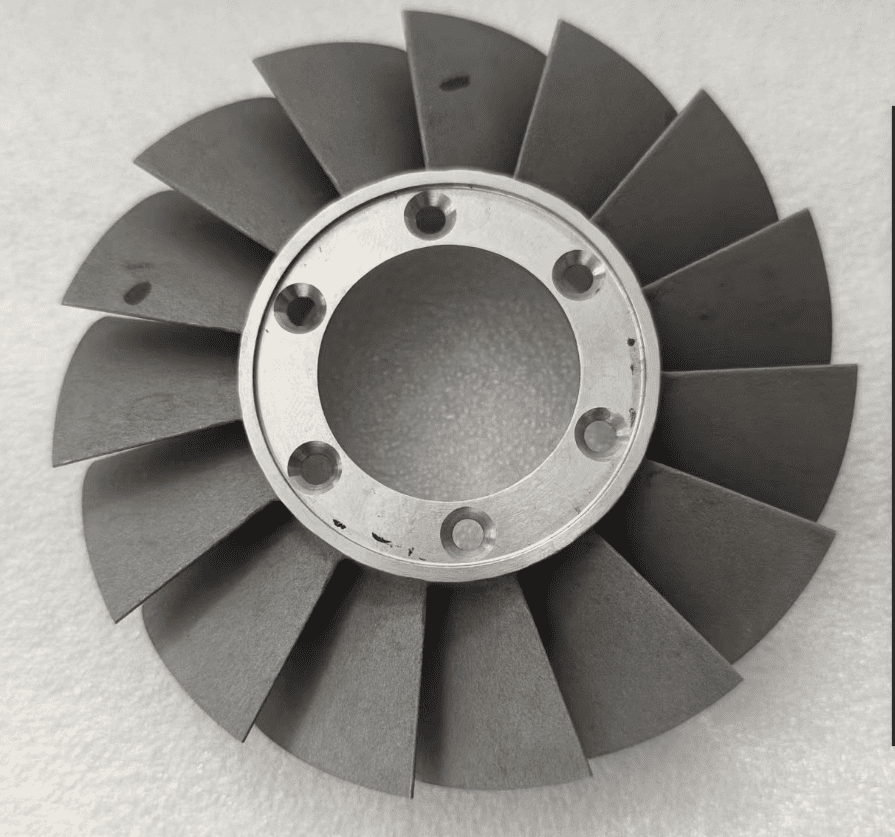
What is Nickel Casting and Why It Matters
In our precision foundry operations, nickel casting involves melting high-performance nickel-based alloys and pouring them into specialized silica sol investment molds. This process creates dense, near-net-shape components engineered for environments where standard metals fail. When operational demands require extreme thermal resistance, mechanical integrity under load, and total resistance to corrosive media, cast nickel alloys serve as the industry benchmark.
Essential Mechanical Properties
- Extreme Thermal Stability: Retains high tensile and yield strength at operating temperatures exceeding 1000°C.
- Corrosion & Oxidation Immunity: Resists pitting, crevice corrosion, and stress corrosion cracking (SCC) in harsh acids, chlorides, and marine atmospheres.
- Superior Creep & Fatigue Resistance: Resists prolonged mechanical stress and cyclic thermal loading without plastic deformation.
- High Toughness: Maintains structural ductility from cryogenic temperatures up to extreme heat zones.
Comparing Cast Nickel Alloys vs. Stainless Steel and Cobalt Castings
Selecting the correct alloy requires balancing temperature thresholds, wear resistance, and cost:
| Performance Metric | Cast Nickel Alloys (e.g., Inconel, Hastelloy) | Cast Stainless Steel (Austenitic / Duplex) | Cast Cobalt-Based Alloys (e.g., Stellite) |
|---|---|---|---|
| Max Working Temp | Up to 1050°C+ | Up to 650°C–800°C | Up to 1000°C+ |
| Acid / Chloride Resistance | Maximum (Superior against HCl, H2SO4, saltwater) | Moderate to High (Standard industrial environments) | High (Excels in hot gas and sulfur environments) |
| Wear & Galling Resistance | High | Moderate | Maximum (Extreme sliding wear and cavitation) |
| Machinability | Low to Moderate (Requires rigid tooling) | Moderate to High | Low (Difficult to machine, often ground) |
| Primary Applications | Turbine hot sections, chemical pumps, subsea valves | Fluid handling, food processing, structural parts | Valve seats, turbine guide vanes, wear rings |
Key Metallurgical Advantages of Nickel Superalloys
- Stable Austenitic Matrix: Nickel’s face-centered cubic (FCC) lattice remains microstructurally stable across broad temperature spans, preventing brittle phase transitions.
- Precipitation Hardening: Intermetallic phases (such as gamma-prime and gamma-double-prime) pin dislocation movements, virtually eliminating high-temperature creep.
- Self-Passivating Protective Films: Forms stable, adherent chromia or alumina oxide surface barriers that halt oxidation, carburization, and hot-gas corrosion in continuous service.
Common Nickel Alloy Grades Used in Casting
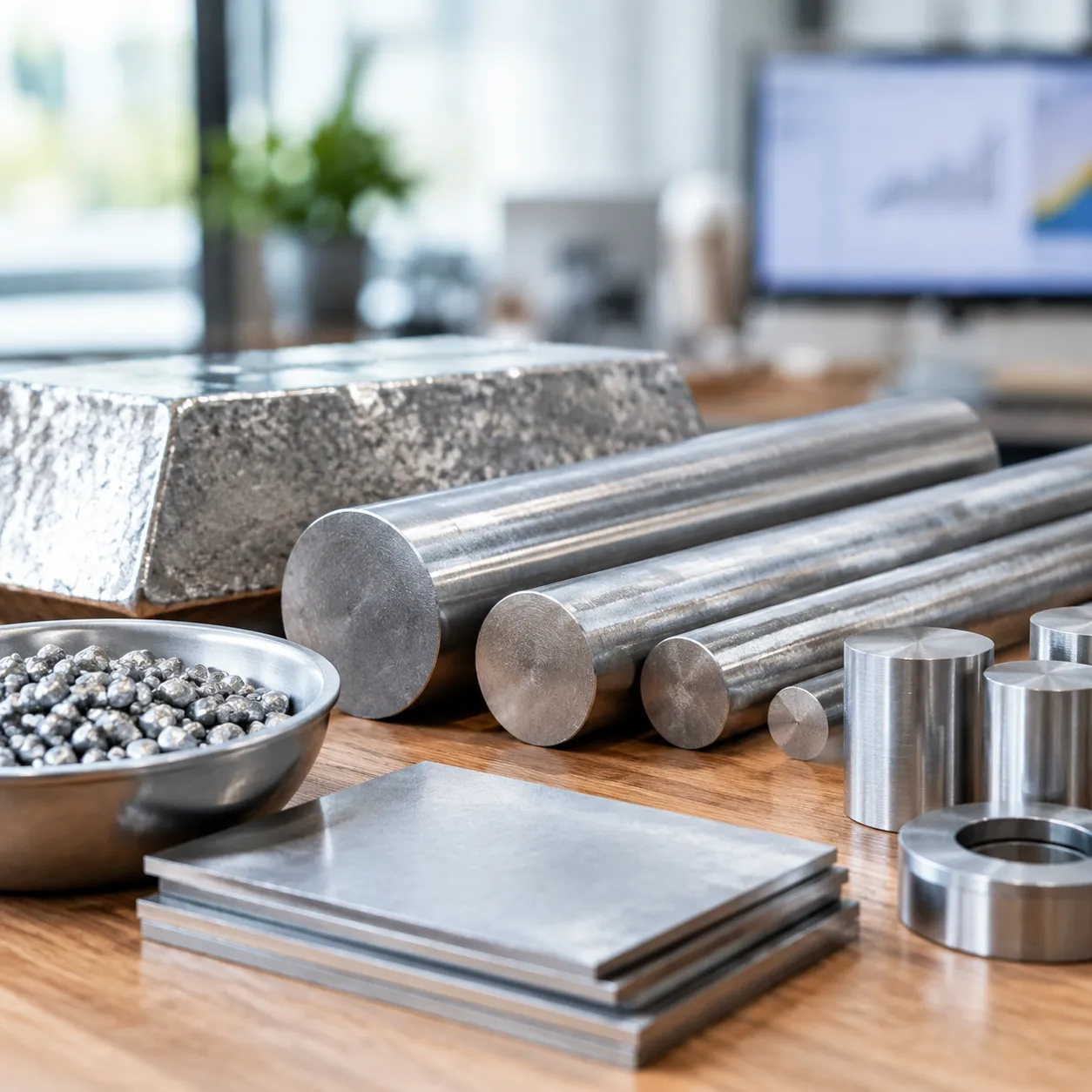
Selecting the right grade for your nickel casting project comes down to balancing three variables: operating temperature, chemical media, and mechanical load. In our foundry, we focus on high-performance formulations that handle conditions where standard stainless steels fail. Our specialized nickel casting services for Inconel, Monel, and Hastelloy deliver tailored metallurgical properties for critical components.
Inconel Casting: High-Temperature Durability (Inconel 718, 625)
We cast Inconel alloys primarily for high-stress, high-heat environments.
- Inconel 718: A precipitation-hardenable nickel-chromium alloy offering outstanding yield, tensile, and creep-rupture strength up to 700°C (1300°F). It is our go-to choice for structural aerospace hardware, turbine housings, and high-pressure downhole tooling.
- Inconel 625: Known for its high strength without requiring aging heat treatments. Its niobium-molybdenum matrix provides exceptional fatigue strength and oxidation resistance up to 980°C (1800°F).
Hastelloy Castings: Extreme Chemical & Acid Resistance (C-276, C-22)
For severe corrosion environments, Hastelloy nickel alloy casting grades outperform standard metals by resisting pitting, stress corrosion cracking, and oxidizing atmospheres.
- Hastelloy C-276: Formulated with high levels of molybdenum and chromium, delivering superior resistance to wet chlorine gas, hypochlorite, and strong mineral acids. Widely used for cast valve bodies, pump components, and chemical mixers.
- Hastelloy C-22: Provides even greater resistance to pitting and crevice corrosion in oxidizing acid mixtures, making it ideal for aggressive pharmaceutical and chemical processing vessels.
Monel Casting Alloys: Marine & Saltwater Performance (Monel 400, K-500)
When parts face continuous exposure to brine, seawater, or non-oxidizing acids, Monel is our primary recommendation.
- Monel 400 (Cast equivalent: ASTM A494 M35-1): Delivers excellent corrosion immunity in high-velocity seawater, hydrofluoric acid, and sulfuric environments. It is standard for marine pump impellers, seawater valves, and propeller shafts.
- Monel K-500: Adds aluminum and titanium for age-hardening, giving components higher tensile strength and hardness while keeping Monel's signature non-magnetic and corrosion-resistant properties.
Pure Nickel & Ni-Cr Alloys: Thermal and Electrical Hardware
- Commercial Pure Nickel (Nickel 200/201): Selected when extreme thermal conductivity, electrical conductivity, or resistance to caustic alkalies (like molten caustic soda) is essential.
- Nickel-Chromium Alloys: High-temperature casting grades that form an adherent chromium-oxide layer, preventing carburization and thermal fatigue in industrial furnace hardware and heat-treating fixtures.
Material Selection Matrix
| Nickel Alloy Grade | Primary Alloying Elements | Max Service Temp | Primary Resistance Feature | Typical Cast Applications |
|---|---|---|---|---|
| Inconel 718 | Ni-Cr-Fe-Mo-Nb | ~700°C (1300°F) | High yield strength & thermal creep | Gas turbine discs, aerospace brackets, pressure housings |
| Inconel 625 | Ni-Cr-Mo-Nb | ~980°C (1800°F) | Oxidation & thermal fatigue | Exhaust manifolds, ducting, sea-submerged components |
| Hastelloy C-276 | Ni-Mo-Cr-W | ~1040°C (1900°F) | Pitting, crevice corrosion, harsh acids | Chemical pump impellers, scrubbers, acid valve bodies |
| Monel 400 (M35-1) | Ni-Cu | ~480°C (900°F) | Seawater, salt spray, reducing acids | Marine valve bodies, pump casings, desalination hardware |
| Pure Nickel (Ni 200) | Pure Ni (>99%) | ~315°C (600°F) | Caustic alkalis & electrical transfer | Chemical processing crucibles, specialized contact hardware |
Standard Casting Methods for Nickel Alloys
Nickel and nickel-based superalloys require specialized foundry processes due to their high melting points (1400°C–1455°C), reactive chemistry at elevated temperatures, and susceptibility to gas entrapment. We match specific casting techniques to part geometry, structural duty, and production volume to deliver defect-free components.
Precision Investment Casting (Lost-Wax)
Precision investment casting is the primary method for complex, near-net-shape nickel components. Utilizing a multi-layer silica sol ceramic shell, this process handles thin-wall sections down to 1.5 mm while maintaining ISO 8062 CT4–CT6 dimensional tolerances.
- Best for: Impellers, valve bodies, turbine housings, and intricate geometries.
- Key advantage: Near-net-shape forming minimizes costly secondary CNC machining on work-hardening nickel alloys. As-cast surface finishes reach Ra 3.2–6.3 µm.
- Foundry capability: Explore our dedicated precision investment casting services to evaluate tooling and shell specifications for high-temperature alloys.
Vacuum Induction Melting (VIM) Investment Casting
For superalloys containing reactive elements like titanium, aluminum, and niobium (such as Inconel 718 and Inconel 625), standard atmospheric pouring causes rapid oxidation. We use Vacuum Induction Melting (VIM) systems to melt and pour the alloy inside a sealed vacuum chamber.
- Best for: Aerospace hardware, nuclear fittings, and high-stress turbine parts.
- Key advantage: Eliminates atmospheric gas pickup (oxygen, nitrogen, hydrogen), preventing non-metallic slag inclusions and micro-porosity while preserving mechanical fatigue life.
Sand Casting for Heavy Industrial Components
When component size or wall thickness exceeds the envelope of investment molds, sand casting provides a reliable, cost-effective alternative. Using chemically bonded resin sand molds, we pour heavy structural nickel parts ranging from 50 kg to several tons.
- Best for: Large pump casings, heavy marine seawater valves, and petrochemical pressure vessel bodies.
- Key advantage: Low tooling lead times and mold flexibility for low-to-medium volume runs. Learn more about our heavy component capabilities through our custom sand casting operations.
Centrifugal Casting for Hollow Cylindrical Parts
Centrifugal casting utilizes high-speed rotating metal or ceramic dies to pour symmetrical, hollow components. Centrifugal force (often exceeding 60G to 100G) forces the heavy, molten nickel against the outer mold wall.
- Best for: High-pressure pipe sections, pump liners, wear rings, and structural bushings.
- Key advantage: Rapid directional solidification forces lower-density oxides, gas bubbles, and impurities to migrate to the inner bore, where they are easily skimmed out during secondary CNC machining.
Why Die Casting Does Not Work for Nickel Alloys
High-pressure die casting and permanent metallic tooling cannot withstand molten nickel. The extreme pouring temperatures (1450°C–1550°C) cause severe thermal shock, rapid tool erosion, and catastrophic metallurgical soldering to standard tool steel dies. For this reason, all industrial nickel alloy casting relies strictly on sacrificial ceramic shells or bonded sand molds.
| Casting Method | Typical Part Size | Dimensional Tolerance | Minimum Wall Thickness | Surface Roughness (As-Cast) |
|---|---|---|---|---|
| Silica Sol Investment | 0.05 kg – 60 kg | ISO 8062 CT4–CT6 | 1.5 mm | Ra 3.2 – 6.3 µm |
| VIM Vacuum Casting | 0.1 kg – 40 kg | ISO 8062 CT4–CT5 | 1.0 mm | Ra 3.2 – 6.3 µm |
| Resin Sand Casting | 10 kg – 2,000+ kg | ISO 8062 CT8–CT10 | 5.0 mm | Ra 12.5 µm+ |
| Centrifugal Casting | Cylindrical (OD up to 1.5m) | ISO 8062 CT6–CT8 | 3.0 mm | Ra 6.3 – 12.5 µm |
Industrial Applications of Nickel Castings
In our foundry operations, we engineer nickel casting solutions for mission-critical operating environments where conventional stainless steels degrade or fail. By leveraging the superior mechanical strength, thermal endurance, and chemical immunity of nickel-base superalloys, we deliver precision components across several severe-service industries worldwide.
Aerospace and Gas Turbine Components
High-temperature turbine hardware operates under extreme mechanical stress and thermal fatigue. Our precision nickel alloy casting processes produce net-shape components engineered for continuous duty in hot gas paths: Cast nickel turbine blades and nozzle guide vanes featuring high creep resistance up to 1050°C. Exhaust collector ducts, combustion transition pieces, and heat shields. Turbocharger turbine wheels and high-pressure rotor hardware.
Oil, Gas, and Petrochemical Equipment
Downhole extraction and subsea processing expose hardware to severe hydrogen sulfide ($H_2S$), carbon dioxide ($CO_2$), and high-pressure chlorides. We cast robust pressure-containing parts that resist stress corrosion cracking: Subsea and surface manifold bodies, valve bonnets, and flowline connectors. Downhole safety valve housings and blowout preventer (BOP) trim components. High-pressure choke valves and flow metering bodies.
Chemical Processing Systems
Aggressive acids, chlorides, and alkaline solutions rapidly destroy standard alloys. We produce corrosion resistant nickel parts tailored for continuous chemical synthesis: Cast nickel pump impeller components and split-case slurry pump housings. Reactor agitators, continuous mixer blades, and blend tanks. Pressure vessel fittings, rupture disc holders, and autoclave hardware using dedicated Hastelloy casting parts.
Marine Propulsion and Desalination Units
Seawater environments demand high resistance to biofouling, cavitation, and crevice corrosion. We supply critical components for offshore and naval applications: Marine seawater pump housings, intake strainers, and cooling water manifolds. Propeller hardware, shaft sleeves, and rudder bearing housings. High-recovery desalination brine pump impellers and reverse-osmosis high-pressure fittings.
Power Generation and Nuclear Facilities
Nuclear reactors and conventional thermal power plants require structural stability under heavy cyclic loads and radiation exposure: Heat exchanger tube sheets, baffle plates, and steam plenum covers. Gas turbine combustion baskets and transition ducts. Core support structures and high-temperature steam control valves.
Design Rules and Manufacturing Challenges in Nickel Casting

Pouring high-temperature nickel alloys requires strict engineering controls. With melting points spanning 1400°C to 1455°C, rapid thermal contraction, and aggressive work-hardening behaviors during secondary machining, success depends on tight process design and disciplined foundry practices.
Managing High Melting Points and Pouring Windows
Nickel-based alloys leave virtually zero margin for temperature error during casting:
- Narrow Thermal Windows: Pouring must occur within a tight window. A drop of just 15°C–20°C can cause cold shuts and misruns in thin-wall sections.
- Oxidation and Gas Pickup: Molten nickel readily absorbs atmospheric gases. We preheat silica sol ceramic molds to near-metal temperatures and utilize controlled induction melting to prevent gas porosity and surface oxidation.
- Refractory Integrity: Ceramic shells must withstand extreme thermal shock without spalling or reacting with active alloying elements like titanium and aluminum.
Controlling Volumetric Shrinkage and Hot Tearing
Cast nickel alloys exhibit high volumetric shrinkage rates of 2.0% to 2.5%, significantly higher than standard steels.
- Hot Tearing Risks: High thermal contraction creates localized stress concentrations during solidifying phases, especially where thin walls meet heavy sections.
- Uniform Wall Design: Maintain uniform wall thicknesses across the part. When section changes are necessary, specify gradual tapers rather than abrupt steps.
- Generous Fillet Radii: Avoid sharp internal corners. Fillet radii of at least R3 to R5 mm reduce stress risers and eliminate hot cracking at critical intersections.
Gating, Runner, and Riser Design
Turbulent mold filling introduces oxides directly into the casting core. We design gating systems that prioritize clean, laminar metal flow:
- Bottom-Pour Gating: Directing the melt through the bottom of the cavity prevents splashing and air entrapment.
- Ceramic Foam Filtration: In-line ceramic filters capture non-metallic inclusions before the alloy enters the part geometry.
- Directional Solidification Risers: Strategically placed, insulated risers keep feeder metal molten longer than the component body, feeding shrinkage zones progressively from the thinnest sections to the heaviest risers.
Post-Cast Heat Treatments
As-cast nickel alloys contain micro-segregation and internal casting stresses that require secondary thermal processing to achieve specified mechanical properties:
- Solution Annealing: Heated to high temperatures (typically 1050°C–1180°C) and rapidly quenched to dissolve brittle secondary phases and restore maximum corrosion resistance.
- Stress Relieving: Lowers residual stresses generated during cooling, preventing part warping prior to precision machining.
- Precipitation (Aging) Hardening: Essential for superalloys like Inconel 718 to precipitate strengthening phases within the nickel matrix, maximizing yield strength and creep resistance.
Machinability Guidelines for Nickel Castings
Nickel superalloys conduct heat poorly and work-harden almost instantaneously under cutting friction. Understanding the forging and casting comparison for strength and tolerance helps engineering teams leverage near-net-shape investment casting to minimize expensive subtractive machining.
- Heavy, Continuous Feeds: Never dwell or allow the cutting tool to rub. Cutting tools must cut beneath the work-hardened surface layer created by the previous pass.
- Tooling Selection: Use rigid setups with positive rake, sharp-edge carbide, or ceramic tooling designed specifically for heat-resistant superalloys.
- High-Pressure Coolant: Flood coolant directly at the cutting interface to evacuate chips quickly, prevent thermal distortion, and extend insert life.
Quality Standards and Testing for Nickel Castings

High-temperature, corrosive environments leave zero margin for component failure. In our foundry, every nickel casting undergoes rigorous quality verification at each stage of production—from raw melt analysis to final dimensional sign-off. We eliminate subsurface flaws, gas porosity, and dimensional drift before any part reaches your production line.
Comprehensive Inspection and Testing Protocols
- Non-Destructive Testing (NDT):
- Radiographic Inspection (X-ray): Detects internal gas porosity, shrinkage voids, and inclusions inside dense nickel superalloy sections.
- Fluorescent Penetrant Inspection (FPI / PT): Identifies micro-cracks, cold shuts, and surface-breaking discontinuities that visual checks miss.
- Spectrochemical Analysis:
- Optical Emission Spectrometry tests every heat batch to confirm precise chemical composition.
- We tightly monitor critical alloying elements (chromium, molybdenum, cobalt) and strictly control trace tramp elements.
- Mechanical Property Verification:
- Destructive testing on heat-specific test bars validates tensile strength, yield strength, elongation, and impact toughness.
- Rockwell and Brinell hardness testing ensures proper response to post-cast solution annealing and precipitation aging.
- 3D Dimensional Control:
- Multi-axis Coordinate Measuring Machines (CMM) and 3D optical laser scanning verify complex contours, thin-wall profiles, and machined features.
- We maintain tight dimensional control using our precision casting solution with silica sol process and ISO 8062 accuracy across all complex geometries.
Nickel Casting Quality Assurance Matrix
| Inspection Method | Target Defects & Parameters | Standard Validation |
|---|---|---|
| Optical Emission Spectrometry | Chemistry, trace element limits, carbon content | ASTM A494 / Material Specs |
| X-ray Radiography (RT) | Internal shrinkage, voids, dense inclusions | ASTM E192 / ASTM E1030 |
| Liquid / Dye Penetrant (PT) | Surface tears, cracks, pinholes | ASTM E165 / ASTM E1417 |
| Mechanical Pull & Hardness | Yield strength, ultimate tensile strength, HRC/HBW | ASTM E8 / ASTM E18 |
| 3D CMM & Laser Scanning | Geometric dimensioning and tolerancing (GD&T) | ISO 8062 (CT4–CT6) / Drawing specs |
International Compliance and Material Specifications
We manufacture and certify every nickel alloy casting to recognized global industry benchmarks:
- ASTM Standards: Full compliance with ASTM A494 (standard specification for nickel and nickel-alloy castings covering grades like CW-12MW, CY-40, and M-35-1).
- AMS & ISO Specifications: Conformance with aerospace material specifications and ISO 9001-certified quality management standards for complete material traceability from ingot to finished component.
Cost Factors and Sourcing Strategies for Nickel Castings

Sourcing high-performance nickel casting parts requires balancing raw alloy pricing, tooling amortization, and tight-tolerance machining. Because virgin nickel, chromium, and molybdenum are premium commodities, every design choice directly drives your bottom line.
Raw Material Volatility and Yield Rate Optimization
Nickel market prices fluctuate significantly. In our foundry practice, optimizing the casting yield—the ratio of finished component weight to total poured metal—is the fastest way to curb unit costs.
- Revert vs. Virgin Metal: High-spec aerospace or nuclear castings often demand 100% virgin melt stock, raising raw material expenses. For industrial valves and pump housings, qualified revert blends reduce cost without sacrificing tensile strength.
- Gating and Riser Efficiency: Advanced mold flow simulations allow us to minimize the size of gating systems, reducing scrap remelt cycles and conserving costly alloy.
- Near-Net-Shape Casting: Pouring close to final dimensions eliminates expensive metal loss in chips during subsequent CNC milling.
Tooling Investment: Low vs. High Volume
Tooling for nickel alloy casting represents an upfront capital expense that must align with your production forecast.
| Production Scale | Recommended Tooling Strategy | Cost Impact | Typical Lead Time |
|---|---|---|---|
| Rapid Prototyping / Short Run | 3D printed wax/PMMA patterns | Zero hard tooling cost; higher per-part price | 1–3 Weeks |
| Medium Volume (100–1,000 pcs) | Single-cavity aluminum tooling | Moderate upfront cost; balanced unit pricing | 3–5 Weeks |
| High Volume (1,000+ pcs) | Multi-cavity automated injection dies | Higher initial investment; lowest unit cost | 4–7 Weeks |
When planning production budgets, reviewing a die casting vs investment casting cost and material guide helps clarify how tooling styles impact total lifecycle expenditure across different alloy families.
Surface Finish and Secondary Processing Expenses
As-cast precision nickel investment castings typically deliver a surface roughness of Ra 3.2–6.3 μm. If your application requires mating faces, bore alignments, or seal seats:
- Secondary CNC Machining: Nickel superalloys work-harden rapidly, causing elevated tool wear and slower feed rates. Designing parts with generous tolerances on non-critical surfaces avoids unnecessary machining hours.
- Thermal Processing: Critical grades require solution annealing, stress relieving, or precipitation aging to achieve required yield strength, adding a standard processing step.
- Surface Treatments: Passivation, pickling, or electro-polishing to enhance chemical resistance will add incremental per-piece costs based on part surface area.
How to Select a Qualified Nickel Casting Foundry
Pouring nickel requires specialized foundry infrastructure compared to basic steel or aluminum. When auditing potential manufacturing partners, we recommend verifying these core capabilities:
- Melt Control & Spectrometry: In-house Optical Emission Spectrometry to verify alloy chemistry on every heat batch before pouring.
- Strict Quality Verification: Coordinate Measuring Machines (CMM) for 3D dimensional validation alongside Non-Destructive Testing (NDT) such as Radiographic Testing (X-ray) and Liquid Penetrant Inspection (PT).
- Integrated Secondary Machining: Foundries equipped with multi-axis CNC milling, turning, and dynamic balancing eliminate third-party handling costs and supply chain delays.
- Standards Compliance: Documented compliance with ASTM (e.g., ASTM A494) and ISO manufacturing standards to ensure metallurgical integrity from mold design to final inspection.
Frequently Asked Questions About Nickel Casting
Why is nickel casting more expensive than stainless steel casting?
Raw material cost and high-temperature processing drive the price difference. Pure nickel and superalloys trade at significantly higher market rates than iron-based alloys.
- Melting points and energy: Melting nickel alloys requires temperatures exceeding 1400°C to 1455°C, demanding specialized high-grade ceramic slurries and increased energy.
- Tool wear and machining: Secondary machining takes longer because nickel work-hardens rapidly, consuming cutting inserts faster than standard stainless steel casting services for precision parts.
- Pouring controls: High-grade nickel alloys often require vacuum induction melting (VIM) and stringent atmospheric shielding to prevent metal oxidation.
How does investment cast nickel compare to forged nickel components?
Both methods yield robust parts, but they serve different design priorities:
| Feature | Investment Cast Nickel | Forged Nickel |
|---|---|---|
| Geometry Complexity | High; thin walls, undercut features, internal channels | Moderate to simple shapes only |
| Material Waste | Minimal near-net-shape yield | High post-machining material loss |
| Mechanical Properties | Isotropic strength in all directions | Directional grain strength along flow lines |
| Tooling Upfront Cost | Moderate (wax injection tooling) | High (heavy forging dies) |
In our experience, precision investment casting nickel processes give design engineers the freedom to cast intricate shapes without costly multi-axis rough machining on hard alloys.
Can nickel alloy castings be welded or repaired?
Yes. Cast nickel alloys like Monel, Inconel, and Hastelloy can be welded using GTAW (TIG) or GMAW (MIG) processes under specific conditions:
- Use matching composition filler wires (e.g., ERNiCrMo-3 for Inconel 625).
- Maintain strict control over interpass temperatures to avoid micro-fissuring and hot cracking.
- Apply post-weld solution annealing or stress-relieving heat treatments to restore ductility and eliminate heat-affected zone (HAZ) stresses.
What is the maximum service temperature for cast nickel parts?
The maximum service temperature depends on the specific nickel alloy grade and mechanical loading:
- Inconel superalloys (Inconel 718 / 625): Maintain high tensile strength, creep rupture strength, and oxidation resistance up to 980°C–1100°C (1800°F–2010°F).
- Hastelloy grades (C-276 / C-22): Typically rated up to 650°C–800°C for structural integrity, prioritized for acidic corrosion resistance.
- Monel grades (Monel 400 / K-500): Best suited for temperatures up to 480°C (900°F) in marine and chemical environments.
How do we prevent porosity and inclusions in nickel alloy castings?
Controlling nickel casting porosity defects requires precise mold design and melt handling:
- Vacuum melting and pouring: Running melts under vacuum induction melting (VIM) or inert gas shielding prevents atmospheric nitrogen, oxygen, and hydrogen pickup.
- Ceramic foam filters: In-runner ceramic filtration traps dross and non-metallic inclusions before the molten metal enters the cavity.
- Optimized gating systems: Smooth, non-turbulent bottom-pour gating systems reduce metal splashing and mold erosion.
- Rigorous NDT validation: Every critical batch undergoes radiographic (X-ray) inspection and liquid penetrant testing (PT) to verify internal and surface integrity before machining.
 English
 Russian
 German