
2026年10月27日
Silica sol investment casting for precision stainless and carbon steel parts with smooth finishes tight tolerances and near net shape production
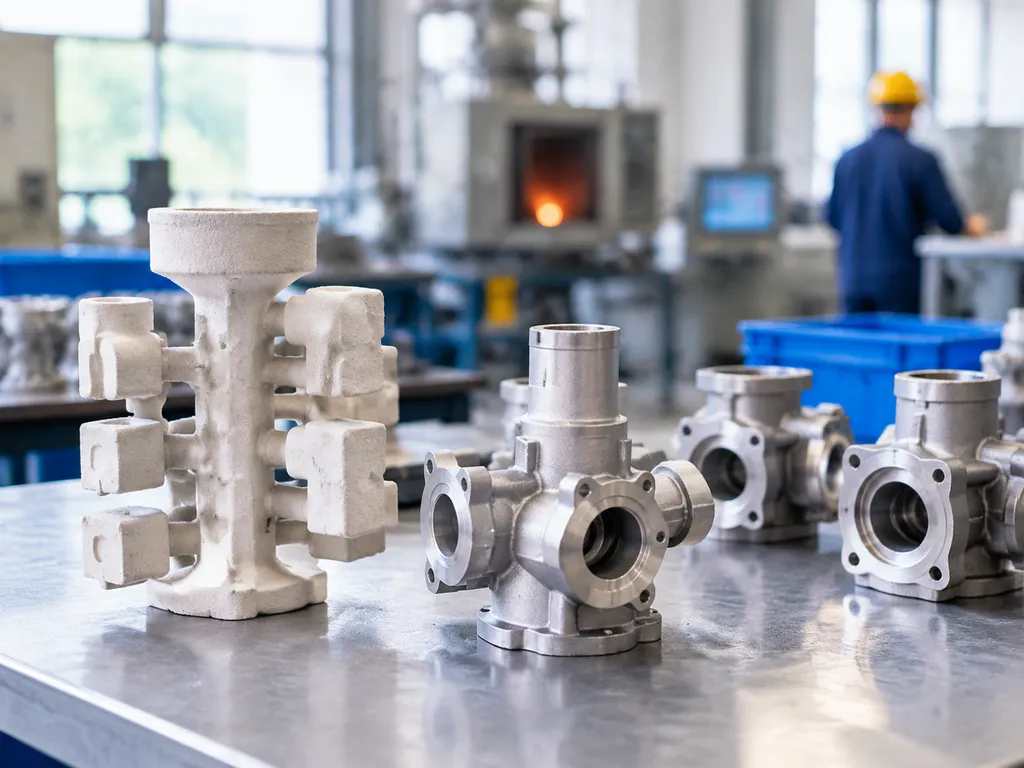
What is Silica Sol Investment Casting?
Silica sol investment casting is a high-precision manufacturing process—often referred to as the "lost wax" process—designed to produce intricate, near-net-shape metal components. By utilizing a refractory shell built from colloidal silica, this method offers superior surface quality and dimensional accuracy compared to traditional alternatives.
Silica Sol vs. Water Glass Casting
We differentiate our process from water glass (sodium silicate) casting by the shell-building binder. Silica sol provides a more stable, heat-resistant, and high-density mold, resulting in finer detail and tighter tolerances.
| Feature | Silica Sol Casting | Water Glass Casting |
|---|---|---|
| Surface Finish | Excellent (Ra 3.2–6.3μm) | Moderate (Ra 12.5μm+) |
| Dimensional Accuracy | High (CT6-CT7) | Lower (CT8-CT9) |
| Mold Stability | High (High-temperature resistance) | Lower (Prone to deformation) |
| Application | High-precision/complex parts | Simple/rough structural parts |
Key Benefits
- Superior Surface Finish: Our silica sol process eliminates the common surface pitting found in traditional methods, drastically reducing the need for secondary machining.
- Structural Integrity: The high-density shell material ensures minimal internal defects and high mechanical strength in the finished cast.
- Complex Geometries: By using wax patterns, we can achieve complex internal and external features that are impossible or cost-prohibitive to machine from solid blocks.
Technical Advantages of Silica Sol Casting
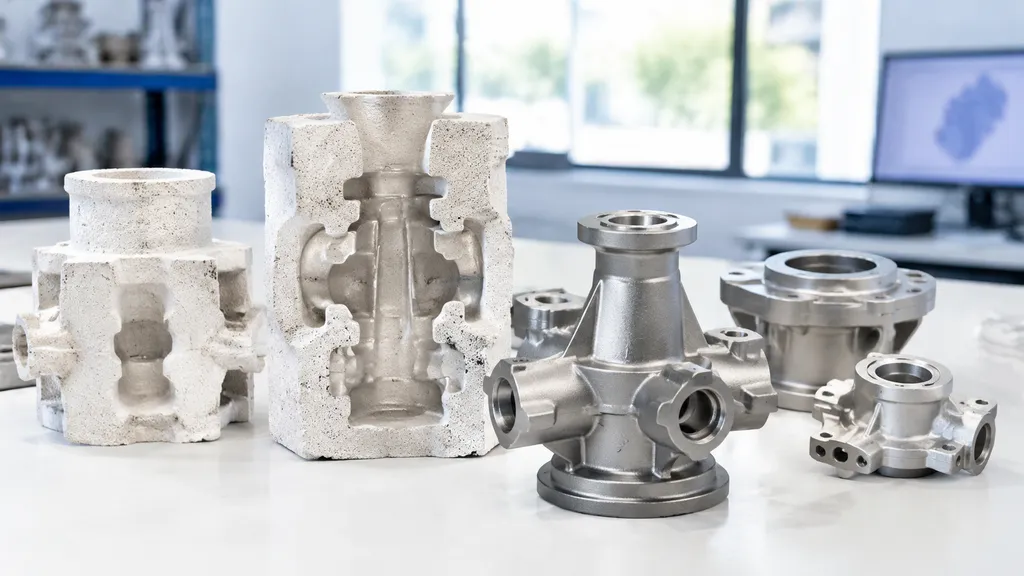
We utilize silica sol investment casting to deliver precision-engineered components that meet the most demanding industrial requirements. By leveraging this advanced process, we ensure high dimensional accuracy and exceptional surface quality, significantly reducing the need for extensive secondary machining.
Key Performance Capabilities
Our production standards provide reliable outcomes for complex projects, ensuring consistent performance across all batches.
| Feature | Performance Standard |
|---|---|
| Surface Finish | Ra 3.2–6.3μm |
| Dimensional Tolerance | CT6–CT7 |
| Geometrical Complexity | High (Near-net-shape) |
| Material Versatility | Carbon Steel, Stainless Steel, High Alloys |
Precision Engineering Highlights
- Superior Surface Quality: The process achieves a refined surface finish, reducing friction and improving the aesthetic and functional properties of parts.
- Dimensional Accuracy: We adhere to CT6-CT7 tolerance standards, ensuring that components fit seamlessly into your assemblies.
- Complex Geometry Support: Our technology is ideal for near-net-shape manufacturing of intricate designs that would be difficult or impossible to produce via traditional casting.
- Material Compatibility: We support a wide range of custom casting alloys and grades, allowing for flexibility in material selection to suit specific strength, corrosion resistance, and thermal requirements.
The Vastpe Advantage: Why Partner With Us?
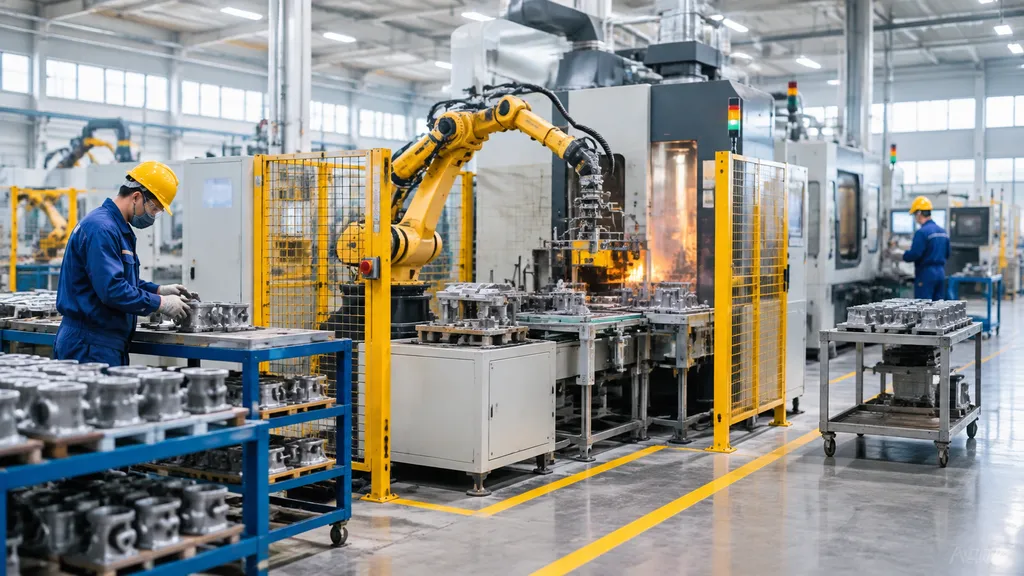
At Vastpe, we provide reliable silica sol investment casting solutions built on a foundation of technical expertise and rigorous quality control. We operate under strict ISO 9001 quality standards, ensuring that every component meets the high expectations of global engineering markets. By prioritizing casting quality standards for reliable metal parts, we provide our clients with the consistency required for mission-critical applications.
Our commitment to excellence is reflected in our comprehensive manufacturing approach:
- Advanced Shell-Building Technology: We utilize specialized silica sol slurry processes to create robust, stable molds, resulting in superior surface integrity and fewer internal defects.
- Comprehensive NDT & Quality Checks: Every batch undergoes rigorous Non-Destructive Testing to verify structural soundness before delivery.
- Proactive DFM Support: Our team provides expert Design for Manufacturing (DFM) guidance early in the development phase. By optimizing your part geometry for the investment casting process, we help you reduce material waste, simplify production, and lower total project costs.
When you partner with Vastpe, you gain access to a precision-focused foundry dedicated to turning complex designs into high-performance, cost-effective metal components.
Key Industry Applications for Silica Sol Investment Casting
We provide high-precision casting solutions across a diverse range of demanding sectors. By leveraging the superior surface finish and structural reliability of our silica sol process, we support manufacturers who require parts that perform consistently under extreme stress and precision requirements.
Our core industry applications include:
- Automotive and Aerospace Engineering: We produce critical precision aerospace casting components that meet stringent safety and performance standards. These parts are often lightweight yet possess the high-strength characteristics needed for engine systems and structural assemblies.
- Medical Device Instrumentation: Given the need for biocompatibility and complex, clean geometries, our casting process is ideal for surgical tools and diagnostic equipment that require high levels of detail.
- Industrial Pumps, Valves, and Fluid Management: We manufacture durable flow-control components that resist corrosion and withstand high-pressure environments, ensuring reliable long-term operation for critical infrastructure.
- Food and Chemical Processing Equipment: Our ability to cast high-grade stainless steel with excellent surface integrity ensures that components are easy to clean, sanitary, and resistant to aggressive chemical environments.
By integrating advanced casting process methods, we ensure that every component, regardless of the industry, meets the exact specifications required for its specialized environment.
Our Manufacturing Workflow for Silica Sol Investment Casting
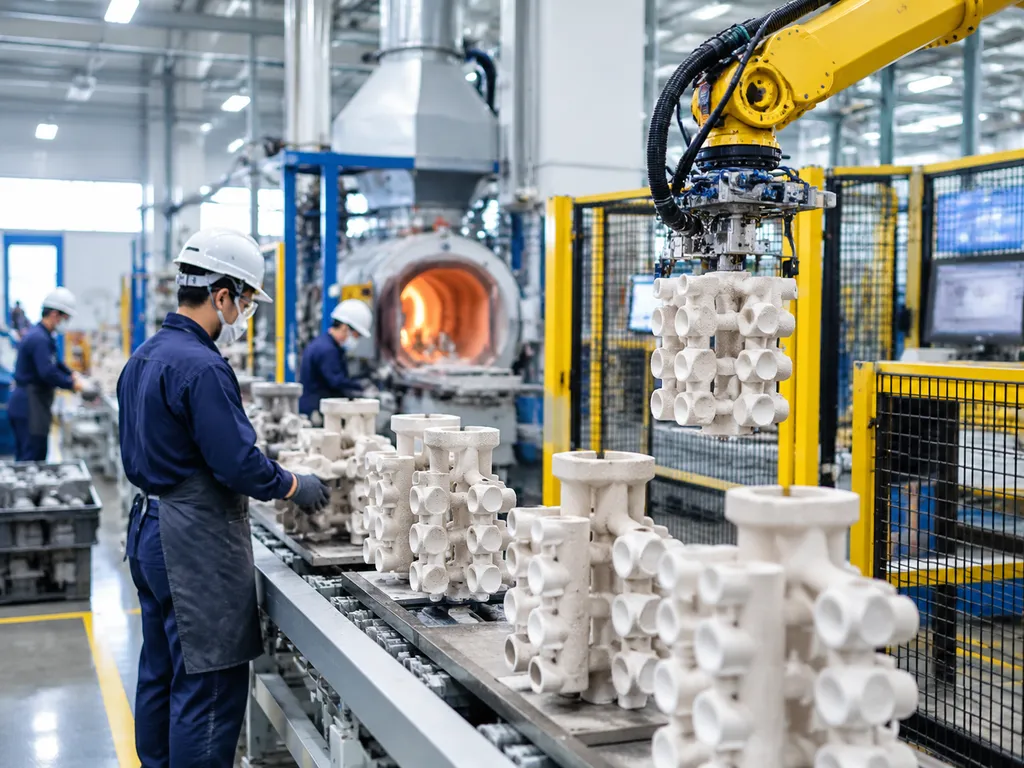
We utilize a rigorous, multi-stage lost-wax precision casting workflow to ensure every component meets exact engineering requirements. By leveraging advanced ceramic shell investment casting process and benefits, we maintain strict control over structural integrity and surface quality.
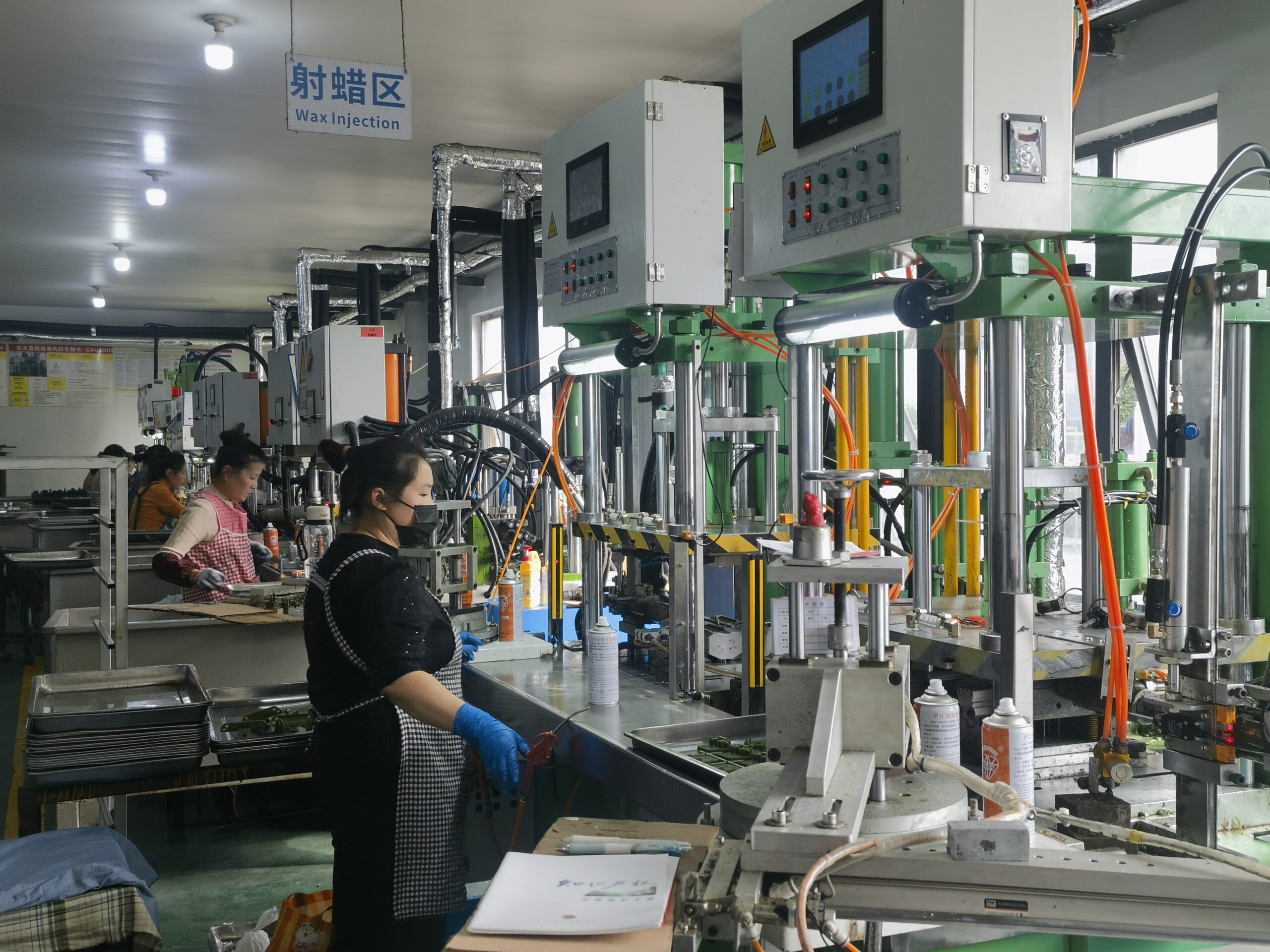
- Step 1: Pattern Creation and Wax Injection We begin by creating high-precision metal molds. Molten wax is injected into these molds to form precise, sacrificial patterns that mirror the final geometry of your part.
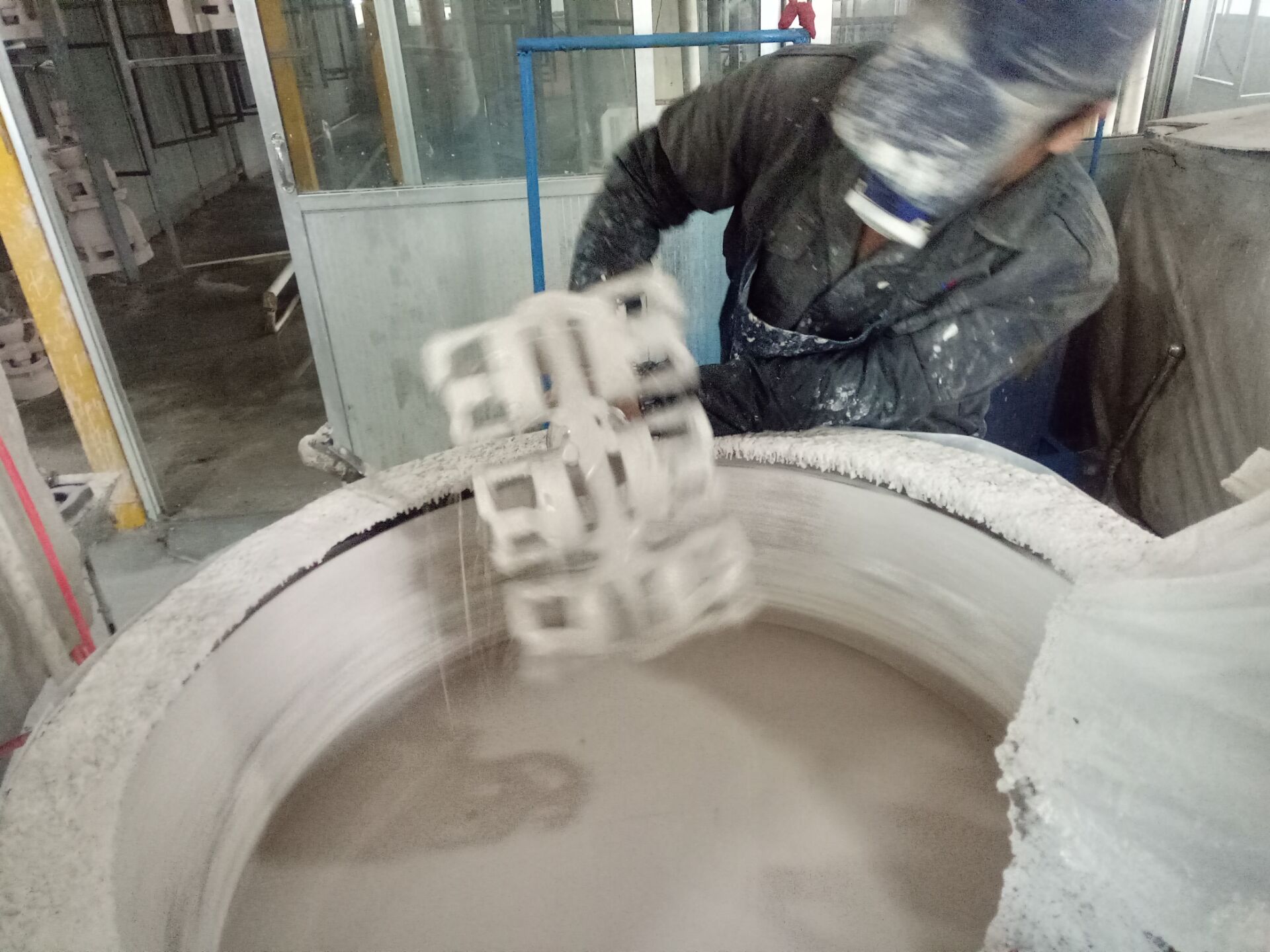
- Step 2: Shell Building via Silica Sol Slurry Immersion The wax patterns are assembled onto a sprue and repeatedly dipped into a high-grade colloidal silica slurry. This is followed by a stucco coating, which is repeated until a robust, heat-resistant ceramic shell is formed around the wax.
- Step 3: Dewaxing and High-Temperature Sintering Once the shell cures, we melt out the wax in an autoclave, leaving a hollow cavity. The shell is then fired at high temperatures to sinter the ceramic, ensuring it can withstand the thermal shock of molten metal.
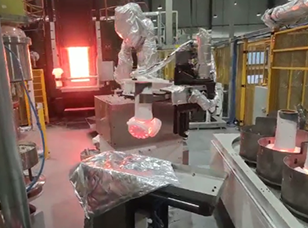
- Step 4: Metal Pouring and Cooling Phase We pour molten alloy into the pre-heated ceramic shells. This step is carefully monitored to ensure proper grain structure and to prevent porosity, resulting in near-net-shape manufacturing that minimizes subsequent material waste.
- Step 5: Secondary Finishing, Shot Blasting, and Machining After the metal cools and the shell is removed, we perform final cleaning processes. This includes shot blasting, gate removal, and optional precision machining to achieve your specified tolerance standards and surface finish requirements.
Technical Specifications and Capabilities
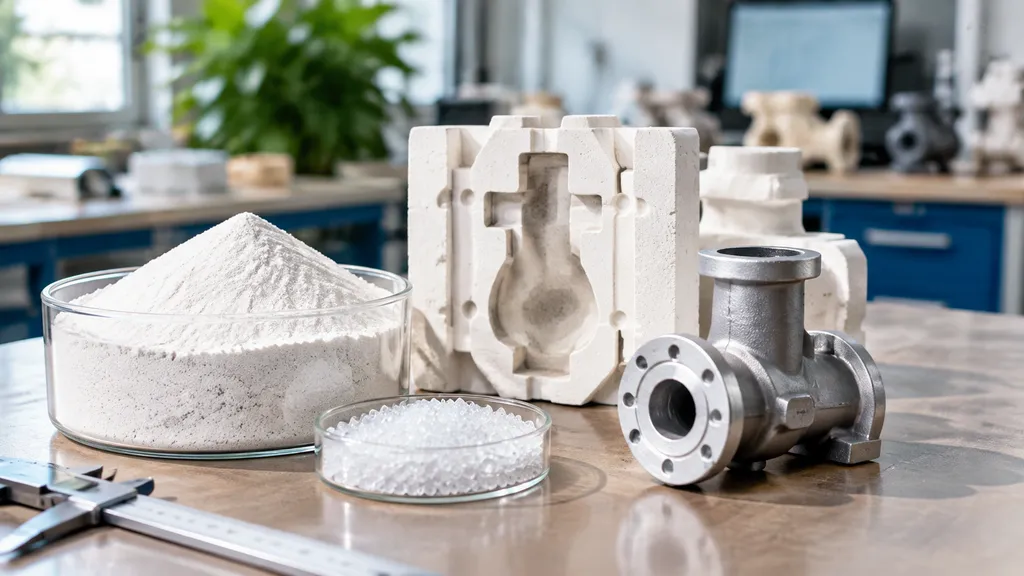
We deliver high-precision results tailored to complex industrial requirements. Our metal investment casting process tolerances and materials are engineered to ensure consistency and performance for high-demand components.
Precision Standards and Material Compatibility
Our silica sol investment casting process is designed to handle a wide spectrum of materials, ensuring that physical properties meet your specific project requirements.
| Specification Category | Capability / Standard |
|---|---|
| Dimensional Tolerance | CT6–CT7 |
| Surface Finish | Ra 3.2–6.3μm |
| Weight Capacity | 0.01kg – 50kg |
| Size Limit | Up to 600mm x 600mm x 600mm |
| Common Materials | Carbon Steel, Stainless Steel (304, 316, 316L), Alloy Steel, Tool Steel |
Engineering Precision
- Near-Net-Shape Accuracy: We minimize the need for secondary machining by achieving tight tolerances directly during the casting stage.
- Material Versatility: We support a broad range of steel grades, including high-strength and corrosion-resistant alloys, to ensure your parts survive extreme environments.
- Consistency: Our controlled shell-building technology and automated pouring parameters guarantee that large production batches maintain identical specs to your initial prototypes.
By prioritizing these technical benchmarks , we ensure that every casting component supports your assembly’s integrity and operational lifespan.
Frequently Asked Questions (FAQs)
We often receive technical inquiries regarding our silica sol investment casting services. Below are the answers to the most common questions from our clients to help you make informed manufacturing decisions.
| Question | Answer Summary |
|---|---|
| Silica sol vs. other methods? | Silica sol offers better surface finish and structural integrity compared to water glass methods due to higher-quality binders and shell strength. |
| Cost benefits vs. machining? | Investment casting achieves near-net-shape, significantly reducing raw material waste and secondary machining labor costs. |
| Accepted CAD formats? | We primarily work with STEP, IGS, and X_T files to ensure precise data translation for our casting molds. |
| Ensuring batch consistency? | We utilize strict ISO 9001 protocols, standardized wax injection, and automated shell-building technologies to maintain uniformity. |
How does silica sol casting differ from other investment casting methods?
The primary difference lies in the binder system. Silica sol uses a high-purity colloidal silica binder, resulting in a stronger ceramic shell that can withstand higher temperatures and provide a smoother, more refined surface finish than traditional water glass (sodium silicate) methods.
What are the cost benefits of choosing high-precision casting over machining from solid?
By utilizing lost-wax precision casting, we create parts that are close to their final dimensions (near-net-shape). This drastically reduces the volume of metal removed during secondary machining, saves expensive high-alloy materials, and lowers overall production cycle times.
What file formats do you accept for CAD design reviews?
To provide accurate Design for Manufacturing (DFM) support, we prefer 3D models in STEP, IGS, or Parasolid (X_T) formats. These formats allow us to perform thorough structural analysis before we begin the pattern creation process.
How do you ensure consistency across large production batches?
Consistency is the bedrock of our precision investment foundry. We achieve this by integrating advanced automation in the casting process, strictly controlling slurry parameters, and conducting rigorous non-destructive testing (NDT) on every production run to ensure every part meets our strict quality standards.
 English
 Russian
 German